When sub-zero temperatures hit, even the most well-maintained plumbing systems are at risk. Freezing air can turn a small oversight into a major emergency in just a few hours. Pipes that normally perform perfectly may suddenly burst, water heaters strain under pressure, and leaks can appear behind walls without warning. While Middle Tennessee doesn’t see extreme cold often, sudden Arctic fronts can push temperatures into the danger zone for homes across West Nashville, Belle Meade, Clarksville, Dickson, Ashland City, and Kingston Springs.
Knowing what to do before and during these events can mean the difference between a quick fix and thousands of dollars in water damage.
Why Sub-Zero Temperatures Are So Dangerous for Plumbing
Once temperatures drop below 20°F, the water inside your home’s pipes begins to reach its freezing point. Unlike most materials, water expands when it freezes - by about 9%. This expansion creates extreme internal pressure that can rupture even strong copper or PVC pipes. The most dangerous part comes when the ice begins to thaw, releasing trapped pressure and sending water rushing through cracks and joints.
Sub-zero temperatures place stress on:
- Pipes in exterior walls or crawl spaces
- Outdoor spigots and hose connections
- Plumbing near unheated garages or basements
- Older water heaters and connection fittings
Because Tennessee winters often include quick temperature drops followed by rapid thaws, plumbing systems endure expansion and contraction cycles that magnify damage.
Recognizing the Early Signs of a Plumbing Emergency
You don’t need to wait for a burst pipe to know something’s wrong. Early warning signs can help you act before the situation worsens.
Watch for:
- A sudden drop in water pressure
- Frost or condensation on exposed pipes
- Gurgling or banging noises from walls
- Discolored water or air bubbles in faucets
- Damp spots appearing on floors or ceilings
If you notice any of these, your pipes may already be freezing or expanding under pressure. Taking immediate steps can prevent them from bursting.
Immediate Actions to Take When Temperatures Drop
When a severe cold front is forecasted, quick preparation can protect your plumbing from freezing damage. Here’s what every homeowner in West Nashville, Belle Meade, and Clarksville should do as temperatures begin to fall.
1. Keep Water Moving
Flowing water is much harder to freeze. Open each faucet slightly to allow a slow drip, especially those along exterior walls or far from the main water line. This keeps pressure steady and prevents ice blockages.
2. Open Cabinets and Access Panels
Let warm air reach hidden pipes under sinks and behind appliances. Opening cabinet doors in kitchens, bathrooms, and laundry rooms helps maintain a stable temperature around vulnerable plumbing.
3. Set Thermostats Consistently
Avoid turning the heat down at night or when leaving the house. Keep indoor temperatures steady, ideally above 65°F. Even small temperature drops can create cold pockets inside walls where pipes are located.
4. Seal Cold Air Entry Points
Check around doors, windows, and crawl space vents for drafts. Cold air leaking in near plumbing can accelerate freezing. Temporary weather stripping or insulation tape can make a big difference in an emergency.
5. Disconnect and Drain Outdoor Hoses
Exterior spigots and hoses are the first to freeze. Disconnect hoses, shut off the exterior water supply (if available), and install foam faucet covers for extra protection.
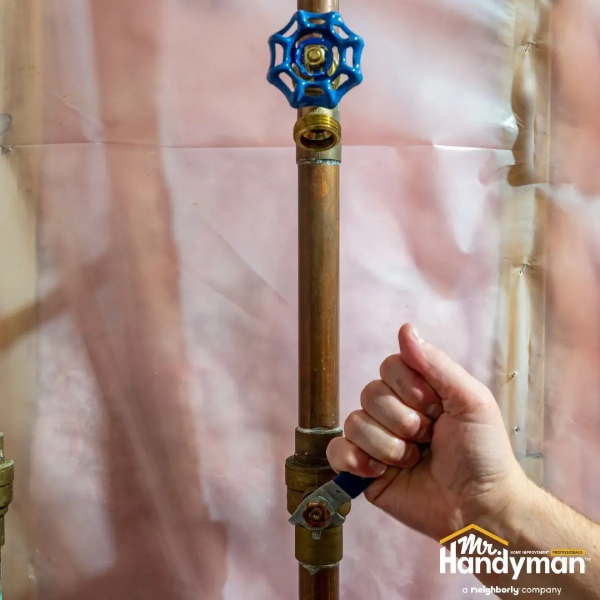
6. Know Where Your Main Shutoff Valve Is
Every homeowner should know the exact location of their main water shutoff. If a pipe bursts, shutting off water immediately can prevent catastrophic damage. Label the valve clearly and ensure all adults in the home can access it.
What to Do If Pipes Begin to Freeze
If you notice reduced water flow, the first step is to act quickly but carefully. Frozen pipes are still salvageable if thawed properly.
- Turn off the main water supply.
- Open all faucets to relieve pressure.
- Locate the suspected frozen section (common in unheated or exposed areas).
- Warm the area slowly using:
- A hair dryer on low heat
- A heating pad
- Warm towels wrapped around the pipe
- A portable space-safe heater (kept at a safe distance)
- Never use open flames or propane torches, as they can cause fire or pipe damage.
Once water flow returns, check all visible plumbing for leaks or cracks.
Handling Burst Pipes
If a pipe has already burst, time is critical.
Here’s what to do immediately:
- Shut off the main water supply to stop the flow.
- Turn off electricity in affected areas if water is spreading.
- Open all faucets to drain remaining water.
- Mop up standing water quickly to reduce damage.
- Contact a plumbing or handyman service right away for repairs.
Burst pipes often require both plumbing and drywall repair. Acting quickly limits secondary issues like mold growth or electrical hazards.
Protecting Water Heaters During Sub-Zero Cold
Water heaters are under heavy stress in winter. The combination of colder incoming water and increased demand can lead to poor performance or breakdowns.
To protect your system:
- Insulate the tank and connecting pipes.
- Check for signs of rust or leaks near the base.
- Maintain the thermostat between 120°F–125°F.
- If your water heater is in a garage or unheated area, add a small heater or insulation wrap nearby.
If you lose hot water during a cold spell, it may not be a total failure - sediment buildup or thermostat strain can often be fixed with quick maintenance.
When to Call for Professional Help
Some emergencies simply can’t wait. If you suspect a major leak, frozen main line, or water damage behind walls, don’t attempt extensive repairs on your own. A professional can diagnose the problem safely and efficiently, preventing costly repeat issues.
Homeowners throughout West Nashville, Belle Meade, and Clarksville trust Mr. Handyman of W. Nashville, Belle Meade, Clarksville for emergency plumbing repairs, pipe insulation, and winter protection services.
How to Prevent Plumbing Emergencies During Sub-Zero Temperatures
When temperatures drop below freezing, your home’s plumbing faces its biggest test of the year. While immediate action can stop emergencies in progress, the best defense is preparation. Preventing frozen pipes, burst lines, and water damage before the next cold snap strikes can save thousands of dollars - and a lot of stress.
For homeowners in West Nashville, Belle Meade, Clarksville, Ashland City, Green Hills, Berry Hill, Dickson, and Kingston Springs, taking a few proactive steps now will protect your plumbing system from the unpredictable winter weather that Tennessee often brings.
Let’s explore how to safeguard your pipes, faucets, and water systems so your home stays safe and dry when the temperatures fall below zero.
1. Insulate Exposed and Vulnerable Pipes
One of the most effective ways to prevent winter plumbing emergencies is proper insulation. Pipes located in unheated or drafty areas like crawl spaces, attics, and garages are the most likely to freeze.
To protect them:
- Use foam insulation sleeves on exposed pipes.
- For extra protection, wrap pipes in heat tape or heating cables rated for plumbing use.
- Ensure all seams are sealed to prevent air leaks.
- Pay close attention to pipes that run along exterior walls or near vent openings.
Insulation slows the transfer of cold air and helps maintain steady water temperatures inside your pipes, preventing ice from forming in the first place.
2. Seal Air Leaks Around Plumbing
Even the best-insulated pipes can freeze if cold air seeps in from outside. Small drafts entering around plumbing penetrations can rapidly chill pipes hidden behind walls or under floors.
Inspect for air leaks in:
- Crawl space access doors
- Window and door frames
- Plumbing entry points near walls or floors
- Attic hatches and foundation vents
Use weather stripping, spray foam, or caulk to seal gaps and cracks. By keeping cold air out, you protect both your pipes and your home’s overall energy efficiency.
3. Maintain Consistent Indoor Temperatures
Fluctuating indoor temperatures are a major cause of freezing pipes, especially in homes with older insulation or inconsistent heating. Always keep your thermostat set to a minimum of 65°F, even overnight or when you’re away.
Tips for steady heat:
- Keep interior doors open to allow warm air to circulate.
- Avoid lowering the thermostat drastically when leaving the house.
- In multi-level homes, make sure both floors receive adequate heat distribution.
If your home has areas that never seem to stay warm, such as basements or bonus rooms, consider using safe, low-wattage space heaters in those spaces during extreme cold.
4. Protect Outdoor Faucets and Water Lines
Outdoor plumbing is often the first to freeze - and when it does, it can cause backflow pressure that affects interior pipes as well.
Steps to protect exterior faucets:
- Disconnect garden hoses and drain them completely.
- Shut off the outdoor water supply from the interior valve, if available.
- Install insulated faucet covers to shield from cold air exposure.
- For long-term protection, consider installing frost-free spigots, designed to prevent water from sitting near the exposed end of the faucet.
Taking five minutes to prepare outdoor plumbing before freezing weather can prevent one of the most common - and preventable - winter plumbing disasters.
5. Keep Water Moving During Extreme Cold
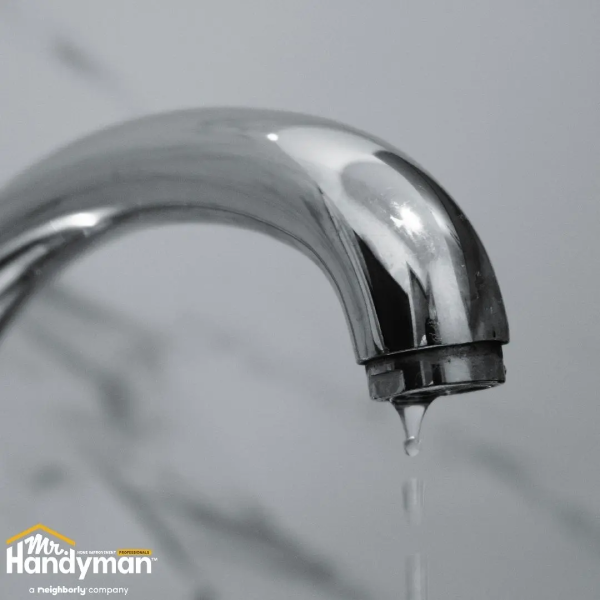
When sub-zero temperatures are forecasted, the simplest preventive measure is also one of the most effective: keep the water moving.
Allow a slow drip from faucets during the coldest nights. Choose one faucet on each level of your home, preferably the one farthest from your main water shutoff. The steady movement of water reduces pressure inside the pipes and prevents freezing in vulnerable sections.
Also, open cabinet doors under sinks in kitchens and bathrooms to let warm air reach the pipes inside walls or near exterior surfaces.
6. Service Your Water Heater Before Winter
Your water heater works harder in cold weather, and if it fails during a deep freeze, you’ll be left without hot water when you need it most. Regular maintenance ensures efficiency and extends its lifespan.
Before winter:
- Flush sediment from the tank to improve performance.
- Inspect the anode rod and replace if corroded.
- Insulate the tank with a water heater blanket (for older models).
- Check the thermostat setting - ideally between 120°F and 125°F.
If your water heater is over 10 years old or frequently struggles to maintain hot water, consider scheduling a professional inspection to avoid midwinter breakdowns.
7. Know Where Your Shutoff Valves Are
Every homeowner should know how to shut off their home’s water supply in case of emergency. The main shutoff valve is often located near the water meter, in a basement, utility room, or crawl space.
Label this valve clearly and make sure all adults in the home know how to operate it. In a burst pipe emergency, turning this valve off can reduce water damage by hundreds of gallons.
Additionally, identify individual shutoff valves for sinks, toilets, and appliances. These can isolate smaller leaks without disrupting the entire home’s water supply.
8. Schedule a Professional Winter Plumbing Inspection
Preventive maintenance goes a long way, but a professional inspection provides peace of mind before the coldest months hit. A qualified technician can:
- Inspect for hidden leaks and corrosion
- Test water pressure and balance
- Ensure insulation and heat cables are properly installed
- Evaluate your water heater’s condition
- Identify at-risk pipes and fittings
Homeowners throughout West Nashville, Belle Meade, and Clarksville trust Mr. Handyman of W. Nashville, Belle Meade, Clarksville for comprehensive winter plumbing preparation and emergency services.
9. Preventative Maintenance Saves Time, Money, and Stress
A frozen or burst pipe can cause thousands in water damage within minutes. Proactive maintenance costs only a fraction of that. By insulating, sealing, and monitoring your plumbing system before sub-zero temperatures strike, you can avoid unexpected disasters and ensure reliable performance all winter long.
In the unpredictable Tennessee climate, preparation isn’t just smart - it’s essential.
Final Thoughts on Preventing Plumbing Emergencies in Sub-Zero Weather
Sub-zero temperatures can expose the weakest points in your home’s plumbing system, but with proper insulation, consistent heating, and professional maintenance, you can prevent nearly every major winter emergency.
The key is awareness and preparation - knowing what to look for, what to do, and who to call when things go wrong. Whether you’re winterizing your home or responding to a sudden cold front, having a trusted team ready makes all the difference.
When winter plumbing emergencies strike, quick action matters. Call us for reliable help or request service online anytime.