A Gym's Equipment Is Only as Good as the Hands That Assembled It
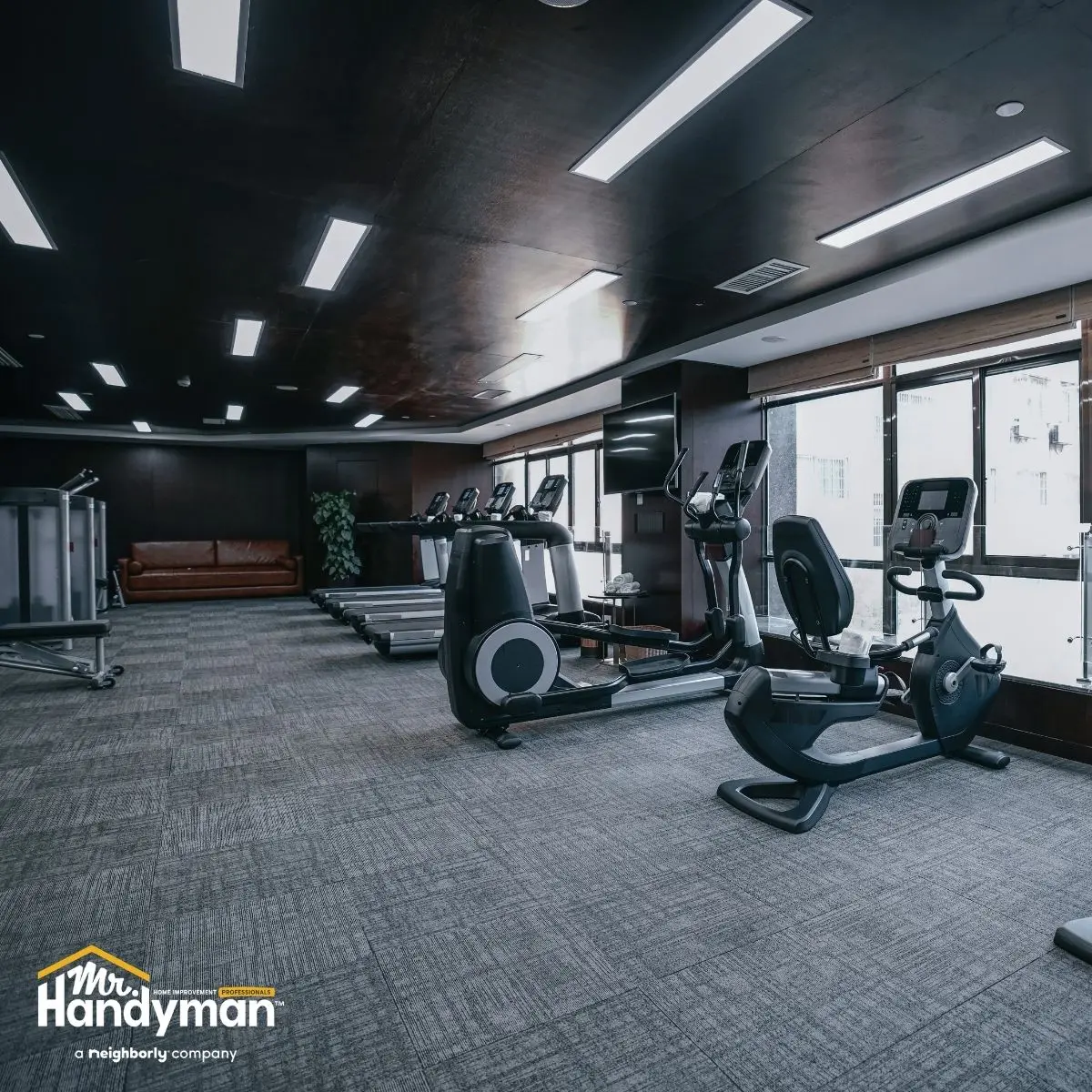
When a fitness facility opens its doors in Middle Tennessee, the first thing members evaluate is not the membership price or the class schedule. It is the equipment. Whether it is a commercial gym in Nashville's growing fitness market, a boutique studio in Belle Meade, or a community recreation facility in Clarksville, the condition, stability, and function of the equipment on that floor communicates everything about how the facility is managed before a single staff interaction occurs.
Equipment that is assembled correctly, maintained consistently, and functioning at its designed capacity is the foundation of every positive member experience a fitness facility produces. Equipment that was assembled by staff members working from instructions they had never followed before, that has not been serviced since installation, or that is developing the wear and mechanical degradation that routine commercial fitness use accelerates without corresponding maintenance attention is not simply an aesthetic liability. It is a safety risk, a liability exposure, and a member retention problem that manifests in ways that are individually difficult to trace back to equipment condition but that accumulate into the pattern of declining membership that facilities with poor equipment management consistently experience.
Middle Tennessee's fitness market has grown significantly alongside the region's broader population and economic expansion. Nashville's urban core, Belle Meade's established residential and commercial environment, and Clarksville's rapidly growing population have all supported fitness facility growth that has increased competitive pressure across every category of gym and studio operation. In that environment, the facilities that retain members most effectively are those whose equipment condition communicates professionalism and investment in the member experience consistently, and whose safety record reflects the maintenance discipline that professional equipment assembly and ongoing service delivers.
What Commercial Fitness Equipment Assembly Actually Involves
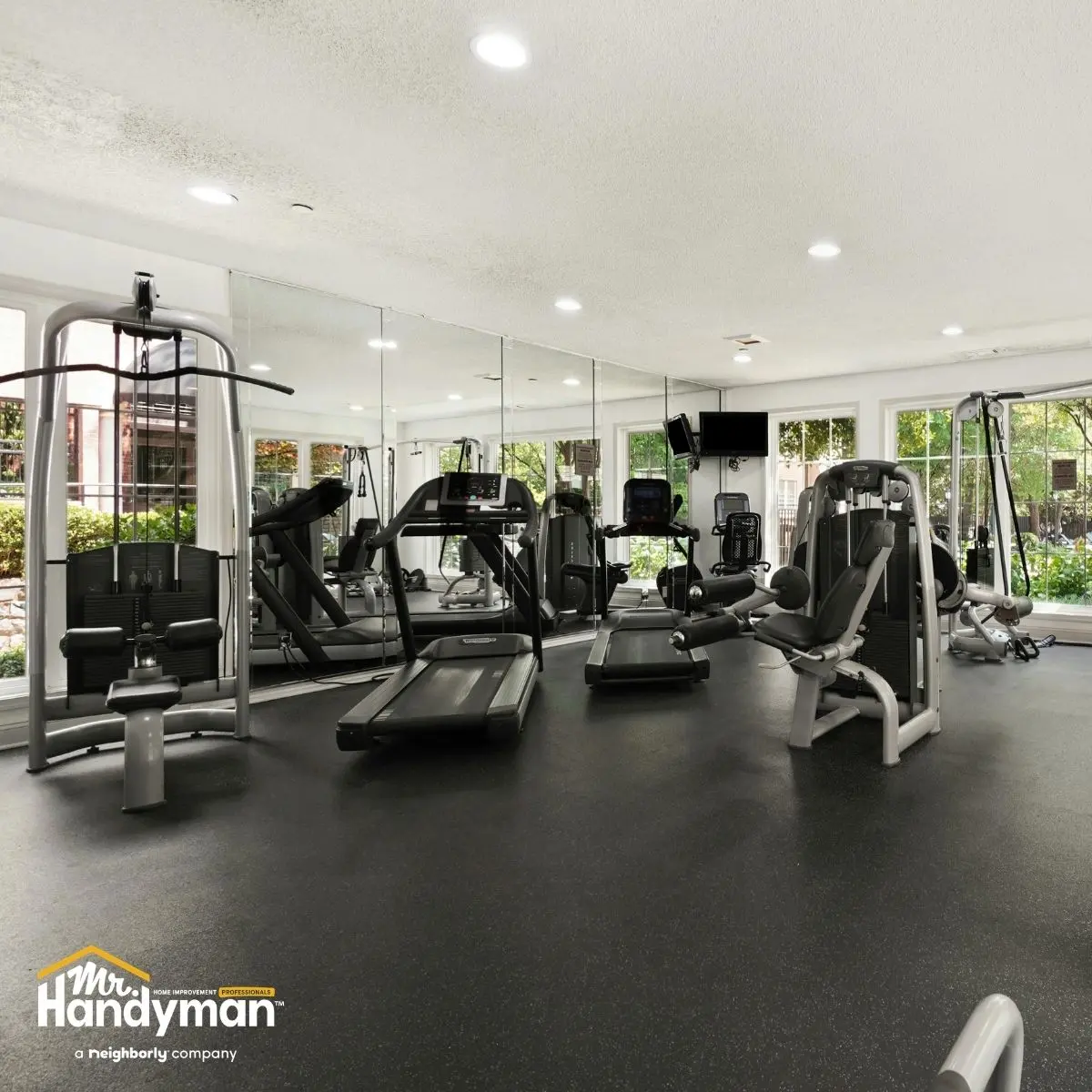
The assembly of commercial fitness equipment is not a task that translates from consumer product experience in any meaningful way. A treadmill purchased for home use arrives with assembly requirements that a motivated homeowner with basic tools can manage competently. A commercial treadmill delivered to a fitness facility in Nashville or Clarksville arrives with assembly requirements that reflect the mechanical complexity, weight capacity ratings, electrical systems, and safety specifications that differentiate commercial equipment from its residential counterparts.
Structural assembly precision in commercial strength equipment, including cable systems, functional trainers, rack systems, and plate-loaded machines, determines whether the equipment operates within its designed load paths or develops stress concentrations at connection points that were not assembled to specification. A cable machine whose frame sections were not aligned correctly during assembly places lateral load on frame members and cable routing components that the design did not intend, accelerating wear at those points in ways that are not visible until a component fails under load. In a fitness facility where members are regularly using equipment at the maximum capacity their fitness level allows, that accelerated wear produces failure conditions that occur during use rather than during maintenance inspection.
Electrical system connection in motorized cardio equipment, including treadmills, ellipticals, stair climbers, and rowing machines with electronic resistance systems, requires assembly attention that goes beyond following wiring diagrams. Connections that are not properly seated, grounding that is not confirmed, and cable management that allows movement-induced wear on wiring insulation all create electrical conditions that affect both equipment performance and the safety of the members using the equipment. In Middle Tennessee's humidity environment, where moisture and temperature cycling affect electrical connections in ways that controlled-environment commercial facilities experience less acutely, proper connection integrity at assembly establishes the baseline that maintenance inspections subsequently verify.
Adjustment and calibration after structural assembly determines whether the equipment delivers the biomechanically appropriate movement patterns that its design intends. A cable pulley system whose cable paths are not correctly aligned through the pulley routing produces movement resistance that deviates from the intended path in ways that create joint stress for the member using it. A treadmill whose belt tension and tracking were not correctly set at assembly develops uneven belt wear and tracking drift that affects both the member's running surface and the drive system components beneath it. These calibration conditions do not resolve themselves through use. They develop progressively into conditions that require repair rather than adjustment.
The Specific Risks That Improperly Assembled Equipment Creates
The safety risks that improperly assembled commercial fitness equipment creates are not hypothetical concerns that liability-conscious lawyers raise in commercial fitness contexts. They are real conditions that occur in fitness facilities across the country and that produce member injuries with a frequency that proper assembly and maintenance practices reliably reduce.
Structural failure under load in improperly assembled strength equipment is the failure mode with the most serious injury potential. A rack system whose uprights were not secured to the base with the torque specifications the manufacturer requires, a cable machine whose frame sections were joined without the correct hardware, or a functional trainer whose anchor points were installed in a wall assembly that cannot support the dynamic loads the equipment generates all represent structural assembly deficiencies whose consequences arrive suddenly and under the conditions of heaviest member use. In Nashville and Clarksville fitness facilities where strength training equipment is in continuous use through peak hours, the structural integrity of every assembled component is tested repeatedly and without warning.
Belt and drive system failures in cardio equipment that was not correctly assembled or calibrated produce member falls and injuries that are the most common equipment-related fitness facility incidents. A treadmill belt that was installed with incorrect tension, that develops tracking drift from misaligned rollers, or whose emergency stop system was not correctly connected at assembly presents fall risk to every member who uses it. In Middle Tennessee's fitness market, where the growing member base includes exercisers across a wide age and fitness range, the fall risk that a malfunctioning treadmill presents is not limited to the most physically capable members who might recover from an unexpected belt deceleration.
Fastener failure in equipment that was assembled with incorrect hardware, incorrect torque, or fasteners that were not confirmed fully seated produces failure modes that are particularly difficult to anticipate because the equipment appears structurally sound until the fastener fails. A weight selector pin that was not fully engaged in a selectorized machine, a seat adjustment mechanism that was assembled with a fastener one size smaller than the specification, or a handlebar connection that was tightened to feel rather than to torque specification all represent fastener conditions that hold adequately until the load conditions that reveal their inadequacy are applied.
Middle Tennessee's Climate Adds Specific Maintenance Demands
Fitness facilities in Nashville, Belle Meade, and Clarksville operate in a climate that introduces maintenance demands that facilities in drier or more moderate climates do not experience with the same intensity. Understanding how Middle Tennessee's specific climate conditions affect commercial fitness equipment shapes a maintenance approach that reflects the actual conditions equipment experiences rather than the generic maintenance schedules that national equipment manufacturers publish for climatic average conditions.
Humidity effects on mechanical components in commercial fitness equipment are consistent and progressive in Middle Tennessee's climate. Metal components in cable systems, weight stack guide rods, and the structural members of strength equipment develop surface oxidation in the humid conditions that Middle Tennessee's summers sustain for months at a time. That oxidation affects the smooth operation of moving components, introduces resistance into systems that were designed for frictionless operation, and eventually compromises the structural integrity of components that corrode beyond their surface finish. Lubrication schedules and corrosion prevention treatments calibrated to Middle Tennessee's actual humidity conditions rather than to national averages protect equipment through the conditions it actually experiences.
HVAC performance in fitness facilities directly affects the humidity and temperature conditions that equipment operates in, and facilities in Nashville and Clarksville where HVAC systems are undersized for the thermal and humidity loads that high-occupancy fitness use produces create equipment operating conditions that accelerate wear beyond what properly climate-controlled facilities experience. A fitness floor that runs at 75 degrees with 70 percent relative humidity through a Middle Tennessee summer is not simply uncomfortable for members. It is an environment that accelerates the corrosion, lubrication breakdown, and electrical component degradation that equipment maintenance programs are designed to manage.
Seasonal demand cycling in Middle Tennessee fitness facilities creates usage patterns that stress equipment through periods of concentrated use followed by relative reduction, which is a mechanical stress pattern that affects components differently than continuous steady-state use. New Year membership surges, spring fitness motivation increases, and the summer activity patterns that this region's climate and culture produce all create periods where equipment use intensity peaks in ways that reveal assembly quality and maintenance discipline more clearly than average use conditions do.
Ongoing Maintenance Programs: What They Cover and Why They Matter
The assembly of commercial fitness equipment establishes the baseline from which every subsequent maintenance intervention either preserves or restores performance. A maintenance program that is structured around the specific demands that Middle Tennessee's climate and commercial fitness use patterns place on equipment delivers measurably better outcomes than one built from generic manufacturer schedules that do not account for regional conditions or actual facility usage intensity.
Preventive maintenance schedules for commercial fitness equipment should be calibrated to the actual use volume the equipment experiences rather than to the calendar intervals that manufacturer documentation specifies for average conditions. A treadmill in a high-volume Nashville fitness facility that logs fifteen hours of daily member use needs belt tension checks, drive system lubrication, and running surface inspection on a schedule that reflects that intensity. The same treadmill in a lower-volume Clarksville facility with six hours of daily use has a longer interval before the same wear thresholds are reached. Maintenance scheduling that reflects actual use conditions rather than generic calendar intervals catches developing conditions before they reach member-facing failure rather than after.
Cable and upholstery inspection on strength equipment requires attention frequency that commercial use conditions justify even when visible deterioration has not yet occurred. Cable assemblies on functional trainers, cable crossover machines, and selectorized equipment develop internal strand fatigue that is not visible at the cable surface until the assembly is close to failure. Proactive cable replacement at the intervals that commercial use volume justifies eliminates the failure mode rather than waiting for it. Upholstery that develops tears, separations at seam lines, or foam compression that has reduced the padding to an ineffective layer represents both a member comfort issue and a hygiene concern in Middle Tennessee's humid climate where moisture retention in damaged upholstery creates conditions for bacterial growth.
Electronic system diagnostics on motorized cardio equipment require maintenance attention that goes beyond the physical inspection that visual checks provide. Treadmill motor controllers that are developing component failures, elliptical resistance systems with calibration drift, and console systems with connectivity or display issues all affect the member experience in ways that accumulate into the perception of poor equipment quality even when the physical structure of the equipment is sound. Scheduled electronic diagnostics that confirm system performance within specification identify developing electronic conditions before they produce the member-visible failures that generate service complaints and negative facility reviews.
Member Retention: How Equipment Condition Drives the Numbers That Matter
The connection between equipment condition and member retention in commercial fitness facilities is direct, measurable, and consistently underappreciated by facility operators who evaluate retention through the lens of programming, pricing, and customer service without fully accounting for the equipment experience that underlies every member's daily facility interaction.
Members who encounter equipment that is functioning correctly, feels stable and secure under load, and produces the mechanical response it was designed to deliver form positive associations with the facility experience that are reinforced with every visit. Those associations contribute to the habit formation and emotional connection that retention research consistently identifies as the primary drivers of long-term membership. In Nashville's competitive fitness market, where members have access to multiple facilities across a range of price points and programming styles, the equipment experience is one of the few facility attributes that members encounter on every single visit regardless of the programming or staff interaction that varies between visits.
Members who encounter equipment that is malfunctioning, feels unstable or mechanically inconsistent, or produces visible wear and deterioration that communicates neglect form negative associations that are equally reinforced by repeated exposure. In Belle Meade's fitness market, where members' expectations for facility quality reflect the overall quality standard of the community's commercial environment, equipment condition that falls below those expectations creates a specific gap between what the membership price implies and what the equipment experience delivers. That gap does not close through excellent class programming or friendly staff interaction. It closes through equipment that performs correctly.
Online review dynamics in Middle Tennessee's fitness market have made equipment condition a more publicly consequential factor in facility reputation than it was in markets where member experience traveled only through word of mouth. A Google or Yelp review that specifically identifies malfunctioning equipment, broken machines that have not been repaired, or assembly quality that produced an unstable exercise experience reaches every prospective member who researches the facility before visiting. In Clarksville's growing market, where new residents are actively forming their local fitness preferences and relying on online research to guide those decisions, negative equipment reviews carry weight in the facility selection process that is difficult to offset through other positive review content.
Liability Management Through Professional Assembly and Maintenance Documentation
The liability implications of equipment-related member injuries in commercial fitness facilities are significant enough that they deserve direct treatment in any discussion of why professional assembly and ongoing maintenance matter beyond the operational and retention arguments.
A fitness facility in Tennessee that experiences a member injury from equipment failure faces a liability environment where the facility's documented maintenance practices are central to how the injury claim is evaluated. A facility that can demonstrate professional assembly by qualified technicians, documented preventive maintenance at appropriate intervals, and prompt response to any identified equipment deficiency is in a fundamentally different position than one that cannot produce documentation of any systematic equipment management practice.
Documentation systems that record assembly dates, assembling technician credentials, maintenance visit dates and scope, identified deficiencies and their resolution, and any member-reported equipment issues create the paper trail that liability management requires. In Tennessee's legal environment, demonstrating that a fitness facility exercised reasonable care in equipment management through documented professional practice is the standard that separates manageable liability exposure from the more serious exposure that absent documentation creates.
Equipment removal protocols when developing deficiencies are identified during maintenance inspections are a liability management practice whose importance is difficult to overstate. Equipment that has been identified as having a developing safety condition and that remains in service while awaiting parts or technician availability creates a documented known-hazard condition that is significantly more difficult to defend than a condition that was unknown at the time of injury. A formal out-of-service protocol that removes equipment with identified safety conditions from member access immediately, with clear signage and documentation, eliminates the known-hazard exposure that continued service creates.
Room by Room: Maintenance Priorities Across the Fitness Floor
Different zones of a commercial fitness facility in Middle Tennessee present different equipment maintenance priorities that a systematic maintenance program addresses with the specificity those differences require.
Cardio equipment floors in high-volume Nashville and Clarksville facilities require the most frequent maintenance attention of any equipment zone because the mechanical systems in motorized cardio equipment accumulate wear at rates that reflect their continuous operation through peak facility hours. Treadmill belts and decks, elliptical drive systems, and stair climber step mechanisms are the highest-wear components in these zones and the ones whose maintenance intervals most directly determine member safety and equipment longevity.
Free weight and plate-loaded zones require maintenance attention that is less mechanically complex than motorized equipment but that carries significant safety implications from the structural condition of the equipment and the flooring surfaces that support its use. Barbell knurling that has worn smooth creates grip security conditions that affect member safety under heavy loads. Rubber flooring in weight zones that has lifted at seams or developed tears creates tripping hazards that are particularly consequential in areas where members are moving under load. Dumbbell rack integrity and the condition of weight plate storage systems affect both member safety and the organized appearance of a zone that members evaluate as part of their overall facility experience.
Stretching and functional training areas in Middle Tennessee fitness facilities require maintenance attention to the anchor systems, attachment hardware, and flooring surfaces that functional training use depends on. Wall-mounted anchor points that receive dynamic pulling loads from resistance band and cable attachment work require periodic confirmation that their mounting integrity meets the load requirements of actual use. Turf and foam flooring surfaces in functional training areas develop wear patterns, seam failures, and surface contamination that affect both member safety and the hygienic condition of surfaces that members contact directly.
Frequently Asked Questions
How often should commercial fitness equipment be professionally serviced in Middle Tennessee?
High-volume facilities should schedule professional preventive maintenance quarterly at minimum, with monthly inspection of the highest-use cardio equipment. Lower-volume facilities can extend to semi-annual professional service while maintaining monthly staff-level inspection logs. Middle Tennessee's humidity conditions justify more frequent service intervals than manufacturer schedules published for average climate conditions suggest.
What qualifications should I look for in a fitness equipment assembly technician?
Look for technicians with manufacturer-specific training certifications for the equipment brands in your facility, documented commercial fitness assembly experience, and familiarity with the torque and calibration specifications that commercial equipment requires. General handyman experience with residential furniture assembly does not translate to commercial fitness equipment assembly.
Is it worth investing in a service contract with the equipment manufacturer?
Manufacturer service contracts provide access to technicians with brand-specific training and genuine replacement parts but typically carry cost premiums that high-volume facilities justify more readily than lower-volume operations. A qualified independent commercial equipment service provider with documented experience on your equipment brands delivers comparable technical quality at cost structures that smaller facilities find more sustainable.
How do I handle member complaints about specific equipment conditions?
Treat every member equipment complaint as a maintenance trigger that requires physical inspection before the equipment is returned to service, regardless of whether the complaint appears to describe a serious condition. Document the complaint, the inspection, and the outcome. A member who reports a concern and receives a prompt, documented response develops confidence in the facility's maintenance practices that a dismissive response eliminates.
What is the most commonly neglected maintenance item in commercial fitness facilities?
Cable assembly replacement on strength equipment is the most consistently deferred maintenance item in commercial facilities across Middle Tennessee. The internal strand fatigue that makes cable assemblies a safety concern develops invisibly, which makes it easy to defer replacement in the absence of visible symptoms. Proactive replacement at use-volume-based intervals rather than waiting for visible fraying eliminates the failure mode rather than managing it reactively.
Does equipment layout affect maintenance requirements?
Yes. Equipment positioned in areas with restricted airflow, direct sunlight through facility windows, or proximity to high-humidity zones like locker rooms and shower areas experiences accelerated wear on electronic components, upholstery, and metal surfaces that equipment in better-ventilated, temperature-stable positions does not. Layout decisions that minimize these exposure conditions reduce maintenance frequency requirements and extend equipment service life.
Equipment That Works Is the Foundation Everything Else Builds On
No amount of excellent programming, competitive pricing, or exceptional customer service fully offsets the member experience that malfunctioning, poorly assembled, or inadequately maintained equipment delivers. In Nashville, Belle Meade, and Clarksville's competitive fitness market, where members have genuine options and where online reputation shapes facility selection before a prospect ever visits, equipment condition is the daily, tangible expression of how seriously a facility takes its responsibility to the people who trust it with their fitness goals.
The team at Mr. Handyman of West Nashville, Belle Meade, and Clarksville brings the commercial equipment assembly and maintenance experience to help fitness facility operators establish the equipment management practices that protect members, manage liability, and support the retention outcomes that sustainable facility operation requires.
Website: https://www.mrhandyman.com/nashville-west-south-central/
Serving businesses throughout Nashville, Belle Meade, and Clarksville with dependable commercial maintenance and the expertise your facility deserves.