Freezing temperatures can be more than just uncomfortable - they can wreak havoc on your home’s plumbing system. A frozen pipe is one of the most expensive winter disasters a homeowner can face, and it often strikes without warning. What starts as a simple overnight cold snap can lead to burst pipes, water damage, and costly repairs. Understanding how to prevent frozen pipes is one of the most important steps homeowners can take to protect their homes during harsh winters.
For homeowners across West Nashville, Belle Meade, Clarksville, Berry Hill, Dickson, Ashland City, Kingston Springs, Green Hills, White Bluff, Pleasant View, and nearby communities, winter temperatures can fluctuate dramatically. These swings often push plumbing systems to their limits, especially when pipes are exposed or uninsulated. Taking simple, proactive steps can help ensure that water keeps flowing even when the mercury drops below freezing.
Why Pipes Freeze in the First Place
When temperatures fall below 32°F, water inside pipes can begin to freeze. As it freezes, it expands, creating internal pressure that can cause pipes to crack or burst. This typically occurs in areas where pipes are unprotected, such as crawl spaces, basements, attics, and exterior walls. Even newer homes can experience frozen pipes if the plumbing runs close to poorly insulated areas.
Key factors that increase freeze risk include:
- Lack of insulation around exposed pipes
- Air leaks allowing cold drafts near plumbing lines
- Infrequent water use during cold spells
- Poorly sealed access panels or crawl spaces
Once a pipe freezes, water cannot move through it, and pressure builds up behind the blockage. When the ice thaws, that trapped pressure often releases through cracks or joints, flooding nearby areas.
Identifying the Most Vulnerable Pipes
Not all plumbing is equally at risk during winter. Some pipes are far more susceptible to freezing due to their placement or exposure. Homeowners can significantly reduce their risk by identifying and protecting these vulnerable areas before temperatures drop.
Pipes most at risk include:
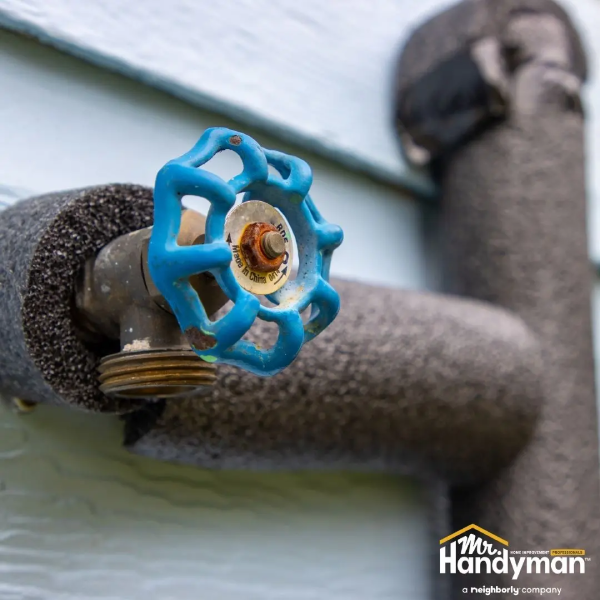
- Outdoor spigots and hose connections
- Pipes in unheated garages or basements
- Lines running along exterior walls
- Plumbing in crawl spaces or under mobile homes
- Uninsulated attic pipes
Inspecting these areas before cold weather hits helps homeowners plan where to add insulation or apply additional protection.
Insulating Pipes Before Freezing Weather Arrives
Insulation is one of the most effective defenses against frozen pipes. Simple materials such as foam sleeves, pipe wrap, or even heat tape can keep water lines above freezing in harsh conditions.
Effective pipe insulation steps include:
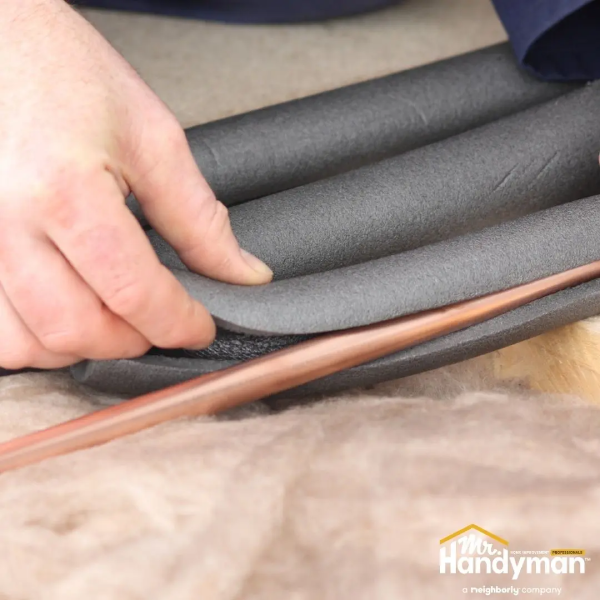
- Using foam tubing to cover exposed sections
- Applying heat tape to vulnerable lines
- Insulating access panels and crawl space openings
- Checking basement and attic pipes for cold air exposure
Insulation is inexpensive, easy to install, and significantly reduces freeze risk. It’s especially important in homes with older plumbing or limited wall insulation.
Sealing Air Leaks That Let in Cold Air
Cold air drafts are a major cause of frozen pipes. Even a small gap near plumbing can allow enough cold air to create a freezing pocket around pipes.
Homeowners should:
- Inspect walls, floors, and ceilings for gaps near plumbing
- Use caulk or expanding foam to seal small openings
- Replace missing or damaged insulation around vents or wall penetrations
Sealing drafts not only protects pipes but also improves energy efficiency and overall home comfort.
Keeping a Consistent Indoor Temperature
During extreme cold, maintaining a consistent indoor temperature is one of the easiest ways to prevent frozen pipes. Sudden drops in temperature, even at night, can trigger freezing in unprotected areas.
Best practices include:
- Keeping the thermostat set to at least 65°F, even when away from home
- Opening cabinet doors under sinks to allow warm air circulation
- Avoiding the use of space heaters as the primary heat source in large areas
Consistency prevents rapid cooling inside walls and under floors where plumbing runs.
Letting Faucets Drip During Deep Freezes
Allowing a slow drip from faucets during extremely cold nights keeps water moving through pipes, reducing the likelihood of freezing. Even a trickle is enough to relieve pressure and prevent blockages.
Focus dripping faucets in:
- Bathrooms along exterior walls
- Kitchens near uninsulated areas
- Utility sinks connected to long pipe runs
This simple trick is especially valuable during hard freezes or power outages when heating systems are compromised.
Disconnecting Outdoor Hoses and Draining Spigots
One of the most common mistakes homeowners make is leaving outdoor hoses attached after fall. Trapped water inside hoses and exterior spigots can freeze and back up into interior plumbing lines.
Prevent this by:
- Disconnecting and storing all hoses before winter
- Draining outdoor spigots completely
- Installing insulated faucet covers for extra protection
These steps help safeguard both exterior and connected interior pipes.
Monitoring Problem Areas During Cold Spells
Even with preparation, homeowners should stay vigilant during extended freezes. Early detection of freezing pipes can prevent major damage.
Warning signs of freezing include:
- Reduced water flow or no water at all
- Frost on visible pipe surfaces
- Unusual noises when water runs
If pipes begin to freeze, shutting off the main water supply and slowly applying heat (using a hair dryer or heat wrap) can prevent bursting. Never use open flames or space heaters directly on pipes.
Why Preventing Frozen Pipes Saves Thousands
The cost of repairing a burst pipe can quickly climb into the thousands, especially if water damage spreads to walls, floors, or insulation. Prevention is not just a time-saver - it’s a money-saver.
Preventative steps:
- Protect your plumbing investment
- Avoid emergency service costs
- Reduce water damage risk
Call a Professional for a Complete Winter Plumbing Inspection
While many prevention steps are DIY friendly, a professional inspection ensures no hidden risks are missed. Homeowners across West Nashville, Belle Meade, Clarksville, and surrounding Middle Tennessee communities trust Mr. Handyman of W. Nashville, Belle Meade, Clarksville for expert winter plumbing maintenance, insulation upgrades, and emergency repairs.
Hidden Areas Where Pipes Freeze - And How to Protect Them
Most homeowners know to protect outdoor spigots and visible plumbing from the cold, but many of the most damaging pipe freezes happen in places you can’t easily see. Hidden areas like crawl spaces, attics, and walls provide the perfect conditions for freezing to occur - little insulation, restricted airflow, and cold temperatures. When these pipes freeze and burst, the damage can go unnoticed until it’s extensive.
For homeowners in West Nashville, Belle Meade, Clarksville, Berry Hill, Ashland City, Dickson, Green Hills, Kingston Springs, and nearby Middle Tennessee areas, understanding where hidden plumbing runs and how to protect it is crucial for avoiding midwinter emergencies.
Why Hidden Pipes Freeze So Easily
Pipes located in concealed or unfinished areas don’t benefit from the warm, conditioned air that keeps the rest of your home above freezing. Even if your thermostat reads a comfortable 68°F, temperatures behind walls or under floors may drop well below freezing during cold spells.
Contributing factors include:
- Gaps or cracks that let cold air enter enclosed spaces
- Inadequate insulation around hidden pipes
- Plumbing running along exterior walls or near unheated foundations
- Poor airflow in closed-off areas like attics and crawl spaces
Because these spaces aren’t easily visible, warning signs often appear only after damage has occurred.
Crawl Spaces: The Most Vulnerable Area in Many Homes
Crawl spaces are a common feature in Middle Tennessee homes, and they are one of the most frequent locations for frozen pipes. These areas are naturally cool, often ventilated to the outside, and rarely insulated well enough to prevent temperature drops.
To protect crawl space plumbing:
- Seal gaps and vents. Close or cover foundation vents during freezing weather to trap warmer air.
- Insulate exposed pipes. Use foam sleeves or heat tape for pipes running along the underside of the floor.
- Close access doors securely. Make sure crawl space doors fit tightly and are not damaged.
- Add vapor barriers and insulation. Proper insulation helps maintain a stable temperature under the home.
A few inexpensive materials can make the difference between frozen pipes and a dry, damage-free crawl space.
Attics: A Common Source of Hidden Freezing
Attic pipes are often overlooked because they’re out of sight, but they’re extremely vulnerable to freezing, especially in older homes. During harsh winters, attic temperatures can drop quickly, and any plumbing in those spaces is at immediate risk.
To prevent attic freezes:
- Check for insulation gaps near plumbing lines.
- Ensure attic vents and ducts are sealed properly.
- Insulate water lines that feed upstairs bathrooms or HVAC systems.
- Avoid storing heavy items directly on insulation, which compresses it and reduces effectiveness.
If your attic has exposed or lightly insulated pipes, consider using heat cables designed for freeze protection.
Exterior Walls: The Hidden Danger Inside the Home
Many homes have plumbing lines that run inside exterior walls to reach sinks or bathrooms. These pipes are particularly deceptive because they appear “indoors” but are actually exposed to colder conditions behind the drywall.
Warning signs of wall pipe freezing include:
- Reduced water flow at a specific fixture
- Unusual gurgling sounds when turning on taps
- Cold or frosty sections along the wall surface
Protection steps include:
- Adding insulation behind exterior wall plumbing (if walls are open during renovations)
- Sealing air leaks around windows, outlets, and wall penetrations
- Keeping cabinet doors open under sinks to allow warm air circulation
These small steps keep interior plumbing warmer and reduce freezing risk.
Basements and Garages: The Forgotten Spaces
Basements and garages often contain exposed plumbing for laundry areas, water heaters, and utility sinks. While these spaces feel protected from the elements, they can drop below freezing overnight during harsh winters.
Preventative actions include:
- Insulating basement or garage water lines with foam sleeves
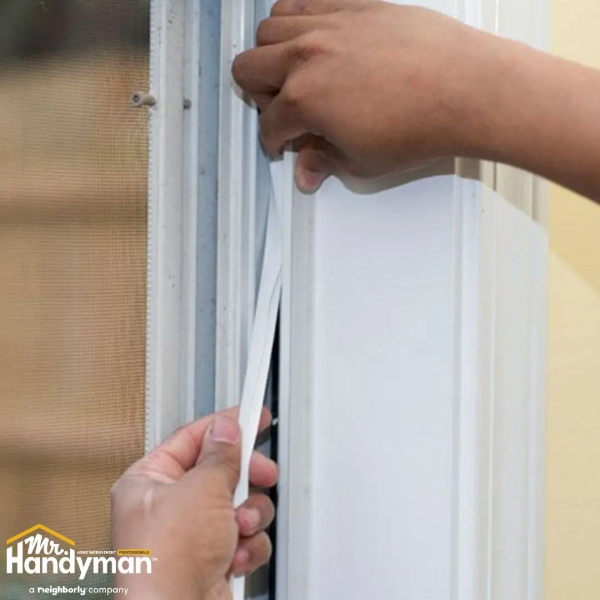
- Adding weatherstripping to garage doors
- Installing a small space-safe heater in extremely cold conditions
- Ensuring water supply shutoffs are accessible in case of emergency
A quick inspection before freezing temperatures arrive can prevent costly bursts in these areas.
How to Know if Hidden Pipes Are Freezing
Because these areas are out of sight, it’s important to recognize the early signs of freezing.
Common indicators include:
- A sudden decrease in water flow or pressure
- Frost or ice on exposed pipes
- Condensation near plumbing areas
- Popping or banging sounds in walls
If you suspect a pipe is beginning to freeze, shut off your home’s main water supply immediately and carefully apply gentle heat with a hair dryer or space-safe heater until water flow returns.
Long-Term Upgrades That Prevent Recurring Problems
Homeowners can make a few strategic improvements that offer lasting protection:
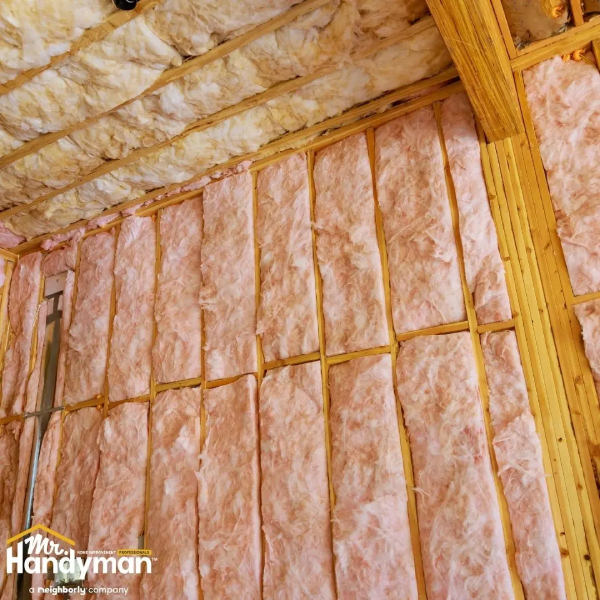
- Install foam or fiberglass insulation in walls with plumbing.
- Upgrade attic and crawl space insulation to maintain consistent warmth.
- Replace old, thin pipes with insulated PEX alternatives during renovations.
- Add shutoff valves for exterior and exposed areas for easier winterization.
These upgrades pay for themselves by preventing water damage and emergency repairs.
Why Professional Inspections Matter for Hidden Plumbing
Hidden plumbing issues require trained eyes and specialized equipment. Professional technicians can locate vulnerable pipe runs, check for hidden leaks, and suggest targeted insulation improvements.
Homeowners across West Nashville, Belle Meade, Clarksville, and neighboring communities trust Mr. Handyman of W. Nashville, Belle Meade, Clarksville for professional winter inspections, pipe protection, and maintenance services.
What to Do If Your Pipes Freeze - And How to Prevent Major Damage
Even with the best preparation, extreme cold can still catch homeowners off guard. When temperatures plunge in Middle Tennessee, even well-insulated plumbing can occasionally freeze. The key is not to panic but to act quickly and carefully. Knowing what to do when pipes freeze - and what to avoid - can make the difference between a quick recovery and costly water damage.
For residents of West Nashville, Belle Meade, Clarksville, Ashland City, Berry Hill, Dickson, Green Hills, Kingston Springs, and nearby communities, understanding how to respond effectively when pipes freeze is an essential part of home winterization. Acting fast and safely helps protect your plumbing system and prevents extensive repairs once the thaw begins.
How to Tell If Your Pipes Are Frozen
Sometimes the first sign of frozen pipes is simply a loss of water flow, but there are several indicators homeowners should recognize early. Catching the issue before a pipe bursts can prevent thousands of dollars in damage.
Common signs of frozen pipes include:
- Little or no water coming from faucets
- Unusual clanging or banging noises from the plumbing
- Frost, condensation, or ice visible on exposed pipes
- Damp or cold patches on walls or floors
- Foul smells from drains caused by ice blockages
If you notice any of these warning signs, assume that at least one section of your plumbing has frozen and take immediate action.
Step 1: Turn Off the Main Water Supply
The first and most important step when you suspect frozen pipes is to turn off your home’s main water supply. This prevents additional water pressure from building up behind frozen sections.
Locate your home’s main shutoff valve - usually near the water meter, basement, or crawl space. Turn it clockwise until it stops. Once the water is off, open all faucets to relieve built-up pressure inside the pipes. This simple step can prevent a burst pipe if the ice begins to thaw unexpectedly.
Step 2: Locate the Frozen Section
Next, determine where the freeze occurred. Frozen areas are typically found in unheated or poorly insulated parts of the home, such as:
- Crawl spaces
- Attics
- Garages
- Exterior walls
- Cabinets near sinks
Feel along accessible pipes for cold spots or frost. In walls or ceilings, listen for gurgling or cracking noises, which may indicate freezing behind surfaces.
Step 3: Apply Gentle Heat - Safely
Once you locate the frozen area, slowly apply gentle, even heat to the affected pipe. The goal is to thaw the ice gradually to avoid ruptures.
Safe ways to thaw frozen pipes include:
- Using a hair dryer on the lowest heat setting
- Wrapping the pipe in warm towels
- Using UL-rated heat tape or heating cables
- Setting up a small space-safe heater nearby to warm the area
Never use an open flame, propane torch, or high-heat device to thaw pipes. Direct, intense heat can cause pipes to crack or ignite surrounding materials.
Step 4: Check for Leaks During Thawing
As the ice begins to melt, carefully watch for leaks or dripping water. Even small cracks can allow significant water flow once pressure is restored.
Keep the main water supply off until you’re certain the affected section is fully thawed and intact. Once confirmed, turn water back on slowly and monitor each faucet for flow consistency and potential leaks.
If you see water pooling, hear running water behind walls, or notice sudden drops in pressure, shut off the main valve immediately and contact a professional plumber.
Step 5: Dry and Inspect the Area
After thawing, dry any damp surfaces thoroughly to prevent mold growth. Use fans, towels, or dehumidifiers to remove moisture. Then inspect surrounding materials - drywall, flooring, and insulation - for signs of water damage.
If you discover staining, sagging drywall, or persistent dampness, call a handyman or home repair professional. Even small leaks can cause hidden damage that worsens over time.
How to Prevent Frozen Pipes from Happening Again
Once you’ve addressed the immediate issue, take preventative action to ensure it doesn’t happen again.
Here’s how to prevent repeat freeze events:
- Add insulation: Use foam sleeves or pipe wrap in crawl spaces, basements, and attics.
- Seal gaps: Close drafts near plumbing penetrations, vents, and electrical openings.
- Maintain consistent heat: Keep your home temperature above 65°F, even when away.
- Open cabinet doors: Allow warm air to reach pipes under sinks.
- Let faucets drip: Keep water flowing during extremely cold nights.
- Shut off exterior spigots: Disconnect hoses and drain outdoor plumbing before winter.
These steps significantly reduce the risk of frozen pipes, even during severe cold snaps.
When to Call a Professional
While minor freezes can sometimes be resolved with DIY care, serious or recurring problems require professional attention. If you can’t locate the frozen section, find multiple frozen areas, or suspect a burst pipe behind walls, don’t attempt to fix it yourself.
Professionals have the tools and experience to safely thaw, repair, and insulate plumbing without causing further damage. They can also identify structural or airflow problems that contribute to repeated freezing.
Homeowners across West Nashville, Belle Meade, and Clarksville trust Mr. Handyman of W. Nashville, Belle Meade, Clarksville for expert winter plumbing maintenance, thawing assistance, and insulation upgrades.
Why Quick Action Makes the Difference
Water expands nearly 10% when frozen, meaning a single frozen pipe can exert thousands of pounds of pressure on joints and fittings. Every minute counts when temperatures drop below freezing. Prompt action prevents long-term damage and helps homeowners avoid expensive water restoration work later.
By staying alert, following safe thawing methods, and reinforcing vulnerable plumbing, homeowners can prevent small cold-weather issues from turning into full-scale emergencies.
Final Thoughts on Preventing and Responding to Frozen Pipes
Frozen pipes are one of the most stressful winter plumbing problems, but they are also among the most preventable. Taking action before, during, and after a freeze gives homeowners control and confidence even in the coldest weather.
This completes the three-part series on How to Keep Pipes From Freezing During Harsh Winters for Mr. Handyman of W. Nashville, Belle Meade, Clarksville.
Protect your pipes before freezing temperatures cause damage. Book professional winter plumbing help online or call us.
