.webp)
Summer Entertaining in Middle Tennessee Starts With the Kitchen
There is a particular rhythm to summer in Middle Tennessee that most longtime residents know well. Gatherings move outdoors in the evening but flow through the kitchen all day. Neighbors come over without much notice. Family visits stretch across weekends. The kitchen that handles a quiet weeknight dinner for four becomes the operational center of a household running at full capacity, and whatever shortcomings it has been carrying quietly through the year become impossible to ignore when that pressure arrives.
Nashville, Belle Meade, and Clarksville homeowners who have been considering a kitchen remodel tend to reach the same conclusion at the same time every year. Spring is when the motivation peaks, when contractor schedules are still accessible before the summer rush fills them, and when there is a realistic window to complete meaningful work before the season that will test the kitchen most. That timing is not accidental. It reflects a practical reality about how Middle Tennessee households actually use their homes.
Planning a kitchen remodel well is the difference between a project that finishes on time, on budget, and ready for summer, and one that is still incomplete when the first guests arrive in June. The planning work is where most remodels succeed or fail, and it deserves as much attention as any decision about materials or finishes.
Starting With an Honest Assessment of What the Kitchen Actually Needs
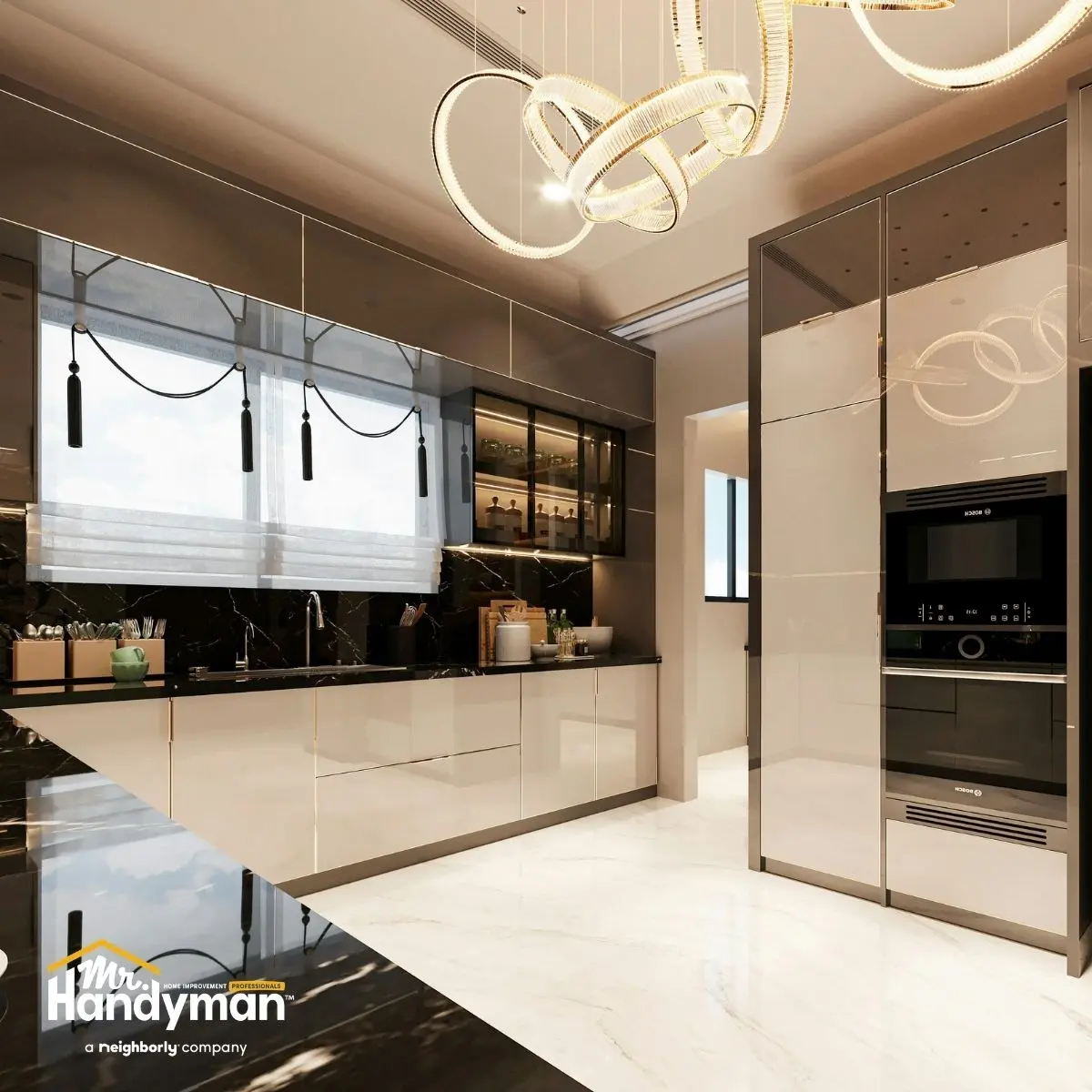
The most common planning mistake in kitchen remodeling is beginning with aesthetics before establishing function. A kitchen that looks outdated but works well has different remodeling priorities than one that looks acceptable but fails at the functional level on a daily basis. Sorting out which category your kitchen falls into before any other decision is made shapes every subsequent choice in a more productive direction.
Layout and workflow are the foundation of kitchen function. A kitchen where the refrigerator, sink, and cooking surface are poorly positioned relative to each other creates friction in every meal preparation task, regardless of how attractive the finishes are. The classic work triangle concept, which positions the three primary work zones in a relationship that minimizes unnecessary movement, remains a useful framework even in kitchens that have evolved beyond a strict triangular configuration. If the layout of your current kitchen creates daily frustration, surface updates alone will not resolve it, and any remodel plan that does not address layout is working around a problem rather than solving it.
Storage capacity and organization are functional priorities that Middle Tennessee households with active entertaining schedules feel acutely. A kitchen without adequate cabinet space for the volume of cooking and entertaining equipment a household actually owns creates workarounds that affect every meal. Before planning cabinet replacements or additions, an honest inventory of what the kitchen needs to store and how accessible that storage needs to be produces a more useful specification than selecting cabinet styles from a catalog.
Plumbing and electrical conditions beneath the surface of an existing kitchen are worth understanding before any remodel plan is finalized. In older Nashville and Belle Meade homes, kitchens may have supply lines, drain configurations, and electrical circuits that predate current standards. A remodel plan that assumes modern infrastructure and encounters aging galvanized supply lines or an undersized electrical panel during demolition faces cost and timeline surprises that proper pre-planning can largely prevent. Having a professional assess the existing conditions before the scope is locked in is not an optional step in older homes.
Defining Scope Clearly Before Any Other Decision
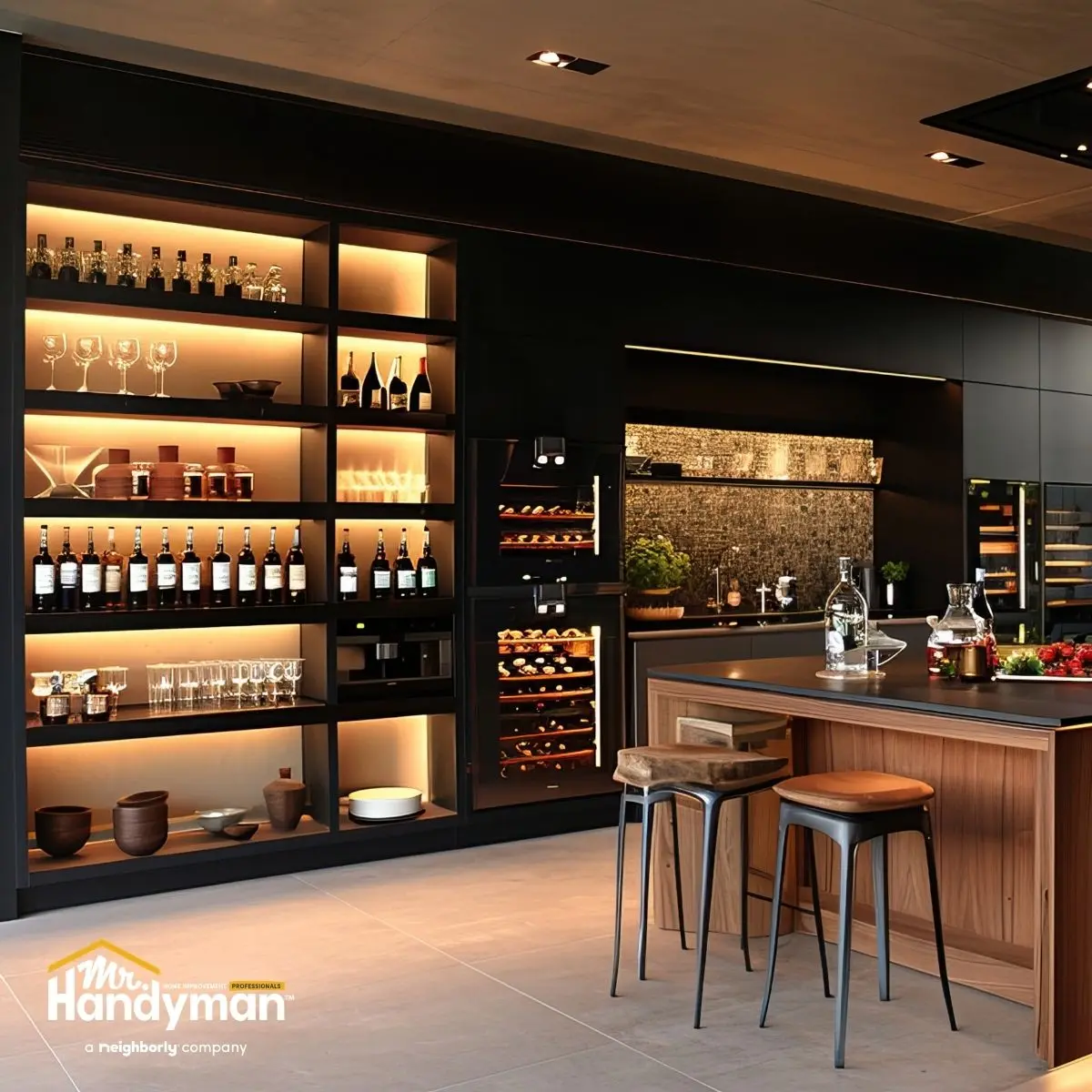
Kitchen remodels exist across a wide spectrum of scope and investment, and the terminology used to describe them is often imprecise in ways that create misaligned expectations between homeowners and contractors. Understanding where your project falls on that spectrum before any conversations with contractors begin prevents the frustration of receiving estimates that bear no relationship to each other because each contractor interpreted the scope differently.
A cosmetic refresh addresses surface finishes without altering layout, plumbing, or electrical configurations. Cabinet door and hardware replacement, countertop installation, fixture updates, backsplash installation, and new flooring all fall into this category. A well-executed cosmetic refresh transforms a kitchen's appearance substantially and is achievable within a timeline that accommodates summer entertaining if planning begins in early spring.
A partial remodel introduces structural changes to the existing kitchen, which may include cabinet replacement rather than refacing, layout modifications that require plumbing or electrical relocation, appliance upgrades that require new circuit capacity, or wall removal to open the kitchen to an adjacent space. This scope requires more planning time, longer contractor lead time, and a realistic timeline assessment that accounts for the sequencing of trades.
A full kitchen renovation replaces everything and potentially reconfigures the space entirely. This scope is appropriate when the existing kitchen has significant functional limitations that surface updates cannot address, when the infrastructure behind the walls needs comprehensive updating, or when the homeowner's long-term goals for the space require a clean starting point. A full renovation completed before summer entertaining is achievable if planning begins no later than early spring and contractor scheduling is confirmed promptly.
In Belle Meade, where kitchens in older homes frequently carry decades of accumulated updates that have created inconsistent finishes and functional compromises, full renovation is more commonly the right answer than in newer Clarksville construction where a well-executed cosmetic refresh may be all the space actually requires.
Budgeting Realistically for Middle Tennessee Remodeling Costs
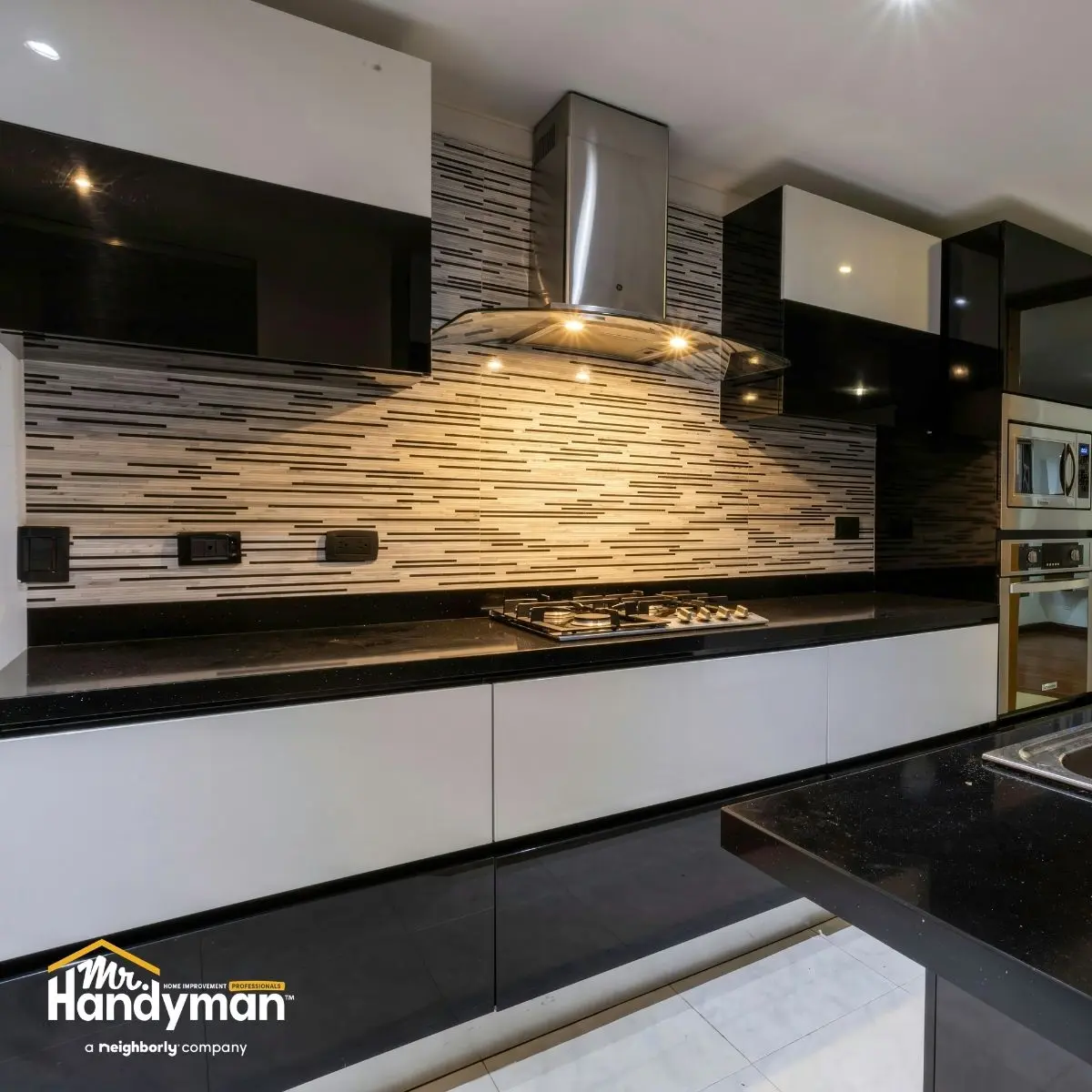
Kitchen remodeling budgets in Middle Tennessee follow the national pattern in broad terms but are shaped by local labor costs, material availability, and the specific demands of older housing stock in Nashville and Belle Meade. A budget that is built from national averages without adjustment for regional conditions tends to produce either underfunding that forces scope reductions mid-project or overfunding that leaves money on the table.
Material costs for the primary kitchen remodel components, cabinets, countertops, flooring, and appliances, are relatively consistent with national pricing through regional suppliers. The meaningful regional variable is in the labor and preparation work that older homes require. A kitchen remodel in a newer Clarksville home with modern infrastructure and standard construction proceeds differently than the same scope of work in a 1960s Nashville home with plaster walls, original plumbing, and an electrical panel that needs assessment.
Contingency budgeting is not optional in Middle Tennessee kitchen remodels, particularly in homes built before 1980. What is found behind walls during demolition in older homes, whether that is asbestos-containing materials in floor tile or drywall compound, substandard wiring, or plumbing that does not meet current code, requires budget flexibility that a zero-contingency plan cannot accommodate. A contingency of fifteen to twenty percent of the total project budget is a reasonable planning assumption for older home remodels in Nashville and Belle Meade.
Phasing the project is a legitimate planning strategy for homeowners whose ideal kitchen scope exceeds their current budget. A well-planned first phase that addresses the most critical functional and visual priorities, with a clear second phase planned for the following year, produces better results than compressing the full scope into a budget that cannot support it properly. The key is ensuring that the first phase is complete and fully functional rather than leaving the kitchen in a partial state that affects daily use.
Contractor Selection and Scheduling in a Competitive Market
Middle Tennessee's remodeling market is active, and contractors with strong reputations fill their schedules quickly once spring arrives. A homeowner who begins the contractor selection process in March with a realistic scope and budget is in a significantly better position than one who begins in May hoping to complete work before July.
Getting multiple estimates is standard advice that deserves emphasis in the current Middle Tennessee market. Estimates that vary significantly in price for the same scope are communicating something meaningful, either about the assumptions being made, the quality of materials being specified, or the experience level being brought to the project. The lowest estimate is not automatically the right choice, and neither is the highest. The right choice is the estimate that reflects a clear understanding of the scope, realistic material and labor costs, and a contractor whose previous work and references support confidence in the outcome.
Sequencing of trades is a planning consideration that affects both timeline and cost. A kitchen remodel that requires plumbing relocation, electrical work, and carpentry proceeds in a specific order that cannot be compressed without creating quality problems or code compliance issues. Understanding that sequence before the project begins, and confirming that the contractor has established working relationships with the trades needed, prevents the scheduling gaps that extend timelines unnecessarily.
Choosing Materials That Perform in Middle Tennessee's Climate
Material selection in a kitchen remodel involves more than aesthetics. In Middle Tennessee, where summer humidity regularly pushes into uncomfortable ranges and where kitchens are worked hard during the entertaining season, materials that perform well under those conditions deliver a return that purely appearance-driven choices do not.
Cabinet construction and finish quality matter considerably in a humid climate. Solid wood cabinet boxes with dovetail drawer construction and soft-close hardware outlast particleboard alternatives significantly, particularly in kitchens that experience the temperature and humidity swings common in Middle Tennessee homes during the transition between air-conditioned interiors and the outdoor humidity that enters every time a door opens. Cabinet finishes that are properly sealed and applied in controlled conditions resist the warping and delamination that poorly finished cabinets develop under repeated humidity exposure.
Countertop material performance in a kitchen that hosts serious summer cooking and entertaining differs from performance in a lightly used kitchen. Quartz surfaces, which are non-porous and require no sealing, handle the volume of use that summer entertaining produces without the maintenance demands that natural stone surfaces carry. Granite remains a strong choice in Middle Tennessee's market and performs well with proper annual sealing, but the sealing requirement is a real maintenance obligation that should be understood before the material is selected. Marble, while visually compelling, etches and stains under the acidic foods and beverages that summer entertaining consistently produces, which makes it a poor functional choice for a kitchen that will be worked hard.
Flooring durability in a kitchen used heavily during summer months requires honest evaluation. Hardwood flooring in a kitchen carries aesthetic appeal but requires more careful maintenance in the moisture-prone conditions that active cooking and frequent traffic create. Luxury vinyl plank flooring, which has improved substantially in appearance and quality at mid-range and above price points, offers the visual warmth of wood with significantly better resistance to moisture, scratching, and heavy use. Porcelain tile remains a strong kitchen flooring choice for durability and maintenance simplicity, though the comfort underfoot during long cooking sessions is a real consideration for households that spend significant time in the kitchen.
Planning the Kitchen Layout for Entertaining Specifically
A kitchen remodel undertaken specifically in preparation for summer entertaining deserves layout planning that reflects how the space functions when multiple people are using it simultaneously rather than just during routine weeknight cooking.
Traffic flow during entertaining is different from daily use flow in ways that standard kitchen layout planning does not always account for. When guests move in and out of the kitchen during a gathering, when multiple family members are preparing different components of a large meal, and when the kitchen is functioning as both a preparation space and a social gathering point simultaneously, the layout requirements expand beyond the work triangle. An island or peninsula that provides additional prep surface and separates the working kitchen from the guest flow area addresses this directly. In Belle Meade and Nashville homes where open floor plans connect the kitchen to living areas, that separation between the working kitchen and the social space becomes particularly valuable during larger gatherings.
Counter space allocation for entertaining-specific tasks, landing zones near the refrigerator and oven, a dedicated area for beverages and serving preparation, and sufficient space to stage finished dishes before they move to the table, all reflect the realities of how a kitchen operates during summer entertaining rather than just during daily meals. A remodel plan that accounts for these specific use cases produces a kitchen that functions better during the season that tests it most.
Sink configuration is worth reconsidering during a remodel if the current setup creates friction during heavy use. A single basin sink handles the volume of cookware that summer cooking produces more easily than a divided double basin. A pot-filler faucet positioned above the cooking surface eliminates the effort of carrying filled stockpots from the sink, which is a genuine convenience during the kind of large-batch cooking that summer entertaining in Middle Tennessee regularly involves.
What to Expect During the Remodel Process
A realistic understanding of what the remodel process involves, how long it takes, and how it affects daily household function helps homeowners plan around the disruption rather than being caught off guard by it.
Demolition and discovery is the phase that most frequently produces surprises in older Middle Tennessee homes. What is behind kitchen walls in a Nashville or Belle Meade home that has been renovated multiple times over decades can range from straightforward to genuinely complicated. Previous plumbing work that was not permitted or inspected, electrical wiring that does not meet current code, and subfloor conditions that need addressing before new flooring can be installed are all common discoveries that affect timeline and budget. Having a contingency plan for an extended timeline, including a temporary kitchen setup if the remodel runs longer than anticipated, prevents daily household disruption from becoming a crisis.
Trade sequencing during a kitchen remodel follows a specific order that cannot be compressed without creating problems. Rough plumbing and electrical work must be completed and inspected before walls are closed. Cabinets are installed before countertops are templated. Countertops are installed before the backsplash. Flooring installation timing depends on whether it runs under the cabinets or is installed after. Understanding this sequence helps homeowners interpret the project timeline accurately and avoid the frustration of expecting faster progress than the sequencing allows.
Living without a functional kitchen for any portion of the remodel requires planning that is easy to underestimate. Setting up a temporary kitchen space with a microwave, countertop appliance, and a utility sink in another area of the home reduces the daily disruption of a kitchen that is out of commission. Planning meals that do not require full cooking facilities, or identifying nearby options for meals during the most disruptive phases, makes the process more manageable for the household.
Frequently Asked Questions
How long does a typical kitchen remodel take in Middle Tennessee?
A cosmetic refresh with no layout changes typically runs two to four weeks from start to completion. A partial remodel involving cabinet replacement and minor plumbing or electrical work runs four to eight weeks. A full renovation with layout changes, new plumbing, and electrical work should be planned for eight to twelve weeks minimum, with contingency for discoveries in older homes.
When should I start planning to have the kitchen ready before summer entertaining?
Working backward from a target completion date of late May or early June, planning and contractor selection should begin no later than February or early March. Material lead times for custom cabinets and countertops can run four to six weeks, which means orders need to be placed well before work begins.
Is it worth replacing cabinets or should I reface them?
Refacing makes sense when cabinet boxes are structurally sound, the layout works well, and the primary goal is updating appearance. If cabinet boxes are damaged, the layout needs to change, or the interior storage configuration needs improvement, full replacement delivers better long-term value.
How do I manage contractor scheduling in Middle Tennessee's busy remodeling season?
The homeowners who secure the best contractors at reasonable timelines are the ones who begin the selection process earliest. Contractors with strong reputations in Nashville, Belle Meade, and Clarksville fill their spring and summer schedules quickly. Starting contractor conversations in late winter gives you access to the best options before the seasonal rush narrows availability.
What kitchen features do buyers in this market value most?
In Middle Tennessee's market, quartz or granite countertops, updated cabinetry with quality hardware, a functional island or peninsula, and modern lighting consistently rank among the features buyers respond to most strongly. Stainless steel appliances remain a standard expectation at most price points in Nashville and Belle Meade.
Should I stay in the home during a full kitchen renovation?
Most homeowners do stay in place during kitchen remodels, but it requires realistic preparation for the disruption. A temporary kitchen setup, a plan for meals during the most intensive phases, and an honest conversation with the contractor about what each week of the project will look like helps the household manage the process without it becoming overwhelming.
A Kitchen That Is Ready When Summer Arrives
The difference between a kitchen remodel that finishes on time and one that runs into summer is almost always found in the planning phase. Scope defined clearly, budget built realistically, materials selected for the way the kitchen will actually be used, and contractors engaged early enough to secure the right team for the project. When those elements are in place, the work itself follows a predictable path toward a kitchen that is genuinely ready for everything Middle Tennessee summer entertaining requires.
The team at Mr. Handyman of West Nashville, Belle Meade, and Clarksville brings the experience to help homeowners plan and execute kitchen remodeling projects that finish right and hold up through years of serious use.
Website: https://www.mrhandyman.com/nashville-west-south-central/
Serving homeowners throughout Nashville, Belle Meade, and Clarksville with dependable service and the expertise your home deserves.