The Locker Room Is Where Member Loyalty Is Won or Lost
A fitness facility in Middle Tennessee can have the best equipment selection in Nashville, the most compelling class schedule in Belle Meade, or the most competitive membership pricing in Clarksville, and still lose members at a rate that none of those advantages can offset if the locker room experience consistently falls below the standard that members expect from a facility they are paying to use. The locker room is where members begin and end every visit, where the physical environment is evaluated at the closest range and under the most personal circumstances of any space in the facility, and where plumbing problems produce the sensory experiences, the odors, the standing water, the inconsistent hot water, and the non-functional fixtures, that members carry out of the facility and communicate to others with the specificity that negative experiences always generate more reliably than positive ones.
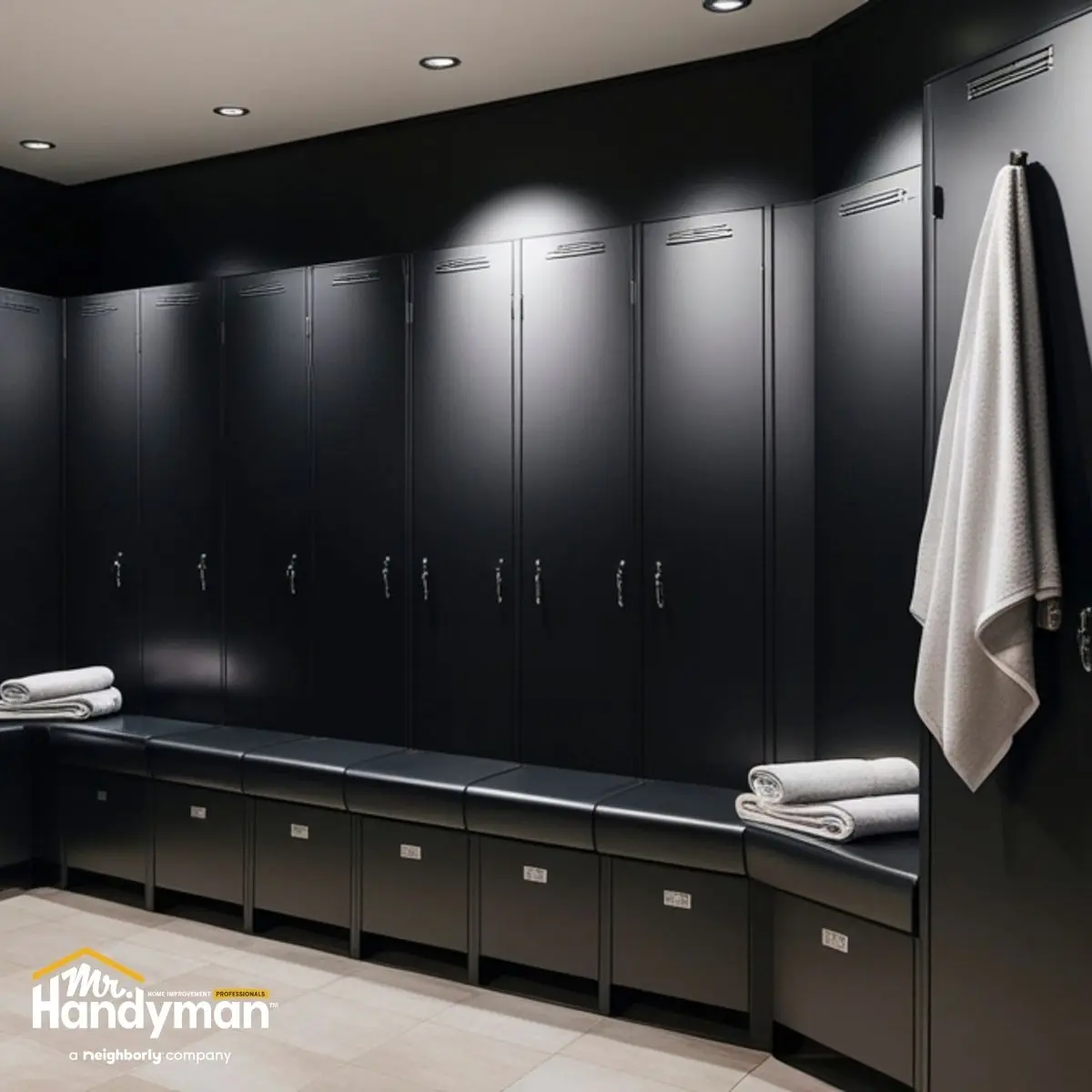
Locker room plumbing in Nashville, Belle Meade, and Clarksville fitness facilities operates under demands that residential plumbing is not designed for and that light commercial plumbing frequently underestimates. The volume of concurrent users during peak facility hours, the sustained hot water demand that multiple simultaneous showers create, the drain loading that concentrated personal care product use produces in shower and sink drains, and the continuous humidity that those combined activities introduce to every surface and system in the locker room all create a plumbing environment whose failure modes develop faster and with less warning than the equivalent conditions in less demanding commercial spaces.
Middle Tennessee's specific climate conditions add dimensions to the locker room plumbing challenge that facilities in drier or more moderate climates do not experience at the same intensity. The region's sustained summer humidity means that the moisture management demands of a fitness facility locker room are amplified by outdoor conditions rather than relieved by them during the months of heaviest facility use. Winter temperature cycling stresses supply lines and fixture connections that are concealed within wall assemblies that are also managing the sustained moisture of locker room use. And the hard water conditions that characterize Middle Tennessee's municipal supply accelerate mineral deposit accumulation in showerheads, faucet aerators, and drain strainers at rates that require maintenance frequency calibrated to regional water chemistry rather than to generic national maintenance schedules.
What Middle Tennessee's Climate Does to Locker Room Plumbing Specifically
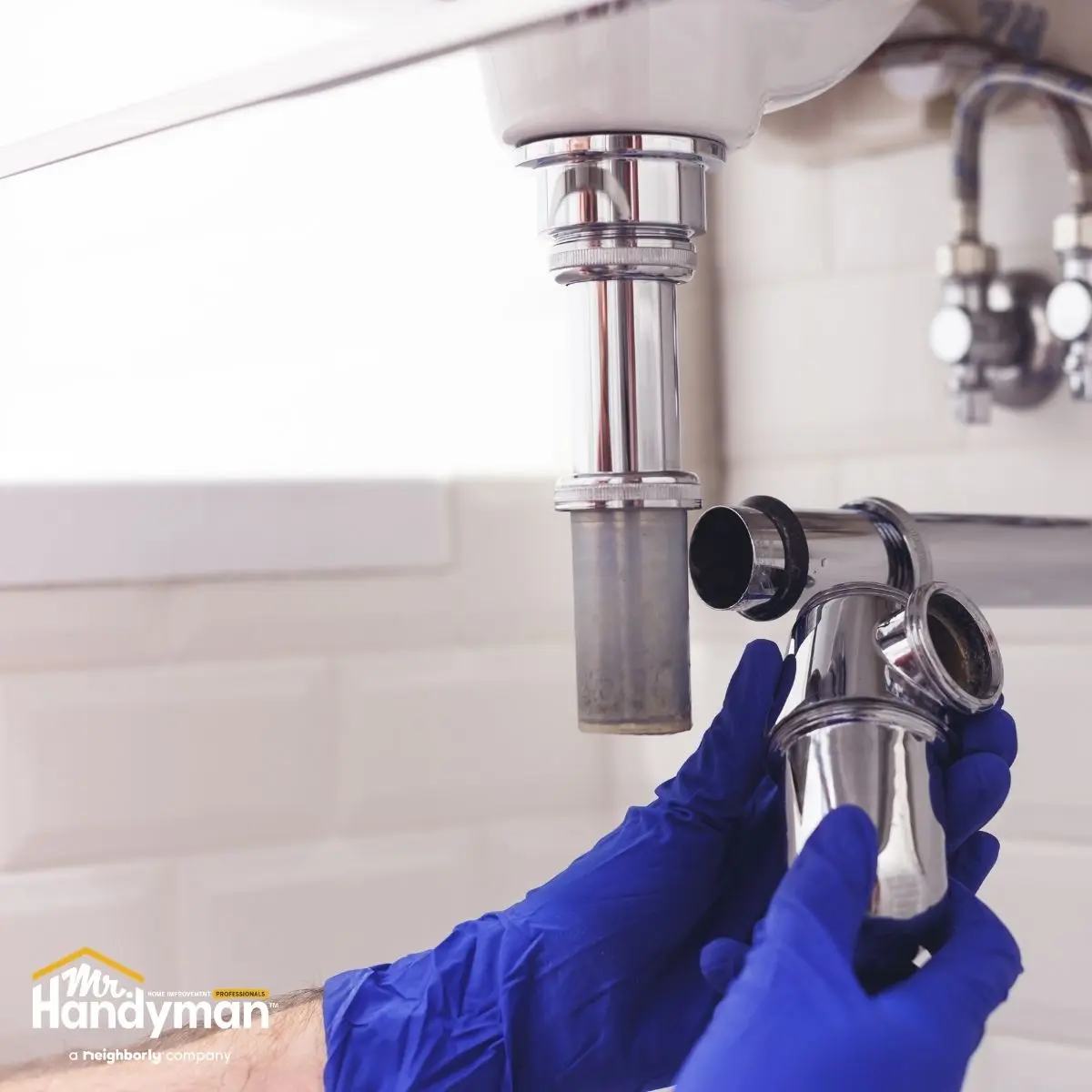
Understanding the specific mechanisms through which Middle Tennessee's climate accelerates locker room plumbing deterioration shapes a prevention and maintenance approach that addresses the actual conditions these systems experience rather than the average conditions that national plumbing maintenance guidance describes.
Hard water mineral accumulation in Middle Tennessee municipal water supplies produces visible and functional consequences in locker room plumbing fixtures faster than in regions with softer water chemistry. Showerhead nozzles that have accumulated calcium and magnesium deposits deliver reduced and misdirected spray patterns that members notice and comment on immediately because the shower experience is the locker room amenity whose quality they evaluate most directly. Faucet aerators blocked by mineral deposits reduce flow in ways that extend hand-washing time and communicate poor maintenance to every member who uses the affected fixture. Drain strainers with mineral deposit buildup trap hair and debris more effectively than clean strainers, contributing to drain restriction that develops faster in Nashville and Clarksville locker rooms than maintenance intervals calibrated to softer water conditions would prevent.
Grout and caulk degradation in shower areas accelerates under the sustained moisture and temperature cycling that Middle Tennessee locker rooms experience through heavy daily use combined with the region's outdoor humidity. Grout joints between shower tiles that have lost their surface sealing through a combination of chemical exposure from personal care products, physical wear from daily cleaning protocols, and the moisture cycling that never fully dries in high-use shower areas develop porosity that allows water to migrate behind tile surfaces and into the wall assembly. That water migration does not produce immediate visible symptoms at the tile face. It saturates the substrate behind the tile, promotes mold colonization in the wet cavity, and eventually produces the tile delamination, substrate deterioration, and odor conditions that represent the most expensive and disruptive locker room plumbing remediation scenarios.
Supply line and valve conditions in locker room plumbing systems that are concealed within wall assemblies experience the thermal and moisture cycling of their location in ways that fixture-accessible components in other areas of the facility do not. A supply line running through a wall cavity in a locker room that experiences sustained high humidity on one face and the conditioned air temperature of the facility interior on the other cycles through the thermal differential that those opposing conditions create with every use period. That cycling produces the stress at fittings and connection points that slow leak development follows, and slow leaks in locker room wall assemblies produce the substrate saturation and mold conditions that remediation at the wall assembly level rather than the fixture level is required to resolve.
The Plumbing Problems That Damage Facility Reputation Most Directly
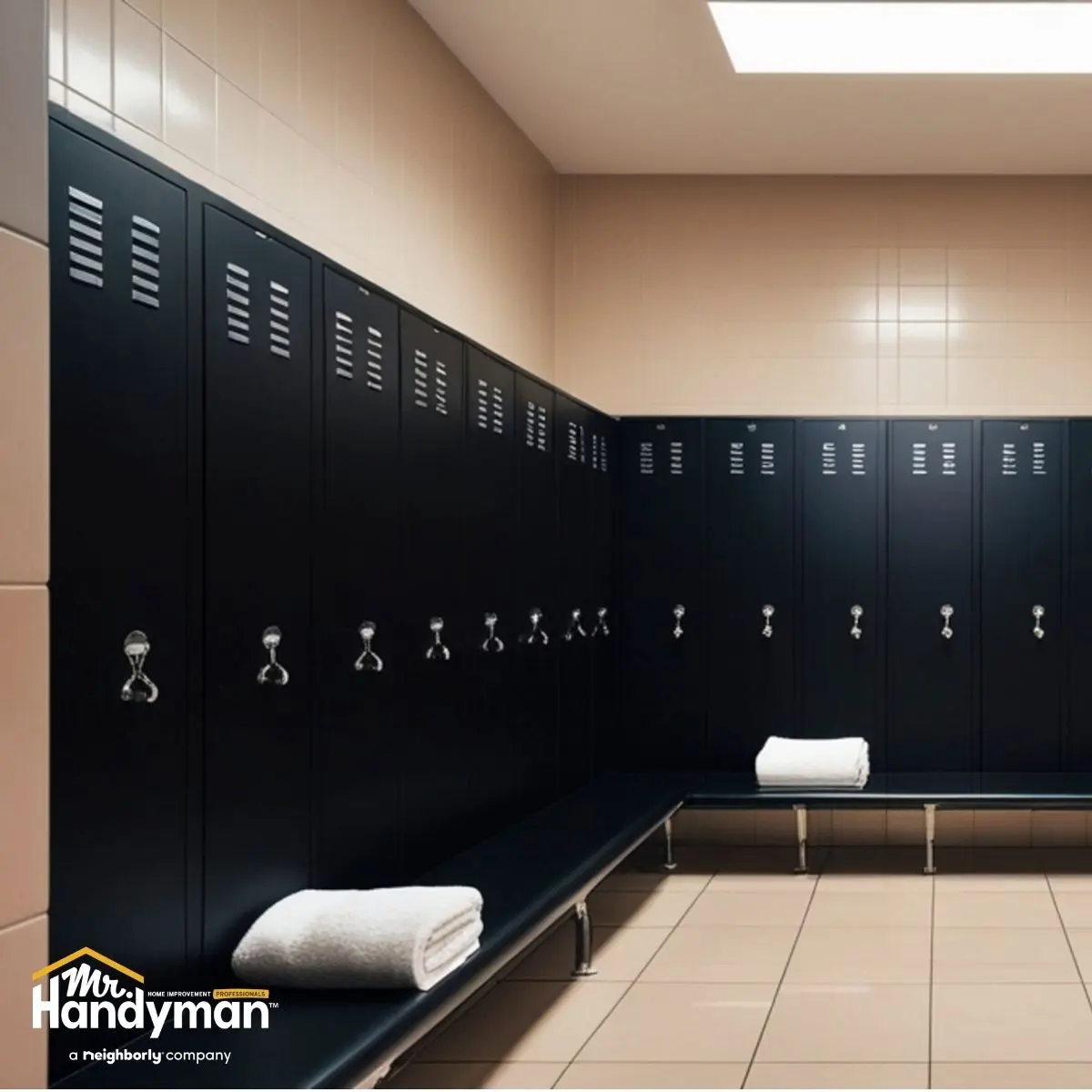
Not all locker room plumbing problems affect member perception and facility reputation equally. The conditions that translate most directly from plumbing dysfunction to member dissatisfaction and public reputation damage are the ones that affect the most members simultaneously, that are most difficult for members to rationalize as temporary, and that are most likely to generate the online review content that shapes prospective member decisions in Nashville, Belle Meade, and Clarksville's fitness market.
Inconsistent or inadequate hot water during peak facility hours is the locker room plumbing condition that generates the most immediate and most widely communicated member dissatisfaction. A member who completes a demanding workout and steps into a shower that runs cold because the facility's hot water system cannot sustain demand across multiple concurrent showers is not experiencing a minor inconvenience. They are experiencing a failure of the basic amenity that justified their post-workout time in the facility locker room. That experience is specific, memorable, and readily communicated in the one-star review language that describes exactly what happened, when it happened, and how it made the member feel about renewing their membership.
In Nashville fitness facilities where peak morning and evening hours concentrate high member volumes into the shower and locker facilities, water heater capacity that was adequate for the facility's original membership level may have become inadequate as membership has grown. In Belle Meade boutique fitness environments where the member experience is positioned at a quality level that justifies premium pricing, a hot water failure during peak hours creates a gap between the experience the pricing implies and the experience delivered that members at that market level find particularly difficult to rationalize. In Clarksville facilities serving a rapidly growing membership base, water heater capacity planning that anticipated growth rather than responding to it prevents the hot water adequacy issues that reactive replacement produces only after member experience has already been affected.
Drain odors from shower and floor drain systems are the locker room condition whose sensory impact on member perception is most disproportionate to the plumbing scale of the problem. A floor drain in a locker room shower area that has developed the hydrogen sulfide odor that anaerobic bacterial activity in drain biofilm produces communicates an immediate and visceral message about facility cleanliness that no amount of surface cleaning or air freshening fully offsets during a visit where the odor is present. Members who encounter drain odors in a fitness facility locker room do not investigate the plumbing explanation. They form an impression of the facility's overall hygiene standard that affects their comfort with every surface they contact during the remainder of the visit.
Middle Tennessee's climate specifically supports the bacterial growth that drain odors originate from. Drain biofilm development in warm, humid conditions is more aggressive than in cooler, drier environments, and the sustained warmth of Middle Tennessee's summers, combined with the continuous moisture of high-use locker room drains, creates ideal biofilm development conditions that maintenance intervals calibrated to more moderate climates allow to reach odor-producing stages between service visits.
Non-functional or poorly performing fixtures across the locker room, showers with insufficient pressure, faucets that drip continuously, toilet flush valves that cycle incorrectly, and hand dryers or paper towel dispensers that fail to function reliably, communicate the same deferred maintenance message through accumulated individual failures that a single significant plumbing failure communicates more dramatically. A member who encounters one non-functional fixture in a locker room visit may attribute it to a recent failure awaiting repair. A member who encounters multiple underperforming fixtures during a single visit registers the pattern as evidence of systematic maintenance neglect that a single fixture failure does not support.
Shower System Maintenance: The Highest-Impact Prevention Category

The shower system is the locker room plumbing component whose maintenance condition most directly determines the member experience quality that facility reputation depends on, and it is the component whose maintenance demands are most specifically shaped by Middle Tennessee's hard water conditions and sustained humidity environment.
Showerhead maintenance in Nashville, Belle Meade, and Clarksville fitness facilities requires service frequency calibrated to the region's water chemistry rather than to generic commercial maintenance intervals. Monthly showerhead descaling that removes the mineral deposit accumulation that Middle Tennessee's hard water produces maintains the spray pattern and flow rate that the showerhead was designed to deliver and that members expect from a facility whose pricing reflects quality. A showerhead that has been allowed to accumulate mineral deposits to the point of visible spray pattern distortion has been in service past the point where monthly descaling maintains acceptable function and requires replacement rather than cleaning to restore designed performance.
Shower valve function and temperature consistency require periodic verification that goes beyond confirming water flows when the valve is activated. Thermostatic shower valves that maintain consistent output temperature regardless of demand variation from other concurrent fixtures require calibration verification that confirms the thermostatic element is responding correctly rather than drifting toward temperature inconsistency that members experience as unpredictable shower temperature. Pressure-balancing valves that prevent scalding when toilet flushes or other fixture activations reduce cold water supply pressure require functional testing that confirms the pressure compensation is operating correctly. In Middle Tennessee fitness facilities where simultaneous shower use during peak hours creates the demand variation that these valve types are designed to manage, valve function confirmation is a maintenance task whose omission produces the member experience failures that negative reviews specifically describe.
Drain System Maintenance: Preventing the Conditions Members Notice Most
The drain systems in a Middle Tennessee fitness facility locker room operate under demands that the drain infrastructure in virtually any other commercial space does not experience, and the maintenance approach that prevents the odor, restriction, and backup conditions that locker room drains develop requires frequency and technique calibrated to those specific demands rather than to the general commercial drain maintenance that less demanding applications require.
Hair and debris accumulation in shower drains is the most immediately manageable drain maintenance category and the one whose neglect produces the most rapidly visible consequences. A shower drain strainer that has accumulated hair and personal care product residue to the point of visible restriction is communicating maintenance neglect to every member who looks down during a shower, and the restriction it creates is producing the slow drainage that members report as a facility complaint before they report it as a plumbing issue. Daily strainer clearing combined with weekly strainer removal, cleaning, and reinstallation maintains the drain flow that shower use requires and eliminates the visible debris accumulation that members notice immediately.
Drain biofilm treatment in Middle Tennessee locker room shower drains requires a maintenance approach that addresses the biological source of the odor conditions that surface cleaning alone does not resolve. Enzymatic drain treatments that break down the organic material composing drain biofilm, applied at intervals that reflect Middle Tennessee's warm and humid conditions rather than the intervals appropriate for cooler and drier environments, reduce the bacterial population that hydrogen sulfide odor production requires. In Nashville and Clarksville fitness facilities where shower drain systems serve high member volumes through long daily operating hours, enzymatic treatment frequency of twice weekly during summer months and weekly during cooler months reflects the actual biofilm development rate in regional conditions rather than the monthly or quarterly intervals that national maintenance guidance suggests for less demanding applications.
Floor drain maintenance in locker room changing areas, toilet areas, and entry transition zones requires attention to the trap seal that prevents sewer gas from entering the locker room through infrequently used drains. A floor drain whose trap has evaporated through periods of low use or inadequate water supply to maintain the seal allows the hydrogen sulfide and methane that characterize active sewer gas to enter the locker room space without the drain itself having any organic accumulation. In Middle Tennessee fitness facilities where seasonal membership variation produces periods of reduced facility use that allow floor drain traps to evaporate, periodic water addition to infrequently used floor drains maintains the trap seal that sewer gas prevention requires without any plumbing intervention beyond the application of water.
Main drain line condition in older Nashville and Belle Meade fitness facilities where the locker room drain infrastructure may have been in service for decades without camera inspection deserves professional evaluation at intervals that reflect both the age of the system and the volume of use it has accommodated. Cast iron drain lines that have accumulated mineral scale deposits through years of Middle Tennessee hard water service develop flow restriction that surface drain maintenance cannot address because the restriction exists in the line rather than at the accessible drain points. A drain system that produces gurgling sounds when multiple fixtures discharge simultaneously, that backs up at floor drains when showers are running, or that drains more slowly than it did when recently cleaned is communicating a main line condition that professional camera inspection identifies and that continued surface maintenance cannot resolve.
Hot Water System Capacity and Maintenance
The hot water system is the locker room infrastructure investment whose adequacy most directly determines whether the facility delivers the shower experience that member expectations require, and whose maintenance condition most directly determines how long that adequacy continues to be delivered without interruption.
Water heater sizing for fitness facility locker room applications requires demand calculations that reflect actual peak hour concurrent shower use rather than the average daily use that undersized systems perform adequately for except during the peak periods when member experience is most concentrated. A fitness facility in Nashville or Clarksville with twenty shower stations whose water heater was sized for ten concurrent users is delivering adequate hot water for the off-peak periods that no member complains about and inadequate hot water for the peak periods that generate the reviews that damage facility reputation. Right-sizing analysis that calculates peak hour demand based on actual member usage patterns rather than on facility capacity ratings produces water heater specifications that deliver consistent hot water performance through the demand conditions that member experience depends on.
Tankless water heater systems in commercial fitness facility locker rooms offer demand-responsive hot water capacity that tank systems cannot match at equivalent footprint, and they are increasingly appropriate for Middle Tennessee fitness facilities where membership growth has exceeded the capacity planning of original tank system installations. A properly specified commercial tankless system provides continuous hot water at the flow rates that simultaneous shower use requires without the recovery period limitation that tank systems impose between high-demand periods. The installation requirements for commercial tankless systems, including gas supply sizing or electrical service capacity, require professional assessment that confirms the existing utility infrastructure supports the system before specification rather than after installation reveals an infrastructure constraint.
Annual water heater service that includes anode rod inspection and replacement, tank flushing to remove mineral sediment accumulation, thermostat calibration verification, and pressure relief valve testing maintains the system performance and extends the service life that a fitness facility locker room hot water system represents as a capital investment. In Middle Tennessee's hard water conditions, sediment accumulation in tank water heaters occurs at rates that make annual flushing a performance maintenance requirement rather than an optional service interval. A tank water heater that has accumulated mineral sediment across multiple seasons without flushing is operating with reduced effective capacity, reduced efficiency, and accelerated component wear that the annual service that prevents those conditions would not have produced.
Preventing the Reputation Damage That Deferred Locker Room Plumbing Maintenance Creates
The reputation consequences of locker room plumbing problems in Nashville, Belle Meade, and Clarksville's fitness market are specific enough in their mechanism to warrant direct examination of how prevention translates to reputation protection rather than simply to maintenance cost avoidance.
Online review dynamics in Middle Tennessee's fitness market have made locker room condition one of the most frequently cited specific factors in facility reviews because it is the facility element whose quality members evaluate most personally and communicate most specifically. A Google review that describes cold showers during morning peak hours, standing water in shower drains, or persistent odors in the locker room provides prospective members with specific, actionable information about the facility that general satisfaction reviews do not convey. That specificity makes locker room plumbing complaints more damaging to new member acquisition than general facility dissatisfaction reviews because it identifies concrete conditions that prospective members can anticipate rather than diffuse impressions that might not apply to their experience.
Staff awareness training that identifies early-stage locker room plumbing conditions before they reach member-facing failure is the prevention investment whose return appears in the complaints that never generate reviews because the conditions were resolved before members encountered them. Staff who understand what early drain restriction sounds like, what developing fixture malfunction looks like, and what emerging odor conditions indicate about the drain systems they manage those conditions in are providing a monitoring function that reduces the interval between condition development and maintenance response without requiring formal inspection protocols for every identified concern.
Proactive member communication when locker room plumbing work affects facility operations demonstrates the management attention that members in Nashville and Belle Meade's fitness market specifically evaluate as part of their overall facility assessment. A facility that notifies members in advance of planned hot water system maintenance, that posts clear communication about shower availability during plumbing work, and that follows up with confirmation when work is complete is demonstrating the proactive management communication that differentiates facilities whose members feel informed from those whose members feel ignored during the operational disruptions that maintenance produces.
Frequently Asked Questions
How often should locker room showerheads be descaled in Middle Tennessee facilities?
Monthly descaling in facilities with high daily shower volume and Middle Tennessee's hard water conditions maintains showerhead performance at the level members expect. Facilities with lower daily shower volume can extend to bimonthly descaling while monitoring spray pattern and flow for early mineral accumulation indicators that signal a return to monthly service intervals.
What is the most effective treatment for persistent locker room drain odors?
Persistent drain odors that do not resolve through enzymatic treatment and regular strainer cleaning typically indicate biofilm development in the drain line beyond the accessible trap section. Professional hydrojetting that removes biofilm from the drain line interior, followed by enzymatic treatment maintenance at the intervals appropriate for Middle Tennessee's conditions, addresses the source rather than the symptom. If odors persist after professional drain cleaning, trap seal verification and sewer gas testing confirm whether the odor source is the drain system or the building sewer connection.
How do I determine whether my facility's hot water system needs replacement or just service?
A hot water system that delivers adequate temperature and flow during off-peak periods but fails to sustain performance during peak concurrent use has a capacity problem that service cannot resolve. A system that delivers inconsistent temperature or reduced flow across all use periods, including off-peak, has a condition problem that service may address. Professional assessment that evaluates both capacity adequacy against current peak demand and system condition against service life and maintenance history provides the objective basis for replacement versus service decisions.
Should locker room plumbing maintenance be performed during facility operating hours?
Most locker room plumbing maintenance can be scheduled during early morning or late evening hours when facility use is lowest, minimizing the service disruption that maintenance during peak operating hours would create. Work that requires water supply shutdown to the locker room requires member communication in advance and should be scheduled during the lowest-demand periods the facility's operating hours allow. Emergency repairs that cannot wait for scheduled low-demand periods require immediate response regardless of operating hours, with clear member communication about affected amenities and realistic restoration timelines.
What is the lifespan of commercial shower valves in a high-use fitness facility?
Commercial shower valves in high-volume Middle Tennessee fitness facilities typically require cartridge replacement every three to five years depending on water chemistry and use volume. The mineral content of Middle Tennessee's water supply accelerates internal valve component wear beyond what softer water conditions produce, making the lower end of that range the more realistic planning assumption for Nashville and Clarksville facilities with consistent peak hour demand. Valve body replacement rather than cartridge replacement becomes appropriate when the valve body itself has developed mineral scaling or corrosion that cartridge replacement cannot address.
How does locker room plumbing condition affect facility health department compliance in Tennessee?
Tennessee health department regulations applicable to fitness facility locker rooms include specific requirements for hot water temperature, shower function, drainage adequacy, and ventilation that locker room plumbing condition directly determines compliance with. Facilities that maintain documented plumbing maintenance programs, that can demonstrate consistent hot water temperature at the required minimum, and that keep drain systems functioning without backup or standing water maintain the compliance baseline that inspection visits evaluate. Deferred maintenance that produces condition failures visible during inspection creates compliance deficiencies that affect facility operating status in ways that member-facing reputation damage alone does not.
A Locker Room That Works Is the Standard Members Expect
The fitness facility locker room in Nashville, Belle Meade, or Clarksville that delivers consistent hot water, functional fixtures, clean and odor-free drains, and well-maintained shower systems through every member visit is not exceeding member expectations. It is meeting them. The facilities that exceed those expectations are the ones that maintain that standard proactively, that address developing conditions before members encounter them, and that communicate the management attention that consistent locker room quality reflects.
The team at Mr. Handyman of West Nashville, Belle Meade, and Clarksville brings the commercial plumbing maintenance experience to help fitness facility operators keep their locker rooms performing at the standard that member loyalty and facility reputation require.
Website: https://www.mrhandyman.com/nashville-west-south-central/
Serving businesses throughout Nashville, Belle Meade, and Clarksville with dependable commercial maintenance and the expertise your facility deserves.