Warmer Weather Arrives With Expectations Your Exterior Has to Meet
Middle Tennessee's transition from winter to spring is not a gradual softening of conditions. It is a compressed shift from cold, wet, and variable to warm, humid, and increasingly demanding that happens quickly enough to catch homeowners who have not prepared their exterior surfaces, systems, and structures in a position where the season has already arrived before the preparation work that should have preceded it has been completed.
The exterior of a home in Nashville, Belle Meade, or Clarksville that has not been evaluated and prepared after winter heads into warmer weather carrying a specific inventory of compromised surfaces, failed seals, accumulated debris, and developing damage that the combination of spring rains, summer UV exposure, and the sustained heat and humidity of a Middle Tennessee summer will test and worsen. Each unresolved condition that enters spring becomes a condition that has been tested by an entire season of demanding weather before it can be addressed in fall, and the damage that accumulates through that period consistently exceeds what spring preparation would have cost to prevent.

Preparing the home's exterior for warmer weather is not a single task performed on a pleasant Saturday afternoon. It is a systematic process that covers the building envelope from the roofline to the foundation, addresses the structural and surface components of every exterior system, and resolves the conditions that winter created before the season that will stress those systems most fully arrives. Understanding what that process involves, why each category matters in this specific climate, and what the consequences of partial or deferred preparation look like produces a more motivated and more effective approach to exterior preparation than a generic checklist provides.
The Roof and Roofline: Where Preparation Starts and Where Consequences Are Highest
Exterior preparation for warmer weather begins at the roof for the same reason that most exterior condition problems eventually trace back to it. A compromised roof does not simply allow water entry at the roof level. It initiates a cascade of damage that travels through ceiling assemblies, wall cavities, and structural components on its way to becoming visible in the living space below, and each stage of that cascade is more expensive to remediate than the roofing repair that would have prevented it.
Post-winter shingle assessment should be the first exterior preparation task undertaken in spring, either through safe ground-level observation with binoculars or through professional roof access that evaluates the surface conditions that ground-level observation cannot fully capture. Shingles that have sustained granule loss through winter weathering and UV cycling, that show cracking or curling at their edges, or that have lifted at tab corners through wind events during winter storms present water infiltration risk at every compromised point with each subsequent rain event. The spring storm season in Middle Tennessee, which delivers some of the region's most intense rainfall events, tests every roof condition that winter created.
Flashing integrity at chimney bases, plumbing vent penetrations, valley transitions, and roof-to-wall junctions deserves specific spring preparation attention because these are the locations where winter's thermal cycling most reliably produces the separation and seal failure that allows water to enter the building envelope at points that are not visible from the living space until the damage they allow has progressed significantly. A chimney flashing that has separated from the masonry surface through freeze-thaw movement is directing water into the wall assembly below with every spring rain. That infiltration is active and progressive, and the preparation window before warm weather arrives is the right time to address it before another full season of rainfall adds to the interior damage it is producing.
Roofline components including fascia boards, soffit panels, and the gutter system that runs along the eave need spring preparation attention that addresses both their condition and their function. Fascia boards that absorbed moisture through winter ice damming and gutter overflow need to be evaluated for the wood degradation that repeated wetting produces. Soffit panels that have sustained damage or separation at their edges need to be secured before warmer weather drives pest activity into the openings that damaged soffits create. And the gutter system that connects the roof drainage to the ground-level discharge needs to be cleaned, inspected, and confirmed functional before the spring rain season places full demand on a system that may have accumulated winter debris and sustained damage at mounting points and joints through cold weather thermal movement.
Exterior Walls and Cladding: The Building Envelope That Spring Will Test
The wall surfaces of a Middle Tennessee home carry the building envelope responsibility of keeping weather on the outside and conditioned air on the inside through a climate that delivers sustained moisture, UV exposure, and temperature cycling across every season. Preparing those surfaces for warmer weather means addressing the winter damage that compromised their performance and confirming that every penetration, joint, and transition in the wall assembly is sealed against the spring and summer weather that follows.

Siding condition assessment across the full exterior of the home identifies the specific surfaces and sections that winter weathering has compromised. Wood and fiber cement siding that has lost paint integrity at areas of concentrated winter moisture exposure, joints between siding courses that have opened through freeze-thaw movement, and areas where siding has sustained physical damage from ice, wind, or debris during winter storms all represent conditions that warmer weather will worsen rather than stabilize. Spring preparation that addresses these conditions before sustained rain and UV exposure begins protects the wall assembly behind the siding from the moisture that compromised siding allows to pass.
Caulking inspection and replacement across every exterior joint, penetration, and transition is one of the highest-return spring preparation tasks available for Middle Tennessee homes. Window frames where the trim meets the siding, door frames at their perimeter junctions with the wall surface, utility penetrations where electrical and plumbing lines enter the home, and any joint between dissimilar materials that relies on sealant for water resistance all carry caulking that winter's thermal cycling has tested in ways that spring rain will reveal. Caulk that has hardened beyond its flexibility range, that has separated from one or both surfaces it was bonded to, or that shows cracking along its length is not providing the seal it was installed to create regardless of how intact it appears in dry conditions.
Brick and masonry surfaces on Nashville and Belle Meade homes that have mortar joints showing the effects of winter freeze-thaw damage need spring preparation attention that distinguishes between surface repointing that restores joint integrity and more fundamental masonry repairs that address structural concerns behind the wall face. Mortar joints that have crumbled to a depth that allows water to bypass the joint and reach the wall assembly behind the brick face are not a cosmetic preparation concern. They are an active water infiltration pathway that spring rains will demonstrate through interior moisture symptoms if the joints are not restored before the wet season tests them fully.
Decks, Porches, and Exterior Structures: Preparing the Spaces That Summer Will Use
The outdoor living structures that Middle Tennessee homeowners depend on through summer and fall arrive at spring in the condition that winter left them, and that condition determines whether they are ready for use or require preparation work before they are safe and functional for the season ahead.
Deck structural assessment before the warm-weather season of heavy use begins is the preparation task whose safety implications make it non-negotiable regardless of how sound the deck appeared at the end of last summer. Deck connections that were sound in September have been through a Middle Tennessee winter of moisture cycling, freeze-thaw stress at fastener points, and wood movement that affects every structural joint in the assembly. Ledger connections that hold the deck to the home, post-to-beam connections that transfer loads to the footing system, and stair stringers that carry the concentrated loads of regular use all deserve spring evaluation that confirms they are performing as designed before summer places full demand on them.

Deck surface condition across the full expanse of decking boards, railings, and stair treads reflects the specific damage that Middle Tennessee winter moisture and freeze-thaw cycling produces in wood and composite decking materials. Wood decking that has not been sealed or stained shows the surface checking, graying, and mildew growth that repeated moisture exposure without protection produces through a single winter. Composite decking that was properly installed shows considerably less surface damage but may have developed staining from organic material accumulation in surface texture that spring cleaning addresses before it becomes permanent. Railing systems with loose balusters, compromised post connections, or deteriorated cap rails require repair before the structural and safety function those railings provide through a summer of regular use is tested.
Porch and covered structure condition assessment in spring addresses both the structural components that winter stress may have affected and the surface finishes that warmer weather's arrival makes visible in ways that winter's lower light did not. Painted porch ceilings that show moisture-driven paint failure from condensation or roof drainage issues, porch column bases that have absorbed ground moisture through winter and show paint failure and wood degradation at their most vulnerable points, and porch floor surfaces with paint or finish failure that winter moisture produced all represent spring preparation needs whose resolution before summer use and summer UV exposure makes both the repair and the subsequent maintenance significantly more manageable.
Windows and Doors: The Envelope Components That Warmer Weather Tests Differently
The windows and doors of a Middle Tennessee home experience a meaningful shift in the demands placed on them as the season transitions from winter to spring and summer. Winter tests their thermal performance and their resistance to cold wind infiltration. Warmer weather tests their ability to manage solar heat gain, maintain cooling efficiency, and handle the sustained humidity that Middle Tennessee summers deliver to every exterior opening in the building envelope.
Window condition assessment for the warm-weather season goes beyond confirming that winter seal failures have been identified and addressed. It includes evaluating the operational condition of every window that will be opened for ventilation through spring before air conditioning carries the full cooling load through summer. A window that has not been operated since fall may have hardware that has stiffened, balance systems that have weakened, or weatherstripping that has shifted in ways that prevent proper closure and sealing. A window that does not close and seal correctly in summer is allowing conditioned air to escape and humid outdoor air to enter in ways that affect both energy costs and the interior humidity conditions that Middle Tennessee summers produce without adequate envelope management.
Screen installation and condition is a spring exterior preparation task that Middle Tennessee homeowners consistently delay until the first warm evening when they want windows open and discover that screens are either not installed, damaged from storage, or missing hardware that prevents proper function. Screens that have tears or holes admit the insects that Middle Tennessee's warm seasons produce in abundance and reduce the ventilation benefit that open windows provide. Spring screen installation and repair, completed before the first warm days make them immediately necessary, eliminates the friction of managing ventilation without functional screens during the brief comfortable window between winter and the point where air conditioning takes over.
Door hardware and threshold condition deserves spring preparation attention that addresses both the functional and the sealing performance that warmer weather requires. Exterior door hardware that has developed stiffness or corrosion through winter moisture exposure operates with difficulty through a season of daily use and may fail completely under the sustained demand of summer. Door thresholds and sweeps that have worn past their sealing capacity allow conditioned air to escape beneath closed doors in ways that increase cooling costs incrementally but consistently through a full Middle Tennessee summer. Threshold replacement and door sweep installation before cooling season begins eliminates energy waste that runs continuously through every day the air conditioning operates.
Drainage and Grading: Exterior Preparation That Protects Everything Else
The way water moves across and away from a Middle Tennessee property during spring and summer rain events determines the moisture conditions that every other exterior system on the property experiences. Drainage and grading preparation that directs water away from the home's foundation, prevents soil saturation adjacent to exterior structures, and manages roof water discharge effectively is the exterior preparation category whose consequences for every other system are most far-reaching.
Grading assessment and correction around the home's perimeter identifies the low spots and settled areas adjacent to the foundation where water pools during rain events rather than draining away from the building. In Middle Tennessee's clay-heavy soils, those low spots hold water against foundation walls for extended periods after each rain event, maintaining the hydrostatic pressure that drives moisture through the foundation and into basement and crawl space areas. Correcting negative grade areas with appropriate fill material sloped away from the foundation at a minimum of six inches over the first ten feet redirects that water before it accumulates against the foundation rather than managing it after infiltration has begun.
Downspout extensions and splash blocks are the most accessible drainage preparation available for Middle Tennessee homes that are currently discharging roof water too close to the foundation. A downspout that terminates within two feet of the foundation wall is returning a significant volume of roof water to the soil zone where it contributes directly to the hydrostatic pressure that drives foundation moisture problems. Extending downspouts with flexible extensions that direct water at least six feet from the foundation, or installing underground drain lines that carry roof water further from the building, is straightforward preparation work whose cost is a fraction of what foundation moisture remediation costs when inadequate drainage has been delivering water against the foundation through multiple seasons.
Yard drainage issues that have developed or worsened through winter's soil movement and moisture saturation deserve spring attention before summer's intense rainfall events test them under the most demanding conditions of the year. Low areas in the yard that hold standing water after rain events, drainage swales that have silted or shifted away from their designed flow path, and areas where tree root growth has disrupted surface drainage patterns all represent conditions that Middle Tennessee's summer storm season will demonstrate dramatically if they are not addressed in the spring preparation window.
Landscaping and Its Connection to Exterior Home Condition
The relationship between landscaping decisions and the exterior condition of a Middle Tennessee home is more direct than most homeowners appreciate, and spring preparation that addresses the specific landscaping conditions that affect home exterior performance produces exterior condition benefits that routine maintenance alone does not.
Tree and shrub clearance from the home's exterior surfaces is a spring preparation task whose impact on exterior condition extends through every season that follows. Branches that contact or overhang the roof surface deliver moisture directly to shingle surfaces, create debris accumulation in gutters, and provide pathways for pest access to the building envelope. Vegetation that grows against siding surfaces holds moisture against the cladding through prolonged contact that accelerates paint failure and promotes mold growth in ways that open-air exposure does not. Maintaining clearance between plant material and building surfaces is a consistently underperformed preparation task in Nashville and Belle Meade homes where mature landscaping is dense enough that maintaining those clearances requires seasonal attention.
Mulch depth management adjacent to the home's foundation affects moisture conditions and pest pressure in ways that compound through the warm season if spring preparation does not address them. Mulch that has been built up against the foundation wall or siding over multiple years of additions without removal holds moisture against those surfaces continuously, creates the dark, moist conditions that termites and other wood-destroying insects find hospitable, and may directly contact siding materials in ways that void manufacturer warranties. Spring mulch management that maintains a gap between mulch and siding surfaces, and that removes excessive depth buildup adjacent to the foundation, protects both the foundation and the lower siding courses from the moisture and pest pressure that deep mulch contact produces.
Irrigation system startup and adjustment before the warm season begins ensures that the system operates as designed without the overwatering adjacent to the foundation that a system running at settings calibrated for a different season or a previous landscape configuration can produce. Irrigation heads that were adjusted or replaced during the growing season without recalibrating zone run times may be delivering more water than the current plant material requires, saturating soil adjacent to the foundation in ways that contribute to the moisture management challenges that Middle Tennessee's rainfall already creates.
Frequently Asked Questions
How do I know if my exterior caulking needs replacement or just cleaning? Caulking that is intact, flexible, and fully adhered to both surfaces it bonds can be cleaned and left in place. Caulking that has hardened to the point where it no longer flexes under moderate finger pressure, that has separated from one or both bonded surfaces, or that shows cracking along its length needs replacement regardless of how old it is. The test is function rather than age, though caulking older than seven to ten years in Middle Tennessee's climate deserves close inspection regardless of apparent condition.
Should exterior painting be completed before or after deck and structural repairs? Structural and surface repairs should always precede painting. Paint applied over deteriorated wood, inadequately repaired surfaces, or recently installed replacement materials that have not been properly primed produces a result that fails prematurely at exactly the repair locations where the underlying preparation was insufficient. Completing all surface repairs, allowing new materials to acclimate and any fillers or patches to cure fully, and then painting produces a uniform result that holds through the seasons that follow.
How much clearance should there be between landscaping and my home's exterior surfaces? A minimum of six inches between mulch or soil and any wood siding surface, and at least twelve to eighteen inches between dense shrub growth and the building exterior, provides adequate moisture and ventilation management for most Middle Tennessee homes. Tree branches should clear the roof surface by at least ten feet to prevent moisture transfer and debris accumulation in gutters. Larger clearances are better in all categories.
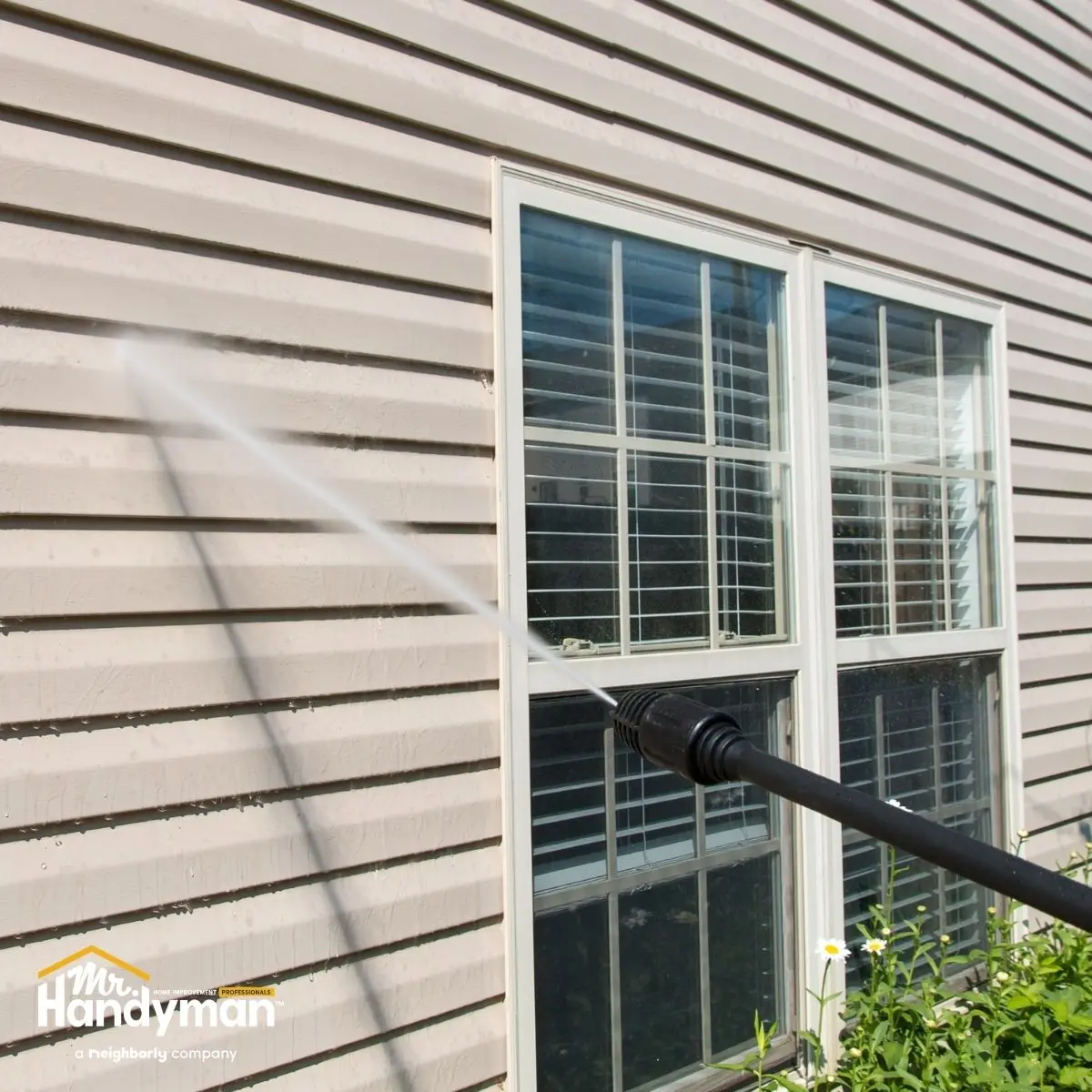
Is pressure washing appropriate for all exterior surfaces before warmer weather? Pressure washing is effective for concrete, brick, and fiber cement surfaces that can tolerate the water volume and pressure involved. Wood siding, older painted surfaces, and any cladding with existing paint failure or surface damage should be cleaned at lower pressure settings that remove surface soiling without driving water beneath the paint film or damaging the substrate. A professional assessment of the appropriate cleaning method for each surface type prevents preparation cleaning from creating the damage it was intended to address.
What exterior preparation tasks can I reasonably complete myself versus hiring a professional? Gutter cleaning, screen installation and repair, door hardware lubrication and adjustment, downspout extension installation, mulch management, and basic caulking replacement at accessible locations are all reasonable DIY preparation tasks for a capable homeowner with basic tools. Roof surface work that requires safe access at height, masonry repointing, structural deck assessment, and exterior painting preparation that involves significant surface repair benefit from professional execution that brings both expertise and appropriate equipment to the task.
How does spring exterior preparation affect homeowner's insurance coverage for summer storm damage? A home whose exterior has been properly prepared, with roof flashings intact, gutters clear and functional, and caulking sealed against water infiltration, is less likely to sustain the interior damage that compromised exterior conditions allow summer storms to produce. From an insurance perspective, documented maintenance and preparation supports the homeowner's position in claims where the insurer evaluates whether pre-existing conditions contributed to the loss. Preparation also reduces the frequency of claims that a well-maintained home generates compared to one carrying deferred exterior maintenance.
Warmer Weather Rewards Preparation. Every Time.
The Middle Tennessee homeowner who arrives at the warm season with a properly prepared exterior is positioned to enjoy the spring and summer that the region genuinely delivers without the background awareness of unresolved conditions that deferred preparation creates. The work done in this window, systematically and with genuine attention to the conditions that this climate specifically produces, determines how the home performs through every warm-weather month that follows.
The team at Mr. Handyman of West Nashville, Belle Meade, and Clarksville brings the regional experience to help homeowners prepare their exteriors correctly before warmer weather makes unresolved conditions more expensive to address and more consequential to live with.
Website: https://www.mrhandyman.com/nashville-west-south-central/
Serving homeowners throughout Nashville, Belle Meade, and Clarksville with dependable service and the expertise your home deserves.