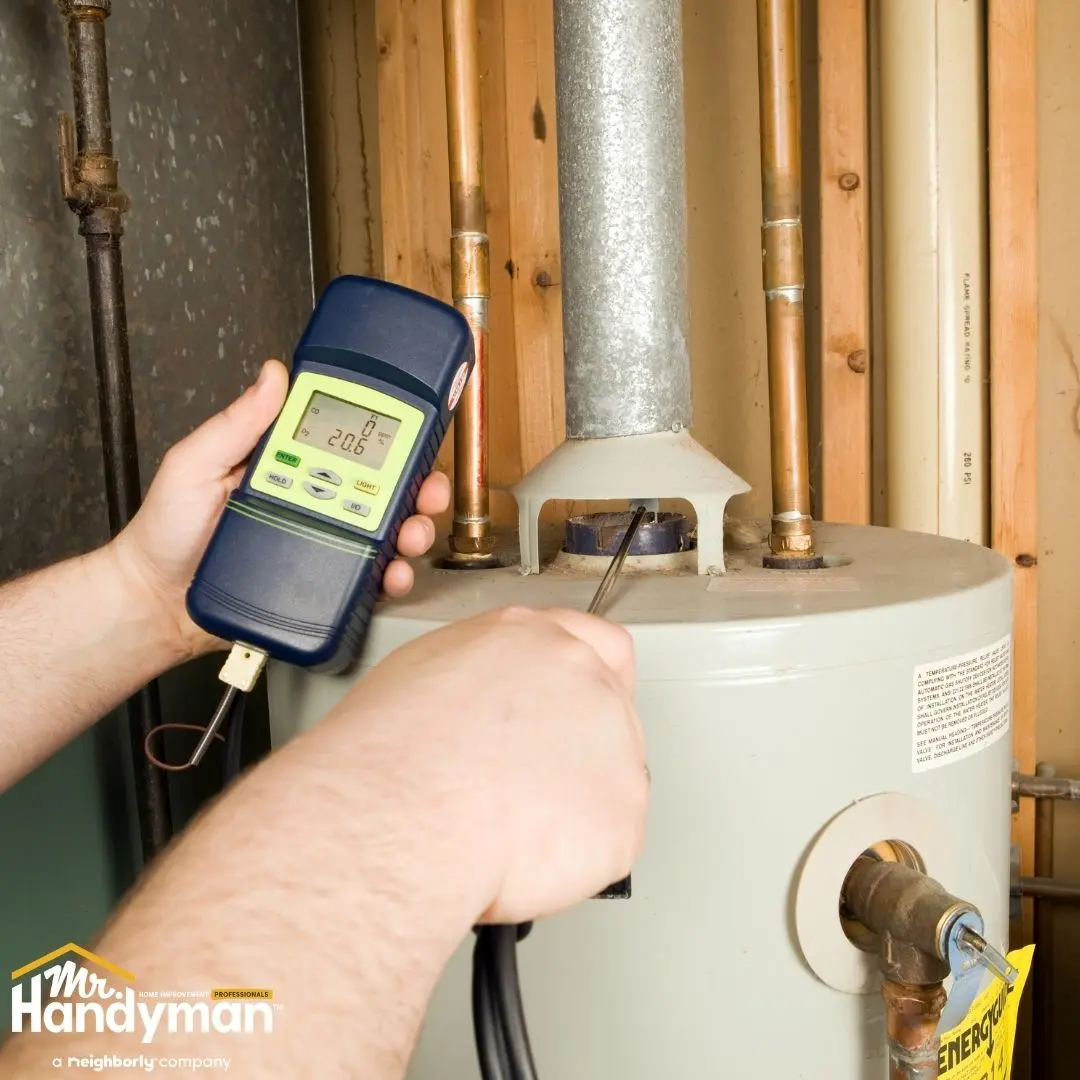
A reliable water heater is essential year-round, but during the colder months, it becomes one of the hardest-working systems in your home. From warm showers on chilly mornings to dishwashing and laundry, the demand for hot water rises sharply when temperatures fall. Unfortunately, winter is also when many water heaters begin to struggle - often showing signs of trouble that homeowners might overlook until the system fails entirely.
For residents in West Nashville, Belle Meade, Clarksville, Green Hills, Berry Hill, Ashland City, Dickson, Kingston Springs, and nearby Middle Tennessee communities, understanding how cold weather impacts water heater performance can help prevent costly breakdowns and keep daily routines running smoothly all winter long.
Why Cold Weather Strains Water Heaters
When outdoor temperatures drop, the water entering your plumbing system is significantly colder. This means your water heater must work harder to raise that water to the desired temperature. The added strain exposes weaknesses in older systems, accelerates wear on components, and reduces efficiency.
Factors that make winter harder on water heaters include:
- Lower incoming water temperatures
- Increased household demand for hot water
- Longer recovery times between uses
- Temperature fluctuations due to uneven heating cycles
Over time, this extra workload can lead to visible performance issues - and if ignored, complete system failure.
Sign #1: Inconsistent Water Temperature
One of the earliest and most noticeable signs that your water heater is struggling is inconsistent temperature output. You might experience a mix of hot, lukewarm, and cold water during a single shower, or find that the water never gets as warm as it used to.
Common causes include:
- Sediment buildup inside the tank reducing heating efficiency
- A failing heating element (in electric models)
- A malfunctioning thermostat
- Increased recovery time due to cold incoming water
If you notice temperature fluctuations that persist despite thermostat adjustments, your water heater likely needs maintenance or professional inspection.
Sign #2: Running Out of Hot Water Faster Than Usual
During winter, your water heater has to heat colder water, which means it takes longer to reach the set temperature. However, if you find that hot water runs out much faster than normal, it may indicate a more serious issue.
Possible causes include:
- Sediment buildup taking up space in the tank
- A malfunctioning thermostat not maintaining set temperature
- A damaged dip tube that mixes hot and cold water inside the tank
Addressing this issue promptly can prevent additional strain on the unit and improve efficiency.
Sign #3: Unusual Noises Coming From the Tank
Knocking, rumbling, or popping sounds coming from your water heater are not normal. These noises often occur when sediment has accumulated at the bottom of the tank. As the burner heats the water, trapped air bubbles escape through the sediment, causing popping or banging sounds.
Other noise sources include:
- Expanding metal components due to heat stress
- Loose heating elements or fittings
- Scale buildup on internal components
Ignoring these sounds can lead to reduced heating efficiency or internal damage.
Sign #4: Water That Looks or Smells Unusual
Cold weather can aggravate corrosion inside an older water heater, leading to changes in water color or odor. If you notice cloudy, rusty, or metallic-tasting water, it may indicate that the interior lining or anode rod is deteriorating.
Warning signs include:
- Brown or yellow discoloration in hot water only
- Metallic or sulfur-like odors
- Visible particles in the water
In many cases, replacing the anode rod or flushing the tank can restore water quality. However, advanced corrosion may mean it’s time for a replacement.
Sign #5: Leaks or Moisture Around the Tank
Cold temperatures can cause metal components to contract, stressing seals and joints. Even a small amount of moisture around the base of your water heater should be taken seriously.
Possible causes include:
- Condensation from temperature differences
- Loose drain valves or connections
- Cracks or corrosion in the tank itself
If the leak persists after tightening connections, call a professional immediately to prevent flooding or electrical hazards.
Sign #6: Longer Recovery Time Between Uses
If your water heater takes noticeably longer to reheat after showers, laundry, or dishwashing, it’s likely struggling to keep up with demand. Recovery time naturally increases in winter, but significant delays suggest mechanical inefficiency or worn-out parts.
To improve recovery time:
- Flush sediment from the tank to improve heating speed
- Check and replace heating elements if necessary
- Adjust thermostat settings within safe limits (typically 120°F–125°F)
A slow recovery rate often indicates that your water heater is nearing the end of its service life.
How to Prevent Winter Water Heater Problems
Proactive maintenance is the best defense against winter water heater issues. Simple steps can extend your unit’s lifespan and improve efficiency.
Preventative tips:
- Drain and flush the tank once per year to remove sediment
- Inspect the anode rod annually for corrosion
- Ensure adequate insulation around the tank and hot water pipes
- Set your thermostat between 120°F and 125°F to balance safety and performance
Preventing problems before they start reduces energy waste and avoids unexpected breakdowns.
Professional Maintenance Keeps Systems Running Strong
While routine maintenance helps, professional servicing ensures your system operates safely and efficiently. Licensed technicians can check electrical components, test thermostats, inspect pressure valves, and identify internal corrosion that homeowners might miss.
Homeowners across West Nashville, Belle Meade, Clarksville, and surrounding Middle Tennessee communities trust Mr. Handyman of W. Nashville, Belle Meade, Clarksville for dependable water heater maintenance, repair, and replacement services.
How Cold Weather Affects Your Water Heater - and Which Parts Fail First
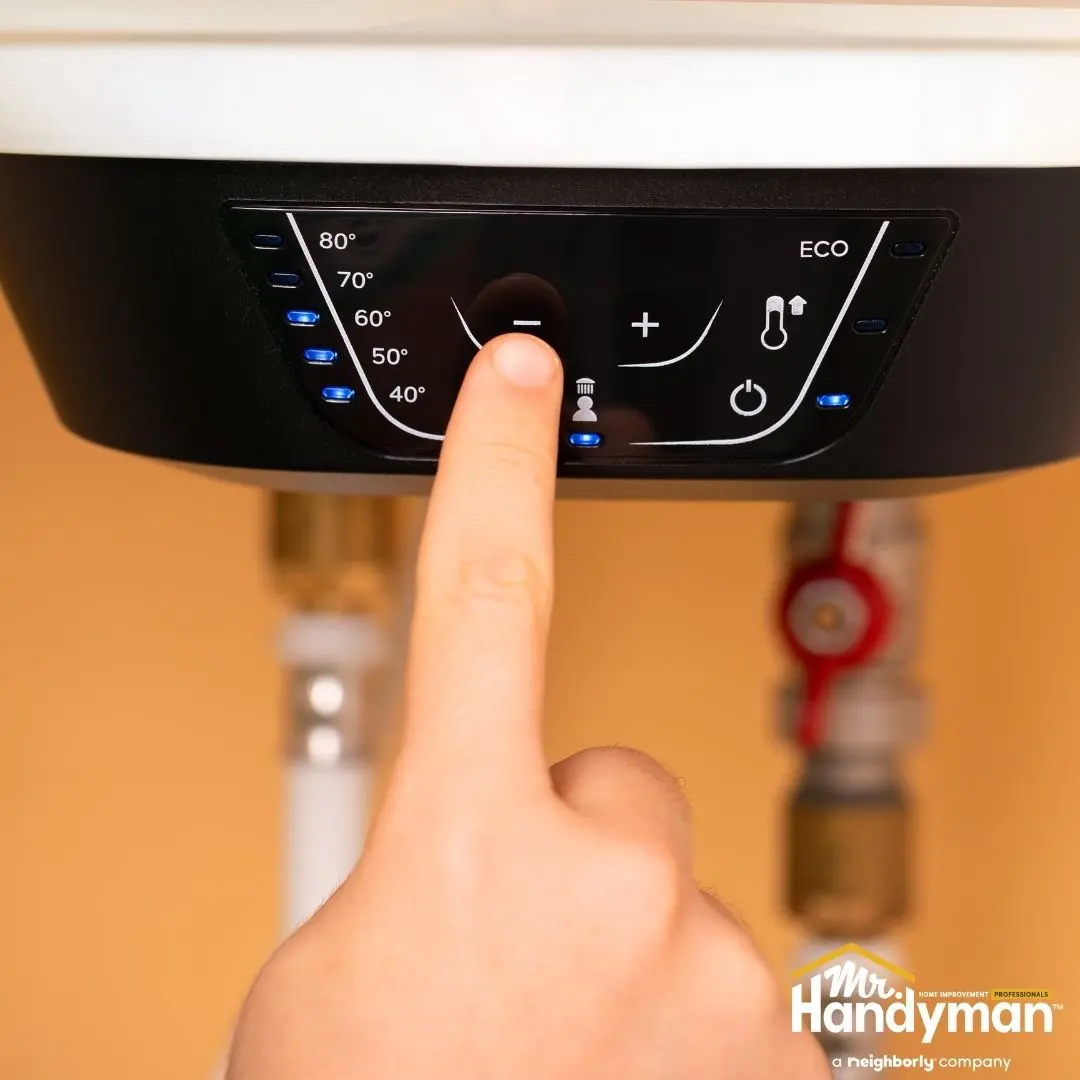
Winter in Middle Tennessee brings more than chilly air and frosty mornings - it also brings added stress on every part of your home’s plumbing system. One of the most heavily affected components is your water heater. Even if your unit seems to be functioning normally, freezing temperatures and higher demand can cause unseen wear that shortens its lifespan and raises energy costs.
Understanding how cold weather impacts your water heater’s performance helps homeowners recognize early issues and take preventive steps before expensive repairs are needed.
Homeowners in West Nashville, Belle Meade, Clarksville, Green Hills, Berry Hill, Ashland City, Dickson, and Kingston Springs experience enough winter temperature drops to challenge even a well-maintained water heater. Let’s explore exactly how cold weather affects your system - and which parts are most vulnerable.
Colder Incoming Water Means More Work for the System
In summer, water entering your home from municipal lines or wells is relatively mild, requiring less energy to heat. In winter, that same water can be 20 to 30 degrees colder. Your water heater must work harder and longer to bring it up to your set temperature, often between 120°F and 125°F.
This extra workload leads to:
- Increased heating time per cycle
- Greater fuel or electricity consumption
- Higher monthly energy bills
- Faster wear on heating elements and thermostats
Even newer water heaters can struggle under sustained cold water intake, especially if sediment buildup or scaling has already reduced their efficiency.
Thermostats Work Overtime to Maintain Temperature
The thermostat acts as your water heater’s control center, constantly monitoring temperature and activating the heating element or burner as needed. During cold weather, this component cycles more frequently to maintain consistent water temperature.
Over time, this repetitive cycling can cause thermostat contacts to wear down or become misaligned, resulting in:
- Inaccurate temperature readings
- Inconsistent water temperature
- Delayed heating response
A thermostat that fails to shut off correctly can even cause overheating and trip the system’s safety breaker. Regular inspection during winter ensures this vital part performs reliably.
Heating Elements Face Increased Stress
For electric water heaters, the heating elements handle most of the heavy lifting. These components convert electrical energy into heat, but as they cycle more often in cold weather, they begin to degrade faster.
Common winter-related heating element issues include:
- Reduced output due to scaling from hard water
- Burnout caused by overuse or sediment coverage
- Uneven heating leading to lukewarm water
A burned-out element often causes one of two symptoms: no hot water at all or significantly reduced heating capacity. Testing and replacing a worn element before the coldest part of winter prevents frustrating mid-season breakdowns.
Gas Water Heaters Struggle With Combustion Efficiency
In gas-powered units, cold weather can affect both combustion and ventilation. Colder air is denser, which slightly alters the fuel-to-air ratio needed for efficient burning. Additionally, outside vents can become partially obstructed by frost, debris, or nesting animals seeking warmth.
When this happens, the burner may:
- Ignite irregularly
- Produce cooler flame temperatures
- Trigger the safety shutoff sensor
This reduces overall efficiency and increases fuel use. Annual maintenance and vent inspection help ensure proper combustion even in fluctuating winter temperatures.
Sediment Hardens and Builds Faster in Winter
Water hardness in Middle Tennessee can vary by area, but cold weather worsens sediment issues for all homeowners. As the water heater cycles more frequently, minerals like calcium and magnesium settle faster at the tank’s bottom, forming a layer of insulating buildup.
This sediment layer:
- Forces the heater to work harder to maintain temperature
- Traps heat that damages the tank’s lining
- Causes popping or rumbling noises
Once sediment thickens, it becomes difficult to remove without professional flushing. Left unchecked, it drastically shortens your heater’s life expectancy.
Expansion and Contraction Can Loosen Seals and Connections
Metal expands when hot and contracts when cold. During winter, your water heater experiences more drastic temperature fluctuations between cycles. Over time, this movement loosens seals, joints, and fittings, creating small leaks that may worsen into major drips.
These leaks most often appear:
- Around the temperature and pressure relief valve (T&P valve)
- At drain valves or pipe connections
- Underneath the tank base due to internal corrosion
Homeowners should inspect around the base of their unit regularly for signs of moisture or rust. Even small leaks indicate stress and should be addressed before they lead to full tank failure.
Electrical Components Suffer from Temperature and Moisture
Cold air and humidity changes can cause condensation inside the electrical housing of your water heater, particularly if located in basements or garages. Moisture on electrical contacts can lead to short circuits, tripped breakers, or heating failures.
Preventative steps include:
- Keeping the area around your water heater dry and insulated
- Using weather stripping on garage or basement doors
- Having an electrician inspect connections if breakers trip frequently
Electrical corrosion is one of the most preventable causes of water heater failure during winter.
Insulation Plays a Critical Role in Efficiency
Water heaters lose heat through their tank walls, pipes, and valves. During cold weather, this heat loss increases significantly, forcing the unit to cycle more often. A simple insulation upgrade can improve energy efficiency by up to 15 percent.
Homeowners can improve insulation by:
- Adding a water heater blanket (for older units only)
- Insulating both hot and cold water pipes
- Ensuring nearby vents do not blow cold air directly on the unit
These small improvements reduce wear and energy waste throughout the cold season.
Why Professional Winter Maintenance Matters
Water heater systems work hardest when outdoor temperatures fall. Annual winter maintenance ensures that each component is functioning properly and can handle seasonal demand.
Homeowners across West Nashville, Belle Meade, Clarksville, and surrounding communities rely on Mr. Handyman of W. Nashville, Belle Meade, Clarksville for expert water heater inspections, preventive maintenance, and repairs.
Practical Water Heater Maintenance Tips for Winter Efficiency and Longevity
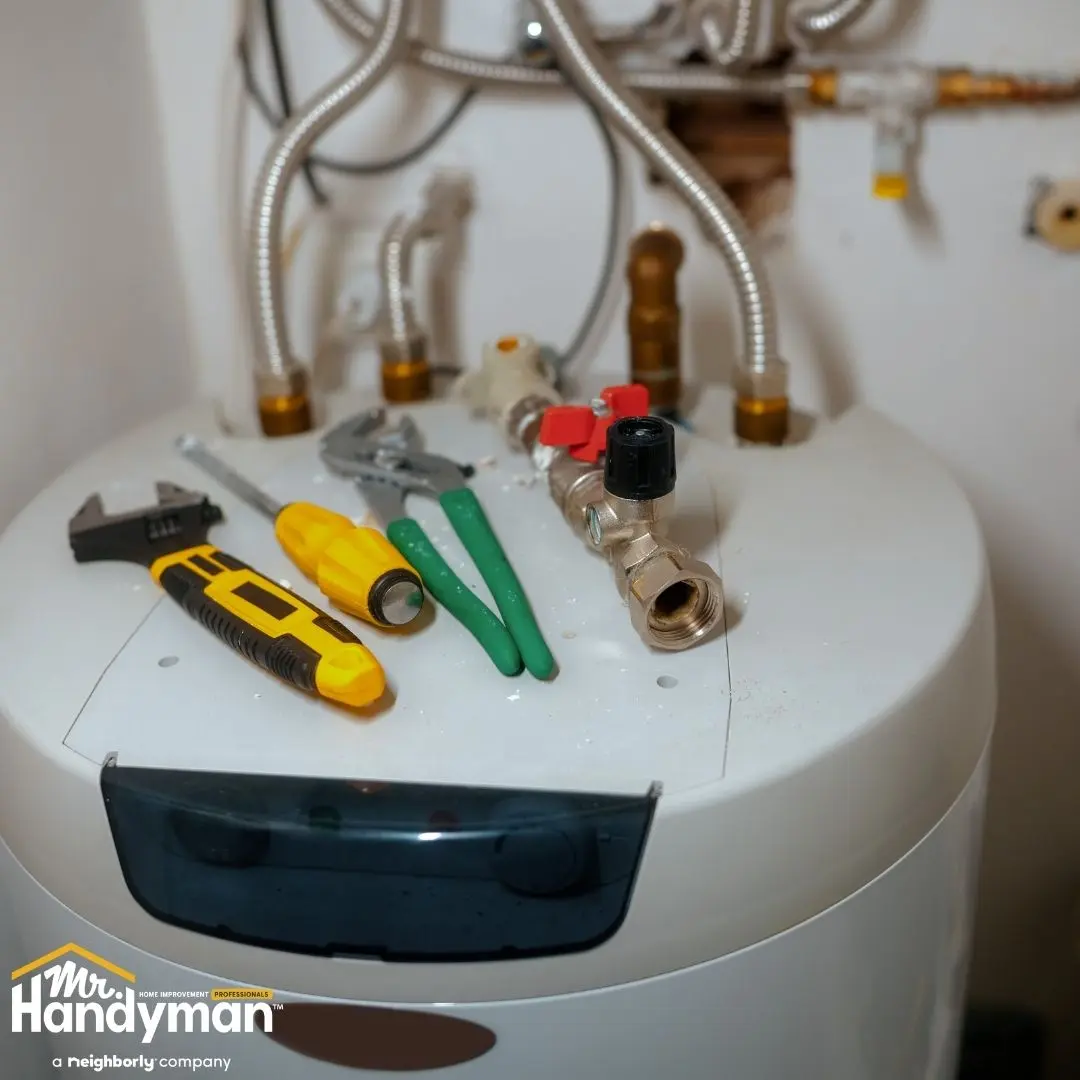
When temperatures drop, your water heater becomes one of the most essential systems in your home. It keeps showers warm, dishes clean, and laundry manageable throughout the coldest months. Yet many homeowners only think about their water heater when something goes wrong. Regular winter maintenance not only prevents breakdowns but also helps your system run more efficiently, lowering energy costs and extending its lifespan.
For homeowners in West Nashville, Belle Meade, Clarksville, Green Hills, Berry Hill, Ashland City, Dickson, Pleasant View, and Kingston Springs, cold snaps and temperature fluctuations can strain even newer units. With some focused seasonal care and professional support, you can keep your water heater running smoothly all winter long.
Start With a Winter Maintenance Checkup
A quick inspection before and during winter helps catch problems early. Every homeowner should perform a simple visual check at least once a month during cold weather.
Inspect your water heater for:
- Leaks or moisture buildup around the tank base or valves
- Corrosion or rust on pipes and fittings
- Unusual noises such as popping or knocking from inside the tank
- Proper temperature settings (typically 120°F–125°F)
- Clear ventilation for gas units and no obstructions near intake vents
If anything looks unusual, schedule a service call before the problem worsens. A ten-minute checkup can prevent a midwinter emergency.
Flush the Tank to Remove Sediment Buildup
Sediment naturally collects at the bottom of the tank over time. In Middle Tennessee, where water hardness can vary, sediment buildup is one of the biggest causes of poor heating efficiency. During winter, this buildup acts like a blanket that forces the heating element or burner to work harder.
To flush your tank safely:
- Turn off the power or gas supply to the water heater.
- Allow the unit to cool slightly.
- Attach a hose to the drain valve at the base of the tank.
- Direct the hose outdoors or into a floor drain.
- Open the drain valve and let several gallons of water flow out until it runs clear.
Flushing once a year removes mineral deposits and keeps your system heating water efficiently. Homeowners who hear popping noises or experience slow heating cycles likely have sediment buildup that needs to be cleared.
Check and Replace the Anode Rod
The anode rod is a small but crucial part of your water heater’s health. It attracts minerals that would otherwise corrode the tank lining. Over time, this sacrificial rod wears down, especially during periods of high use in winter.
If your water heater is more than two years old, have the anode rod inspected annually. A worn or missing rod leaves your tank vulnerable to rust and early failure. Replacing it costs far less than installing a new water heater.
Test the Pressure Relief Valve
The temperature and pressure relief valve (T&P valve) is a vital safety component that releases pressure if the tank overheats. In winter, this valve experiences additional strain as the water heater cycles more frequently.
To test it safely:
- Place a bucket under the valve’s discharge pipe.
- Gently lift the lever to release a small burst of water.
- If water flows freely and stops when you close it, the valve works properly.
- If it sticks or leaks afterward, have it replaced immediately.
A functioning T&P valve prevents dangerous overpressure inside the tank.
Insulate Pipes and the Tank for Better Efficiency
Insulation helps retain heat and reduce energy waste, especially when your water heater is located in a garage, basement, or utility room.
Homeowners can:
- Wrap exposed hot water pipes with foam sleeves or insulation wrap.
- Add a water heater blanket to older units without built-in insulation.
- Ensure cold air from vents or windows does not blow directly onto the tank.
Pipe insulation is one of the most cost-effective upgrades you can make. It helps maintain consistent water temperature and reduces heating time.
Adjust Temperature Settings for Optimal Performance
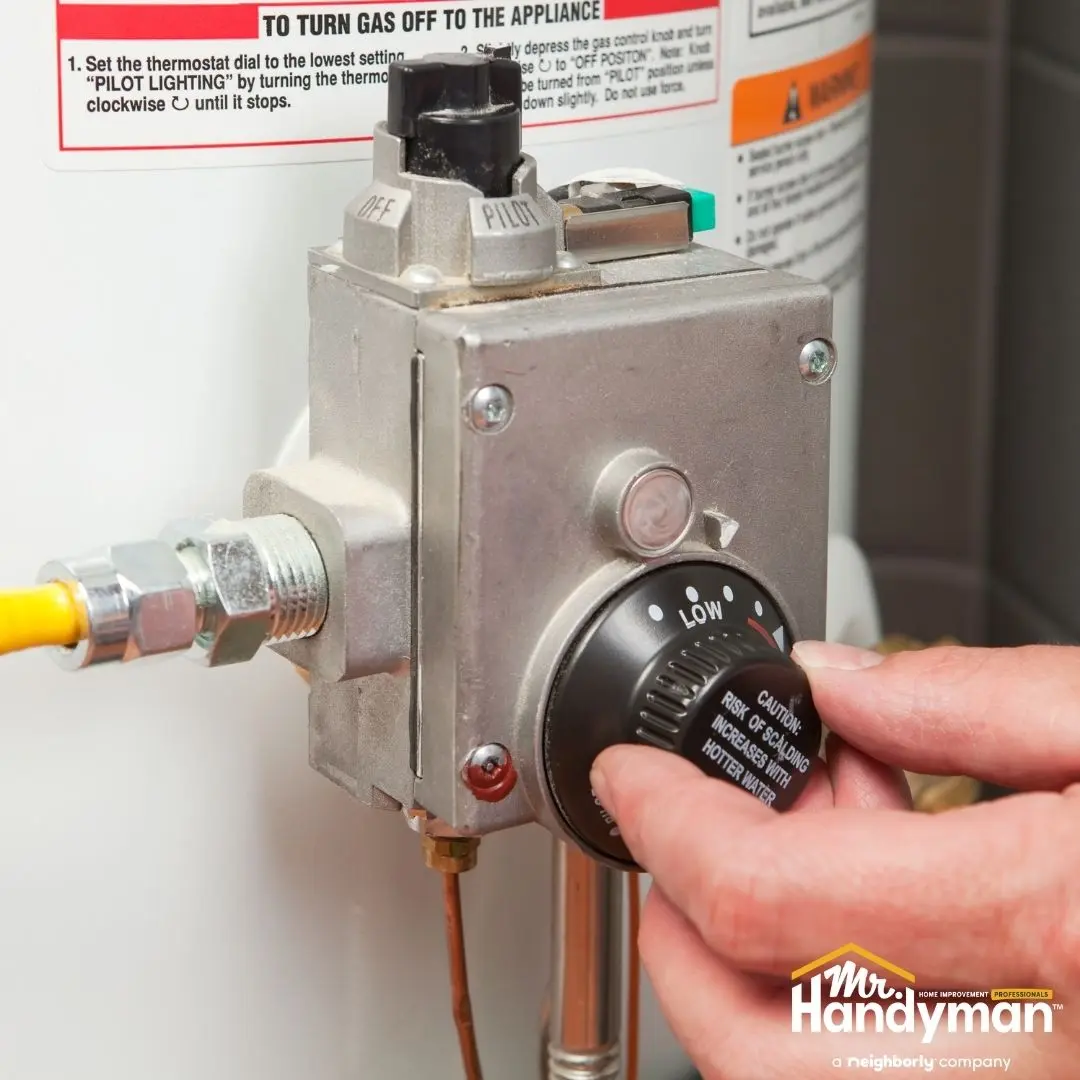
Many homeowners think setting the thermostat higher in winter will produce more hot water, but that can actually increase strain and energy costs. The ideal setting is between 120°F and 125°F. This range provides comfortable water temperatures while minimizing scald risk and energy waste.
If your water feels inconsistent, check the thermostat for accuracy. Faulty thermostats are common during winter and can cause erratic heating cycles.
Watch for Early Warning Signs of Trouble
Even with regular care, your water heater may show subtle signs of wear before failure. Addressing them early prevents bigger issues later in the season.
Warning signs include:
- Water taking longer to heat
- Fluctuating temperatures during use
- Cloudy or discolored water from corrosion
- Unusual noises or knocking sounds
- Small leaks that reappear after tightening connections
If any of these symptoms appear, schedule professional maintenance to avoid costly emergency repairs.
Don’t Forget About Vacation Settings
Many homeowners travel during the winter holidays. If you plan to be away for more than a few days, switch your water heater to “vacation” or “low” mode. This keeps the pilot light active but reduces heating demand, saving energy and preventing unnecessary cycling while you’re gone.
Upon returning, restore your normal setting and run the hot water for several minutes to flush the system before regular use.
Why Professional Water Heater Maintenance Matters
DIY care goes a long way, but professional maintenance ensures that electrical, gas, and safety components are properly tested and calibrated. A trained technician can:
- Inspect the thermostat and heating elements
- Check for internal corrosion
- Verify that safety valves function correctly
- Flush and service the tank thoroughly
Homeowners across West Nashville, Belle Meade, and Clarksville rely on Mr. Handyman of W. Nashville, Belle Meade, Clarksville for expert winter plumbing and water heater maintenance.
Final Thoughts on Winter Water Heater Care
Cold weather puts extra pressure on every water heater, but with regular maintenance and a few preventative steps, you can avoid midwinter breakdowns and extend your system’s life for years. Checking for leaks, flushing the tank, and insulating vulnerable parts ensures consistent performance even during Tennessee’s harshest cold snaps.
If your hot water isn’t dependable this winter, it’s time to act. Call to have a skilled handyman inspect your water heater.