What Customers Notice Before They Notice Anything Else
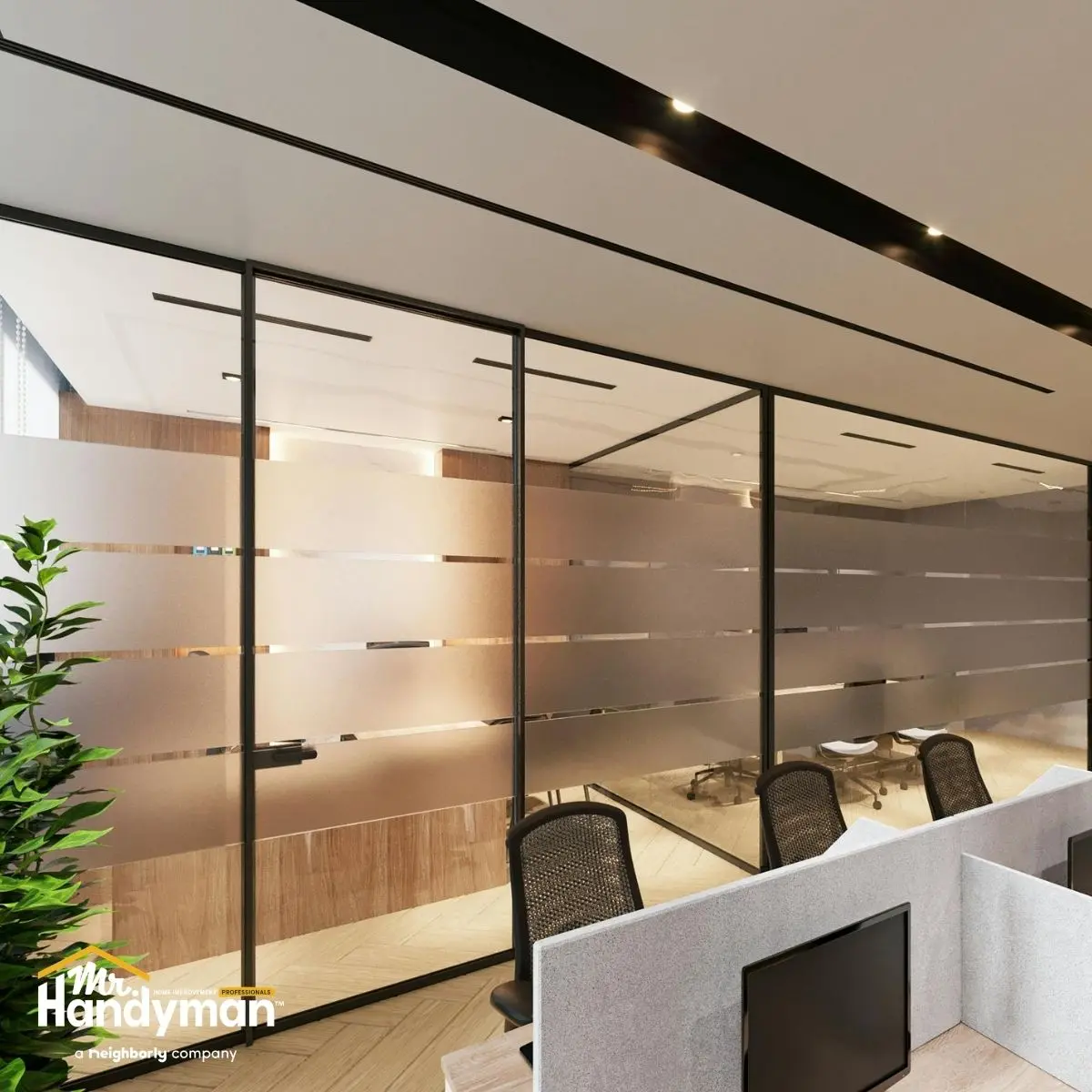
There is a sequence to how customers experience a commercial space that most business owners understand instinctively but rarely examine with enough precision to act on effectively. The impression that determines whether a customer feels comfortable, confident, and inclined to return is formed in the first moments of the visit, before any product is evaluated, before any service interaction occurs, and before any price comparison is made. That impression is built entirely from what the customer sees, feels underfoot, smells, and intuitively absorbs about the condition and care of the space they have just entered.
The renovations that shape that first impression most powerfully are not always the largest or most expensive ones. In commercial spaces across Nashville, Belle Meade, and Clarksville, the customer experience is frequently defined by details that individual business owners walk past every day without registering because familiarity has made those details invisible. A ceiling tile that has yellowed from an old moisture issue. Baseboards that have accumulated scuffs and paint chips through years of foot traffic and cleaning equipment. Entry flooring that has worn through its finish in the path that every customer follows from the door to the counter. Lighting that was adequate when the space was first fitted out but has dimmed and yellowed in ways that change the entire character of the interior.
None of these conditions require major renovation to address. Each of them, resolved with targeted attention and appropriate materials, changes the customer's first impression in ways that produce real business returns. Understanding which small renovations deliver the strongest impression impact in Middle Tennessee's commercial environment, and why certain conditions matter more than others in this specific market, is the foundation of a smart renovation investment strategy for any business owner or commercial tenant.
Why Middle Tennessee's Market Makes Customer Impression Particularly Important
The competitive commercial environment in Nashville, Belle Meade, and Clarksville creates conditions where customer impression plays a more significant role in business outcomes than it does in less dynamic markets. All three communities have experienced meaningful growth in the commercial activity that serves their populations, which means customers in these markets have more choices than at any previous point in the region's business history.
Nashville's continued growth as a destination city has brought a customer base with exposure to commercial environments across a range of markets. Customers who have experienced retail, dining, and professional service spaces in other major markets bring those reference points to their evaluation of Nashville commercial spaces. A Nashville business operating in a space that communicates neglect or outdated presentation is being evaluated against a broader competitive context than it might have been a decade ago.
Belle Meade's commercial environment serves a customer base with consistently high expectations for quality and presentation across every business category. The retail, dining, and professional service businesses that operate in Belle Meade are implicitly positioned at a quality level that their physical environment is expected to reflect. A business in this market whose space communicates deferred maintenance or outdated presentation creates a gap between the quality level the market expects and what the physical environment delivers, and customers in Belle Meade are particularly sensitive to that gap.
Clarksville's growing population has expanded the competitive commercial landscape significantly, with new businesses entering categories that previously had limited local competition. In that environment, physical presentation becomes a differentiator that customers use to choose between options that are otherwise comparable in product or service offering. A Clarksville business whose space presents better than its competitors captures the impression advantage in a market where customers are actively forming preferences among newer options.
Entry and Reception Areas: The Highest-Return Renovation Zone
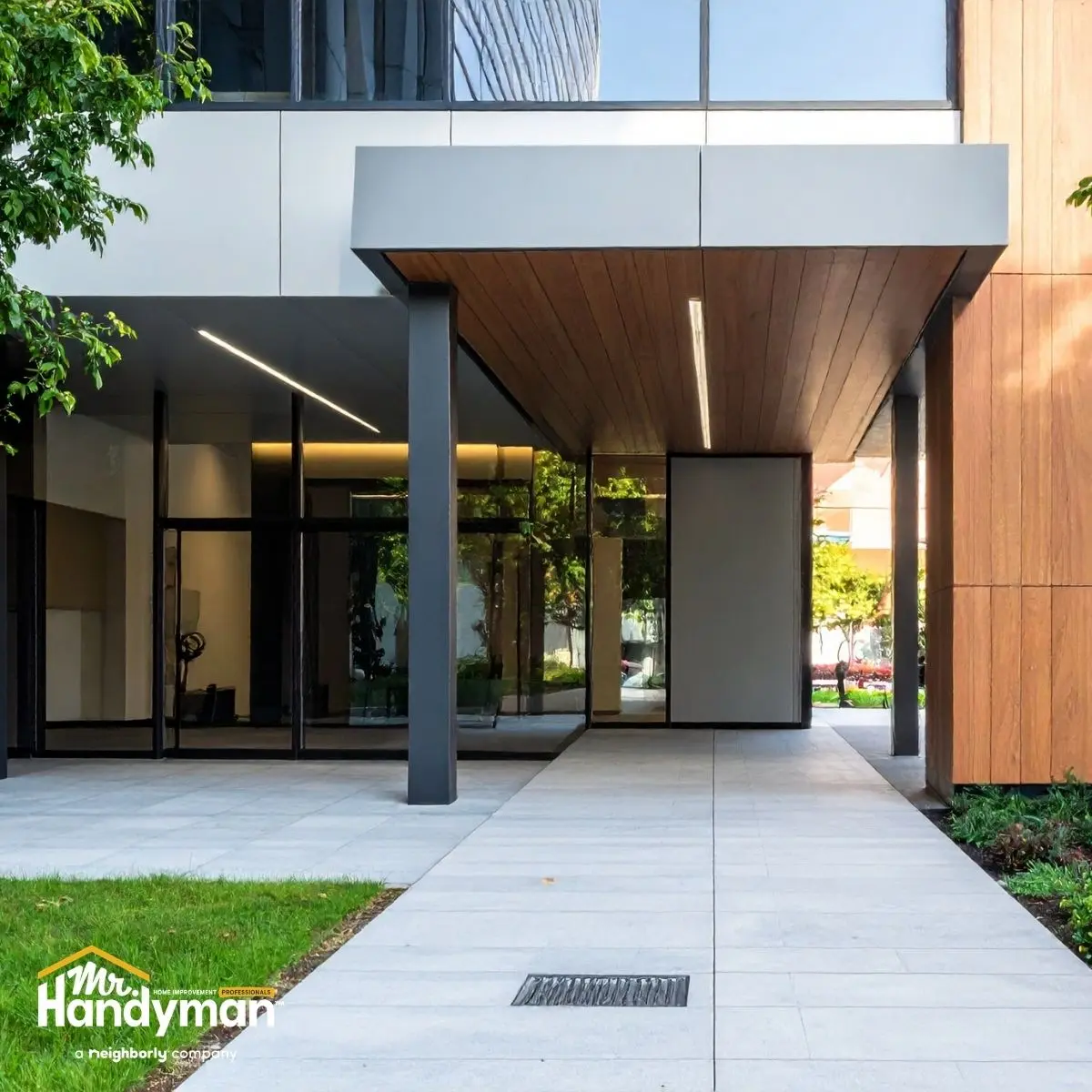
The entry and reception area of any commercial space is where renovation investment delivers its strongest return relative to cost, because it is the zone where every customer's impression is formed and where the conditions that affect that impression are most concentrated and visible.
Flooring in the customer entry path carries more visual and tactile information than any other surface in a commercial space. A customer who walks across entry flooring that has worn through its finish, that shows visible damage at transitions and edges, or that reads as outdated relative to the business's intended positioning registers that condition immediately and unconsciously. The entry floor is the first surface customers contact physically, and its condition shapes the tactile component of the first impression in ways that customers translate into assessments of the business's overall quality and attention to detail.
Commercial entry flooring replacement does not require closing the business for extended periods or investing in the most premium materials available. Porcelain tile in a current format and finish, quality luxury vinyl plank in a commercial-grade specification, or polished concrete with appropriate anti-slip treatment all represent entry flooring solutions that communicate quality, durability, and intentional design at investment levels accessible to most commercial tenants and property owners in Nashville, Belle Meade, and Clarksville.
Reception desk and counter condition in businesses that have a customer-facing service counter communicates brand quality in the same way that a restaurant's table condition communicates kitchen standards. A reception counter that shows laminate lifting at edges, surface wear at the most-used areas, or hardware that has loosened and never been repaired tells a customer something about the business's attention to detail that no amount of excellent service entirely overcomes. Counter resurfacing, laminate replacement, or hardware refresh are targeted renovations that restore the counter's role as a quality signal rather than a liability.
Wall surfaces in the customer entry zone accumulate scuffs, marks, and paint wear at the corners, edges, and high-contact areas that cleaning alone cannot fully restore. A fresh coat of paint in a current, well-chosen color applied to properly prepared wall surfaces changes the entry zone's character more completely than almost any other single renovation at a comparable cost. The preparation quality determines how long the result holds, and in Middle Tennessee's commercial environment where humidity and temperature cycling affect paint adhesion, proper surface preparation before painting is not optional if the result is expected to last through multiple business seasons.
Lighting Renovations That Change How the Business Feels
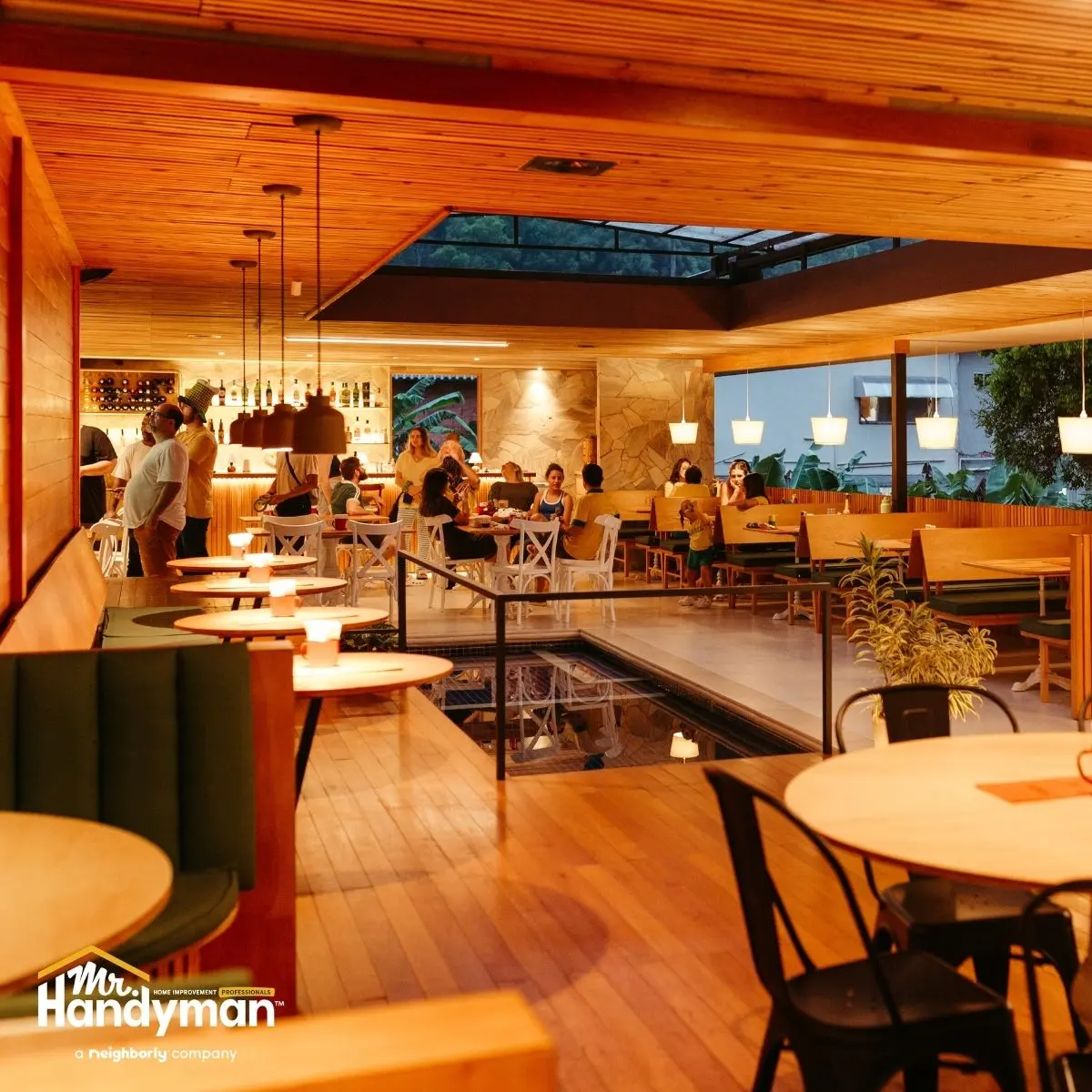
Lighting is the renovation category that most consistently transforms a commercial space's customer impression relative to its cost, and it is the category that business owners most frequently overlook because lighting changes gradually in ways that make the current state seem normal until it is compared directly to what the space looked like when the lighting was current.
Fixture replacement that updates aging fluorescent or incandescent commercial lighting to current LED specifications produces multiple simultaneous improvements. Light quality improves immediately. Color rendering, which is the accuracy with which the light source reveals the true colors of products, finishes, and customer faces, improves significantly with quality LED fixtures compared to aging fluorescent alternatives. Energy consumption drops, which reduces operating costs on a continuing basis. And the visual character of the space changes in ways that customers respond to positively even when they cannot specifically identify what has changed.
In Nashville retail and dining spaces where the visual presentation of products and the atmosphere of the dining environment are central to the customer experience, lighting quality is not a peripheral concern. It is a primary determinant of how the space performs its core business function. A retail space where product colors are rendered accurately under quality LED lighting sells merchandise more effectively than one where aging fluorescent fixtures distort color in ways that create customer uncertainty at the point of purchase.
Accent and feature lighting that highlights architectural elements, merchandise displays, or specific zones within the commercial space creates a layered lighting environment that reads as designed and intentional rather than simply adequate. In Belle Meade commercial spaces where customers arrive with high expectations for environmental quality, the difference between a space with a single ambient lighting layer and one with thoughtfully added accent lighting is felt in how the space positions the business's brand without requiring any verbal communication about quality or positioning.
Lighting in restrooms serving customer-accessible commercial spaces in Nashville, Belle Meade, and Clarksville is a detail that many business owners underinvest in relative to its impact on customer impression. A customer restroom with harsh, aging lighting, fixtures that buzz or flicker, and a generally institutional quality communicates the same neglect as a poorly maintained entry. Restroom lighting replacement that delivers flattering, accurate illumination in a current fixture specification changes the customer's restroom experience in a way that contributes to overall impression without requiring any structural renovation to the space.
Interior Paint and Surface Conditions: The Most Accessible Impression Renovation
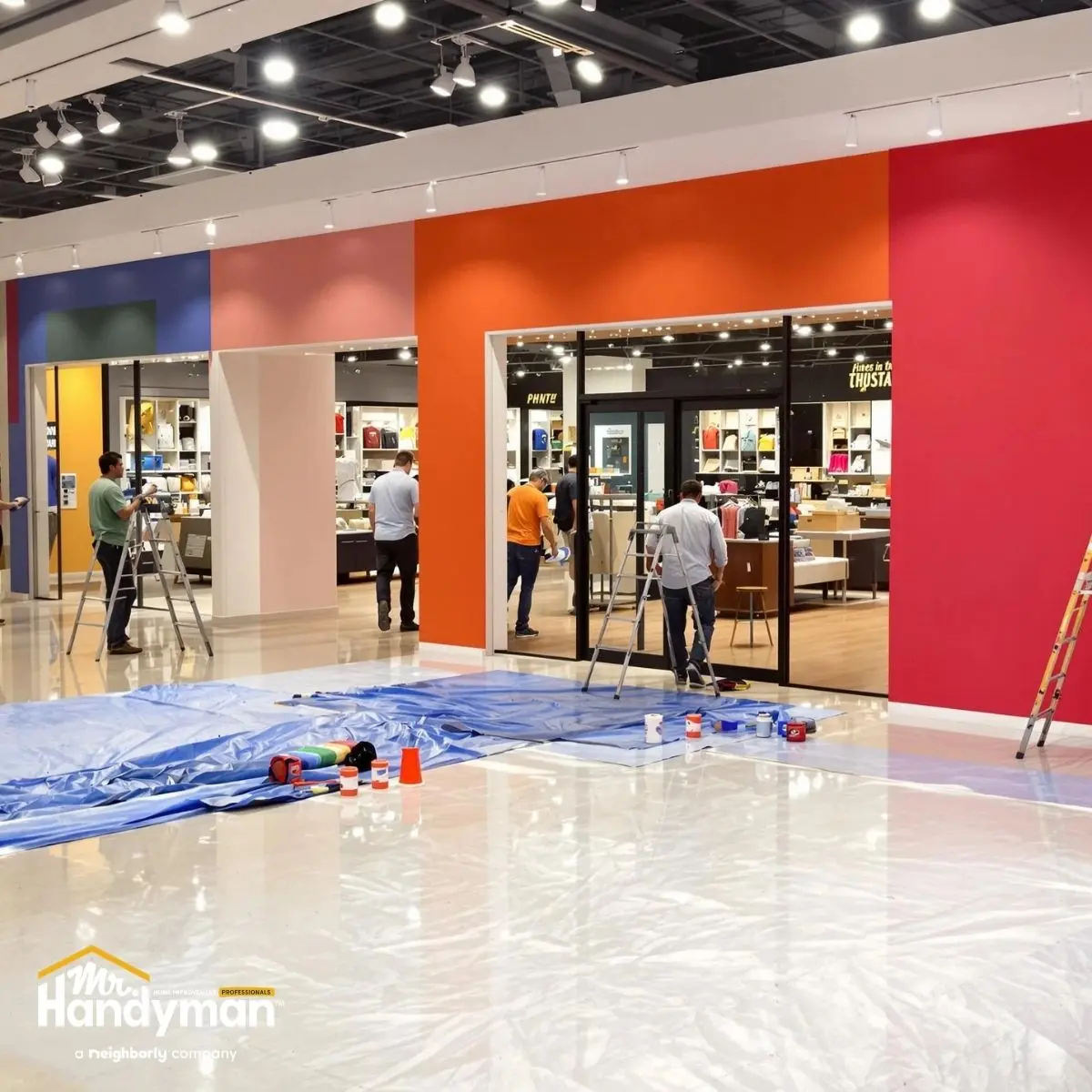
Commercial interior painting is the renovation that consistently delivers the strongest ratio of impression impact to investment cost, and it is accessible at a budget level that makes it appropriate for businesses across the range of commercial categories operating in Middle Tennessee.
Wall surface preparation before commercial repainting determines the quality and durability of the result more than the paint product selected. Commercial walls in Nashville, Belle Meade, and Clarksville accumulate specific damage patterns through business operation. Drywall corners that have been contacted by equipment and furniture. Wall surfaces near entry doors that show concentrated scuffing. Areas behind seating and display fixtures that have developed moisture-related finish issues. Surfaces near HVAC vents that have accumulated airborne debris in patterns that no cleaning restores. Addressing each of these conditions correctly before paint is applied produces a result that holds through the temperature cycling and humidity variation that Middle Tennessee commercial spaces experience.
Color selection for commercial repainting is a decision that affects customer impression at the brand level as well as the environmental level. Colors that were appropriate when the space was first painted may have drifted from current brand standards, may read as dated in a market where customer reference points have evolved, or may simply have been poorly chosen initially without consequences that were apparent until the space was occupied and functioning. Professional color consultation before commercial repainting produces selections that align the space's visual environment with the brand's intended positioning.
Restrooms: The Detail That Defines Customer Perception More Than Most Businesses Acknowledge
Customer restrooms in commercial spaces carry an impression weight that is disproportionate to the square footage they occupy and the renovation investment they require. Research across retail, dining, and professional service categories consistently confirms that restroom condition is among the top factors customers cite when evaluating whether they will return to a business. In Middle Tennessee's competitive commercial environment, where customers in Nashville, Belle Meade, and Clarksville have options and form preferences based on the totality of their experience, a restroom that communicates neglect undermines every other impression investment the business has made.
The restroom renovation priorities that deliver the strongest customer impression return are not the most expensive ones. They are the ones that address the specific conditions customers respond to most directly.
Vanity and fixture condition in a customer restroom communicates quality at the moment of closest physical interaction with the space. A vanity with a surface that has deteriorated, faucets that show mineral deposit buildup that cleaning no longer removes, and hardware that has corroded or loosened tells the customer something about how the business maintains the spaces it controls. Vanity replacement with a current specification, faucet upgrade to a quality fixture with appropriate commercial durability, and hardware replacement that brings all elements to a consistent finish standard are targeted renovations that transform the restroom's impression at an investment level that most commercial budgets accommodate without difficulty.
Tile and grout condition on restroom floors and wall surrounds in Middle Tennessee commercial spaces deteriorates at an accelerated rate relative to drier climates because of the humidity that the region's summers deliver consistently. Grout that has discolored, cracked, or developed mildew growth between tiles makes an otherwise acceptable restroom look neglected in ways that cleaning alone does not resolve. Professional grout cleaning and recoloring addresses surface discoloration that has not yet reached the point of structural failure. Grout that has cracked or failed at the joint level requires replacement before moisture migrates behind the tile surface and creates substrate damage that is far more expensive to address than timely grout maintenance.
Partition condition in multi-stall commercial restrooms affects customer impression through the same mechanism as every other surface in the space. Partitions that show surface damage, hardware that no longer functions correctly, and mounting conditions that have loosened through years of use communicate the same deferred maintenance message as any other deteriorated surface. Partition replacement or refacing in current materials with functioning hardware is a renovation that customers notice through the quality of what they interact with rather than through any conscious evaluation of the renovation itself.
Signage and Wayfinding: The Renovation Category That Affects Customer Confidence
Interior signage and wayfinding in commercial spaces affects customer confidence and comfort in ways that business owners who know their space intuitively tend to underestimate. A customer who is navigating an unfamiliar commercial space depends on signage to orient themselves, locate what they need, and understand how the space is organized. Signage that is outdated, inconsistent in format, or simply absent in areas where customers need direction creates friction that affects the customer experience at the functional level before any impression consideration applies.
Brand-consistent interior signage that reflects the current visual standards of the business positions the space as a coherent expression of the brand rather than a collection of accumulated communication decisions made at different times with different materials. In Nashville commercial spaces where brand presentation is increasingly important to customer perception, signage that predates current brand standards creates a visual inconsistency that attentive customers register even when they cannot specifically identify its source.
Directional and informational signage in larger commercial spaces, including retail environments, professional offices, and hospitality venues across Middle Tennessee, reduces the customer effort required to navigate the space and locate what they are looking for. That reduction in navigation effort translates directly into customer comfort and the likelihood of a completed transaction. A customer who feels uncertain about where to go in a commercial space is experiencing friction that competes with every positive aspect of the business's product or service offering.
ADA-compliant signage in commercial spaces that have not been updated since original installation may no longer meet current requirements for tactile characters, mounting height, and placement. In Tennessee's regulatory environment, signage compliance is an item that building inspections and ADA accessibility reviews evaluate, and the cost of bringing signage into compliance on a planned renovation schedule is consistently less than addressing it in response to a compliance notice.
Flooring Transitions and Surface Repairs: The Details That Signal Care
The condition of flooring transitions between zones in a commercial space, and the surface repair condition of floors, walls, and ceilings throughout the space, communicate the business's maintenance philosophy at the detail level that attentive customers register even when they are not consciously evaluating individual conditions.
Flooring transition strips between different flooring materials or between flooring zones within a commercial space deteriorate through the concentrated foot traffic they receive and through the thermal movement that Middle Tennessee's temperature cycling produces. A transition strip that has lifted, bent, or separated from the floor surface is both a tripping hazard and a visual indicator of deferred attention. Replacing damaged transition strips with appropriate commercial-grade materials and correct installation is a small renovation that eliminates a safety concern and closes a visible maintenance gap simultaneously.
Wall repair at high-contact areas throughout a commercial space, corners that have been damaged by equipment, wall surfaces near doors that have been contacted repeatedly, and areas around light switches and hardware that show concentrated wear all represent conditions that fresh paint alone does not resolve if the underlying surface damage is not addressed before painting. Proper drywall repair, corner bead replacement where corner protection has failed, and surface preparation that restores the wall to a sound substrate before finishing produces results that hold through the business seasons that follow the renovation.
Ceiling condition throughout the customer-accessible areas of a commercial space carries impression weight that business owners frequently underestimate because looking upward is not a natural part of routine space navigation. Customers who do look up, and many do, particularly during wait times and while evaluating the overall environment of a dining or retail space, form impressions from ceiling tile condition, lighting fixture quality, and the presence of any staining or damage that reveals past or present moisture issues. Ceiling tile replacement in customer-facing areas is an accessible renovation that eliminates the visible evidence of deferred maintenance at the overhead plane.
How These Renovations Perform Across Nashville, Belle Meade, and Clarksville's Commercial Markets
The return on small commercial renovation investment is not uniform across Middle Tennessee's three distinct commercial markets. Understanding how each market's customer base evaluates physical environment quality helps business owners prioritize renovation investment in ways that align with the specific competitive dynamics they operate within.
Nashville's commercial environment rewards renovation investment that signals currency and relevance to a customer base that is increasingly sophisticated in its exposure to commercial environments across markets. A Nashville business whose physical environment reads as current, well-maintained, and intentionally designed captures a positioning advantage in a market where the competition for customer attention and loyalty is genuinely intense. The small renovations that matter most in Nashville are those that close the gap between the business's intended brand positioning and what the physical environment communicates to a customer whose reference points extend beyond the local market.
Belle Meade's commercial customer base evaluates physical environment quality against consistently high baseline expectations that are shaped by the overall quality standard of the community's commercial environment. A business in this market that allows visible maintenance deficits to persist in customer-facing areas is not simply failing to meet a high standard. It is creating a specific gap between customer expectation and delivered experience that affects purchase decisions and return likelihood in measurable ways. The renovation investment that matters most in Belle Meade is the investment that eliminates visible maintenance gaps in every customer-facing surface and system.
Clarksville's growing commercial market creates a competitive dynamic where physical environment quality is an increasingly important differentiator among businesses that are competing for customer loyalty in a market that is still forming its preferences. A Clarksville business that invests in small renovations that communicate quality and care captures a positioning advantage among customers who are making first-time decisions about which local businesses they will patronize regularly. That first impression advantage, established through targeted renovation investment, compounds through the customer loyalty it supports.
Frequently Asked Questions
How do I identify which small renovations will have the greatest impact in my specific space?
Walk through your space as a customer rather than as someone who knows it well. Enter through the front door and follow the path a first-time visitor would take. Note every surface, fixture, and condition that registers as anything other than clean, current, and well-maintained. Those observations define the renovation priorities that matter most to the customers you are trying to impress.
Should small commercial renovations be completed during business hours or after hours?
Most small commercial renovations can be scheduled to minimize disruption to business operations. Painting, flooring replacement in specific zones, lighting fixture replacement, and fixture upgrades in restrooms are all manageable during off-hours or lower-traffic periods. Work that produces dust, odor, or noise that affects customer experience should be scheduled outside business hours regardless of its scope.
How long do commercial interior paint jobs typically last in Middle Tennessee?
In a well-maintained commercial space with properly prepared surfaces and quality commercial paint products, interior paint in lower-traffic areas holds well for five to seven years. High-traffic areas including entry zones, restrooms, and corridors require touch-up or repainting more frequently, typically every two to three years, due to the concentrated wear those surfaces experience.
Is it worth investing in commercial renovation as a tenant rather than a property owner?
For renovations that directly affect customer experience and business performance, the return in customer retention, increased transaction frequency, and competitive positioning typically justifies tenant investment in leased spaces. Lease terms should be evaluated before committing to renovation investment, and landlord approval should be confirmed for any work that affects building systems or permanent fixtures.
How do lighting upgrades affect energy costs in a commercial space?
Converting aging fluorescent commercial lighting to LED specifications typically reduces lighting-related energy consumption by forty to sixty percent. In Middle Tennessee commercial spaces where lighting runs for extended business hours through long summer days, that reduction produces meaningful monthly savings that contribute to the renovation's return on investment beyond the impression benefits.
What is the single most impactful small renovation for a commercial space with a limited budget?
Interior painting with proper surface preparation delivers the strongest impression transformation relative to cost of any single commercial renovation. When budget constrains the scope to a single improvement, fresh paint applied correctly to customer-facing surfaces produces a result that customers register immediately and that holds through multiple business seasons when executed with appropriate preparation and quality materials.
Small Work, Significant Returns
The renovations that change how customers experience a commercial space are not always the largest or most visible ones. They are the ones that address the specific conditions customers respond to most directly, in the entry sequence, in the restroom, in the lighting environment, and in the surface details that communicate whether a business maintains its space with genuine attention. In Nashville, Belle Meade, and Clarksville's competitive commercial markets, that communication happens before any product is evaluated or any service interaction occurs, and it shapes the customer's entire subsequent experience of the business.
The team at Mr. Handyman of West Nashville, Belle Meade, and Clarksville brings the commercial renovation experience to help business owners identify the targeted improvements that deliver the strongest customer impression return and execute them correctly before the season when that impression matters most.
Website: https://www.mrhandyman.com/nashville-west-south-central/
Serving businesses throughout Nashville, Belle Meade, and Clarksville with dependable commercial maintenance and the expertise your property deserves.
