Commercial Buildings Carry Winter Damage Differently Than Homes
When winter ends in Middle Tennessee, the conversation about seasonal maintenance tends to center on residential properties. But commercial buildings in Nashville, Belle Meade, and Clarksville carry their own inventory of winter damage, deferred maintenance, and systems that need evaluation before spring and summer place peak operational demands on them. The difference is that the consequences of deferred commercial maintenance extend beyond property damage. They affect business operations, employee safety, customer experience, and in some cases regulatory compliance.
A commercial building that has been through a Middle Tennessee winter without a structured spring maintenance review is carrying risk that is not always visible from the inside of a functioning business. Roof systems that absorbed freeze-thaw stress over winter, HVAC equipment that ran harder than intended through cold months, parking lots that took the full force of winter traffic and temperature cycling, exterior surfaces that collected moisture damage behind paint and cladding, and plumbing systems that were never designed to sit idle through temperature extremes all represent maintenance needs that a spring checklist surfaces before they become operational disruptions.
For business owners and property managers in Nashville, Belle Meade, and Clarksville, the spring maintenance window is the most cost-effective opportunity of the year to address what winter left behind and prepare what summer will test. The work done in this window determines how reliably the building supports business operations through the most demanding seasons ahead.
Why Middle Tennessee's Winter Creates Specific Commercial Maintenance Needs
Commercial buildings in this region experience winter stress in ways that are shaped by Middle Tennessee's specific climate characteristics. The region does not deliver the prolonged deep freezes of northern markets, but it delivers something that is in some ways more damaging to building systems and exterior materials. Repeated freeze-thaw cycles through a single winter season subject roofing membranes, masonry, parking surfaces, and exterior cladding to alternating expansion and contraction stress that accumulates across each cycle.
A flat or low-slope commercial roof that experienced multiple freeze-thaw cycles over the winter has been flexed repeatedly at every seam, penetration, and membrane joint. Each cycle opens and closes those joints slightly. Over enough cycles, that movement compromises the seal integrity at the points that are most vulnerable to water intrusion. Spring rains that follow a winter of freeze-thaw stress test those compromised points in ways that reveal what winter created but did not immediately expose.
Commercial masonry, which is common in Nashville's older commercial districts and in established Belle Meade retail and office properties, absorbs moisture into its porous surface during wet winter periods. When that absorbed moisture freezes, it expands within the masonry structure in a process called spalling that progressively damages brick faces, mortar joints, and the integrity of the masonry assembly. The damage from a single winter's freeze-thaw cycling may appear minor. Accumulated across multiple winters without remediation, masonry spalling reaches the point where repointing and surface repair alone are insufficient and more significant structural work is required.
Clarksville's commercial building stock, which skews newer than Nashville and Belle Meade's established commercial areas, faces its own winter maintenance considerations. Newer commercial construction with metal panel cladding, EIFS exteriors, and membrane roofing systems all require spring inspection protocols that address the specific vulnerabilities of those systems rather than assuming that newer construction is immune to winter stress.
Roofing Systems: The Priority That Cannot Wait
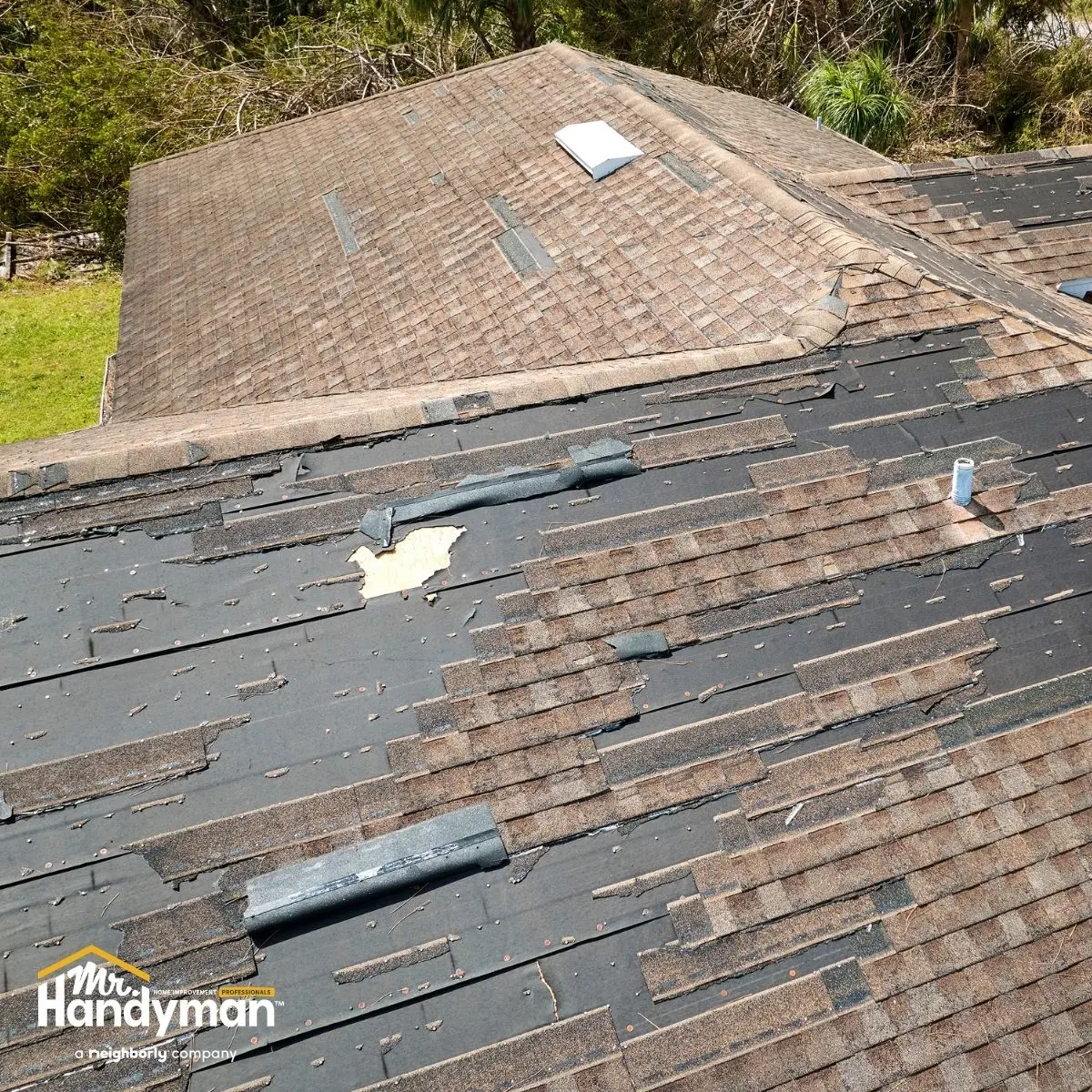
Commercial roofing systems represent the most consequential maintenance category in a spring commercial checklist. A compromised commercial roof does not produce the localized, contained damage that a residential roof leak creates. It produces water intrusion across potentially large interior areas, threatens inventory, equipment, and finished interior spaces, and can force business interruption that carries costs well beyond the repair itself.
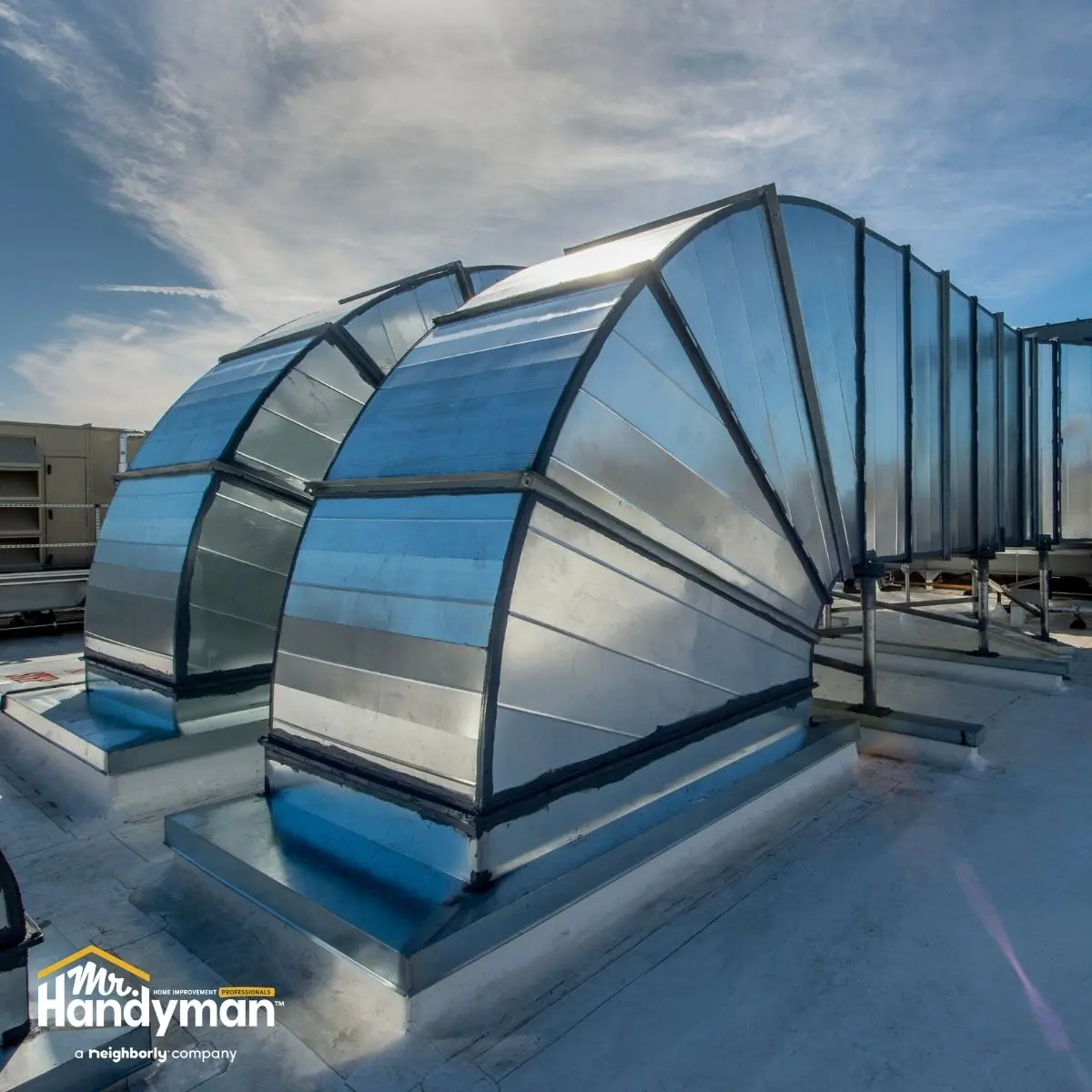
Flat and low-slope membrane roofing systems, which are standard across the majority of commercial buildings in Middle Tennessee, require spring inspection that covers every penetration, seam, and drain point on the roof surface. HVAC equipment curbs, plumbing vent penetrations, parapet wall flashings, and any area where the membrane transitions between surfaces or materials are the points where winter stress most commonly produces compromise. An inspector walking a commercial flat roof in spring after a Middle Tennessee winter should be looking specifically at these transition points rather than treating the field of the membrane as the primary concern.
Roof drains and scuppers that are partially blocked by debris accumulated over winter restrict drainage during spring rain events in ways that allow water to pond on the roof surface beyond the design capacity the membrane was installed to handle. Standing water on a flat commercial roof accelerates membrane degradation, adds structural load that was not part of the design assumption, and finds its way through any compromise in the membrane surface far more effectively than moving water. Clearing roof drains and scuppers is among the most straightforward spring maintenance tasks available and among the highest-consequence items to leave undone.
Parapet walls and coping on commercial buildings in Nashville and Belle Meade deserve careful spring inspection because they represent a water intrusion pathway that is frequently overlooked until damage has progressed significantly. Coping caps that have shifted, caulk joints that have failed, or through-wall flashing that has lost its seal allow water to enter the parapet wall assembly and travel downward into the building envelope in ways that may not produce visible interior symptoms until the damage is extensive.
HVAC Systems: Preparing for Middle Tennessee's Demanding Summer
Commercial HVAC systems in Middle Tennessee work harder than those in most other regions during summer months. The combination of high outdoor temperatures, elevated humidity, and the internal heat loads that commercial occupancy produces creates cooling demands that test equipment condition in ways that marginal systems cannot sustain reliably. Spring is the correct time to evaluate commercial HVAC condition before those demands arrive.
Filter replacement and coil cleaning are maintenance tasks that directly affect both system efficiency and indoor air quality in commercial spaces. Commercial HVAC systems that have run through winter with restricted airflow from dirty filters and fouled coils enter summer already operating below their designed efficiency. The energy cost of that reduced efficiency runs continuously through a Middle Tennessee summer, and the increased mechanical stress on components that are working harder than necessary shortens service intervals and accelerates component failure.
Refrigerant levels and system pressures in commercial cooling equipment should be confirmed before summer cooling demands begin. A system operating with low refrigerant delivers reduced cooling capacity at increased energy cost, and in Middle Tennessee's summer that reduced capacity becomes apparent quickly when indoor temperatures cannot be maintained at acceptable levels during peak afternoon heat. Identifying and addressing refrigerant issues in spring, before the system is running under full summer load, allows corrections to be made under controlled conditions rather than as emergency service calls during peak summer demand.
Economizer and ventilation system function in commercial buildings affects both energy efficiency and indoor air quality in ways that have direct implications for occupant comfort and productivity. Economizer dampers that are stuck in fixed positions, either fully open or fully closed, eliminate the energy savings that economizer operation is designed to deliver and can introduce outdoor humidity into the building in ways that create comfort and moisture management problems during Middle Tennessee's humid summer months.
Exterior and Parking Surface Inspection
The exterior surfaces of a commercial property are the first thing customers, tenants, and visitors evaluate when they arrive, and they are also the surfaces that have absorbed the most direct winter stress. Spring inspection of exterior surfaces serves both the practical maintenance function and the presentation function that commercial properties depend on for business operation.
Parking lot condition in Middle Tennessee commercial properties deteriorates through winter in ways that are predictable given the region's freeze-thaw cycling and the traffic loads that commercial parking surfaces sustain. Asphalt that developed surface cracking over previous seasons allows water infiltration during wet winters. That water freezes in the existing cracks, expanding them through the freeze-thaw cycle until what began as hairline surface cracking becomes alligatoring, potholing, and base failure that is significantly more expensive to address than crack sealing would have been at the first sign of surface compromise.
Exterior caulking and sealants around windows, door frames, utility penetrations, and expansion joints in commercial buildings have a finite service life that Middle Tennessee's temperature cycling and UV exposure shortens relative to the product's rated performance in controlled conditions. Failed caulk joints around commercial window frames allow water infiltration into wall cavities during the spring rain events that follow winter stress, producing moisture damage in wall assemblies that is not visible from the interior until it has progressed to the point of requiring significant remediation.
Interior Commercial Spaces: What Winter Leaves Behind Inside the Building
The interior of a commercial building accumulates winter maintenance needs in ways that are less dramatic than roof or parking surface damage but equally consequential for business operations and occupant experience. Spring is the right time to walk through commercial interior spaces systematically before summer occupancy demands make deferred maintenance more disruptive to address.
Ceiling tiles and interior finishes in commercial spaces are reliable indicators of roof or plumbing leaks that developed over winter but may not have produced obvious water intrusion events. A ceiling tile that has yellowed, sagged, or developed visible staining since the last interior inspection points to moisture that has been present above it. In older Nashville and Belle Meade commercial buildings where plumbing lines run through ceiling cavities and roof drainage systems are aging, a spring ceiling inspection that identifies stained or compromised tiles provides a starting point for tracing moisture sources before they are obscured by cosmetic repairs that address the symptom without resolving the cause.
Interior door and window function across a commercial building reveals the structural movement and moisture-related swelling that Middle Tennessee winters produce in building frames and wall assemblies. Doors that bound against frames, windows that no longer operate smoothly, and hardware that has developed stiffness over winter all reflect movement in the building envelope that deserves investigation rather than normalization. In commercial buildings where emergency egress paths depend on doors operating correctly, functional door issues carry safety implications beyond the inconvenience of a sticky door in a private office.
Flooring condition in high-traffic commercial entry areas, corridors, and common spaces takes significant abuse through winter months when wet footwear, tracked-in debris, and the salt and ice melt products used on exterior surfaces all contribute to accelerated surface wear. Resilient commercial flooring that has developed lifting at seams, hard surface flooring with grout or joint deterioration, and carpet that has compressed beyond the point of recovery in primary traffic paths all represent spring replacement or repair candidates that are more disruptive to address during peak summer business activity than during the transitional spring period.
Plumbing Systems in Commercial Buildings Deserve Specific Spring Attention
Commercial plumbing systems serve occupancy loads and operational demands that residential plumbing is not designed for, and the winter stress they experience reflects those greater demands. A spring plumbing review in a commercial building covers territory that goes beyond what a residential inspection addresses.
Restroom fixtures and supply connections in commercial buildings cycle through more daily use than residential fixtures and develop wear at a correspondingly faster rate. Supply lines, flush valves, and faucet cartridges in commercial restrooms that have been in service for several years without replacement are operating past the point where their reliability can be assumed. A supply line failure in a commercial restroom that goes undetected through a weekend can produce water damage that affects the restroom space and adjacent areas in ways that force business interruption for remediation.
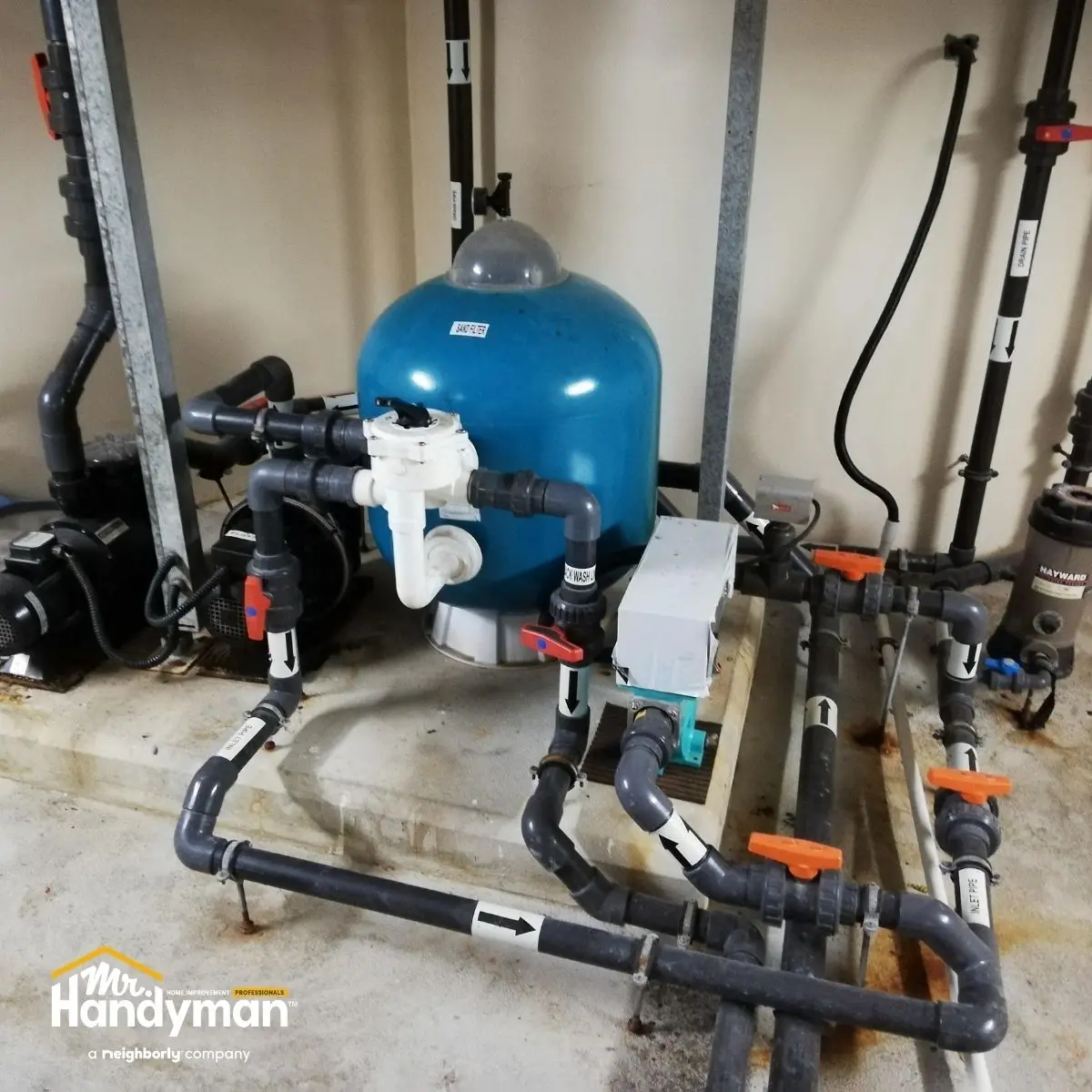
Water heater capacity and condition in commercial buildings that serve employee facilities, food preparation areas, or customer-facing amenities determines whether hot water demand is met reliably through periods of peak occupancy. A commercial water heater approaching the end of its service life that performed adequately through winter's lower demand may not sustain that performance through summer when occupancy is higher and incoming water temperatures are warmer but overall demand increases. Evaluating water heater condition in spring, before summer occupancy peaks, allows replacement or service to be scheduled without the urgency of an active failure.
Floor drains in commercial kitchens, restrooms, and utility areas accumulate debris over winter months and require spring cleaning to confirm they are flowing freely. A partially blocked commercial floor drain that performs adequately under normal conditions backs up quickly when cleaning or equipment washing produces higher-than-normal water volumes. In Middle Tennessee commercial kitchens where health department inspections evaluate drain function as part of facility compliance, confirmed drain performance is not optional.
Safety Systems and Code Compliance Items
Spring commercial maintenance extends beyond physical building condition to the safety systems and compliance items that protect occupants and meet regulatory requirements. These items deserve their own systematic review separate from the general maintenance checklist.
Emergency lighting and exit signage should be tested in spring to confirm that battery backup systems are functioning correctly after winter. Emergency lighting fixtures that have depleted batteries or failed lamps do not reveal their condition during normal building operation. They reveal it during a power outage when the building is occupied, which is precisely when their function is required. A spring test of every emergency lighting fixture and exit sign across the commercial space confirms which units need battery replacement or lamp service before that test is administered under actual emergency conditions.
Fire extinguisher inspection is an annual requirement in most commercial occupancies, and spring is a practical time to schedule that inspection before the higher-occupancy summer months. Extinguishers that have lost pressure, been partially discharged, or have inspection tags that have lapsed represent both a safety deficiency and a regulatory compliance issue in commercial spaces that are subject to fire marshal inspection.
ADA compliance items that have developed functional issues over winter, ramp surfaces that have settled or heaved, door hardware that requires excessive force to operate, and accessible restroom fixtures that are no longer functioning correctly, should be identified and addressed in spring before they create compliance exposure or limit accessibility for customers and employees who depend on those features.
Grounds and Exterior Presentation: The First Impression That Business Depends On
A commercial property's exterior condition shapes the first impression that every customer, client, and visitor forms before they enter the building. Spring restoration of exterior presentation is not a cosmetic indulgence. It is a business function that affects how the property is perceived by the people it depends on.
Landscaping and grounds that were neglected through winter in Nashville, Belle Meade, and Clarksville commercial properties need spring attention that goes beyond basic mowing and trimming. Winter debris accumulated in planted areas, damaged or winter-killed plantings that need replacement, and mulched beds that have thinned to the point of weed vulnerability all represent grounds conditions that affect curb appeal and the property's overall presentation through the high-visibility summer months.
Exterior lighting along walkways, in parking areas, and at building entries serves both the safety function of illuminating after-hours access and the presentation function of making the property look intentional and well-maintained after dark. Spring inspection of exterior lighting confirms which fixtures have failed over winter, which lenses have yellowed or fogged, and which mounting hardware has loosened or corroded. In Clarksville commercial properties where evening retail and dining traffic is consistent through summer, exterior lighting condition directly affects how the property performs as a business environment after sunset.
Signage condition after a Middle Tennessee winter reflects the UV exposure and temperature cycling that exterior sign materials experience across the cold months. Faded graphics, delaminating sign faces, and lighting components that failed over winter affect the property's brand presentation in ways that accumulate in customer perception even when they do not produce the immediate, obvious impact of a structural maintenance issue.
Scheduling Commercial Maintenance Before Summer Occupancy Peaks
The practical argument for completing commercial spring maintenance before summer is straightforward in Middle Tennessee's business environment. Summer brings higher occupancy, more customer traffic, more demanding HVAC loads, and less scheduling flexibility for maintenance work that requires access to occupied spaces. Work that is scheduled and completed in spring happens under conditions that are more manageable for both the business and the maintenance crews performing it.
In Nashville's commercial districts, where business activity through summer is consistent and competitive, a commercial property that is operating with deferred maintenance visible to customers and clients is at a disadvantage relative to comparable properties that have been properly maintained. The investment in spring commercial maintenance is not separable from the investment in how the business presents itself through its highest-activity season.
Belle Meade's commercial properties, which serve a customer base with high expectations for property condition and presentation, carry particular sensitivity to visible deferred maintenance. A commercial property in this market that shows obvious winter wear through summer, cracked parking surfaces, stained exterior cladding, non-functional exterior lighting, and landscaping that has not been properly restored, communicates something about the business it houses that affects customer confidence in ways that are difficult to quantify but real in their effect.
Frequently Asked Questions
How often should a commercial building receive a comprehensive maintenance inspection? Twice annually is the standard recommendation for most commercial properties, with spring and fall inspections timed to address the seasonal stress that Middle Tennessee's climate produces. Properties with older infrastructure, flat roofing systems, or high occupancy loads benefit from more frequent targeted inspections of their highest-risk systems.
Who is responsible for spring maintenance in a leased commercial space? Responsibility varies by lease structure. Triple net leases typically place maintenance responsibility on the tenant for interior systems and on the landlord for structural and exterior systems. Modified gross and full-service gross leases shift more responsibility to the landlord. Reviewing the lease agreement before spring maintenance planning begins clarifies which party is responsible for each category of work.
How do I prioritize commercial maintenance items when the budget does not cover everything at once? Prioritize by consequence. Safety system deficiencies and items that affect building envelope integrity, roofing, exterior waterproofing, and plumbing, carry the highest consequences if left unaddressed and should be funded first. Cosmetic and presentation items that do not affect operational integrity or safety can be phased into subsequent budget cycles.
Is a spring commercial maintenance inspection worth the cost for a newer building? Yes. Newer commercial construction is not immune to winter stress, and the inspection cost is modest relative to the value of identifying developing issues before they reach the point of significant repair cost. Newer buildings in Clarksville where construction quality varies across the development boom years particularly benefit from systematic inspection rather than assumed reliability.
How disruptive is commercial maintenance work to business operations? Most spring commercial maintenance work can be scheduled and sequenced to minimize disruption to business operations. Exterior work, roofing, parking surfaces, and landscaping typically proceeds without interior disruption. Interior work that requires access to occupied spaces can usually be scheduled during off-hours or lower-occupancy periods with advance planning.
Should I use a single contractor for all commercial maintenance or specialist contractors for each system? For the general maintenance items that a spring commercial checklist covers, a capable commercial handyman service that handles multiple categories of work reduces coordination overhead and scheduling complexity. Specialized systems like HVAC, electrical, and fire suppression require licensed specialists for code compliance reasons, but the general building condition items benefit from a single experienced commercial maintenance provider.
A Well-Maintained Commercial Property Is a Business Asset
The condition of a commercial building is not separate from the business it houses. It is part of how that business presents itself, operates safely, and sustains the confidence of the customers, clients, and employees who occupy and visit it every day. Spring maintenance that addresses what winter left behind and prepares what summer will demand is the most cost-effective investment a commercial property owner or manager makes each year.
The team at Mr. Handyman of West Nashville, Belle Meade, and Clarksville brings the commercial maintenance experience to help business owners and property managers work through a spring checklist thoroughly and address what needs attention before the season makes those repairs more urgent and more expensive.
Website: https://www.mrhandyman.com/nashville-west-south-central/
Serving businesses throughout Nashville, Belle Meade, and Clarksville with dependable commercial maintenance and the expertise your property deserves.