Spring Arrives With a List Whether You Are Ready for It or Not
Middle Tennessee does not ease its way into spring. The season arrives with rain, temperature swings, and the kind of reveal that only happens when warming weather exposes what a winter of freeze-thaw cycling, heavy precipitation, and sustained cold left behind. Gutters that collected debris through fall and winter. Exterior paint that cracked where moisture worked its way beneath the surface during cold snaps. Caulking around windows and doors that lost its flexibility through thermal cycling and now admits water that has nowhere to go except into the wall assembly behind it.
For homeowners in Nashville, Belle Meade, and Clarksville, spring home maintenance is not optional work that the attentive homeowner performs in addition to everything else the season demands. It is the annual accounting that determines whether the home heads into summer in sound condition or carrying a growing inventory of deferred problems that compound with every week of additional delay. The difference between a home that is systematically maintained through this seasonal transition and one that is not is measured not in years but in the accumulating cost of repairs that preventive attention would have made unnecessary.
This checklist is organized around the specific maintenance categories that Middle Tennessee homes require attention to each spring, with particular emphasis on the climate-driven damage patterns this region produces and the housing stock characteristics of Nashville, Belle Meade, and Clarksville that shape what each category involves in practice. It is not a generic national checklist adapted for local use. It is built from the ground up around the conditions that actually exist in this region.
Roofing and Attic: Starting at the Top for Good Reason
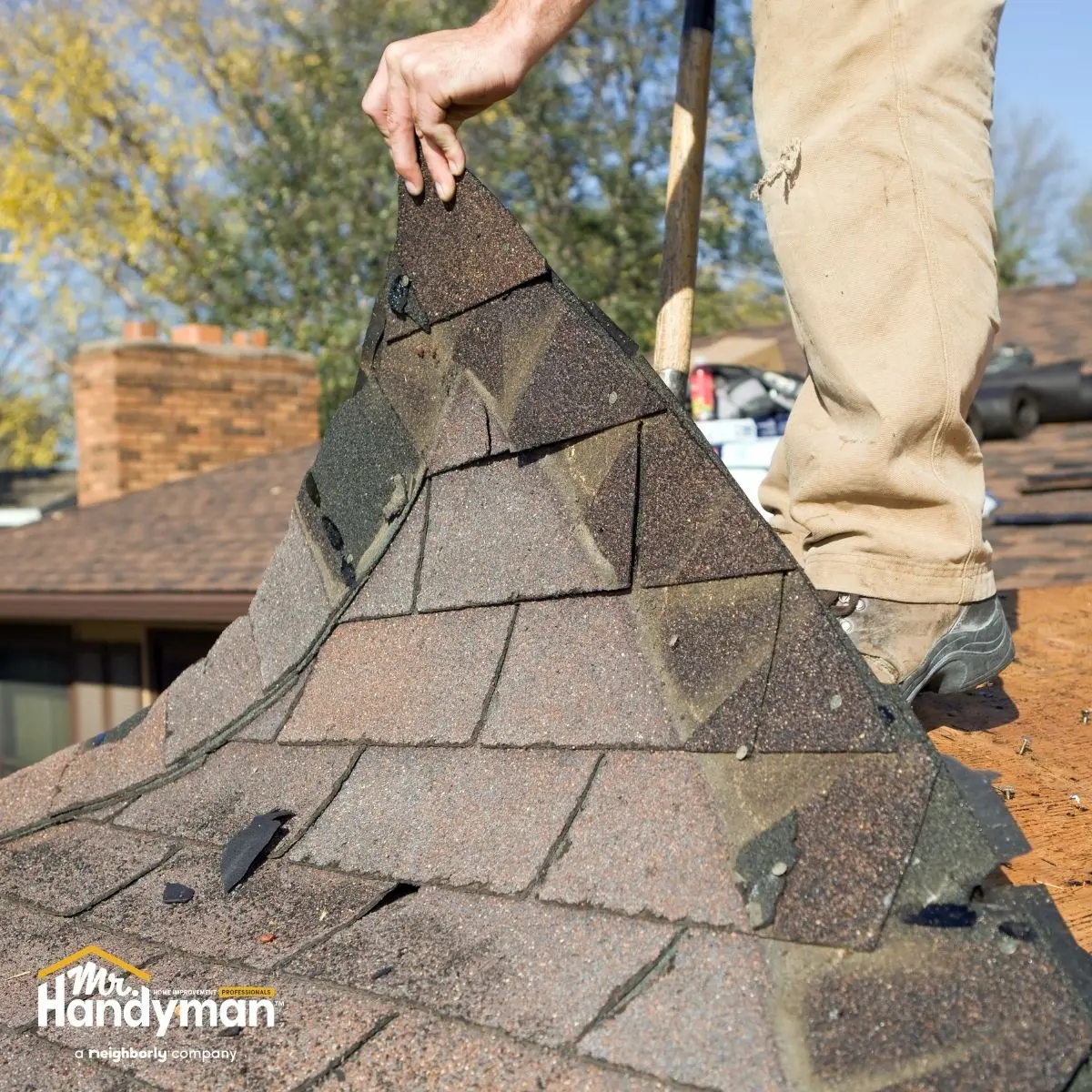
Roofing inspection is the right starting point for a Middle Tennessee spring home maintenance checklist because the consequences of a missed roofing issue cascade downward through every other system in the home. A roof that is compromised allows water entry that damages attic insulation, ceiling assemblies, wall cavities, and structural framing in a progression that accelerates with every rain event that follows the initial compromise.
Shingle condition after a Middle Tennessee winter reflects the cumulative effect of freeze-thaw cycling on roofing materials that were already experiencing normal age-related weathering. Shingles that have lost significant granule coverage, that show cracking or curling at edges, or that have lifted at tab corners through wind events during winter storms present water infiltration risk at every compromised point. A spring roof inspection conducted safely from the ground with binoculars, or by a professional who can safely access the roof surface, identifies the specific areas of concern that warrant repair before spring rain season tests them.
Flashing integrity at every roof penetration, valley, and transition point deserves specific attention in a spring inspection because these are the locations where winter stress most reliably produces compromise. Chimney flashing that has separated from the masonry surface, pipe boot flashings that have cracked through UV and thermal cycling, and valley flashing that has lifted at edges all represent water entry points that do not announce themselves through dramatic interior symptoms until the damage behind them is already significant.
Attic conditions that a spring inspection accesses tell a more complete story about the roof's winter performance than the exterior surface alone reveals. Insulation that has been compressed or discolored by moisture exposure, sheathing that shows staining or soft spots, and any daylight visible through the roof assembly all indicate that water infiltration occurred over winter in ways that the exterior inspection may not have fully captured. In older Nashville and Belle Meade homes where attic insulation may have settled well below recommended levels over decades, spring is also the right time to evaluate whether insulation performance meets the standards that Middle Tennessee's demanding summers require.
Gutters and Drainage: Managing Water Away From the Home
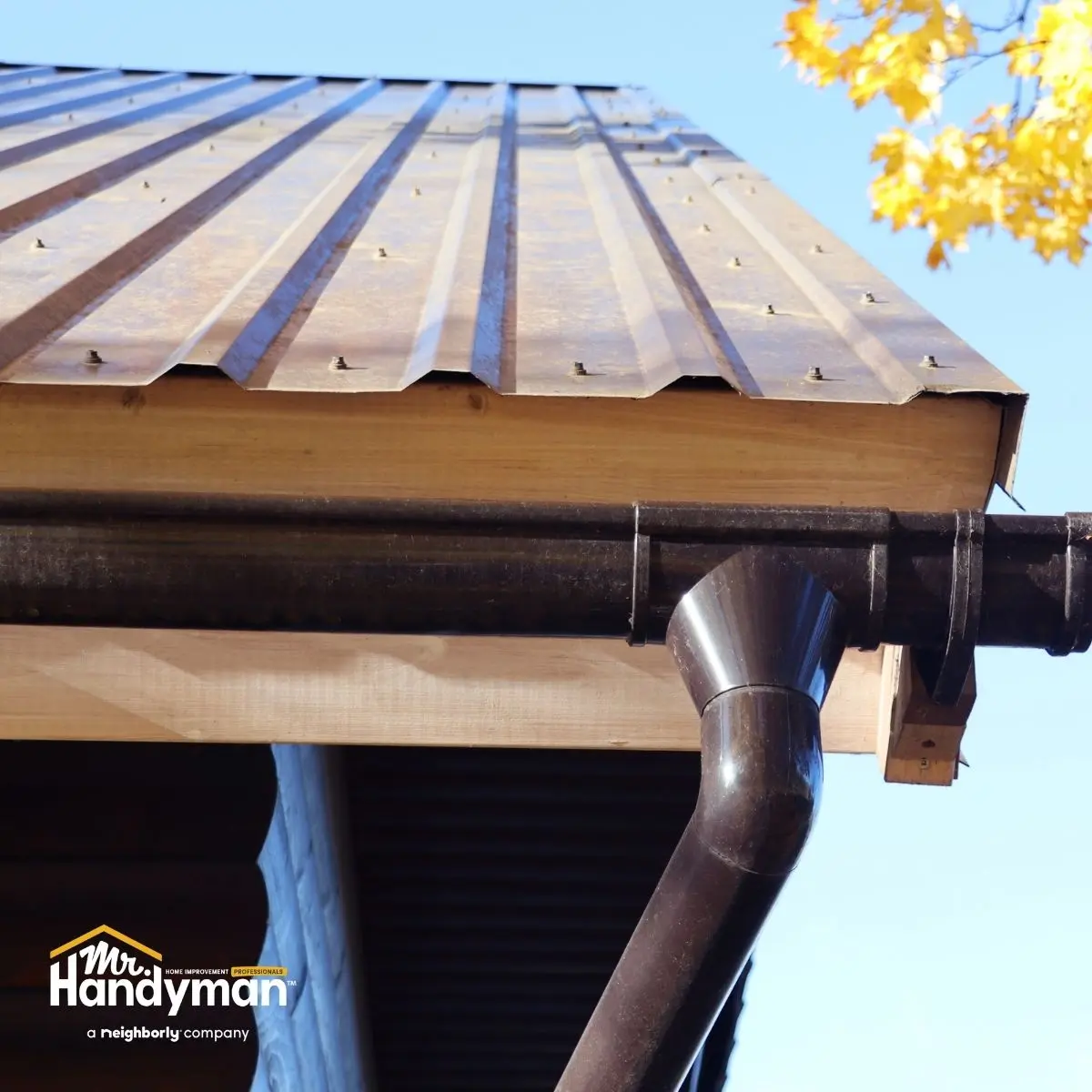
Gutter systems in Middle Tennessee homes earn their maintenance attention more directly than in drier climates because the region's annual rainfall volume means gutters that are not functioning correctly are directing significant water volumes against foundations, into soffits, and across exterior surfaces that absorb that misdirected water in ways that produce real and progressive damage.
Gutter cleaning and inspection in spring addresses the debris accumulation that fall leaf drop and winter storm activity deposit in gutter channels throughout the cold months. A gutter channel that is partially blocked by debris does not fail dramatically. It fails gradually, allowing water to back up behind the blockage and overflow the gutter edge at the point of least resistance, which is often directly adjacent to the fascia board and soffit rather than at a corner or downspout where overflow would be more visible and less damaging.
Downspout function and discharge deserve evaluation beyond confirming that water exits the downspout during rain. Where that water goes after it exits the downspout determines whether the gutter system is actually managing roof water away from the home or simply relocating the point of discharge to a position adjacent to the foundation. Downspouts that terminate within two feet of the foundation wall return roof water to the soil zone where it exerts hydrostatic pressure against the foundation through every subsequent rain event. Extending downspout discharge or adding splash blocks that direct water away from the foundation is straightforward work with direct foundation protection value.
Gutter condition and slope should be assessed in spring after winter's effect on mounting hardware and gutter alignment becomes visible. Gutters that have pulled away from the fascia at mounting points, sections that have developed low spots where water pools rather than draining toward downspouts, and joints that have separated and leak directly onto the fascia and soffit below all represent conditions that worsen progressively and are most cost-effective to address before the heavy spring rain season places full demand on a compromised system.
Exterior Surfaces: What Winter Left on the Walls and Foundation
The exterior surfaces of a Middle Tennessee home arrive at spring carrying a specific inventory of winter damage that a systematic inspection captures before individual conditions worsen through another season of weather exposure.
Exterior paint condition on wood surfaces reflects the moisture cycling that Middle Tennessee winters deliver to exterior finishes that are not performing at full integrity. Paint that has cracked, blistered, or peeled from wood siding, trim, and fascia boards is not primarily an aesthetic issue. It is an indication that moisture has worked beneath the paint film and that the wood substrate beneath it is absorbing water with each rain event until the paint is restored to an intact, moisture-resistant surface. Addressing exterior paint failure in spring, before summer UV exposure accelerates substrate damage in areas where the paint film has been broken, protects the wood beneath it and prevents the more extensive repair that progressing moisture damage requires.
Caulking at all exterior penetrations and transitions should be inspected systematically across the entire building envelope each spring. Window and door frames, where the trim meets the siding, utility penetrations where electrical and plumbing lines enter the home, and any joint between dissimilar materials all depend on intact caulking to prevent water infiltration during rain events. Caulk that has cracked, separated from the substrate, or hardened beyond the flexibility range it needs to accommodate thermal movement is not performing its design function regardless of whether it appears partially intact. Failed caulk replacement before spring rain season is straightforward preventive work whose cost is a fraction of the water damage remediation it prevents.
Foundation condition around the perimeter of the home deserves spring inspection that evaluates both the foundation surface itself and the grade of the soil against it. Vertical cracks in poured concrete foundations that have widened since the last inspection, horizontal cracks in block foundations that indicate lateral pressure from saturated soil, and stair-step cracking in masonry foundations all warrant professional evaluation rather than the assumption that visible foundation cracking is normal settling. The soil grade adjacent to the foundation should slope away from the home at a rate that prevents water from pooling against the foundation wall during rain events, and areas where grade has settled toward the foundation require correction before another wet season adds to the hydrostatic pressure that negative grade creates.
Windows and Doors: The Envelope Components That Winter Tests Specifically
Windows and doors in a Middle Tennessee home experience more thermal cycling across a single winter season than comparable components in more stable climates, and that cycling produces specific maintenance needs that spring inspection reliably surfaces.
Window seal integrity in double-pane windows that have developed fogging between the panes indicates seal failure that reduces thermal performance to essentially single-pane levels. Beyond the energy efficiency implication, which is real and ongoing, failed window seals in Middle Tennessee homes allow the humidity that the region's climate introduces to the space between panes to produce conditions that affect the window frame and surrounding wall assembly over time. Spring identification of failed window seals allows replacement to be scheduled before summer cooling costs reflect their reduced thermal performance.
Weatherstripping condition around exterior doors and operable windows determines how effectively the building envelope performs at every opening. Weatherstripping that has compressed beyond its functional recovery range, that has torn or separated from its mounting channel, or that simply shows the age and brittleness that Middle Tennessee's temperature cycling produces over multiple seasons no longer provides the seal it was designed to maintain. Spring weatherstripping replacement at every exterior door and operable window is a low-cost maintenance task that reduces both energy consumption and the moisture infiltration that degraded weatherstripping allows during rain events.
Plumbing: What a Middle Tennessee Winter Leaves Behind Inside the Home
Indoor plumbing systems in Nashville, Belle Meade, and Clarksville homes experience winter stress in ways that do not always produce immediate visible symptoms but that a spring inspection reliably surfaces before those developing conditions reach the failure stage. The combination of freeze-thaw cycling, colder incoming water temperatures through winter, and the increased indoor usage that cold months produce creates a specific set of plumbing maintenance needs that spring is the right time to address.
Supply line inspection under every sink and behind every toilet should be a standard spring maintenance task in Middle Tennessee homes regardless of whether any leak indication has been observed. Braided supply lines that have reached or exceeded their service life, that show corrosion at fitting ends, or that have any visible kinking or surface deterioration represent failure risk that increases with every additional season of deferred replacement. A supply line failure in a bathroom or kitchen does not provide gradual warning. It releases water volume quickly in a space where that water has immediate access to cabinetry, flooring, and the structural components beneath them.
Fixture aerators and showerheads in Middle Tennessee homes accumulate mineral deposit buildup through winter at a rate that reflects the region's hard water characteristics. An aerator that has become partially restricted by mineral deposits reduces flow at the affected fixture and forces longer run times to accomplish the same tasks, increasing water consumption without any corresponding benefit. Spring aerator cleaning or replacement across all fixtures restores designed flow rates and eliminates the water waste that mineral restriction produces through months of daily use.
Water heater condition deserves honest spring evaluation in any Middle Tennessee home where the unit is approaching or past eight years of service. A water heater that worked adequately through winter's longer heating cycles may not have the remaining service life to sustain reliable performance through summer's peak demand without interruption. Flushing the tank to remove sediment accumulation, testing the pressure relief valve, and evaluating the unit's overall condition in spring produces either confirmation that the unit is sound or early identification of a replacement need that can be addressed on a planned timeline rather than as an emergency during peak summer demand.
Outdoor plumbing components including hose bibs, irrigation system connections, and any exterior faucets that experienced winter exposure should be confirmed functional before summer outdoor water use begins. A hose bib that leaks at the wall connection rather than at the spout indicates freeze damage to the pipe behind it that will worsen with every use through a full summer of regular outdoor water demand.
HVAC Systems: Preparing for Middle Tennessee's Demanding Summer
The transition between heating and cooling seasons in Middle Tennessee is compressed by the region's climate into a brief window where both systems need attention before the one that will carry the heaviest seasonal load is tested under full demand conditions. Spring is when that window is open, and HVAC maintenance performed in this window determines how reliably the cooling system performs through the summer months that follow.
Cooling system service before the first significant heat of the season is the highest-consequence HVAC maintenance task on a Middle Tennessee spring home maintenance checklist. A cooling system that has not been serviced since the previous cooling season is entering its most demanding operational period carrying whatever condition changes developed over the intervening months. Refrigerant levels that have drifted, coils that have accumulated debris through the heating season, and blower components that need cleaning all affect cooling performance in ways that become apparent quickly when summer temperatures demand maximum system output.
Air filter replacement is a maintenance task whose simplicity causes it to be underestimated relative to its impact on both system performance and indoor air quality. A filter that has loaded to full capacity restricts airflow through the air handler, reducing the system's ability to move conditioned air through the home efficiently and forcing the blower motor to work harder against that restriction. In Middle Tennessee homes where cooling systems run for extended periods through long summers, the energy cost of a loaded filter compounds through every day of restricted airflow operation.
Ductwork condition in older Nashville and Belle Meade homes that have original or early-replacement duct systems deserves spring attention that goes beyond filter replacement. Duct joints that have separated, insulation that has fallen away from duct runs in unconditioned attic or crawl space areas, and flexible duct sections that have kinked or collapsed all reduce system efficiency and can introduce unconditioned air into the distribution system in ways that affect both comfort and energy consumption. A spring ductwork inspection in homes with aging HVAC infrastructure identifies the specific conditions that are reducing system performance before summer makes their effects most consequential.
Electrical and Safety Systems: The Maintenance Category Most Homeowners Defer
Electrical and safety system maintenance in Middle Tennessee homes is the category most consistently deferred in spring checklists because its consequences are less immediately visible than roof leaks or drain failures. That invisibility makes it more dangerous rather than less important, and spring is the right time to address it systematically.
GFCI outlet function in every bathroom, kitchen, garage, and exterior outlet location should be tested in spring by pressing the test button and confirming that the outlet loses power, then pressing the reset button and confirming that power is restored. A GFCI outlet that does not respond correctly to the test sequence is not providing the ground fault protection it is installed to deliver, and in Middle Tennessee's humid climate where moisture exposure at outlets in bathrooms and kitchens is consistent, that protection failure is a real safety concern rather than a theoretical one.
Smoke and carbon monoxide detector testing should occur at every installed detector location, with battery replacement for any detector that does not respond correctly to the test sequence. Detectors that are more than ten years old should be replaced regardless of test response because the sensing technology in older detectors degrades in ways that affect detection reliability without affecting the device's ability to produce a test response. Spring is a practical time to establish this replacement cycle because the date is easy to track against seasonal maintenance rather than against an installation date that most homeowners do not remember precisely.
Exterior electrical components including outdoor outlets, landscape lighting connections, and any exterior fixtures that experienced winter weather exposure should be inspected in spring for moisture intrusion, corrosion at connection points, and cover plate integrity. Middle Tennessee's winter precipitation delivers moisture to exterior electrical components through every rain and ice event of the season, and components that are not properly sealed against moisture infiltration accumulate corrosion and connection degradation that affects both function and safety over time.
Crawl Space and Basement: The Below-Grade Assessment That Cannot Be Skipped
Below-grade spaces in Middle Tennessee homes concentrate the moisture-related maintenance needs that the region's climate produces more reliably than any other area of the home. A spring maintenance checklist that does not include physical entry and inspection of the crawl space or basement is missing the area where winter's effect on Middle Tennessee homes is most consistently consequential.
Crawl space moisture conditions in Nashville, Belle Meade, and Clarksville homes reflect the wet winter and early spring that follows it in ways that a brief inspection from the access hatch does not capture. Standing water or saturated soil in the crawl space after winter indicates drainage that is not managing ground moisture away from the home effectively. Vapor barrier condition that has been disturbed by pest activity, settling, or the water movement that winter moisture produces should be assessed and repaired before summer humidity adds to the moisture load that an already-compromised vapor barrier is failing to manage.
Wood condition in the crawl space, including floor joists, girders, and any wood blocking or bridging visible from within the space, should be evaluated in spring for evidence of moisture damage, mold growth, or pest activity that winter conditions may have initiated or accelerated. Wood that sounds hollow when tapped, that shows surface discoloration consistent with mold growth, or that has any visible softening or deterioration at connections and bearing points represents a structural maintenance concern that warrants professional evaluation before the condition progresses further.
Basement conditions in Nashville and Belle Meade homes where full basements are part of the original construction reflect winter moisture in ways that spring inspection captures at the point of peak visibility. Efflorescence on foundation walls, water staining at the floor-wall joint, and any evidence of water entry through foundation cracks or window well drainage failures all indicate moisture management needs that are most clearly observable in spring when ground saturation is at its seasonal high.
Frequently Asked Questions
How long does a thorough spring home maintenance inspection typically take?
A systematic spring inspection of a single-family home in Middle Tennessee, covering roofing, gutters, exterior surfaces, windows, doors, plumbing, HVAC, electrical, and crawl space or basement, typically requires two to four hours depending on home size and the number of conditions identified that require closer evaluation. Allocating adequate time rather than compressing the inspection produces a more complete inventory of conditions that need attention.
Should I attempt spring maintenance inspections myself or hire a professional?
Many spring maintenance inspection tasks are appropriate for a capable homeowner with basic tools and the discipline to work systematically through a complete checklist. Roofing inspection that requires safe roof surface access, crawl space inspection in confined or difficult-to-access spaces, and HVAC service that goes beyond filter replacement benefit from professional attention that provides both expertise and the documentation of professional service that is relevant for warranty and insurance purposes.
What is the most important spring maintenance task for older Nashville and Belle Meade homes specifically?
Crawl space and foundation moisture assessment is the maintenance task whose consequences are most significant and most commonly deferred in older Nashville and Belle Meade homes. The combination of aging infrastructure, mature root systems that affect drainage and sewer lines, and original construction that predates modern moisture management standards makes below-grade conditions the highest-consequence maintenance category for homes in these neighborhoods.
How does deferred spring maintenance affect homeowner's insurance coverage?
Most homeowner's insurance policies include maintenance obligation language that affects claim eligibility when the insured loss results from a condition that existed and was not addressed before the loss event. A roof that was known to need repair before a spring storm produces a leak claim, or a supply line that showed visible deterioration before it failed, may face coverage scrutiny that a well-maintained property does not encounter. Spring maintenance documentation supports the homeowner's position in those conversations.
Is spring HVAC service necessary if the system worked without problems through winter?
Yes. Winter heating operation and summer cooling operation place different demands on different components of the HVAC system. A system that performed well through heating season may have refrigerant, coil, or blower conditions that will affect cooling performance without producing any symptom during heating operation. Spring service before cooling demand begins identifies those conditions while there is still scheduling flexibility to address them.
How do I prioritize spring maintenance tasks when the full list exceeds available time and budget?
Prioritize by consequence and envelope integrity in that order. Roofing conditions that allow water entry, failed exterior caulking and weatherstripping that compromise the building envelope, and safety system deficiencies should be addressed before cosmetic and lower-consequence maintenance items regardless of relative cost or effort. A home with a sound envelope and functioning safety systems is in a fundamentally better position than one with cosmetic improvements but unresolved envelope vulnerabilities.
A Home That Is Ready for What Middle Tennessee Summer Brings
The spring maintenance checklist exists because Middle Tennessee's climate makes systematic seasonal attention the difference between a home that performs reliably through its most demanding seasons and one that accumulates a growing inventory of deferred problems that become more expensive to resolve with every season of delay. The work done now, before summer heat, humidity, and storm activity test every system the home depends on, is the most cost-effective maintenance investment available to a Middle Tennessee homeowner.
The team at Mr. Handyman of West Nashville, Belle Meade, and Clarksville brings the regional experience to help homeowners work through their spring maintenance checklist thoroughly and address what needs attention before the season makes those repairs more urgent and more expensive.
Website: https://www.mrhandyman.com/nashville-west-south-central/
Serving homeowners throughout Nashville, Belle Meade, and Clarksville with dependable service and the expertise your home deserves.