Why Spring Is the Most Important Season for Your Home's Plumbing
There is a particular kind of damage that hides in plain sight all winter long, waiting for warmer temperatures to reveal itself. By the time spring arrives in Middle Tennessee, your plumbing system has already been through months of stress. Freeze-thaw cycles, heavy rainfall, fluctuating humidity, and cold snaps that catch even long-time residents off guard all take a toll on pipes, fixtures, and drainage systems in ways that are not always immediately obvious.
Spring feels like a fresh start, and for most homeowners it is. But underneath that optimism, your plumbing may be quietly signaling that something went wrong between November and March. A thorough spring plumbing inspection gives you the chance to catch small problems before they become expensive emergencies. In a region where winters are unpredictable and summers bring intense heat and humidity, that window in early spring is genuinely valuable.
What Middle Tennessee's Winter Does to Your Pipes
Nashville, Belle Meade, and Clarksville sit in a climate zone that does not get the sustained deep freezes of the upper Midwest, but that actually creates its own set of problems. Pipes in this region are often less insulated than those in colder northern states because builders historically designed for a milder climate. When an unexpected hard freeze hits, which happens more often than people expect in Middle Tennessee, those under-insulated pipes become far more vulnerable.
The freeze-thaw cycle is particularly damaging. When water inside a pipe freezes, it expands, putting enormous pressure on the pipe wall. When temperatures rise and the water thaws, that pressure releases, but the pipe may have already developed micro-fractures or stress points that are not visible from the outside. You may not see a dramatic burst, but hairline cracks can allow slow leaks to develop over weeks or months. By the time you notice water damage, the leak may have been present since January or February.
Older homes in Nashville and Belle Meade, many built in the mid-twentieth century, are especially susceptible. Galvanized steel pipes, standard for decades, corrode from the inside out, and a winter of temperature stress accelerates that process. Clarksville presents a different picture. As one of the fastest-growing cities in Tennessee, it has a mix of older homes and newer construction. Newer builds tend to have better insulation standards, but expansion joints, PEX tubing connections, and pressure regulators in those homes still deserve attention after a hard winter.
Inspecting Your Outdoor Plumbing First
The outdoor components of your plumbing system take the most direct punishment from winter weather and are the right place to begin your spring inspection.
Hose bibs and outdoor faucets should be your first stop. Turn each one on and check for full, steady water flow. A slow trickle, unusual sounds, or water seeping from the connection point where the faucet meets the house wall can all indicate freeze damage. Even if a hose bib appears functional, check the wall behind it inside the house. Water staining, soft drywall, or a musty smell can indicate that a pipe cracked during a freeze and has been leaking slowly into your wall cavity.
Irrigation systems and sprinkler lines need a careful inspection before you bring them back online. If your system was not fully blown out in the fall, standing water in those lines could have frozen and cracked emitter heads, lateral lines, or zone valves. Turn the system on zone by zone and watch for uneven spray patterns, geysers from broken heads, or zones that fail to activate.
Moving Inside: Fixtures, Faucets, and Toilets
Once you have worked through the exterior, move inside and inspect every room where water is present.
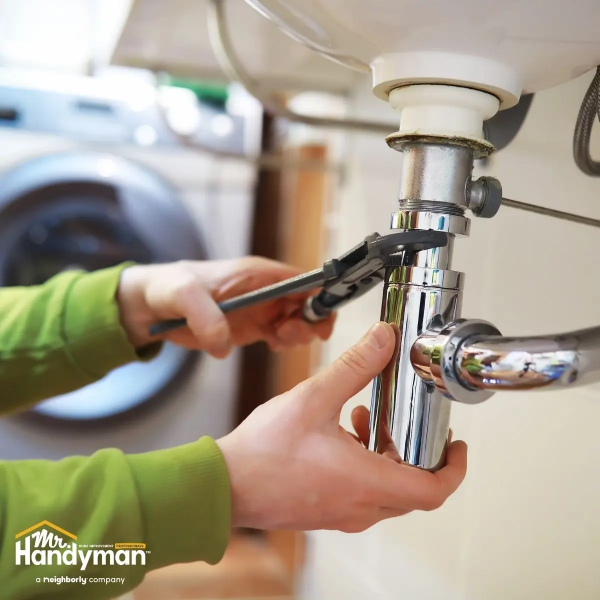
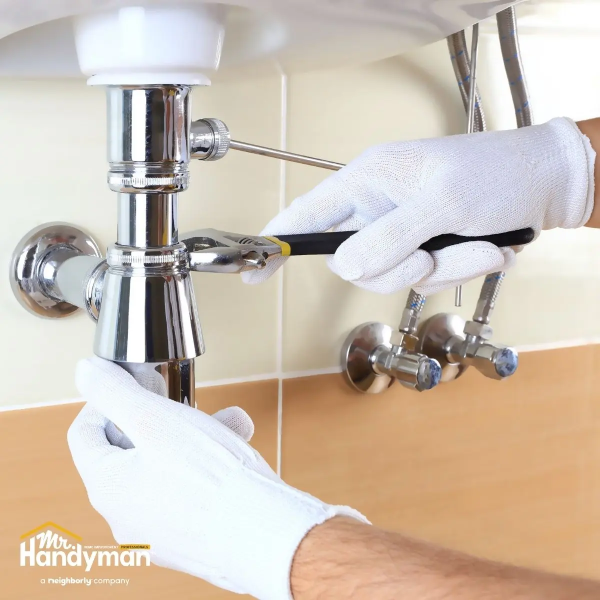
Under every sink, look for water stains on the cabinet floor, warped wood, rust rings around drain connections, and worn supply lines. Those braided or plastic lines connecting the shut-off valve to your faucet have a limited lifespan. If yours look cracked or are older than seven to ten years, replace them regardless of whether they appear to be leaking. A supply line that fails without warning causes significant damage quickly.
Faucets deserve more than a visual check. Turn each one on fully and note any reduction in pressure, which can point to a blocked aerator or a developing supply line issue. A faucet that drips even slowly wastes more water over the course of a year than most homeowners realize and often signals internal components that will fail completely in the coming months.
Toilets are among the most overlooked sources of water waste in a home. Drop a few drops of food coloring into the tank and wait ten minutes without flushing. If color appears in the bowl, your flapper is failing. Also check the base of each toilet for soft flooring, discoloration, or any give underfoot. Water escaping around the wax seal sits beneath the toilet and quietly destroys the subfloor over time.
The Water Heater Deserves Serious Attention This Time of Year
Your water heater worked harder than usual over the winter. In Middle Tennessee, incoming water arrives colder than during summer months, which means longer heating cycles and greater thermal stress on the unit. Spring is the right time to give it a thorough evaluation.
Sediment buildup is a real issue in this region. Middle Tennessee's water supply carries minerals that accumulate at the bottom of a traditional tank heater, acting as insulation between the burner and the water. The unit works harder, efficiency drops, and lifespan shortens. A rumbling or popping sound from the tank is often sediment shifting during the heating cycle. Flushing the tank annually helps address this.
Check the pressure relief valve, a safety component that is frequently ignored until something goes wrong. This valve is designed to release if tank pressure exceeds safe limits. If yours has never been tested or replaced, have it inspected this spring. A failed pressure relief valve is not just an efficiency issue. It is a safety risk.
Look at the area around the base of the unit for moisture, rust, or water staining. Pooling water or rust streaks indicate the tank may be corroding internally. At that point the question is not whether the tank will fail, but when.
Water Pressure and Drainage Throughout the Home
Inconsistent water pressure is one of the clearest signs that something in your system needs attention. High pressure accelerates wear on washers, seals, and supply line connections throughout the house. Residential water pressure should generally fall between 40 and 60 pounds per square inch. If your home has a pressure reducing valve, test it this spring to confirm it is functioning correctly.
Slow drains in spring often have two compounding causes. The first is winter buildup. With families spending more time indoors during cold months, drains accumulate more soap, grease, hair, and debris than usual. The second is root intrusion. Tree roots seek moisture, and the joints in older sewer lines are exactly where roots find their way in. In Nashville and Belle Meade, where mature tree canopies are part of what makes neighborhoods distinctive, underground root systems are extensive. Spring, when trees put on new growth, is when root intrusion accelerates most.
If multiple drains throughout the house are running slow rather than just one isolated fixture, that pattern points toward the main line rather than an individual drain. That distinction matters because the solution is entirely different, and ignoring it carries consequences that go well beyond a slow shower drain.
How Nashville, Belle Meade, and Clarksville Homes Each Face Unique Plumbing Pressures
Middle Tennessee is not a monolithic housing market, and a spring plumbing checklist that treats every home the same misses the point. The age of a home, the neighborhood it sits in, and even the lot it occupies all shape the kind of plumbing problems that are most likely to develop after a Middle Tennessee winter.
In Belle Meade, where homes are often large, older, and built on expansive lots with mature landscaping, the combination of aging infrastructure and aggressive root systems creates a consistent pattern. Cast iron drain lines, which were standard in homes built before the 1970s, corrode from the inside over decades. Winter temperature swings accelerate that corrosion. By spring, those lines may be partially collapsed, heavily scaled, or infiltrated by roots from the oak and magnolia trees that define the neighborhood. Homeowners in Belle Meade who have never had their sewer line inspected with a camera are often surprised by what that inspection reveals.
Nashville proper covers a wide range of housing ages and styles. Older neighborhoods like Sylvan Park, Bordeaux, and Hillwood have homes that predate modern plumbing standards entirely. Supply lines, drain configurations, and vent stacks in these homes may not have been touched in decades. Newer developments in the western corridors have more modern infrastructure but face their own spring concerns, particularly around irrigation systems, pressure regulators, and the PEX supply lines that run through less-insulated areas of newer construction.
Clarksville homeowners face a different set of pressures. The city has grown rapidly, and with that growth has come a wide range of construction quality across subdivisions. Some newer neighborhoods have excellent infrastructure. Others, particularly those built during high-demand periods when speed of construction was prioritized, may have plumbing components that were installed correctly on paper but are showing early wear. Spring is when those issues tend to surface.
Room by Room: What to Check Before Summer Arrives
Walking through your home systematically in spring, with plumbing specifically in mind, surfaces problems that a casual walkthrough will miss entirely.
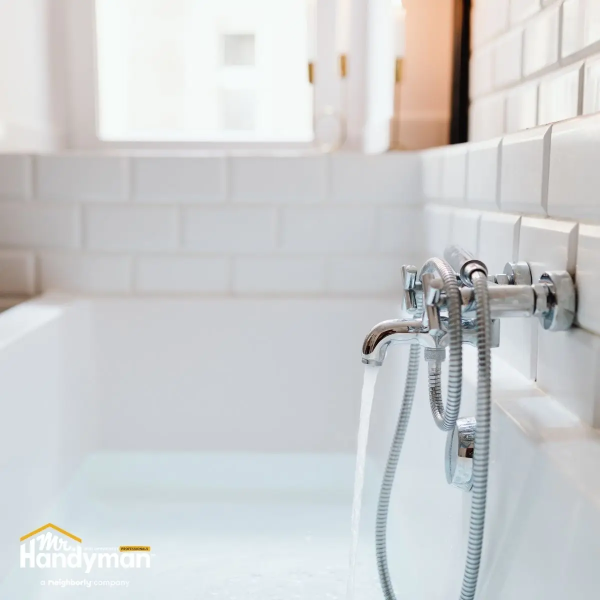
Bathrooms are the highest-traffic plumbing zones in any home. Beyond the toilet and faucet checks covered earlier, look at your shower and tub surrounds carefully. Grout and caulk that has cracked or separated over winter allows water to work its way behind tile and into wall cavities. That moisture does not evaporate. It sits, feeds mold, and slowly destroys the substrate behind your tile. Recaulking a shower is a straightforward task. Replacing a rotted shower wall is not.
Check the exhaust fan in each bathroom. Proper ventilation is directly tied to plumbing health because humidity that cannot escape condenses on pipes, walls, and subfloor structures. A fan that sounds like it is working but is actually moving very little air is almost as useless as no fan at all. Hold a piece of tissue near the grille when the fan is running. If it barely moves, the fan needs attention.
Kitchens accumulate grease, food debris, and soap buildup in drain lines over the winter months. The kitchen drain is one of the most abused in the home, and spring is a good time to run a thorough cleaning before the heavy cooking seasons of summer and fall add more to the problem. If your kitchen has a garbage disposal, check the splash guard for buildup and run it with cold water and a small amount of dish soap to clear any residue from the grinding chamber.
Also look under the kitchen sink at the dishwasher drain connection. This is a spot that develops slow leaks without dramatic warning signs. A small amount of moisture near that connection, repeated over months, creates warped cabinetry, mold growth, and eventually subfloor damage.
Laundry areas are frequently overlooked during spring inspections. Washing machine supply hoses are a leading cause of significant water damage in residential homes. If yours are rubber hoses rather than braided stainless steel, and they are more than five years old, replacing them this spring is worthwhile insurance. Also check the drain standpipe for slow drainage. A clogged laundry drain will back up dramatically and quickly during a large wash cycle.
Basements and crawl spaces in Middle Tennessee homes deserve careful attention after a wet winter. Look for efflorescence, which is the white mineral deposit left behind when water moves through concrete or block walls. It is a sign that water is migrating through your foundation and interacting with your plumbing environment. Check exposed pipes in these areas for any signs of rust, joint separation, or insulation that has shifted or degraded.
What Happens When Spring Plumbing Problems Go Unaddressed
The consequences of skipping a spring plumbing inspection are not hypothetical. They follow a predictable pattern that plays out in homes across Nashville, Belle Meade, and Clarksville every year.
A slow leak under a bathroom sink becomes a mold remediation project. A failing wax seal beneath a toilet quietly saturates the subfloor until the floor itself begins to soften and give way. A cracked irrigation line washes out the soil around a foundation over a full growing season. A water heater that needed service in March fails completely in July, during the stretch of Middle Tennessee summer when demand is highest and scheduling is most difficult.
None of these outcomes are inevitable. They are the result of deferred attention, and they are almost always more expensive than the inspection or repair that would have prevented them. Small plumbing repairs cost a fraction of what structural water damage, mold remediation, or emergency service calls cost. The math is straightforward.
Frequently Asked Questions
How often should I have my plumbing inspected?
A thorough inspection once a year is a reasonable baseline for most homes. Older homes, particularly those built before 1980 in Nashville and Belle Meade, benefit from more frequent attention given the age of their infrastructure.
My water pressure feels fine. Does it still need to be tested?
Yes. Pressure that feels comfortable at the faucet can still be running higher than recommended at the supply line. High pressure that goes unaddressed gradually wears out washers, seals, and connections throughout your home.
How do I know if I have a slab leak?
Common signs include warm spots on the floor, the sound of running water when all fixtures are off, unexplained increases in your water bill, and cracks developing in flooring or baseboards. Slab leaks require professional detection and should not be left unaddressed.
Is root intrusion really that common in this area?
It is more common than most homeowners expect, particularly in Belle Meade and older Nashville neighborhoods where mature trees have had decades to spread their root systems. A sewer camera inspection is the only reliable way to know for certain.
What is the lifespan of a standard water heater in Middle Tennessee?
Most tank water heaters last between eight and twelve years. The mineral content in Middle Tennessee water can shorten that range if the tank is not flushed periodically. If your unit is approaching ten years old, have it evaluated before it fails unexpectedly.
Should I attempt plumbing repairs myself or call a professional?
Simple tasks like replacing a faucet aerator, swapping a supply line, or recaulking a tub surround are reasonable DIY projects for a handy homeowner. Anything involving the main supply line, sewer line, water heater, or persistent pressure issues should be handled by someone with the right tools and experience. Getting those repairs wrong tends to be significantly more expensive than getting them right the first time.
Your Spring Plumbing Checklist Starts With One Call
A spring walkthrough gives you the information you need, but identifying a problem and solving it correctly are two different things. The team at Mr. Handyman of West Nashville, Belle Meade, and Clarksville brings the kind of experience that makes a real difference in older homes and newer builds alike. Whether it is a leaking hose bib, a failing supply line, a water heater that needs service, or a bathroom that needs recaulking before summer humidity arrives, the work gets done right.
Website: https://www.mrhandyman.com/nashville-west-south-central/
Serving homeowners throughout Nashville, Belle Meade, and Clarksville with dependable service and the expertise your home deserves this spring.