When the Rain Comes, Your Sump Pump Either Works or It Doesn't
Middle Tennessee does not ease into spring. The season arrives with sustained rainfall, saturated ground, and storm systems that can drop several inches of water in a matter of hours. For homeowners with basements or crawl spaces, that transition from winter to spring is the moment when a sump pump either justifies its presence or reveals that it has been quietly failing for months.
The problem with sump pumps is that they operate in the background, out of sight and largely out of mind, until the exact moment they are needed most. A pump that runs infrequently during dry months can develop mechanical issues, lose prime, or fail entirely without producing any visible warning sign in the living areas above. The first indication that something is wrong is often standing water in a basement during a spring storm, at which point the damage is already underway and the pump is already too late to help.
In Nashville, Belle Meade, and Clarksville, where spring rainfall totals are among the highest of any season and where soil saturation following a wet winter can persist for weeks, a sump pump that is not inspected and confirmed operational before the rains arrive is a genuine liability. Understanding why that inspection matters, what it involves, and what the consequences of skipping it look like in practice is the first step toward protecting your home when the weather turns.
What Middle Tennessee's Spring Weather Pattern Means for Basement and Crawl Space Homes
Middle Tennessee receives an average of approximately fifty inches of rainfall annually, with a significant portion of that concentrated in the late winter and spring months. The Cumberland River watershed, which covers much of the region, is well understood by longtime residents as a system that responds quickly to heavy rainfall events. Clarksville, positioned near the confluence of the Cumberland and Red Rivers, has experienced significant flooding historically and continues to see high water table conditions during sustained spring rain events.
Nashville and Belle Meade sit on terrain that varies considerably across relatively short distances. Some neighborhoods drain efficiently due to slope and soil composition. Others, particularly those in lower elevations or with heavy clay soil content, hold water against foundations and in yards for extended periods after rainfall. Clay soil, which is prevalent across much of Middle Tennessee, absorbs water slowly and releases it even more slowly. A home surrounded by clay-heavy soil during a prolonged spring rain event is dealing with ground that becomes progressively more saturated and exerts increasing hydrostatic pressure against foundation walls and beneath slabs.
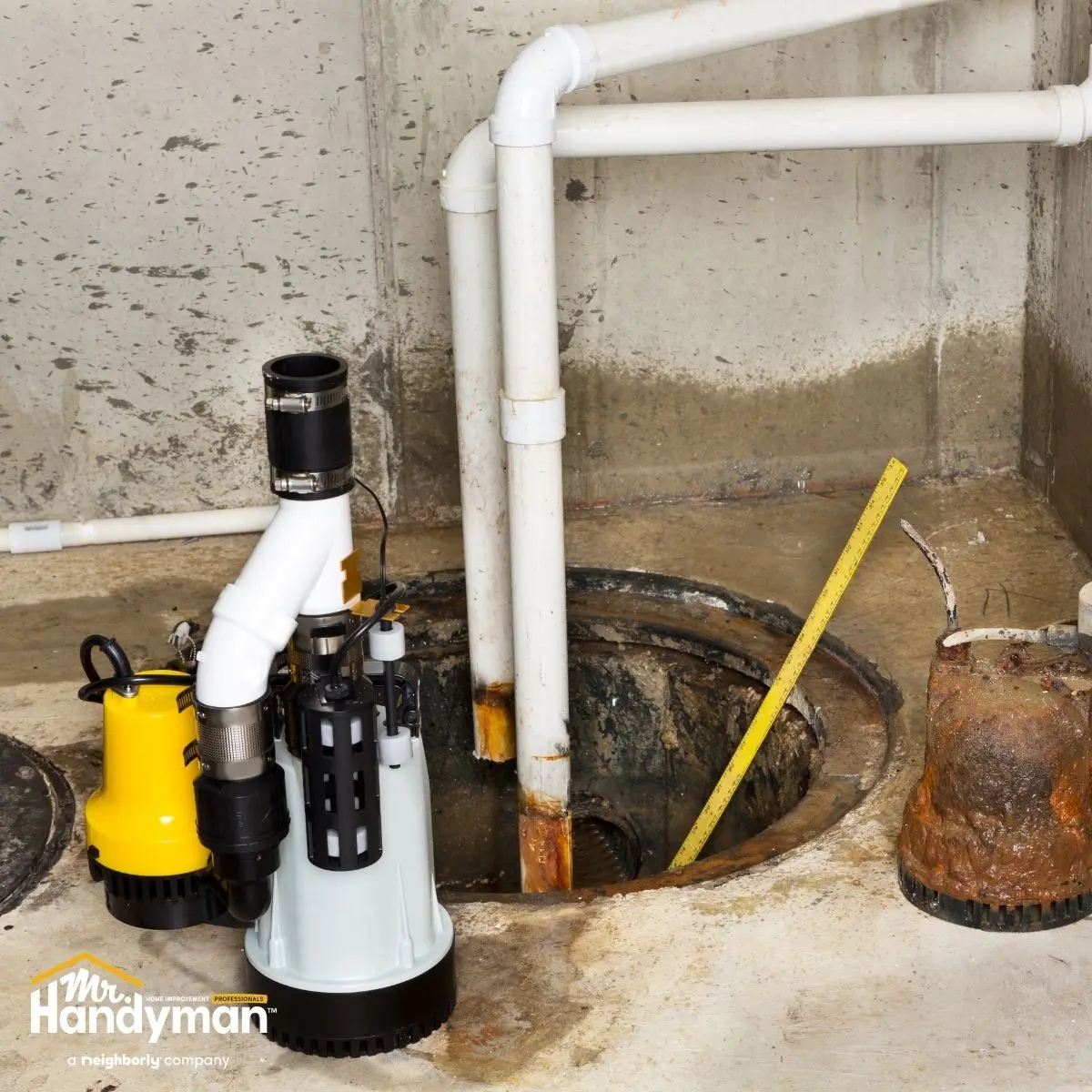
That hydrostatic pressure is what a sump pump exists to relieve. When groundwater rises to the level of the sump pit, the pump activates, removes that water, and directs it away from the home through a discharge line. When the pump fails, that pressure has nowhere to go except through the path of least resistance, which is typically through foundation wall cracks, floor joints, or around any penetration in the foundation.
How Sump Pumps Fail and Why Winter Makes It Worse
Sump pump failures are rarely dramatic mechanical events that announce themselves clearly. They are more often the result of gradual degradation, deferred maintenance, or specific failure modes that develop quietly during the months when the pump is least active.
Float switch failure is one of the most common causes of sump pump malfunction. The float switch is the component that detects rising water in the pit and triggers the pump to activate. Over time, float switches can become stuck in a fixed position, either due to debris accumulation in the pit, corrosion, or simple mechanical wear. A float switch stuck in the off position means the pump will not activate regardless of how high the water rises. A float switch stuck in the on position runs the pump continuously, burning out the motor prematurely.
Motor burnout from continuous running is a failure mode that often traces back to a float switch problem or an undersized pump struggling to keep up with water volume. A motor that has run continuously, even for a relatively short period, may appear to function normally when tested manually but lack the capacity to sustain operation through an extended storm event. Middle Tennessee spring storms that produce several inches of rain over twelve to twenty-four hours test pump motors in ways that a brief manual test will not reveal.
Discharge line freezing and blockage is a winter-specific failure mode that is relevant in Middle Tennessee even though the region does not experience sustained deep freezes. A discharge line that runs through an uninsulated area or exits the home at a point where ice accumulation is possible can freeze during a cold snap and remain blocked even as temperatures rise. A pump that activates against a blocked discharge line builds pressure internally, strains the motor, and may fail entirely before the blockage is discovered.
Pit debris accumulation restricts pump performance in ways that are straightforward to address but easy to overlook. Gravel, sediment, and organic material that accumulates in the sump pit over time can enter the pump intake, clog impellers, and reduce pumping capacity. In homes where the sump pit has never been cleaned, that accumulation can be substantial.
Power supply vulnerabilities are worth considering in the context of Middle Tennessee spring storms specifically. Severe thunderstorms that accompany spring rainfall events in this region frequently produce power outages. A sump pump that depends entirely on line power goes offline the moment that power fails, which is often the same moment rainfall is at its heaviest. Homes without battery backup systems are exposed during exactly the conditions that create the greatest flood risk.
What a Proper Pre-Spring Sump Pump Inspection Covers
A thorough inspection before spring rains arrive is not simply turning the pump on and confirming it runs. It is a systematic evaluation of every component that determines whether the pump will perform reliably through sustained, heavy rainfall events.
The sump pit itself should be examined and cleaned before anything else. Remove any debris, sediment, or accumulated material from the pit floor. Check that the pit liner is intact and that the pit dimensions allow the float switch to move freely through its full range of motion without contacting the pit walls or any debris.
The float switch should be tested manually by lifting it to the activation point and confirming the pump starts immediately and runs smoothly. Listen for any grinding, rattling, or labored motor sounds that indicate internal wear. The pump should reach full speed quickly and maintain consistent operation.
The discharge line needs to be traced from the pump to its exit point outside the home. Confirm the line is clear of obstructions, that exterior exit points are free of debris and ice accumulation, and that the discharge directs water well away from the foundation. A discharge line that terminates too close to the home simply returns water to the soil near the foundation, undermining the pump's purpose entirely.
The check valve, which prevents discharged water from flowing back into the pit when the pump stops, should be confirmed operational. A failed check valve causes the pump to cycle repeatedly as water returns to the pit after each discharge, wearing the motor prematurely and reducing overall pump effectiveness.
The electrical connection and outlet should be confirmed as a dedicated, properly grounded circuit. Sump pumps draw significant current at startup and should not share a circuit with other appliances.
Battery Backup Systems: The Protection Most Homeowners Overlook
A sump pump that functions perfectly under normal conditions still has one fundamental vulnerability. It depends on electricity to operate, and the spring storms that produce the heaviest rainfall in Middle Tennessee are the same storms most likely to knock out power. That overlap is not a coincidence. Severe thunderstorms, the kind that drop two or three inches of rain in a short window, are exactly the conditions that trip transformers, down power lines, and leave neighborhoods without electricity for hours at a time.
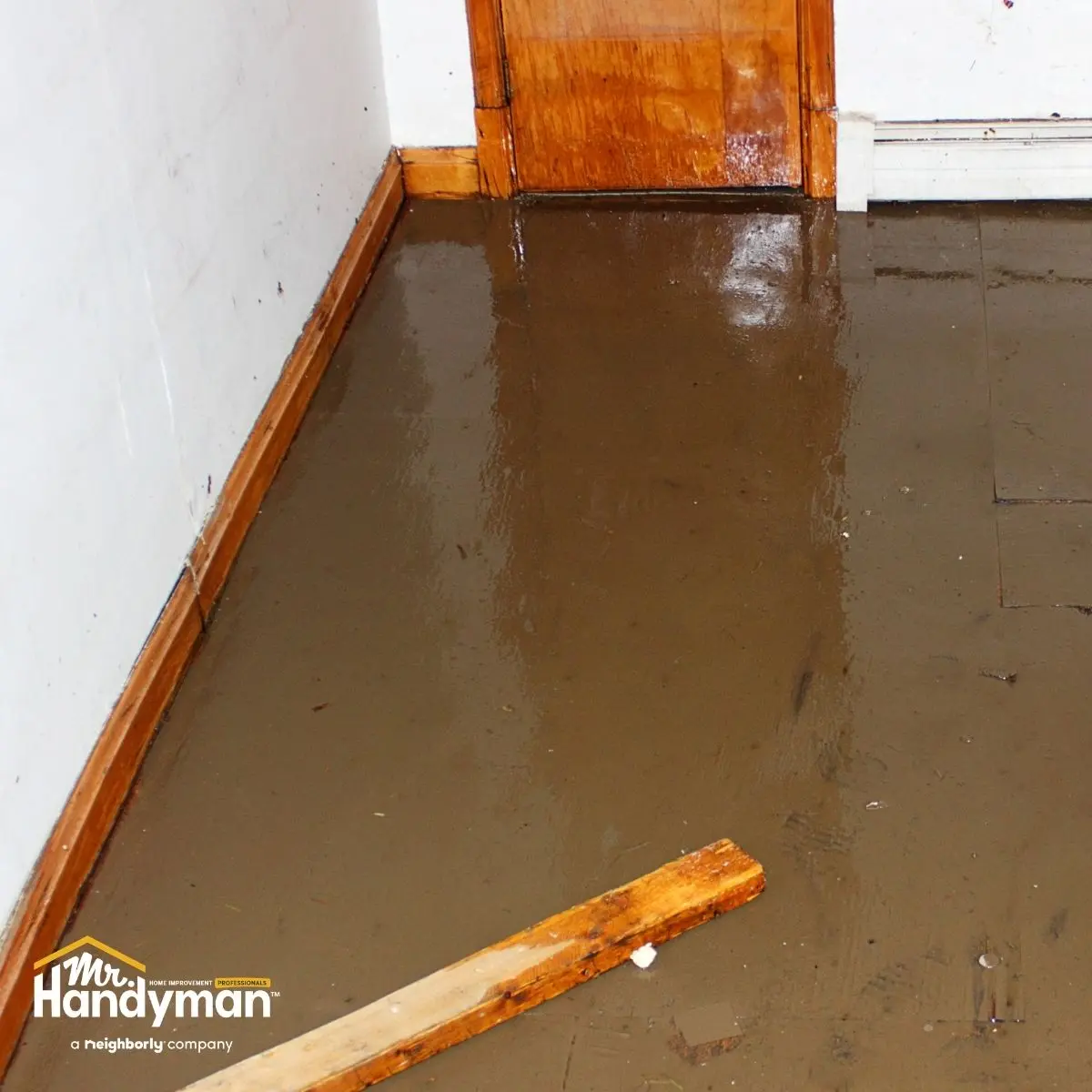
During a power outage, a standard sump pump goes completely offline. The water table continues to rise. The sump pit fills. And without something to remove that water, the hydrostatic pressure building against the foundation has nowhere to go except into the home. By the time power is restored, the damage may already be done.
A battery backup sump pump system addresses this directly. These systems include a secondary pump powered by a deep-cycle marine battery that activates automatically when the primary pump loses power or becomes overwhelmed by water volume. Quality battery backup systems provide several hours of pumping capacity on a full charge, which is sufficient to carry a home through most Middle Tennessee storm-related outages.
For Clarksville homeowners in particular, where proximity to the Cumberland and Red Rivers means high water table conditions can persist for extended periods during spring flood events, a battery backup system is not an optional upgrade. It is a practical necessity. Nashville and Belle Meade homes in lower elevations or with known drainage challenges benefit equally from that secondary layer of protection.
The battery in a backup system requires its own annual inspection. A deep-cycle battery that has never been tested or replaced may hold enough surface charge to appear functional while lacking the reserve capacity to sustain the pump through a prolonged outage. Battery replacement every three to five years is a reasonable maintenance interval for most systems.
How Home Age and Construction Type Affect Sump Pump Demands in This Region
Not every home in Nashville, Belle Meade, and Clarksville places the same demands on a sump pump, and understanding how your home's construction affects those demands helps clarify what level of pump capacity and backup protection is appropriate.
Older homes in Belle Meade and established Nashville neighborhoods were frequently built with full basements and foundation construction that predates modern waterproofing standards. Poured concrete foundations from the mid-twentieth century develop cracks over decades of thermal cycling and soil movement. Block foundations, which were common in certain construction periods, allow water to migrate through mortar joints that degrade over time. These homes tend to see higher water intrusion volumes during heavy rainfall events, which places greater demand on the sump pump and makes backup capacity more important.
Homes built on crawl spaces, which are common across a wide range of Middle Tennessee neighborhoods, face a different but equally serious set of concerns. A crawl space without proper drainage and a functioning sump system can accumulate standing water after heavy rain, creating the conditions for accelerated wood rot, mold colonization, and long-term structural damage to floor joists and subfloor material. Many older crawl space homes were not originally constructed with sump systems at all, relying on grading and drainage alone to manage groundwater. In neighborhoods where grading has shifted over decades or where surrounding development has altered drainage patterns, that original approach may no longer be adequate.
Newer construction in Clarksville and outer Nashville typically incorporates more consistent waterproofing and drainage standards, but newer does not mean maintenance-free. Sump pumps in newer homes are still mechanical systems with finite lifespans, and the drainage systems around newer foundations still require periodic inspection to confirm they are functioning as designed.
What Happens When a Sump Pump Fails During a Spring Storm
The consequences of a sump pump failure during a significant Middle Tennessee spring rainfall event follow a predictable and costly pattern. Understanding that pattern is useful context for evaluating the relatively modest cost of a pre-season inspection.
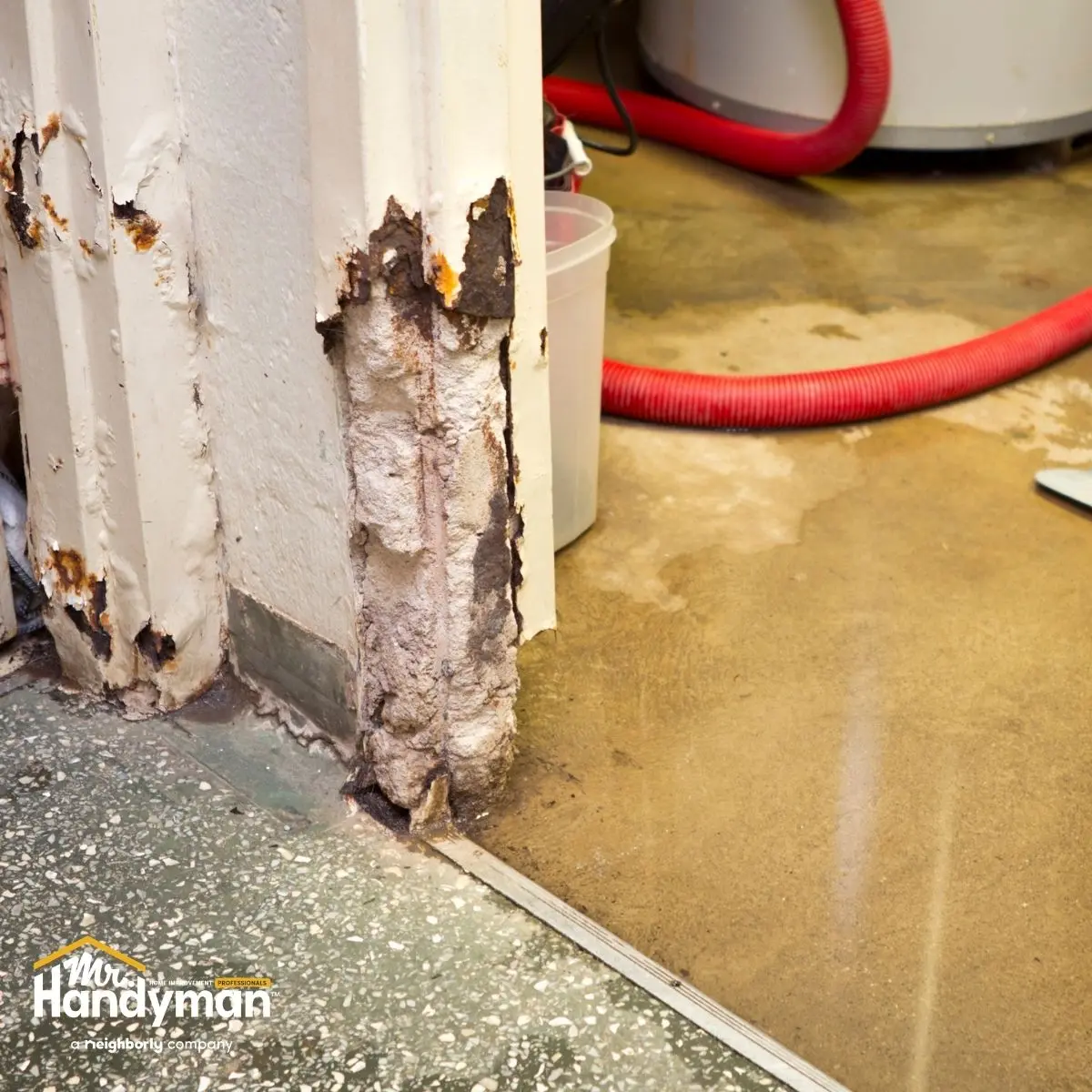
Water that enters a basement or crawl space during a storm event does not simply drain away when the rain stops. It saturates flooring, insulation, stored belongings, and structural materials. In a finished basement, that saturation means drywall, carpet, and cabinetry that must be removed and replaced. In an unfinished basement, concrete floors and block walls that have absorbed standing water carry elevated moisture levels that persist for weeks and create ongoing mold risk.
Crawl space flooding is particularly damaging because the materials most affected, floor joists, subfloor sheathing, and insulation, are expensive to access and replace. A single significant flooding event in an unprotected crawl space can necessitate complete insulation replacement, joist treatment or sistering, and vapor barrier installation that far exceeds what a functional sump system would have cost to maintain.
Beyond the immediate structural damage, the secondary consequences compound the problem. Mold that establishes itself in a flooded basement or crawl space during the warm, humid conditions of a Middle Tennessee spring does not self-resolve. It requires professional remediation. Insurance claims for water damage that results from a failed sump pump are subject to policy language that varies considerably, and coverage is not guaranteed in every circumstance.
Signs Your Sump Pump May Already Be Struggling
Between formal inspections, there are observable signs that a sump pump is not operating at full capacity. Recognizing these signals before a significant rain event gives you the opportunity to address the problem while conditions are still manageable.
A pump that runs continuously or cycles on and off rapidly without heavy rainfall suggests either a stuck float switch, a failed check valve allowing water to return to the pit repeatedly, or a water intrusion source that exceeds the pump's capacity. Any of these conditions warrants immediate attention.
Unusual sounds during pump operation, grinding, rattling, or a labored motor tone that differs from normal operation, indicate internal wear or debris interference that will not resolve on its own. A pump that vibrates more than usual during operation may have an impeller that is partially blocked or damaged.
Visible rust or corrosion on the pump body is a surface indicator of age and moisture exposure that correlates with internal degradation. A pump showing significant exterior corrosion is likely experiencing similar deterioration internally.
Water staining on basement walls at a height that corresponds to past high-water events, combined with a sump pit that appears to have seen heavy use, tells you that the system has been tested seriously before. Confirming it is ready to handle the next event is not optional in that context.
Frequently Asked Questions
How long does a sump pump typically last?
Most sump pumps have a functional lifespan of seven to ten years under normal operating conditions. Pumps in homes with high water table conditions or frequent activation cycles may reach the end of their reliable service life sooner. Age alone is a sufficient reason to have a pump professionally evaluated.
Should I test my sump pump myself before spring?
A basic test, pouring water into the pit to trigger the float switch and confirm the pump activates, is a reasonable starting point. It will not identify worn motor components, restricted discharge lines, or failing check valves, but it confirms the most fundamental function. A professional inspection covers what a manual test cannot.
How much water can a standard residential sump pump handle?
Most residential sump pumps are rated to move between two thousand and three thousand gallons per hour at standard head height. During extreme rainfall events, that capacity can be tested significantly. Homes in low-lying areas or with known high water table conditions should evaluate whether their pump capacity is appropriately matched to the demand they are likely to face.
Is a battery backup system worth the investment?
For any home in Middle Tennessee with a basement or crawl space sump system, a battery backup adds meaningful protection at a cost that is modest relative to the water damage it prevents during a single power outage event. It is one of the more straightforward cost-benefit calculations in home maintenance.
Can I replace a sump pump myself?
Straightforward pump replacement in an existing pit is within reach for an experienced DIY homeowner. Correctly sizing the replacement pump, confirming the discharge line configuration, and testing the check valve and float switch after installation are steps that benefit from professional attention if there is any uncertainty about the existing system's configuration.
What should I do if my basement floods despite having a sump pump?
Remove standing water as quickly as possible using a wet vacuum or submersible pump. Document the damage thoroughly before any cleanup for insurance purposes. Have the sump system inspected immediately to identify the failure point before the next rain event. Address any mold risk promptly given Middle Tennessee's humidity levels.
Before the Next Storm System Moves Through
A sump pump inspection before spring rains arrive is one of the most direct investments a Middle Tennessee homeowner can make in protecting their home. The window between the end of winter and the beginning of serious spring rainfall is the right time to confirm that every component of the system is ready to perform.
The team at Mr. Handyman of West Nashville, Belle Meade, and Clarksville brings the experience to evaluate your sump system thoroughly, identify what needs attention, and make sure your home is prepared before the next storm system moves through.
Website: https://www.mrhandyman.com/nashville-west-south-central/
Serving homeowners throughout Nashville, Belle Meade, and Clarksville with dependable service and the expertise your home deserves.