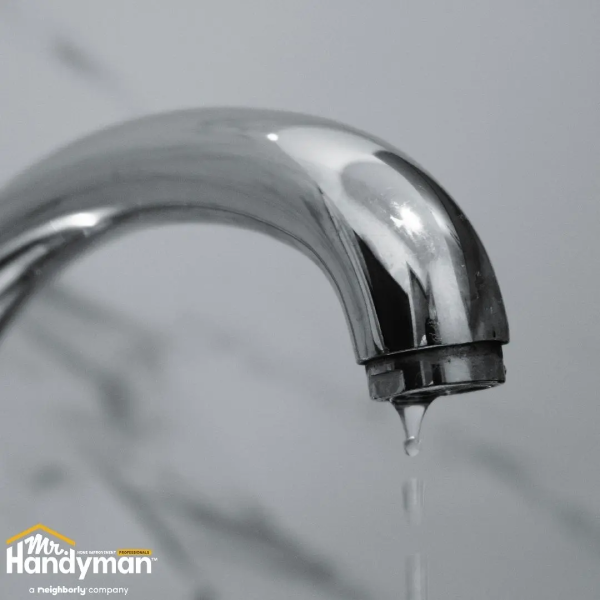
Few things are as frustrating as the sound of a dripping faucet, especially during a cold winter night. That constant drip may seem harmless or simply annoying, but it can actually be a warning sign that your plumbing is under stress. While faucet drips can occur any time of year, they become much more common in winter due to temperature changes, water pressure fluctuations, and seasonal wear on plumbing components.
For homeowners in West Nashville, Belle Meade, Clarksville, Ashland City, Green Hills, Berry Hill, Dickson, Kingston Springs, and nearby Middle Tennessee areas, knowing why faucets drip in winter - and what you can do to stop it - can help prevent water waste, save money, and protect your plumbing system from costly damage.
The Real Reason Faucets Drip More Often in Winter
When temperatures drop, the metal pipes in your plumbing system contract slightly. This contraction can cause small shifts at joints, valves, and seals throughout your home. As a result, tiny gaps or loosened fittings can develop, allowing small amounts of water to pass through even when the faucet is turned off.
Additionally, colder water entering the system changes pressure inside the pipes. As the water cools and contracts, air pockets and pressure variations can occur, putting stress on faucet components. Over time, this leads to slow drips that worsen as the cold persists.
Common contributing factors include:
- Temperature-related metal contraction in pipes and fittings
- Worn-out washers, O-rings, or seals
- Pressure buildup caused by partial freezing in nearby pipes
- Long-term wear from frequent hot-and-cold cycles
Why a Dripping Faucet Can Actually Be a Good Sign
Believe it or not, a dripping faucet can sometimes prevent a more serious problem - frozen pipes. During deep freezes, plumbers often recommend letting faucets drip slightly to keep water moving. This helps relieve pressure in the system and reduces the risk of ice forming inside pipes.
A slow drip from a faucet farthest from the main shutoff valve can be a lifesaver during a cold snap. The moving water prevents stagnation and minimizes the chance of a pipe burst. However, once temperatures rise above freezing again, it’s important to determine whether the drip continues due to mechanical wear or a leak that needs repair.
When a Drip Becomes a Problem
Not all drips are beneficial. Persistent dripping when temperatures are normal usually indicates an underlying plumbing issue that requires attention. Even a slow drip can waste dozens of gallons of water each day, leading to higher utility bills and unnecessary strain on your plumbing system.
Signs your dripping faucet needs repair include:
- Constant dripping, even during mild weather
- Water pooling around the faucet base or handles
- Irregular water flow or sputtering from the faucet
- Sounds of running water in nearby walls
These symptoms often point to worn internal parts or pressure-related problems. Addressing them early prevents further damage and saves money in the long run.
Common Causes of Winter Faucet Leaks
Several different plumbing issues can lead to faucet drips during cold weather. Understanding these causes helps homeowners decide whether to fix it themselves or call a professional.
1. Worn Out Washers or O-Rings
Over time, the small rubber or silicone components that seal your faucet wear out from friction, mineral buildup, or temperature changes. As they harden or crack, water begins seeping through the gaps.
2. High Water Pressure During Temperature Fluctuations
When temperatures drop, water density increases slightly, and municipal water systems may adjust supply pressure. If the pressure inside your home exceeds recommended levels (typically 40–60 psi), small leaks can occur at weak points like faucet joints.
3. Temperature-Induced Metal Contraction
Metal pipes and valves expand with heat and contract with cold. These small changes can cause fittings to loosen slightly, allowing drips that stop once temperatures stabilize.
4. Partial Freezing in Nearby Pipes
If a nearby pipe begins to freeze, it can create localized pressure changes that force water through the nearest open outlet - often a faucet. This is a red flag that part of your plumbing may be close to freezing.
How to Diagnose a Dripping Faucet
Homeowners can often identify the cause of a drip with a few simple checks:
- Turn off the main water supply. If the dripping stops immediately, the issue may be caused by water pressure or temperature changes.
- Inspect the faucet components. Remove the handle and check washers and O-rings for wear or cracking.
- Check water pressure. Use a simple gauge attached to an outdoor spigot to measure your home’s water pressure. If it exceeds 60 psi, install a pressure-reducing valve.
- Inspect nearby pipes. Feel for cold spots or frost on accessible plumbing, especially under sinks or in crawl spaces.
These quick checks can help determine whether a professional plumber is needed.
Simple Steps to Prevent Faucet Drips in Winter
Taking proactive steps before and during cold weather can minimize your chances of dealing with a leaky faucet.
Practical prevention tips:
- Insulate exposed pipes and plumbing near exterior walls.
- Keep cabinet doors open during freezing nights to allow warm air to circulate.
- Disconnect and drain outdoor hoses and spigots.
- Allow a controlled drip from indoor faucets during extreme cold.
- Have worn faucet components replaced before winter arrives.
Even a little preparation can make a big difference in preventing leaks and water damage.
Why Professional Repairs Are Worth It
While tightening a loose handle or replacing a washer may seem simple, many faucet drips are caused by issues deeper in the plumbing system. A professional can inspect water pressure, check for partial freezes, and ensure your plumbing is protected for the rest of winter.
Homeowners in West Nashville, Belle Meade, and Clarksville trust Mr. Handyman of W. Nashville, Belle Meade, Clarksville for expert faucet repair, winter plumbing maintenance, and pipe insulation services.
How to Fix Common Faucet Problems Caused by Winter Weather
A dripping faucet during the winter months might start as a small nuisance, but it can quickly turn into a costly problem if ignored. Freezing temperatures, pressure changes, and worn-out components can cause leaks to worsen or spread to other parts of the plumbing system. Fortunately, most faucet issues that develop during cold weather can be fixed with the right tools, attention, and preventative approach.
Homeowners in West Nashville, Belle Meade, Clarksville, Ashland City, Green Hills, Dickson, Kingston Springs, and nearby communities face frequent winter plumbing challenges due to fluctuating temperatures and aging infrastructure. Understanding how to identify, repair, and prevent these issues can help you save money and protect your home from larger plumbing failures.
Why Faucet Leaks Get Worse in Winter
When metal contracts in cold weather, it can loosen fittings and valves inside your faucet assembly. This movement creates micro-gaps that allow water to escape, especially when internal seals are already weakened from years of use.
Additionally, cold temperatures can cause changes in water pressure. As pipes freeze or partially freeze in certain areas, the pressure inside the plumbing system increases, forcing water through the weakest spots-often the faucet itself. Once the weather warms and the pipes thaw, the added stress can cause new leaks to form.
To prevent these issues, winter is the perfect time to inspect faucets, tighten loose fittings, and replace worn components.
Step-by-Step: Fixing a Leaky Faucet in Winter
While not every faucet repair is a do-it-yourself job, many minor drips can be resolved with a few simple tools and parts. Here’s a safe, effective process homeowners can follow:
1. Turn Off the Water Supply
Locate the shutoff valves under the sink or along the wall behind the faucet. Turn them clockwise to stop the water flow. If the valves are stuck or frozen, use a towel soaked in warm water to loosen them gently-never apply direct heat.
2. Plug the Drain
Before working on the faucet, place a small sink plug or rag in the drain. This prevents tiny screws or washers from falling in during disassembly.
3. Remove the Faucet Handle
Use a screwdriver or Allen wrench (depending on the model) to remove the handle. If it’s stuck due to mineral buildup, wrap it with a warm, damp towel to loosen the residue before attempting again.
4. Inspect Internal Components
Inside the faucet assembly, look for the washer, O-ring, and cartridge. Over time, these small rubber or plastic parts harden and lose flexibility-especially in cold, dry air.Check for visible cracks, brittleness, or flattened surfaces.
5. Replace Worn Parts
Take the old components to a hardware store to find exact replacements. Installing incorrect parts can lead to more leaks. Replacing all washers, O-rings, and seals at once ensures a longer-lasting repair.
6. Reassemble and Test
Reinstall the components in the reverse order and turn the water supply back on slowly. Open the faucet and let water run for a few minutes to ensure everything is sealed correctly.
If dripping persists after replacing parts, there may be a deeper issue such as valve seat corrosion, excessive water pressure, or pipe contraction behind the wall. In these cases, professional service is recommended.
When a Drip Isn’t Really a Faucet Problem
Sometimes, what appears to be a leaky faucet is actually a symptom of another plumbing issue. During cold weather, condensation can form on cold metal fixtures and drip down, mimicking a leak.
To differentiate between condensation and a true leak:
- Wipe the area dry and wait 15 minutes. If moisture reappears, it’s likely a leak.
- Observe the water temperature. Condensation forms from cold water use, while leaks usually occur regardless of water temperature.
- Check for dripping when no water has been used recently-a true leak will continue even when pipes are idle.
If moisture persists or spreads, it may indicate a hidden pipe issue behind the wall or under the sink.
Understanding When to Let Faucets Drip on Purpose
Not all dripping is bad during extreme cold. When temperatures drop below 20°F, allowing faucets to drip slightly can prevent frozen pipes. The slow flow keeps water moving and relieves pressure in the system.
Here’s how to use this preventive strategy correctly:
- Choose a faucet on an exterior wall or farthest from the main water line.
- Let both hot and cold lines drip slightly.
- Open cabinet doors under sinks to allow warm air to circulate.
- Never shut off the heat completely when away from home.
Once temperatures rise, turn the faucet off and check for leaks that may have developed from the freeze.
What to Do If the Faucet Is Frozen
If you turn on a faucet and no water comes out, the line feeding it may be frozen. Take immediate action to prevent a burst pipe.
Steps to thaw safely:
- Turn off the main water supply to the house.
- Open the frozen faucet to allow water to escape as ice melts.
- Warm the area around the pipe gradually using a hair dryer, heating pad, or warm towels.
- Never use an open flame or high heat source.
If water flow does not return within 30 minutes, call a professional immediately to avoid pipe damage.
How to Prevent Faucet Problems Before They Start
Preventive maintenance is always easier than repair. Before cold weather arrives, perform a plumbing inspection and address small issues early.
Preventive steps include:
- Replacing old faucet cartridges and seals
- Installing pipe insulation in vulnerable areas
- Sealing wall penetrations behind sinks and appliances
- Adding water line heat cables in crawl spaces
- Checking and adjusting household water pressure
These small improvements can prevent costly winter emergencies.
Why Professional Service Is the Smart Choice
Even if a faucet repair seems straightforward, the real problem often lies deeper in the plumbing system. A professional can detect hidden leaks, identify temperature stress points, and recommend upgrades to protect your plumbing for future winters.
Homeowners in West Nashville, Belle Meade, and Clarksville rely on Mr. Handyman of W. Nashville, Belle Meade, Clarksville for faucet repair, pipe thawing, and preventative winter plumbing maintenance.
How to Protect Your Plumbing System From Winter Faucet Problems
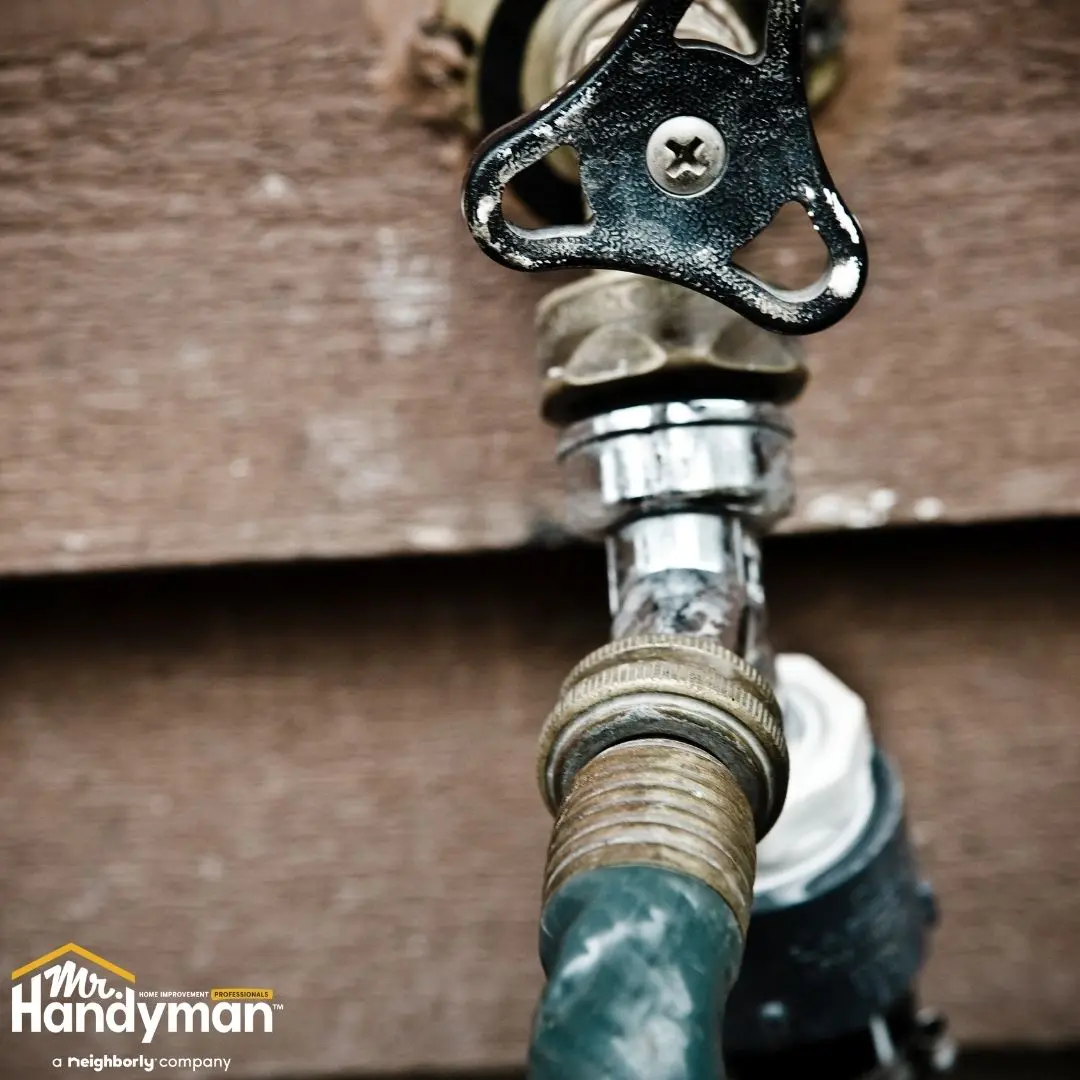
A dripping faucet in the middle of winter is often a warning sign that your plumbing system needs attention. Whether it’s caused by temperature fluctuations, pressure changes, or worn-out components, a simple drip can lead to water waste, hidden leaks, or even frozen pipes if left unresolved. The good news is that homeowners can take several practical steps to protect their plumbing system year after year-keeping faucets running smoothly and avoiding expensive winter repairs.
For homeowners in West Nashville, Belle Meade, Clarksville, Ashland City, Berry Hill, Dickson, Green Hills, and Kingston Springs, the changing temperatures and occasional hard freezes common in Middle Tennessee make winter plumbing maintenance essential. By combining preventative habits with professional care, you can maintain a strong, leak-free system all season long.
Why Winter Is Hard on Plumbing Systems
Plumbing systems are designed to handle constant water flow and stable pressure, but winter weather changes those conditions dramatically. Cold air causes metal pipes and faucet components to contract, which loosens fittings, weakens seals, and increases internal pressure. Meanwhile, water entering your home from outdoor lines is much colder, making your pipes work harder to maintain consistent flow.
Common winter stress points include:
- Exterior wall pipes exposed to low temperatures
- Old or uninsulated plumbing in crawl spaces or attics
- Faucets with worn washers or O-rings
- Inconsistent water pressure from partial freezing
Even small drips can escalate quickly if these stress points aren’t addressed.
Seal and Insulate Before Freezing Weather Arrives
One of the most effective ways to prevent faucet and pipe problems in winter is through insulation. Cold air sneaking into crawl spaces, attics, or walls can freeze water lines in hours. By sealing and insulating these areas, you maintain consistent warmth and protect against rapid temperature drops.
Key insulation steps include:
- Wrapping exposed pipes with foam insulation sleeves
- Using weatherproof tape or heat cables for outdoor and crawl space lines
- Sealing gaps where plumbing penetrates walls or floors with caulk or expanding foam
- Installing foam faucet covers on exterior spigots
Even simple insulation upgrades can reduce freezing risk by 70 percent or more.
Maintain Proper Water Pressure
Pressure changes are one of the most overlooked causes of winter faucet drips. When pipes partially freeze or expand under pressure, small leaks can form at joints and valves. If your home’s water pressure exceeds 60 psi, it puts unnecessary stress on the entire system.
Homeowners can monitor and control water pressure by:
- Using a pressure gauge on an outdoor spigot to test psi levels
- Installing a pressure-reducing valve (PRV) if needed
- Scheduling a professional plumbing inspection to test system balance
Consistent water pressure not only prevents leaks but also extends the lifespan of your fixtures and appliances.
Keep Water Moving During Extreme Cold
Water freezes most easily when it sits still. Keeping it moving-even slightly-prevents internal freezing and pressure buildup. During hard freezes or cold nights:
- Allow faucets on exterior walls to drip slowly.
- Open cabinet doors under sinks to allow warm air to circulate.
- Keep your home temperature consistent, even overnight.
For homeowners who travel during winter, it’s smart to shut off the main water supply and drain faucets to avoid unexpected freezes while you’re away.
Address Faucet Wear Early
Small parts like washers, cartridges, and O-rings naturally degrade over time, especially when exposed to fluctuating hot and cold water. Replacing these components before winter reduces the risk of dripping and leaking when temperatures drop.
Schedule faucet maintenance or replacement if you notice:
- Drips that continue even after tightening handles
- Rust or corrosion on visible fittings
- Loose faucet bases or handles
- Intermittent changes in water flow
Regular upkeep prevents stress on the rest of your plumbing system.
Watch for Early Warning Signs of Freezing
Even with precautions, freezing can still happen during severe cold snaps. Recognizing early warning signs allows homeowners to act quickly before pipes burst.
Watch for:
- Weak or inconsistent water flow from faucets
- Unusual banging or rattling noises in walls
- Visible frost on exposed plumbing
- Condensation or dampness under sinks
If you suspect a freeze, turn off your home’s main water supply immediately and gently warm affected areas using a hair dryer or heating pad. Never use open flames or high heat sources.
Inspect Faucets and Pipes After Every Cold Snap
Once temperatures rise again, it’s important to inspect all faucets and exposed plumbing for new leaks or cracks. Freeze-thaw cycles can create hidden damage that doesn’t appear right away.
Perform a post-cold inspection by:
- Running all faucets for several minutes to test pressure and flow
- Checking for leaks near shutoff valves and joints
- Feeling pipes for damp spots or corrosion
- Monitoring your water meter for unaccounted usage (a sign of hidden leaks)
Catching issues early prevents costly water damage later.
The Role of Professional Maintenance
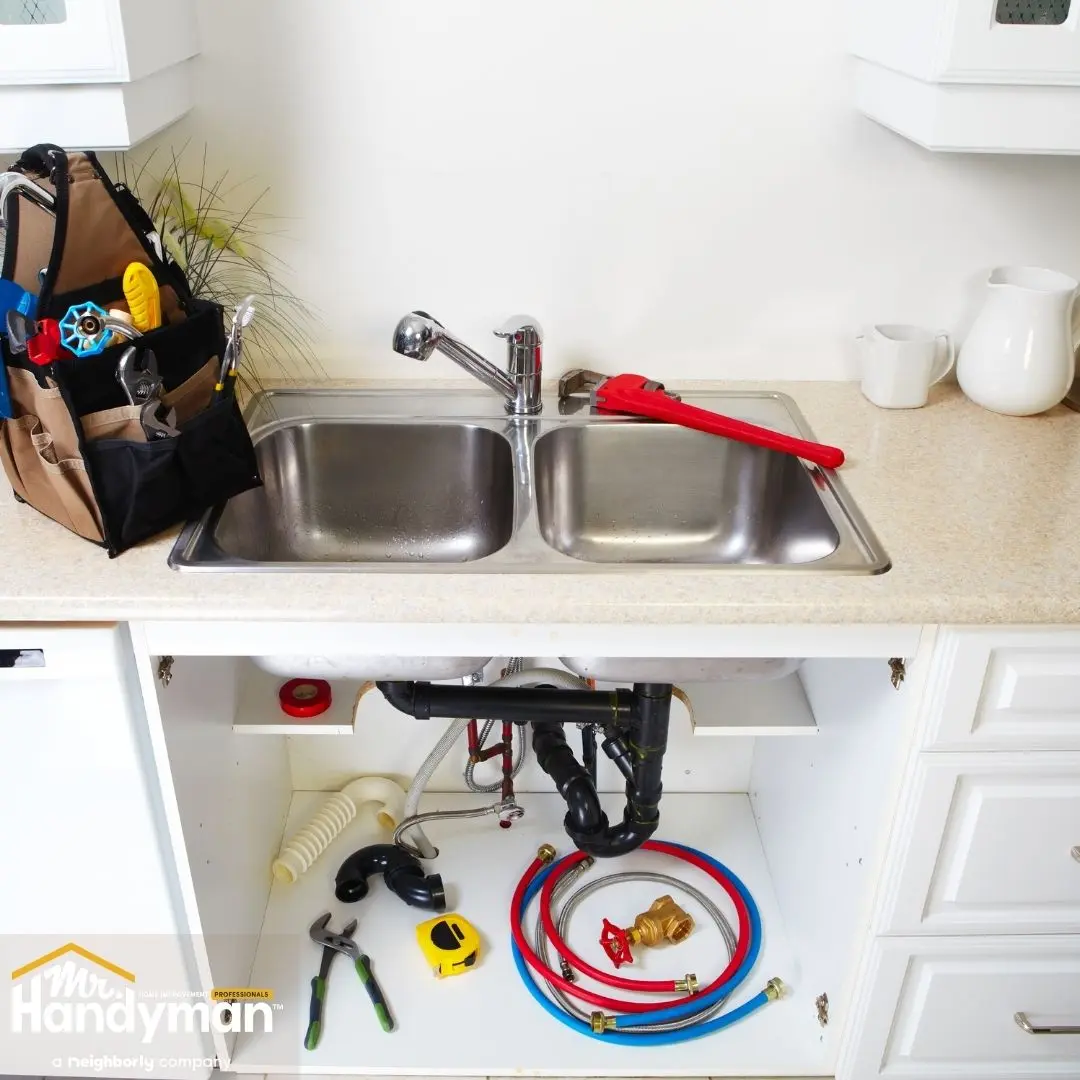
DIY prevention goes a long way, but a professional inspection before and after winter ensures full protection. Licensed technicians can:
- Identify vulnerable plumbing areas
- Replace worn faucet components
- Test for balanced water pressure
- Apply insulation in hard-to-reach spaces
- Detect leaks behind walls with specialized tools
Homeowners throughout West Nashville, Belle Meade, and Clarksville depend on Mr. Handyman of W. Nashville, Belle Meade, Clarksville for expert plumbing maintenance, faucet repair, and winter preparation services.
Why Preventative Maintenance Saves More Than Just Money
Every gallon lost to a dripping faucet adds up over time, not just in water bills but in long-term wear on pipes and fixtures. A single faucet dripping once per second can waste over 2,000 gallons of water per year -enough to fill nearly 50 bathtubs. Preventing these leaks keeps your home efficient, reduces strain on municipal systems, and prevents costly winter emergencies.
Final Thoughts on Winter Faucet Protection
A dripping faucet might seem minor, but in winter it’s often your plumbing system’s way of asking for help. By insulating exposed pipes, maintaining balanced water pressure, replacing worn faucet components, and staying alert to early warning signs, homeowners can protect their homes from freeze-related damage and costly repairs.
With regular maintenance and professional assistance, it’s possible to enjoy peace of mind all winter long -without the sound of dripping water in the background.
A small drip can lead to costly damage over time. Schedule faucet repairs online or call.