The Season That Makes Everything Else Possible
There is a reason that home improvement activity in Middle Tennessee concentrates in spring more than any other season. It is not simply that the weather is pleasant or that homeowners feel the annual motivation that warmer temperatures produce. It is that spring genuinely offers a combination of conditions, for planning, for execution, and for the physical environment that construction and renovation work requires, that no other season provides simultaneously.
Summer in Middle Tennessee brings the motivation to use a finished outdoor space but the heat and humidity that make outdoor construction genuinely difficult and that affect the performance of materials installed under those conditions. Fall brings the awareness of what the home needs before winter but the compressed timeline that closing weather windows create. Winter limits exterior work almost entirely and reduces interior project accessibility when the home is in full occupancy through cold months. Spring is the season where those limitations either do not exist yet or have just cleared, and where the window between winter's end and summer's arrival is wide enough to plan and execute meaningful home improvement work with the conditions, the contractor availability, and the material performance that quality outcomes require.

Nashville, Belle Meade, and Clarksville homeowners who understand this seasonal advantage and act on it deliberately consistently achieve better home improvement outcomes than those who approach projects reactively or who let the spring window close without using it. The reasoning behind that advantage is specific and worth understanding before any project decision is made.
Why Spring Conditions Specifically Benefit Home Improvement Work
The physical conditions that spring in Middle Tennessee provides are not incidentally convenient for home improvement work. They are specifically aligned with the requirements of the work categories that produce the most value for homeowners in this region.
Temperature ranges across Middle Tennessee's spring construction window, typically from the mid-50s through the low 80s across April and May, align closely with the optimal installation conditions for the materials most commonly used in residential improvement projects. Exterior paint requires temperatures above 50 degrees Fahrenheit for proper application and cure, a threshold that winter months frequently fail to meet for extended periods and that summer regularly exceeds in ways that accelerate drying before proper film formation occurs. Concrete flatwork, deck construction, and masonry work all have temperature-sensitive installation requirements that spring conditions meet more reliably than any other season.
Humidity levels in Middle Tennessee's spring, while higher than in drier climates, are moderate relative to the region's summer peak. That moderation matters for wood-based construction and finishing work. Hardwood flooring installed during spring acclimation periods reaches its seasonal equilibrium before summer humidity drives maximum expansion. Exterior wood surfaces primed and painted in spring develop their full adhesion before summer heat and humidity cycle them through their first expansion and contraction. Interior painting in spring benefits from humidity levels that allow proper film formation without the surface drying complications that either winter's dryness or summer's peak humidity can introduce.
Ground conditions in Middle Tennessee spring, after winter's frost has fully cleared and before summer's heat has dried and hardened the clay-heavy soils that characterize much of the region, provide the workability that foundation work, drainage correction, and landscaping improvements require. Soil that can be moved and shaped to correct drainage gradients, that accepts new planting without the resistance that summer-hardened clay presents, and that has released its winter frost to a depth that supports stable footing for deck and structure construction represents a physical resource that spring provides and other seasons compromise.
Planning During Spring Produces Better Projects
The planning work that precedes any meaningful home improvement project benefits from spring timing in ways that the quality of the resulting project reflects directly. A project planned in spring, when the home's current condition is fully visible after winter's reveal, when contractor schedules are accessible before summer fills them, and when material lead times can be accommodated without the urgency that compressed timelines create, is a better-defined project with more realistic cost expectations and more reliable execution outcomes than the same project planned reactively in summer or fall.

Post-winter visibility is the planning advantage that spring provides that no other season matches. The damage, deterioration, and maintenance needs that a Middle Tennessee winter accumulates across a home's systems and surfaces are most visible in spring before warmer temperatures begin drying and partially concealing what moisture and freeze-thaw cycling produced. A homeowner who walks their property in early spring with a planning mindset rather than a reactive one sees the full inventory of what needs attention and can make project prioritization decisions based on complete information rather than the partial picture that later seasons provide.
Contractor scheduling access in Middle Tennessee's active remodeling market is a spring resource that disappears quickly. The contractors who deliver quality residential improvement work across Nashville, Belle Meade, and Clarksville fill their spring and summer schedules from inquiries that begin arriving in February and March. A homeowner who initiates contractor conversations in early spring has access to the full range of quality options in the market. One who begins in May is competing for the remaining availability in a market where the best crews are already committed through summer.
Material lead times for improvement projects that require custom or specified materials, kitchen cabinets, countertops, specialty windows and doors, custom millwork, and certain flooring products, typically run four to eight weeks from order to delivery. A project planned in spring with orders placed promptly after contractor selection proceeds to installation without the timeline gaps that compressed planning produces. A project where planning begins in June and material orders follow in July may not reach installation until September, compressing the comfortable working season that was available in spring into the transition toward fall.
The Home Improvement Categories That Benefit Most From Spring Timing
While spring timing benefits virtually every category of home improvement work, certain categories are specifically aligned with spring conditions in Middle Tennessee in ways that make the timing advantage particularly meaningful.
Exterior improvements of every category benefit from spring timing more directly than interior work because their installation requirements and their performance through the subsequent summer season both depend on the conditions under which they are executed. Exterior painting, deck construction, hardscape installation, roofing work, siding replacement, and window and door installation all have installation requirements that spring's temperature and humidity conditions meet more reliably than summer's peak conditions. More importantly, exterior improvements installed in spring have the entire summer season to demonstrate their performance before the next winter tests them, which means any installation quality issues surface during a season when they are still under contractor warranty and accessible for correction.
Kitchen and bathroom remodeling benefits from spring timing through the contractor availability and material lead time advantages that early season planning provides, and through the household disruption management that spring timing supports. A kitchen that is under renovation in April and May returns to full function before the summer entertaining season that tests it most. A bathroom renovation completed in spring is fully functional before the higher-occupancy summer months that a household with children out of school or guests visiting creates.

Energy efficiency improvements including attic insulation, window replacement, and HVAC system upgrades benefit from spring timing because their performance impact is measured through the summer cooling season that follows installation. An attic insulation upgrade completed in spring reduces cooling costs through the first summer after installation, with the return on investment beginning immediately rather than waiting through a full season before the improvement's effect is measurable.
Structural and foundation repairs that winter revealed are spring improvement priorities whose timing is determined by the season rather than by homeowner preference. A foundation drainage correction that addresses the water infiltration that winter produced is most effectively executed in spring when the drainage conditions that created the problem are still visible and active, when the soil conditions support the excavation and grading work the correction requires, and before another wet season adds to the damage that the current season produced.
How Middle Tennessee's Market Rewards Spring Improvements Specifically
The real estate markets in Nashville, Belle Meade, and Clarksville each operate with seasonal dynamics that reward spring home improvement timing in ways that are worth understanding whether a homeowner is planning to sell or simply to live in and enjoy an improved home.
Nashville's active resale market produces listing activity that concentrates in spring and early summer, when buyer activity is at its annual peak and when homes that present well generate the competitive offer situations that maximize seller outcomes. A homeowner who completes meaningful improvements in spring, before listing, is presenting a home in the season when buyer demand is highest and when the improvements are at their freshest presentation. The gap between a spring-improved home and one that is listed without recent improvement is most consequential in a competitive market where buyers are evaluating multiple properties simultaneously.
Belle Meade's market operates at a price point where property condition and improvement quality are evaluated with the scrutiny that significant purchase prices justify. Buyers at this level retain inspectors, bring design professionals to showings, and evaluate the quality and recency of improvements with attention that more casual markets do not apply. Spring improvements completed by quality contractors, with proper permits and documentation, contribute to the home's value narrative in a way that older improvements of equivalent quality do not fully capture.
Clarksville's growing market brings buyers who are frequently making relocation decisions under time pressure and who prefer homes that are ready to occupy and enjoy immediately. A Clarksville home that has received meaningful spring improvements presents as move-in ready in a way that captures the relocation buyer's preference for minimal immediate investment after purchase.
The Projects That Deliver the Strongest Spring Improvement Returns
Understanding why spring is the right time for home improvements is most useful when it connects directly to the specific projects that Middle Tennessee homeowners should be prioritizing during this window. The projects that deliver the strongest combination of daily livability improvement, long-term value contribution, and practical execution advantage from spring timing are worth identifying clearly before the season's planning momentum leads to decisions that do not fully capitalize on the opportunity.
Deck and outdoor living construction is the spring improvement category where timing alignment between execution conditions and use season is most direct. A deck or covered outdoor structure started in spring and completed by late May is functional for the entire Middle Tennessee summer entertaining season. The same project started in June competes with summer heat and contractor availability constraints that compress both the construction timeline and the quality of execution. In Nashville and Belle Meade neighborhoods where outdoor living space contributes meaningfully to property value and daily quality of life, the return on spring deck investment is felt through every warm-weather month that follows completion.
Kitchen improvements ranging from targeted fixture and hardware updates to full cabinet and countertop replacement deliver returns through both daily household function and market value that spring timing specifically supports. A kitchen completed in spring is ready for the summer entertaining season that tests it most, available for the listing photography that spring market activity requires, and executed by contractors who are accessible in early season before summer fills their schedules. The lead times that kitchen material orders require mean that spring planning, with orders placed promptly, reaches installation in the window that allows completion before summer demand on the kitchen peaks.
Bathroom renovations completed in spring address the winter wear that Middle Tennessee's humidity and freeze-thaw cycling accumulated in these high-moisture spaces and deliver the improved daily function that the higher-occupancy summer months require. A primary bathroom renovation that replaces a deteriorated tub surround, updates an aging vanity, and restores failing grout and caulk before summer produces a space that performs correctly through the season of highest use rather than carrying those deteriorated conditions through another year of compounding wear.
Exterior painting and surface restoration executed in spring benefits from the temperature and humidity conditions that deliver proper paint adhesion and cure, and produces results that are at their freshest presentation for the spring listing season and summer curb appeal period that follow. In Belle Meade and established Nashville neighborhoods where exterior condition carries significant weight in buyer and neighbor perception, spring exterior painting that corrects the paint failure that winter produced protects the underlying materials through the UV exposure of Middle Tennessee's intense summer and presents the home at its best during the season when it is most observed.
Avoiding the Mistakes That Undermine Spring Improvement Projects
The spring improvement window is genuinely valuable, and the mistakes that cause homeowners to not fully realize its potential are worth understanding as clearly as the advantages that make it worth pursuing.
Underestimating lead times is the planning error that most consistently pushes spring projects into summer execution. A homeowner who selects a kitchen cabinet line in April but discovers a six-week lead time when placing the order finds the installation pushed to June, when contractor scheduling pressure is higher and the comfortable spring execution window has largely closed. Building material lead time research into the planning phase rather than the post-selection phase prevents this compression from occurring.
Selecting contractors based on price alone in a market where contractor quality varies significantly produces spring improvement results that require remediation work that neither the timeline nor the budget accommodated. Middle Tennessee's active remodeling market includes contractors across a wide range of capability and reliability levels, and the spring surge in project activity brings less experienced operators into the market alongside established professionals. Reference checks, portfolio review, and permit verification are the minimum qualification steps that protect spring improvement investments from execution quality failures that surface months after completion.
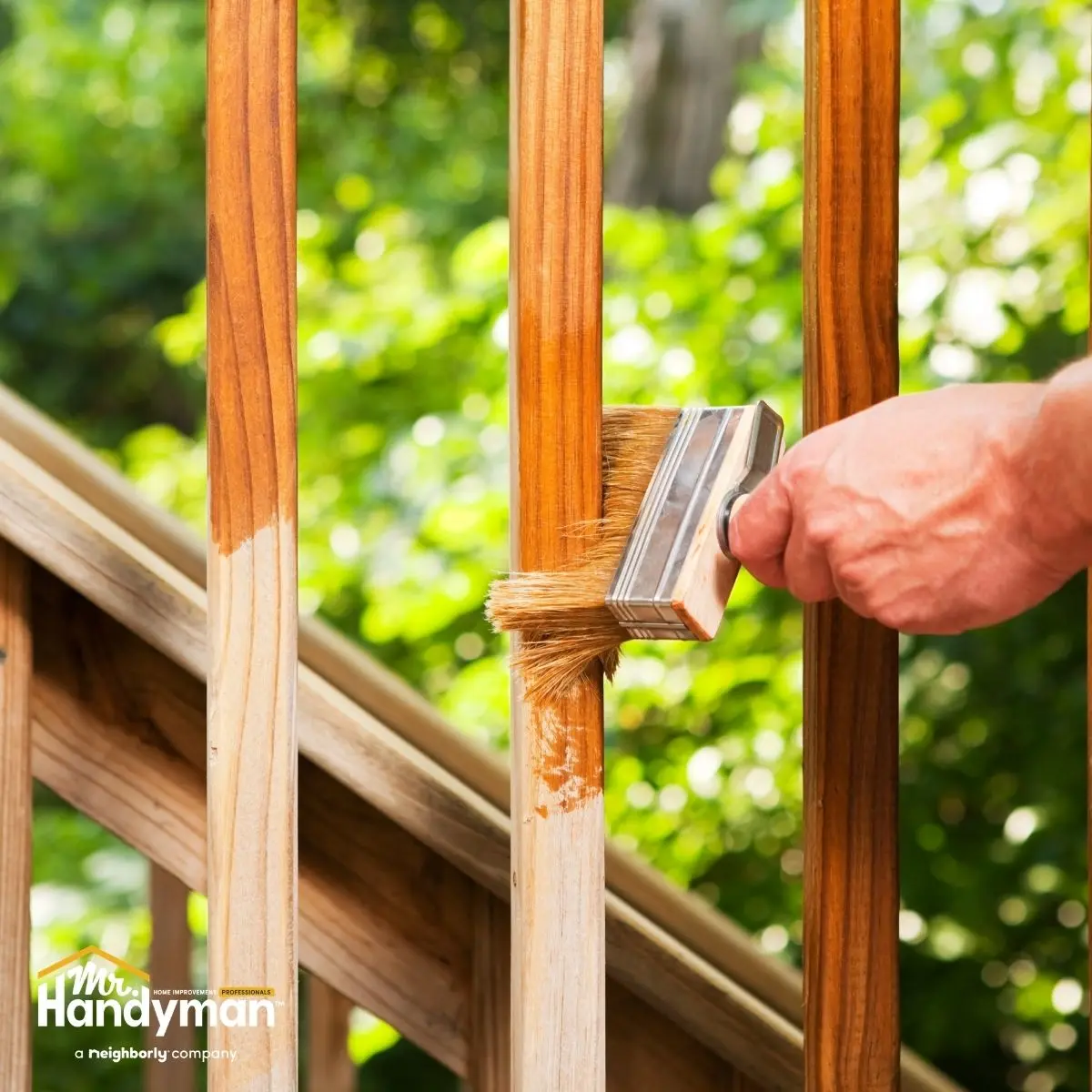
Scope expansion without budget adjustment is the dynamic that transforms a spring improvement project from a planned investment with clear returns into a source of financial stress and incomplete results. A deck project that expands mid-construction to include a pergola, outdoor kitchen rough-in, and stair reconfiguration beyond the original scope without corresponding budget adjustment either strains the project budget to the point of execution compromise or produces an incomplete result that delivers a fraction of the intended improvement.
Skipping permits for work that requires them creates a liability that Middle Tennessee homeowners frequently underestimate until it affects a real estate transaction. Unpermitted structural work, electrical improvements, plumbing modifications, and deck construction in Nashville, Belle Meade, and Clarksville require disclosure in sale transactions and can affect both the closing process and the home's insurability in ways that the cost and time of obtaining permits would not have produced. Spring improvements done correctly include permits for the work that requires them.
How to Sequence Multiple Spring Improvements Effectively
Homeowners who have identified several spring improvements they want to accomplish face a sequencing challenge that affects both how efficiently the work proceeds and how well the results of individual projects hold up under subsequent work.
The correct sequencing principle for multiple spring improvements is exterior before interior, structural before finish, and rough work before surface work. A homeowner who completes interior painting before exterior caulking repairs is painting walls that may receive moisture intrusion before the paint has completed its first summer season. One who installs new kitchen countertops before addressing a slow drain in the kitchen sink is finishing a kitchen whose plumbing has not been confirmed sound. And one who refinishes hardwood floors before completing the bathroom renovation above them is exposing new floor finish to the construction traffic and moisture that the bathroom renovation produces.
Working through a simple sequencing framework that places envelope integrity work first, mechanical and infrastructure work second, and finish and aesthetic work third produces a spring improvement program where each phase supports rather than undermines the phases that follow it.
What Spring Improvements Mean for the Summers and Winters That Follow
The value of spring home improvements in Middle Tennessee is not limited to the spring season itself. It compounds through every subsequent season that benefits from the work completed during that window.
A deck built in spring is used through an entire summer, maintained through a fall, protected by a winter, and arrives at next spring in a condition that reflects a full season of use rather than a winter of neglect. An attic insulation upgrade completed in spring reduces energy costs through the summer cooling season, the fall heating transition, and every subsequent year the improvement remains in place. Exterior caulking completed in spring protects the wall assemblies behind it through Middle Tennessee's demanding summer storms, its wet fall, and its next winter of freeze-thaw cycling before it requires re-evaluation.
The compounding nature of spring improvement timing means that the homeowner who uses the spring window consistently and deliberately accumulates a home condition advantage over time that grows rather than diminishes with each passing year.
Frequently Asked Questions
How early in spring should I begin planning home improvement projects in Middle Tennessee? February is the right time to begin serious planning conversations with contractors for projects intended to execute in April and May. Material research, budget development, and scope definition can begin even earlier without waiting for winter to fully clear. The homeowners who are best positioned for spring execution are those who completed their planning in late winter.
Is spring the right time to address both exterior and interior improvements simultaneously? Managing both simultaneously is possible with good contractor coordination but requires realistic timeline expectations. Exterior work that depends on weather windows and interior work that proceeds regardless of conditions can often be sequenced in parallel, but the coordination overhead of managing multiple contractors simultaneously across different project types requires more active homeowner involvement than sequential execution.
How do I know which spring improvements will add the most value to my specific home? The improvements that add the most value address the conditions that are most visible to buyers and that most affect daily livability for the current occupant simultaneously. In Middle Tennessee's market, kitchen and bathroom condition, exterior presentation, and the functional condition of outdoor living space consistently rank among the highest-return improvement categories across Nashville, Belle Meade, and Clarksville.
Should spring improvements be completed before or after spring cleaning and landscaping? Construction work before landscaping and cleaning produces better outcomes because renovation activity generates debris, dust, and surface wear that cleaning and landscaping cannot anticipate. Completing improvement work first and then finishing with cleaning and landscaping presents the home at its best after all work is complete rather than requiring repeated cleaning through a construction period.
How does spring improvement timing affect contractor warranty coverage? Improvements completed in spring have the longest period of favorable weather conditions during which warranty-covered installation quality issues can surface and be addressed while the contractor is still actively working in the season. A warranty claim on spring work raised in summer is still well within the active season for most contractors. The same claim raised on fall work may encounter scheduling constraints that delay resolution into conditions less favorable for correction.
What is the most overlooked spring improvement opportunity in Middle Tennessee homes? Crawl space encapsulation is consistently the most overlooked spring improvement in Nashville, Belle Meade, and Clarksville homes relative to the value it delivers. The combination of moisture protection, structural preservation, energy efficiency improvement, and indoor air quality benefit that a properly encapsulated crawl space provides is not matched by any other single improvement at a comparable investment level in Middle Tennessee's climate, yet it receives a fraction of the homeowner attention that more visible improvements command.
Spring Is the Season That Sets Everything Else Up
The improvements completed in spring determine how the home performs through summer, how it presents in the fall market, and how it enters winter. That sequential influence makes the spring window the most consequential improvement opportunity of the year for Middle Tennessee homeowners, and the habits of planning early, selecting quality contractors, and executing work in the right sequence consistently produce better outcomes than reactive improvement approaches that use whichever season happens to present a problem.
The team at Mr. Handyman of West Nashville, Belle Meade, and Clarksville is ready to help homeowners identify the right spring improvements, execute them correctly, and head into summer with a home that is genuinely better positioned than it was when winter ended.
Website: https://www.mrhandyman.com/nashville-west-south-central/
Serving homeowners throughout Nashville, Belle Meade, and Clarksville with dependable service and the expertise your home deserves.