Winter in Middle Tennessee may not bring the long-lasting deep freezes seen in northern states, but it still delivers sharp temperature drops, sudden cold fronts, and unpredictable freeze–thaw cycles that put enormous pressure on the home’s heating systems. Homeowners throughout W.
Nashville, Belle Meade, Clarksville, and nearby communities experience more home heating issues than people realize, especially when warm fall weather shifts abruptly to freezing conditions. Furnaces and fireplaces often sit unused for months, only to be pushed into heavy service overnight when temperatures swing below freezing.
For homeowners in areas like Belle Meade Boulevard, Sylvan Park, The Nations, Hillwood, Clarksville’s Sango neighborhood, and surrounding parts of Middle Tennessee, preparing the furnace and fireplace before winter is essential for safe, efficient, and reliable heating. Many homes in these regions include older HVAC systems, decorative fireplaces that homeowners want to use more during the holidays, gas logs that require proper inspection, and draft-prone exteriors that benefit significantly from winter preparation.
This section covers why winter preparation is necessary in Middle Tennessee, which areas of the home need attention, and how professional support from Mr. Handyman of W. Nashville, Belle Meade & Clarksville helps ensure your home is ready for the first cold snap.
Why Winter Preparation Matters for Homes in W. Nashville, Belle Meade & Clarksville
Middle Tennessee has a unique climate that combines humidity, fluctuating temperatures, and sudden weather changes. These conditions affect furnace performance, fireplace safety, and overall home comfort.
1. Rapid Temperature Changes Strain Heating Systems
Unlike northern states with consistent winters, Tennessee temperatures can vary by 40 degrees within 24 hours. These dramatic swings cause:
- Heating systems to cycle rapidly
- Thermostats to struggle with maintaining temperature
- Furnace components to wear faster
- Drafts becoming more noticeable
- Fireplaces being used unexpectedly
When temperatures drop suddenly, furnaces that haven’t been serviced in months are more likely to fail.
2. Middle Tennessee Homes Often Have Aging HVAC Systems
Many homes in Belle Meade, West Nashville, and Clarksville were built decades ago, meaning their HVAC systems:
- Operate with older components
- Experience regular wear from humidity
- Have outdated thermostats
- Lack modern efficiency features
- Struggle during sharp cold spells
Winter preparation helps prevent mid-season breakdowns, especially for homes with 10–20+ year-old systems.
3. Fireplaces Are Used More During the Holidays
From November through January, homeowners use fireplaces more frequently for:
- Holiday gatherings
- Seasonal comfort
- Backup warmth during outages
- Ambiance and decoration
But unused fireplaces accumulate:
- Soot
- Debris
- Creosote
- Dust
- Pilot light issues (for gas logs)
- Damper alignment issues
Preparing the fireplace early ensures safe, reliable use throughout the winter and holiday season.
4. Tennessee Humidity Affects Both Furnaces & Fireplaces
Humidity is a year-round challenge in Middle Tennessee. Moisture creates:
- Rust on furnace components
- Corrosion on burners
- Sticky dampers in fireplaces
- Mold or mildew in fireboxes
- Added strain on blower motors
- Increased energy use in winter
Winterizing reduces the effects of humidity on heating systems.
5. Freeze–Thaw Patterns Create Additional Wear
When temperatures jump above and below freezing frequently:
- Furnace vents can freeze
- Exterior caulk loosens
- Chimney caps shift
- Masonry cracks expand
- Door gaps worsen
- Drafts increase
Homes become less efficient unless properly sealed and prepared for winter.
Essential Areas to Prepare for Winter Heating in Middle Tennessee
Winter preparation must address both furnace efficiency and fireplace safety. Tennessee homes require focus on different areas than northern states, where extreme cold creates different patterns of damage.
1. Furnace Filters, Blowers & Airflow Systems
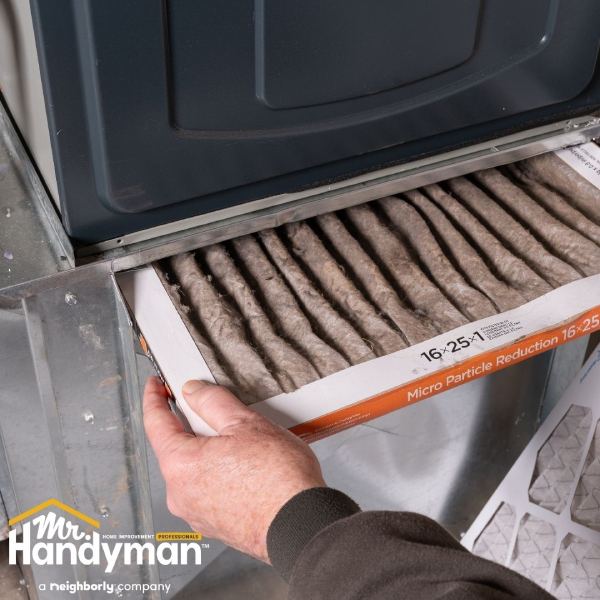
Many heating complaints in this region stem from neglected airflow components. Tennessee’s humid summers cause dust, pollen, and moisture to accumulate in ductwork and filters.
Key areas to inspect include:
- Furnace filters
- Blower motors
- Return air systems
- Duct joints
- Supply vents
- Airflow direction and balance
Poor airflow is one of the top causes of furnace stress once winter begins.
2. Burners, Ignition Systems & Safety Sensors
Gas furnaces in Middle Tennessee benefit from pre-winter checks of:
- Ignition assemblies
- Burners
- Flame sensors
- Pilot systems (older units)
- Safety switches
- Heat exchangers
Dust buildup from summer inactivity leads to ignition issues during the first cold days of December.
3. Thermostat Performance & Calibration
Thermostats often become inaccurate as seasons shift.
Homeowners may notice:
- Temperature inconsistencies
- Cold areas in the home
- Overheating in some rooms
- Unresponsive controls
- Delayed furnace activation
Old thermostats in homes throughout Belle Meade and older parts of Clarksville are notorious for inaccurate readings during cold spells.
4. Gas Log Fireplaces & Pilot Assemblies
Gas log fireplaces are extremely popular in Middle Tennessee, especially in:
- Belle Meade
- Hillwood
- Clarksville subdivisions
- West Nashville neighborhoods
They require seasonal preparation including:
- Pilot light testing
- Burner inspection
- Debris removal
- Checking flame color
- Ensuring proper gas flow
- Verifying carbon monoxide safety
If ignored, gas logs may fail to ignite when winter arrives.
5. Wood-Burning Fireplace Draft, Creosote & Damper Alignment
For wood-burning fireplaces, homeowners should address:
- Chimney drafting
- Creosote buildup
- Soot accumulation
- Damper function
- Flue alignment
- Chimney cap condition
- Smoke shelf debris
Even small amounts of creosote or damper issues can cause smoke problems indoors.
6. Weather Sealing Around Furnaces, Chimneys & Vents
Drafts around:
- Chimney frames
- Attic access doors
- Exterior furnace vents
- Utility rooms
- Windows around fireplace walls
…lead to higher heating bills and uncomfortable winter drafts.
Winter preparation focuses on tightening these areas to improve comfort and efficiency.
Fireplace Preparation That Protects Your Home All Season Long
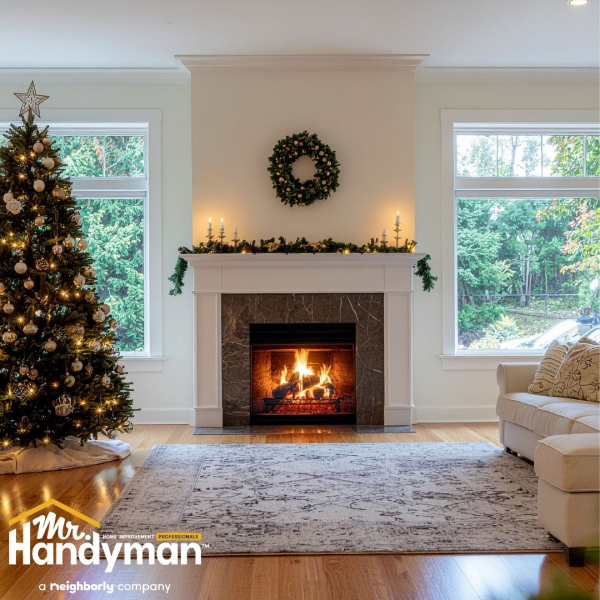
Regardless of style—gas logs, wood-burning, or electric—fireplaces require seasonal attention to remain safe and effective.
1. Cleaning, Clearing & Debris Removal
Fireplaces accumulate:
- Cobwebs
- Dust
- Soot
- Ash
- Insects or small debris
- Chimney blockage sources
Without cleaning, these can:
- Create smoke problems
- Reduce efficiency
- Increase risks
Winter preparation restores proper airflow and safety.
2. Ensuring Safe, Efficient Burning
For wood fireplaces, seasonal preparation includes:
- Checking for heat damage in the firebox
- Inspecting brick or stone conditions
- Ensuring proper ash removal
- Inspecting hearth for cracks
- Checking the damper control
- Ensuring chimney draw is strong
For gas fireplaces, it includes:
- Testing ignition
- Checking flame height
- Examining gas lines
- Ensuring even flame distribution
Both types require different safety checks.
3. Protecting Against Carbon Monoxide Risks
Blocked or poorly functioning fireplaces can leak carbon monoxide—a serious risk during winter months.
Preparation helps prevent:
- Vent blockages
- Improper combustion
- Backdraft into the home
- Poor airflow
CO safety is one of the primary benefits of preparing fireplaces before December.
4. Preparing Fireplaces for Holiday Gatherings
From Thanksgiving gatherings to Christmas mornings and New Year celebrations, a reliable, safe fireplace is essential for:
- Hosting guests
- Creating holiday ambiance
- Keeping the home comfortable
- Providing supplementary heat
Preparation ensures the fireplace is ready for daily seasonal use.
Professional Winter Preparation Brings Long-Term Benefits
When homes in W. Nashville, Belle Meade & Clarksville receive proper winter preparation, homeowners experience immediate and lasting improvements.
1. Fewer Heating Emergencies During the Coldest Weeks
Emergency HVAC calls spike every winter, especially:
- After Tennessee’s first freeze
- When temperatures drop suddenly
- During extended cold spells
- After holidays when fireplaces see heavy use
Preparation reduces the likelihood of winter breakdowns.
2. More Efficient Heating & Lower Energy Costs
Prepared systems:
- Use less energy
- Maintain temperature more effectively
- Reduce unnecessary cycling
- Distribute heat more consistently
This results in lower monthly heating bills.
3. A More Comfortable, Draft-Free Home
Homeowners experience:
- Warmer living spaces
- Balanced heating
- Lower humidity
- Better airflow
- Reduced cold spots
Comfort improves throughout the winter.
4. Safer Operation of Furnace & Fireplace Systems
Preparation reduces risks of:
- Fires
- Gas leaks
- CO exposure
- Electrical issues
- Vent blockages
Safety is one of the most important reasons to winterize.
As temperatures cool and winter settles into Middle Tennessee, furnace and fireplace readiness becomes more than a seasonal task—it becomes essential home protection. For homeowners in W. Nashville, Belle Meade, Clarksville, Sylvan Park, The Nations, Hillwood, Sango, and surrounding areas, a properly maintained heating system ensures safe, efficient, reliable comfort through unpredictable Southern winter conditions.
Even though Middle Tennessee winters are not the coldest in the country, they are among the most unpredictable, placing unique stress on heating systems. Sudden temperature swings, overnight freezes, surprise snow flurries, moisture-heavy fronts, and rapid warm-ups all create patterns that test both furnaces and fireplaces.
Section 2 focuses on what homeowners experience after their heating systems are professionally prepared, the long-term advantages, ways winterizing prevents breakdowns, and how tailored support from Mr. Handyman of W. Nashville, Belle Meade & Clarksville helps keep homes safe and comfortable all season long.
How Winter Preparation Improves Home Performance Throughout the Season
Once a furnace or fireplace is winter-ready, the entire home becomes easier to heat, safer to run, and more efficient. Tennessee homes often reveal hidden issues only when temperatures drop, and seasonal preparation solves many problems before they appear.
1. Consistent, Reliable Heating in Every Room
After preparation, homeowners often experience immediate improvements, including:
- Even temperatures across living spaces
- Proper airflow through vents
- A furnace that doesn’t struggle or short-cycle
- Fewer cold spots in older rooms
- Better heat retention in draft-prone areas
- Faster warm-up times
Homes in Belle Meade with larger square footage and multiple levels benefit significantly from balanced heating, as uneven warmth is a common issue in historic properties and older constructions.
2. The Furnace Runs Quieter & Works Less Hard
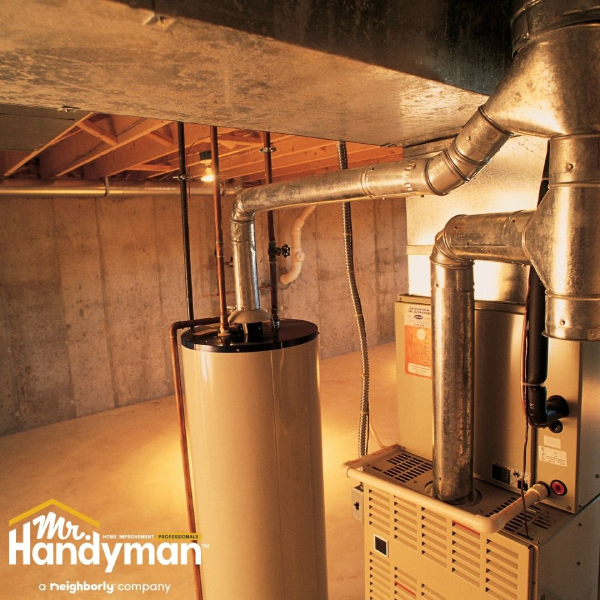
Prepared systems run more smoothly because:
- Motors are lubricated
- Burners are cleaned
- Filters allow better airflow
- Sensors function correctly
- The blower can move air efficiently
During Tennessee’s cold snaps, an unprepared system often rattles, squeaks, or produces stress noises that indicate strain. A winter-prepared furnace avoids those issues entirely.
3. Fewer Emergency Breakdowns During Freezing Temperatures
The first freeze of the season is one of the most common times for HVAC systems to fail, primarily because:
- Dust builds up over months of inactivity
- Sensors stop detecting flame correctly
- Ignition systems misfire
- Motors strain from sudden heavy use
- Airflow becomes blocked by dust or debris
Seasonal preparation dramatically reduces the chance of waking up to a freezing home.
Clarksville homeowners in newer subdivisions often experience sudden furnace failures when systems cycle too rapidly during sharp temperature drops. Winter readiness helps prevent these emergency calls.
4. Homeowners Experience Reduced Energy Bills Throughout Winter
Heat loss is a major expense in Middle Tennessee, where drafts and humidity both disrupt energy efficiency.
After a furnace is prepared, homeowners see:
- Lower heating bills
- More stable thermostat readings
- Better airflow and circulation
- Reduced system strain
- Shorter heating cycles
Every improvement adds up—especially for larger homes in Belle Meade or multi-level homes common in West Nashville.
Fireplace Improvements After Proper Winter Preparation
Fireplaces—gas or wood—play a big role in household comfort, especially around the holidays. When prepared correctly, they offer reliable warmth and aesthetic enjoyment without safety risks.
1. Cleaner, Safer Operation All Season Long
Homeowners immediately notice:
- No smoky smell
- Better drafting
- Cleaner-burning fires
- Gas log flames that ignite smoothly
- No soot blowback
- Less residue buildup
Wood-burning fires become easier to light, stay lit longer, and burn more efficiently. Gas log fireplaces ignite faster with more consistent flame height and color.
2. Reduced Risk of Chimney or Fireplace-Related Hazards
Prepared fireplaces help prevent:
- Chimney fires
- Carbon monoxide buildup
- Smoke intrusion
- Pilot light failures
- Gas leaks
- Creosote ignition
With many families increasing their fireplace use during holiday gatherings, preparation becomes essential for safe seasonal use.
3. More Enjoyable Holiday Gatherings & Seasonal Comfort
A professionally prepared fireplace enhances:
- Family celebrations
- Holiday dinners
- Christmas mornings
- New Year events
- Cozy winter evenings
Homes in Belle Meade and The Nations often feature prominent fireplace designs that become the visual focal point of the living space. A well-maintained fireplace creates an inviting, seasonal atmosphere.
Better Indoor Air Quality Through Winter Preparation
Winterizing also improves indoor air quality, which becomes especially important when windows stay closed for the season.
1. Cleaner Air From Proper Ventilation & Reduced Dust
A winter-prepared home benefits from:
- Cleaner furnace filters
- Dust reduction
- Corrected air pressure
- Proper ventilation
- Safe exhaust flow
Air becomes easier to breathe, especially for those with allergies or sensitivities.
2. Reduced Humidity-Related Problems
Tennessee humidity doesn’t disappear in winter—it simply shifts indoors.
Preparation helps prevent:
- Moisture pockets
- Condensation on windows
- Mold growth
- Musty odors
- Wood swelling around fireplace mantels
This is crucial in older homes and homes with wood-rich interior features.
3. Safer Airflow Around Fuel-Burning Appliances
Improper airflow around gas fireplaces or furnaces can create dangerous conditions. Seasonal preparation ensures:
- Clean combustion
- Proper vent exhaust
- No backdrafting
- Correct carbon monoxide sensor function
- Safe furnace cycling
These are critical safety factors during winter months.
Preventing Long-Term Damage Through Seasonal Furnace & Fireplace Care
One of the biggest benefits of winter preparation is long-term protection.
1. Preventing Component Wear From Rapid Temperature Shifts
Tennessee’s winter temperature swings cause:
- Metal contraction
- Motor strain
- Sensor failure
- Burner inefficiencies
- Chimney expansion and contraction
- Flue misalignment
By preparing before the cold hits, homeowners reduce the risk of costly damage.
2. Reducing Fire Risk in Wood & Gas Fireplaces
Winterizing prevents hazards such as:
- Creosote ignition
- Gas line strain
- Flame rollout
- Soot fires in chimney corners
- Poorly vented burns
This is especially important for older fireplaces in established Belle Meade neighborhoods and for high-use fireplaces in family homes in Clarksville.
3. Extending the Lifespan of Heating Equipment
Prepared systems last significantly longer because:
- Components experience less strain
- Sensors remain accurate
- Motors run smoothly
- Burners stay cleaner
- Flues remain unobstructed
Winter preparation is an investment that pays back season after season.
Improving Comfort, Safety & Efficiency for Homes of All Sizes
From luxury Belle Meade estates to compact Clarksville cottages and modern West Nashville builds, winter preparation benefits every home style.
1. Large Homes Benefit From Balanced Heating
Bigger homes—especially two- and three-story properties—experience:
- Cold upper floors
- Warm lower levels
- Uneven thermostat readings
- Slow heat recovery
Furnace preparation helps maintain stable temperatures throughout the entire home.
2. Smaller Homes Benefit From Efficiency Improvements
Younger families and smaller single-level homes in Clarksville notice:
- Lower energy costs
- Better airflow
- Faster warm-up
- Quieter furnace operation
These improvements are particularly helpful for tighter budgets.
3. Homes With Older Fireplaces Require Safety Focus
Many homes built before the 1980s have fireplace masonry that needs regular attention.
Winterizing helps prevent:
- Brick cracking
- Mortar deterioration
- Water intrusion
- Damper rust
- Unsafe drafting
Preparation ensures these features remain safe while preserving original charm.
Why Professional Winter Preparation Matters More Than DIY
Although homeowners can do basic filter changes or light cleaning, true winter preparation requires:
- Proper tools
- Knowledge of furnace components
- Understanding of gas flow and safety
- Experience with chimney structure
- Ability to assess safety risks
- Skill in identifying early warning signs
Professional service ensures complete, safe winter readiness.
Trusted Winter Preparation for W. Nashville, Belle Meade & Clarksville Homes
Homeowners across W. Nashville, Belle Meade & Clarksville rely on Mr. Handyman of W. Nashville, Belle Meade & Clarksville for reliable, thorough winter preparation. With experienced professionals, high-quality workmanship, and knowledge of Middle Tennessee’s climate patterns and home structures, our team ensures your furnace and fireplace remain ready for the entire winter season.
Schedule your winter preparation service today and stay warm, safe, and comfortable all season long with help from Mr. Handyman of W. Nashville, Belle Meade & Clarksville.