Winter places unique stress on a home’s plumbing system. Cold temperatures, fluctuating indoor heat, and increased water usage all combine to expose weaknesses that may go unnoticed during warmer months. What starts as a small inconvenience can quickly turn into a costly emergency if not addressed early. Understanding the most common winter plumbing problems and how to prevent them helps homeowners protect their homes, avoid disruptions, and reduce repair costs.
For homeowners in West Nashville, Belle Meade, Clarksville, Antioch, Ashland City, Berry Hill, Burns, Green Hills, Dickson, Kingston Springs, La Vergne, Pleasant View, Springfield, White Bluff, and surrounding Middle Tennessee communities, winter plumbing issues are especially common due to temperature swings and aging infrastructure. Taking preventative action before problems escalate can make a significant difference throughout the season.
Why Winter Is Hard on Plumbing Systems
Plumbing systems are designed to handle pressure and temperature changes, but winter pushes them to their limits. When temperatures drop, water inside pipes can slow, freeze, and expand. At the same time, homes are sealed tighter, increasing indoor moisture and changing airflow around plumbing lines.
Winter conditions commonly lead to:
- Frozen or partially frozen pipes
- Increased strain on water heaters
- Leaks caused by contracting materials
- Drain slowdowns from grease and debris buildup
Because many plumbing components are hidden behind walls, problems often develop silently until damage becomes visible.
Frozen Pipes Are the Most Common Winter Plumbing Issue
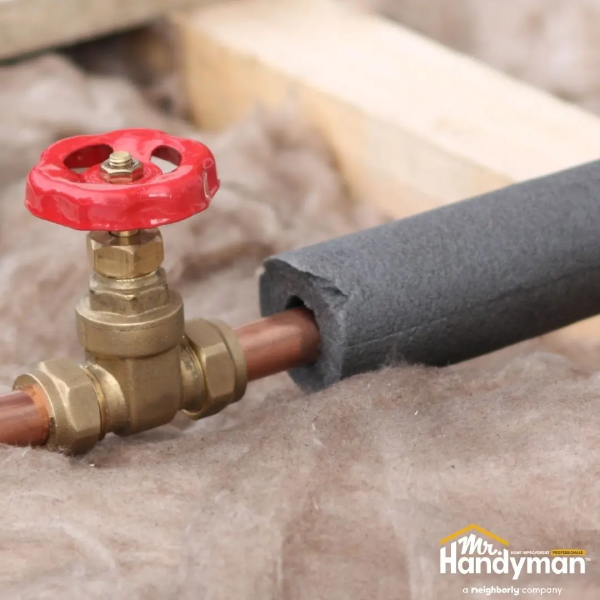
Frozen pipes are one of the most frequent and damaging winter plumbing problems. When water freezes inside a pipe, it expands, placing pressure on the pipe walls. This pressure can cause cracks or full ruptures once the ice begins to thaw.
Pipes most at risk include:
- Pipes near exterior walls
- Plumbing in crawl spaces or basements
- Lines in unheated areas such as garages
- Pipes under sinks near exterior walls
Preventing frozen pipes starts with identifying vulnerable areas and improving protection before temperatures drop.
How to Prevent Frozen Pipes
Preventing frozen pipes does not require major renovations, but it does require attention to detail.
Effective prevention steps include:
- Sealing gaps where cold air reaches plumbing
- Ensuring access panels close securely
- Allowing warm air to circulate around pipes
- Addressing minor leaks that increase freeze risk
These steps help keep pipes warmer and reduce pressure buildup during freezing weather.
Dripping Faucets and Hidden Leaks
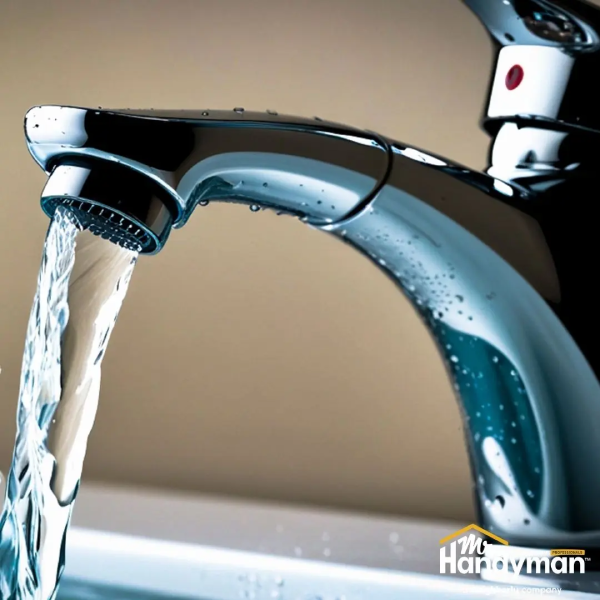
Many homeowners notice faucets dripping more frequently during winter. While a slow drip may seem harmless, it often signals pressure changes, worn components, or temperature related stress within the plumbing system.
Winter leaks commonly occur due to:
- Contracting metal components
- Increased water pressure from frozen sections
- Aging washers and seals
Ignoring small leaks increases the risk of pipe damage and water waste.
Preventing Winter Faucet and Leak Issues
Early intervention is key. Addressing small leaks before freezing weather peaks helps prevent larger failures.
Preventative actions include:
- Repairing worn faucet components
- Tightening loose connections
- Monitoring areas under sinks for moisture
These small repairs reduce stress on the system and prevent escalation.
Water Heater Problems During Winter
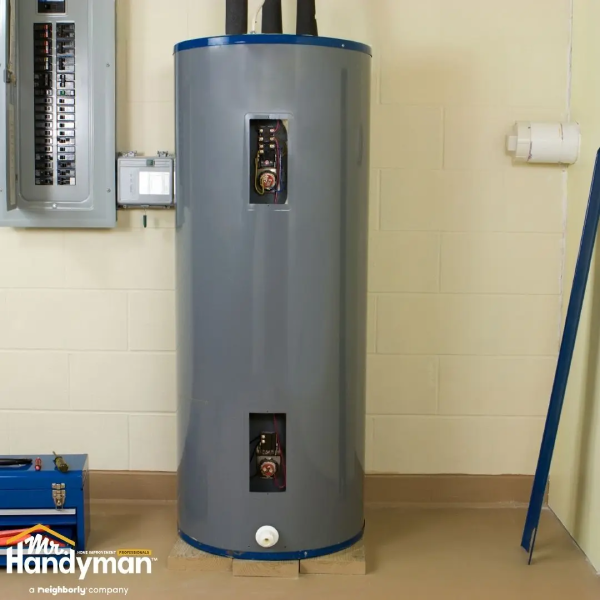
Water heaters work harder during winter as incoming water temperatures drop. This increased workload exposes existing issues such as sediment buildup, aging components, or inconsistent performance.
Common winter water heater complaints include:
- Inconsistent hot water
- Unusual noises
- Longer recovery times
Addressing these issues early helps ensure reliable hot water throughout the season.
Preventing Water Heater Strain
Preventing winter water heater issues focuses on efficiency and reliability.
Helpful steps include:
- Addressing unusual noises promptly
- Ensuring the unit is operating at proper capacity
- Checking for signs of wear or corrosion
Maintaining water heater performance reduces the likelihood of winter breakdowns.
Slow or Clogged Drains in Cold Weather
Cold weather affects how grease, soap, and debris move through pipes. In winter, buildup hardens faster, leading to slow drains or backups.
Common causes include:
- Grease solidifying in kitchen drains
- Reduced water flow
- Existing buildup worsened by cold temperatures
Slow drains should be addressed early to prevent full blockages.
Protecting Drains During Winter
Preventative drain care includes:
- Avoiding grease disposal down sinks
- Using hot water regularly to help clear buildup
- Addressing slow drainage before it worsens
Simple habits help maintain flow and reduce winter plumbing stress.
Outdoor Plumbing Vulnerabilities
Outdoor spigots, hose connections, and exterior lines are especially vulnerable during winter. Even small amounts of trapped water can freeze and cause damage.
Winter damage often occurs when:
- Hoses remain connected
- Exterior fixtures are not protected
- Shutoff valves are not properly secured
These issues can lead to leaks inside walls once temperatures rise.
Why Early Prevention Saves Money
Most winter plumbing emergencies start as small, manageable issues. Addressing them early prevents:
- Water damage
- Emergency service calls
- Structural repairs
Preventative maintenance costs far less than reactive repairs.
Professional Support Makes Prevention Easier
Winter plumbing systems benefit from professional inspection and maintenance. Experienced professionals know where problems are most likely to occur and how to address them before damage happens.
Homeowners across West Nashville, Belle Meade, Clarksville, and surrounding Middle Tennessee communities rely on Mr. Handyman of W. Nashville, Belle Meade, Clarksville for dependable winter plumbing repairs, preventative maintenance, and home improvement services.
Early Warning Signs of Winter Plumbing Problems Homeowners Often Miss
Most winter plumbing emergencies do not happen without warning. In many cases, small signs appear weeks or even months before a pipe freezes, a leak worsens, or a water heater struggles. Because these warning signs are subtle and often easy to dismiss, homeowners overlook them until the problem escalates into an urgent repair. Recognizing these early indicators allows homeowners to act proactively and avoid costly winter plumbing emergencies.
For homeowners in West Nashville, Belle Meade, Clarksville, Antioch, Ashland City, Berry Hill, Burns, Green Hills, Dickson, Kingston Springs, La Vergne, Pleasant View, Springfield, White Bluff, and surrounding Middle Tennessee areas, paying attention to these signs is especially important as temperatures fluctuate throughout the winter season.
Inconsistent Water Pressure
One of the earliest warning signs of winter plumbing trouble is inconsistent water pressure. Pressure that fluctuates from day to day or even hour to hour can indicate developing issues within the system.
Early causes often include:
- Partial freezing in pipe sections
- Minor leaks increasing pressure imbalance
- Sediment buildup restricting flow
Ignoring inconsistent pressure can allow small problems to progress into frozen or burst pipes.
Faucets That Drip Only in Cold Weather
Some homeowners notice that faucets drip more frequently when temperatures drop. This is not a coincidence. Cold weather causes metal components to contract, exposing weaknesses in washers, seals, and connections.
Warning signs include:
- Drips that worsen overnight
- Faucets that stop dripping during warmer parts of the day
- Moisture around handles or spouts
These symptoms often indicate stress within the plumbing system that should be addressed early.
Unusual Noises in Pipes
Noises coming from pipes are another sign homeowners often ignore. While some sounds are normal, changes in sound during winter can indicate developing problems.
Common warning noises include:
- Banging or knocking when water turns on
- Whistling or squealing sounds
- Clicking noises during temperature changes
These sounds may signal pressure changes, air in the lines, or pipes reacting to cold temperatures.
Slow Drains That Appear Gradually
Drain issues rarely happen overnight. In winter, slow drainage often develops gradually as grease, soap, and debris harden inside pipes.
Early warning signs include:
- Sinks draining slower than usual
- Gurgling sounds when water flows
- Odors coming from drains
Cold temperatures accelerate buildup, making early attention critical.
Water Heater Performance Changes
Water heaters are under increased demand during winter. Small performance changes are often the first signs of trouble.
Warning signs include:
- Hot water running out faster than usual
- Longer recovery times
- Lukewarm water during peak use
- Unusual popping or rumbling noises
These issues often worsen as winter progresses if not addressed.
Moisture or Condensation Around Pipes
Condensation around pipes may seem harmless, but in winter it often signals temperature imbalance or airflow issues.
Early indicators include:
- Damp spots near pipes
- Moisture on pipe surfaces
- Water stains near plumbing access points
Condensation increases freeze risk and can contribute to long term damage if ignored.
Cabinet Areas Feeling Colder Than the Rest of the Room
Pipes under sinks are especially vulnerable during winter. If cabinet areas feel noticeably colder, plumbing lines may be exposed to freezing air.
Warning signs include:
- Cold air near sink cabinets
- Frost near plumbing penetrations
- Increased condensation under sinks
These conditions significantly increase freeze risk during cold snaps.
Outdoor Plumbing Showing Early Wear
Exterior plumbing fixtures often show early signs of winter damage before interior issues appear.
Early warning signs include:
- Drips from outdoor spigots
- Loose exterior fixtures
- Cracks or corrosion near hose connections
Addressing exterior plumbing issues early helps prevent interior leaks once temperatures rise.
Small Leaks That Come and Go
Intermittent leaks are one of the most overlooked warning signs. Homeowners may notice moisture one day and find everything dry the next.
This pattern often indicates:
- Temperature related expansion and contraction
- Pressure changes inside pipes
- Worsening seal or connection issues
These leaks rarely resolve on their own and often worsen during freezing weather.
Why Ignoring Early Warning Signs Leads to Emergencies
Winter plumbing emergencies often feel sudden, but they are usually the result of ignored warning signs. As freezing temperatures persist, small weaknesses are pushed beyond their limits.
Ignoring early signs can lead to:
- Frozen or burst pipes
- Water damage
- Emergency service calls
- Disrupted daily routines
Proactive attention prevents these outcomes.
Professional Inspections Catch Problems Early
Homeowners see their plumbing systems every day, which makes gradual changes easy to miss. Professional inspections identify subtle issues before they escalate.
Homeowners across West Nashville, Belle Meade, Clarksville, and surrounding Middle Tennessee communities rely on Mr. Handyman of W. Nashville, Belle Meade, Clarksville for thorough plumbing inspections, winter repairs, and preventative maintenance services.
Practical Steps Homeowners Can Take to Prevent Winter Plumbing Problems
Winter plumbing problems are rarely unavoidable. In most cases, frozen pipes, leaks, and water heater failures result from small vulnerabilities that were never addressed before temperatures dropped. By taking a proactive approach and focusing on practical prevention steps, homeowners can dramatically reduce the risk of winter plumbing emergencies and protect their homes throughout the coldest months of the year.
For homeowners in West Nashville, Belle Meade, Clarksville, Antioch, Ashland City, Berry Hill, Burns, Green Hills, Dickson, Kingston Springs, La Vergne, Pleasant View, Springfield, White Bluff, and nearby Middle Tennessee communities, winter weather patterns make preventative plumbing care especially important. Temperature swings, occasional hard freezes, and older plumbing infrastructure all increase the likelihood of cold weather issues if systems are not properly prepared.
Start With a Winter Plumbing Walkthrough
One of the simplest and most effective ways to prevent winter plumbing problems is to perform a basic walkthrough of your home with cold weather in mind. This does not require specialized tools, only careful observation.
During a walkthrough, homeowners should:
- Check under sinks for drafts or cold air
- Look for exposed pipes near exterior walls
- Inspect basements, crawl spaces, and garages
- Check around plumbing access panels
Identifying vulnerable areas early allows preventative measures to be taken before freezing temperatures arrive.
Seal Gaps That Expose Pipes to Cold Air
Cold air reaching plumbing lines is one of the primary causes of frozen pipes. Even small gaps can allow enough cold air to create problems during overnight temperature drops.
Effective prevention includes:
- Sealing gaps around plumbing penetrations
- Closing gaps near cabinets and access panels
- Addressing trim separation that allows airflow
These small fixes help keep pipes within warmer interior air zones.
Protect Pipes in Unheated Areas
Pipes located in unheated spaces face the highest freeze risk. Garages, crawl spaces, basements, and exterior walls are common problem areas.
Homeowners can reduce risk by:
- Ensuring doors and access points close tightly
- Allowing warmer air to circulate near pipes
- Addressing insulation gaps where visible
Reducing exposure to cold air significantly lowers the chance of freezing.
Address Minor Leaks Before They Become Major Issues
Small leaks may not seem urgent, but they increase pressure on plumbing systems and make pipes more vulnerable during freezing conditions.
Preventative steps include:
- Repairing dripping faucets
- Tightening loose fittings
- Monitoring moisture under sinks
Fixing small leaks early reduces strain and prevents escalation during cold weather.
Monitor Water Heater Performance Closely
Water heaters work harder in winter due to colder incoming water. Paying attention to performance changes helps prevent sudden failures.
Homeowners should watch for:
- Hot water running out faster than usual
- Unusual noises from the unit
- Inconsistent water temperatures
Addressing these signs early helps maintain reliable hot water throughout winter.
Keep Drains Flowing Freely
Cold temperatures affect how grease and debris move through plumbing systems. Preventative drain care reduces the risk of winter backups.
Helpful habits include:
- Avoiding grease disposal in sinks
- Running hot water regularly to clear buildup
- Addressing slow drains promptly
Maintaining drain flow helps prevent clogs during peak winter use.
Protect Outdoor Plumbing Fixtures
Outdoor plumbing is often the first to suffer winter damage. Exterior fixtures should never be overlooked.
Preventative steps include:
- Disconnecting hoses
- Checking exterior fixtures for leaks
- Ensuring shutoff valves function properly
These actions prevent exterior damage from spreading into interior walls.
Pay Attention to Temperature Changes Inside the Home
Uneven indoor temperatures often signal airflow issues that affect plumbing safety. Cold pockets inside the home can expose pipes to freezing conditions.
Homeowners should:
- Monitor cabinet temperatures near sinks
- Watch for unusually cold rooms
- Address drafts that create temperature imbalance
Consistent indoor temperatures help protect plumbing systems.
Create a Simple Winter Plumbing Checklist
A basic checklist helps homeowners stay ahead of potential issues throughout the winter season.
A simple checklist may include:
- Monthly leak checks
- Monitoring water pressure changes
- Inspecting exposed pipes
- Observing water heater performance
Consistency is key to prevention.
Why Proactive Prevention Saves Time and Money
Most winter plumbing emergencies are expensive because they require immediate response and often involve water damage. Preventative maintenance costs far less than emergency repairs.
Proactive care:
- Reduces emergency calls
- Protects home interiors
- Preserves plumbing system lifespan
- Provides peace of mind
Professional Preventative Maintenance Makes a Difference
While homeowners can take many steps on their own, professional support adds an extra layer of protection. Experienced professionals know where winter plumbing problems are most likely to occur and how to address them before damage happens.
Homeowners across West Nashville, Belle Meade, Clarksville, and surrounding Middle Tennessee communities trust Mr. Handyman of W. Nashville, Belle Meade, Clarksville for dependable winter plumbing repairs, preventative maintenance, and home improvement services.
Final Thoughts on Preventing Winter Plumbing Problems
Winter plumbing problems are not inevitable. By addressing small vulnerabilities early, monitoring system performance, and taking a proactive approach, homeowners can avoid the most common cold weather plumbing issues and protect their homes throughout the season.
Winter plumbing problems can escalate quickly if ignored. Call Mr. Handyman of W. Nashville, Belle Meade, Clarksville or schedule service online.