Mr. Handyman of Plano
Why the First Ten Feet of Your Business Tell the Whole Story in Plano
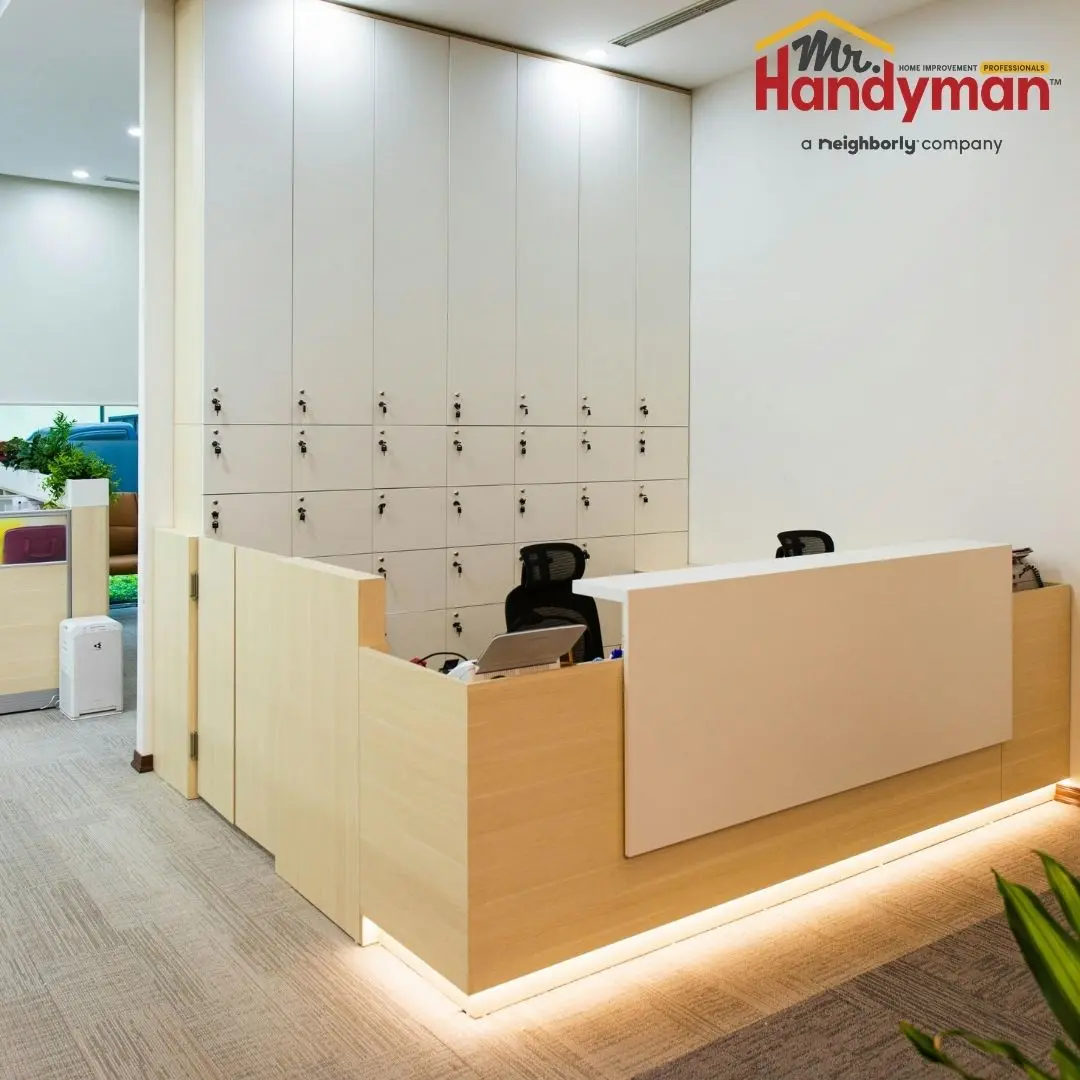
There is a moment that happens within seconds of any customer walking through a commercial door that business owners in the Plano area rarely think about deliberately but that shapes every interaction that follows. Before a word is spoken, before a product is examined, before a service is discussed, the customer has already formed an impression of the business based entirely on what they've seen, felt, and experienced in the entry zone. That impression forms faster than conscious thought allows, it's remarkably durable, and it operates in both directions with equal power.
A business entry that's clean, well-maintained, properly lit, and free of hazards communicates competence, care, and professionalism before the customer has interacted with a single employee. It tells the person walking in that the business takes its environment seriously, which by extension suggests that it takes its products, its services, and its customers seriously. That communication happens automatically and costs nothing beyond the maintenance investment required to keep the entry in good condition.
The opposite communication is equally automatic and equally powerful. A business entry with a damaged threshold, a stained floor, a sticky door that requires an awkward push to open, or visible wear and deterioration in the surfaces and fixtures tells a different story before any transaction begins. For commercial properties throughout Plano, Allen, Frisco, McKinney, and the surrounding North Texas communities, the entryway and customer-facing areas carry this communicative weight every single day across every customer interaction. Maintaining those areas isn't a cosmetic priority that competes with more important business investments. It's a customer experience investment that affects revenue, reputation, and the fundamental impression of competence that sustains a business's relationship with its community.
Understanding which entryway and customer area maintenance tasks fall within Mr. Handyman of Plano's permitted scope under Texas law, and which require licensed specialty contractor involvement, gives business owners a clear framework for maintaining the customer-facing environment that their business depends on without the compliance complications that unlicensed work creates.
What Texas Law Permits for Entryway and Customer Area Maintenance
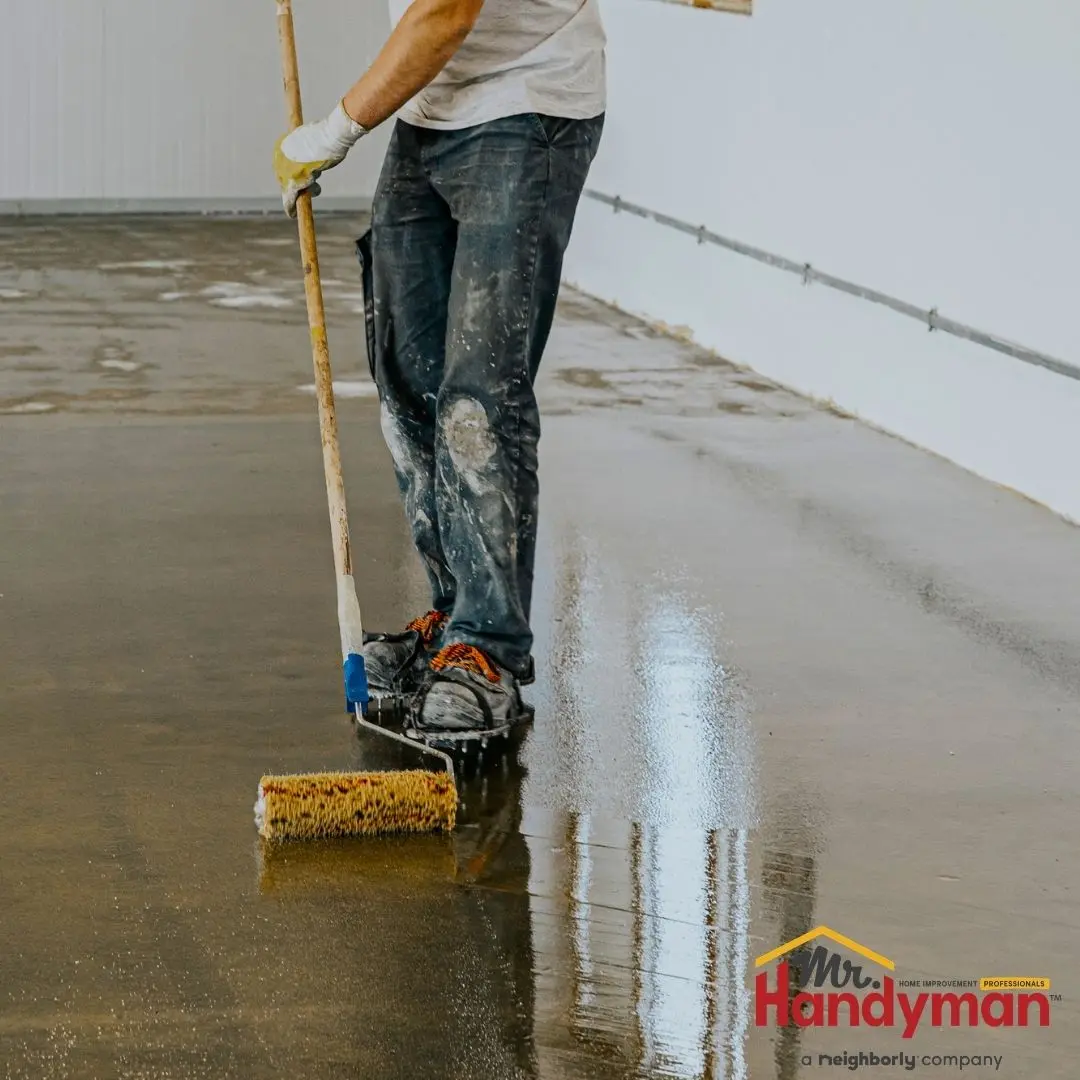
Entryway and customer area maintenance covers a range of tasks whose permitted scope under Texas law varies by trade category. Understanding these boundaries before planning maintenance work ensures that every improvement Mr. Handyman of Plano makes falls within the appropriate legal scope.
Within the permitted handyman scope for entryway and customer area maintenance, Texas law allows door repair, adjustment, and hardware service including locksets, closers, thresholds, and weatherstripping, flooring repair and installation including tile repair, luxury vinyl plank replacement, and transition strip correction, interior painting and surface preparation, drywall repair and finishing, trim and casing work, cabinet and hardware replacement, wall and ceiling surface repair, window repair without hardwired electrical components, signage mounting without electrical connections, furniture assembly, and general maintenance across customer-facing interior spaces.
Outside the permitted scope, entryway and customer area work that involves hardwired electrical repairs including lighting fixture replacement requiring new wiring, plumbing work including any fixture modification or supply line work, HVAC system service, and structural modifications requiring permits must involve the appropriate licensed specialty contractors. Mr. Handyman of Plano executes the permitted scope work while directing business owners to licensed resources for specialty trade work.
The Entry Zone: Every Element Communicates
The entry zone of a commercial building encompasses more components than most business owners consciously inventory, and each component contributes to the overall impression and safety of the customer experience. A systematic understanding of every element in the entry zone is the foundation of an effective entry maintenance program within the permitted handyman scope.
Floor Surfaces in the Entry Zone
The floor surface immediately inside a commercial entry door takes more concentrated abuse per square foot than any other interior surface in the building. In Plano, that abuse carries the specific character that North Texas conditions create. Summer delivers the fine grit and dust that dry heat accumulates on every outdoor surface and that customers deposit on the entry floor with every arrival throughout the day. Afternoon storm season delivers the moisture and mud that concentrated rainfall produces on Plano area commercial property approaches. Winter ice events deliver the salt and ice melt chemical residue that customers track in during the brief but damaging periods when North Texas temperatures drop below freezing.
An entry floor surface that isn't designed and maintained for this level of multi-season abuse deteriorates faster than equivalent surfaces in other parts of the building, and that deterioration shows more visibly because the entry zone receives more scrutiny from incoming customers than any other floor area. Cracked tile at grout lines from thermal cycling, luxury vinyl plank sections that have lifted at seams from moisture contact, and transition strips that have raised to trip hazard level are all entry floor conditions that Mr. Handyman of Plano addresses within the permitted flooring repair scope.
Slip resistance in the entry floor zone deserves specific attention in Plano area commercial properties because the moisture that afternoon storm season and winter ice events deposit at the entry creates slip conditions on smooth hard surface flooring that dry conditions don't produce. A floor surface with adequate slip resistance under dry conditions may become a hazard when wet, and the entry zone of a Plano area business is wet regularly during the months that create the highest risk. Evaluating entry floor slip resistance under wet conditions and addressing surfaces that fall below safe performance levels through appropriate treatment or replacement is a safety assessment within the permitted scope that pre-summer attention makes most timely.
Entry Mat Systems
Entry mats in commercial buildings serve a critical function that's frequently undervalued until they're absent or inadequately maintained. They capture moisture, grit, and debris from incoming foot traffic before those materials are tracked further into the building, protecting interior floor surfaces, reducing slip hazards from wet entry floors, and reducing the cleaning demands on interior floor areas beyond the entry zone.
A commercial entry mat adequate for a Plano area business needs to be large enough to capture debris from both feet across the normal stride of an entering customer, which means a minimum of six feet in the direction of travel in most commercial entries. A mat that's too small allows foot traffic to pass across it in a single step without the debris capture function operating effectively, and the interior floor beyond the mat receives the material the mat failed to capture.
Entry mats that are themselves deteriorated, with curled edges that create trip hazards, separated backing that allows the mat to shift underfoot, or surface pile worn flat by traffic that no longer functions as intended, need replacement before they become the hazards they were installed to prevent. Mat replacement, while not a carpentry or installation task, falls within the general maintenance category that Mr. Handyman of Plano addresses as part of comprehensive entry zone service.
Door Hardware and Operating Systems
Every customer physically interacts with the entry door hardware during arrival and departure, making its condition a direct tactile component of the customer experience. A door that operates smoothly, latches positively, and closes at a controlled speed communicates a level of building maintenance that customers register physically even when they don't consciously evaluate it.
Door hardware in Plano area commercial buildings experiences the thermal stress that North Texas temperature extremes produce in ways that accelerate wear beyond what moderate climate hardware experiences. Summer heat thins door closer hydraulic fluid, affecting closing speed in ways that can cause slamming or inadequate closure that leaves the door ajar. Winter cold thickens the same fluid, creating resistance that makes the door feel heavy and that can prevent complete closure in extreme cold events. Pre-summer door closer adjustment that accounts for the temperature range the closer will operate through during the coming season produces consistent door operation through the full summer rather than the performance drift that unadjusted closers experience as temperatures climb.
Lockset and panic hardware condition, including the smooth operation of latch mechanisms, the positive engagement of deadbolts, and the reliable function of panic bars on exit doors, are all door hardware conditions within the permitted handyman scope that Mr. Handyman of Plano assesses and addresses during commercial entry maintenance service.
Customer Area Conditions Beyond the Entry Zone
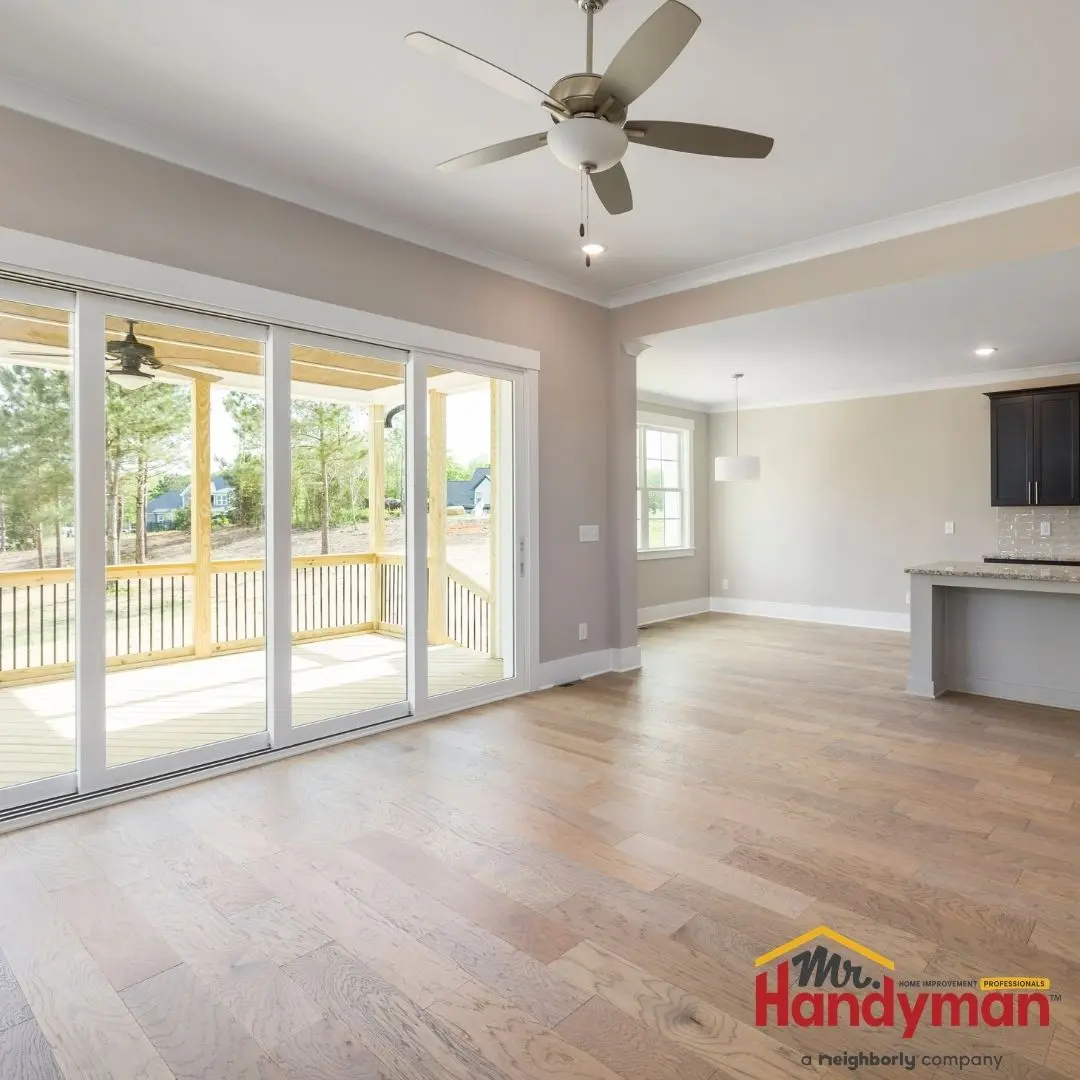
The maintenance obligations of a commercial business in the Plano area don't end at the entry zone. Every area that customers access during their interaction with the business carries the same combination of safety obligation and impression management that the entry zone presents, and maintaining those areas to a consistent standard requires the same systematic attention that the entry receives.
Retail and Service Floor Areas
Customer-facing floor areas of a commercial business experience traffic patterns that vary significantly from the uniform distribution that residential floors see, with concentrated wear along the paths customers travel most frequently and lighter wear in areas they access less often. This pattern produces visible wear differentials that develop faster than uniform wear across the full floor area would, and managing those differentials requires attention to the specific paths and zones of highest traffic rather than general floor maintenance that treats all areas equally.
In Plano area commercial properties where North Texas summer heat creates the thermal cycling that affects hard surface flooring materials at their joints and edges, wear patterns in high-traffic zones advance faster than equivalent wear in more temperate climates. Tile that cracks at grout lines from thermal expansion in the checkout line zone, luxury vinyl plank that lifts at seams along the primary customer path, and transition strips between different flooring zones that have raised to trip hazard level are all conditions that the traffic-pattern-specific wear of a Plano commercial floor produces and that permitted scope flooring repair addresses.
Flooring in retail and service areas needs to maintain its slip resistance characteristics under the cleaning products and maintenance methods that commercial cleaning programs apply, because some cleaning products reduce the slip resistance of floor surfaces when used regularly without adequate rinsing. A floor surface that meets appropriate slip resistance specifications when installed may develop reduced slip resistance over time if cleaning and maintenance practices aren't appropriate for the specific flooring material. Identifying this condition during a customer area assessment and recommending appropriate maintenance protocol adjustment is part of the comprehensive floor condition evaluation that Mr. Handyman of Plano provides within the permitted scope.
Wall and Ceiling Conditions in Customer Spaces
Wall and ceiling conditions in customer-facing areas contribute to the overall quality impression of the business environment in ways that are easy to underestimate because they're background elements rather than focal points. But background elements shape the overall quality of a space in ways that customers register without consciously evaluating, and walls and ceilings that show deferred maintenance contribute to an impression of the business that affects customer perception.
In Plano area commercial spaces where North Texas summer sun enters through east and south-facing windows during morning and afternoon hours, interior wall surfaces receive UV exposure that fades paint finishes and reveals surface imperfections more harshly than the diffuse light of cooler, cloudier climates produces. A wall surface that appeared adequately maintained under winter's lower light levels may show its accumulated condition clearly under summer's direct sun angle, creating the impression gap between the business's actual standards and what the wall surface communicates that pre-summer painting and surface repair addresses.
Drywall repair at damaged corners, doorway impact marks, and any area of physical damage to wall surfaces is permitted handyman work that Mr. Handyman of Plano executes throughout customer-facing commercial spaces. Spot repair that addresses specific damage followed by touch-up painting that matches the existing wall color produces repaired surfaces that integrate with surrounding walls rather than calling attention to the repair location.
Ceiling tile condition in customer areas deserves specific attention because stained or damaged ceiling tiles communicate building maintenance issues to customers who look up during their visit. Water staining on ceiling tiles indicates a roof or mechanical system condition above the tile that may be active, and replacement of stained tiles without addressing the source of the staining produces a cosmetic improvement that the next leak event undoes. Mr. Handyman of Plano identifies stained ceiling tiles during customer area assessment, replaces tiles within the permitted scope, and communicates when the staining pattern suggests an active source condition that requires licensed contractor investigation above the ceiling plane.
Trim and Casing Condition Throughout Customer Areas
Baseboard, door casing, and window casing throughout customer-facing commercial spaces establish the architectural quality of those spaces and communicate the maintenance standard of the business to customers who interact with those surfaces during their visit. Trim that's scuffed, chipped, separating from wall surfaces at caulk joints, or painted in a finish that has yellowed or lost its original color reads as deferred maintenance in a way that customers register even when they don't specifically evaluate trim condition.
Pre-summer trim painting and caulking in customer areas refreshes the surface condition that summer's revealing light and increased customer traffic will scrutinize most directly. Fresh paint on baseboards and door casings in a quality semi-gloss that resists the scuffing that foot traffic and door contact produce gives customer areas the maintained, professional appearance that the business's customer experience standards require. Caulking at the trim-to-wall junction that has opened through thermal cycling closes the gap that accumulates dust and creates the dark line at the baseboard top that deferred caulk maintenance produces over time.
Building a Systematic Entry and Customer Area Maintenance Program
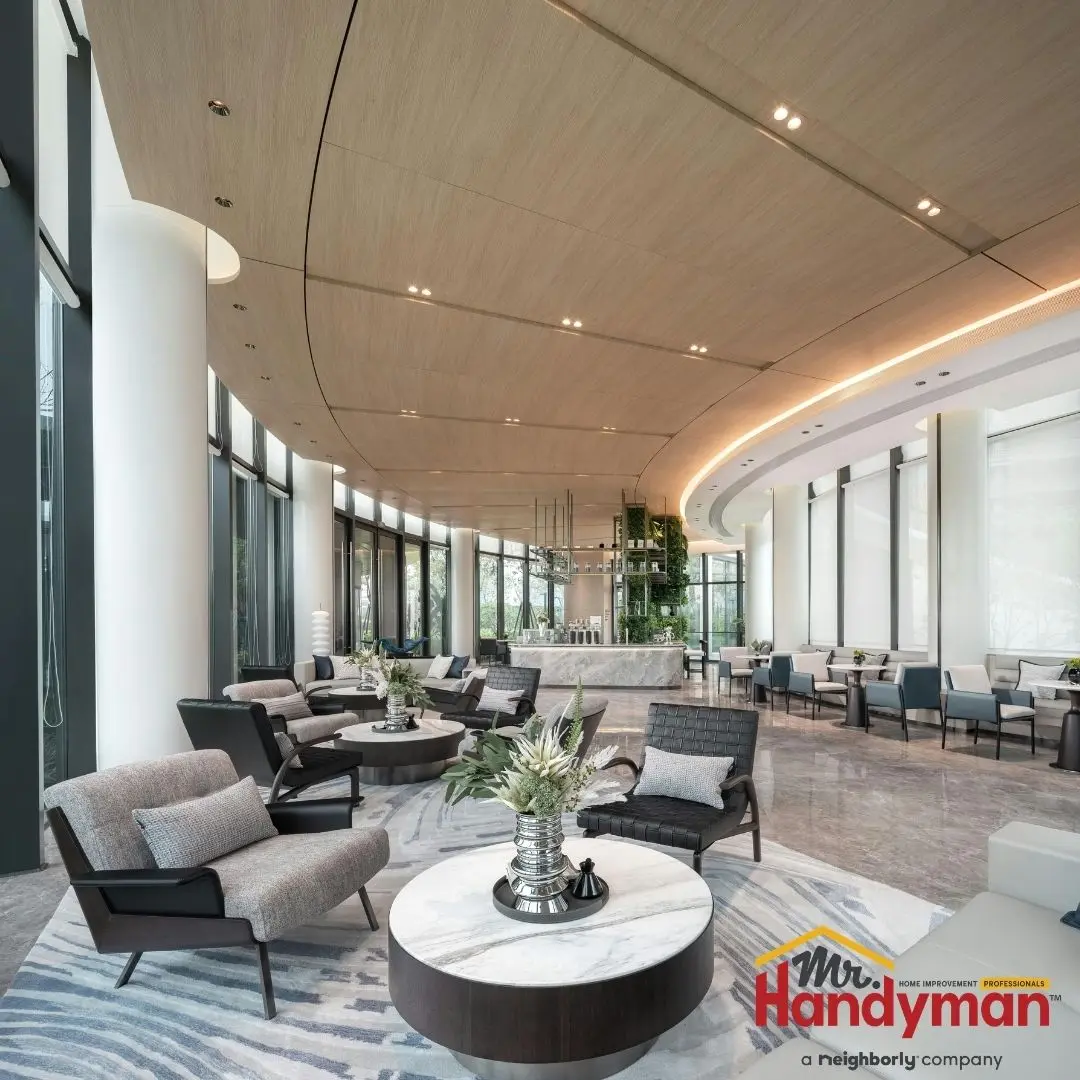
Commercial property owners in the Plano area who approach entry and customer area maintenance as a systematic program rather than a reactive response to visible deterioration consistently maintain the customer experience standard their business requires with less total cost and less disruption than reactive maintenance produces. A systematic program has specific characteristics that distinguish it from ad hoc response.
It operates on a defined schedule that accounts for North Texas seasonal timing. Pre-summer inspection and repair before peak customer volume arrives, mid-season assessment during the summer operating period to identify conditions that summer use and heat have advanced, and fall preparation before winter ice events create the entry zone moisture and slip conditions that North Texas delivers with limited advance warning produce a maintenance calendar that addresses conditions at the right time rather than after they've advanced beyond the stage where early intervention was most cost-effective.
It covers every customer-accessible space in a systematic sequence rather than responding only to the spaces drawing attention through visible deterioration. The spaces not currently drawing attention are where proactive maintenance produces its greatest return by addressing developing conditions before they advance to the stage that demands attention through customer complaints or incidents.
It produces documentation that creates a maintenance history for the property. A maintenance record that documents every inspection, every condition identified, every repair completed, and every surface or component serviced creates the paper trail that demonstrates the business's commitment to its customer environment and that provides evidence of the maintenance standard maintained for any liability purpose that customer area conditions might generate.
Frequently Asked Questions
Which customer area maintenance tasks can Mr. Handyman of Plano legally perform under Texas law?
Mr. Handyman of Plano performs customer area maintenance within the permitted handyman scope that Texas law defines, including door repair, adjustment, and hardware service, entry and customer area flooring repair and installation, interior painting and surface preparation, drywall repair and finishing, trim and casing repair and replacement, ceiling tile replacement, wall surface repair, window repair without hardwired electrical components, and general maintenance across customer-facing interior spaces. Work involving hardwired electrical repairs, plumbing modifications, HVAC service, and structural work requiring permits requires licensed specialty contractor involvement that Mr. Handyman of Plano coordinates referral for when those conditions are identified during customer area assessment.
How often should Plano area commercial customer areas receive professional maintenance attention?
Customer-facing areas benefit from a daily visual inspection by a designated staff member who understands what conditions to look for and who has a clear protocol for reporting conditions that need attention. This daily inspection doesn't replace periodic professional maintenance but ensures developing conditions are identified quickly rather than allowed to progress unnoticed. A professional maintenance assessment of the full customer area environment should be conducted quarterly at minimum, with additional assessments following significant weather events, heavy traffic periods, and any operational change that affects how the spaces are used.
What customer area conditions require immediate attention regardless of maintenance scheduling?
Conditions creating immediate safety risk require attention before the next customer encounters them regardless of where they fall in the maintenance schedule. Active trip hazards at entry thresholds and floor transitions, entry mats that have become slip or trip hazards themselves, door hardware that doesn't operate safely, and any damaged floor section that creates fall risk in a customer-accessible area have no defensible deferral period when customer safety is directly affected by their presence. Mr. Handyman of Plano prioritizes safety-critical conditions for same-day or next-day service when those conditions are identified through customer report or inspection discovery.
How does North Texas summer heat specifically affect commercial customer area maintenance needs?
North Texas summer creates specific customer area maintenance challenges that cooler climates don't produce at the same intensity. The intense natural light of long summer days reveals surface imperfections and wear conditions that winter's lower light levels obscured, making pre-summer painting and surface repair more important than generic seasonal maintenance guidance suggests. Door closer performance drifts as summer heat thins hydraulic fluid, requiring adjustment before customers experience slamming or inadequate closure. Thermal expansion affects floor surface joints and transitions in ways that advance trip hazard conditions faster during summer than cooler seasons produce. And the afternoon storm pattern that Plano summer delivers regularly creates entry zone moisture and slip conditions that entry mat and floor surface maintenance needs to be prepared for before the storm season peaks.
What is the most cost-effective single customer area maintenance investment for a Plano area commercial business?
Entry door service that ensures every customer-accessible door operates smoothly, latches positively, and closes at a controlled speed consistently delivers the highest return per dollar of any single customer area maintenance investment because entry doors are the physical interface that every customer interacts with during arrival and departure. A door that operates correctly makes a positive impression on every customer who uses it throughout the full season. A door that doesn't creates a negative impression with equivalent frequency and consistency. The entry door service investment, including closer adjustment, hardware lubrication and tightening, weatherstripping replacement, and threshold correction, is modest relative to the customer impression impact it produces across hundreds of daily customer interactions through a full Plano summer.
The Standard That Plano Customers Remember
Every customer who walks through a commercial door in the Plano area carries an expectation about what a well-run business looks like, feels like, and communicates through its physical environment. Meeting that expectation consistently across every visit and every season is what builds the kind of customer relationship that sustains a business over time. It requires attention to details that seem minor individually but that collectively define the experience of doing business in that place.
Mr. Handyman of Plano works with commercial property owners and business operators throughout the area on the full range of entry and customer area maintenance services within the permitted handyman scope that Texas law defines. From door hardware service and flooring repair to interior painting, trim maintenance, and comprehensive customer area assessment, the team brings the reliability and attention to detail that Plano area businesses and their customers deserve.
Website: https://www.mrhandyman.com/plano
Serving Plano and the surrounding North Texas communities with dependable service and the expertise your home deserves.