
Why Custom Built-Ins Are One of the Smartest Investments a Plano Homeowner Can Make
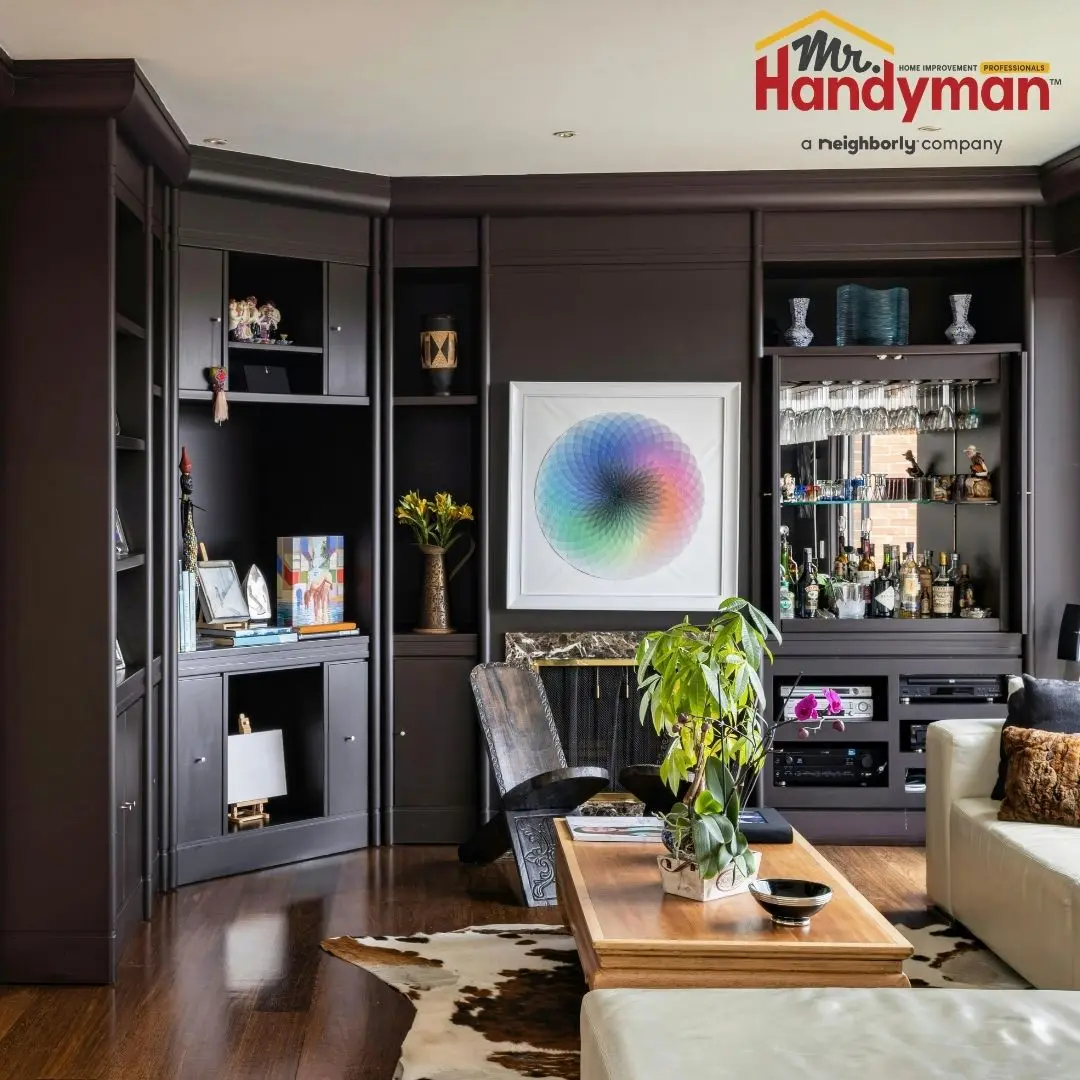
There is a particular kind of satisfaction that comes from a home that feels completely organized, where every item has a designated place, where storage solutions fit the space so precisely that they seem to have always been there, and where rooms feel finished in a way that no amount of freestanding furniture quite achieves. For homeowners throughout the Plano area, that feeling is most reliably produced by custom built-in storage and cabinetry, and it's a feeling that compounds every single day because the improvement is woven into the structure of the home itself rather than sitting on top of it.
Custom built-ins occupy a category of home improvement that homeowners sometimes treat as a luxury, something to consider after more urgent projects are complete. But that framing underestimates what built-ins actually deliver. They are simultaneously a storage solution, a space optimization strategy, an aesthetic upgrade, and a genuine investment in the long-term value of the home. In a region like North Texas where Plano's rapid growth has produced a competitive residential real estate market, custom built-ins are one of the most practical tools available for making a home work better for the people living in it while increasing its appeal to future buyers.
Plano area homes built during the rapid suburban expansion of the 1980s and 1990s were designed around storage assumptions that don't reflect how modern households live. A home built in 1988 was designed for a household that owned fewer items, managed less technology, and used its spaces in ways that a current household with work-from-home setups, active family schedules, and the accumulated possessions of decades of living doesn't replicate. The gap between the storage capacity those homes were designed with and the storage needs of a modern household using them is real, consistent, and visible in the clutter, crowded closets, and furniture pressed into storage service in rooms where it doesn't belong.
Custom built-ins close that gap permanently, precisely, and in a way that no collection of freestanding furniture or off-the-shelf storage products can replicate. And critically for Plano area homeowners, the full scope of custom built-in design and installation falls within the permitted handyman scope that Texas law defines. Built-ins are carpentry, and carpentry is work that Mr. Handyman of Plano performs completely and correctly without licensed plumber or electrician involvement as long as the built-in design doesn't incorporate plumbing connections or hardwired electrical components.
What Makes Custom Built-Ins Different From the Alternatives
Precision Fit to the Actual Space
The defining characteristic of a custom built-in is that it's designed and constructed to fit a specific space in a specific home with precision that off-the-shelf products cannot match. A built-in bookcase that runs from floor to ceiling and wall to wall in a living room with non-standard dimensions, a window seat with storage beneath that fits exactly into a bay window alcove, or a home office configuration that uses every inch of an irregularly shaped room are all solutions that exist because they were designed around the actual dimensions of the space rather than around standardized manufactured dimensions.
In Plano area homes where rooms frequently have non-standard proportions, awkward alcoves, or architectural characteristics that make off-the-shelf solutions a poor fit, this precision matters enormously. A bookcase that's two inches too short for the ceiling height leaves a gap that reads as unfinished. A storage unit that doesn't quite reach the wall leaves a dead space that collects dust. Custom built-ins eliminate these compromises entirely because they're built to the space rather than placed into it.
Structural Integration With the Home
A custom built-in is anchored to the walls, floor, and sometimes ceiling of the space, making it a permanent part of the home's structure rather than a piece of furniture sitting within it. This structural integration produces benefits that freestanding furniture cannot replicate. Built-ins don't tip, shift, or require stabilizing anchors that damage walls. They don't leave gaps between the unit and the wall that accumulate debris. They don't wobble under the weight of heavy books or stored items. And they don't need to be moved when the room is cleaned.
This permanence is also what makes custom built-ins a genuine addition to the home's value rather than an addition to its contents. When a homeowner adds a freestanding bookcase, the value stays with the bookcase. When a homeowner adds a custom built-in, the value becomes part of the home itself, contributing to property appeal and market value in ways that affect any future sale.
Material and Finish Coordination
Custom built-ins are constructed and finished to match the existing character of the space in ways that manufactured furniture rarely achieves. In a Plano area home with specific trim profiles, particular paint colors, or existing architectural details, a custom built-in designed and finished to integrate seamlessly with those existing elements produces a space that feels cohesive and intentional rather than assembled from whatever was available.
This coordination is particularly valuable in Plano area homes with established architectural character where new additions that don't honor the existing design language create visual inconsistency that undermines the improvement the built-in was intended to produce.
The Specific Benefits That Built-Ins Deliver
Maximizing Space That Would Otherwise Go Unused
Every Plano area home has underutilized space that built-ins convert into organizational value. The wall above a staircase, the alcove beside a fireplace, the space beneath a sloped ceiling in an upstairs bedroom, and the wall beside a bathroom vanity are all locations where space exists but produces no organizational benefit without a built-in solution designed to use it.
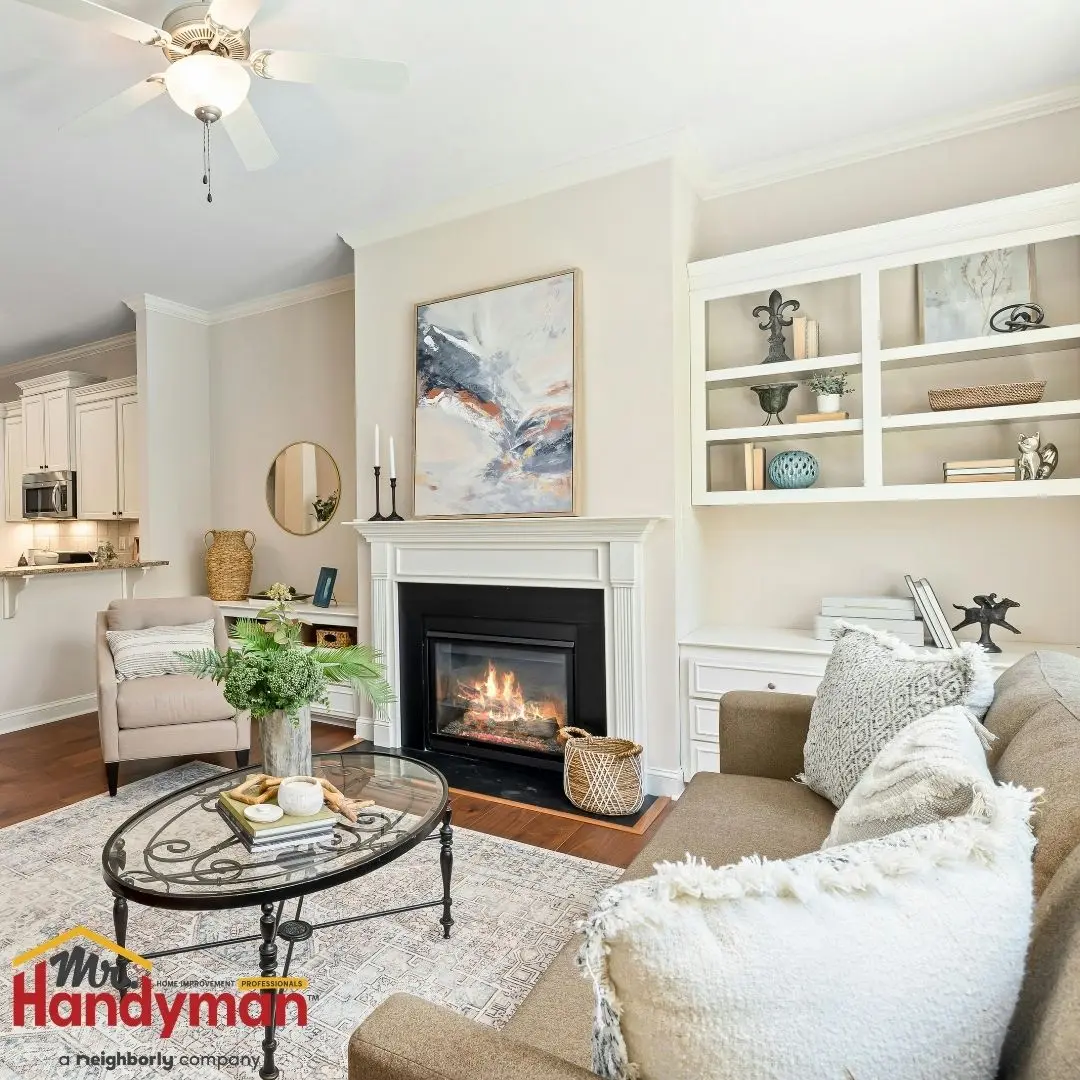
A pair of flanking bookcases built into the alcoves on either side of a living room fireplace transforms dead wall space into display and storage capacity while creating a focal point that gives the room a finished, intentional character. Built-in shelving in the space above a staircase landing uses vertical space that a standard bookcase couldn't occupy. A window seat with drawers beneath converts a window alcove from a structural feature into seating, display, and concealed storage simultaneously. In each case the built-in produces organizational value from space that was previously contributing nothing to the household's storage capacity.
Creating Organizational Systems That Actually Hold
The challenge with freestanding storage solutions is that they impose an organizational system on a space rather than deriving one from it. Custom built-ins approach organization from the opposite direction, beginning with an honest assessment of what the household needs to store, how those items are used and accessed, and what the space can accommodate, then building a solution calibrated to those specific realities.
A home office built-in that provides dedicated space for a monitor, keyboard, printer, reference materials, and filing in a configuration designed around how the household member actually works is fundamentally more effective than an assortment of desk, bookcase, and filing cabinet that happened to fit in the room. The built-in works because it was designed around the household's actual behavior rather than requiring the household to adapt its behavior to a system that wasn't designed with it in mind.
Where Custom Built-Ins Deliver the Most Value in Plano Area Homes
The benefits of custom built-ins apply across every room in a home, but certain spaces in Plano area homes benefit more consistently and more dramatically from built-in solutions than others. Understanding where built-ins deliver the greatest return, both in daily functional improvement and in long-term home value, helps homeowners prioritize where to invest first and how to sequence additional projects over time.
The Living Room
The living room is the space where custom built-ins produce the most visible and most immediately impactful transformation in most Plano area homes. It's the room that receives the most consistent daily use, the room where guests spend the most time, and the room where the gap between adequate storage and insufficient storage is most apparent in how the space looks and functions every day.
Flanking bookcases built into the alcoves on either side of a fireplace are the most classic and most consistently rewarding built-in project available in a living room with this configuration. The bookcases use space that's architecturally defined but organizationally empty, give the fireplace wall a symmetry and completeness that transforms it into the focal point the room was designed around, and provide substantial display and storage capacity for books, media, decorative objects, and the miscellaneous items that accumulate in a living room without a designated home.
For living rooms without a fireplace alcove configuration, a full wall of built-in shelving and cabinetry creates a library-style storage and display system that uses vertical space efficiently and gives the room an architectural presence it didn't have before. Lower cabinet sections with doors provide concealed storage for items that don't need to be visible, while open upper shelving accommodates books, display objects, and decorative elements. The combination of open and closed storage in a single integrated system gives the homeowner flexibility in how the space presents while ensuring everything has a designated place.
Entertainment built-ins designed around the household's specific media setup solve one of the most consistent aesthetic challenges in modern Plano area living rooms, the management of screens, components, and cables in a way that looks intentional rather than improvised. A built-in media center with dedicated compartments for each component, integrated cable management routing, and cabinetry that frames the screen without overwhelming it transforms the entertainment zone from a collection of equipment into a cohesive design element.
The Home Office
The growth of remote and hybrid work arrangements has made the home office one of the most consistently requested built-in projects for Plano area homeowners, and it's a space where the difference between adequate built-in support and inadequate storage directly affects professional performance as well as daily comfort.
A home office built-in system designed around the specific work the household member actually does produces a workspace that functions at a genuinely different level than one assembled from standard office furniture. Desk surface at the correct height, monitor positioning that doesn't require compromise, reference material storage within arm's reach, filing capacity integrated into the design rather than occupying separate floor space, and equipment storage that keeps cables and devices organized are all elements that a custom built-in delivers and that off-the-shelf office furniture rarely achieves in combination.
In Plano area homes where the home office occupies a bedroom, a converted garage space, or an alcove that wasn't originally designed for professional use, the precision fit of a custom built-in is particularly valuable. A built-in that uses every inch of an awkward space, works around existing windows and doors without compromising either the workspace or the room's other functions, and closes up visually at the end of the workday through cabinet doors that conceal the work environment transforms a makeshift office into a genuinely functional professional space.
The Primary Bedroom
Built-ins in the primary bedroom address the storage challenges that affect sleep quality, morning routine efficiency, and the general sense of calm that a bedroom should provide. A bedroom that has adequate, organized storage for clothing, accessories, and personal items feels restful. A bedroom where clothing overflows from closets onto chairs and surfaces, where finding specific items requires searching through disorganized storage, and where the room never quite looks settled feels chronically cluttered regardless of how much effort goes into maintaining it.
A built-in wardrobe system that uses the full height of the bedroom wall, designed around the specific clothing inventory and organizational preferences of the household members using it, delivers storage capacity and organizational precision that a standard closet with a single rod and shelf cannot approach. Dedicated hanging sections at full length and half length for different garment types, drawer storage integrated into the system for folded items, shoe storage designed for the actual footwear collection, and display or valet space for accessories and daily items create a complete clothing management system that makes the morning routine more efficient and the bedroom more consistently calm.
The Texas Permitted Scope Advantage for Built-In Projects
One of the most practical aspects of custom built-in projects for Plano area homeowners is that the full scope of built-in design and installation, excluding any components that incorporate plumbing connections or hardwired electrical elements, falls within the permitted handyman scope that Texas law defines. This means that Mr. Handyman of Plano can take a built-in project from design through installation and finishing without the licensed trade dependencies that kitchen or bathroom projects frequently require.
Built-in bookcases, entertainment centers, home office systems, bedroom wardrobes, mudroom storage, and any other built-in configuration that relies on carpentry, cabinetry, and finish work without incorporating water connections or hardwired electrical components is permitted handyman work in Texas. The project that a Plano homeowner envisions for their living room, home office, or bedroom can be designed, built, and installed by Mr. Handyman of Plano in a single service relationship without coordinating multiple licensed contractors or managing the scheduling dependencies that multi-trade projects create.
The exception within built-in projects is lighting. Built-ins that incorporate hardwired lighting, including LED strip lighting connected to the home's electrical system or accent lighting that requires new circuit work, need licensed electrician involvement for the electrical component while Mr. Handyman of Plano handles the carpentry and installation scope. Built-ins designed around plug-in lighting solutions stay entirely within the permitted handyman scope without electrical trade dependency.
Practical Considerations for Plano Area Built-In Projects
Material Selection for North Texas Conditions
The humidity variation that North Texas produces across its seasons, from the dry conditions of summer heat to the elevated humidity of spring storm season, affects how wood-based materials behave in built-in applications over time. Plywood-based construction with solid wood face frames and doors is the standard for quality built-in work in this region because plywood is more dimensionally stable than solid wood panels across seasonal humidity changes. MDF is appropriate for painted built-ins in climate-controlled interior spaces but is susceptible to moisture damage in garage conversions or any space with significant humidity variation.
Design Proportions for Plano Area Homes
Plano area homes from the suburban expansion decades typically have eight to nine foot ceiling heights in main living areas, and built-in proportions that account for those specific heights produce installations that feel appropriate for the space. Built-ins that extend to the full ceiling height use vertical space most efficiently and produce the architectural completeness that floor-to-ceiling installations deliver. Built-ins that stop at a standard height below the ceiling leave an awkward gap that reads as unfinished regardless of how well the installation itself is executed.
Frequently Asked Questions
Does building custom built-ins require any licensed contractor work in Texas?
Custom built-in installation is carpentry and cabinetry work that falls within the permitted handyman scope under Texas law as long as the built-in design doesn't incorporate plumbing connections or hardwired electrical components. Mr. Handyman of Plano designs and installs the full scope of built-in projects including living room bookcases, home office systems, bedroom wardrobes, and mudroom storage without licensed trade involvement. Built-ins that include hardwired lighting require licensed electrician involvement for the electrical component specifically, while the carpentry and installation scope remains within Mr. Handyman of Plano's permitted work.
How long does a custom built-in project typically take in a Plano area home?
A straightforward built-in bookcase or entertainment center in a room with standard conditions typically takes three to five days from start to finish including construction, installation, and finish painting. A more complex project involving multiple rooms, detailed cabinetry, or installation in a space with non-standard dimensions may take a week or longer. A professional assessment of the specific project scope produces a realistic timeline estimate before work begins so the homeowner can plan around the installation period.
Can built-ins be added to Plano area homes without major renovation work?
Yes. Custom built-ins are designed to work within the existing structure of the home rather than requiring structural modification. A built-in that anchors to existing walls, floors, and ceiling without moving or modifying those structural elements is a straightforward installation that doesn't disrupt the home beyond the room being improved. The installation period involves normal construction activity including cutting, fastening, and finishing that produces dust and noise but doesn't require the invasive structural work that a renovation project involves.
What materials work best for built-ins in a Plano area home?
Plywood-based construction with solid wood face frames, doors, and trim details is the quality standard for built-in work that performs well across North Texas seasonal conditions. MDF provides a smooth painted surface in climate-controlled spaces and is appropriate for interior built-ins that don't experience humidity variation. Solid wood components for face frames and doors add durability and the quality feel that distinguishes a premium built-in from a basic one. A professional assessment of the specific installation environment confirms the appropriate material specification for each project.
How do custom built-ins affect resale value in Plano's real estate market?
Custom built-ins consistently register as a desirable feature with Plano area buyers because they address the storage limitations of the suburban homes that make up most of the local housing inventory. Buyers who see quality built-ins in a living room, home office, or primary bedroom understand that the home has been improved thoughtfully and that the storage challenge those spaces typically present has been permanently resolved. In Plano's competitive real estate market where comparable floor plans are common, built-ins that distinguish a home's interior quality and functionality from equivalent listings represent a meaningful differentiator that supports both faster sale timing and stronger offer pricing.
Storage That Becomes Part of the Home
Custom built-ins represent one of the clearest expressions of what a well-considered home improvement delivers. They solve real organizational problems, use space that would otherwise go to waste, improve how rooms look and feel daily, and add lasting value to the property in a way that compounds over time. For Plano area homeowners ready to move beyond temporary storage solutions and invest in something that becomes genuinely part of the home, custom built-ins deliver on every dimension of that investment within the permitted handyman scope that Texas law defines.
Mr. Handyman of Plano works with homeowners throughout the area on custom built-in projects of every scope and style, from classic living room bookcases and functional home office systems to bedroom storage solutions and mudroom organization. If you're ready to make your home work better with storage that truly fits, the team is ready to help you design and build it right.
Website: https://www.mrhandyman.com/plano
Serving Plano and the surrounding North Texas communities with dependable service and the expertise your home deserves.
