What a North Texas Winter Actually Does to a Plano Home
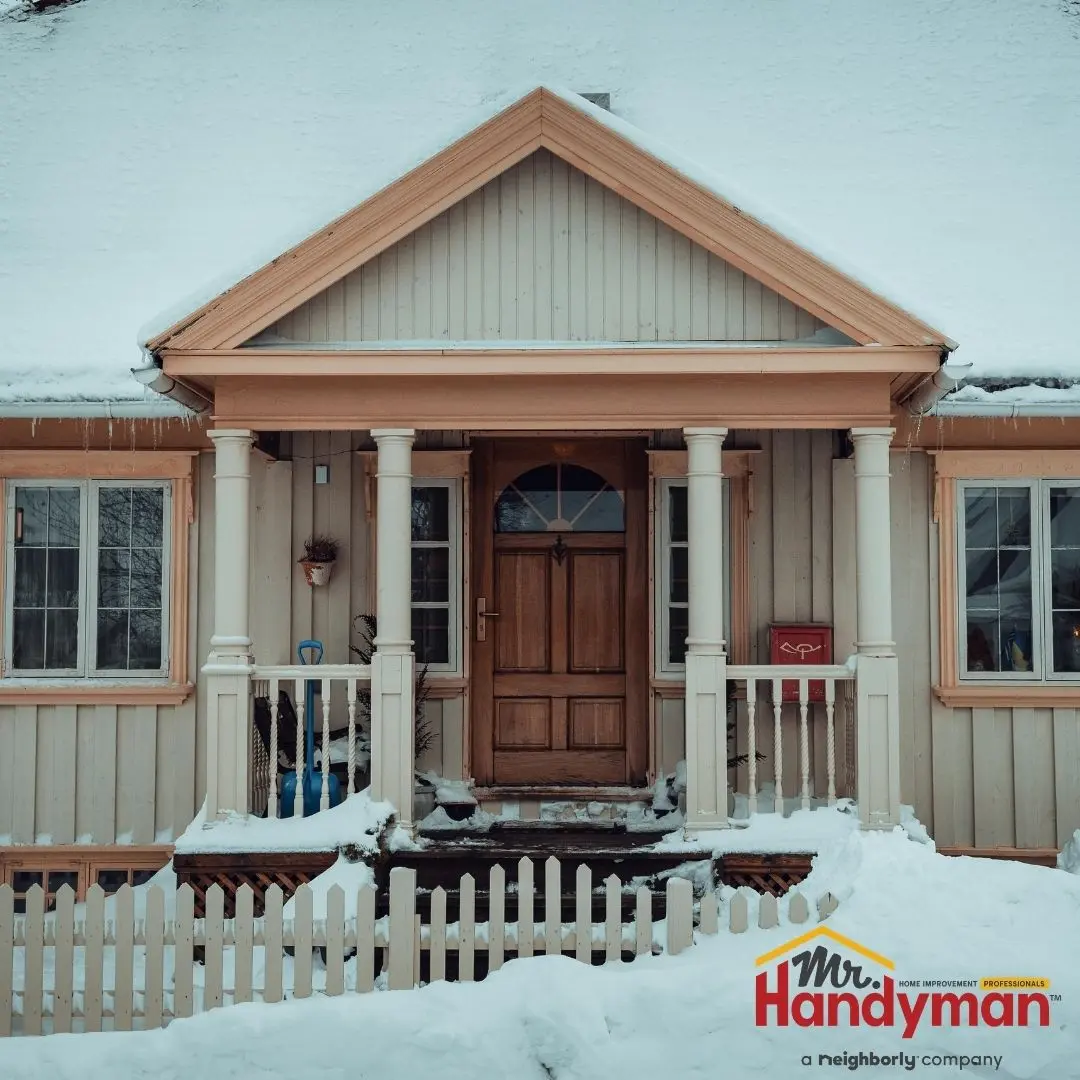
Winter in Plano doesn't carry the dramatic reputation of more northern climates, but its effect on residential structures is more significant than the region's mild image suggests. North Texas winters produce the freeze-thaw cycling that acts on building materials at joints, connections, and surfaces with a frequency and intensity that a consistently cold winter, one that freezes once and stays frozen, doesn't produce. A Plano winter that cycles through freezing and thawing dozens of times across its duration stresses every caulked joint, every wood connection, every painted surface, and every hardware component in the home in ways that accumulate into the post-winter conditions that spring reveals.
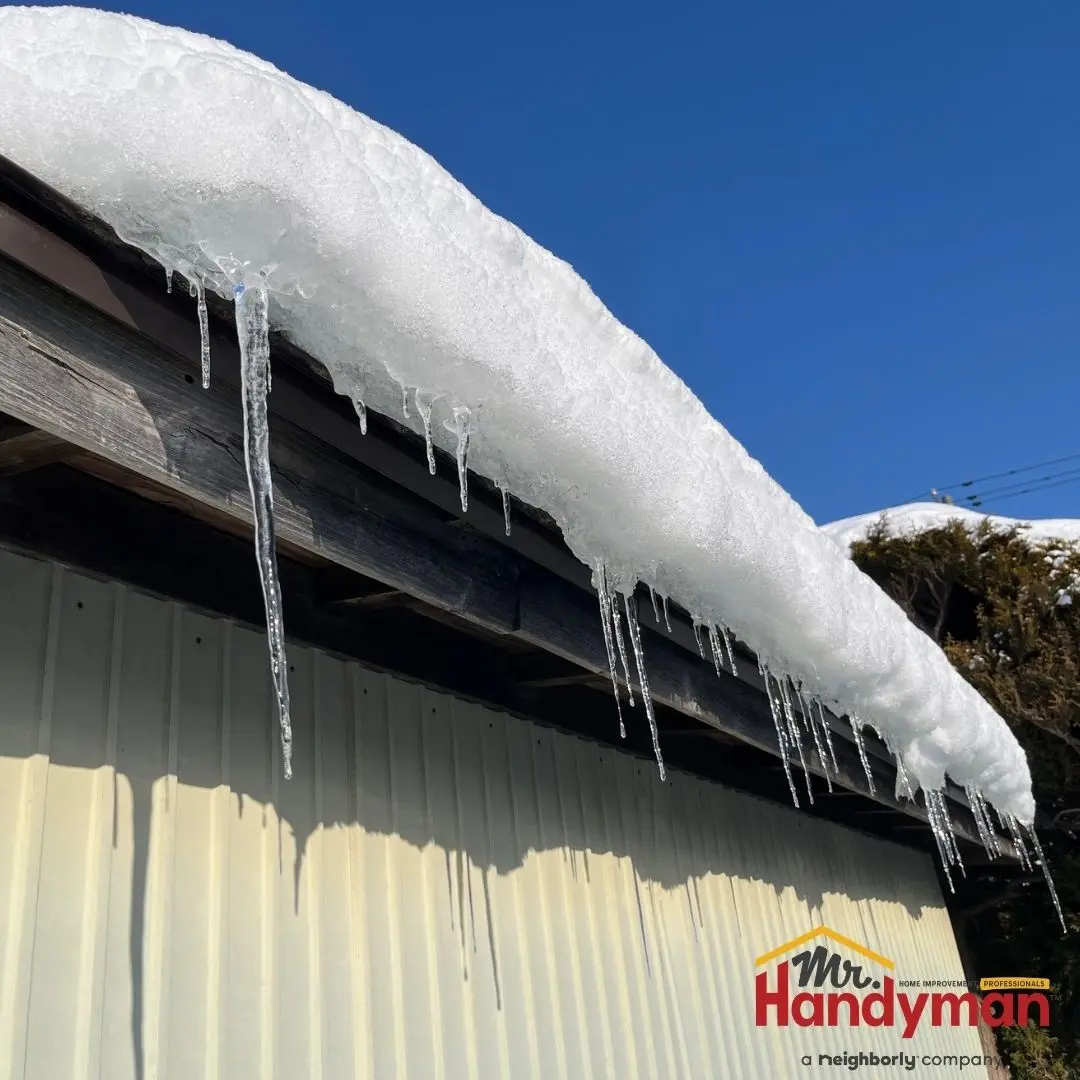
The ice events that North Texas delivers without the gradual temperature preparation that more northern climates provide create specific damage patterns in Plano area homes that post-winter assessment needs to identify and address before spring and summer conditions act on them. A joint that was sealed adequately before a January ice event may have developed the separation that water infiltration exploits during spring's rain activity. An exterior wood surface that was protected going into winter may have developed the paint failure that summer's UV exposure and thermal cycling will advance rapidly if pre-summer repair doesn't address it first.
What makes post-winter assessment particularly important in Plano area homes is the compressed timeline between winter's damage and summer's consequences. North Texas doesn't provide a long, temperate spring that allows gradual discovery and leisurely repair scheduling. The transition from winter's ice events to summer's triple-digit heat and afternoon storm season happens quickly, and the deferred winter repairs that a longer spring might allow time for become conditions that summer's concentrated weather stresses in ways that advance them from manageable to significant before many homeowners realize the timeline has closed.
Understanding which post-winter wear-and-tear repairs fall within Mr. Handyman of Plano's permitted scope under Texas law, and addressing those conditions before summer's conditions act on them, is the repair sequencing that produces the most complete protection at the most manageable cost.
What Texas Law Permits for Post-Winter Repair
Post-winter wear-and-tear repairs span a range of conditions whose permitted scope under Texas law determines which repairs Mr. Handyman of Plano addresses directly and which require licensed specialty contractor involvement.
Within the permitted handyman scope, Texas law allows exterior and interior caulking repair and replacement, door and window hardware service and weatherstripping replacement, exterior wood repair and protective finishing, deck board repair and fastener correction, fence repair, gutter repair and refastening, siding repair, drywall repair and finishing, interior and exterior painting and trim work, cabinet and hardware service throughout the home, screen repair and replacement, and general maintenance addressing the wear conditions that winter produces across interior and exterior spaces.
Outside the permitted scope, post-winter repairs involving any supply line assessment or repair, drain system work beyond basic hand tool clearing, water heater evaluation or service, electrical repairs including any hardwired fixture or wiring work, HVAC system assessment or service, and any structural repair requiring permits require licensed specialty contractor involvement. Mr. Handyman of Plano addresses the permitted scope repairs and coordinates referral to licensed resources when identified post-winter conditions fall outside that scope.
Exterior Post-Winter Repair: Starting Where Winter's Damage Is Most Visible
The exterior of a Plano area home carries the most visible evidence of what winter has done, and post-winter exterior assessment identifies the conditions requiring repair before spring's rain activity and summer's heat and UV exposure act on them through the season ahead.
Caulking Failure After Winter's Freeze-Thaw Cycling
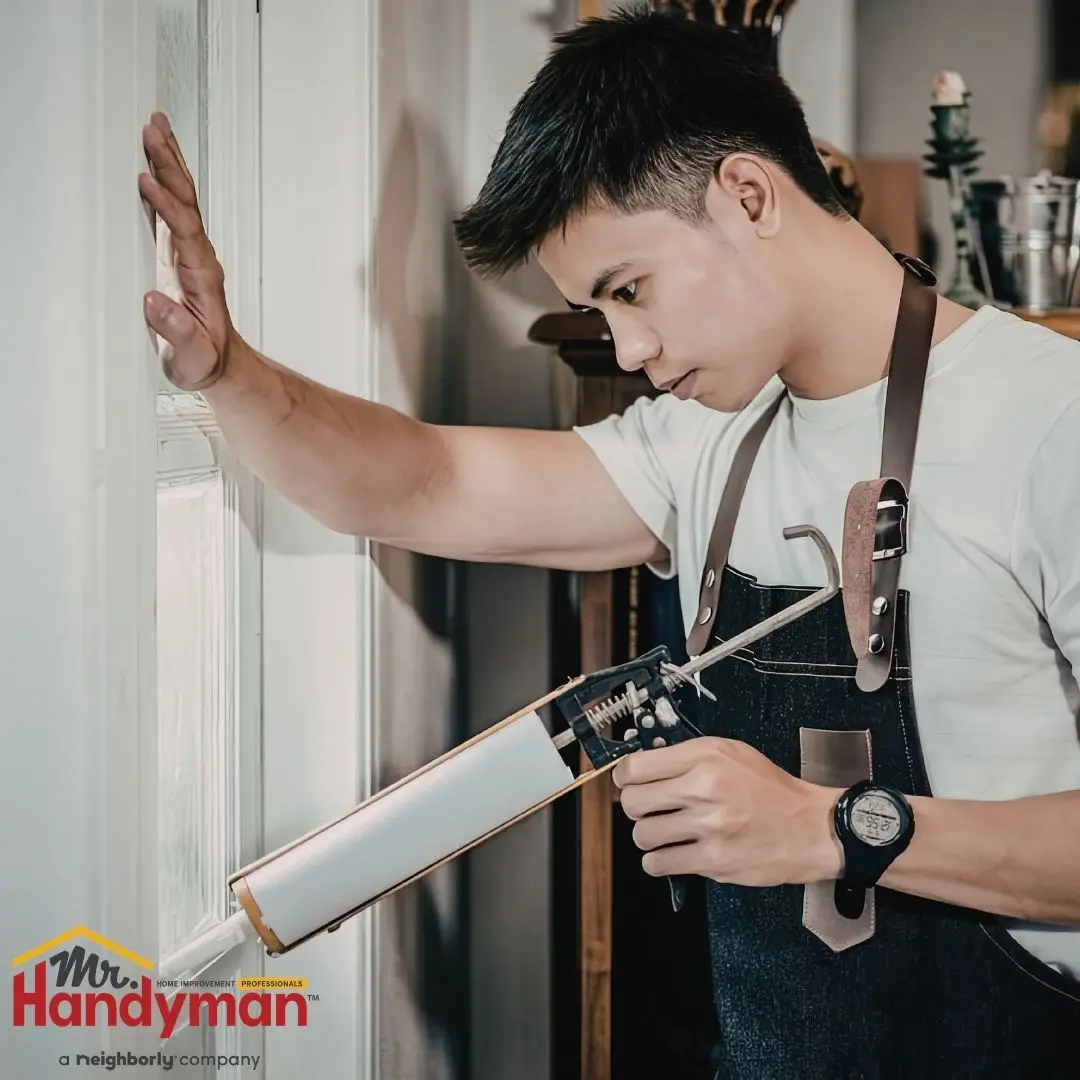
Exterior caulking at window and door perimeters, siding transitions, and wall penetrations is the barrier that winter's freeze-thaw cycling stresses most directly. When water enters a caulked joint and freezes, it expands against the surrounding material and the caulk itself, advancing the separation that thaw leaves behind incrementally with each cycle. A Plano winter that produces dozens of freeze-thaw cycles advances caulk separation at joints that entered the season with early deterioration to the point of active failure by spring.
Post-winter caulking assessment walks the full exterior perimeter and identifies every joint where separation, cracking, or shrinkage indicates the freeze-thaw cycle has compromised the seal. Fresh caulk applied to properly prepared joint surfaces before spring's rain activity and summer's storm season provides the water barrier that subsequent weather events will test. This is permitted handyman work that Mr. Handyman of Plano addresses as the first priority in a post-winter exterior repair program, because failed caulking is the exterior condition whose deferred consequences compound fastest in a North Texas climate where storm activity follows winter closely.
Paint Failure and Exterior Wood Condition
Exterior paint failure on Plano area homes after winter reflects the freeze-thaw cycling, ice event exposure, and winter moisture that have stressed paint films at their adhesion points and substrate connections across the cold months. Paint that was thinning before winter entered the season in a more compromised condition than it exited, and the peeling, flaking, and surface checking that post-winter inspection reveals represents the accumulated effect of winter's stresses on a protective film that had limited remaining capacity before those stresses began.
Post-winter exterior paint failure assessment identifies the specific locations where the paint film has separated from the substrate, where the substrate beneath the failed paint shows moisture absorption or physical deterioration that the failed paint allowed winter's conditions to produce, and where the surface preparation needed before repainting goes beyond the cleaning and light sanding that sound paint surfaces require.
Scraping all loose and failing paint to a sound edge, sanding the transition between bare substrate and intact paint to eliminate the raised edge that paint application over an unsanded edge produces, priming bare wood and any substrate showing moisture absorption, and applying quality exterior topcoat in appropriate temperature and humidity conditions are all exterior painting steps within the permitted handyman scope that post-winter repair requires at locations where winter has advanced paint failure beyond the stage where fresh topcoat alone produces adequate results.
Gutter Condition After Winter Ice Events
North Texas ice events place specific stress on gutter systems through the weight of ice accumulation in the gutter channel and the expansion forces that ice creates at gutter joints and connections. Gutters that entered winter with fasteners already showing looseness from previous seasons may have developed the separation from the fascia that ice weight advanced through one or more significant ice events. Post-winter gutter assessment identifies the specific fastener locations where separation has developed and refastens those sections before spring's rain activity and summer's afternoon storms test the gutter system under the flow volumes that Plano's warm-season precipitation delivers.
Gutter joint sealant that has failed through winter's temperature cycling allows water to escape through the joint rather than directing it through the downspout to an appropriate discharge location. Resealing failed gutter joints as part of post-winter gutter service restores the system's water management function before spring and summer test every joint under the storm volumes that North Texas warm-season weather produces.
Interior Post-Winter Repair: What Winter Leaves Behind Inside the Home
Winter's effects on a Plano area home don't stop at the exterior walls. The same freeze-thaw cycling, temperature extremes, and moisture conditions that act on exterior materials produce visible and functional consequences inside the home that post-winter assessment addresses with the same systematic attention given to exterior conditions.
Interior Wall and Ceiling Surfaces
Interior wall and ceiling surfaces in Plano area homes carry evidence of what winter has done to the building envelope above and around them. Nail pops are among the most consistent post-winter interior conditions in North Texas homes because the thermal cycling that winter produces causes wood framing members to expand and contract in ways that work fasteners slightly out of their installed position over the season's repeated temperature changes.
A nail pop that appears as a small circular bump or crack in drywall surface paint is not a structural concern but is an interior surface condition that post-winter repair addresses before the accumulation of multiple nail pops across a room's wall and ceiling surfaces communicates deferred maintenance to everyone who occupies the space. Driving the fastener back slightly past flush, applying drywall compound to fill the depression, sanding smooth after curing, and touch-up painting with matched color and sheen produces a repaired surface that integrates with the surrounding wall rather than drawing attention to the repair location.
Corner cracking at interior wall intersections and at the transitions between wall and ceiling surfaces is another consistent post-winter condition in Plano area homes where North Texas temperature cycling produces the differential movement between intersecting surfaces that opens previously filled and painted corners. Fresh joint compound applied to cleaned and prepared corner cracks, sanded smooth after curing, and painted to match the surrounding surface restores the finished appearance that winter's movement compromised.
Door and Window Frame Movement
Interior door frames in Plano area homes experience the wood movement that winter's humidity cycling produces, as frames that absorbed moisture during spring and summer dry out through the heating season and release that moisture in ways that change the frame geometry relative to the door it surrounds. A door that latched correctly before winter may have developed the binding or the incomplete latch engagement that frame movement through the heating season has produced.
Post-winter interior door assessment walks through every door in the home, testing latch engagement, hinge operation, and full closure to identify the specific doors where winter's frame movement has affected operation. Strike plate adjustment that repositions the strike to match the latch's new position after frame movement, hinge tightening that corrects the sag that loosened hinges allow, and in cases of significant frame movement, door planing that creates the clearance the moved frame requires are all permitted handyman repairs that post-winter door assessment identifies and addresses.
Window hardware that has been affected by winter's thermal cycling, specifically hardware whose operation has become stiff or inconsistent after months of temperature extremes, benefits from lubrication and adjustment that restores the smooth operation that summer window use requires. Confirming that every window closes and locks completely after the post-winter hardware service ensures that summer's heat and storm season doesn't encounter windows that winter has left in a condition where complete closure isn't achievable.
Interior Hardware and Cabinet Condition
Cabinet hinges, drawer slides, and door handles throughout the home experience the thermal cycling of a Plano winter in ways that incrementally loosen their mounting connections over the season's repeated temperature changes. A cabinet hinge that was firmly mounted before winter may be showing the first movement that continued cycling has initiated, and post-winter hardware assessment that identifies and tightens those connections before they advance to the visible sagging and misalignment that loose hinges eventually produce extends the service life of cabinet components and maintains the finished appearance of the home's interior storage systems.
Exterior Structure Post-Winter Assessment
The exterior structures and hardscape elements of a Plano area home, including decks, fences, walkways, and any freestanding exterior structure, carry specific post-winter conditions that North Texas ice events and freeze-thaw cycling produce in ways that assessment before spring and summer use is most practically timed to address.
Deck Post-Winter Condition
Deck fasteners that have worked above the deck board surface through winter's freeze-thaw cycling are the most immediate post-winter deck safety condition to address. A screw or nail that's worked above the surface creates the snag hazard for bare feet that summer deck use regularly produces, and correcting protruding fasteners before the first outdoor gathering of the season eliminates that hazard at the straightforward repair stage before guest exposure creates the liability concern that an injury would represent.
Deck board condition after winter's moisture cycling deserves specific assessment because boards that have absorbed moisture through winter and dried through the early spring transition may have developed the checking and cupping that continued moisture cycling produces. Boards with significant surface checking that creates splinter risk, boards cupped to the point of creating surface irregularity, and boards showing advanced deterioration at their ends where end grain moisture absorption is greatest are candidates for replacement before summer entertaining places guests and furniture on the deck surface.
Fence Post-Winter Condition
Fence panels and posts in Plano area homes experience the soil movement that North Texas freeze-thaw cycling produces at post bases and along fence lines, and post-winter fence assessment identifies the panels that have moved from their pre-winter position and the posts that have developed the lean or looseness that frost heave has advanced through the cold months.
A fence panel that's shifted from plumb, a gate that no longer swings freely because its post has moved slightly through frost heave, and pickets that have separated from rails through the moisture cycling that winter produced in the wood connections are all fence conditions within the permitted handyman scope that post-winter repair addresses before summer's exposure to wind and continued moisture cycling advances those conditions further.
Frequently Asked Questions
Which post-winter repairs can Mr. Handyman of Plano legally perform under Texas law?
Mr. Handyman of Plano performs post-winter wear-and-tear repairs within the permitted handyman scope that Texas law defines. This includes exterior caulking repair and replacement, paint failure assessment and repainting, gutter refastening and joint resealing, exterior wood repair and protective finishing, deck fastener correction and board assessment, fence repair, interior drywall repair including nail pop correction and corner cracking, interior door and window hardware service, cabinet hardware tightening and adjustment, screen repair and replacement, and general post-winter maintenance across interior and exterior spaces. Supply line assessment or repair, water heater service, electrical repairs, HVAC service, and structural repairs requiring permits require licensed specialty contractor involvement.
How do I know whether post-winter caulk failure requires full replacement or simply resealing over existing caulk?
Caulk that has separated from one or both of the surfaces it bridges, that has cracked through its full depth, or that has shrunk significantly from the joint it was installed to fill requires full removal and replacement rather than application of new caulk over the existing material. Applying new caulk over failed caulk that hasn't been removed produces an application that adheres to the failed material rather than to the substrate surfaces, which means the new application fails at the same adhesion points as the material beneath it without the substrate bond that proper caulk performance requires. Full removal of all deteriorated caulk, cleaning of the joint surfaces, and application of fresh caulk produces the complete adhesion and water seal that post-winter repair requires.
My interior walls have multiple nail pops after this winter. Is this a structural concern?
Nail pops in drywall surfaces after a North Texas winter are almost always a surface condition rather than a structural concern. They reflect the wood framing movement that thermal cycling produces as framing members expand and contract through the temperature range winter delivers, working fasteners slightly out of their installed position over repeated cycles. The nail pops themselves don't indicate structural failure but they do require repair before the surface conditions they produce accumulate across multiple winters into the visible deterioration that makes a room read as poorly maintained. Post-winter nail pop repair is straightforward permitted handyman work that addresses the surface condition completely when executed correctly.
Should I repaint exterior surfaces after winter or wait until fall when temperatures are more moderate?
Late spring to early summer is the practical exterior painting window for most Plano area homes because it follows the post-winter assessment that identifies what needs repainting and precedes the triple-digit heat that makes exterior paint application difficult in July and August. Paint applied in late spring or early June in Plano's moderate morning temperatures with adequate surface preparation produces results that hold through summer's UV exposure and thermal cycling better than paint applied in the heat of summer or deferred until fall after another season of exposure has advanced the deterioration that post-winter assessment identified. Completing exterior repainting before summer's heat peak produces the most complete protection for the longest portion of the subsequent seasonal cycle.
How does post-winter repair connect to pre-summer preparation in a North Texas home?
In a Plano area home, post-winter repair and pre-summer preparation are effectively the same program approached from complementary directions. Post-winter repair addresses what winter has done to the home's surfaces, hardware, and exterior components. Pre-summer preparation ensures the home is ready for what summer's conditions will deliver. In North Texas's compressed seasonal transition, these two programs overlap significantly because the conditions winter produces are exactly the conditions summer will act on if they're not addressed in the window between the end of cold weather and the beginning of triple-digit heat. A homeowner who completes post-winter repair and pre-summer preparation as a single coordinated program rather than two separate efforts achieves both goals more efficiently than approaching them sequentially.
From Winter Recovery to Summer Readiness
Post-winter repair in a Plano area home is the foundation of summer readiness, because the conditions winter has produced in the home's caulking, paint, hardware, deck surface, and interior wall surfaces are the conditions that summer will act on through its most demanding months if they're not addressed in the window between seasons. Completing post-winter repair before summer's heat and storm season arrives produces a home that performs through summer rather than revealing deferred winter repair through the failures that summer's conditions advance in unaddressed conditions.
Mr. Handyman of Plano helps homeowners throughout the area assess, prioritize, and address the full range of post-winter wear-and-tear within the permitted handyman scope that Texas law defines. From exterior caulking and paint repair to interior surface correction, door and hardware service, deck assessment, and fence repair, the team brings the regional knowledge and reliability that Plano area homes deserve.
Website: https://www.mrhandyman.com/plano
Serving Plano and the surrounding North Texas communities with dependable service and the expertise your home deserves.