Why Routine Maintenance Is the Most Undervalued Investment a Plano Homeowner Can Make
There is a particular home ownership philosophy common throughout the Plano area that most homeowners recognize in themselves even if they've never stated it explicitly. It goes something like this: if something isn't broken, it doesn't need attention. If something is broken, fix it. If fixing it can wait, let it wait. The house has been standing for decades and it will keep standing. There will be time to deal with things later.
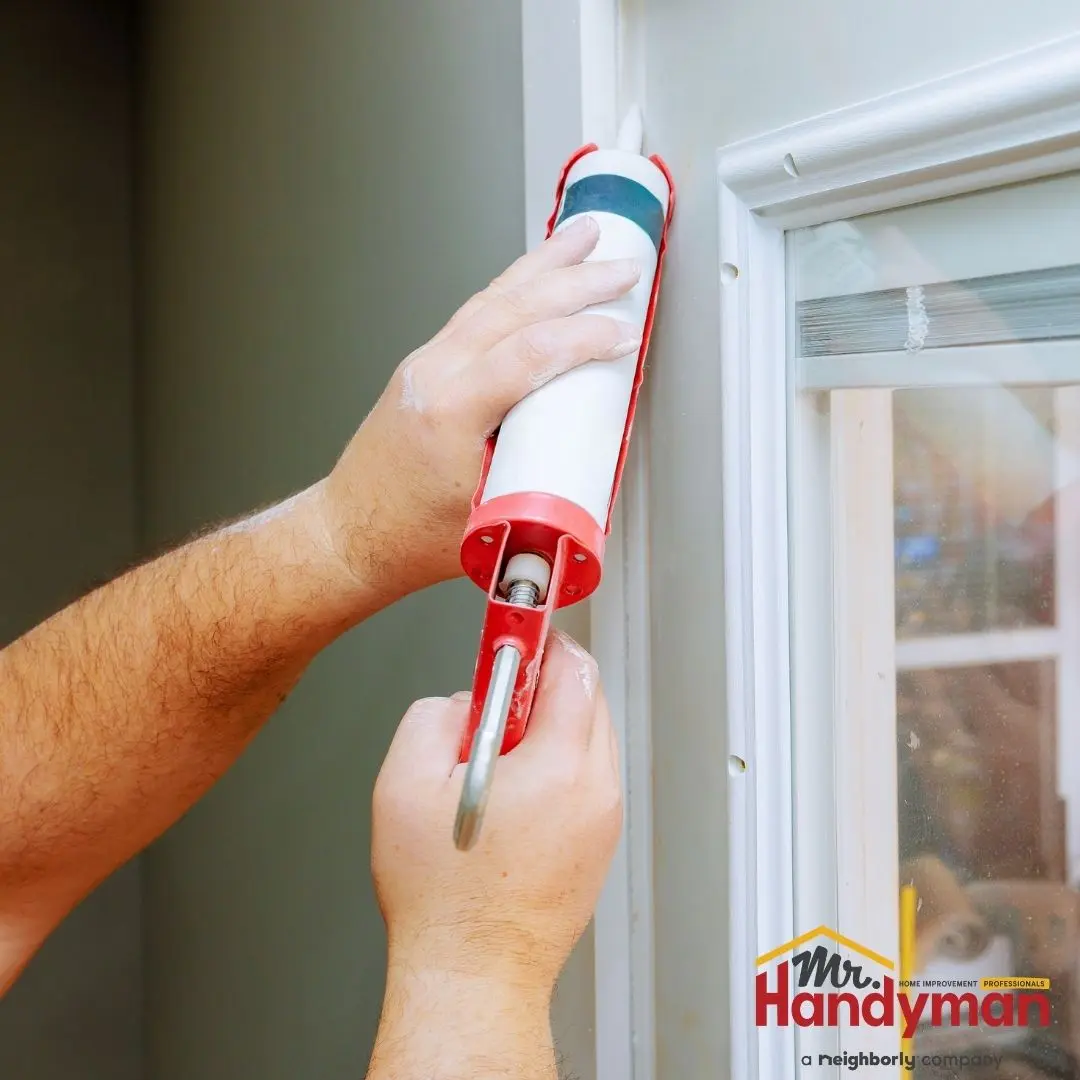
This philosophy is understandable. Life in Plano is busy. Budgets are finite. The list of things competing for a homeowner's time and money is long, and a door hinge that's slightly loose, a caulk joint beginning to separate, or a gutter pulling slightly from the fascia doesn't feel urgent against more pressing demands. The house looks fine. The house functions. The problems seem minor enough to defer without consequence.
The consequence arrives anyway. It arrives on the timeline that deferred maintenance always sets, which is not the homeowner's timeline but the home's. The loose hinge becomes a door that doesn't close properly, then a door that damages the frame every time it swings, then a frame that needs repair along with the hinge. The separating caulk joint becomes a water infiltration pathway that damages the substrate behind it, then a deteriorated wood section needing replacement, then paint failure extending beyond the original joint. The gutter pulling from the fascia directs water behind it during the next North Texas storm, saturating the fascia board and wall sheathing, producing the rot and paint failure that a refastened gutter would have prevented.
The pattern is consistent across every category of home maintenance, and it's particularly consistent in Plano where North Texas climate accelerates the deterioration that deferred maintenance allows. A home in this region managed reactively, addressed only when conditions become urgent, pays for that approach in repair costs consistently and significantly greater than the routine maintenance investment that would have prevented them.
What makes routine handyman maintenance particularly valuable for Plano area homeowners is that the full scope of routine maintenance, caulking, door and window hardware service, weatherstripping, exterior wood protection, deck assessment, screen repair, interior surface maintenance, and hardware service throughout the home, falls entirely within the permitted handyman scope that Texas law defines. No licensed trade dependencies, no compliance complications, and no coordination complexity. A single service relationship with Mr. Handyman of Plano delivers the complete routine maintenance program that a Plano area home requires within the legal framework that Texas law establishes.
What Routine Maintenance Actually Means for a Plano Home
The phrase routine maintenance is broad enough that different homeowners interpret it differently, and some of those interpretations are too narrow to capture what a genuine routine maintenance program addresses. Routine maintenance isn't just cleaning gutters and touching up paint. It's a systematic approach to the full range of conditions that a home develops over time, applied on a schedule that catches those conditions at early stages when intervention is simple and inexpensive.
A genuine routine maintenance program for a Plano area home has several defining characteristics. It covers the full scope of the home's surfaces and components within the permitted handyman scope rather than only the ones that have recently drawn attention through visible deterioration or functional failure. It operates on a schedule that accounts for North Texas seasonal timing, addressing conditions at the points in the year when intervention is most effective and before the season ahead advances those conditions toward the failure stages that reactive repair addresses. It produces documentation that creates a maintenance history the homeowner can reference and that provides evidence of the maintenance standard maintained if questions about the home's condition arise at any future point.
The scope of a routine handyman maintenance program for a Plano area home includes the categories most commonly associated with maintenance, gutters, caulking, filters, and exterior inspection, but extends to the less commonly considered categories where developing conditions produce the most significant consequences when missed. Door and window hardware showing early wear. Cabinet hinges loosening from their mounting points. Weatherstripping compressed past effective sealing range. Outlet covers developing cracks. Handrails worked slightly loose from their posts. Bathroom caulk developing the mold infiltration signaling moisture barrier failure. Exterior wood elements showing early paint failure that leaves the substrate exposed to North Texas summer UV and moisture.
Each of these conditions is a minor repair at the stage where routine inspection identifies it. Each becomes a more significant and more expensive condition if allowed to advance through seasons of North Texas weather exposure and daily use before it receives attention.
The Financial Logic That Makes Routine Maintenance Compelling
The financial case for routine handyman maintenance is the most straightforward argument available to any Plano area homeowner deciding whether a maintenance program is worth its cost. The logic requires only that two numbers be compared honestly: the cost of routine maintenance intervention at early stages of deterioration, and the cost of reactive repair at the advanced stages that deferred maintenance produces.
Those two numbers are never close. Across every category of home maintenance within the permitted handyman scope, the ratio of early-stage intervention cost to late-stage repair cost consistently favors intervention by multiples that make the investment decision straightforward when the comparison is made honestly.
A loose door hinge tightened during a routine maintenance visit costs minutes of labor and no materials. The same hinge left loose until the door has damaged its frame costs hinge replacement, frame repair, and potentially door adjustment if the misalignment has produced damage to the door itself across months of improper operation. The ratio of those two repair costs isn't ten percent more expensive to defer. It's several times more expensive, and that ratio widens with every season the deferral continues through North Texas weather that acts on the advancing condition continuously.
A section of exterior caulk replaced when it first shows separation from the substrate costs the material and the labor to remove the old and apply the new. The same section deferred until water infiltration during Plano's afternoon storm season has damaged the substrate behind it costs the caulk replacement plus the substrate repair plus any paint repair required in the affected area plus the investigation needed to confirm the extent of moisture damage behind the compromised joint. In Plano's summer storm season, that investigation frequently reveals damage extending well beyond the original caulk joint.
A gutter refastened to the fascia when it first shows separation costs the fastener hardware and the labor to reinstall it. The same gutter after a North Texas summer of directing storm water toward the fascia and wall sheathing costs the refastening plus fascia board replacement plus wall sheathing moisture assessment plus paint repair on the surrounding area. These ratios hold consistently, and their cumulative financial logic makes routine maintenance the straightforward investment that the comparison supports.
What a Routine Maintenance Visit Covers in a Plano Home

Understanding the specific scope of a routine handyman maintenance visit gives Plano area homeowners a concrete picture of what the investment provides and how it delivers the early-stage identification and correction that distinguishes routine maintenance from reactive repair. Every component in the scope represents a condition category that North Texas climate acts on continuously and that routine attention addresses before that action produces the failure stages that reactive repair addresses.
Exterior Assessment and Maintenance
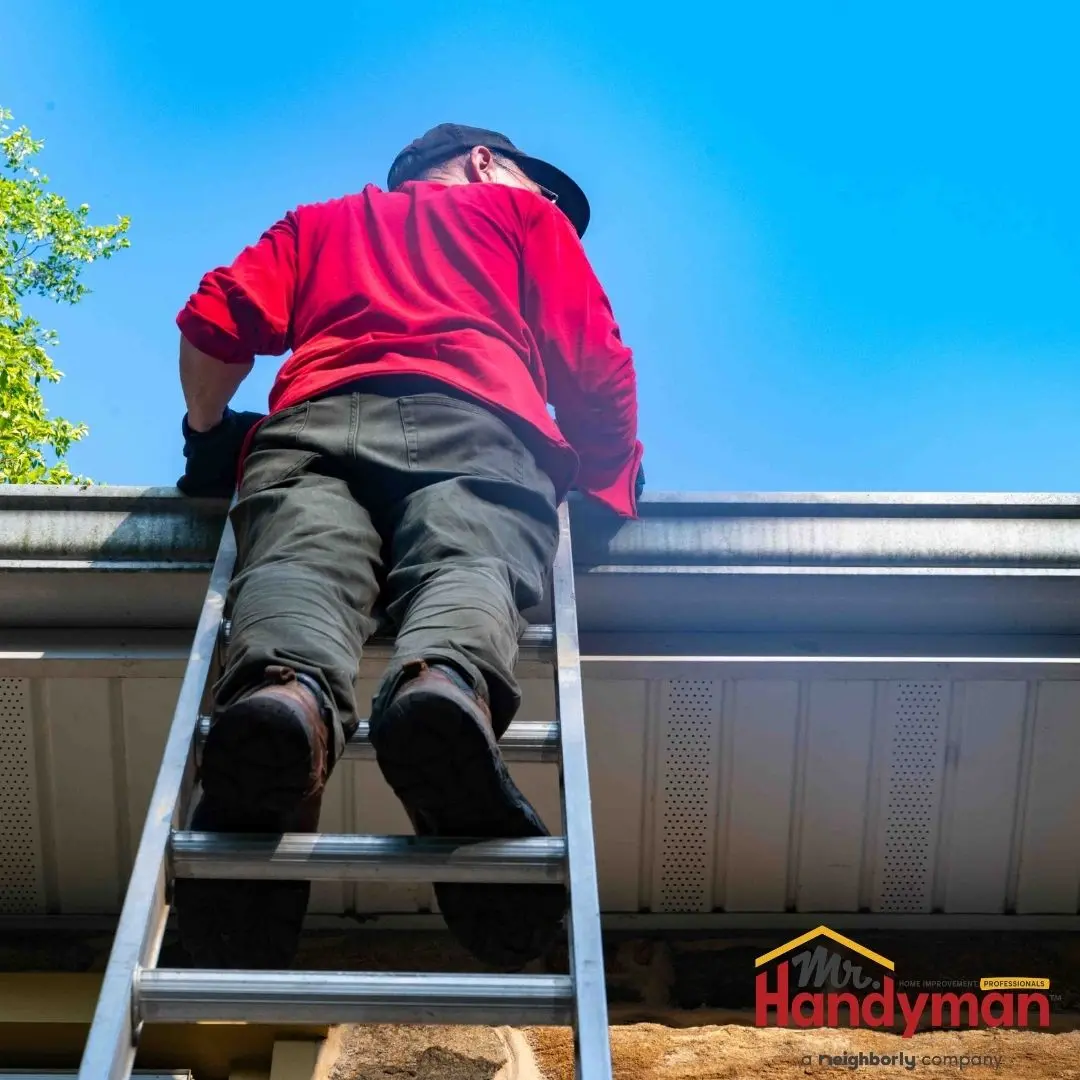
The exterior maintenance assessment covers the building envelope elements that North Texas weather acts on most aggressively across every season. Gutters are checked for secure attachment, proper pitch toward downspouts, and debris accumulation that restricts drainage during Plano's afternoon storm events. Downspouts are confirmed to be directing water away from the foundation at appropriate distances. Exterior caulking at all window and door perimeters, trim transitions, and penetrations is evaluated for the separation and cracking that indicate the seal has failed or is approaching failure.
Exterior wood elements, including trim, siding, deck boards, fence pickets, and any wood element exposed to North Texas weather, are checked for paint failure, surface checking, and early moisture deterioration that pre-emptive protective finishing addresses before substrate damage develops. Entry door weatherstripping is evaluated for the compression and tearing that signals loss of seal performance against Plano's summer heat and insects. Window weatherstripping is checked at the same standard. Exterior light fixtures are confirmed to be functioning and securely mounted. Deck surface fasteners are checked for any that have worked above the surface through seasonal cycling.
Interior Systems and Surfaces
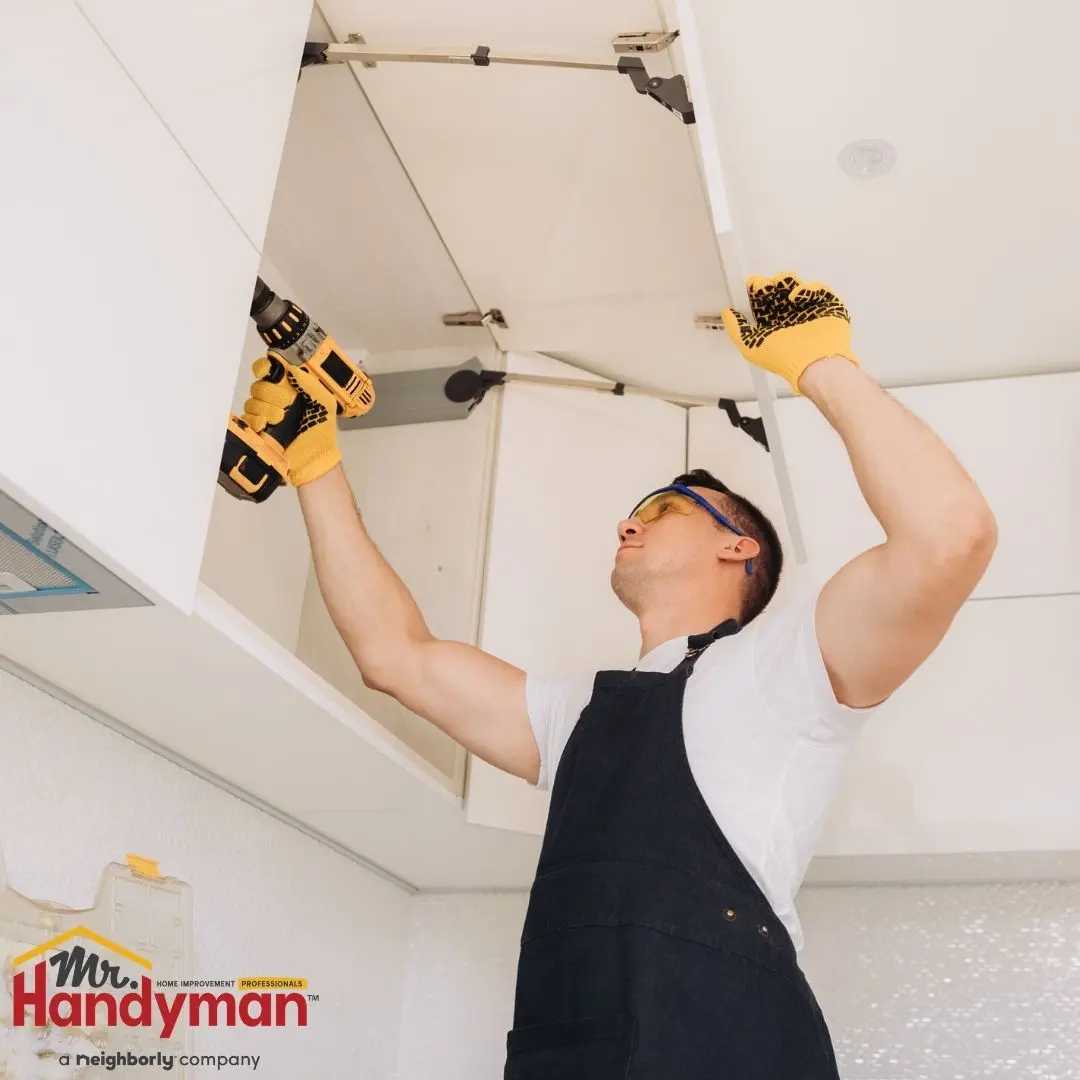
A routine interior maintenance assessment walks through every room of the home with attention to the conditions that daily familiarity makes easy to overlook. Door hardware is checked for tightness and smooth operation at every interior door. Cabinet hinges and drawer slides are evaluated for secure mounting and proper adjustment. Window hardware is tested for operation and lock engagement. Outlet and switch covers are checked for cracks or loose mounting that aging plastic develops through North Texas thermal cycling.
Interior caulking at tubs, showers, and sink surrounds is evaluated for the mold infiltration and separation that signal failure as a moisture barrier. Stair handrails and any interior guardrails are tested for structural solidity by applying lateral force that confirms the connection at mounting points. Touch-up paint condition at high-traffic wall surfaces, corners, and doorway edges is assessed against the standard that maintained surfaces should present.
Each of these checks takes seconds to minutes. Each catches conditions that if missed advance toward the more significant repairs that later-stage intervention requires at higher cost and with more disruption than the routine maintenance visit that identified them early would have produced.
The Seasonal Timing That Makes Routine Maintenance Most Effective in North Texas
In Plano area homes where seasonal conditions create specific maintenance priorities at different points in the year, a routine maintenance program that accounts for seasonal timing delivers significantly better protection than one that operates on a calendar interval without reference to what each season produces and what each transition requires.
Spring maintenance, conducted after North Texas winter has delivered its ice events and thermal cycling and before summer's heat and storm season arrive, focuses on the assessment and correction of the damage that winter has produced. Exterior caulking at joints stressed by freeze-thaw cycling, paint failure at exterior wood elements where winter moisture and ice events have advanced deterioration, and door and window hardware affected by winter's temperature extremes are the priorities that spring timing makes most relevant. Completing this work before summer's afternoon storms test every exterior seal and before summer's UV exposure advances every paint failure produces the most complete protection at the most manageable cost.
Fall maintenance, conducted as North Texas temperatures moderate and before the ice events that Plano winters deliver with limited advance warning, is the most critical seasonal maintenance window for Plano area homes because it's the last opportunity to address conditions before winter's conditions act on them and potentially advance them to the more significant failures that the cold season produces. Door and window weatherstripping condition before the heating season begins, exterior caulking at all envelope joints before freeze-thaw cycling stresses them, and any exterior wood protective finishing that summer UV exposure has advanced toward failure are the fall priorities that this timing makes most urgent.
Summer and winter maintenance, conducted during the active seasons with attention to conditions that develop during peak heat and peak cold respectively, address the specific conditions that each season's extremes produce. A mid-summer inspection that catches caulk separation after weeks of thermal cycling, door binding from heat expansion, and deck fasteners worked above the surface through moisture cycling catches those conditions at stages where simple permitted scope repairs resolve them. A mid-winter check that identifies weatherstripping damage from ice events or hardware affected by temperature extremes addresses those conditions before they compound through the remainder of the cold season.
Building a Relationship With Mr. Handyman of Plano
One of the most practical advantages of a routine maintenance program executed through a consistent professional service relationship is the accumulated familiarity that develops over multiple visits. Mr. Handyman of Plano returning to a home for the third or fourth maintenance visit knows where the chronic caulk joint is, which door hardware has been adjusted previously, where the gutters tend to accumulate debris first, and which exterior wood elements are closest to needing protective treatment. That accumulated knowledge makes each subsequent maintenance visit more efficient and more valuable than a first visit to an unfamiliar property could be.
This relationship also provides homeowners with a resource for the questions and observations that arise between scheduled maintenance visits. A homeowner with an established relationship with Mr. Handyman of Plano has someone to call when a new condition is noticed, when a system behaves unexpectedly, or when a repair question arises that benefits from professional judgment about a home that's already familiar from previous visits.
Frequently Asked Questions
How often should a routine handyman maintenance visit be scheduled for a Plano area home?
Most Plano area homes benefit from a minimum of two professional maintenance visits annually, timed to the spring and fall seasonal transitions that produce the most significant maintenance priorities in North Texas. Spring visits address the conditions winter has produced before summer's heat and storm season act on them. Fall visits prepare the home for winter before freeze-thaw cycling begins to act on any deferred conditions. Homes with older construction, known problem areas, or higher-than-average maintenance needs benefit from quarterly visits that provide more frequent monitoring and earlier intervention across the full seasonal cycle.
What is the difference between a routine maintenance visit and a repair service call?
A repair service call addresses a specific identified symptom, a dripping faucet within permitted scope, a sticking door, a damaged screen, with a targeted repair that resolves that symptom. A routine maintenance visit assesses the full home systematically within the permitted handyman scope without a specific symptom driving the assessment, producing a complete picture of condition across all components rather than a repair of a single identified problem. Service calls are reactive responses to identified conditions. Routine maintenance visits are proactive assessments that identify conditions before they produce the symptoms that prompt service calls, which is what makes them most valuable when scheduled before North Texas seasonal extremes act on whatever developing conditions the previous season has initiated.
Can I manage routine maintenance myself rather than engaging Mr. Handyman of Plano?
Many individual maintenance tasks are within the capability of an attentive homeowner with basic tools. Gutter clearing, caulk inspection, and weatherstripping assessment are tasks homeowners can execute without professional involvement. The limitations of self-managed maintenance programs are typically in the consistency of execution across the full scope of what a home requires and in the experience-based identification of developing conditions that haven't yet produced obvious symptoms. Homeowners who manage their own maintenance programs effectively tend to supplement that self-management with professional involvement for the specific tasks that require skills or equipment beyond what they comfortably possess.
How does routine maintenance affect my home's value in Plano's real estate market?
Plano area buyers consistently identify maintained condition as a primary factor in their purchase evaluation, and a home with documented routine maintenance history presents as a lower-risk purchase than an equivalent home without that documentation. Buyers who see quality maintained caulking, hardware that operates correctly, exterior wood in protected condition, and surfaces that reflect consistent attention draw conclusions about what else in the home has been similarly managed, and those conclusions support stronger offers and reduced negotiating leverage based on condition concerns. The investment in routine maintenance compounds into the home's market position in Plano's competitive real estate environment in ways that accumulate meaningfully over the years of ownership that precede any eventual sale.
What should I tell Mr. Handyman of Plano when scheduling a routine maintenance visit for the first time?
Providing the home's approximate age, any known chronic conditions or areas of concern, and any recent repair or renovation work that affects the home's surfaces or components gives the service provider useful context before the visit. Identifying areas of the home that are most concerning or that have produced the most recent symptoms helps prioritize the inspection scope if the full home can't be addressed in a single visit. Being present during the maintenance visit allows direct communication about conditions identified and provides the opportunity to ask questions about the specific conditions found and the maintenance priorities they suggest going forward.
The Home That Stays Ahead of What North Texas Delivers
There is a version of home ownership in Plano that every homeowner who has experienced it describes in similar terms. It's the version where the home doesn't produce surprises, where surfaces are in good condition, where every door opens the way it should, and every exterior seal holds through whatever storm Plano's afternoon weather delivers. It's the version where the season changes and the home is ready for it rather than revealing what the previous season has done without intervention.
That version of home ownership doesn't happen through reactive repair alone. It happens through the consistent, systematic attention of a routine maintenance program that catches conditions early, addresses them before they advance, and builds a home that retains its value, its function, and its quality across the years of ownership that make a house genuinely into a home.
Mr. Handyman of Plano is ready to be the routine maintenance partner that Plano area homeowners deserve, entirely within the permitted handyman scope that Texas law defines.
Website: https://www.mrhandyman.com/plano
Serving Plano and the surrounding North Texas communities with dependable service and the expertise your home deserves.