
Why Commercial Buildings Age Faster Without Consistent Attention
Every commercial building in the Plano area is aging. That's not a concern unique to older structures or properties that have been visibly neglected. It's a physical reality that applies to every building regardless of age, construction quality, or original investment level. Materials deteriorate, systems wear, North Texas weather acts on exposed surfaces, and the accumulated effect of daily use adds up across months and years in ways that are individually minor but collectively significant.
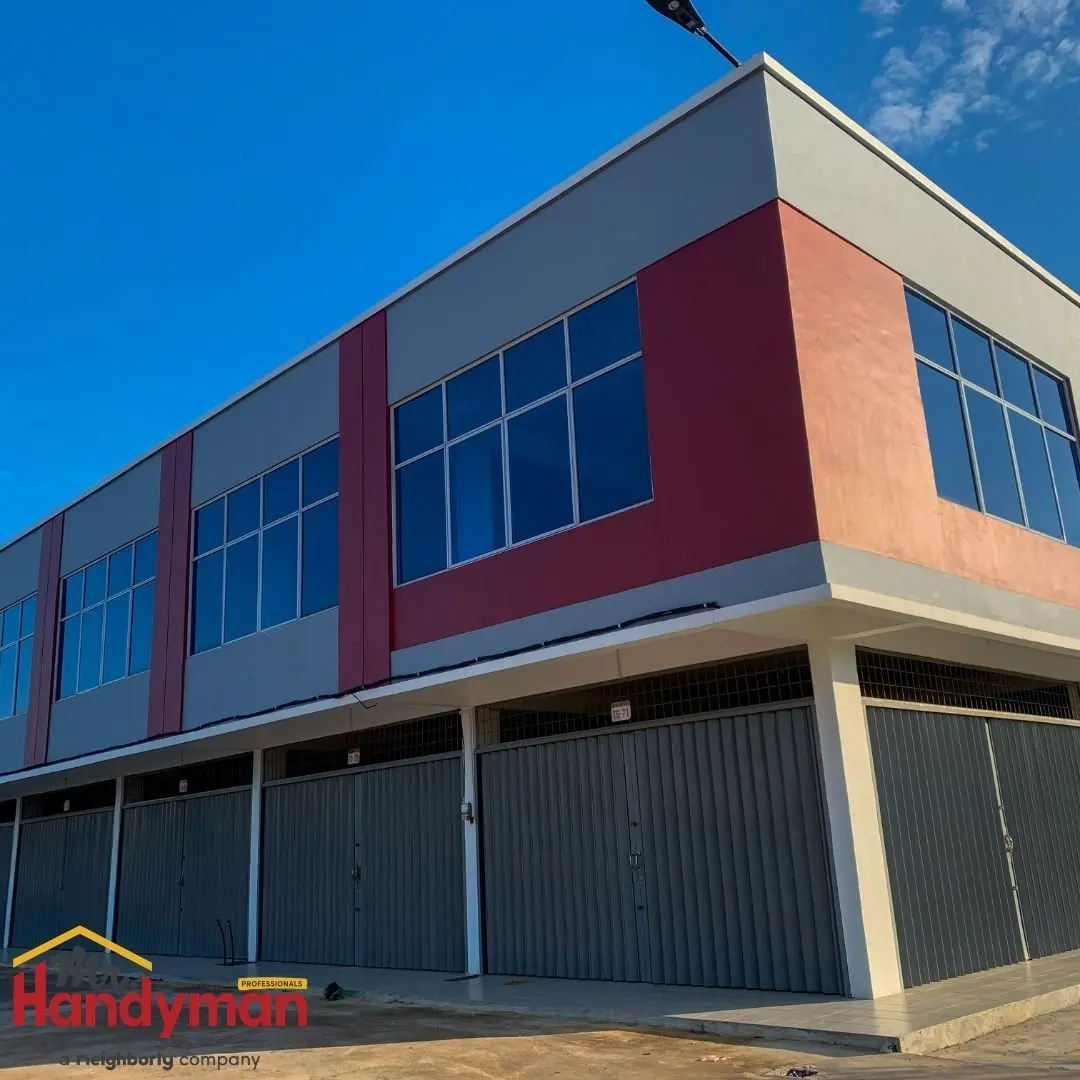
The distinction that matters for Plano area commercial property owners is whether that aging is being managed or running ahead of intervention. A building that receives consistent, systematic routine maintenance ages at a managed rate, with interventions arriving at early stages of deterioration when repair costs are low and consequences are contained. A building maintained reactively, addressed only when systems fail or conditions become visibly urgent, ages at an accelerated rate that produces repair costs many times greater than early intervention would have required.
North Texas climate makes this distinction more consequential than it would be in more temperate regions. Plano area commercial buildings experience summer heat that routinely exceeds 100 degrees, UV exposure intensity that degrades exterior finishes and roofing materials faster than cooler climates produce, afternoon storm seasons that test drainage infrastructure repeatedly through June and July, and winter ice events that arrive without the gradual temperature transition that more northern climates provide. A commercial building in this region that isn't maintained with those seasonal stresses in mind loses ground to the climate every year at a rate that proactive maintenance consistently and measurably slows.
For commercial property owners throughout Plano, Allen, Frisco, and the surrounding North Texas communities, understanding what routine maintenance addresses, why it produces the financial outcomes it does, and which maintenance activities fall within Mr. Handyman of Plano's permitted scope under Texas law gives a clear framework for managing the physical asset that the business depends on.
What Texas Law Permits for Commercial Building Maintenance
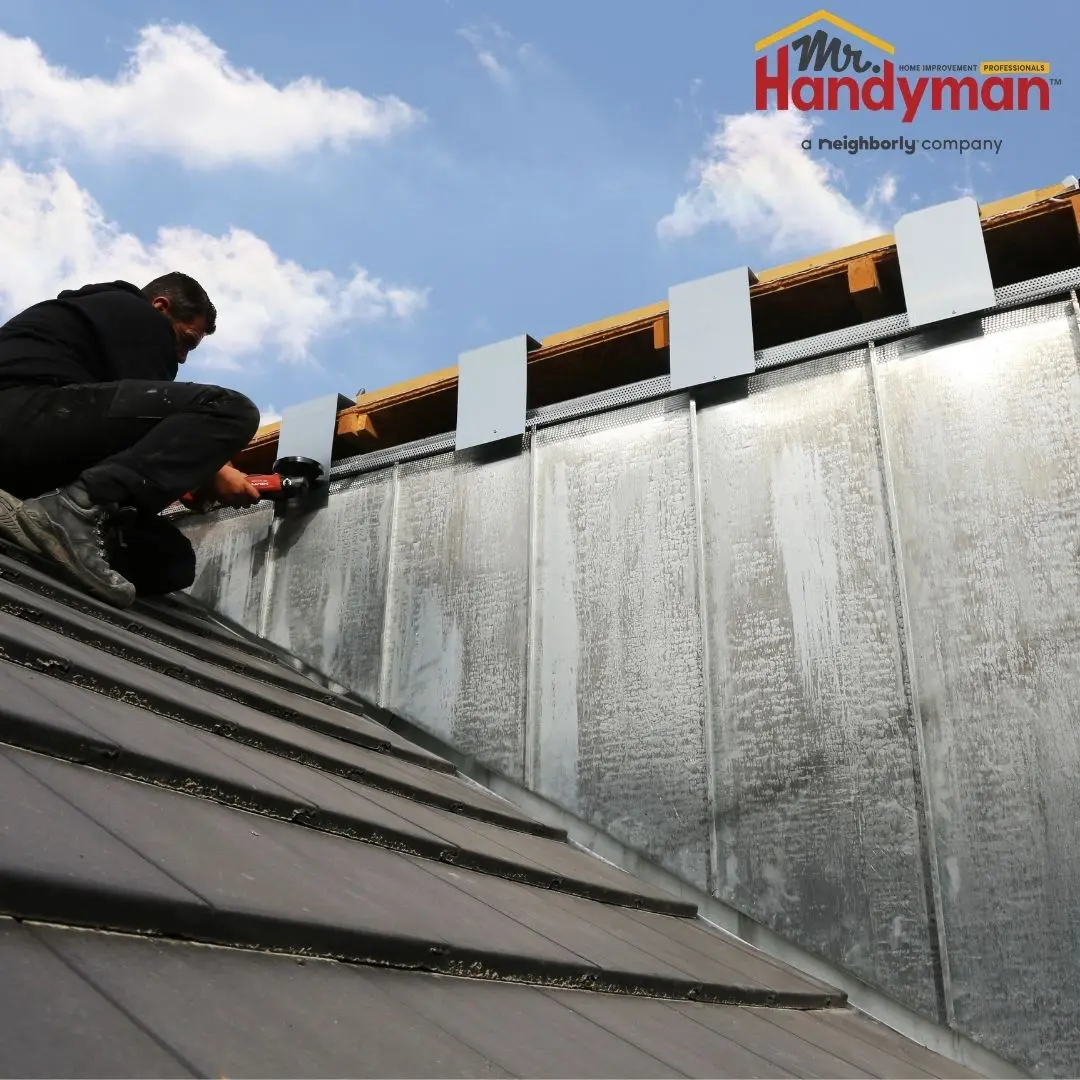
Before examining specific maintenance categories, understanding the permitted scope framework ensures that every routine maintenance activity Mr. Handyman of Plano performs falls within the appropriate legal boundaries that Texas law defines for handyman work.
Within the permitted handyman scope for commercial building maintenance, Texas law allows carpentry and wood repair, exterior painting and protective finishing, gutter cleaning and repair, siding repair, door installation, adjustment, and hardware service, window repair without hardwired electrical components, flooring repair and installation, tile work on surfaces not involving plumbing connections, drywall repair and finishing, interior painting and surface preparation, trim and casing work, cabinet and hardware service, caulking and sealant work throughout the building interior and exterior, signage mounting without electrical connections, and general maintenance across the building's interior and exterior spaces.
Outside the permitted scope, commercial building maintenance involving plumbing system work, hardwired electrical repairs, HVAC system service, gas line work, structural modifications requiring permits, and any specialty trade work that Texas licensing laws reserve for licensed contractors requires appropriate licensed contractor involvement. Mr. Handyman of Plano performs the permitted scope work within a comprehensive maintenance program and coordinates referral to licensed resources when identified conditions fall outside that scope.
The Economics of Maintenance Versus Repair
The financial case for routine commercial building maintenance is grounded in a principle that operates consistently across every building system and every component. The cost of early intervention is always lower than the cost of late intervention, and the cost of late intervention is always lower than the cost of emergency response combined with consequential damage repair.
This principle holds across every scale of building maintenance within the permitted handyman scope. Exterior caulking replaced when it first shows separation from the substrate costs modest material and labor. The same caulking deferred until water infiltration has damaged the substrate behind it costs the caulking replacement plus the substrate repair, plus any interior damage the infiltration has produced through a North Texas summer of afternoon storms testing the failed seal repeatedly.
A door closer adjusted before North Texas summer heat causes it to slam costs a brief service call. The same closer after a full summer of slamming has damaged the door frame costs the closer adjustment plus the frame repair that the season of slamming produced. Gutter sections refastened when they first show separation cost the fastener hardware and the labor to reinstall. The same sections after a summer of directing storm water behind the gutter toward the fascia and wall sheathing cost the refastening plus the fascia replacement and wall sheathing assessment that the directed water has necessitated.
For Plano area commercial property owners managing maintenance budgets against competing financial priorities, this cost relationship provides the most compelling argument for consistent routine maintenance investment. Every dollar deferred from maintenance today typically requires multiple dollars in repair expenditure later, and the timeline from deferral to consequence in a North Texas climate is shorter than many property owners expect because the regional climate advances deterioration faster than more temperate environments would.
Building Envelope Maintenance Within Permitted Scope
The building envelope, comprising the roof, exterior walls, windows, doors, and the joints and transitions between these elements, is the first line of defense against the weather conditions that Plano area commercial buildings face every year. Maintaining the integrity of the building envelope is the most fundamental routine maintenance obligation for any commercial property because every failure in the envelope creates pathways for water, air, and heat that affect every building system and interior space within it.
Exterior Caulking and Sealant Program
Exterior caulking at window and door perimeters, at transitions between different facade materials, and at any penetration through the exterior wall surface serves as the primary water barrier at those joints. Plano's thermal cycling between summer heat extremes and winter cold produces the expansion and contraction that advances caulk deterioration faster than more temperate climates, and a sealant program that replaces deteriorated caulk on a defined schedule maintains the water barrier function that the building envelope requires.
A routine caulking inspection conducted twice annually, timed to the spring and fall seasonal transitions that North Texas produces, identifies joints where separation, cracking, or shrinkage indicates the seal has failed or is failing. Fresh caulk applied before summer storm season provides the water barrier that afternoon storms test repeatedly. Fall inspection confirms that summer UV exposure hasn't advanced additional joint deterioration before winter ice events create the freeze-thaw conditions that water infiltrating through failed joints produces in the materials behind them.
Door and Window System Maintenance
Doors and windows in commercial buildings serve as transitions in the building envelope required to function mechanically while maintaining the water and air barrier the envelope requires. This dual requirement makes them maintenance-intensive components whose condition affects building performance, occupant comfort, energy consumption, and security simultaneously.
Door system maintenance within the permitted scope covers the door units themselves, their frames, hardware, weatherstripping, and threshold conditions. Weatherstripping that has compressed or torn no longer seals the door perimeter against air and water infiltration. Thresholds that have shifted or deteriorated create gaps at the door base that allow water infiltration during Plano's afternoon storm events. Door frames showing surface deterioration at base connections allow moisture to affect the surrounding materials when the building envelope condition that the door frame contributes to is compromised.
Exterior Wood and Protective Finishing
Exterior wood elements on Plano area commercial buildings face UV exposure and thermal cycling that degrades protective finishes faster than the same materials experience in cooler climates. A protective finishing program that inspects exterior wood condition twice annually and addresses paint failure, surface checking, and substrate exposure before moisture infiltration advances the deterioration extends the service life of exterior wood components significantly compared to reactive finishing that waits for obvious failure before intervening.
Interior Systems Maintenance Within Permitted Scope
The interior systems of a commercial building in Plano that fall within the permitted handyman maintenance scope, specifically the surfaces, hardware, doors, flooring, and finish elements that daily use and North Texas climate conditions act on continuously, require the same systematic attention that exterior components receive. Interior deterioration that advances without intervention produces the customer experience impact and operational disruption that reactive repair addresses at higher cost and greater disruption than routine maintenance would have required.
Flooring Maintenance and Repair
Commercial flooring in Plano area buildings experiences the concentrated wear patterns that customer and staff traffic produces along consistent pathways, combined with the thermal cycling that North Texas temperature extremes create at floor surface joints and transitions. A flooring maintenance program that inspects condition across all customer and staff areas on a defined schedule identifies the specific sections showing accelerated wear, joint separation, or surface damage before those conditions advance to the trip hazards and visible deterioration that affect customer experience and generate liability exposure.
Tile repair at cracked grout lines and damaged tile sections, luxury vinyl plank replacement where individual sections have lifted or been damaged, transition strip correction where raised edges have developed, and baseboard condition assessment throughout the building are all flooring and trim maintenance activities within the permitted handyman scope. Addressing these conditions on a maintenance schedule rather than reactively when they've advanced to customer-visible deterioration keeps the building's interior surfaces at the consistent standard that the business's customer experience requires across every season.
Interior Door and Hardware Maintenance
Interior doors throughout a commercial building experience the thermal expansion and contraction that Plano's seasonal temperature range produces in wood frames and door components, and a door maintenance program that assesses and adjusts every interior door on a defined schedule keeps those doors operating correctly through the full seasonal cycle rather than allowing summer heat or winter cold to advance binding conditions that affect daily operations.
Hardware throughout the commercial interior, including door handles, cabinet pulls, drawer slides, closet hardware, and any mechanism that staff and customers interact with regularly, accumulates wear at a rate that reflects use intensity. A hardware maintenance program that inspects condition and function on a defined schedule identifies worn, corroded, or non-functioning components and replaces them before they fail completely during operational periods when replacement requires disruption that scheduled maintenance would have avoided.
Wall and Ceiling Surface Maintenance
Interior wall and ceiling surfaces in customer-facing and staff areas accumulate the scuffs, marks, and physical damage that commercial occupancy produces continuously. A surface maintenance program that conducts periodic touch-up painting, drywall repair at damaged areas, and caulk replacement at trim-to-wall joints on a defined schedule keeps interior surfaces at the consistent standard that a well-maintained commercial building presents rather than allowing accumulated surface deterioration to communicate deferred maintenance to every customer and staff member who occupies those spaces.
Ceiling tile assessment and replacement is surface maintenance within the permitted scope that routine inspection identifies before stained or damaged tiles have been visible to customers for extended periods. A maintenance program that includes ceiling condition in its regular inspection scope catches stained tiles promptly and replaces them while also identifying the staining pattern that may indicate an active source condition above the ceiling plane requiring licensed contractor investigation.
Seasonal Maintenance Timing for North Texas Commercial Buildings
The effectiveness of a routine maintenance program for Plano area commercial buildings depends significantly on the timing of specific maintenance activities relative to the seasonal transitions that North Texas produces. A maintenance calendar that accounts for what each season delivers and what each transition requires produces better protection at lower total cost than a calendar-interval program that ignores seasonal context.
Spring maintenance, conducted after North Texas winter has delivered its ice events and before summer heat and storm season arrive, addresses the conditions that winter produced and prepares the building for the most demanding season. Exterior caulking inspection and repair, door and window condition assessment, exterior wood evaluation, and gutter clearing after winter debris accumulation are the spring priorities that this timing makes most relevant. Completing this work before summer's afternoon storms test every exterior seal and drainage component is the sequencing that produces the most complete protection through the season ahead.
Summer maintenance, conducted mid-season when the building has been operating under peak heat and storm conditions for several weeks, identifies the conditions that summer has advanced from developing to active. A mid-summer inspection that evaluates exterior caulking at locations where afternoon storm exposure is concentrated, door operation after weeks of heat-related thermal expansion, and drainage performance after multiple significant storm events catches conditions at a stage where intervention is still straightforward rather than waiting until fall to discover what summer has produced.
Fall maintenance, conducted as temperatures moderate and before the winter ice events that North Texas delivers with limited advance warning, is the most critical seasonal maintenance window for Plano area commercial buildings because it's the last opportunity to address conditions before winter's conditions act on them. Door and window weatherstripping condition before the heating season begins, exterior caulking at all envelope joints before freeze-thaw cycling stresses them, and any exterior wood protective finishing that summer UV exposure has advanced toward failure are the fall priorities that this timing makes most urgent.
Frequently Asked Questions
Which routine maintenance activities can Mr. Handyman of Plano legally perform under Texas law?
Mr. Handyman of Plano performs commercial building routine maintenance within the permitted handyman scope that Texas law defines. This includes exterior caulking inspection and replacement, door and window hardware service and weatherstripping replacement, exterior wood repair and protective finishing, gutter cleaning and repair, flooring repair and installation, interior painting and surface preparation, drywall repair, trim and hardware service, ceiling tile replacement, and general maintenance across the building's interior and exterior. Plumbing system work, hardwired electrical repairs, HVAC service, and structural work requiring permits require licensed specialty contractor involvement that Mr. Handyman of Plano coordinates referral for when those conditions are identified.
How does a routine maintenance program affect commercial property insurance in Texas?
Insurance carriers assess commercial property risk based in part on the maintenance standard of the property, and a building with documented routine maintenance history presents a more favorable risk profile than an equivalent building without that documentation. More importantly, a maintenance program that prevents the major loss events that insurance covers, water damage from failed caulking, fire from electrical conditions identified and referred for licensed repair, slip and fall from deteriorated surfaces, produces the loss history that directly affects premium rates over time. Documented maintenance that demonstrates systematic attention to building condition also strengthens the property owner's position when a claim involves questions about whether the condition that produced the loss was known and addressable before the loss occurred.
What is the right interval for routine commercial building maintenance visits in the Plano area?
Most Plano area commercial buildings benefit from a minimum of two professional maintenance visits annually timed to the spring and fall seasonal transitions, supplemented by a mid-summer assessment during the peak heat and storm season. Buildings with older construction, known problem areas, or higher-than-average customer traffic benefit from quarterly visits that monitor conditions at closer intervals. The right interval for a specific building is informed by its age, construction type, occupancy intensity, and the history of conditions that previous maintenance visits have identified.
How should a commercial property owner prioritize maintenance when the budget doesn't cover everything at once?
Prioritization should follow safety significance first, envelope integrity second, and interior surface condition third. Safety-critical conditions including trip hazards, non-functioning door hardware, and any deteriorated surface that creates fall risk require immediate attention regardless of budget constraints. Envelope conditions including caulking failures, weatherstripping deterioration, and gutter separation come next because their deferred consequences produce cascading damage to interior systems and contents. Interior surface conditions that affect customer impression and staff environment but don't create immediate safety exposure can be scheduled within the available budget without producing the compounding damage that safety and envelope deferral creates.
What documentation should a Plano area commercial property owner maintain for routine maintenance?
A maintenance record documenting every inspection, every condition identified, every repair completed, and every component serviced creates the building history that supports property management decisions, provides liability evidence, and gives any future property owner or manager the context needed to understand the building's condition trajectory. Photographs taken during inspections documenting conditions found and completed repairs provide visual evidence that written records alone don't capture. This documentation should be retained for a period consistent with the applicable statute of limitations for premises liability claims in Texas and should be organized in a format that allows quick retrieval when specific maintenance history is needed.
The Buildings That Last Are the Buildings That Are Maintained
Commercial buildings in the Plano area that serve their communities well across decades, that maintain their value through ownership transitions, and that avoid the major loss events that deferred maintenance produces share a common characteristic. Their owners understand that the physical asset requires consistent investment to maintain its value and function, and they manage that investment systematically rather than reactively.
Mr. Handyman of Plano works with commercial property owners and managers throughout the area on the full range of routine maintenance services within the permitted handyman scope that Texas law defines. From seasonal exterior preparation and caulking programs to interior surface maintenance, door and hardware service, and comprehensive building condition assessment, the team brings the reliability and regional knowledge that Plano area commercial properties deserve.
Website: https://www.mrhandyman.com/plano
Serving Plano and the surrounding North Texas communities with dependable service and the expertise your home deserves.