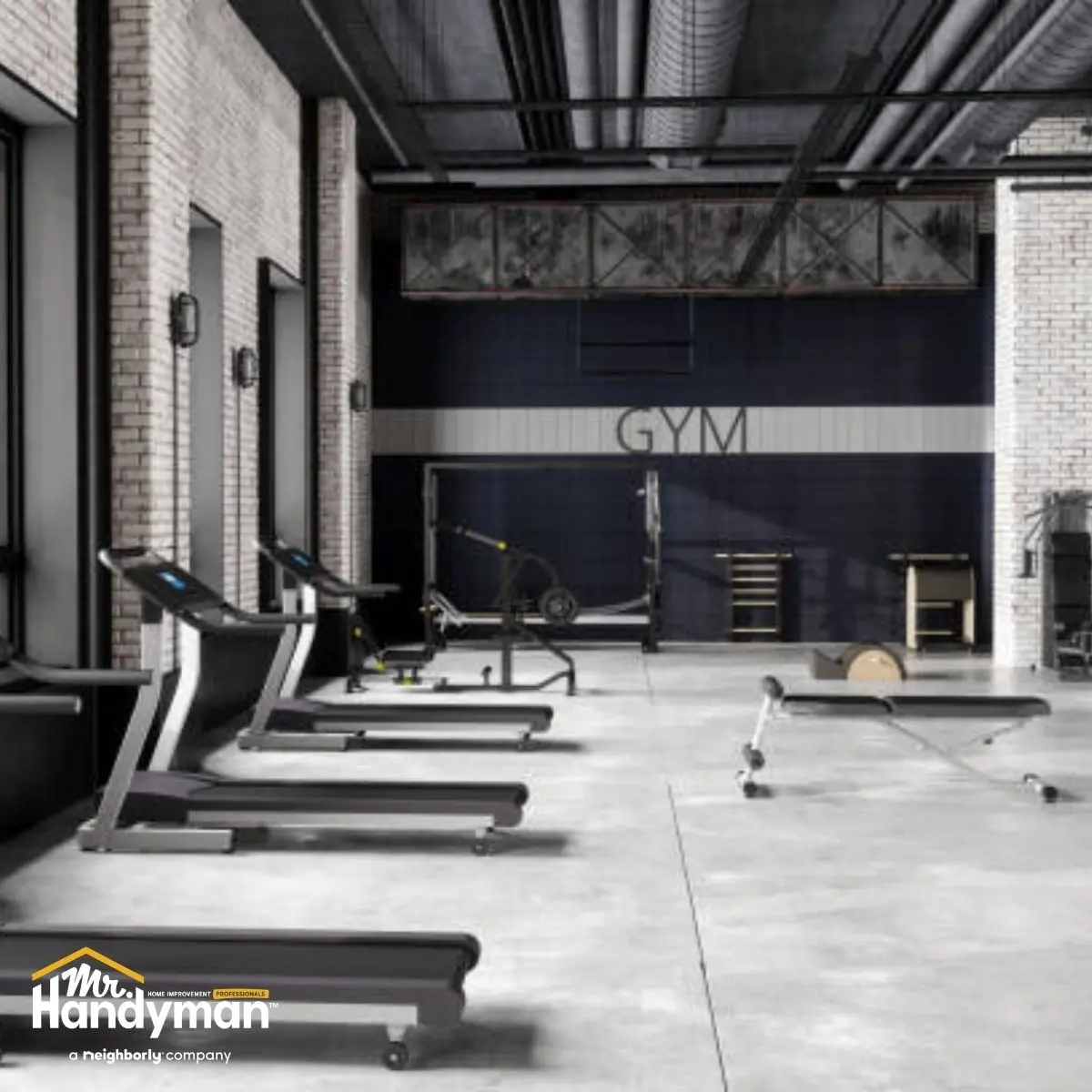
Doors and locks in fitness facilities serve multiple critical functions that go far beyond simply opening and closing. They control access to secure areas, protect member privacy in locker rooms, meet ADA accessibility requirements, provide emergency egress during crises, separate spaces for noise control, and create the first physical interaction every member has with the facility. When doors and locks malfunction, they create security vulnerabilities, ADA violations, safety hazards, and frustrations that damage member experience and expose facilities to significant legal liability.
Gyms throughout West Virginia and Maryland face specific door and lock challenges. High traffic volumes stress door hardware beyond residential or typical commercial use. Hundreds of daily entries and exits accelerate wear on closers, hinges, and locking mechanisms. Humidity from showers and pools corrodes metal components. Temperature differentials between heated interiors and cold exteriors stress door frames and hardware. Twenty-four-hour facilities need electronic access control systems that function reliably at all hours. Locker room privacy depends on functional locks that members trust.
Older buildings converted to fitness use often have door systems inadequate for gym applications. Residential-grade hardware fails quickly under commercial traffic. Doors without proper closers create security gaps. Non-ADA-compliant entries create legal exposure. Inadequate emergency exit hardware violates fire codes. These deficiencies create ongoing problems that require systematic correction rather than piecemeal repairs.
The legal implications of door and lock failures extend beyond simple inconvenience. ADA violations result in lawsuits and mandatory corrections. Security breaches from failed locks create liability for theft and assault. Fire code violations from defective exit hardware result in fines and potential facility closure. Injuries from malfunctioning doors generate personal injury claims. Understanding the regulatory, security, and safety requirements that doors and locks must meet helps prioritize maintenance and upgrades that protect members and business interests.
Member perception of facility quality begins at the entrance door. Doors that stick, slam, require excessive force, or don't close properly immediately communicate poor maintenance. Members subconsciously judge facility quality based on entry door condition before they see equipment, staff, or any other aspect of the facility. This makes entry door condition disproportionately important to overall member experience and business success.
Security Vulnerabilities From Failed Access Control
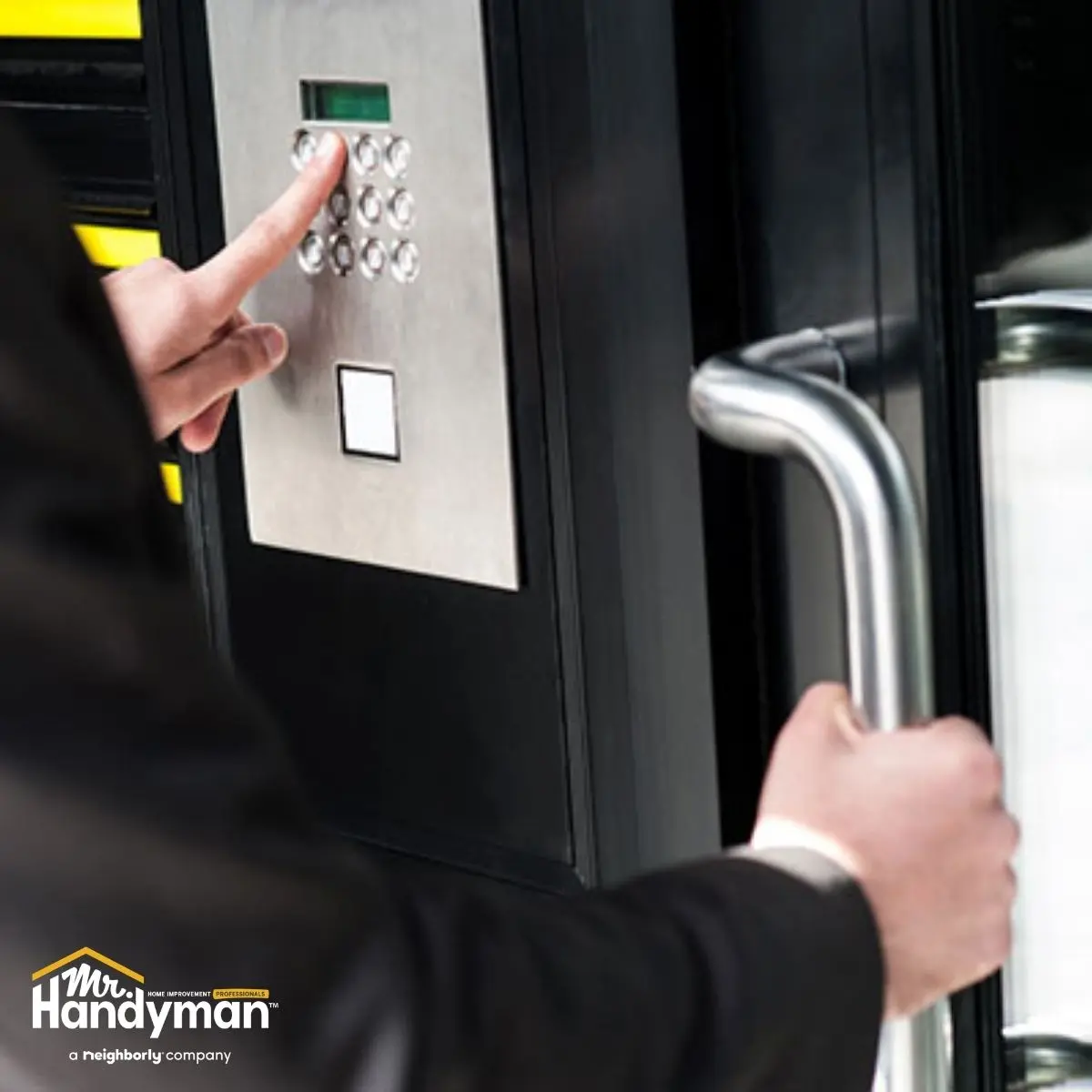
Controlling who enters facilities and when they enter is fundamental to gym operations. Failed access control creates security breaches that put members, staff, and property at risk.
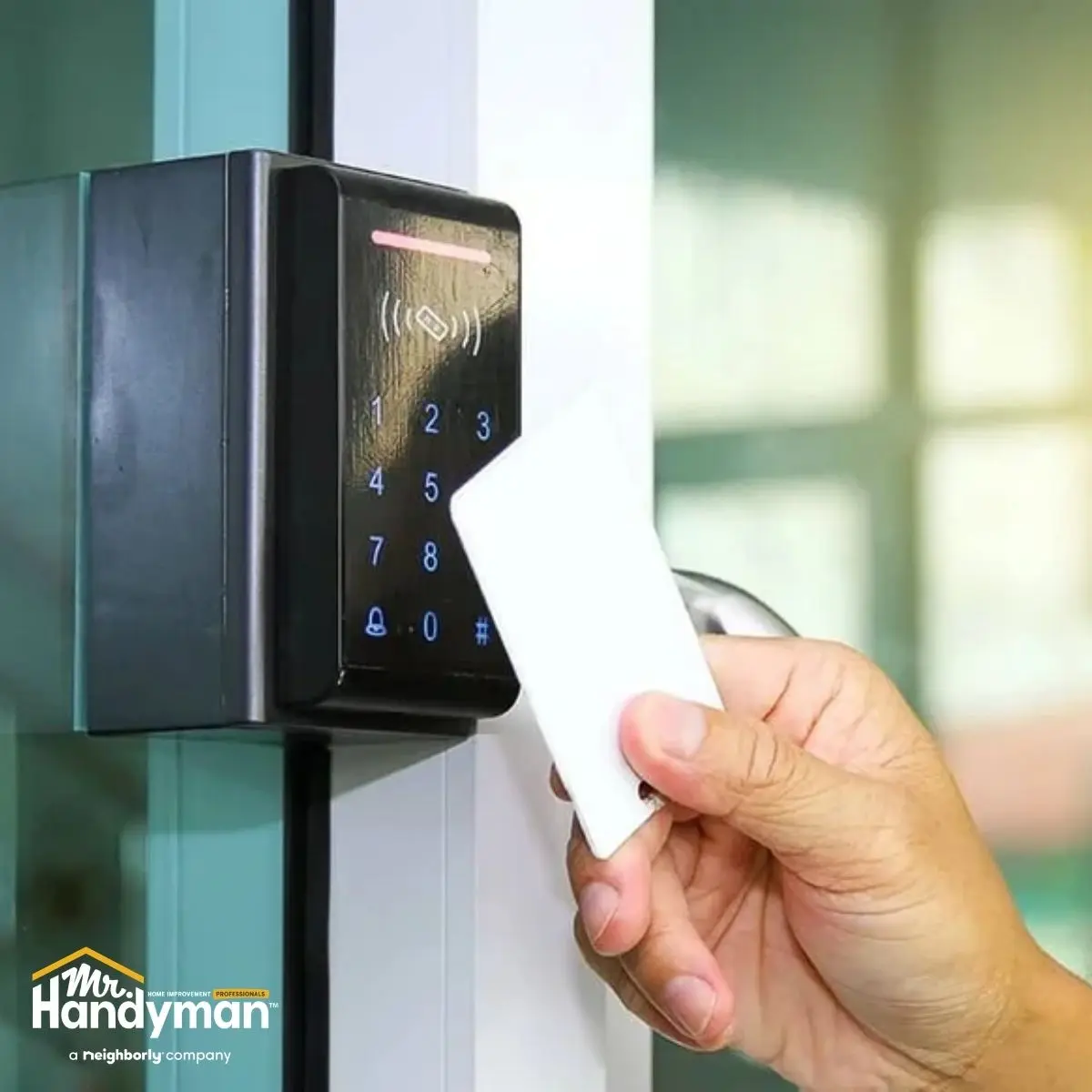
Electronic access control systems using key cards, fobs, or mobile credentials depend on door hardware that integrates reliably with electronics. Magnetic locks, electric strikes, and automated door operators must function consistently or access control fails. Members with valid credentials unable to enter become frustrated, while security gaps allow unauthorized access.
Key card reader failures from moisture damage, electrical problems, or physical wear prevent authorized access and may allow doors to remain unlocked when they should secure. These failures often occur intermittently, making diagnosis difficult while creating unpredictable security gaps.
Door closer failures allow doors to remain open instead of closing and locking automatically. Entries that should secure after each passage stay open, eliminating access control entirely. This allows non-members to follow members through doors or enter when staff isn't monitoring.
Strike plate alignment problems prevent latches from engaging properly even when doors close. Doors that appear closed but aren't actually latched can be pushed open without triggering access control systems. These subtle failures compromise security without obvious malfunction.
Panic hardware that doesn't retract properly prevents doors from latching, leaving secure areas vulnerable. Exit doors with panic bars must allow immediate egress while maintaining security from outside. Failed hardware compromises this balance.
Lock cylinder wear from thousands of key insertions allows unauthorized key duplication or lock picking. Worn cylinders accept keys that shouldn't work or can be manipulated with basic tools. This creates security risks that increase over time.
Master key system compromises from lost keys or unauthorized duplication require complete re-keying. Facilities using master key systems face expensive security updates when key control breaks down. Electronic systems eliminate this vulnerability by allowing credential deactivation.
After-hours security depends on reliable locking systems that staff can trust. Facilities operating 24 hours need access control that functions reliably during staffed and unstaffed periods. System failures create situations where staff must leave facilities unsecured or stay beyond their shifts.
ADA Compliance Requirements for Accessible Entry
Americans with Disabilities Act compliance isn't optional, and door systems are specifically regulated to ensure accessibility for all members.
Opening force requirements limit how much force can be required to open doors. ADA specifies maximum five pounds of force for interior doors and maximum 8.5 pounds for exterior doors. Doors requiring greater force violate ADA and create barriers for members with limited strength or mobility.
Door closer adjustment affects opening force and closing speed. Closers set too tight require excessive force and close too quickly, creating accessibility barriers and potential hazards. Closers must close doors securely while staying within force limits.
Automatic door operators on main entries eliminate physical barriers entirely. Push-button activated automatic doors allow wheelchair users, members with mobility aids, and those carrying items to enter easily. These systems require regular maintenance to ensure reliable operation.
Clear width requirements specify minimum 32-inch clearance through doorways when doors are open 90 degrees. Narrow doorways or obstructions that reduce clear width violate ADA. This affects doorway design and restricts what can be placed near entrances.
Threshold height limitations prevent trip hazards and wheelchair barriers. Thresholds exceeding half-inch height or lacking proper beveling violate ADA. Many older buildings have non-compliant thresholds requiring replacement.
Hardware height and type requirements ensure handles and locks are operable by people with limited dexterity or reach. Round doorknobs violate ADA because they're difficult for people with arthritis or limited hand function. Lever handles that operate with closed fist motion are required.
Maneuvering clearance on both sides of doors ensures wheelchair users have adequate space to approach, open, and pass through doorways. Specific clearances depend on door swing direction and approach angle. Inadequate clearance creates accessibility barriers.
Signage and identification requirements include tactile room identification, Braille, and proper mounting heights. Door signage must meet specific standards for accessibility.
Vision panels in doors must be positioned to allow visibility from wheelchair height. Standard vision panels placed for standing height don't provide accessibility for seated users.
Regular ADA compliance audits identify violations before complaints or lawsuits occur. Professional accessibility consultants assess facilities comprehensively and provide correction priorities.
Fire Safety and Emergency Egress Requirements
Doors serve critical life safety functions during emergencies, and code compliance is legally mandated and regularly inspected.
Panic hardware on emergency exits must allow immediate egress without keys or special knowledge. These devices must operate with single motion that releases latches. Failed panic hardware traps occupants during emergencies, creating life-threatening conditions.
Exit door operation prohibits locks, latches, or hardware that prevents egress. Doors that lock from inside violate fire codes except in specific circumstances with approved locking systems. Members must be able to exit immediately during emergencies.
Fire-rated door assemblies maintain fire separation between areas for specified time periods. Fire doors with damaged seals, improper closers, or failed latches lose their fire rating and create code violations. These doors protect egress routes and limit fire spread.
Self-closing mechanisms on fire doors ensure doors close and latch after each passage. Doors propped open or with failed closers compromise fire protection and violate codes. Magnetic hold-open devices connected to fire alarm systems provide convenience while maintaining safety.
Exit signage illumination requirements ensure exit routes remain visible during emergencies. Illuminated exit signs that fail create dangerous conditions and code violations. Battery backup or emergency power connection ensures signs function during power failures.
Path of egress maintenance keeps exit routes clear and functional. Obstructions blocking exit doors, damaged exit hardware, or locked exits create serious code violations that inspectors prioritize during inspections.
Annual inspections by fire marshals verify exit door compliance. Failed inspections result in violation notices requiring immediate correction and potential facility closure until corrections are completed.
Emergency lighting at exit doors ensures occupants can find and operate exits during power failures. Adequate lighting must illuminate exit hardware, door operation, and immediate egress path.
Locker Room Privacy and Security Concerns
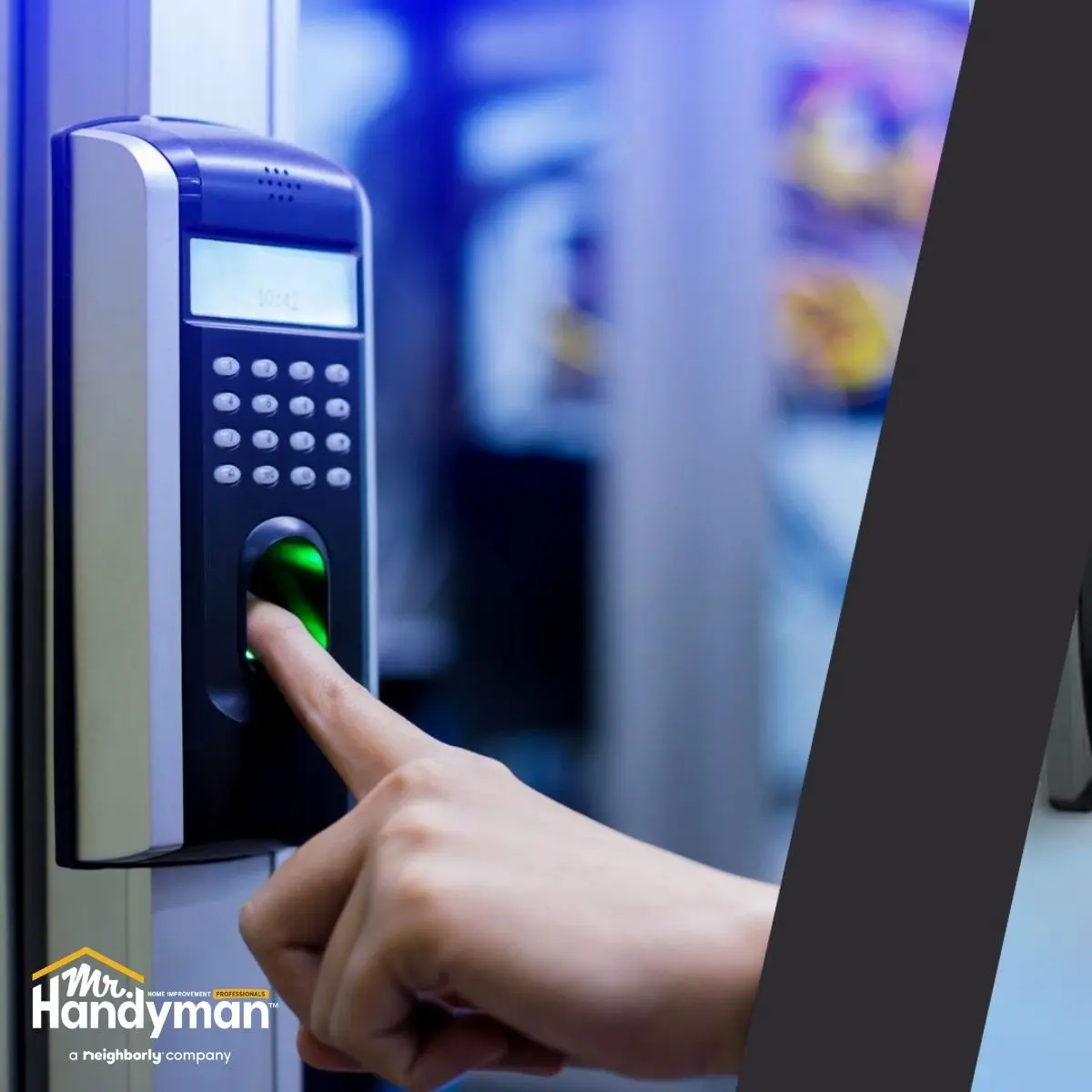
Locker room doors and locks directly affect member comfort, privacy, and security in vulnerable spaces where members expect protection.
Individual locker locks must function reliably to protect member belongings. Failed locks create theft opportunities that damage member trust and create liability for facilities. Members need confidence that lockers will secure their valuables while they work out.
Combination lock mechanisms wear from repeated use and eventually fail to open with correct combinations. These failures frustrate members and sometimes require cutting locks to access belongings. Regular maintenance and timely replacement prevent these situations.
Key-based locker systems require key control and lost key procedures. Master keys that override individual locks provide staff access for emergencies or member lockouts. However, master key availability creates security concerns that require careful key control procedures.
Electronic locker systems using RFID or barcode credentials eliminate physical keys and provide superior security tracking. These systems log usage, prevent lock picking, and allow remote unlocking when members forget credentials. However, they require power, network connectivity, and technical maintenance.
Bathroom stall locks must provide privacy while allowing emergency access. Indicator locks that show occupied/vacant status prevent awkward encounters. Locks must operate smoothly because jamming creates distressing situations.
Shower stall privacy doors need moisture-resistant hardware and locks that function reliably in wet environments. Standard hardware corrodes and fails quickly in shower environments. Marine-grade or stainless hardware resists corrosion and maintains functionality.
ADA-compliant stall locks must be operable with limited dexterity and positioned at accessible heights. Standard door hardware at standard positions doesn't meet accessibility requirements in restroom facilities.
Locker room entry doors need privacy without compromising safety. Doors should prevent casual viewing into changing areas while allowing immediate exit and emergency access. Privacy screens or door positioning addresses these competing requirements.
Gender-inclusive facility considerations include private changing rooms and family facilities with secure locks. These spaces provide privacy for members uncomfortable with traditional locker rooms regardless of reason.
Environmental Stress on Door Hardware and Finishes
Gym environments create harsh conditions that accelerate door and hardware deterioration beyond typical commercial applications.
Humidity from showers, pools, and member perspiration corrodes metal components. Brass, steel, and aluminum hardware all corrode when exposed to sustained moisture. Locker room doors face particularly severe corrosion that destroys standard hardware within months.
Temperature cycling from heating and cooling systems plus weather exposure causes expansion and contraction that loosens fasteners and stresses door frames. Entry doors between heated interiors and cold exteriors face severe temperature stress.
Salt and chemical exposure in winter creates accelerated corrosion on entry door hardware. Road salt tracked into facilities and deicing chemicals used on sidewalks attack metal finishes and mechanisms.
Physical abuse from equipment carts, members carrying items, and occasional impacts from dropped weights damages doors and frames. Heavy traffic creates wear beyond typical commercial use.
UV exposure on doors with windows degrades finishes and seals. Weatherstripping fails, paint fades, and gaskets deteriorate from sun exposure over time.
Chlorine exposure in pool areas destroys standard hardware finishes. Facilities with pools need marine-grade or specially coated hardware that resists chlorine corrosion.
Protective measures include marine-grade hardware in high-moisture areas, protective door surface treatments, kick plates and push plates at wear points, and regular cleaning to remove corrosive contaminants.
Preventive Maintenance That Extends Door System Life
Systematic maintenance prevents the failures that create security, safety, and accessibility problems while extending hardware lifespan.
Monthly visual inspections by staff identify obvious problems like loose hinges, damaged weather stripping, or malfunctioning closers. Early detection allows simple corrections before problems cause door failures.
Quarterly professional maintenance includes door closer adjustment, hinge lubrication and tightening, lock and latch mechanism servicing, weather stripping inspection and replacement, and ADA compliance verification.
Annual comprehensive door system assessments evaluate all doors for compliance, safety, and functionality. Professional inspectors identify developing problems and provide correction priorities.
Lubrication of moving parts including hinges, closers, lock mechanisms, and panic hardware reduces friction and extends component life. Proper lubricants for specific applications prevent contamination and function properly in gym environments.
Door closer adjustment maintains proper closing speed and force. Closers require seasonal adjustment because temperature affects hydraulic fluid viscosity and operation.
Strike plate alignment ensures latches engage properly. Misalignment from building settling or frame movement prevents secure latching and requires periodic adjustment.
Weather stripping replacement maintains energy efficiency and prevents moisture intrusion. Damaged weather stripping allows drafts, moisture, and pest entry while wasting energy.
Hardware tightening prevents loose screws from progressing to component failure. Vibration and repeated use loosen fasteners that need periodic tightening.
Strategic Upgrades for Security and Functionality
Modernizing door systems improves security, accessibility, and member experience while reducing long-term maintenance costs.
Electronic access control conversion eliminates physical keys, provides detailed access logs, and allows remote management. Modern systems integrate with membership software and provide superior security and convenience.
Automatic door operator installation on main entries improves accessibility and creates welcoming entry experiences. These systems pay for themselves through improved ADA compliance and member satisfaction.
Commercial-grade hardware replacement upgrades residential or light-commercial hardware to components designed for high-traffic applications. The initial investment prevents ongoing repair costs from inadequate hardware.
ADA-compliant hardware retrofits bring existing doors into compliance before complaints or lawsuits force expensive corrections. Proactive compliance costs less than responding to violations.
Fire-rated door assembly upgrades improve life safety and ensure code compliance. These upgrades often occur during renovation but can be implemented anytime for improved safety.
Access control integration with security cameras and alarm systems creates comprehensive security that monitors and controls access while recording events for investigation.
Frequently Asked Questions
How often should gym door hardware be professionally serviced?
Quarterly professional service maintains door functionality and catches problems early. High-traffic doors may need more frequent attention. Annual comprehensive assessments should occur regardless of apparent condition to verify compliance and identify developing issues.
What's the typical lifespan of commercial door hardware in gym applications?
Door closers last 5-10 years depending on traffic volume and environment. Locks and latches need replacement every 7-15 years. Hinges last 10-20 years with proper maintenance. Harsh environments shorten these lifespans significantly. Maintenance extends life while neglect accelerates replacement needs.
How do facilities know if doors meet ADA requirements?
Professional accessibility assessments measure opening force, clear width, hardware operation, and all ADA requirements. These assessments identify violations and provide correction specifications. Self-assessment using ADA checklists catches obvious problems but may miss subtle non-compliance.
Can existing doors be retrofitted for electronic access control?
Most standard commercial doors can retrofit with electric strikes or magnetic locks. However, door frames must be stable and properly installed. Weak frames or damaged doors may require replacement before electronic access control installation.
What should staff do when door or lock problems occur?
Immediate actions include marking doors out of service if unsafe, implementing temporary security measures if locks fail, documenting problems with photos and descriptions, and calling professional service. Don't attempt complex repairs without proper expertise.
How much should gyms budget for door and lock maintenance?
Budget $500-2,000 annually per facility depending on door count and system complexity. Facilities with electronic access control need additional budget for system maintenance and updates. Deferred maintenance costs more long-term than regular preventive service.
Securing Success Through Reliable Door Systems
Doors and locks provide security, safety, accessibility, and member experience that directly affect business success. These systems require proper installation, regular maintenance, and timely upgrades to function reliably in demanding gym environments.
ADA compliance, fire safety requirements, and security needs make door and lock functionality non-negotiable. Violations create legal liability, while failures create safety hazards and member dissatisfaction that damage business reputation.
Strategic investment in modern door systems, commercial-grade hardware, and electronic access control delivers immediate benefits through improved security, better accessibility, and enhanced member experience. These upgrades pay for themselves through reduced maintenance, avoided liability, and improved member retention.
If your fitness facility needs door and lock assessment, maintenance, repairs, or upgrades to ensure security, compliance, and functionality, professional services provide the expertise and quality installation your facility requires.
Mr. Handyman of Martinsburg and Charles Town
https://www.mrhandyman.com/martinsburg-charles-town/
Mr. Handyman of Northern Montgomery County
https://www.mrhandyman.com/northern-montgomery-county/
Mr. Handyman of South Montgomery County
https://www.mrhandyman.com/south-montgomery-county/
Your doors are your first impression and your last line of security. Ensure they function flawlessly through proper maintenance and strategic upgrades. Schedule your door system assessment today.
