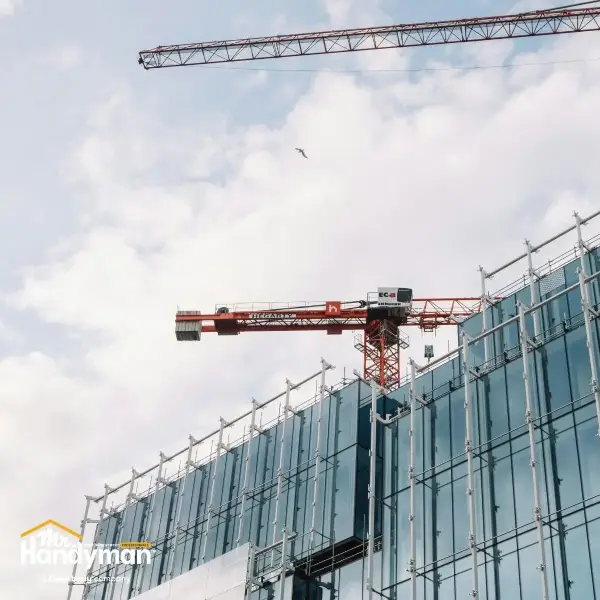
A commercial property's exterior is the first thing customers, clients, and employees see. Cracked pavement, peeling paint, broken signage, or poorly maintained landscaping don't just look bad. They communicate neglect, raise safety concerns, and create liability risks. For businesses in West Virginia and Maryland, the window between winter weather and peak customer season is the critical time to address exterior repairs before problems become emergencies or drive customers away.
Spring is when business picks up for most retail, hospitality, and service industries. More foot traffic means more people noticing deferred maintenance. More vehicles in parking lots mean more exposure to trip hazards and pavement failures. More customers walking through entrance areas mean worn or damaged flooring, lighting, and signage become impossible to ignore.
Commercial properties face different exterior maintenance demands than residential homes. Businesses deal with higher traffic volumes, more stringent accessibility requirements, greater liability exposure, and customer perceptions that directly affect revenue. A homeowner might tolerate a cracked sidewalk for months. A business owner can't afford to because one trip-and-fall incident creates legal and insurance nightmares that dwarf the cost of proactive repair.
Older commercial buildings, common throughout Martinsburg, Charles Town, and Montgomery County, add complexity because original construction methods and materials don't meet current standards. Roof systems installed decades ago near the end of their lifespan. Parking lots paved in the 1980s develop potholes and drainage issues. Signage fades or fails. HVAC equipment ages out. Every year of deferred maintenance compounds, and eventually minor repairs become major capital expenditures.
The smart approach is addressing exterior repairs systematically before busy season, when weather cooperates and contractors have better availability. Waiting until July means competing with every other business that ignored problems until they became urgent. It also means making repairs while customers are present, which disrupts operations and creates negative impressions.
Why Pre-Season Repairs Protect Revenue and Reduce Liability
Commercial property maintenance isn't optional spending. It's operational investment that protects revenue streams and limits exposure to lawsuits, insurance claims, and regulatory penalties.
First impressions drive customer behavior. Retail businesses lose walk-in traffic when storefronts look tired or neglected. Restaurants lose reservations when exterior lighting is dim or parking areas feel unsafe. Service businesses lose credibility when their own facilities show poor maintenance. Customers make split-second judgments about whether to engage with a business based partly on what the exterior communicates.
Safety and liability are more pressing concerns. Trip-and-fall claims from uneven pavement, broken steps, or damaged walkways cost businesses thousands in legal fees, settlements, and increased insurance premiums. One serious injury claim can exceed the cost of maintaining every exterior surface on the property for a decade.
ADA compliance issues also arise from deferred exterior maintenance. Cracked or uneven walkways, broken curb cuts, damaged parking lot striping, or non-functional accessibility features create legal exposure under the Americans with Disabilities Act. Violations result in fines and mandatory corrections at inopportune times.
Code enforcement becomes more aggressive as municipalities inspect commercial properties more frequently than residential ones. Peeling paint, damaged siding, overgrown landscaping, or improperly maintained signage trigger violation notices that require immediate correction or result in daily fines.
Building systems that fail during busy season cause operational disruptions that directly hurt revenue. An HVAC system that dies during a summer heat wave closes a restaurant. Roof leaks during spring rains damage inventory. Parking lot flooding prevents customer access. These failures don't just cost money to fix. They cost money in lost business while repairs happen.
Parking Lots and Walkways That Handle Increased Traffic
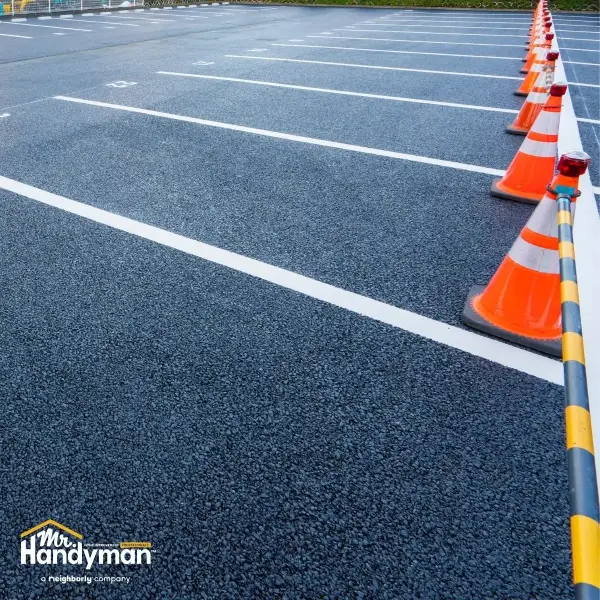
Parking lots and walkways take tremendous abuse during winter. Freeze-thaw cycles crack asphalt. Snowplows scrape surfaces and damage edges. Salt corrodes pavement and accelerates deterioration. By spring, parking areas often show fresh damage that needs attention before customer traffic increases.
Potholes are the most visible parking lot problem. They form when water infiltrates cracks, freezes, expands, and breaks apart the asphalt base. Traffic then pulverizes the weakened pavement, creating holes that grow rapidly. Potholes damage vehicles, create trip hazards, and signal poor property maintenance.
Filling potholes properly requires more than dumping cold patch material into holes. The damaged area needs cleaning, the base needs evaluation, and permanent hot-mix asphalt provides durable repair. Cold patch is a temporary solution that washes out and fails within weeks if not properly installed.
Crack sealing prevents potholes from forming. Cracks allow water infiltration that undermines pavement structure. Sealing cracks when they're small stops water intrusion and extends pavement life. This is best done in spring after winter damage appears but before summer heat makes sealant application difficult.
Parking lot striping fades from traffic, weather, and snowplow damage. Faded or missing striping creates confusion, reduces usable parking capacity, and increases liability if parking layouts don't meet code requirements. Re-striping is inexpensive and dramatically improves appearance and functionality.
ADA-compliant parking spaces require proper striping, signage, and access aisles. These fade and wear like regular striping but carry legal requirements. Ensuring accessible parking meets current standards prevents ADA complaints and demonstrates commitment to accessibility.
Walkways and sidewalks develop trip hazards from heaving, settling, or cracking. Concrete slabs that differ in height by more than a quarter inch create trip hazards that generate liability claims. Grinding down edges, replacing damaged sections, or installing warning markers reduces risk.
Drainage issues in parking areas cause standing water that prevents customer access and accelerates pavement deterioration. Clogged drains, settled pavement, or inadequate slope all contribute. Addressing drainage before spring rains prevents flooding and extends pavement life.
Building Exteriors That Reflect Professional Standards
A commercial building's exterior condition directly affects how customers perceive the business inside. Peeling paint, damaged siding, broken windows, or worn doors suggest the business doesn't invest in quality or pay attention to details.
Paint failure is common on commercial buildings because large surface areas and minimal maintenance budgets mean exteriors go years between painting. Wood trim, doors, and siding show peeling, fading, and bare spots that accelerate rot and decay. Addressing paint failure before it progresses to wood damage is far less expensive than replacing rotted components.
Power washing removes dirt, mildew, and organic growth that make buildings look neglected. Clean siding, brick, and concrete create immediate visual improvement. Spring is ideal for power washing because surfaces dry quickly and you can identify damage hidden under grime.
Siding damage from impacts, weather, or age needs repair before water infiltrates wall assemblies. Vinyl siding cracks in freezing temperatures. Wood siding rots at joints and edges. Metal siding corrodes. Damaged sections allow moisture into walls, causing hidden structural damage and mold growth.
Windows and doors are focal points that suffer heavy use. Commercial doors show wear from constant opening and closures. Broken closers, damaged weather stripping, or failed glazing all need attention. Windows with broken seals, cracked glass, or damaged frames affect energy efficiency and appearance.
Signage represents your business identity. Faded, damaged, or poorly maintained signs suggest business decline. Illuminated signs with burned-out bulbs or flickering lights look unprofessional and reduce visibility. Monument signs with damaged landscaping or peeling paint fail to attract attention.
Building-mounted lighting affects both security and appearance. Fixtures with burned-out bulbs, damaged lenses, or corroded housings reduce visibility and create safety concerns. Updating exterior lighting improves security and makes buildings more welcoming during evening hours.
Roofing Systems Before Spring Rains and Summer Heat
Commercial roofs face harsher conditions than residential roofs because they're typically flat or low-slope systems that hold water rather than shedding it quickly. Winter ice dams, standing water, and UV exposure from larger surface areas accelerate aging and failure.
Flat roof inspection should happen every spring to identify winter damage before spring rains test the system. Look for ponding water that doesn't drain within 48 hours, membrane damage from ice or debris, and deteriorated flashing around roof penetrations.
Part B
Membrane roofing systems like EPDM, TPO, or modified bitumen develop leaks at seams, penetrations, and edges. Small leaks are invisible from inside until they cause ceiling stains or damage inventory. Professional inspections identify vulnerable areas before they fail.
Flashing around HVAC units, vents, and roof edges deteriorates from temperature cycles and UV exposure. Failed flashing allows water into the building envelope even when the main roof membrane is intact. Resealing or replacing flashing prevents leaks that cause interior damage.
Drainage systems on flat roofs require clear drains and scuppers. Debris accumulation blocks drains, causing water to pond and increasing stress on roof structures. Cleaning drains and downspouts before spring rains prevents backup and potential flooding.
Roof-mounted equipment like HVAC units needs inspection for vibration damage, loose mounting, or deteriorated curbs. Equipment that shifts or settles can tear roofing membranes or create water intrusion points. Securing equipment and repairing curbs prevents damage.
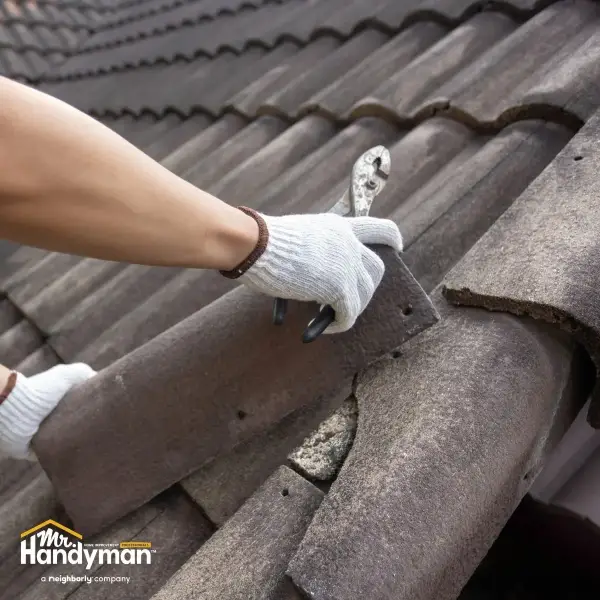
For buildings with pitched roofs, missing or damaged shingles from winter storms need replacement. Wind-driven rain exploits even small openings, causing water damage in attics and ceilings. Replacing damaged shingles is quick and inexpensive compared to interior water damage repair.
Gutters and downspouts on commercial buildings handle large water volumes. Clogged gutters overflow, damaging fascia, soffits, and siding while dumping water near foundations. Cleaning gutters and ensuring proper downspout discharge prevents multiple problems simultaneously.
HVAC and Mechanical Systems That Can't Fail During Peak Season
Commercial HVAC systems work harder than residential units because they condition larger spaces, run longer hours, and face greater demands during business hours. A system that struggles in spring will fail during summer heat when you need it most.
Pre-season maintenance should happen before cooling season begins. This includes changing filters, cleaning coils, checking refrigerant levels, testing electrical connections, and verifying proper operation. Catching small problems during maintenance prevents breakdowns during busy periods.
Condensate drains clog from algae and debris, causing water to back up and overflow into buildings. Commercial systems produce significant condensate that can flood ceilings or rooms if drains fail. Flushing drains and treating them with algaecide prevents clogs.
Outdoor HVAC units need clear space around them for proper airflow. Landscaping that grew during spring or debris that accumulated over winter restricts airflow and reduces efficiency. Trimming vegetation and removing debris improves performance.
Thermostats and controls sometimes fail or lose calibration over winter. Testing systems under load before summer verifies that temperature controls work correctly and systems respond appropriately to demand.
Exhaust fans and ventilation systems in kitchens, bathrooms, or industrial spaces need cleaning and inspection. Grease buildup in kitchen exhaust systems creates fire hazards. Blocked ventilation reduces air quality and can trigger code violations.
Exterior Lighting for Safety and Visibility
Parking lot lighting, building perimeter lighting, and entrance lighting all affect customer safety and security perceptions. Dark parking areas feel unsafe and deter evening business. Well-lit facilities welcome customers and reduce liability.
Replace burned-out bulbs before they become noticeable problems. Walking the property after dark identifies lighting failures that aren't obvious during daylight. Replacing bulbs proactively prevents customers from noticing gaps in coverage.
Upgrade to LED lighting for longer life and lower energy costs. LED fixtures last years longer than traditional bulbs and use significantly less electricity. The energy savings typically pay for LED upgrades within two to three years.
Clean fixture lenses to improve light output. Dirty, yellowed, or bug-filled lenses reduce illumination by 30 percent or more. Cleaning fixtures restores brightness without replacing bulbs.
Motion sensors and timers reduce energy costs while maintaining security. Lighting that activates when needed rather than running continuously saves money while still providing safety benefits.
Check photocells and timers that control automatic lighting. Failed sensors leave lights on during the day or off at night, wasting energy or creating security problems. Testing and replacing failed controls ensures proper operation.
Landscaping That Enhances Curb Appeal and Prevents Damage
.webp)
Commercial landscaping serves dual purposes: creating attractive first impressions and preventing property damage. Neglected landscaping does neither.
Spring cleanup removes winter debris, dead plants, and accumulated leaves. This basic maintenance makes properties look cared for and prevents debris from blocking drainage or creating fire hazards.
Overgrown vegetation damages buildings when branches scrape siding, roots infiltrate foundations, or foliage blocks gutters and vents. Trimming trees and shrubs away from structures prevents physical damage and improves airflow around buildings.
Mulch refreshment in planting beds improves appearance and suppresses weeds. Faded or decomposed mulch looks neglected. Fresh mulch creates clean, finished appearance that signals property pride.
Irrigation system startup should happen before hot weather stresses plants. Testing sprinkler zones, adjusting heads, and repairing winter damage prevents brown spots and dead landscaping during summer.
Drainage swales and retention areas need clearing after winter. Debris accumulation blocks water flow and causes flooding during spring rains. Maintaining drainage features prevents water from reaching buildings or parking areas.
Signage and Wayfinding That Guides Customers
Business signage directly affects customer ability to find and enter your location. Damaged, faded, or poorly maintained signs frustrate customers and reduce visibility.
Illuminated signs need bulb replacement and electrical inspection. Non-illuminated letters or sections make signs unreadable at night, when lighting matters most. Replacing bulbs and repairing electrical connections restores visibility.
Faded graphics on monument signs or building signs need refinishing or replacement. Sun exposure breaks down vinyl graphics and paint, making text illegible over time. Refreshing graphics maintains professional appearance and brand visibility.
Directional signage in parking lots guides customers to entrances, handicapped parking, and loading zones. Missing or damaged wayfinding signs create confusion and accessibility issues. Replacing damaged signs improves customer experience.
Check sign mounting hardware for rust, damage, or loosening. Wind loads stress mounting points, and failed hardware allows signs to fall or shift. Securing signs prevents damage and liability from falling signage.
Frequently Asked Questions
How far in advance should we schedule exterior repairs?
Schedule repairs two to three months before your busy season begins. This gives contractors time to fit your work into schedules before they're fully booked and ensures repairs complete before customer traffic increases. Waiting until busy season means limited contractor availability and higher emergency pricing.
Can we make repairs while the business is open?
Many exterior repairs can happen during business hours with minimal disruption. Parking lot work, landscaping, and some building repairs can be sequenced to avoid peak customer times. Discuss scheduling with contractors to minimize impact on operations.
What exterior repairs are most urgent for safety?
Trip hazards in walkways and parking lots, inadequate lighting, ADA accessibility issues, and structural damage to steps or railings all create immediate safety and liability concerns. These should be prioritized even if other repairs wait.
How often should commercial exteriors be inspected?
Conduct thorough exterior inspections twice yearly, typically spring and fall. Spring inspections identify winter damage before busy season. Fall inspections catch issues before winter weather worsens them. Regular inspections prevent small problems from becoming expensive emergencies.
Does exterior maintenance really affect customer decisions?
Yes. Studies show customers form opinions about businesses within seconds of seeing the exterior. Properties that look well-maintained suggest the business inside operates with similar attention to quality. Neglected exteriors drive customers to competitors.
What's the return on investment for exterior maintenance?
Exterior maintenance prevents expensive emergency repairs, reduces liability claims, attracts customers, and maintains property value. While hard to quantify exactly, the cost of deferred maintenance always exceeds proactive repair costs, often by factors of five to ten times.
Protecting Your Business Investment Through Proactive Maintenance
Commercial properties are significant investments that require ongoing maintenance to preserve value and functionality. Exterior repairs aren't discretionary expenses. They're operational necessities that protect revenue, reduce risk, and maintain professional image.
The period between winter weather and peak business season offers the best window for addressing accumulated maintenance needs. Weather cooperates, contractors have capacity, and repairs complete before customers notice problems.
Create a systematic approach to exterior maintenance rather than reacting to failures. Annual spring inspections identify issues early when repairs are simple and inexpensive. Addressing problems proactively prevents disruptions during busy periods when revenue impact is highest.
Budget for exterior maintenance as a regular operational expense, not an unexpected cost. Properties need ongoing investment to remain functional, safe, and attractive. Planning for maintenance prevents budget crises when repairs become urgent.
If your commercial property needs exterior repairs before busy season arrives, professional handyman services handle everything from parking lot repairs to building maintenance, signage work to HVAC service. Getting repairs scheduled and completed now prevents problems during peak customer months.
Mr. Handyman of Martinsburg and Charles Town
Mr. Handyman of Northern Montgomery County
Mr. Handyman of South Montgomery County
Your business deserves a professional exterior. Address repairs now, before busy season demands your full attention. Schedule your inspection and repairs today.