The Air Your Members Are Breathing During Their Workout
A fitness center or wellness facility is not like most commercial spaces. The activity level is higher, the occupancy density fluctuates dramatically throughout the day, and the physical exertion happening in every corner of the building generates heat, humidity, and airborne particulates at rates that office buildings, retail spaces, and restaurants never approach. The HVAC system in a fitness facility is not simply keeping the space comfortable. It is managing an indoor environment where people are breathing heavily, sweating profusely, and depending on the air quality to support physical performance and recovery.
When HVAC maintenance is deferred or treated as optional in a fitness or wellness setting, the consequences show up quickly and in ways that directly affect member experience, retention, and the facility's reputation. A workout room that feels stuffy signals poor air circulation. A yoga studio that smells stale indicates inadequate ventilation. Locker rooms that stay humid long after showers have ended point to exhaust systems that are not moving air effectively. These are not minor comfort issues. They are operational problems that members notice immediately and that shape their decision to renew, refer others, or look for a different facility.
Across Martinsburg, Charles Town, and the communities of Montgomery County, fitness centers, yoga studios, CrossFit gyms, martial arts facilities, and wellness centers operate in buildings that range from purpose-built modern facilities to converted retail and warehouse spaces. The HVAC demands are identical regardless of the building type, but the systems serving them vary widely in capacity, design, and condition. Understanding what proper HVAC maintenance actually accomplishes in a fitness environment and why it cannot be treated the same as maintenance in other commercial settings is essential for any facility operator who wants to protect both member health and business viability.
What Happens Inside a Fitness Facility That Stresses HVAC Systems
To understand why HVAC maintenance is critical in fitness environments, it helps to understand what is actually happening in the space during a typical operating day. The load on the HVAC system in a fitness facility is not constant. It spikes dramatically during peak hours, particularly early morning and evening periods when class schedules and member traffic overlap.
During a high-intensity group fitness class, twenty to thirty people in a room designed for that capacity are all generating heat and moisture simultaneously. Each person exercising at moderate to high intensity produces between 400 and 600 BTUs of heat per hour, and exhales moisture-laden air with every breath. In a cycling studio, boot camp class, or HIIT session, that heat and humidity accumulate faster than most HVAC systems can remove it unless the system is properly sized, maintained, and operating at full capacity.
The air exchange requirements in fitness spaces are significantly higher than in typical commercial environments. ASHRAE, the organization that establishes ventilation standards for commercial buildings, recommends 20 cubic feet per minute of outdoor air per person in fitness areas, compared to 5 to 10 CFM per person in offices and retail spaces. This is not a suggestion. It is the minimum fresh air intake required to maintain acceptable indoor air quality when occupants are physically active and breathing heavily.
When HVAC systems are not maintained properly, they lose capacity gradually in ways that are not always obvious until conditions become uncomfortable. Air filters that are loaded with dust and debris restrict airflow, forcing the system to work harder to move the same volume of air and reducing the amount of conditioned air actually reaching occupied spaces. Condenser coils that are coated with debris cannot reject heat efficiently, which reduces cooling capacity exactly when the facility needs it most. Blower motors that are running on worn bearings or loose belts lose efficiency and in some cases fail entirely during peak demand periods.
In older buildings throughout the Eastern Panhandle and Montgomery County that have been converted to fitness use, the HVAC systems were often designed for the building's original purpose, which may have been retail, office, or light industrial use with entirely different ventilation and cooling requirements. A system that was adequate for a retail space with moderate occupancy and low activity levels is almost never adequate for the same space operating as a fitness facility without significant modification or supplementation.
The Direct Connection Between HVAC Performance and Member Experience
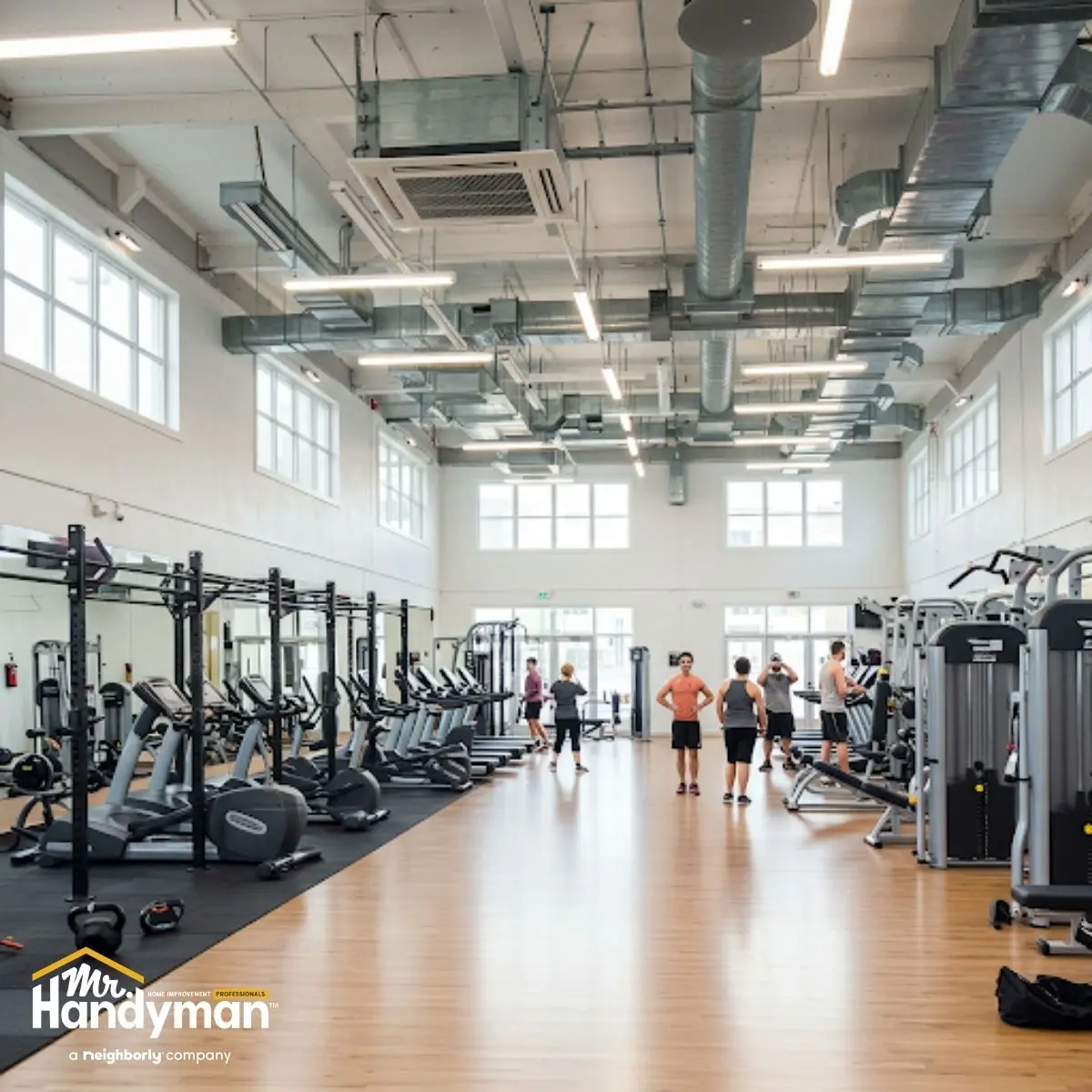
Members of fitness and wellness facilities form their impression of the space through sensory experience that is immediate and visceral. The temperature they feel when walking in from outside, the quality of the air they breathe during a workout, the humidity level in the locker room after a shower, and whether the facility smells fresh or stale all contribute to their overall satisfaction in ways that are difficult to quantify but impossible to ignore.
A fitness facility where the air feels heavy, where humidity is noticeably high, or where odors linger is a facility where members will cut workouts short, avoid peak hours, or simply stop coming. The decision to cancel a membership is rarely attributed to air quality directly, but when members are asked why they left, phrases like "it just didn't feel right," "the air was always bad in there," or "it never felt clean" appear consistently. These descriptions are almost always describing HVAC performance failures, even when the member does not identify them that way.
Temperature consistency across different areas of a facility also matters significantly. A weight room that is ten degrees warmer than the cardio area, or a yoga studio that never quite reaches a comfortable temperature for a hot yoga class, creates friction in the member experience. These temperature inconsistencies are typically the result of either inadequate system capacity, poor air distribution due to blocked or improperly adjusted diffusers, or maintenance issues that have reduced the system's ability to deliver conditioned air evenly throughout the facility.
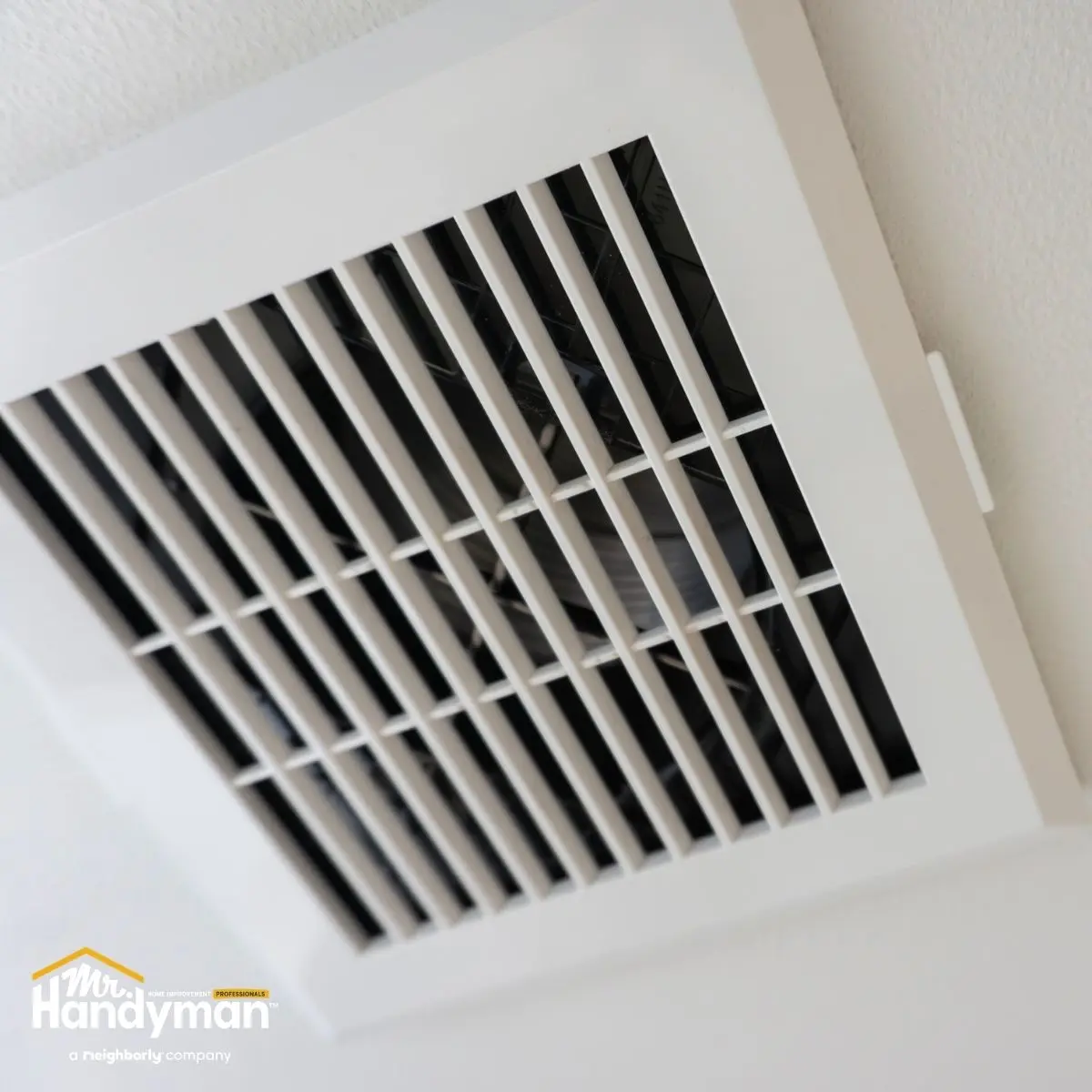
Locker rooms and restroom areas in fitness facilities face HVAC challenges that are distinct from workout spaces. These areas generate sustained high humidity from showers and require exhaust ventilation that runs continuously to remove moisture and prevent mold growth, surface condensation, and persistent odors. An exhaust fan that is not functioning or that is undersized for the space results in locker rooms that remain humid and uncomfortable long after use, and that develop mildew and odor problems that no amount of cleaning fully resolves.
The Health and Safety Implications of Poor Air Quality
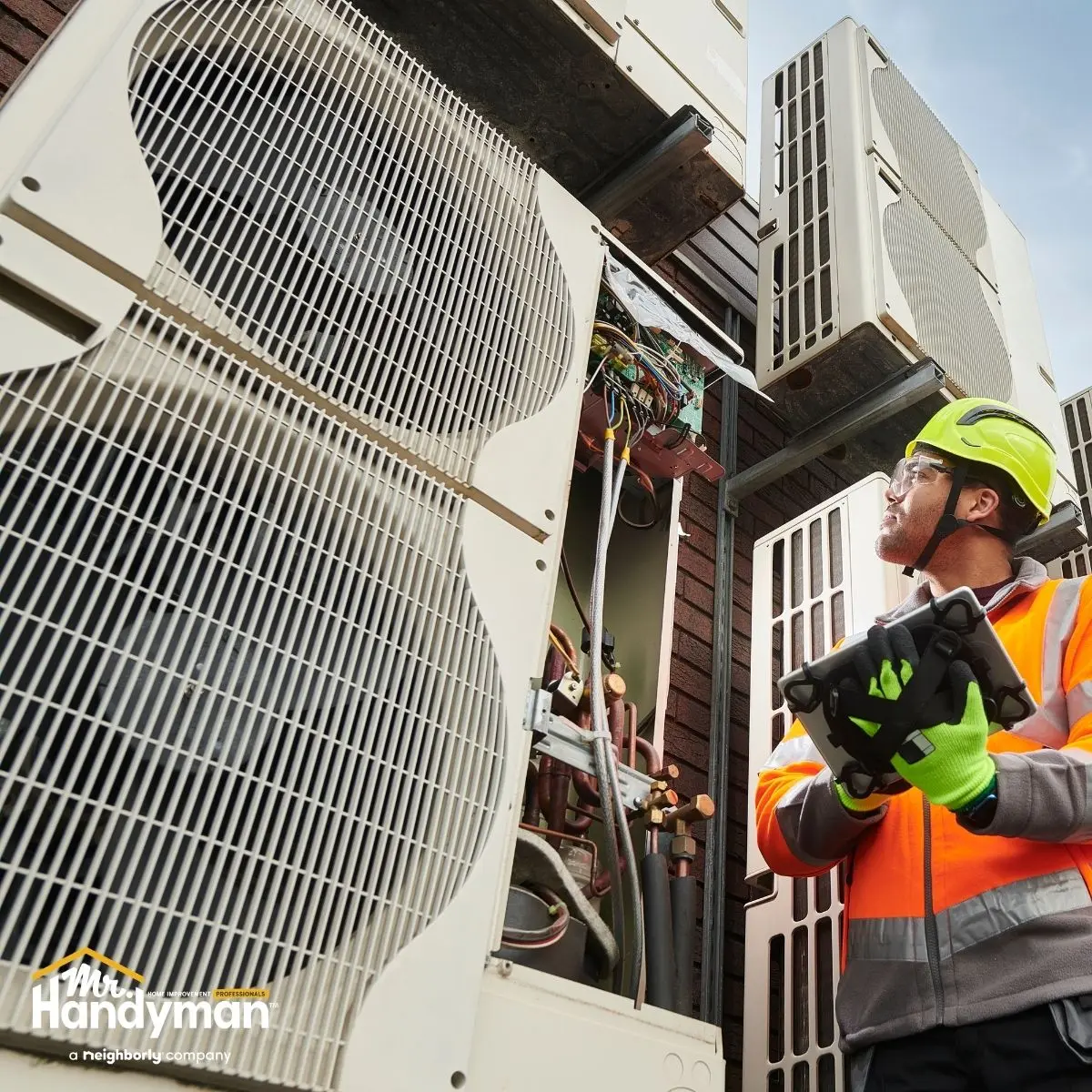
Air quality in fitness facilities is not simply a comfort issue. It is a health and safety concern that affects both members and staff. People exercising in a fitness environment are breathing at rates two to three times higher than at rest, which means they are taking in significantly more air over the course of a workout. If that air contains elevated levels of carbon dioxide, volatile organic compounds from cleaning products and materials, or airborne particulates from dust and skin cells, the exposure is proportionally higher than it would be in a sedentary environment.
Carbon dioxide levels are a useful proxy for overall ventilation effectiveness. In a well-ventilated space, CO2 levels remain below 1000 parts per million even during peak occupancy. In fitness facilities with inadequate ventilation, CO2 levels can rise above 1500 or even 2000 ppm during busy class times, which is high enough to cause noticeable symptoms including headache, fatigue, difficulty concentrating, and a general sense of stuffiness. Members may not consciously identify elevated CO2 as the problem, but they will notice that they feel worse during and after workouts in the facility than they expect to, and over time that perception affects their engagement and retention.
Airborne particulates in fitness environments come from multiple sources. Rubber flooring, particularly in weightlifting areas, releases fine particles as it wears. Chalk used for grip generates dust that becomes airborne during lifts and settles on surfaces throughout the space. Skin cells, hair, and textile fibers from clothing are constantly being shed and circulated through the air. A properly maintained HVAC system with clean filters and adequate air changes per hour captures and removes these particulates continuously. A poorly maintained system allows them to accumulate, affecting both air quality and the cleanliness of every surface in the facility.
Humidity control is particularly important in fitness facilities because elevated humidity affects both comfort and microbial growth. The American College of Sports Medicine recommends indoor relative humidity between 40 and 60 percent for exercise environments. Above 60 percent, the body's ability to cool itself through evaporation is compromised, making exercise feel harder and increasing the risk of heat-related stress. Above 70 percent, mold and bacteria growth accelerates on surfaces that are regularly exposed to moisture, including locker room walls, shower stalls, and equipment padding.
What Proper HVAC Maintenance Actually Involves in Fitness Settings
HVAC maintenance in fitness facilities requires a more aggressive schedule than most other commercial environments because the system is working harder, accumulating contaminants faster, and operating under conditions that accelerate wear. Understanding what proper maintenance involves and why each element matters helps facility operators make informed decisions about service frequency and scope.
Filter Replacement on an Appropriate Schedule
Air filters in fitness facility HVAC systems should be inspected monthly and replaced based on actual loading rather than a fixed calendar schedule. During high-use periods or in facilities with significant airborne particulates, filters may need replacement every four to six weeks rather than the quarterly schedule that might be adequate in an office environment. A loaded filter that is left in place restricts airflow to the point where the system cannot deliver its designed air volume, which directly reduces ventilation effectiveness and cooling capacity.
Condenser and Evaporator Coil Cleaning
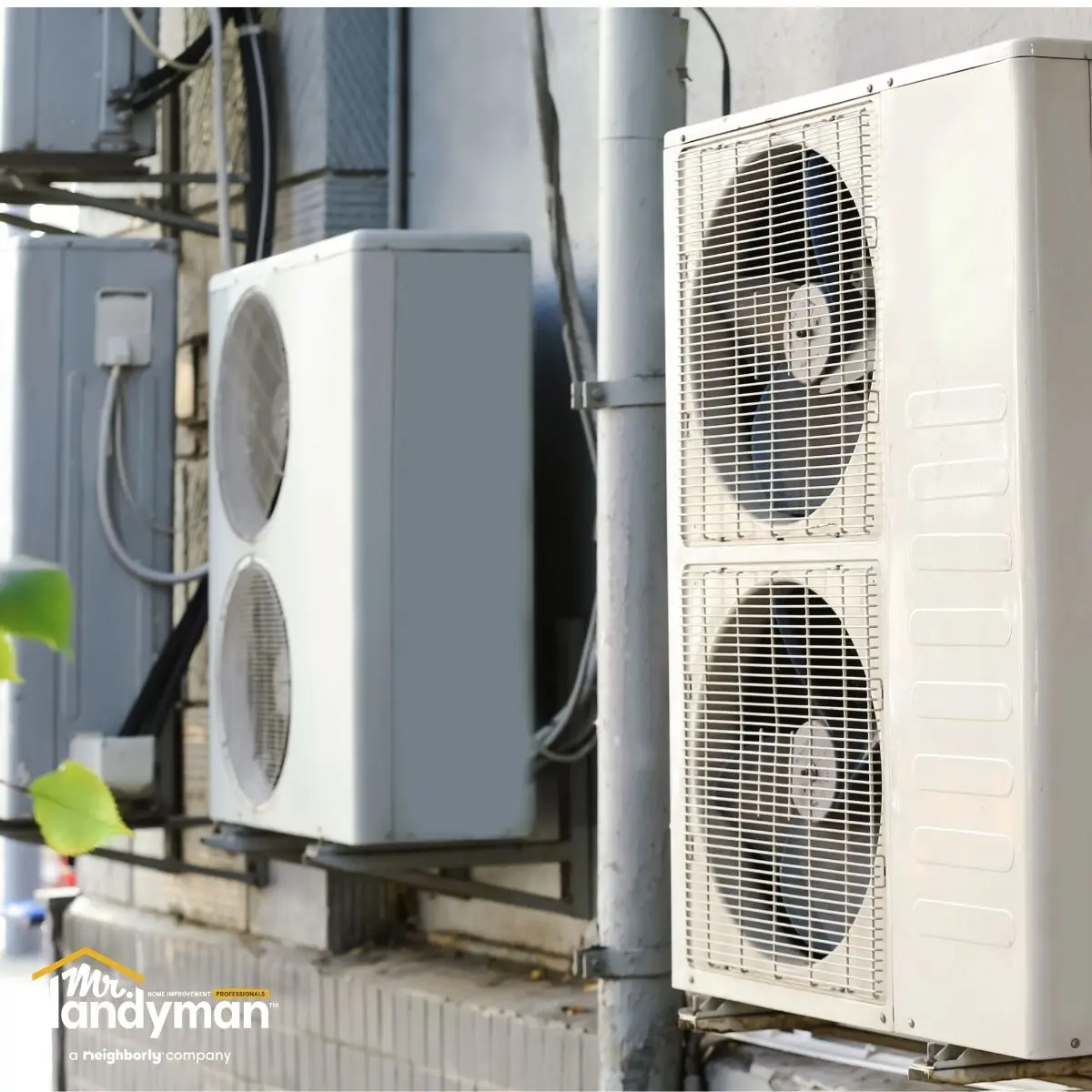
Condenser coils on outdoor units accumulate debris from cottonwood seeds, leaves, grass clippings, and airborne dust that restricts airflow and reduces heat rejection capacity. In fitness facilities where cooling demand is sustained throughout operating hours, even a partially blocked condenser coil measurably reduces system efficiency and capacity. Coils should be cleaned at minimum twice per year, in spring before cooling season begins and again in fall after the cottonwood and pollen season has passed.
Evaporator coils inside air handling units accumulate dust and biological growth over time, particularly in humid environments. A coil that is coated with debris and biofilm restricts airflow and provides a surface where mold spores can establish and be distributed throughout the facility with every cycle of the air handler. Evaporator coil cleaning is more involved than condenser cleaning and typically requires professional service, but it is essential for maintaining both air quality and system capacity.
Exhaust Fan Function and Capacity
Every exhaust fan serving locker rooms, restrooms, and shower areas should be tested to confirm it is moving air at the designed rate and exhausting to the exterior rather than simply recirculating into an attic or plenum space. An exhaust fan that has lost capacity due to motor wear, belt slippage, or blockage in the ductwork does not remove moisture effectively, and the humidity that remains in the space contributes to mold growth, odor, and member discomfort.
Exhaust fans in fitness facilities should run continuously during operating hours rather than being controlled by occupancy sensors that turn them on and off. The lag time between when humidity is generated and when a sensor-controlled fan activates is enough to allow moisture levels to rise significantly, and the continuous operation ensures that baseline air exchange is maintained even between periods of direct use.
Ductwork Inspection and Cleaning
Ductwork in fitness facilities accumulates dust, skin cells, and other particulates faster than in most commercial settings, and over time this accumulation affects both airflow and air quality. Ducts should be inspected annually and cleaned when visible accumulation is present or when airflow measurements indicate restriction. In facilities where rubber flooring generates fine particulate or where chalk is used regularly, duct cleaning may need to occur more frequently.
Thermostat Calibration and Control Verification
Thermostats in fitness facilities should be positioned in locations that reflect the actual temperature experience of members rather than in back offices or near exterior walls where readings do not represent occupied space conditions. Thermostats that are out of calibration, reading several degrees off actual temperature, cause the system to undercool or overheat spaces without the facility operator realizing the control system is providing inaccurate feedback.
Regional Considerations for Fitness Facilities in This Area
Fitness and wellness facilities throughout Martinsburg, Charles Town, and Montgomery County face HVAC challenges that are shaped by the specific climate and building stock of this region. Understanding these regional factors helps facility operators anticipate problems and plan maintenance appropriately.
The humidity levels in this region during summer months are high enough that dehumidification often becomes as important as cooling. A fitness facility that is adequately cooled but where humidity remains above 60 percent will still feel uncomfortable and will experience the mold and mildew growth that comes with sustained high moisture levels. HVAC systems in fitness facilities in this region benefit from enhanced dehumidification capacity beyond what the cooling cycle alone provides, particularly in locker room and shower areas.
Older buildings that have been converted to fitness use, which are common throughout the older commercial corridors of both regions, often have HVAC systems that were designed before current ventilation standards existed. These systems may have adequate cooling capacity but insufficient outdoor air intake to meet the ventilation requirements for fitness use. Supplementing existing systems with dedicated outdoor air units or energy recovery ventilators addresses this gap without requiring full system replacement.
Frequently Asked Questions
How often should HVAC systems in fitness facilities be professionally serviced?
HVAC systems in fitness facilities should receive professional maintenance at minimum twice per year, in spring before cooling season and in fall before heating season. Facilities with high use, older equipment, or a history of system issues benefit from quarterly service that includes filter inspection, coil condition assessment, and operational testing of all components.
What are the signs that a fitness facility has inadequate ventilation?
Common signs include persistent stuffiness during peak hours, elevated humidity that does not resolve quickly after activity periods, member complaints about air quality or feeling lightheaded during workouts, condensation on windows or mirrors during cold weather, and lingering odors that cleaning does not eliminate. Any of these symptoms warrants a professional assessment of ventilation capacity and system performance.
Can a fitness facility operate with a residential-grade HVAC system?
Small facilities in converted residential spaces sometimes attempt to operate with existing residential systems, but these systems are almost never adequate for fitness use. Residential systems are designed for lower occupancy, minimal humidity generation, and significantly lower ventilation requirements than fitness environments demand. Facilities operating with undersized residential systems consistently experience comfort complaints, high energy costs from systems running continuously, and premature equipment failure.
How does HVAC maintenance affect member retention in fitness facilities?
Air quality and comfort are consistently cited among the top factors affecting member satisfaction in fitness facilities, alongside cleanliness, equipment condition, and staff interaction. Facilities where HVAC systems are properly maintained and air quality is consistently good experience higher member retention, more positive reviews, and stronger referral rates than facilities where air quality is a recurring complaint.
What is the cost of neglecting HVAC maintenance in a fitness facility?
The direct costs include higher energy bills from systems running inefficiently, more frequent equipment repairs and earlier system replacement, and potentially higher cleaning costs as humidity and air quality issues make surfaces harder to maintain. The indirect costs, including member dissatisfaction, negative reviews, reduced retention, and liability exposure from air quality complaints, typically exceed the direct maintenance costs by a significant margin.
Should fitness facilities install air purification systems in addition to standard HVAC maintenance?
Air purification systems, including UV lights in ductwork and standalone HEPA filtration units, can supplement standard HVAC maintenance in facilities where air quality is a particular concern or where member expectations are high. These systems are additions to, not replacements for, proper HVAC maintenance. A poorly maintained HVAC system will underperform regardless of supplemental purification equipment, while a well-maintained system often does not require additional purification to meet acceptable air quality standards.
Protect Your Members and Your Business With Proper HVAC Maintenance
The fitness and wellness facilities that succeed long-term are the ones that understand their HVAC system is not a background detail but a core operational system that directly affects member experience, health, safety, and retention. Proper maintenance is not an expense to minimize but an investment in the quality of the environment the facility provides and the sustainability of the business model that depends on member satisfaction.
Mr. Handyman serves fitness and wellness facilities throughout the Eastern Panhandle and Montgomery County with HVAC assessment, maintenance coordination, filter replacement programs, exhaust system evaluation, and the full range of mechanical support services that keep facilities operating at the air quality and comfort standards members expect and deserve.
Mr. Handyman of Martinsburg and Charles Town
Mr. Handyman of Northern Montgomery County
Mr. Handyman of South Montgomery County
Call to schedule an HVAC assessment for your facility or to discuss a maintenance program that ensures your members are breathing clean air and working out in the comfortable, healthy environment they came for.
