Winter in the Mid-Atlantic doesn't announce its damage with dramatic failures. Instead, it works quietly—freezing water in small cracks, stressing roofing materials through temperature swings, and saturating building components during freeze-thaw cycles that repeat dozens of times each season. By the time March arrives, homes across Martinsburg, Charles Town, and Montgomery County carry months of accumulated stress that manifests as leaks, drafts, mechanical failures, and structural wear. The homeowners who understand what winter does to their properties can address problems while they're still repairs rather than replacements.
The region's climate creates specific challenges that newer residents often underestimate. A winter day might start at eighteen degrees, climb to forty-five by afternoon, and drop back to twenty-five overnight. This constant cycling expands and contracts every building material at different rates. Metal flashing pulls away from wood trim. Caulk separates from window frames. Concrete develops new cracks. Asphalt shingles that were perfectly sealed in October have separated edges by February. These aren't defects in materials or installation—they're the predictable result of Mid-Atlantic winter weather acting on building components over time.
Roof and Attic Damage From Ice and Snow
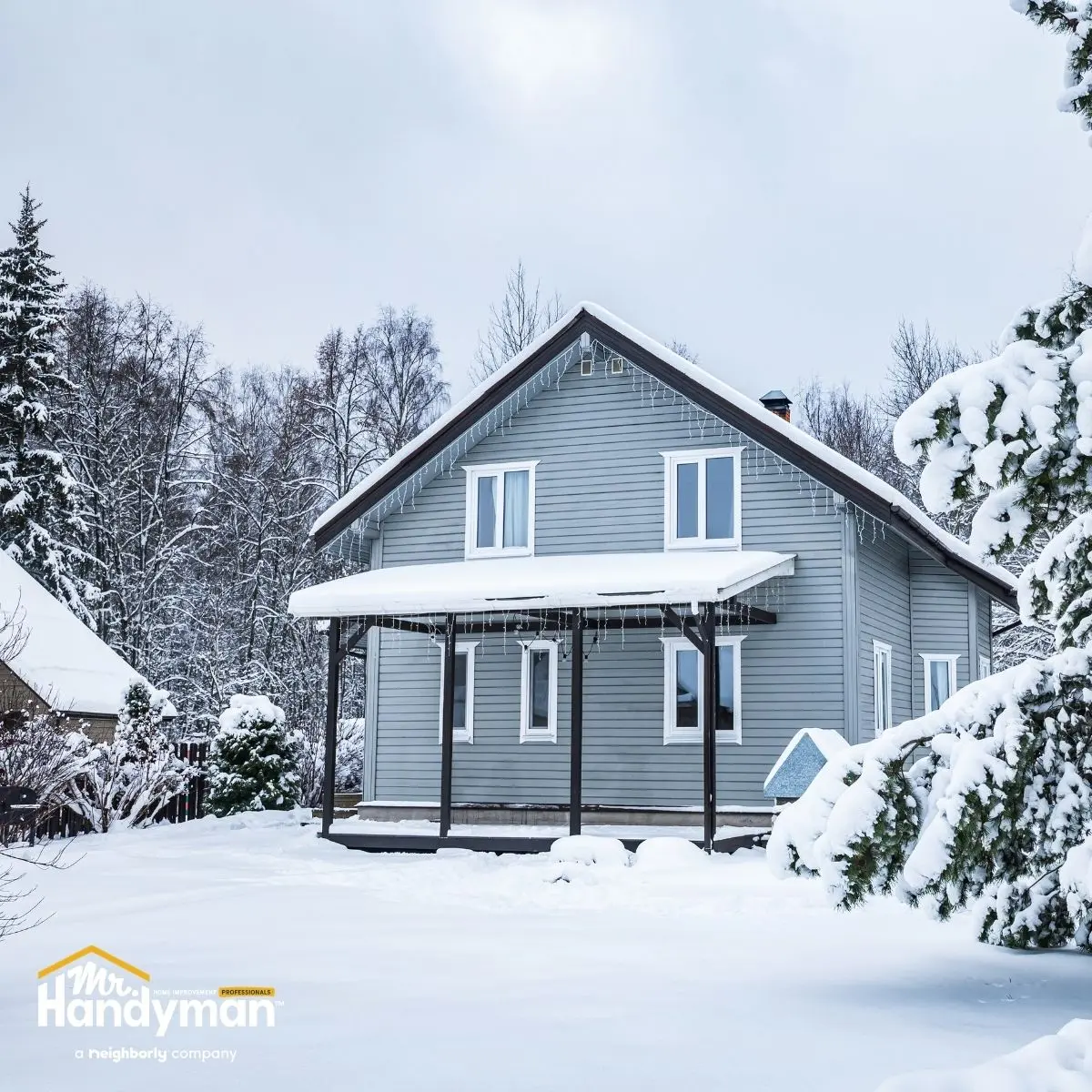
Ice dams represent one of winter's most destructive forces, and they form on roofs throughout Berkeley County and Montgomery County whenever snow accumulates and indoor heat escapes through inadequate attic insulation. The cycle starts when warm attic air melts snow on upper roof sections. Meltwater runs down toward eaves, refreezes where the roof overhangs unheated space, and builds ice ridges that trap subsequent meltwater behind them. This standing water works its way under shingles, through underlayment, and into attic spaces where it saturates insulation, stains ceilings, and rots roof decking.
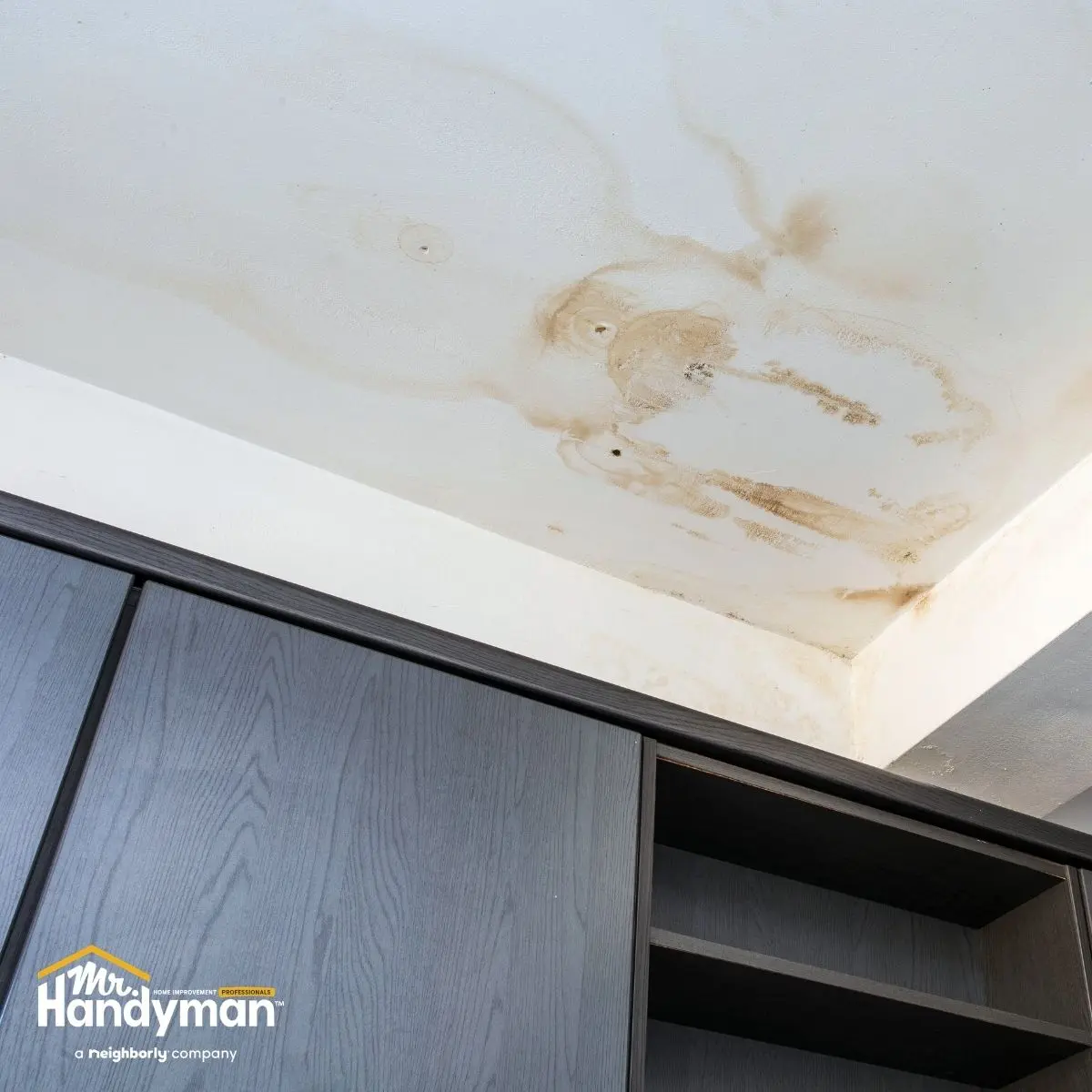
The evidence appears in spring as water stains on ceilings near exterior walls, dampness in attic insulation, or dark streaks on roof decking visible from inside the attic. Many homeowners assume roof leaks require shingle replacement, but ice dam damage often indicates inadequate attic insulation or ventilation rather than roofing failure. The shingles themselves may be fine; they're simply not designed to resist water that sits against them for days or weeks. Addressing ice dam damage means fixing the leak points but also correcting the attic conditions that allowed ice dams to form.
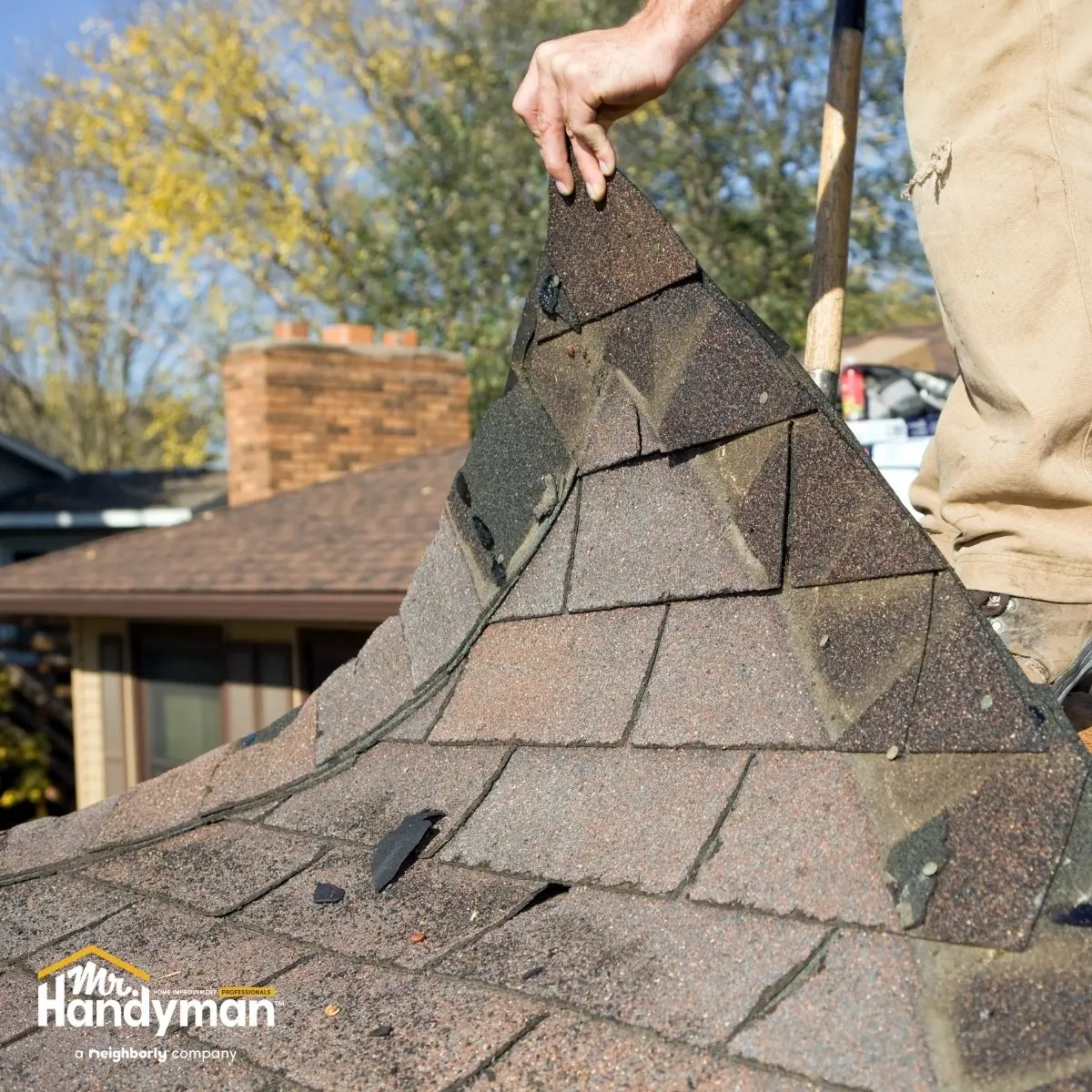
Missing or damaged shingles become obvious after winter storms. High winds tear at shingles that have aged and lost flexibility. The asphalt shingles common on homes built in the 1970s through 1990s become brittle after fifteen to twenty years of UV exposure and temperature cycling. Wind catches these rigid shingles and breaks them rather than flexing them. Walk around your property and look for shingle granules in gutters—granule loss indicates shingles approaching the end of their service life. Look for curled shingle edges, cracked or torn shingles, or bare spots where shingles have blown away entirely.
Flashing around chimneys, skylights, and roof penetrations fails more frequently than the roofing material itself. The metal flashing expands and contracts at different rates than surrounding shingles and wood. Sealants that held joints tight in summer crack in winter cold. Water follows these opened joints down into wall cavities and ceiling spaces. Check for water stains on ceilings below chimneys or around skylight openings—these indicate flashing failures that allow water intrusion even when shingles appear intact.
Gutter Damage and Detachment
Ice-filled gutters during winter weigh hundreds of pounds more than gutters were designed to support. This excessive weight pulls gutter hangers loose, bends gutter sections, and tears fascia boards away from roof edges. Many older homes in Charles Town and surrounding areas have gutters attached with spike-and-ferrule hangers driven through the gutter face into fascia boards. These hangers work adequately for normal debris loads but fail under ice weight. The spikes pull out, leaving gutters sagging or detached.
Look for gutter sections that no longer align properly or have visible gaps at seams. Water should flow smoothly toward downspouts, but sagging creates low spots where water pools. Standing water in gutters breeds mosquitoes in summer and adds weight that worsens sagging. Check where gutters meet corners—these joints separate under stress, allowing water to pour through gaps during rain. Inspect fascia boards behind gutters; soft spots indicate rot from water that's been overflowing or leaking through gutter backs.
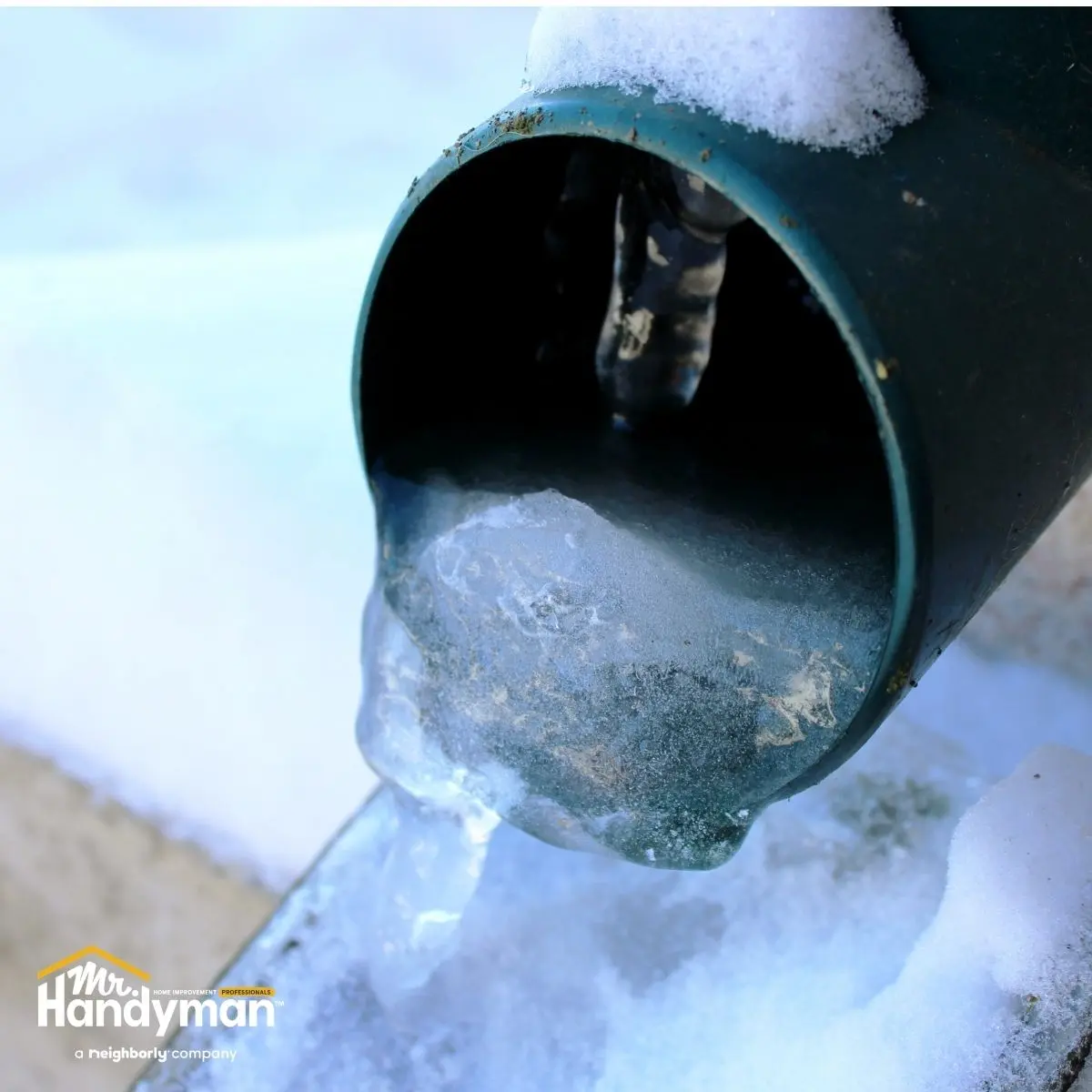
Downspouts suffer their own winter damage. Ice forming inside downspouts expands with tremendous force, separating joints and cracking elbows. Check every downspout connection point for separation. A disconnected elbow at ground level dumps roof water directly against your foundation instead of carrying it safely away. Many downspouts have underground extensions that crack when water inside them freezes—these failures aren't visible until you see water pooling near the foundation during heavy rain.
The brackets and straps that secure downspouts to exterior walls work loose over winter as materials expand and contract. Loose downspouts rattle in wind and eventually pull completely free, leaving unsupported sections that bend or collapse. Check every strap and bracket; tightening or replacing these simple components prevents downspout damage that requires full replacement.
Foundation Cracks and Water Intrusion
Concrete and masonry foundations crack when water in existing hairline cracks freezes and expands. A crack barely visible in autumn becomes a quarter-inch gap by spring after repeated freeze-thaw cycles. These widened cracks allow water intrusion that creates damp basements, musty odors, and conditions favorable for mold growth. The damage compounds over time—water enters through cracks, freezes, expands the crack further, allows more water entry, and continues the cycle each winter.
Basement walls show efflorescence—white, crusty deposits—when water moves through masonry, dissolving minerals and depositing them on interior surfaces. This powdery residue indicates active water penetration even when walls feel dry to the touch. Check basement walls in corners and along floor joints where walls meet basement floors. These areas often show the first signs of seepage because water follows the path of least resistance down foundation walls and accumulates at the bottom.
Many homes built before modern waterproofing standards lack proper foundation drainage. They have no perimeter drain tiles, inadequate or absent damp-proofing on exterior foundation walls, and grading that slopes toward rather than away from the foundation. Winter precipitation saturates soil around these foundations, building hydrostatic pressure that forces water through any available opening. By spring, previously dry basements show damp spots, and previously damp basements have standing water.
Crawlspace foundations suffer similarly. Water enters through foundation walls or rises through dirt floors, creating humid conditions that persist into summer. Wood floor joists and subflooring above crawlspaces absorb this moisture and begin to rot. The musty smell that homeowners notice in spring originates in crawlspaces where winter moisture has encouraged mold growth on wood framing and insulation.
Plumbing Failures From Freezing
Frozen pipes rank among the most expensive winter repairs. Pipes in exterior walls, unheated crawlspaces, and attached garages freeze when temperatures drop and remain below freezing for extended periods. Ice forms inside pipes, expands, and splits copper or PVC. The split doesn't leak until the ice melts—then water pours into wall cavities, ceiling spaces, or crawlspaces, causing damage far exceeding the cost of pipe repair.
Outdoor faucets fail when homeowners forget to drain them before winter or when freeze-proof faucets aren't installed properly. A freeze-proof faucet only works when it's tilted slightly downward so water drains away from the outside. Faucets installed level or tilting upward trap water that freezes and cracks the faucet body. The crack often occurs inside the wall where the faucet attaches, making the leak invisible from outside. Homeowners discover the problem when interior walls show water damage or when they notice their water bill has doubled from continuous leakage.
Water heaters in unheated spaces face stress during extended cold periods. The units work harder to maintain water temperature, cycling more frequently and straining components. Relief valves that drip occasionally in summer leak steadily in winter. Heating elements that were beginning to fail before winter quit entirely during peak demand. Spring reveals water heater problems that developed over months of cold-weather operation—rusty water, insufficient hot water, or complete failure.
Check exposed piping in basements and crawlspaces for split insulation or missing insulation. Pipe insulation deteriorates over time, especially in damp environments. Gaps in insulation allow heat loss that makes pipes vulnerable to freezing during the next cold snap. Look for water stains on ceilings below bathrooms—these often indicate slow leaks from wax seals around toilets that have failed as floors shifted during winter.
Driveway and Walkway Deterioration
Asphalt driveways across the region show predictable winter damage patterns. Water seeps into small cracks during autumn, freezes when temperatures drop, and expands with enough force to break asphalt apart. A hairline crack in November becomes a pothole by March. The freeze-thaw cycling that happens twenty to thirty times each winter in Berkeley and Montgomery Counties accelerates asphalt deterioration faster than in regions with consistently cold or warm climates.
Look for alligatored sections—areas where the asphalt surface has broken into small, interconnected cracks resembling reptile skin. This pattern indicates the asphalt base has failed beneath the surface. Patching these areas provides temporary fixes, but the underlying base problem causes new cracks to form around patches. Pooling water on driveways after rain shows low spots where the base has settled. These depressions collect water that freezes in winter and causes progressive damage.
Edge cracking along driveway perimeters results from inadequate edge support and winter frost heaves. As soil freezes, it expands and pushes against driveway edges. When soil thaws, it settles, but not uniformly. This lifting and settling breaks asphalt edges away from the main driveway surface. Without solid edging or proper base preparation, this damage recurs each winter even after repairs.
Concrete walkways and patios show different failure modes. Scaling—where the concrete surface flakes away in thin layers—results from freeze-thaw damage combined with de-icing salt exposure. The salts used to melt ice on concrete surfaces actually accelerate freeze-thaw deterioration. Water absorbed into concrete surface pores freezes and expands, popping off thin layers of concrete. Once scaling starts, it progresses rapidly because damaged areas absorb water more readily.
Heaving and settling create uneven concrete sections that present tripping hazards. Frost penetrates beneath concrete slabs that lack adequate base preparation or proper depth. As soil freezes, it expands and lifts concrete. Thawing allows sections to settle, but rarely back to original positions. The result is walks and patios with uneven surfaces, separated joints, and gaps that allow water penetration to the base, worsening the problem each subsequent winter.
Steps—both wood and concrete—suffer particular stress during winter. Concrete steps crack where treads meet risers. Water enters these cracks, freezes, and progressively widens them. Many older homes have concrete steps that are separating from foundations or have developed dangerous tilts as soil beneath them has settled. Wood steps rot at points where they contact concrete or remain in contact with ice and snow. Check stringers—the structural supports beneath step treads—for soft spots and rot, especially at ground contact points.
HVAC System Strain and Component Failure
Furnaces that operated continuously during extended cold periods show wear that manifests as problems in spring. Heat exchangers that were beginning to crack before winter now have failures large enough to allow combustion gases into living spaces—a serious safety hazard. Blower motors that struggled through winter quit entirely or make grinding noises that indicate imminent failure. Ignition systems that worked intermittently in January fail completely by March.
Filter-related problems top the list of winter-induced HVAC issues. Homeowners who neglect filter changes force systems to work harder, stress blower motors, and reduce efficiency. A clogged filter restricts airflow, causing furnaces to overheat and cycle on and off more frequently than designed. This short-cycling wears components rapidly. By spring, systems may be functional but operating at reduced efficiency and increased operating cost.
Ductwork problems reveal themselves after winter operation. Flexible ducts in attics and crawlspaces sag under their own weight, especially when insulation becomes damp from condensation or roof leaks. Sagging ducts restrict airflow and create pockets where condensation collects. Rigid metal ducts separate at joints when homes settle or when the thermal expansion and contraction of winter stresses connections. Air leaking from supply ducts wastes energy; air leaking into return ducts pulls unconditioned air into the system, forcing equipment to work harder.
Condensate drain lines that remove moisture from air conditioning systems sit unused all winter. By spring, these lines are often clogged with algae, mold, or debris. When air conditioning season starts, clogged drain lines cause condensate to overflow, damaging ceilings, walls, and flooring near indoor air handler units. Many systems have emergency shutoff switches that activate when condensate backs up, but some older units lack this protection and simply overflow.
Thermostats and zone controls malfunction after months of continuous operation. Mechanical thermostats wear out; electrical contacts become corroded. Programmable thermostats lose their programming when backup batteries die. Zone dampers in multi-zone systems stick in one position after months without operation. These problems often surface at the worst time—the first hot day of spring when you need air conditioning or the last cold snap of the season.
Electrical System Problems
Exterior outlets and light fixtures exposed to winter weather develop problems that surface in spring when outdoor electrical use resumes. Ground Fault Circuit Interrupter (GFCI) outlets that protected outdoor circuits all winter may have tripped and been forgotten. Moisture intrusion into outlet boxes causes corrosion that prevents proper reset. Some GFCI devices fail internally from age and weather exposure; these require replacement rather than simple resetting.
Landscape lighting systems that operated properly in autumn often have multiple failures by spring. Light fixtures crack when water inside them freezes. Buried wiring connections corrode from moisture infiltration. Low-voltage transformers fail from continuous operation through winter months. Walk the property and check every landscape light; repairs are easier to complete before plantings fill in and obscure access to fixtures and wiring.
Overhead service lines from utility poles to houses sag under ice loads during winter storms. Tree limbs grow into service lines over years; winter ice makes branches heavy enough to pull lines down or drape them dangerously low. Any service line that appears to sag, shows damaged insulation, or has tree contact requires immediate utility company notification. These are serious safety hazards that homeowners should never attempt to address themselves.
Frequently Asked Questions
What winter damage requires immediate attention versus what can wait?
Address water intrusion issues immediately—roof leaks, foundation cracks allowing water entry, plumbing leaks, and drainage failures all cause progressive damage that worsens daily. Structural concerns like foundation movement, damaged support posts, or failing retaining walls also need prompt professional evaluation. Cosmetic issues like paint damage or minor caulk failures can be scheduled for later repair without risk of significant additional damage.
How can I tell if ice dam damage has affected my roof structure or just shingles?
Enter your attic on a sunny day and look for daylight coming through the roof, water stains on roof decking, compressed or wet insulation, or dark staining on wood. These signs indicate water has penetrated beyond shingles into the structural assembly. Even if you see no interior evidence, have a professional inspect the roof if you observed ice dams during winter—damage often exists before it becomes visible inside.
Why do repairs I made last spring fail again this winter?
Recurring failures indicate the repair addressed symptoms rather than root causes. Caulk that fails repeatedly means the joint moves too much for caulk to bridge, requiring different repair approaches. Foundation cracks that reopen indicate ongoing structural movement or water pressure that simple crack filling can't resolve. Drainage problems that return suggest grading or subsurface drainage issues weren't corrected. Identifying why repairs fail helps determine appropriate permanent solutions.
Are there winter damage patterns specific to older homes in this region?
Absolutely. Homes built before modern building codes often lack adequate foundation drainage, have undersized gutters, feature minimal attic insulation and ventilation, and use building materials that don't withstand weather exposure as well as modern alternatives. Many have settled over decades, creating drainage patterns that direct water toward rather than away from structures. Older homes require more proactive winter damage repair and prevention than newer construction.
When should I repair winter damage myself versus hiring professionals?
Simple caulking, gutter cleaning, minor wood repairs, and cosmetic fixes are reasonable DIY projects for handy homeowners. Anything involving roofing, structural components, foundation repairs, electrical systems, or extensive water damage benefits from professional expertise. Professionals identify related problems that homeowners miss, use appropriate materials and methods, and provide repairs that last rather than temporary fixes that fail within months.
How much should I budget for typical post-winter repairs?
Budget varies tremendously based on home age, condition, and severity of winter weather, but setting aside one to two percent of home value annually for maintenance and repairs provides a realistic starting point. Older homes or homes with deferred maintenance may require significantly more. Address small problems promptly—minor repairs cost hundreds while delayed repairs that allow damage to spread often cost thousands.
Winter leaves its mark on every home in the Mid-Atlantic region. Identifying and addressing damage promptly protects your investment and prevents minor issues from escalating into major expenses. Professional handyman services bring experience, appropriate tools, and the ability to spot related problems that homeowners might overlook.
Mr. Handyman of Martinsburg and Charles Town
https://www.mrhandyman.com/martinsburg-charles-town/
Mr. Handyman of Northern Montgomery County
https://www.mrhandyman.com/northern-montgomery-county/
Mr. Handyman of South Montgomery County