Emergency Plumbing Tips for Sub-Zero Temperatures are essential knowledge for homeowners and property managers when extreme cold moves from inconvenience to immediate risk. Sub zero conditions dramatically increase the likelihood of frozen pipes, burst lines, water heater failures, and sudden leaks that can cause extensive damage in a very short time. When temperatures fall this low, response time matters just as much as preparation.
At Mr. Handyman of Montgomery County and Martinsburg, emergency service calls rise sharply during severe cold events. Homes throughout Rockville, Silver Spring, Bethesda, Gaithersburg, and Martinsburgface heightened risk when temperatures plunge below zero. Understanding what to do immediately can mean the difference between a manageable repair and major water damage.
Why Sub-Zero Temperatures Create Plumbing Emergencies
Sub zero temperatures accelerate every plumbing vulnerability. Pipes lose heat rapidly, materials contract more aggressively, and even minor insulation gaps become critical failure points. Water freezes faster, expands harder, and places extreme pressure on pipe walls and fittings.
Several factors make sub zero conditions especially dangerous:
- Rapid freezing of standing water
- Increased brittleness of pipe materials
- Higher pressure during thaw cycles
- Reduced reaction time for homeowners
- Limited access to emergency services
During these conditions, plumbing problems escalate quickly and often without warning.
Know the First Signs of a Plumbing Emergency
Early recognition is critical during extreme cold. Many plumbing emergencies provide subtle warning signs before major failure occurs.
Warning Signs That Require Immediate Attention
- No water flow from faucets
- Reduced water pressure throughout the home
- Frost visible on exposed pipes
- Unusual banging, cracking, or whistling sounds
- Dripping faucets that worsen suddenly
- Water stains appearing on walls or ceilings
Any of these signs during sub zero weather should be treated as an active emergency rather than a routine maintenance issue.
Shut Off Water Immediately When a Problem Is Suspected
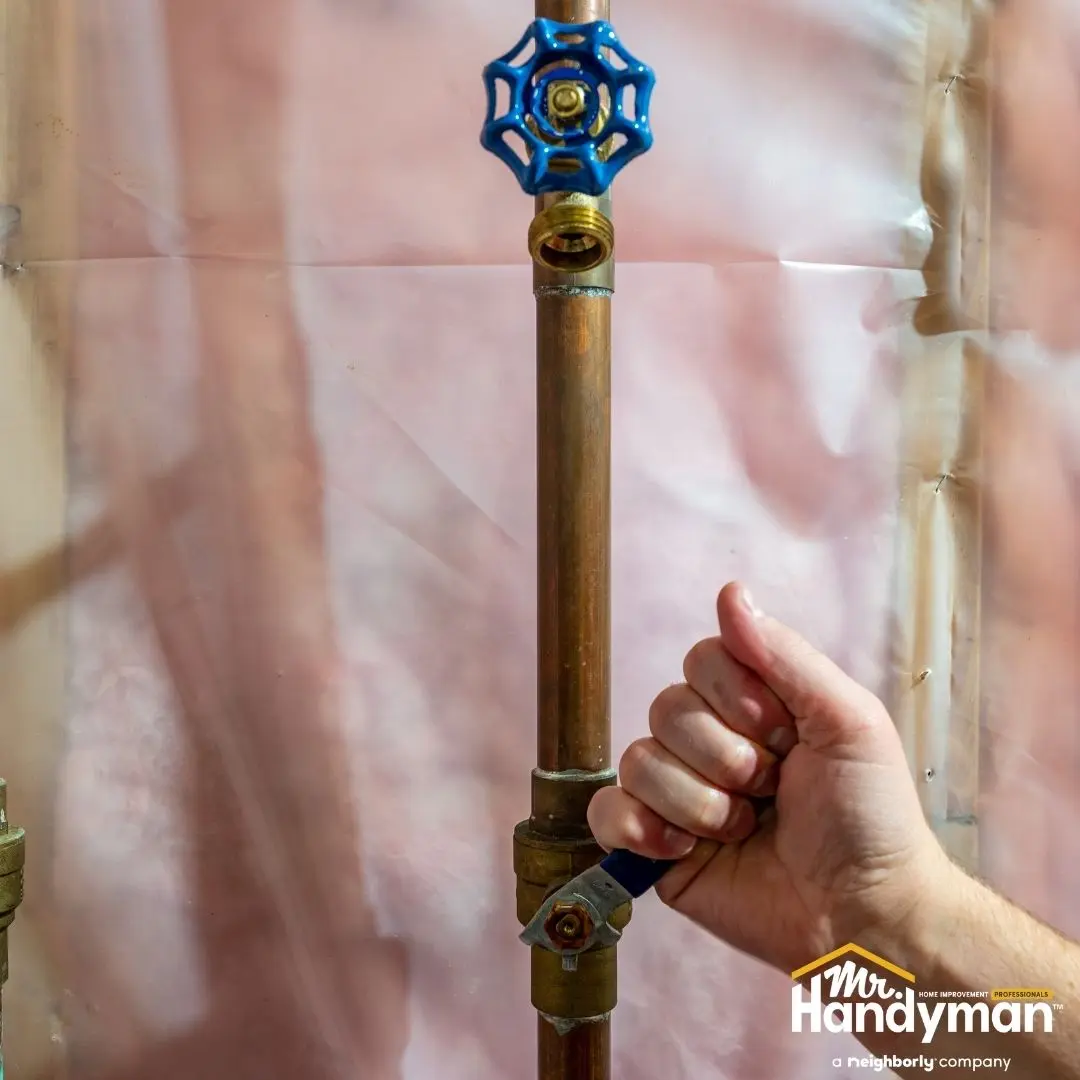
One of the most important emergency plumbing tips for sub zero temperatures is knowing how and when to shut off the water supply. Stopping water flow limits damage if a pipe bursts or a fitting fails.
What Homeowners Should Do Right Away
- Locate the main water shutoff valve
- Shut off water if a pipe is frozen or leaking
- Turn off water heaters if supply is interrupted
- Drain remaining water from fixtures
Every household should know where the main shutoff is located before winter arrives. During emergencies, minutes matter.
Safely Thaw Frozen Pipes Before They Burst
Frozen pipes are one of the most common sub zero emergencies. Thawing them safely can prevent bursting if done correctly.
How to Thaw Pipes Safely
- Open the affected faucet slightly
- Apply gentle heat using space heaters or heating pads
- Use warm air from hair dryers
- Increase ambient heat in the area
Heat should always be applied gradually, starting near the faucet and moving toward the frozen section. Sudden temperature changes increase the risk of pipe cracking.
What to Avoid at All Costs
- Open flames
- Propane torches
- High heat devices placed directly on pipes
These methods can damage pipes and create serious fire hazards.
Focus on High Risk Areas First
During sub zero temperatures, not all pipes are equally vulnerable. Emergency response should prioritize known high risk locations.
Most Vulnerable Plumbing Areas
- Pipes in exterior walls
- Plumbing under sinks
- Basements and crawl spaces
- Garages
- Pipes serving outdoor faucets
Homes in areas such as Germantown, Olney, and Poolesville often experience these issues due to colder overnight lows and greater exposure.
Keep Water Moving When Necessary
In extreme cold, controlled water movement can help prevent freezing.
When Letting Faucets Drip Helps
- Overnight sub zero forecasts
- Known vulnerable pipe runs
- Previous freezing history
A slow, steady drip helps relieve pressure and keeps water moving. This technique should be used selectively and paired with insulation and heat.
Protect Water Heaters During Extreme Cold
Water heaters are under heavy strain during sub zero conditions. Cold groundwater and increased demand push systems to their limits.
Emergency Water Heater Precautions
- Insulate exposed hot water pipes
- Keep the area around the unit warm
- Watch for leaks or pressure relief discharge
- Reduce simultaneous hot water usage
If hot water suddenly stops or leaks appear, shut off the unit and water supply immediately to prevent damage.
Prepare for Power Outages and Service Delays
Sub zero temperatures often coincide with winter storms and power outages. Plumbing emergencies become more complex when heat and electricity are lost.
Emergency Preparedness Steps
- Keep flashlights and batteries available
- Know how to drain plumbing systems
- Maintain backup heating options
- Arrange property checks if traveling
Preparedness reduces panic and allows faster response when conditions worsen.
Why Professional Help Is Critical During Sub-Zero Events
Extreme cold limits DIY solutions. Frozen pipes, hidden leaks, and pressure related failures often require professional assessment to prevent recurrence.
Handyman services play a crucial role during severe winter conditions by:
- Identifying frozen sections safely
- Repairing burst pipes
- Restoring insulation and air sealing
- Preventing secondary damage
Professional intervention reduces long term repair costs and protects structural integrity.
Sub-Zero Plumbing Emergencies Require Immediate Action
Emergency plumbing tips for sub zero temperatures focus on awareness, speed, and safety. Quick response reduces damage, while informed decisions prevent making the situation worse.
Extreme cold does not forgive delays. Acting decisively protects your home, your plumbing system, and your peace of mind during the harshest winter conditions.
Immediate Actions to Take When Plumbing Fails in Sub-Zero Temperatures
When temperatures drop below zero, plumbing failures move fast. Pipes can freeze solid in hours, leaks escalate quickly, and water damage spreads before homeowners realize what is happening. Knowing exactly what to do in the moment is critical when preventative measures are no longer enough.
Emergency plumbing tips for sub zero temperatures focus on containment first, then stabilization, and finally damage prevention. The goal is to stop the situation from getting worse until permanent repairs can be made.
Contain the Damage Before Anything Else
The first priority during a plumbing emergency is limiting water damage. Even small delays can result in soaked walls, flooring damage, and mold growth.
Steps to Contain an Active Plumbing Emergency
- Shut off the main water supply immediately
- Turn off electricity in affected areas if water is present
- Open faucets to relieve pressure
- Move valuables away from wet areas
- Contain water with towels or buckets
Homes in Rockville, Silver Spring, and Bethesda often experience rapid interior damage because many plumbing lines run through finished walls and basements. Acting quickly can prevent a localized issue from becoming a whole home repair.
How to Handle a Burst Pipe During Extreme Cold
Burst pipes are among the most destructive winter plumbing emergencies. In sub zero temperatures, they often occur during thawing after a deep freeze.
What to Do If a Pipe Bursts
- Shut off the main water supply immediately
- Turn off the water heater to prevent damage
- Drain remaining water from faucets
- Avoid using electrical outlets near standing water
- Increase heat in the affected area
Never attempt to seal or clamp a burst pipe during freezing conditions. Temporary fixes often fail and worsen the damage once pressure returns.
Why Sub-Zero Bursts Are More Severe
Extreme cold causes pipes to become brittle. When they fail, cracks are often larger and more irregular, leading to faster water release and more extensive damage.
What to Do If You Have No Water
Loss of water during sub zero temperatures often indicates frozen supply lines rather than a municipal issue.
Steps to Take When Water Stops Flowing
- Check multiple fixtures to confirm the issue
- Locate exposed pipes and check for frost
- Increase heat in affected areas
- Open cabinet doors under sinks
- Begin gentle thawing if a frozen section is identified
Do not assume the issue will resolve on its own. Frozen pipes that are not addressed often burst during the thaw.
Managing Frozen Pipes Without Making the Situation Worse
Frozen pipes require careful handling. Improper thawing methods can cause sudden ruptures.
Safe Thawing Techniques
- Apply warm air using a hair dryer
- Use space heaters to raise room temperature
- Wrap pipes with warm towels
- Start thawing near the faucet and work inward
Unsafe Methods That Cause Damage
- Open flames or torches
- Boiling water poured directly on pipes
- High heat devices applied to a single spot
Slow, even warming reduces stress on the pipe and lowers the risk of failure.
Handling Sewer and Drain Issues in Extreme Cold
Sub zero temperatures can also affect drain and sewer lines, especially those with poor slope or shallow burial depth.
Signs of Cold Weather Drain Problems
- Gurgling sounds from drains
- Slow draining fixtures
- Sewage odors indoors
- Water backing up into tubs or sinks
These issues often worsen quickly in extreme cold and should be addressed immediately to avoid contamination and sanitation risks.
What Homeowners Should Do
- Stop using affected fixtures
- Avoid chemical drain cleaners
- Keep the area warm
- Contact professionals promptly
Drain issues during sub zero weather are rarely resolved with DIY solutions.
Protecting the Home While Waiting for Repairs
During severe cold, professional response times may be delayed due to weather conditions or increased demand. Taking steps to protect the home while waiting is critical.
Short-Term Protection Measures
- Keep affected areas heated continuously
- Allow faucets to drip if advised
- Monitor for new leaks or moisture
- Use fans to reduce humidity after leaks
Homes in Gaithersburg and Martinsburg often face longer cold stretches, making ongoing monitoring especially important after an initial plumbing issue.
Why Sub-Zero Emergencies Often Reveal Hidden Weaknesses
Extreme cold exposes vulnerabilities that may have gone unnoticed for years. Insulation gaps, aging pipes, and marginal heating coverage become immediate problems under sub zero conditions.
Emergency plumbing tips for sub zero temperatures should be viewed not only as response guidance, but also as insight into where a home needs improvement. Areas that freeze once are far more likely to freeze again without permanent upgrades.
When to Stop DIY Efforts and Call for Help
Certain situations require immediate professional intervention.
Signs Professional Help Is Needed
- Repeated freezing in the same location
- Visible cracks or bulging in pipes
- Water damage spreading rapidly
- Loss of water combined with rising pressure sounds
- Sewer backups during freezing conditions
Continuing DIY efforts in these situations often increases damage and repair costs.
Emergency Response Reduces Long-Term Damage
The most effective emergency plumbing tips for sub zero temperatures emphasize fast action, safe decisions, and damage containment. While not every emergency can be prevented, the extent of damage can almost always be reduced with the right response.
Stabilizing Your Plumbing System After a Sub-Zero Emergency
Once the immediate danger has passed, the next priority is stabilizing the plumbing system so the same emergency does not happen again. Sub zero events often expose weaknesses that require permanent correction, not temporary fixes. Homes that experience one severe cold weather plumbing failure are far more likely to experience repeat issues without targeted improvements.
Emergency plumbing tips for sub zero temperatures are most effective when followed by careful evaluation and long term prevention.
Inspect for Hidden Damage After Extreme Cold
Not all damage is visible right away. Pipes may crack internally, fittings may loosen, and moisture may collect behind walls without obvious signs.
Areas That Require Close Inspection
- Walls and ceilings near plumbing lines
- Cabinets under sinks
- Basements and crawl spaces
- Areas around shutoff valves
- Water heater connections
Even small amounts of moisture should be taken seriously after a sub zero event. Left unaddressed, hidden damage can lead to mold growth and structural deterioration weeks later.
Restore and Improve Insulation Before the Next Cold Snap
Insulation that failed once will fail again. After a plumbing emergency, insulation and air sealing should be reassessed before temperatures drop again.
Common Insulation Problems Revealed by Sub-Zero Weather
- Compressed or missing pipe insulation
- Drafts near foundation walls
- Unsealed pipe penetrations
- Cold spots in basements or crawl spaces
Improving insulation in these areas is one of the most effective long term solutions for preventing repeat freezing.
Evaluate Heating Coverage in Vulnerable Areas
Many sub zero plumbing emergencies occur because certain areas of the home are not receiving enough heat.
Spaces Often Overlooked
- Basements with closed vents
- Rooms above garages
- Crawl spaces with minimal airflow
- Cabinet enclosed plumbing
Ensuring consistent heating throughout the home reduces temperature swings and protects pipes during prolonged cold periods.
Replace Components Weakened by Freezing
Even if pipes did not burst, freezing can weaken materials. Fittings, valves, and older pipe sections may fail later if not addressed.
Components Often Affected by Sub-Zero Stress
- Shutoff valves
- Supply lines
- Hose bibs
- Faucet cartridges
- Pressure relief valves
Replacing compromised components proactively is far less disruptive than dealing with a surprise failure during the next cold wave.
Reassess Water Pressure After Emergency Events
Pressure fluctuations during freezing and thawing cycles place additional stress on plumbing systems. After an emergency, water pressure should be checked and adjusted if necessary.
Why Pressure Control Matters After Extreme Cold
- Reduces stress on weakened pipes
- Prevents new leaks from forming
- Extends fixture lifespan
- Improves overall system reliability
Pressure regulation is an often overlooked but critical part of winter home maintenance.
Create a Sub-Zero Emergency Plan for the Future
The best response to extreme cold is preparation. Homes that experience one sub zero plumbing emergency benefit greatly from having a clear plan in place.
Elements of an Effective Emergency Plan
- Clearly labeled shutoff valves
- Insulation supplies on hand
- Known high risk pipe locations
- Minimum heating settings established
- Contact information ready for professional help
Prepared homeowners respond faster and limit damage more effectively when conditions deteriorate suddenly.
Why Professional Assessment Prevents Repeat Emergencies

Sub zero plumbing emergencies often reveal deeper system issues that are difficult to diagnose without experience. Professional assessment helps identify the root causes rather than just the symptoms.
Handyman services are especially valuable after extreme cold because they address:
- Insulation and air sealing failures
- Minor plumbing repairs before they escalate
- Fixture and valve replacement
- Preventative upgrades for future winters
This approach reduces the likelihood of repeat emergencies and supports long term home maintenance planning.
Extreme Cold Is a Stress Test for Every Home
Sub zero temperatures push plumbing systems to their limits. Homes that come through without damage are usually well insulated, properly heated, and well maintained. Homes that experience failure benefit from using that experience as a roadmap for improvement.
Emergency plumbing tips for sub zero temperatures are not just about crisis response. They are about learning where a home is vulnerable and strengthening it before the next extreme weather event.
Get Help Protecting Your Home Before the Next Sub-Zero Event
If your home experienced plumbing issues during extreme cold or you want to prepare before the next deep freeze, Mr. Handyman of Montgomery County and Martinsburg is ready to help. Our experienced team provides dependable handyman services focused on prevention, repairs, and long term protection.
Call us to schedule a winter plumbing inspection or emergency preparedness service and protect your home before sub zero temperatures return.
