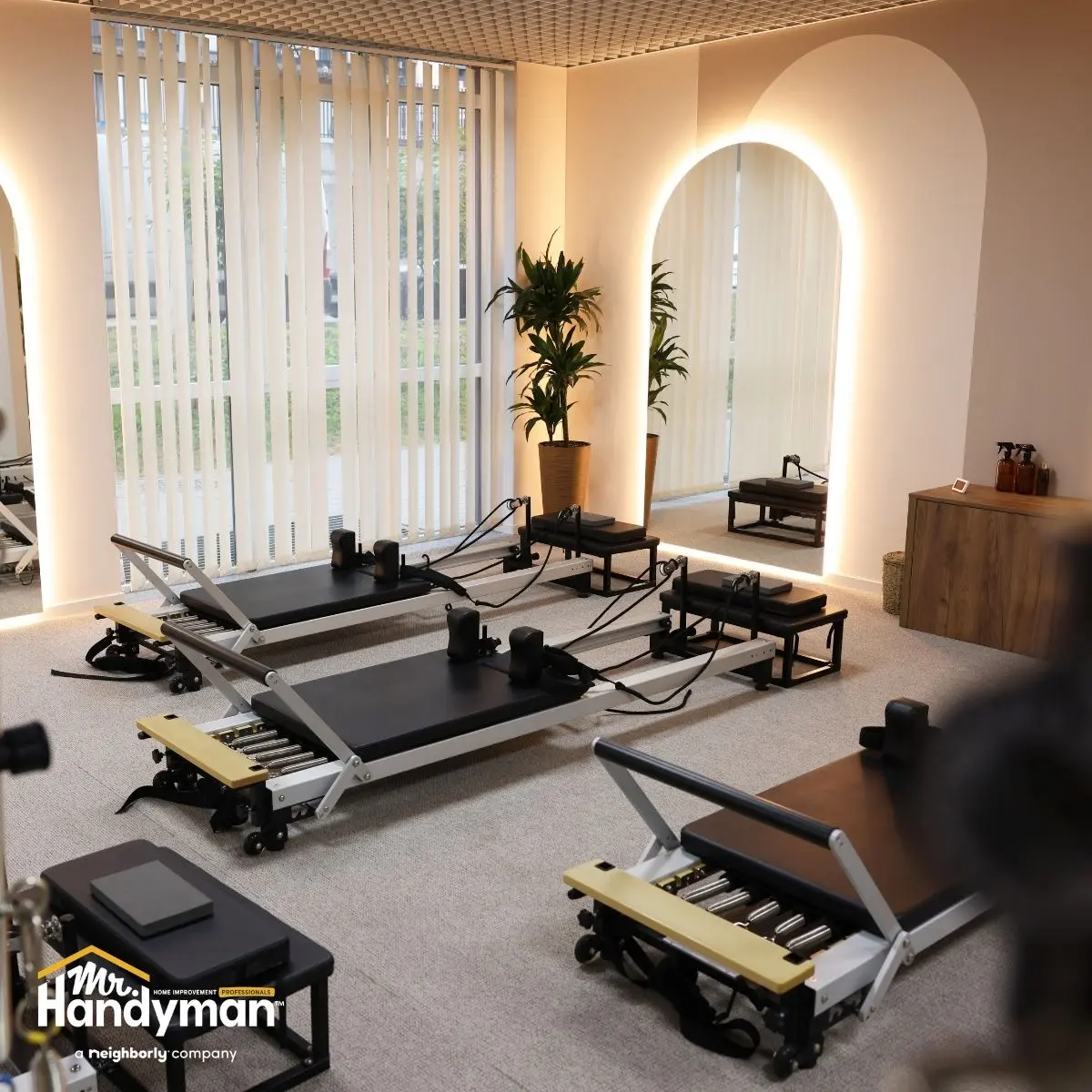
Gym equipment represents a significant capital investment, but the value of that investment depends entirely on proper assembly, regular maintenance, and reliable operation. A treadmill that wobbles, a cable machine with frayed wires, or weight equipment with loose bolts doesn't just frustrate members. It creates safety hazards, liability exposure, and reputation damage that drives members to cancel memberships and choose competitors.
Fitness facilities in West Virginia and Maryland face constant equipment demands. Members expect machines to work flawlessly every time they visit. One broken machine is an inconvenience. Multiple equipment failures signal poor management and raise questions about whether the facility takes member safety seriously. In competitive fitness markets throughout Martinsburg, Charles Town, and Montgomery County, equipment condition directly affects member retention, new member acquisition, and online reviews that influence potential customers.
The challenge is that gym equipment is complex, heavily used, and subject to extreme stress. Treadmills run for hours daily. Cable machines handle thousands of repetitions weekly. Free weights drop repeatedly. Spin bikes undergo intense interval sessions. This constant use accelerates wear on mechanical components, electronics, and structural elements. Equipment that arrives perfectly assembled from the manufacturer degrades quickly without proper maintenance protocols.
Many gym owners underestimate the expertise required for equipment assembly and maintenance. These aren't simple machines. They combine mechanical systems, electronics, hydraulics, and precision alignment requirements. Improper assembly creates immediate safety hazards and voids manufacturer warranties. Neglected maintenance allows small problems to become equipment failures that require expensive replacements rather than simple repairs.
Professional equipment assembly and maintenance isn't an optional expense. It's fundamental to safe gym operation, member satisfaction, and business viability. The difference between gyms that thrive and those that struggle often traces directly to how seriously they take equipment care.
The Hidden Costs of Improper Equipment Assembly
Equipment assembly seems straightforward until you're actually doing it. Manufacturers ship equipment partially disassembled to reduce shipping costs and prevent damage. Assembly requires following detailed instructions, using specific tools, and understanding how components work together under load.
Assembly mistakes create immediate problems. Bolts torqued incorrectly either come loose from vibration or crack components from over-tightening. Cables routed improperly wear against edges and fray. Electronic connections made incorrectly cause intermittent failures that are difficult to diagnose. Frames not properly squared wobble under use and stress joints. Weight stacks that aren't aligned bind and create jerky motion that damages guide rods.
These problems don't always appear immediately. A treadmill assembled with the belt slightly misaligned might run fine initially but develops bearing wear that causes motor failure months later. A cable machine with one bolt undertightened works until that connection loosens enough to fail catastrophically during use. The lag between assembly mistakes and equipment failure makes it difficult to connect cause and effect, but the relationship is direct.
Warranty coverage depends on proper assembly. Manufacturers explicitly state that improper assembly voids warranties. When equipment fails and manufacturers inspect it, they look for assembly errors that caused the failure. If they find evidence of improper assembly, they deny warranty claims. This leaves gym owners paying full replacement costs for equipment that should have been covered.
Safety liability is the most serious consequence of improper assembly. When equipment fails during use and injures a member, the gym faces potential lawsuits. If investigation reveals the equipment was improperly assembled, that negligence strengthens liability claims and increases settlement amounts. Insurance companies may deny coverage if negligence contributed to injuries.
Member trust erodes when equipment failures occur frequently. Members don't know or care whether problems stem from assembly or maintenance. They see equipment that doesn't work and conclude the gym doesn't maintain its facility properly. This perception drives membership cancellations and negative reviews that damage reputation.
Older gyms or those that have changed ownership often have equipment assembled by various people over years. Some pieces were assembled professionally, others by untrained staff, and still others by whoever was available when equipment arrived. This inconsistency creates unpredictable reliability and makes systematic maintenance difficult because baseline condition varies by machine.
Why Regular Maintenance Prevents Expensive Replacements
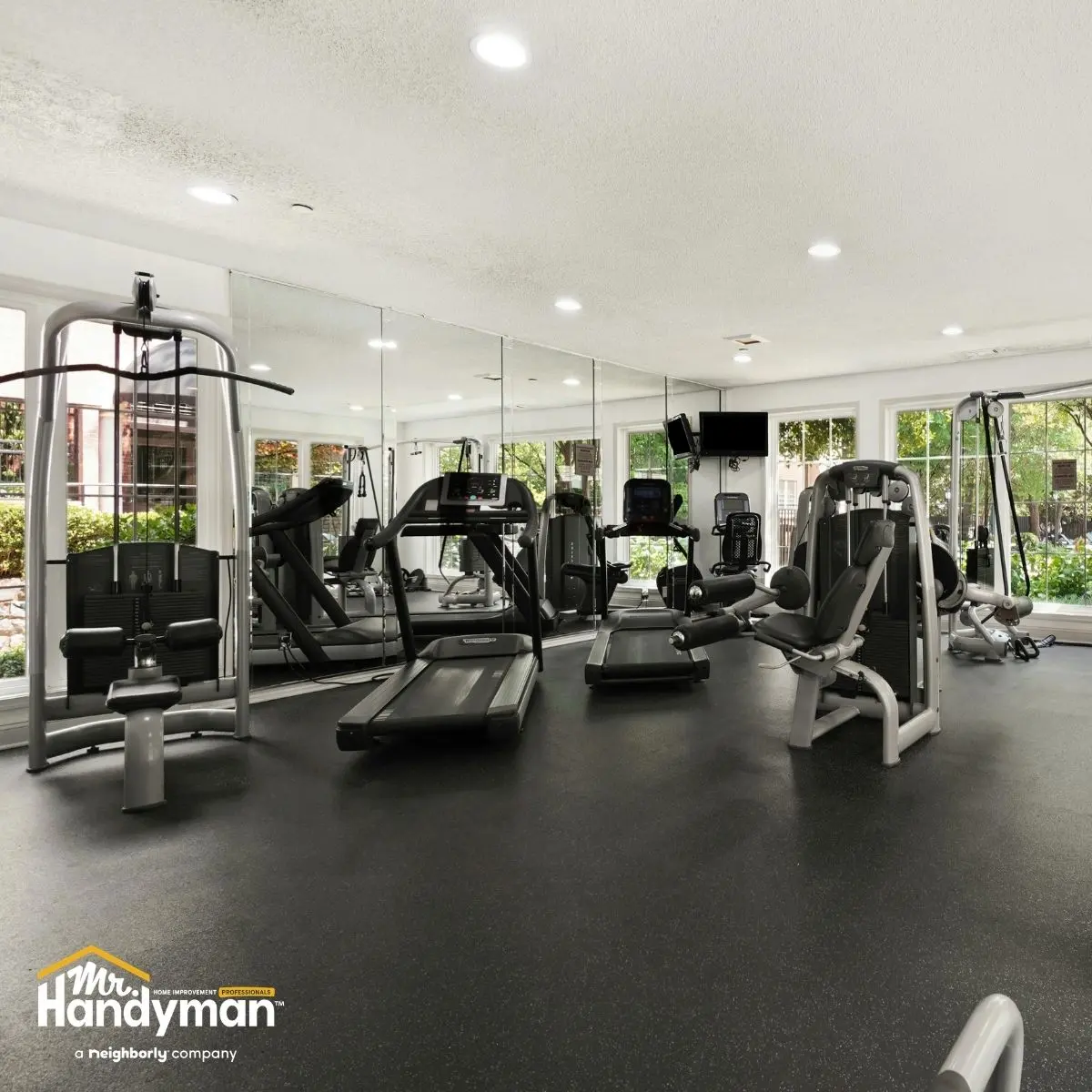
Gym equipment maintenance isn't like home fitness equipment maintenance. Commercial equipment undergoes exponentially more use. A home treadmill might log 100 hours annually. A gym treadmill logs that in a month. This usage rate compresses maintenance intervals dramatically.
Preventive maintenance catches problems before they cause failures. Worn belts, fraying cables, loose bolts, degraded lubricants, and electronic component aging all progress predictably. Regular inspections identify these issues at stages where inexpensive repairs prevent expensive failures. Replacing a worn belt costs $50 and takes 30 minutes. Replacing a motor that burned out because a worn belt created excessive friction costs $800 and requires days of equipment downtime.
Lubrication is critical for equipment longevity but often neglected. Treadmills need belt lubrication. Cable machines need pulley bearing lubrication. Weight stacks need guide rod lubrication. Ellipticals and bikes need pivot point lubrication. Without proper lubrication, friction increases, components wear faster, and motors work harder. This accelerates wear throughout the machine and shortens lifespan significantly.
Calibration ensures equipment performs as designed. Treadmills need belt tension and speed calibration. Cable machines need weight stack alignment and cable tension adjustment. Electronic resistance on bikes and ellipticals needs calibration to match displayed resistance to actual resistance. Uncalibrated equipment provides inconsistent user experiences and inaccurate workout data that frustrates members.
Cleaning beyond surface wiping matters for equipment longevity. Sweat, dust, and debris accumulate inside equipment housings, around electronics, and on moving parts. This contamination corrodes metal, damages electronics, and creates friction in moving assemblies. Deep cleaning during maintenance visits removes buildup that causes long-term damage.
Documentation of maintenance creates accountability and helps identify patterns. Maintenance logs show which equipment requires frequent service, which components fail regularly, and when equipment approaches end of useful life. This information guides replacement decisions and helps justify capital expenditures to ownership.
Manufacturer-recommended maintenance schedules exist for good reason. These schedules reflect engineering knowledge about component lifespans under expected use. Gyms that follow manufacturer schedules get full equipment lifespan and maintain warranty coverage. Those that defer maintenance experience premature failures and voided warranties.
Equipment downtime costs money in member satisfaction and wasted capital investment. A $5,000 treadmill that sits broken for weeks doesn't generate value. Professional maintenance minimizes downtime through quick diagnosis, proper repairs, and access to parts networks that deliver components faster than gym staff can source them independently.
How Equipment Condition Directly Affects Member Retention
Members notice equipment condition more than gym owners realize. Surveys consistently show equipment quality and availability rank among the top factors in gym satisfaction. Members who encounter broken equipment repeatedly start exploring other gym options.
First impressions during gym tours heavily weight equipment condition. Prospective members evaluate whether equipment looks new, well-maintained, and fully functional. They notice out-of-order signs, worn upholstery, rust, or machines that look dated. These observations influence membership decisions more than price or amenities in many cases.
Member workout routines depend on specific equipment. When preferred machines are broken, members can't complete planned workouts. This frustration compounds with each occurrence. After several experiences with broken equipment, members conclude the gym doesn't maintain equipment adequately and begin researching alternatives.
Equipment failures during use create negative experiences that overshadow positive aspects of gym membership. A treadmill that stops mid-workout, a cable that snaps during an exercise, or a bike with resistance that doesn't adjust ruins that workout session. These experiences stick in members' memories and dominate their perception of the facility.
Online reviews frequently mention equipment condition. Negative reviews citing broken equipment, old machines, or poor maintenance reach thousands of potential members. These reviews damage reputation and make new member acquisition more difficult and expensive. Positive reviews mentioning well-maintained equipment and reliable machines attract new members organically.
Safety perceptions influence retention even when actual injuries don't occur. Members who see equipment with frayed cables, rust, or obvious damage wonder whether the facility is safe. Even if equipment continues functioning, visible deterioration creates anxiety that makes workouts less enjoyable.
Premium pricing depends on premium equipment condition. Gyms charging above-market rates must justify pricing through quality. Well-maintained, current equipment supports premium pricing. Poorly maintained or dated equipment makes premium pricing indefensible and drives price-sensitive members to cheaper alternatives.
Member referrals depend partly on pride in gym membership. Members enthusiastically refer friends to gyms they're proud to belong to. Equipment quality and condition contribute significantly to that pride. Members hesitate to refer friends to gyms with equipment problems because it reflects poorly on their judgment.
Equipment Safety Standards and Liability Protection
Gym equipment safety isn't optional or negotiable. Equipment failures that injure members create legal liability, insurance problems, and potential business closure. Professional maintenance and assembly protect against these risks.
ASTM standards govern commercial fitness equipment safety. These standards specify manufacturing requirements, maintenance procedures, and inspection protocols. Gyms that follow ASTM standards demonstrate due diligence in providing safe facilities. Those that ignore standards face increased liability when injuries occur.
Regular safety inspections identify hazards before they cause injuries. Professional equipment technicians recognize warning signs that untrained staff miss. Frayed cables, stress cracks, bearing wear, and electronic malfunctions all present injury risks that inspections catch early.
Documentation of maintenance and inspections provides legal protection. If injuries occur and lawsuits follow, maintenance records demonstrate the gym took reasonable precautions to ensure equipment safety. Without documentation, gyms can't prove they maintained equipment properly, which strengthens plaintiff cases.
Insurance requirements often mandate regular equipment maintenance. Policies may require professional inspections at specified intervals. Failing to meet these requirements can void coverage, leaving gyms liable for full settlement costs if members are injured.
Staff training on equipment safety depends on equipment functioning as designed. When equipment is poorly maintained and behaves unpredictably, even well-trained staff can't ensure member safety. Reliable equipment allows staff to focus on form coaching and safety oversight rather than worrying about equipment failures.
Manufacturer liability protections depend on proper maintenance. If equipment fails and injures someone, manufacturers investigate whether maintenance contributed to failure. Gyms that can't demonstrate proper maintenance lose manufacturer support and face liability alone.
Specialized Equipment Needs Specialized Knowledge
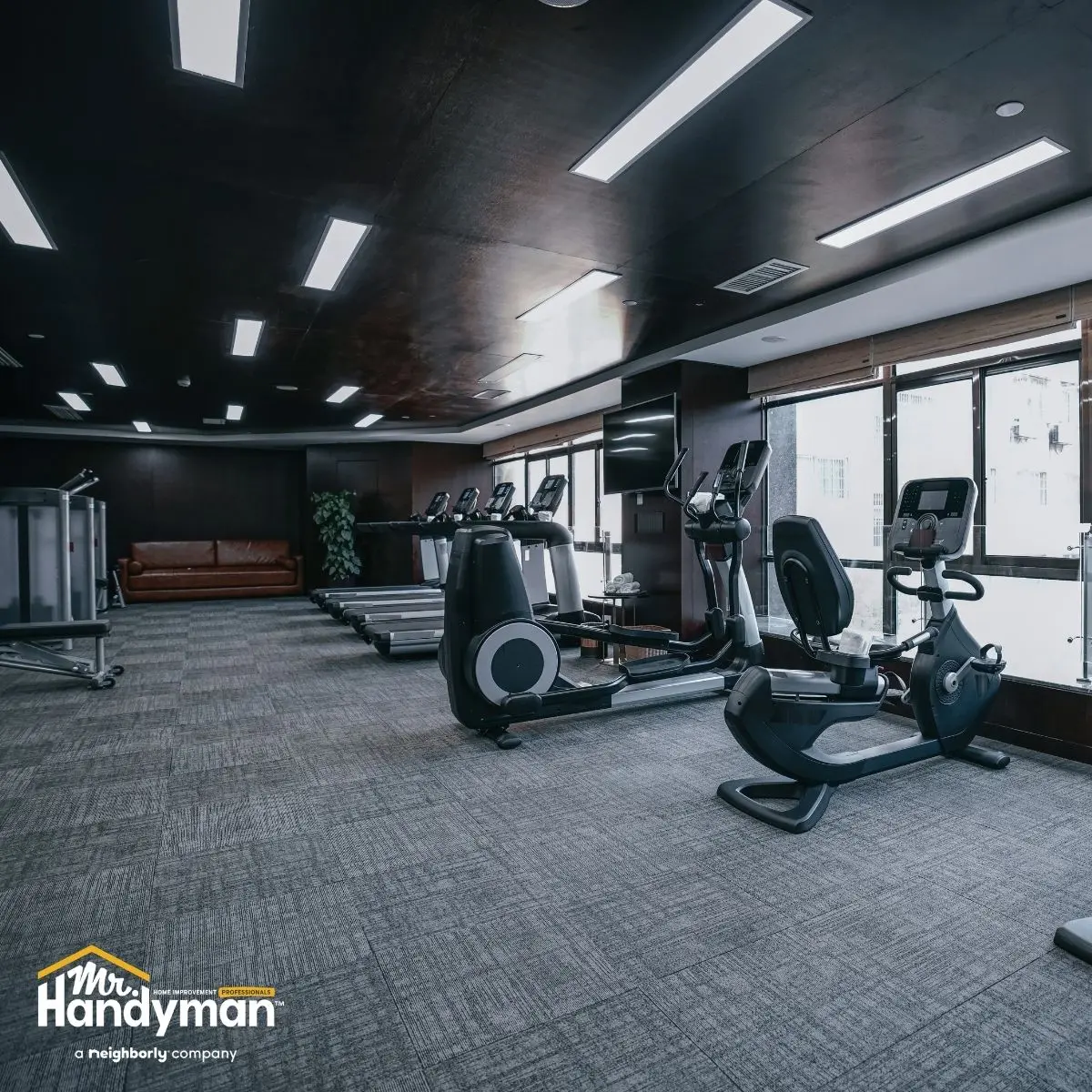
Different equipment types require different expertise. Treadmills, cable machines, free weights, bikes, and specialty equipment all have unique maintenance requirements and common failure modes. Professional technicians understand these differences and service equipment appropriately.
Treadmills are complex machines combining motors, electronics, moving belts, and impact absorption systems. They require belt alignment, tension adjustment, motor maintenance, electronic calibration, and deck lubrication. Improper maintenance causes motor burnout, belt damage, or frame stress that destroys expensive components.
Cable machines use precisely routed cables through multiple pulleys under tension. Cable routing matters because incorrect paths cause premature wear. Pulley alignment affects how smoothly cables move and how evenly weight loads distribute. Stack alignment prevents binding that damages guide rods and creates jerky motion.
Spin bikes and stationary bikes need drive system maintenance including belt or chain tension, resistance mechanism adjustment, and bearing lubrication. Electronic bikes require computer calibration and sensor maintenance. Neglected bikes develop resistance problems, noise, and uncomfortable riding experiences.
Ellipticals combine multiple pivot points, resistance mechanisms, and electronic controls. Pivot points need regular lubrication. Resistance systems need calibration. Electronics need cleaning and connection inspection. These machines have many wear points that require systematic attention.
Free weight equipment seems simple but still requires maintenance. Plate-loaded machines need frame inspection for cracks, pivot lubrication, and hardware tightening. Racks and benches need structural inspection and stability verification. Olympic bars need sleeve maintenance and knurling inspection.
Specialty equipment like rowing machines, functional trainers, or stretching machines each have unique maintenance requirements. Rowing machines need chain maintenance and flywheel bearing service. Functional trainers need cable systems maintenance similar to cable machines plus pivot point service. Each equipment type requires specific knowledge.
When to Repair Versus Replace Equipment
Equipment doesn't last forever regardless of maintenance quality. Understanding when repair makes sense versus when replacement is necessary protects financial resources and maintains member satisfaction.
Age and usage hours determine realistic equipment lifespan. Commercial treadmills typically last 7-10 years with proper maintenance. Cable machines last longer because they have fewer electronic components. Bikes and ellipticals fall in the 7-12 year range depending on usage volume. Equipment approaching these ages requires evaluation about whether continued repair makes financial sense.
Repair costs approaching 50% of replacement cost generally favor replacement. A $3,000 repair on a $5,000 treadmill makes little sense because the machine remains old and will need more repairs soon. Replacing with new equipment provides warranty coverage and years of reliable service.
Parts availability affects repair viability. Older equipment may have discontinued parts that aren't available. Without parts, repair becomes impossible regardless of willingness to spend. Checking parts availability before committing to repair prevents wasted diagnostic costs.
Technology advancement sometimes justifies replacement even when repair is possible. Newer equipment offers better user experiences, connectivity features, and data tracking that members value. Upgrading to current technology enhances gym competitiveness even if old equipment could be repaired.
Member feedback about specific equipment influences replacement decisions. If members consistently avoid certain machines because they're dated or unpleasant to use, replacing those machines improves satisfaction more than repairing them. Equipment that sits unused doesn't generate value regardless of functionality.
Fleet-wide replacement scheduling spreads costs over multiple years. Replacing 20% of equipment annually creates predictable capital expenditures and keeps equipment mix relatively current. This approach prevents sudden needs to replace many machines simultaneously.
Frequently Asked Questions
How often should commercial gym equipment be professionally serviced?
High-use equipment like treadmills and popular cable machines should be serviced quarterly. Moderate-use equipment can be serviced semi-annually. Light-use equipment needs annual service. Usage patterns vary by gym, so adjust frequencies based on your specific traffic and equipment utilization.
Can gym staff handle equipment maintenance or does it require professionals?
Basic cleaning and minor adjustments can be handled by trained staff. Complex repairs, alignment, calibration, and safety inspections require professional technicians with specialized training and tools. Combining staff maintenance with professional service creates optimal equipment care.
What should we look for when hiring equipment maintenance services?
Look for technicians certified by equipment manufacturers or industry organizations. Verify they carry liability insurance. Ask for references from other gym clients. Ensure they stock common parts or have reliable parts sources. Confirm they document all service performed.
How much should gyms budget for equipment maintenance annually?
Budget 10-15% of equipment value annually for maintenance and repairs. A gym with $100,000 in equipment should budget $10,000-$15,000 for maintenance. This covers regular service, unexpected repairs, and gradual equipment replacement.
Does professional assembly really matter for equipment that comes with instructions?
Yes. Instructions assume technical competence, proper tools, and understanding of mechanical systems. Professional assemblers work faster, avoid mistakes, ensure proper alignment and tension, and verify operation before completion. Their expertise prevents problems that emerge from subtle assembly errors.
What records should gyms maintain about equipment maintenance?
Document all service dates, work performed, parts replaced, and technician names. Track equipment serial numbers and purchase dates. Note any recurring problems or unusual findings. These records support warranty claims, demonstrate safety diligence, and guide replacement decisions.
Protecting Your Investment and Your Members
Gym equipment represents one of your largest capital investments and your primary tool for delivering member value. Treating that investment casually through improper assembly or inadequate maintenance guarantees premature failure, safety problems, and member dissatisfaction.
Professional equipment assembly ensures machines function properly from day one and remain under warranty protection. Regular professional maintenance extends equipment life, prevents expensive failures, and keeps members safe. The cost of professional service is minimal compared to replacement costs, liability exposure, and lost members from equipment problems.
Equipment condition affects every aspect of gym operation from member retention to new member acquisition, online reputation to legal liability. Gyms that prioritize equipment care compete more effectively and build stronger businesses. Those that defer maintenance face compounding problems that become increasingly expensive to solve.
If your fitness facility needs professional equipment assembly, regular maintenance programs, or repair services to keep equipment safe and reliable, experienced handyman services provide the technical expertise and industry knowledge your equipment requires.
Mr. Handyman of Martinsburg and Charles Town
https://www.mrhandyman.com/martinsburg-charles-town/
Mr. Handyman of Northern Montgomery County
https://www.mrhandyman.com/northern-montgomery-county/
Mr. Handyman of South Montgomery County
https://www.mrhandyman.com/south-montgomery-county/
Your equipment is your business. Protect it with professional assembly and maintenance. Schedule your equipment evaluation today.