Lighting in fitness facilities does more than make spaces visible. It affects member safety during exercises, influences energy and motivation levels, impacts how equipment and spaces look, and represents one of the largest controllable operating expenses. Poor lighting creates shadows where members can't see footing, makes form checking in mirrors difficult, drains member energy, and wastes thousands of dollars annually through inefficiency. Despite lighting's critical role, many gym owners treat it as an afterthought, replacing bulbs only when failures become obvious and ignoring systematic maintenance that keeps facilities bright, safe, and cost-effective.
Fitness facilities in West Virginia and Maryland face specific lighting challenges. Older commercial buildings often have outdated fluorescent systems that consume excessive energy, produce harsh light quality, and require frequent maintenance. High ceilings in workout areas make bulb replacement expensive and disruptive. Twenty-four-hour facilities need reliable lighting at all hours. Group fitness studios require adjustable lighting for different class types. Locker rooms need bright task lighting that creates safe, clean-feeling environments.
The shift to LED technology has revolutionized commercial lighting, offering dramatic energy savings, longer lifespans, and better light quality than older technologies. However, many gyms continue operating ancient fluorescent or metal halide systems because replacing working fixtures feels unnecessary. This false economy costs thousands annually in excess energy consumption and creates member experiences inferior to competitors who've upgraded.
Member perception of facility quality correlates strongly with lighting condition. Bright, well-lit spaces feel clean, modern, and energetic. Dim or poorly lit facilities feel dirty, outdated, and depressing regardless of actual cleanliness or equipment quality. Members don't consciously think "this gym has bad lighting"—they think "this gym feels run-down" or "something feels off here." Understanding that lighting drives these perceptions helps prioritize upgrades that dramatically improve member experience.
Beyond aesthetics and perception, lighting directly affects safety and legal liability. Inadequate lighting in workout areas, stairwells, parking lots, or locker rooms creates trip and fall hazards. Members injured due to poor lighting have legitimate liability claims that result in expensive settlements and increased insurance premiums. Proper lighting maintenance isn't optional—it's a fundamental safety requirement that protects members and business interests.
How Lighting Affects Exercise Performance and Member Experience
Light influences human physiology and psychology in ways that directly impact workout quality and member satisfaction. These effects are measurable, significant, and completely under facility control.
Circadian rhythm regulation depends on light exposure. Bright, blue-rich light in the 5000-6500K color temperature range promotes alertness and energy. This makes it ideal for morning and daytime workout areas where members need activation. Warmer, dimmer light in the 2700-3000K range promotes relaxation, making it appropriate for yoga studios, stretching areas, and evening relaxation spaces.
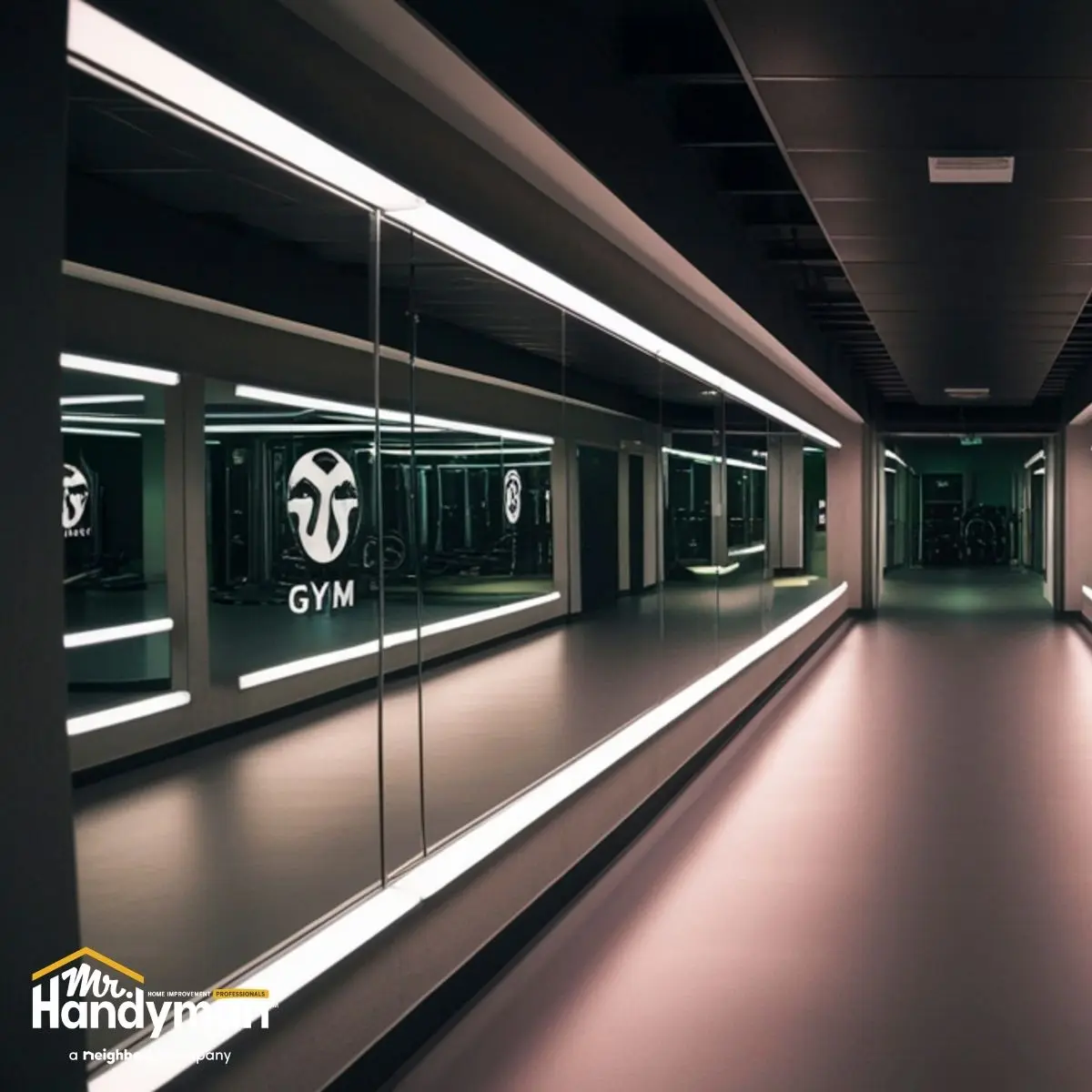
Visual acuity for form checking requires adequate illumination. Members checking form in mirrors need bright, even lighting that eliminates shadows. Insufficient lighting makes it difficult to see body positioning, creating injury risk from improper form. Competitive athletes and serious lifters are particularly sensitive to lighting quality because precise movement patterns require clear visual feedback.
Energy levels respond to lighting intensity and color temperature. Studies show exercisers report higher energy, motivation, and workout satisfaction in brightly lit environments with higher color temperatures. Dim or warm-toned lighting reduces perceived energy and makes workouts feel harder. The difference isn't psychological—light directly influences hormones and neural activation that affect physical performance.
Mood and motivation are lighting-dependent. Bright facilities feel energetic and motivating. Dim facilities feel depressing and make members want to finish quickly and leave. Group fitness instructors consistently report that lighting dramatically affects class energy and participant engagement.
Color rendering affects how equipment, spaces, and people look. Poor color rendering from low-quality bulbs makes colors look washed out or distorted. This affects how members see themselves in mirrors and how spaces photograph for social media. Modern LED lighting with high Color Rendering Index (CRI above 90) shows colors accurately and makes facilities look vibrant.
Shadows and glare create visual discomfort and safety hazards. Poorly positioned fixtures create shadows that hide trip hazards or make depth perception difficult. Glare from exposed bulbs or reflective surfaces causes eye strain and headaches. Proper fixture selection and positioning eliminates these problems while providing effective illumination.
Energy Costs and Efficiency Gains From Modern Lighting
Lighting represents 15-30% of typical gym operating costs, making it one of the largest controllable expenses. Upgrading from outdated technologies to modern LED systems creates immediate and permanent cost reductions.
Fluorescent lighting dominated commercial installations for decades but is tremendously inefficient compared to LED alternatives. A typical four-lamp fluorescent fixture consuming 128 watts can be replaced with an LED fixture providing equal light output while consuming only 40 watts—a 69% reduction. This energy savings repeats every hour the lights operate.
Metal halide fixtures common in older gyms with high ceilings are even worse. These fixtures consume 400-1000 watts each, require 10-15 minutes to reach full brightness, and can't be turned off and on quickly without damaging bulbs. LED high-bay replacements provide better light quality, instant on/off capability, and consume 150-300 watts—reductions of 60-75%.
Annual energy savings from LED conversion typically range from $2,000 to $10,000+ depending on facility size and hours of operation. A 10,000-square-foot gym operating 16 hours daily might save $5,000-7,000 annually from LED conversion. These savings continue every year, while LED fixture costs are one-time expenses that pay for themselves in 2-4 years.
Maintenance cost reductions add to energy savings. LED fixtures last 50,000-100,000 hours compared to 10,000-20,000 for fluorescent and 6,000-15,000 for metal halide. This means LED fixtures need replacement every 8-15 years in typical gym applications versus every 1-3 years for older technologies. Reduced maintenance means lower labor costs and less disruption from bulb changes.
Utility rebates and incentives are available in many areas for LED conversion projects. Local utilities and government programs often subsidize 25-50% of upgrade costs to encourage energy efficiency. These rebates dramatically improve project economics and shorten payback periods.
Demand charge reductions from lower peak electrical load provide additional savings. Many commercial electric rates include demand charges based on peak consumption. Reducing lighting load reduces these demand charges permanently, creating savings beyond simple kilowatt-hour reductions.
Smart lighting controls including occupancy sensors, daylight harvesting, and scheduling further reduce energy consumption by 20-40%. These controls ensure lights operate only when needed and at appropriate levels, eliminating waste from lights left on in empty areas.
Safety Hazards From Inadequate or Failed Lighting
Insufficient lighting creates concrete safety risks that result in injuries, liability claims, and insurance problems. These risks affect every area of fitness facilities.
Trip and fall hazards from inadequate illumination in workout areas cause the most common lighting-related injuries. Members moving between equipment, backing up during exercises, or stepping over items they can't see clearly fall and injure themselves. These incidents are preventable through proper lighting that eliminates shadows and dark areas.
Stairwell lighting failures create particularly dangerous conditions because stairs already present fall risks. Dim stairwells where members can't see step edges clearly cause serious falls. Building codes specify minimum illumination levels for stairs specifically because of injury risk.
Parking lot and exterior lighting affect security and safety. Dark parking areas increase crime risk and create conditions where members trip over curbs, pothole edges, or debris they can't see. Adequate exterior lighting is both a safety requirement and a security deterrent.
Locker room lighting inadequacy creates conditions where members slip on wet floors, trip over belongings, or collide with others. The combination of wet surfaces and poor visibility multiplies injury risk significantly.
Emergency lighting and exit signs must function during power failures to allow safe evacuation. Failed emergency lights or non-illuminated exit signs create life-threatening conditions during emergencies. Regular testing and maintenance of emergency lighting systems is legally required and critically important.
Flickering or strobing lights from failing ballasts or drivers can trigger seizures in photosensitive individuals. Facilities have liability for injuries resulting from known lighting problems they failed to correct.
Glare from poorly designed fixtures causes temporary vision impairment during exercises requiring balance or precise movement. Members who can't see clearly due to glare face increased injury risk.
Maintenance Programs That Keep Facilities Bright
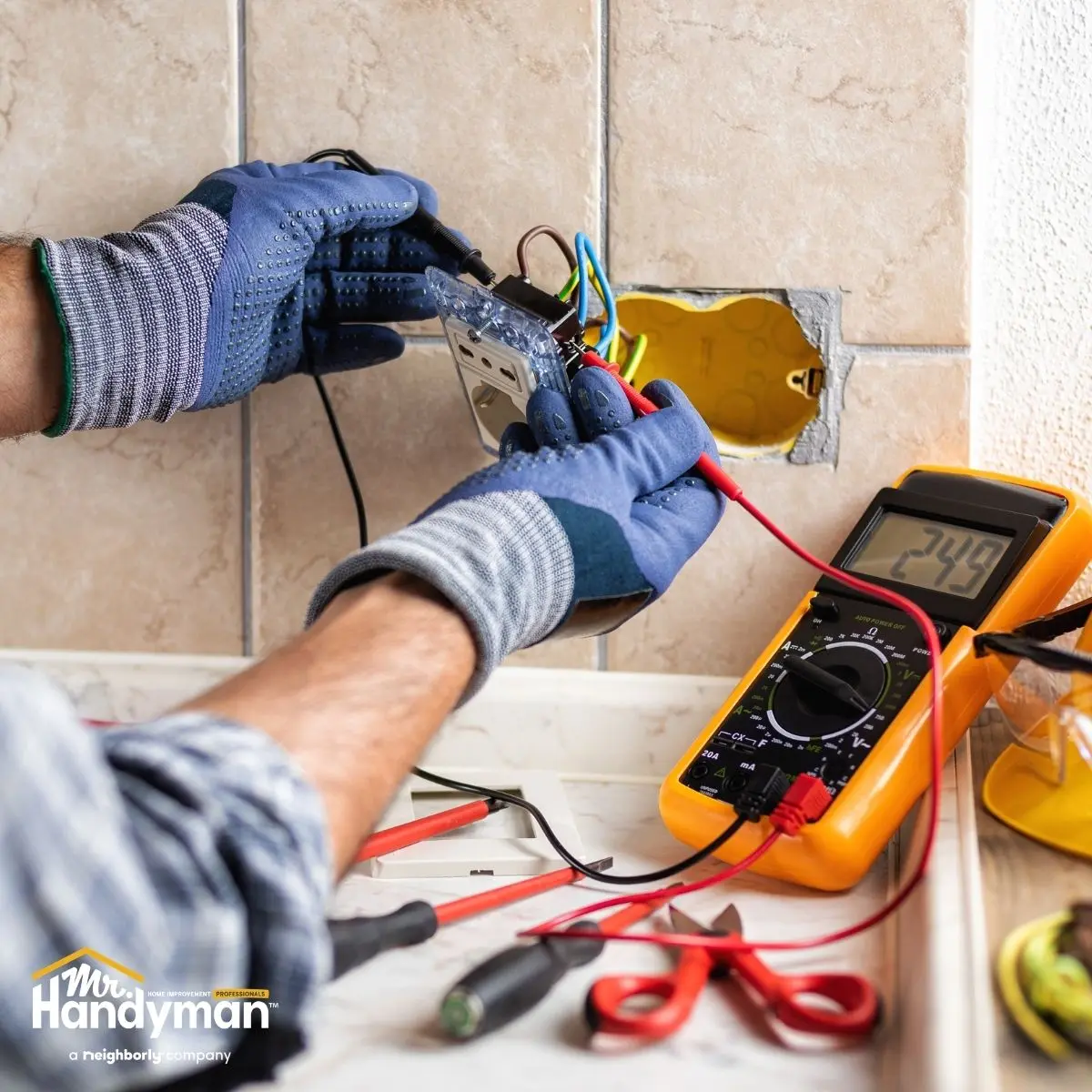
Systematic lighting maintenance prevents the gradual dimming and failures that reduce illumination and create safety concerns.
Regular bulb replacement before complete failure maintains consistent light levels. Fluorescent and metal halide bulbs dim significantly before burning out. Waiting until failure means facilities operate with reduced light output that members don't consciously notice but affects their experience.
Group relamping—replacing all bulbs in areas simultaneously—is more cost-effective than responding to individual failures. This approach minimizes labor costs, ensures consistent light levels across areas, and prevents the patchwork appearance of mixed old and new bulbs.
Fixture cleaning removes dust and debris that block light output. Dirty fixtures can reduce light output by 30-50% without any bulb failures. High-ceiling fixtures are particularly prone to dust accumulation because they're rarely accessed for cleaning.
Lens and diffuser replacement on older fixtures improves light output and quality. Yellowed or cracked lenses block and distort light. Replacing damaged lenses restores original light output without bulb changes.
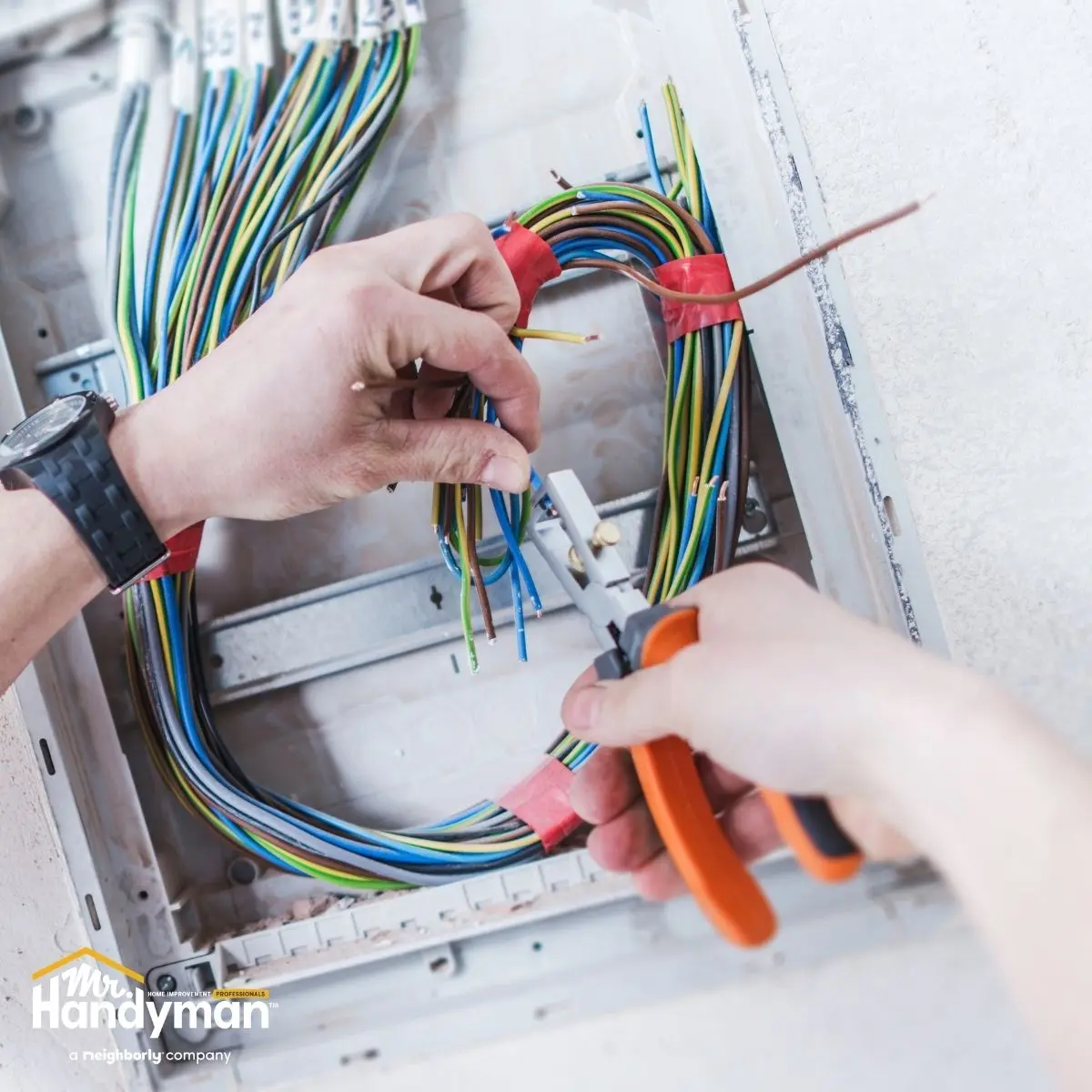
Ballast and driver testing identifies components approaching failure before complete malfunction. Failed ballasts cause flickering, humming, and eventual bulb failure. Replacing failing ballasts prevents the lighting failures that create safety hazards.
Electrical connection inspection catches loose connections that cause intermittent failures and fire hazards. Poor connections create heat, resistance, and arcing that damage fixtures and create safety risks.
Documentation of lighting maintenance creates service histories that identify problematic fixtures and justify upgrade decisions. Fixtures requiring frequent attention may cost more to maintain than replacing with modern alternatives.
Occupancy sensor and control system maintenance ensures automated systems function properly. Failed sensors leave lights on constantly or don't activate when spaces are occupied, wasting energy or creating dark spaces.
Strategic Lighting Design for Different Gym Zones
Different facility areas require different lighting approaches based on activities, safety requirements, and desired atmosphere.
Cardio areas need bright, energizing illumination in the 5000-6000K color temperature range. These cool white tones promote alertness and help members power through challenging workouts. Uniform light distribution prevents shadows and glare on equipment displays.
Free weight areas require particularly good lighting because visual feedback for form checking is critical. Bright overhead lighting plus vertical illumination for mirrors ensures members see their form clearly from all angles. Minimum 50-75 foot-candles at floor level is appropriate.
Group fitness studios benefit from adjustable lighting that accommodates different class types. High-intensity classes need bright energizing light. Yoga and stretching classes benefit from dimmer, warmer tones. Theatrical lighting controls allow instructors to adjust intensity and color temperature.
Locker rooms need bright, task-oriented lighting that makes spaces feel clean and safe. Minimum 75 foot-candles at counter height ensures members can perform grooming tasks safely. Moisture-resistant fixtures rated for wet locations are mandatory.
Entry areas and reception set first impressions through lighting quality. Well-designed entrance lighting makes facilities look professional and welcoming. Accent lighting on signage, retail displays, or architectural features enhances atmosphere.
Parking lots require adequate illumination for safety and security. Minimum 1-2 foot-candles across parking areas with higher levels at entries prevents injuries and deters crime. LED parking lot fixtures provide excellent coverage while reducing energy costs.
Stairwells and hallways need consistent illumination without dark spots where members could trip. Code requirements specify minimum light levels that ensure safe navigation.
Upgrading to LED: Considerations and Best Practices
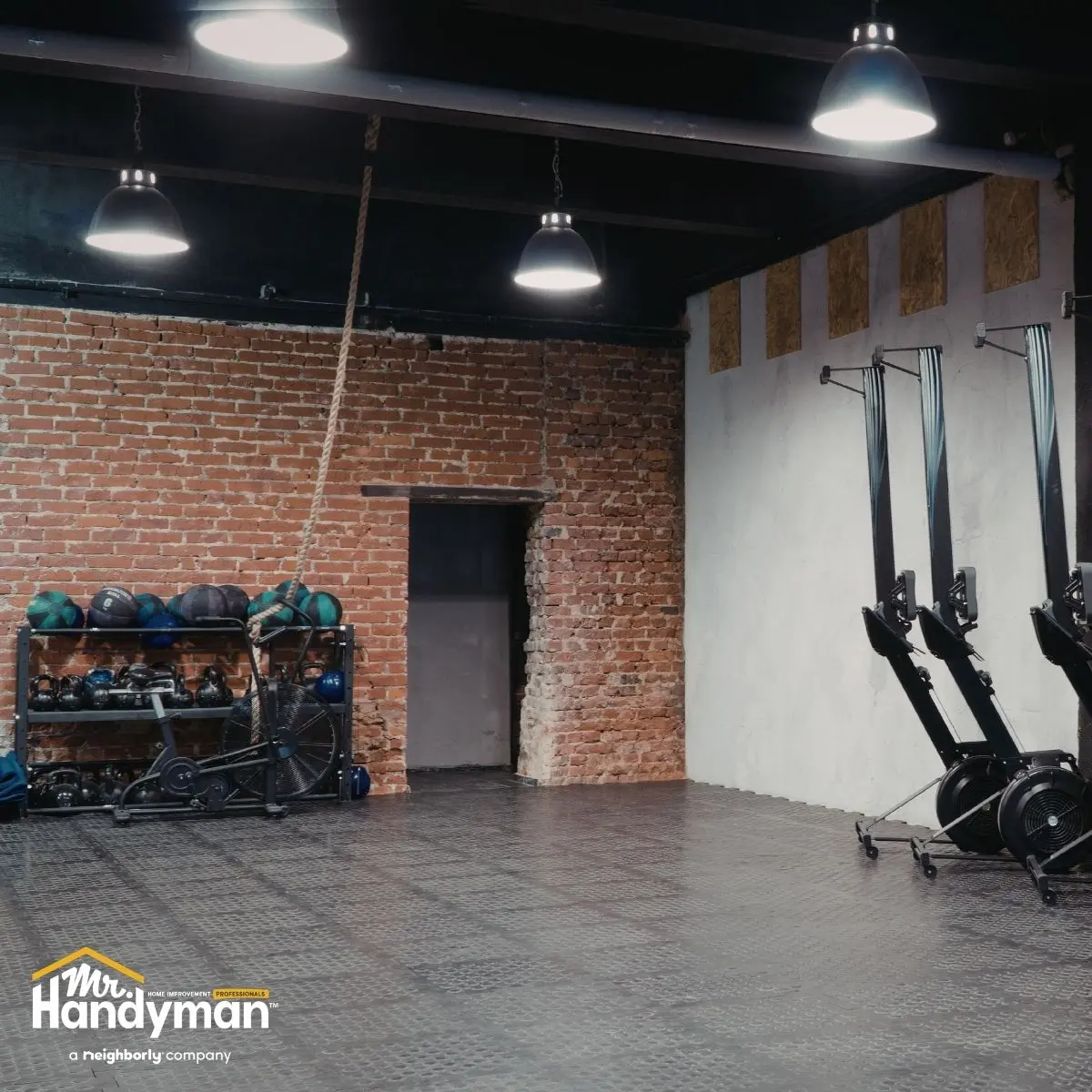
Converting to LED lighting requires planning but delivers immediate and ongoing benefits that justify the investment.
Fixture compatibility assessment determines whether existing fixtures can retrofit with LED bulbs or require complete replacement. Some older fixtures work with LED retrofits while others need full replacement for optimal performance.
Light output matching ensures LED replacements provide equivalent or better illumination than existing systems. Simply replacing bulbs with "equivalent" LED versions sometimes results in reduced light levels. Professional assessment ensures adequate output.
Color temperature selection affects atmosphere and functionality. Commercial LED fixtures are available in color temperatures from 2700K (warm white) to 6500K (daylight). Choosing appropriate temperatures for different spaces maximizes lighting effectiveness.
Dimming capability adds flexibility for spaces needing adjustable lighting. Not all LED fixtures dim properly without specialized drivers. Specifying dimmable fixtures and compatible controls prevents compatibility issues.
Installation planning minimizes business disruption. Working section-by-section or during low-traffic hours allows conversions without closing facilities. Professional installers complete projects quickly and handle old fixture disposal.
Warranty and quality considerations matter because cheap LED fixtures fail prematurely. Commercial-grade fixtures with 5-10 year warranties from reputable manufacturers ensure long-term performance. Budget fixtures often fail within 2-3 years, eliminating energy savings.
Lighting control integration maximizes energy savings and functionality. Occupancy sensors, daylight harvesting, and automated scheduling optimize when lights operate and at what levels.
Financial analysis including energy savings, maintenance reduction, utility rebates, and tax incentives reveals true project costs. Many LED conversions pay for themselves in 2-4 years through energy and maintenance savings alone.
Emergency Lighting and Code Compliance Requirements
Emergency lighting systems are legally required and critically important for occupant safety during power failures or evacuations.
Battery backup emergency lights provide illumination when normal power fails. These units contain batteries that activate automatically during outages, providing 90 minutes of emergency lighting. Regular testing ensures batteries maintain charge and fixtures function properly.
Exit signs must remain illuminated at all times and stay lit during power failures. Modern LED exit signs consume minimal power and last years longer than older incandescent versions. Battery backup or connection to emergency power ensures they function during outages.
Path of egress lighting ensures safe evacuation routes remain visible during emergencies. Code requires adequate lighting along all routes from any occupied space to building exits. This includes stairwells, hallways, and doorways.
Testing requirements mandate monthly brief tests and annual 90-minute discharge tests of emergency lighting systems. Documentation of testing is required for code compliance and insurance coverage.
Failed emergency lights create serious liability if injuries occur during evacuations. Regular testing and immediate repair of failures protects occupants and prevents liability.
Inspection by fire marshals or building inspectors includes emergency lighting verification. Failed systems result in citations and mandatory correction before continued operation.
Backup generator power for facilities with emergency generators should include critical lighting circuits. This ensures facilities can continue operating during extended outages and maintains safety.
Frequently Asked Questions
How often should gym lighting be professionally assessed?
Annual professional assessments identify maintenance needs, safety concerns, and upgrade opportunities. High-use facilities or those with older lighting may benefit from more frequent evaluation. Assessments include light level measurements, fixture condition inspection, and energy efficiency analysis.
What's the payback period for LED lighting conversion?
Typical payback ranges from 2-4 years depending on existing lighting, electricity costs, operating hours, and available rebates. Facilities operating 12+ hours daily in areas with high electricity costs see faster payback. Utility rebates can reduce payback to under 2 years.
Can we mix LED and fluorescent fixtures during gradual conversion?
While possible, mixed lighting creates inconsistent light quality and color temperature that affects member experience. Section-by-section conversion maintaining consistency within visible areas provides better results than random fixture replacement.
How do we know if our lighting meets safety requirements?
Professional light level surveys measure illumination in foot-candles and compare to applicable building codes and industry standards. These surveys identify areas with inadequate lighting and provide data supporting upgrade decisions.
What's the best color temperature for gym lighting?
General workout areas benefit from 4000-5000K providing energizing neutral-white light. Relaxation spaces like yoga studios work better with 3000-3500K. Group fitness studios benefit from adjustable systems allowing temperature changes based on class type.
How much can facilities save by upgrading to LED lighting?
Annual savings of $3,000-$10,000+ are common for mid-sized facilities. A 10,000-square-foot gym operating 16 hours daily typically saves $5,000-7,000 annually. Larger facilities or those with extensive hours save proportionally more. Savings continue indefinitely while upgrade costs are one-time expenses.
Illuminating Success Through Strategic Lighting Management
Lighting profoundly affects member experience, facility safety, and operating costs. Facilities that prioritize lighting maintenance and upgrades create brighter, safer environments that attract and retain members while reducing energy expenses.
The transition to LED technology represents one of the best investments fitness facilities can make. Energy savings, maintenance reductions, and improved member experience combine to deliver returns that few other capital improvements can match.
Systematic maintenance programs keep facilities properly illuminated, prevent safety hazards, and extend fixture lifespans. These programs cost far less than emergency repairs, liability from lighting-related injuries, or lost members from poor facility conditions.
If your fitness facility needs lighting assessment, maintenance, or LED conversion to improve member experience while reducing operating costs, professional electrical services provide the expertise and quality installation your facility requires.
Mr. Handyman of Martinsburg and Charles Town
https://www.mrhandyman.com/martinsburg-charles-town/
Mr. Handyman of Northern Montgomery County
https://www.mrhandyman.com/northern-montgomery-county/
Mr. Handyman of South Montgomery County
https://www.mrhandyman.com/south-montgomery-county/
Bright facilities attract members, dim facilities drive them away. Ensure your lighting supports your business goals through proper maintenance and strategic upgrades. Schedule your lighting assessment today.