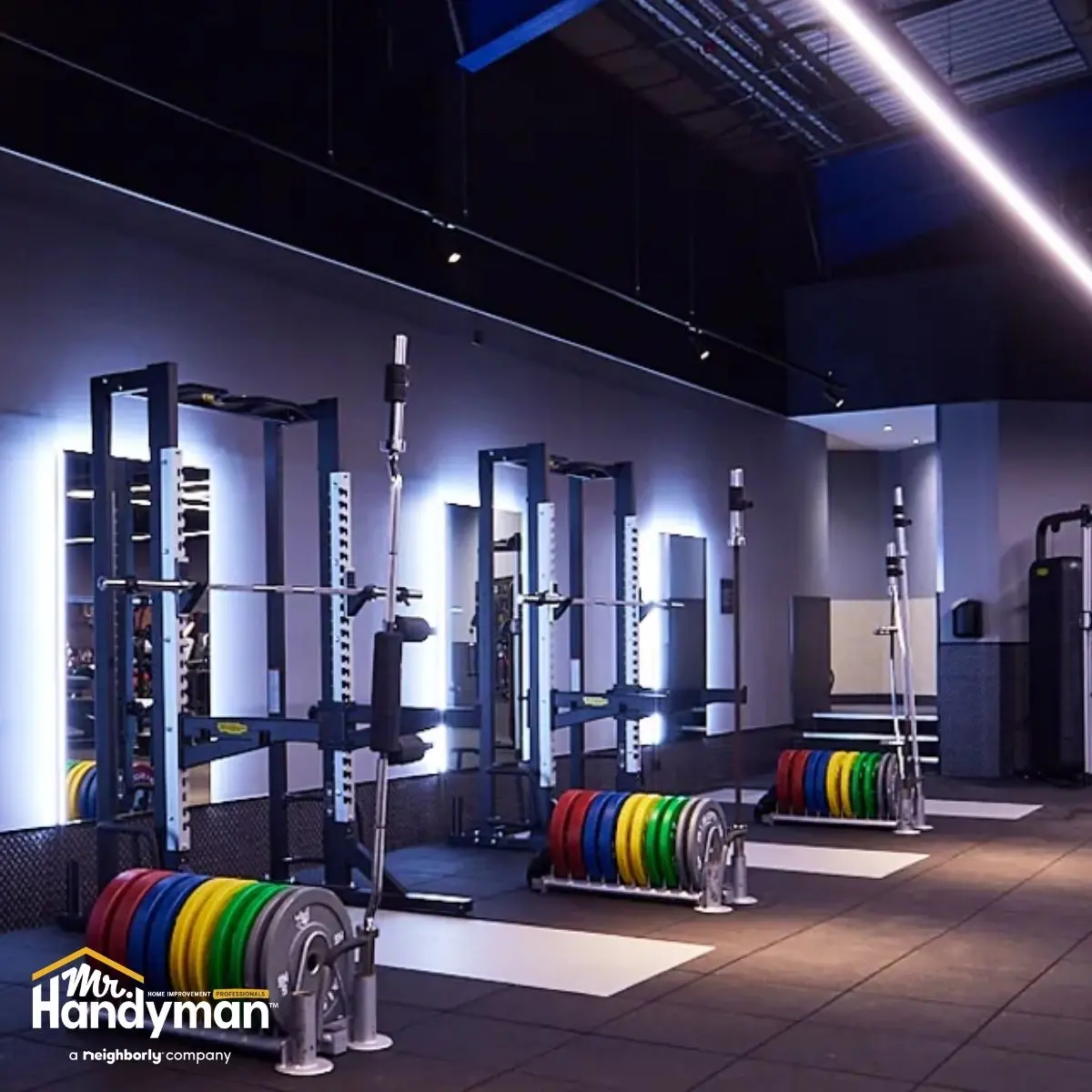
Mirrors are fundamental to fitness facilities. They allow members to check form during exercises, create the illusion of larger spaces, enhance lighting by reflection, and provide the visual feedback that makes effective training possible. But mirrors in gyms face conditions that home mirrors never experience. They endure vibration from dropped weights, impact from equipment and dumbbells, temperature fluctuations, and humidity that can compromise mounting systems. When improperly installed, gym mirrors become safety hazards capable of causing catastrophic injuries.
The difference between properly and improperly installed gym mirrors isn't visible to members or facility managers. Both look identical hanging on walls. The difference reveals itself during failure, and mirror failures in gyms are spectacular, dangerous, and legally devastating. A large mirror falling from a wall doesn't crack neatly. It shatters into hundreds of razor-sharp shards that fly outward and cascade down onto anyone nearby. The injuries from falling gym mirrors include severe lacerations requiring hundreds of stitches, permanent scarring, eye injuries, and trauma severe enough to require emergency surgery.
Gyms throughout West Virginia and Maryland often occupy older commercial buildings not originally designed for fitness use. These buildings have wall construction that varies from concrete block to metal studs to wood framing, often within the same facility. Each wall type requires different mounting approaches, and mirrors installed without regard to underlying structure eventually fail. The question isn't whether improperly mounted mirrors will fall—it's when they'll fall and who will be underneath.
The liability exposure from falling mirrors is extraordinary. Gyms face lawsuits that easily reach six or seven figures when members suffer serious injuries from mirror failures. Insurance companies investigate mounting methods, and evidence of improper installation often results in denied coverage, leaving gym owners personally liable for damages. Beyond legal exposure, the reputation damage from a serious mirror injury can destroy businesses. Videos and photos of injury scenes spread rapidly on social media, and no amount of marketing can overcome the perception that a gym's negligence caused serious member harm.
Understanding proper mirror installation requirements, recognizing signs of mounting failure, and knowing when professional installation is necessary protects members and prevents the catastrophic consequences of mirror failures.
The Physics of Mirror Mounting and Why Weight Matters
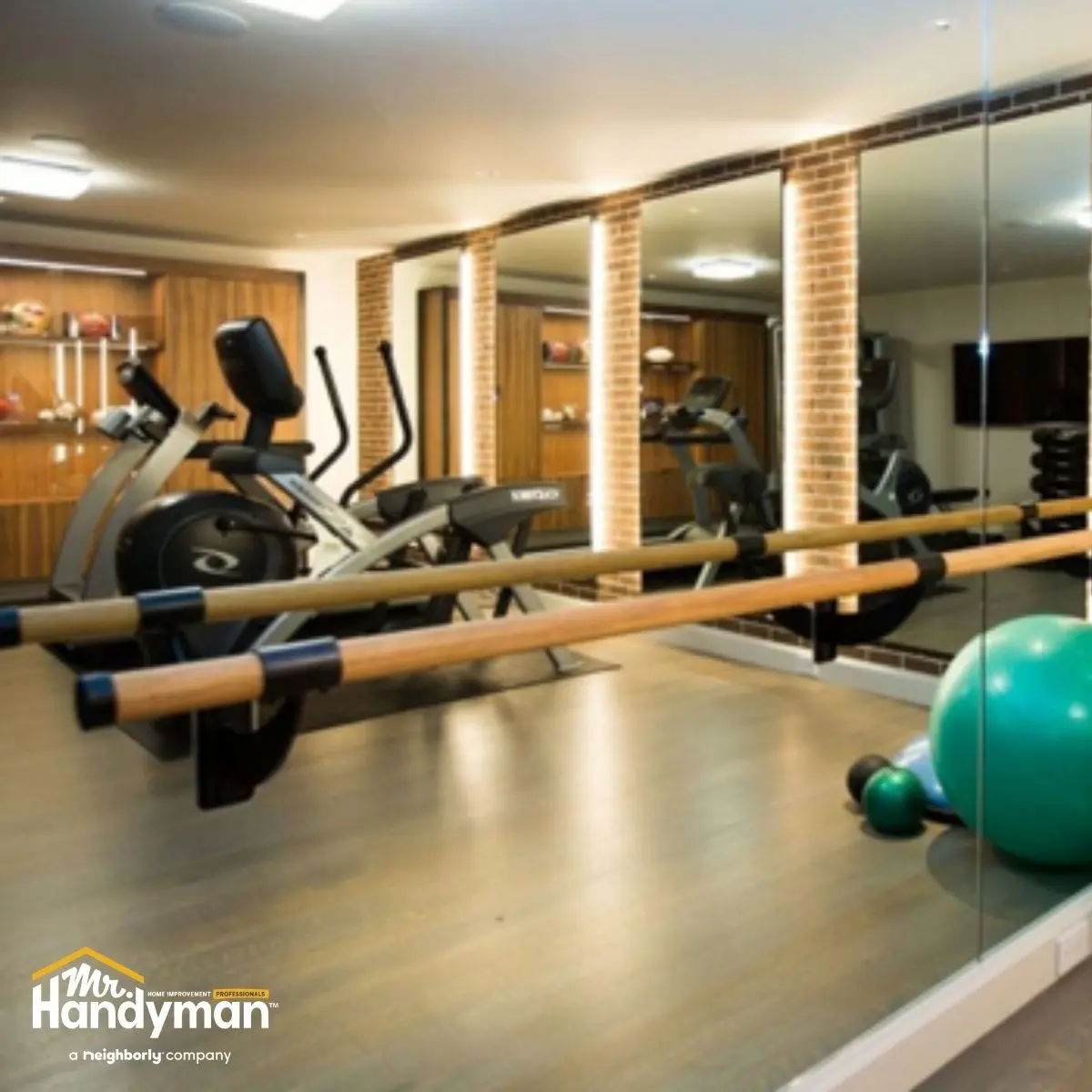
Gym mirrors are heavy. A standard four-foot by six-foot mirror weighs approximately 50 to 70 pounds depending on thickness. Larger mirrors common in group fitness studios or along cardio rows weigh 100 pounds or more. This weight creates significant stress on mounting systems, and that stress increases dramatically when vibration or impact occurs.
Mounting systems must support not just the static weight of mirrors but also dynamic loads from building movement, vibration, and potential impacts. A mounting system that barely supports mirror weight under ideal conditions will fail when subjected to additional stress. This is why mirrors mounted with inadequate hardware may hang successfully for months or years before suddenly failing without warning.
Gravity applies constant downward force on mounted mirrors. Every moment a mirror hangs on a wall, mounting hardware resists this force. Over time, this constant stress fatigues materials, loosens connections, and degrades adhesives. What begins as adequate support gradually weakens until it can no longer hold the mirror weight.
Mirror thickness affects both weight and structural integrity. Quarter-inch glass is standard for home mirrors but inadequate for gym applications. Gyms should use three-eighths or half-inch glass that provides greater strength and shatter resistance. Thicker glass weighs more, which requires more robust mounting, but the added safety justifies the extra structural requirements.
Temperature cycling in gyms subjects mounting systems to expansion and contraction. Gyms aren't climate-controlled as precisely as offices or homes. Temperature variations cause materials to expand and contract at different rates. Metal mounting brackets expand and contract differently than drywall or concrete. These differential movements create stress that loosens mounting hardware over time.
Humidity in gyms affects adhesive mounting systems. Mirrors installed with mastic or construction adhesive may seem secure initially, but humidity degrades adhesive bonds. Mastic that works well in dry environments fails in high-moisture gym settings. Relying solely on adhesive without mechanical fasteners guarantees eventual failure.
Wall Construction Types and Appropriate Mounting Methods
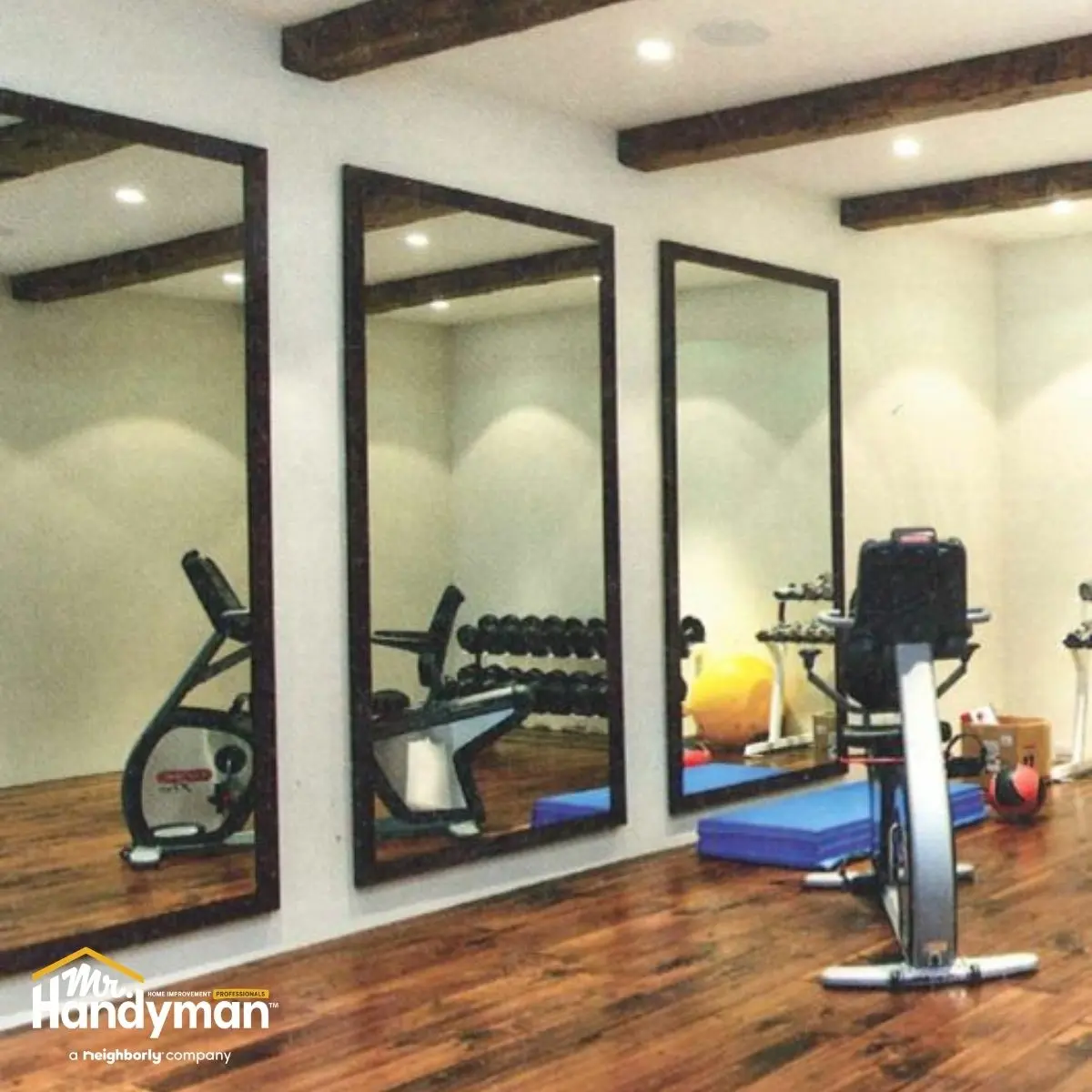
Different wall types require completely different mounting approaches. Using methods appropriate for one wall type on a different construction guarantees failure and potentially catastrophic results.
Concrete and concrete block walls provide excellent mounting surfaces when proper techniques are used. Concrete can support enormous weight, but anchors must be appropriate for the material and properly installed. Expanding anchors, sleeve anchors, or epoxy-set anchors all work when sized correctly. Plastic anchors or drywall anchors fail immediately in concrete and should never be used regardless of what packaging claims.
Metal stud walls are common in modern commercial construction and present significant mounting challenges. Standard metal studs are thin gauge and can't support heavy loads without reinforcement. Mirror mounting on metal studs requires either finding solid blocking behind drywall or installing reinforcement systems that distribute weight across multiple studs. Simple drywall anchors or toggle bolts don't provide adequate support for gym mirrors on metal stud walls.
Wood stud walls provide good mounting opportunities when studs are located and used for attachment. Lag screws into studs support substantial weight, and mirrors can be mounted reliably on wood framing. The challenge is that studs are typically 16 or 24 inches apart, and mirror mounting brackets must align with these locations. Installing mirrors without attaching to studs and relying only on drywall anchors guarantees failure.
Drywall alone cannot support gym mirrors regardless of anchor type. While various anchors claim to support specific weights in drywall, these ratings apply to ideal conditions with single-direction loads. Gym conditions with vibration, impact, and humidity make drywall-only mounting completely inadequate. All mirror mounting must attach to structural elements behind drywall, not to drywall itself.
Plaster walls in older buildings can be deceptively challenging. Plaster seems solid but is brittle and can crack under stress. Mounting to plaster requires finding underlying support structure and using techniques that don't crack the plaster during installation. Old plaster also may have degraded and separated from lath, creating hollow areas that won't support weight.
Professional Mounting Systems Versus DIY Shortcuts
Proper mirror mounting requires specific hardware, tools, and techniques that professionals use but DIY installations often skip. These differences seem minor but determine whether mirrors stay mounted safely for years or fall catastrophically.
Mirror mounting channels or J-bars provide continuous bottom support that distributes mirror weight across the entire width. These channels attach to walls with numerous fasteners into structural elements, creating stable platforms that support mirrors safely. DIY installations often use simple clips or adhesive without bottom support, which concentrates stress at mounting points and increases failure risk.
Safety backing film applied to mirror backs prevents dangerous glass dispersal if mirrors break. Professional installations include safety backing that holds glass fragments together during failure, preventing the dangerous shard explosion that makes mirror failures so injurious. DIY installations rarely include this critical safety feature.
Standoffs and spacers maintain proper distance between mirrors and walls. This gap accommodates wall irregularities, allows air circulation that prevents moisture accumulation, and reduces stress on mounting hardware from thermal expansion. Mounting mirrors directly against walls without proper spacing creates stress concentrations that cause failure.
Multiple mounting points distributed across mirror surfaces prevent stress concentration and provide redundancy. Professional installations use numerous mounting points that share load and provide backup if individual mounting points fail. DIY installations often use minimal mounting points that create failure risks if any single point loosens.
Professional installers assess wall construction before mounting and adapt techniques to actual conditions. They don't assume wall types or mounting capabilities—they verify structure and select appropriate hardware. DIY installers often guess at wall construction and use whatever hardware seems convenient, which leads to inadequate mounting.
Level and plumb installation affects long-term stability. Mirrors installed out of level create uneven stress distribution that accelerates mounting hardware failure. Professional installers use precision leveling and ensure perfect installation. Slightly crooked mirrors installed DIY create ongoing stress that causes eventual failure.
Signs of Mounting Failure That Require Immediate Action
Mirror mounting systems fail gradually with warning signs that appear before catastrophic failure. Recognizing these signs and acting immediately prevents injuries and property damage.
Visible gaps between mirrors and walls indicate mounting points have loosened or wall anchors are pulling out. Any separation means weight is no longer properly supported and failure is imminent. Mirrors should sit flush against walls or maintain consistent spacing if installed with standoffs. Changes in spacing signal mounting problems.
Tilting or angling where mirrors no longer hang plumb indicates mounting has shifted. Mirrors that lean forward at the top or tilt to one side have mounting systems under uneven stress that will fail. Even slight tilting requires immediate investigation and correction.
Cracking sounds or popping noises from mounted mirrors signal stress in mounting systems or glass. These sounds indicate movement within mounting assemblies or glass stress from improper support. Any unusual sounds require immediate professional inspection.
Visible cracks in walls around mounting points indicate anchors are pulling out or stress is concentrating at fastener locations. Cracks radiating from mounting brackets or fasteners show that the wall material is failing under mirror weight. This requires immediate mirror removal before catastrophic failure.
Water staining or discoloration behind mirrors suggests moisture accumulation that degrades adhesives and corrodes mounting hardware. Humidity problems behind mirrors compromise mounting integrity and require investigation and correction.
Loose or missing mounting hardware discovered during cleaning or inspection requires immediate attention. Any bracket, clip, or fastener that's loosened or fallen off means the remaining mounting points carry excess load and may fail soon.
Impact Resistance and Protection in High-Risk Zones
Certain gym areas present higher mirror damage and failure risks due to equipment use patterns and member activities. These zones require additional protection beyond standard mounting.
Free weight areas near mirrors face impact risk from dumbbells, barbells, and plates. Members setting down weights, weights rolling, or dropped weights can all impact mirrors. Installing protective barriers, using tempered or laminated glass, and maintaining clearance between weight areas and mirrors all reduce damage risk.
Functional training zones with medicine balls, kettlebells, and dynamic movements create impact risks. Equipment can slip from hands, bounce unpredictably, or be thrown accidentally toward mirrors. These areas need either impact-resistant mirror materials or protective barriers that prevent equipment from reaching mirrors.
Group fitness studios with high-energy classes including jumping, dancing, or combat moves create collision risks. Members moving dynamically in confined spaces occasionally contact walls or lose balance toward mirrors. While mirrors must withstand incidental contact, repeated impacts stress mounting systems and glass.
Stretching and floor exercise areas typically present minimal mirror risk because activities are controlled and low-energy. These zones can use standard mirror installations without special protection, though mounting quality remains critical.
Protective barriers include rails, rubber bumpers, or platforms that prevent direct equipment contact with mirrors. These protections cost far less than mirror replacement and prevent both cosmetic damage and mounting stress that leads to failure.
Tempered glass provides greater impact resistance than standard glass and shatters into small granules rather than dangerous shards if broken. While more expensive than standard glass, tempered mirrors offer significant safety advantages in high-risk zones.
Laminated glass includes a plastic interlayer that holds glass together during breakage, similar to automotive windshields. Laminated mirrors are the safest option but also the most expensive. They're worth considering for high-risk areas or facilities serving children and teens who may behave unpredictably.
Proper Spacing and Layout for Safety and Functionality
Mirror placement affects both safety and training effectiveness. Strategic layout maximizes benefits while minimizing risks.
Floor-to-ceiling mirrors maximize functionality but increase mounting complexity and weight. Full-height mirrors require mounting systems that support substantial weight over long vertical spans. Top mounting points are particularly critical because they prevent mirrors from tipping forward.
Horizontal mirror runs along walls create continuous reflection but require careful seam management. Multi-panel installations need precise alignment so seams aren't distracting. Seams should occur at regular intervals, not randomly, to create intentional appearance.
Height placement affects usability for different exercises. Mirrors should extend low enough that members see their feet and lower body during squats, deadlifts, and leg exercises. Standard practice is installing mirrors from 6 inches above floor level upward, though some facilities extend mirrors to floor level with protective base trim.
Spacing between mirror panels accommodates building movement and prevents mirror-to-mirror contact that causes chipping or cracking. Professional installations include small gaps between adjacent mirrors that allow independent movement without contact.
Corner installations require special attention because corners concentrate stress. Mirrors meeting at corners need proper edge protection and mounting that doesn't rely on corner integrity. Inside corners are particularly challenging and may benefit from trim that protects mirror edges.
Clearance between equipment and mirrors prevents accidental impact. Maintaining minimum 12-inch clearance between mirrors and equipment edges provides buffer space that prevents contact during normal use. High-risk equipment like squat racks or cable machines may need greater clearance.
Maintenance and Inspection Protocols That Prevent Failures
Regular inspection and maintenance of mounted mirrors catches developing problems before catastrophic failures occur.
Monthly visual inspections by staff should include checking for gaps, tilting, loose hardware, and any changes in mirror condition or mounting. These quick checks take minutes but identify problems early when corrections are simple.
Quarterly professional inspections verify mounting integrity, check hardware tightness, and assess wall condition around mounting points. Professionals identify subtle signs of impending failure that untrained observers miss.
Annual mounting system evaluation includes removing select mirrors to inspect behind them, verifying anchor integrity, and checking for hidden moisture or wall damage. This deep inspection reveals problems not visible during surface inspections.
Immediate inspection after significant events like earthquakes, heavy vibration from nearby construction, or any impact to mirrors ensures mounting systems remain intact. Events that shake buildings stress mounting systems even if no visible damage occurs.
Documentation of inspections creates maintenance records that demonstrate due diligence and provide evidence of proper facility management if liability issues arise. Records should include inspection dates, findings, and any corrective actions taken.
Tightening mounting hardware during routine maintenance prevents loosening from progressing to failure. Fasteners naturally loosen over time from vibration and thermal cycling. Regular tightening maintains proper clamping force.
Frequently Asked Questions
Can gym mirrors be installed with adhesive alone?
No. Adhesive-only mounting is unsafe for gym mirrors regardless of adhesive strength claims. Gym conditions degrade adhesives, and adhesive failures are sudden and catastrophic. All gym mirrors require mechanical fasteners into structural elements, with adhesive used only as supplemental support, never primary mounting.
How much does professional gym mirror installation cost?
Professional installation costs $8-15 per square foot including materials and labor. A typical 4x6 foot mirror costs $200-360 to install professionally. While this seems expensive compared to DIY, the cost is minimal compared to liability from improper installation. Insurance often requires professional installation for coverage.
What thickness glass should gym mirrors use?
Minimum three-eighths inch thick glass is recommended, with half-inch preferred for high-impact areas. Thicker glass provides better safety and durability. Don't use standard one-quarter inch glass common in home applications—it's too fragile for gym environments.
How can I tell if existing gym mirrors are properly installed?
Visual inspection reveals obvious problems like gaps, tilting, or loose hardware. However, internal mounting adequacy can't be assessed without removing mirrors or professional inspection. If installation history is unknown or mirrors were installed by non-professionals, have them inspected immediately.
Should mirrors be installed before or after flooring?
Mirrors should be installed after flooring to allow accurate height measurement and ensure clean mirror bases that don't trap flooring edges. Installing mirrors before flooring creates measurement challenges and can trap moisture at floor-mirror transitions.
What's the safest mirror option for gyms serving children?
Laminated glass mirrors provide maximum safety because the plastic interlayer prevents dangerous glass dispersal if breakage occurs. While expensive, the added safety is worthwhile for facilities serving children who are more likely to contact mirrors accidentally.
Protecting Members Through Professional Mirror Installation
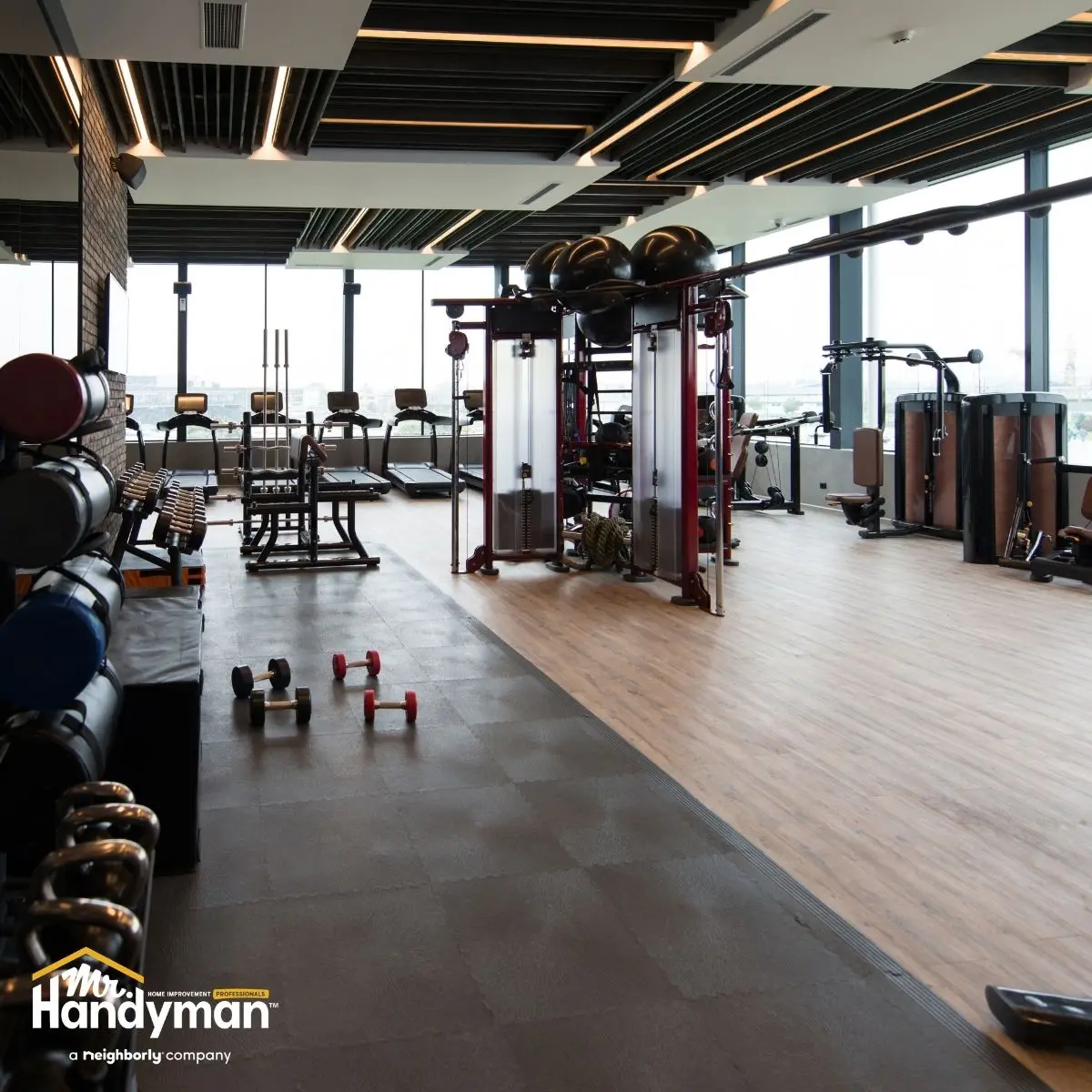
Gym mirrors serve essential training functions but become deadly hazards when improperly installed. The difference between safe and dangerous mirror installations isn't visible to members or facility managers until failure occurs, and by then it's too late to prevent injuries.
Professional installation using proper techniques, appropriate hardware, and structural mounting protects members and prevents liability exposure that can destroy gym businesses. The modest cost of professional installation is insurance against catastrophic outcomes that cost exponentially more in legal damages, medical expenses, and reputation destruction.
Existing mirrors installed by unknown methods or known DIY installations require immediate professional assessment. Assuming mirrors are safe because they haven't fallen yet ignores the reality that mounting failures progress gradually and eventually result in sudden catastrophic failures.
If your fitness facility needs new mirror installation, existing mirror inspection, or mounting system upgrades to ensure member safety and reduce liability exposure, professional services provide the expertise and quality installation your facility requires.
Mr. Handyman of Martinsburg and Charles Town
https://www.mrhandyman.com/martinsburg-charles-town/
Mr. Handyman of Northern Montgomery County
https://www.mrhandyman.com/northern-montgomery-county/
Mr. Handyman of South Montgomery County
https://www.mrhandyman.com/south-montgomery-county/
Safe mirror installation protects your members and your business. Don't risk catastrophic failure from improper mounting. Schedule your professional mirror installation or inspection today.
