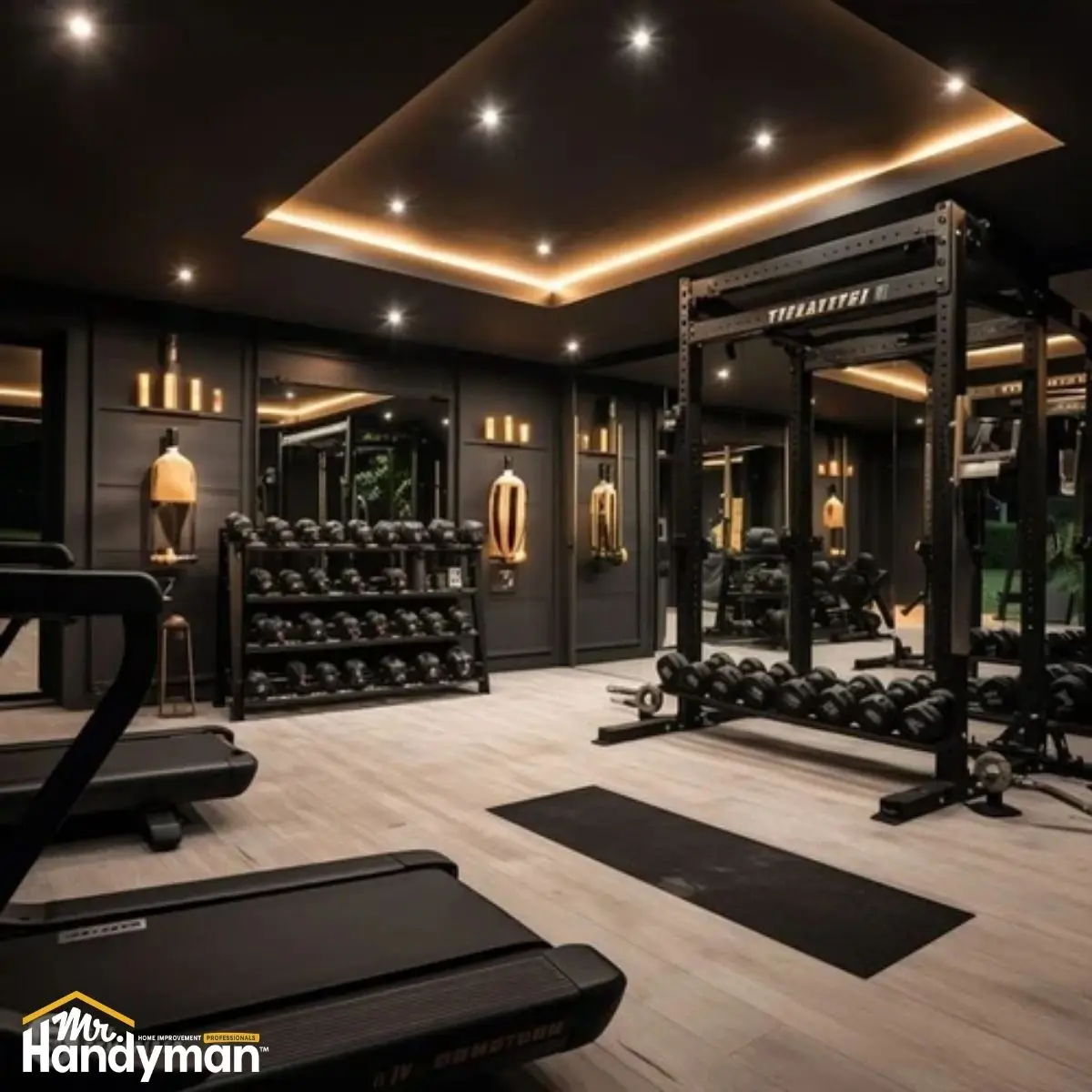
Walls and ceilings in fitness facilities tell stories about how the business operates. Fresh paint and intact surfaces suggest professional management and attention to detail. Scuff marks, holes, water stains, and peeling paint communicate neglect, budget constraints, or indifference to facility condition. Members notice these details even when they don't consciously process them. The condition of vertical and overhead surfaces shapes perceptions about whether a gym is worth its membership fees and whether management cares about member experience.
Gyms in West Virginia and Maryland face particular wall and ceiling challenges. High humidity from member sweat creates condensation and paint failure. Impact from dropped weights, moving equipment, and member contact damages drywall. Roof leaks from winter ice dams or aging roofing systems create ceiling stains and structural damage. HVAC issues cause discoloration and mold growth. Each of these problems starts small but compounds over time, gradually degrading facility appearance until the cumulative effect becomes overwhelming.
The insidious nature of wall and ceiling damage is that it progresses slowly enough that staff and regular members stop seeing it. What appears normal to people who see it daily looks terrible to new visitors evaluating whether to join. Prospective members touring facilities compare what they see to competitors. Gyms with damaged walls and ceilings lose membership sales to facilities that maintain pristine conditions, even when equipment quality and programming are superior.
Older commercial buildings throughout Martinsburg, Charles Town, and Montgomery County often house fitness facilities. These buildings weren't designed for gym use and lack the durability features purpose-built fitness centers include. Standard commercial drywall can't handle gym abuse. Basic paint fails under humidity exposure. Ceiling systems designed for office use deteriorate rapidly in gym environments. Converting these spaces to fitness use without appropriate materials creates ongoing maintenance challenges.
Understanding how wall and ceiling damage affects brand perception, which problems create the most negative impressions, and how to prioritize repairs helps gym owners allocate limited maintenance budgets for maximum impact. Not all damage requires immediate attention, but certain problems demand quick action because they disproportionately affect how members and prospects perceive facility quality.
Why Visual Condition Shapes Brand Perception More Than Equipment Quality
Human psychology processes environmental cues faster than rational evaluation. Within seconds of entering a space, people form judgments based on cleanliness, maintenance, and aesthetics. These instant impressions influence every subsequent interaction with the business.
Walls and ceilings occupy most of the visual field in enclosed spaces. People see more wall and ceiling surface area than flooring, equipment, or any other element. This means damage to these surfaces dominates visual perception regardless of what else the facility offers.
Premium pricing depends on premium presentation. Gyms charging above-market rates must justify cost through perceived quality. Members paying premium prices expect facilities that look premium. Damaged walls and ceilings make premium pricing feel unjustified and drive price-sensitive members to cheaper alternatives.
Social media amplification means facility conditions reach far beyond current members. Members post workout selfies and videos that capture background conditions. Damaged walls visible in social media posts damage reputation and deter potential members from inquiring. Conversely, pristine facilities in member posts become free advertising that attracts new business.
Competitor comparison shopping puts facility condition front and center. Prospective members touring multiple gyms compare what they see. Facilities with better maintained walls and ceilings win memberships from competitors with damaged surfaces, even when other factors favor the damaged facility.
First impressions during facility tours determine whether prospects convert to members. Tour guides can highlight equipment, programming, and community, but prospects simultaneously evaluate facility condition. Visible damage raises doubts that undermine sales messaging. Perfect tours in damaged facilities still result in "I'll think about it" responses that rarely convert.
Member pride in gym affiliation depends partly on facility appearance. Members enthusiastically refer friends to gyms they're proud to belong to. They hesitate to refer friends to facilities with obvious maintenance problems because it reflects poorly on their judgment. Damaged walls and ceilings reduce member referrals, which are the most cost-effective source of new business.
Water Damage and Stains That Signal Serious Problems
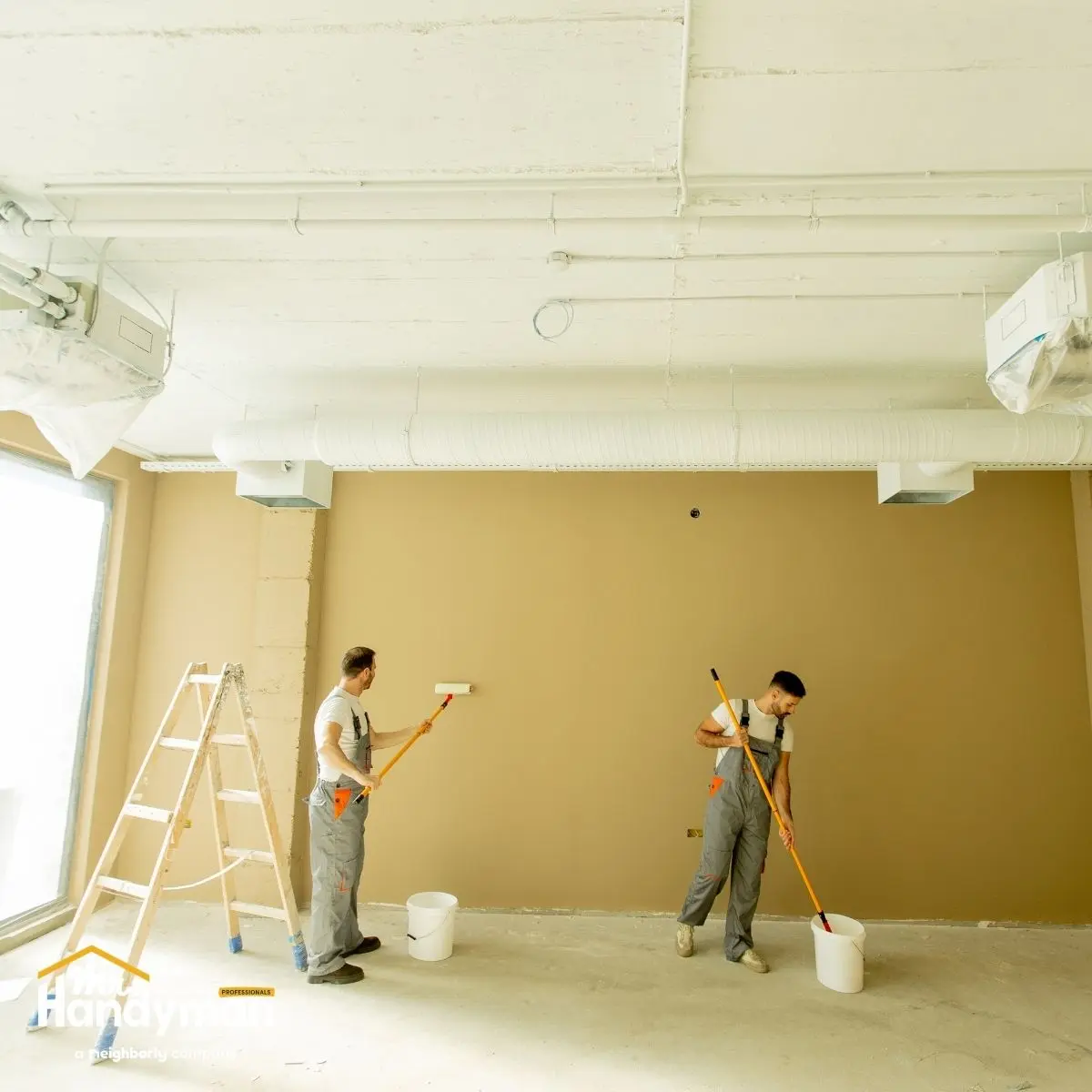
Water stains on ceilings and walls create more negative impressions than almost any other damage type. They suggest ongoing problems, potential mold, and management that doesn't address issues promptly.
Ceiling water stains are particularly problematic because they're always visible and signal roof or plumbing failures. Brown or yellow discoloration spreading across ceiling tiles or drywall immediately catches attention. Even old stains that have dried suggest the facility has experienced water intrusion problems, raising concerns about whether those problems persist.
Active water damage is an immediate crisis that requires stopping the source before addressing cosmetic issues. Leaking roofs, failed plumbing, or HVAC condensate problems must be fixed or cosmetic repairs will fail within weeks. Many gym owners make the mistake of painting over stains without fixing underlying causes, which leads to recurring damage that looks worse than the original problem.
Mold growth from water intrusion creates health concerns beyond aesthetics. Visible mold on walls or ceilings, or musty odors suggesting hidden mold, drive health-conscious members away. Gyms market health and wellness. Facilities with mold problems undermine core brand messaging and create cognitive dissonance that members can't reconcile.
Textured ceilings in older buildings are particularly vulnerable to water damage. Once acoustic ceiling tiles or popcorn texture gets wet, it rarely dries properly. The material disintegrates, stains permanently, or develops mold. Replacement is the only solution, and partial replacement often looks worse than leaving damage because new material won't match aged surrounding surfaces.
Humidity staining differs from direct water intrusion but creates similar appearances. Areas with inadequate ventilation develop condensation staining that looks like water damage. Locker rooms, shower areas, and spaces near pools or hot tubs all develop humidity-related discoloration if ventilation doesn't remove moisture effectively.
Prevention through proper ventilation and dehumidification costs less than repeated ceiling repairs. Gyms need HVAC systems designed for high-moisture environments. Residential-grade systems in converted spaces can't handle gym humidity loads and contribute to ongoing moisture damage.
Impact Damage From Equipment and Member Activity
Gyms are active environments where equipment moves, weights drop, and members make contact with walls during exercises. This activity creates specific damage patterns that accumulate over time.
Drywall in weight areas develops holes, dents, and surface damage from equipment impact. Benches pushed against walls, bars leaning on surfaces, and weights dropped near perimeters all damage standard drywall. These impacts create visible holes and surface damage that make facilities look abused and poorly maintained.
High-traffic areas develop scuff marks and surface abrasion from constant contact. Hallways, entrances, and areas around popular equipment show concentrated damage where members brush against walls repeatedly. Dark scuff marks on light-colored walls create dirty appearance even when surfaces are clean.
Corner damage is particularly common because corners take impacts from equipment and foot traffic. Exposed corners without protection develop progressive damage that worsens over time. What starts as minor edge damage becomes large missing sections that expose underlying wall structure.
Functional fitness areas with wall-mounted equipment like pull-up bars, rope anchors, or rig attachments experience stress around mounting points. Inadequate wall reinforcement or improper mounting causes cracks, separation, and potential equipment failure. These problems create both aesthetic and safety concerns.
Group fitness studios with mirrors experience unique damage patterns. Impacts to mirrors from dumbbells, kettlebells, or body contact create cracks or shattering. Damaged mirrors can't be repaired and require complete replacement. They're expensive to replace and create dangerous situations if they shatter during use.
Standard residential-grade drywall can't withstand gym abuse. Commercial facilities need moisture-resistant drywall in appropriate thickness with impact-resistant materials in high-risk areas. Gyms in converted spaces often have inadequate wall construction that creates ongoing maintenance problems.
Corner guards, wall padding, and protective barriers prevent damage in high-impact zones. These proactive measures cost less than repeated drywall repairs and maintain appearance by preventing damage rather than fixing it repeatedly.
Paint Failures That Make Everything Look Dirty
Paint condition dramatically affects perceived cleanliness and facility quality. Fresh paint makes spaces feel clean, current, and well-maintained. Failed, dirty, or damaged paint makes everything look neglected regardless of actual cleanliness.
Humidity-driven paint failure is endemic in gyms. Member sweat creates high humidity that causes paint to peel, bubble, or develop mildew. Standard interior paint isn't formulated for these conditions and fails rapidly in gym environments.
High-traffic areas develop surface soiling that embeds into paint texture. Wall sections near equipment, along hallways, and around entrances show concentrated dirt that regular cleaning can't remove. The dirt doesn't mean facilities are dirty—it means paint has absorbed contaminants that bonded to the surface.
Flat or matte paint finishes show every mark and can't be scrubbed without damaging the finish. Gyms need semi-gloss or satin paints that withstand cleaning and resist marking. Using wrong paint sheens guarantees appearance problems regardless of maintenance quality.
Color selection affects perceived cleanliness and maintenance requirements. Very light colors show every mark but make spaces feel clean and open. Very dark colors hide marks but make spaces feel smaller. Mid-tone neutrals balance these considerations and work well in most gym applications.
Accent walls create visual interest but require more frequent maintenance than neutral walls. Bold colors show dirt and damage more prominently than neutrals. Gyms using accent colors need to repaint these sections more frequently to maintain appearance.
Paint-grade preparation matters as much as paint quality. Proper surface preparation, primer application, and multiple finish coats create durable surfaces that last years. Cheap paint jobs that skip preparation steps fail quickly and cost more long-term through frequent repainting.
Touch-up paint rarely matches aged walls perfectly. Color fading from UV exposure, dirt accumulation, and paint lot variations mean touch-ups often look worse than leaving damage. When damage becomes extensive enough to need touch-ups, full repainting usually makes more sense.
Ceiling Issues That Dominate Upper Visual Field
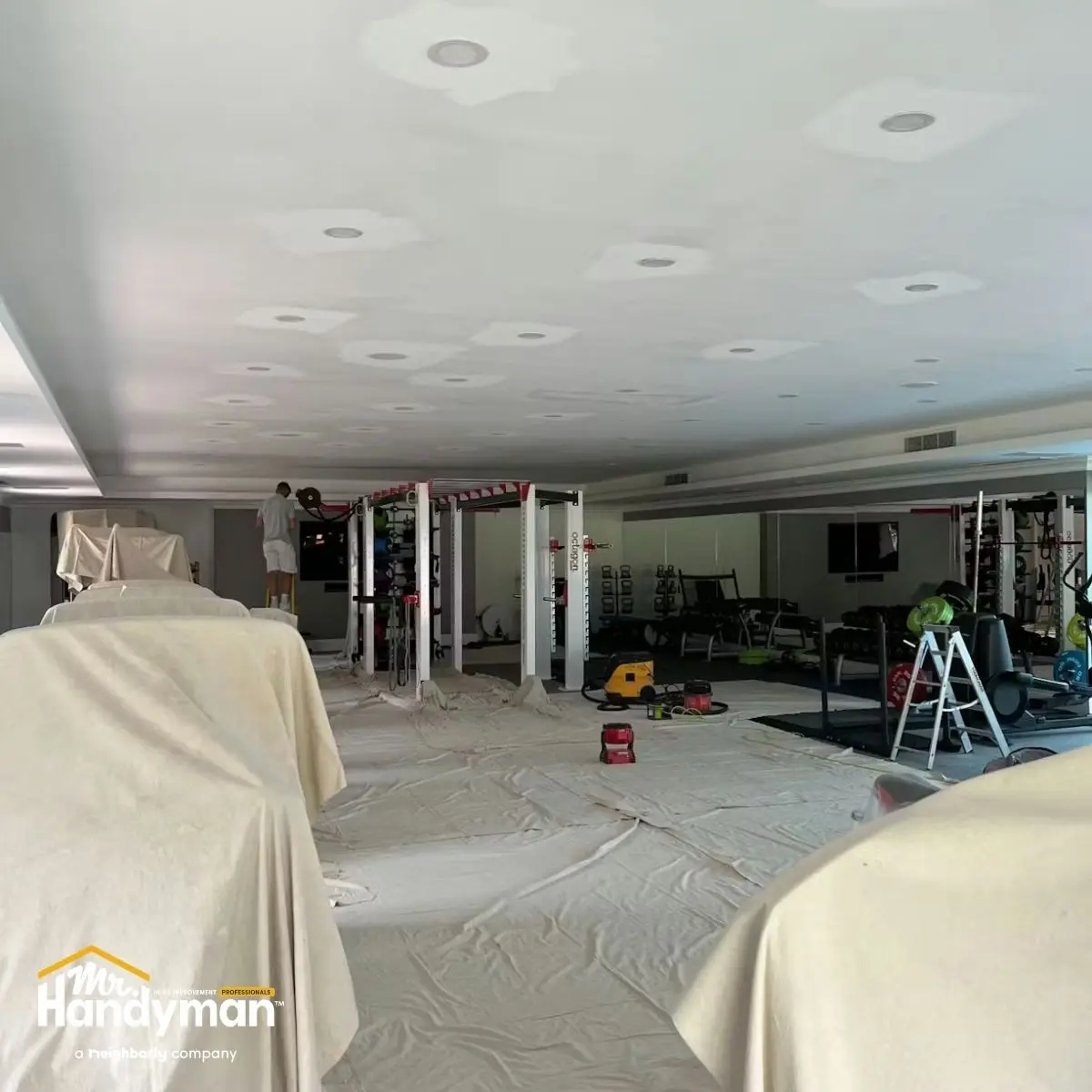
Ceilings occupy significant visual space but often receive less maintenance attention than walls because they're harder to access and people look up less frequently. However, ceiling damage creates strong negative impressions because it suggests systemic facility problems.
Drop ceiling tiles are common in commercial buildings but poorly suited to gym environments. Humidity causes tiles to sag, warp, or develop stains. Tiles are also fragile and break easily when accessed for maintenance. Damaged or missing tiles look terrible and draw attention to mechanical systems that should remain hidden.
Exposed ceiling construction with painted ductwork, joists, and structure has become popular in gyms for its industrial aesthetic. This approach works only if execution is thorough. Partially painted systems, rust on metal components, or visible dust accumulation looks unfinished rather than intentional.
Water stains on ceilings from roof leaks or HVAC condensate create the impression that management doesn't maintain building systems. Even old stains that are no longer active suggest potential problems. Ceiling water damage always requires source repair before cosmetic treatment or problems recur immediately.
Ventilation diffusers, light fixtures, and ceiling-mounted equipment create visual clutter if not properly maintained. Dirty diffuser grilles, yellowed light panels, or hanging fixtures with visible dust make ceilings look neglected. These elements are highly visible but easy to overlook during routine cleaning.
Acoustic treatment in group fitness studios, spin rooms, or other spaces where noise control matters requires professional installation to look intentional. DIY acoustic panel installation often looks amateur and damages rather than enhances facility appearance.
Ceiling height affects how much ceiling damage impacts overall appearance. Low ceilings bring ceiling surfaces into direct sight lines and make damage more prominent. High ceilings reduce ceiling visibility but make repairs more difficult and expensive.
Strategic Repair Prioritization Based on Visibility and Impact
Limited maintenance budgets require strategic decisions about which damage to fix first. Not all problems have equal impact on member perception or facility safety.
Entry areas and lobbies demand immediate attention because they create first impressions. Damage visible during facility tours directly affects membership sales. Investing in perfect entry areas while neglecting workout spaces is insufficient, but damaged entries guarantee lost sales regardless of other facility qualities.
High-traffic workout zones should be second priority. These are areas members use daily and where damage affects regular member satisfaction. Cardio areas, free weight zones, and group fitness studios need regular attention because members spend significant time in these spaces.
Locker rooms and bathrooms require consistent maintenance because condition strongly influences satisfaction. Members tolerate some workout space wear but expect locker room facilities to be pristine. Water damage, mold, or deteriorated finishes in these spaces drive member dissatisfaction disproportionate to the actual damage extent.
Low-traffic areas and storage spaces can receive lower priority when resources are limited. Damage in areas members rarely see doesn't affect satisfaction or retention significantly. However, completely ignoring these areas eventually allows damage to spread to visible zones.
Safety-related damage must be addressed immediately regardless of visibility. Holes that create sharp edges, damaged mounting points for equipment, or structural issues all require immediate repair regardless of whether they're visible during tours or in high-traffic areas.
Recurring damage suggests systemic problems that need root cause solutions rather than repeated cosmetic repairs. If the same areas develop damage repeatedly, addressing underlying causes prevents ongoing repair cycles that waste resources.
Seasonal timing affects repair scheduling. Major paint projects are best done during slow seasons when facility closures or section restrictions cause minimal member disruption. Small repairs can happen year-round with minimal impact.
Professional Assessment and Repair Versus DIY Approaches
Determining which repairs require professionals versus which staff can handle affects project quality and cost-effectiveness.
Minor touch-up painting, small drywall hole repairs, and surface cleaning can often be handled by maintenance staff with basic training. These tasks don't require specialized skills but do need attention to detail and proper materials.
Major paint projects benefit from professional application. Professionals prep surfaces thoroughly, apply paint efficiently, and create uniform finishes that last. DIY painting often looks acceptable initially but fails prematurely because preparation was inadequate.
Drywall repair quality varies significantly based on skill level. Small holes can be patched adequately by staff. Large repairs, texture matching, and damage from water or impact need professional attention to achieve invisible repairs.
Water damage requires professional assessment even if cosmetic repairs seem straightforward. Hidden moisture, mold, and structural damage aren't visible during surface inspection. Professionals use moisture meters and inspection tools to identify extent of damage before beginning repairs.
Ceiling work often requires specialized equipment and safety measures. Working at height, dealing with heavy materials, and accessing areas above drop ceilings all create challenges best handled by professionals with proper equipment and training.
Matching existing finishes is difficult without professional expertise. Paint colors, drywall textures, and ceiling tile patterns all must match perfectly or repairs look worse than original damage. Professionals have access to materials and techniques that achieve better matches.
Frequently Asked Questions
How often should gym walls and ceilings be repainted?
High-traffic gyms benefit from repainting every 2-3 years. Lower-traffic facilities can extend to 3-5 years. However, damaged or dirty paint should be addressed regardless of time since last painting. Visible paint problems affect member perception immediately.
Can water stains be painted over or must damaged material be replaced?
Water-damaged material must dry completely and source leaks must be fixed before painting. Stains need stain-blocking primer to prevent bleed-through. If material is structurally compromised, soft, or moldy, replacement is necessary. Painting over active moisture problems guarantees rapid failure.
What type of paint is best for gym environments?
Semi-gloss or satin finish paints in moisture-resistant or mildew-resistant formulations work best. These finishes withstand cleaning and resist humidity damage. Avoid flat paints that can't be scrubbed and standard interior paints not rated for high-moisture environments.
How much does professional wall and ceiling repair typically cost?
Costs vary widely based on damage extent. Small drywall repairs run $100-300. Professional painting of a 2,000-square-foot gym costs $3,000-6,000. Major ceiling work or water damage remediation can reach $10,000+. Getting multiple quotes helps establish appropriate budgets.
Should gyms use standard drywall or upgrade to more durable materials?
Weight rooms and high-impact areas benefit from thicker drywall, cement board, or impact-resistant panels. Standard half-inch drywall is inadequate for gym use. Moisture-resistant drywall should be used throughout to handle humidity. Investment in proper materials reduces long-term maintenance costs.
How can gyms prevent wall and ceiling damage proactively?
Install corner guards, wall padding, and protective barriers in high-impact zones. Use appropriate paint and materials for gym environments. Maintain proper ventilation to prevent humidity damage. Train staff to report damage early when repairs are simple. Regular cleaning prevents buildup that causes long-term damage.
Protecting Brand Image Through Facility Maintenance
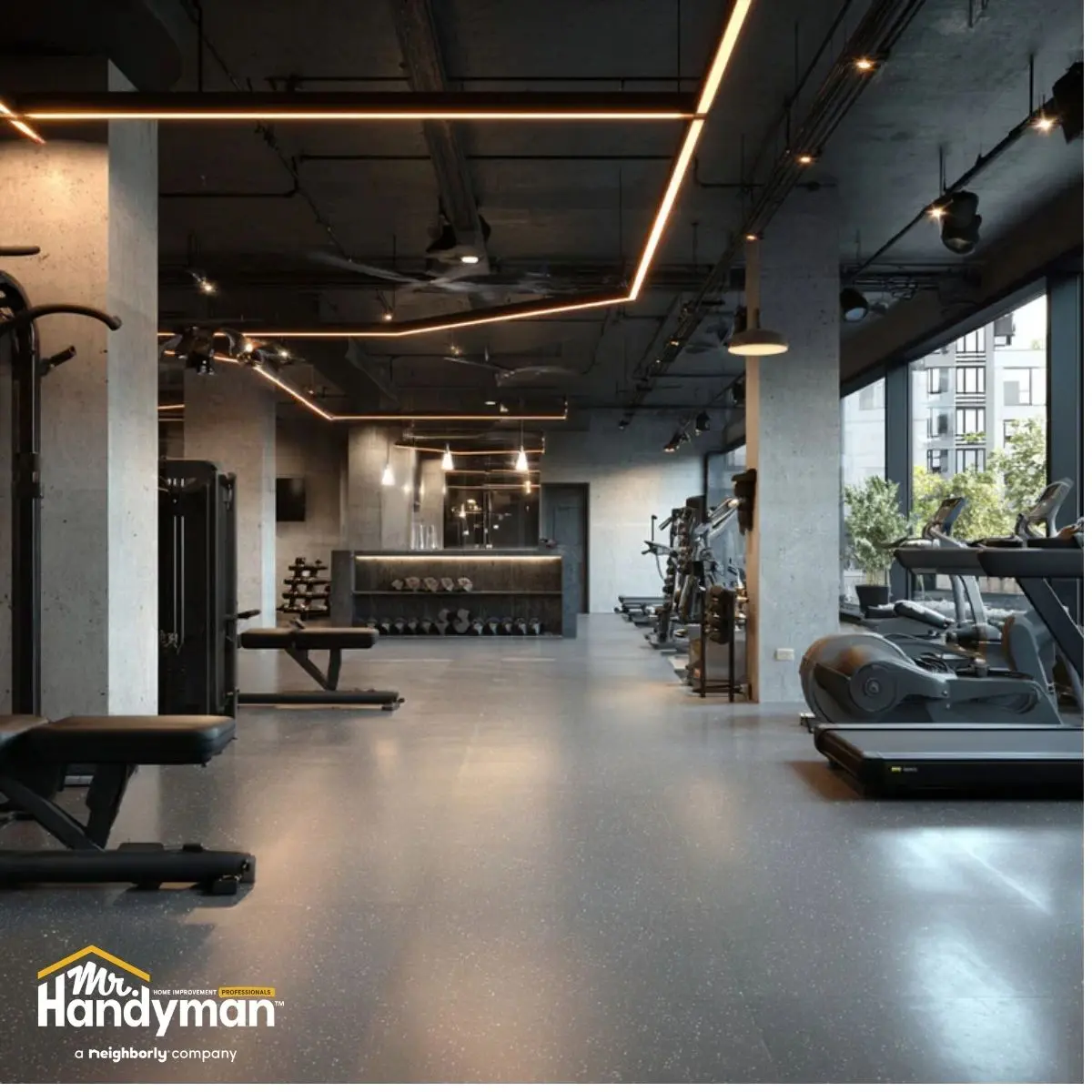
Wall and ceiling condition profoundly affects how members and prospects perceive gym quality and value. These surfaces dominate the visual environment and communicate whether management invests in member experience or operates on minimal standards.
Strategic attention to wall and ceiling maintenance creates positive brand impressions that support member retention and new member acquisition. The investment required is minimal compared to the revenue impact of facilities that look tired, dirty, or neglected.
Prioritizing repairs based on visibility and impact ensures limited budgets address problems that matter most to member perception. Perfect hidden areas while visible spaces deteriorate wastes resources and fails to address what actually influences member satisfaction.
If your fitness facility needs professional assessment, repair, or maintenance of walls and ceilings to maintain brand image and member satisfaction, experienced professionals provide the expertise and quality your facility requires.
Mr. Handyman of Martinsburg and Charles Town
https://www.mrhandyman.com/martinsburg-charles-town/
Mr. Handyman of Northern Montgomery County
https://www.mrhandyman.com/northern-montgomery-county/
Mr. Handyman of South Montgomery County
https://www.mrhandyman.com/south-montgomery-county/
Your facility's appearance speaks before you do. Ensure walls and ceilings support your brand message. Schedule your facility assessment today.
