How to Keep Pipes From Freezing During Harsh Winters is one of the most important concerns for homeowners and property managers across the Mid Atlantic region. Freezing temperatures place intense stress on plumbing systems, and a single frozen pipe can quickly turn into a burst pipe, flooding, and expensive repairs. Preventing these issues requires understanding why pipes freeze, where problems typically start, and what practical steps actually work in real homes.
At Mr. Handyman of Montgomery County and Martinsburg, winter service calls consistently spike during prolonged cold snaps. Homes throughout Rockville, Silver Spring, Gaithersburg, Bethesda, and Martinsburg face similar seasonal risks due to freezing temperatures, aging infrastructure, and exposed plumbing. The good news is that most frozen pipe emergencies are preventable with the right preparation.
Why Pipes Freeze During Harsh Winters
Pipes freeze when water inside them drops below freezing. As water freezes, it expands, creating pressure inside the pipe. If that pressure has nowhere to go, the pipe wall weakens and cracks. The pipe usually bursts when the ice begins to thaw and water pressure returns.
Several factors increase the risk of freezing:
- Extended periods of subfreezing temperatures
- Poor insulation around pipes
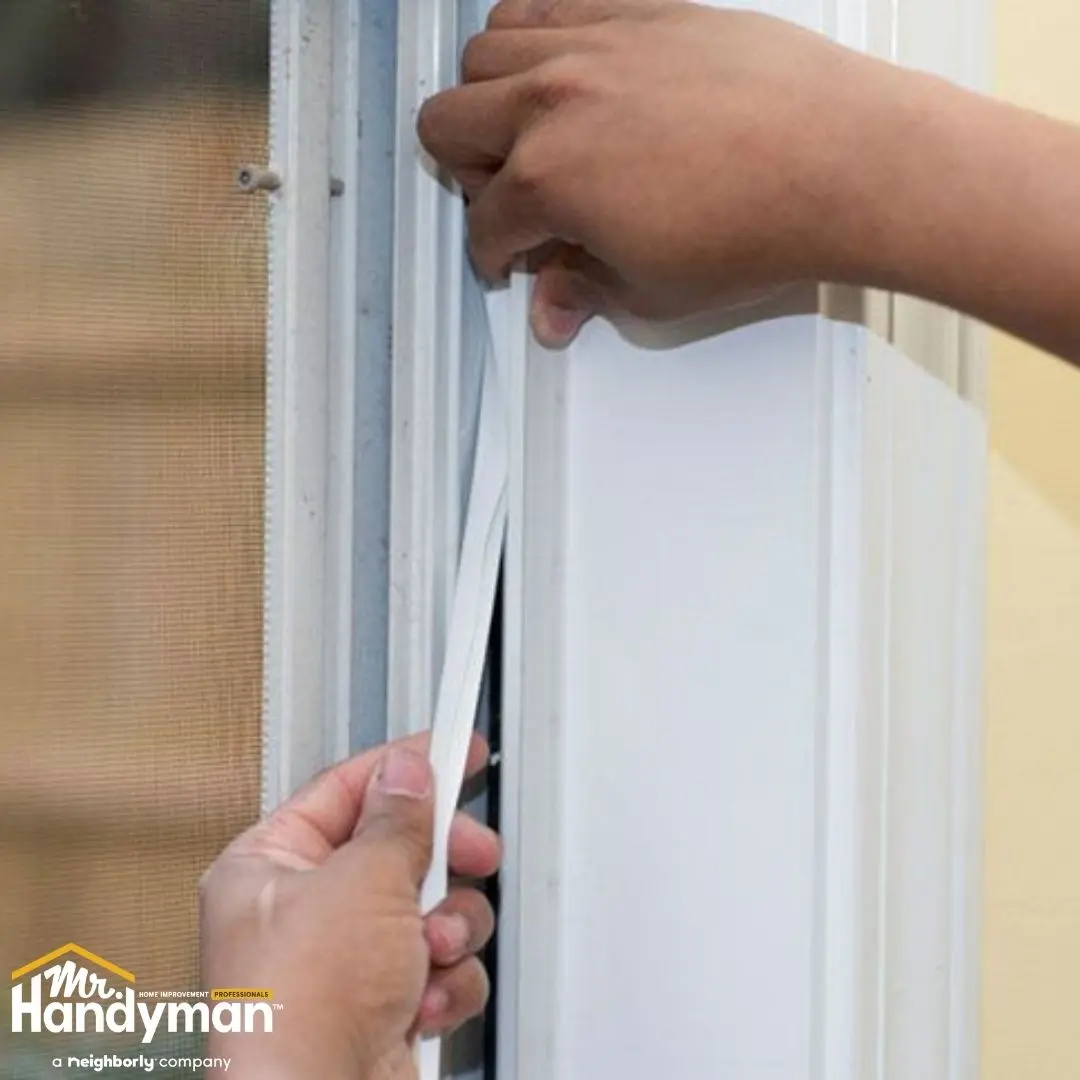
- Air leaks that allow cold drafts
- Inconsistent indoor heating
- Plumbing located near exterior walls
Homes in colder pockets of the region, including areas like Germantown, Olney, and Poolesville, are especially vulnerable during overnight temperature drops. Even newer homes can experience frozen pipes if insulation or air sealing is incomplete.
Where Pipes Are Most Likely to Freeze
Understanding where freezing occurs helps homeowners prioritize prevention. Pipes rarely freeze in warm, interior spaces. The highest risk areas are locations where cold air can reach plumbing directly.
Common High Risk Locations
- Exterior walls
- Unheated basements and crawl spaces
- Garages
- Attics with plumbing runs
- Under kitchen and bathroom cabinets
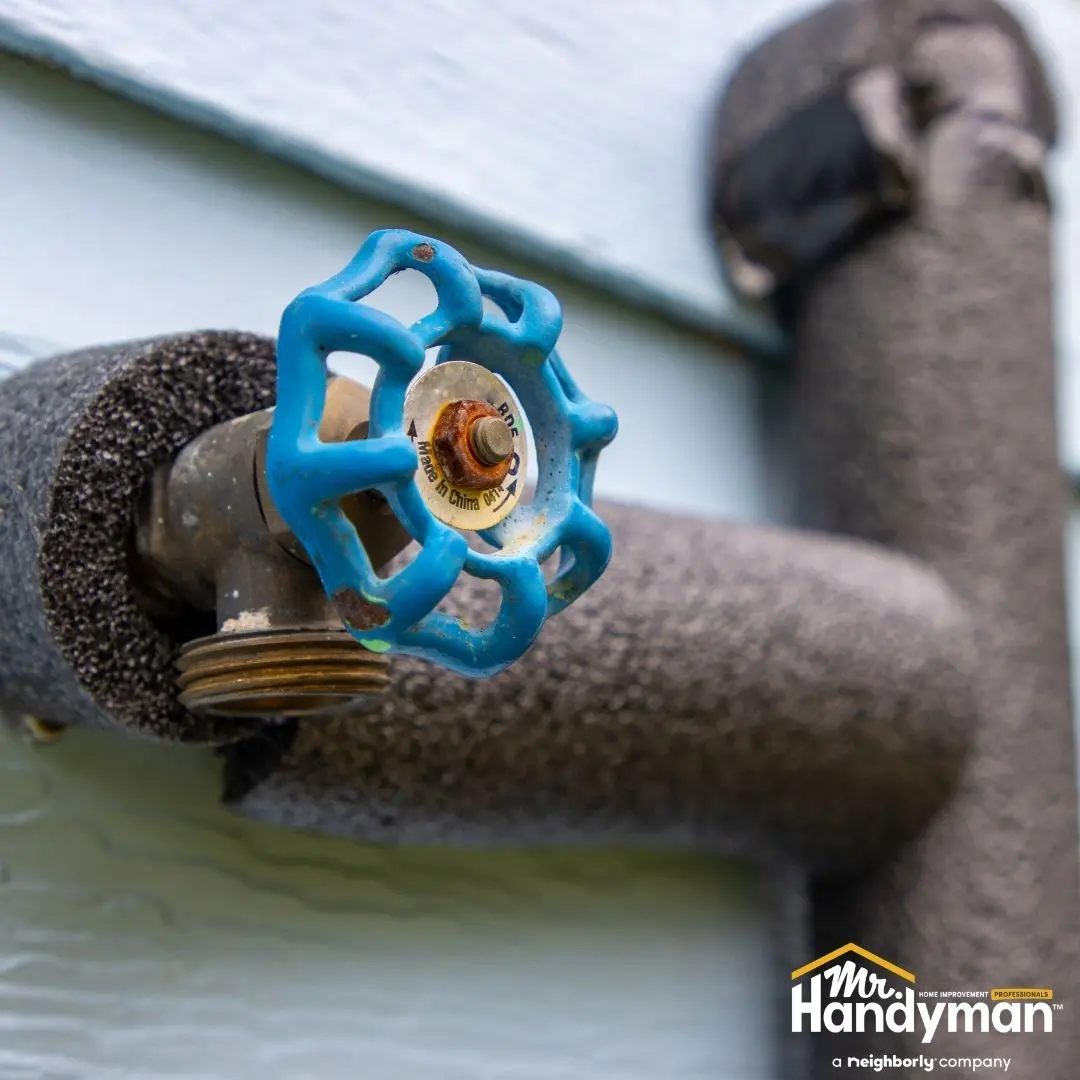
- Outdoor hose bibs and supply lines
Pipes serving exterior faucets are especially vulnerable. A single overlooked hose connection can trap water and cause the pipe to freeze solid during the first hard freeze of the season.
Insulation Is the First Line of Defense
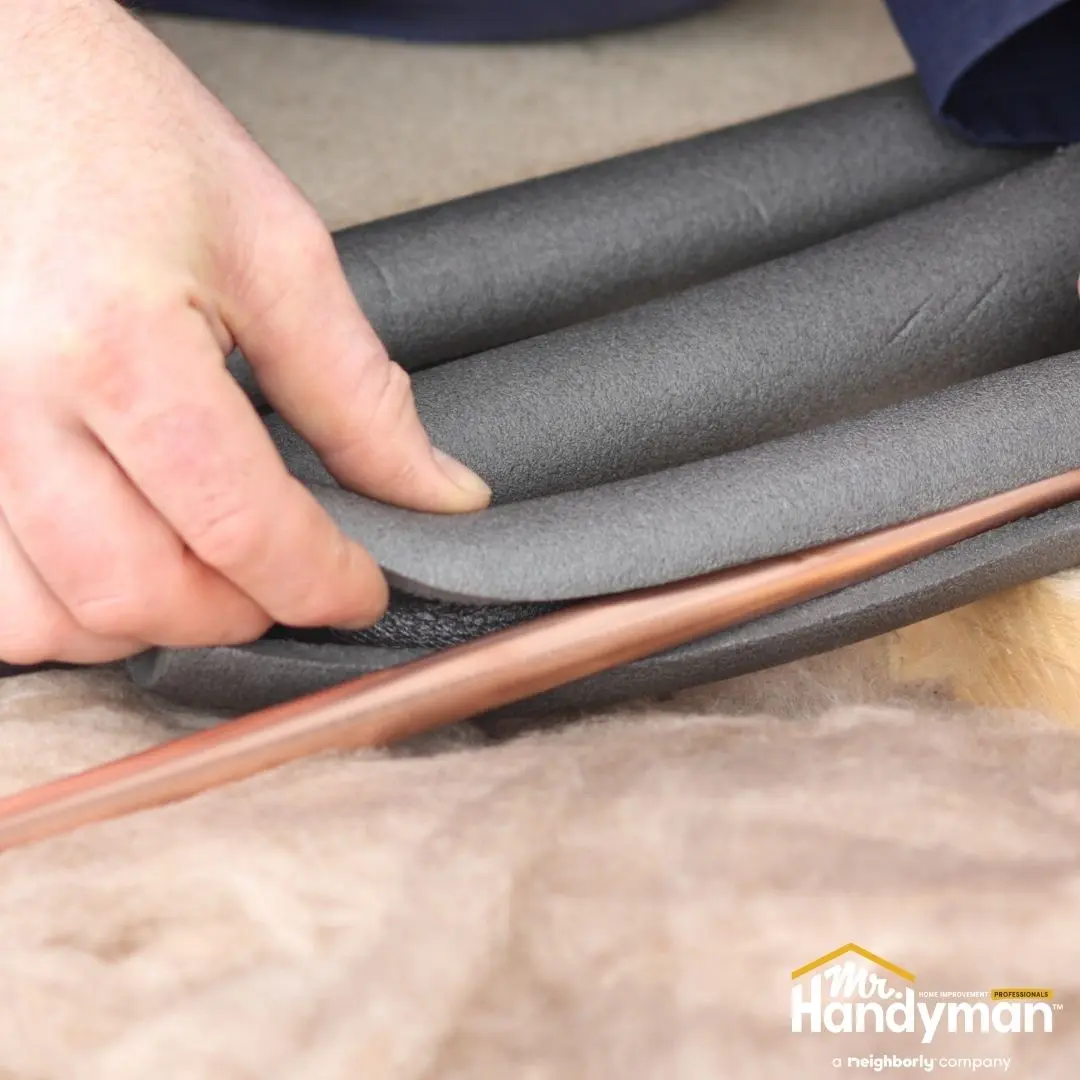
Insulation plays a major role in how to keep pipes from freezing during harsh winters. Proper insulation slows heat loss and keeps pipe temperatures above freezing even during prolonged cold spells.
Types of Pipe Insulation That Work
- Foam pipe sleeves
- Fiberglass wrap insulation
- Heat tape for high risk lines
- Insulated faucet covers
Insulating exposed pipes in basements, crawl spaces, and garages is one of the most cost effective home maintenance steps available. Insulation should be snug, continuous, and free of gaps.
Insulation Alone Is Not Always Enough
While insulation is critical, it does not generate heat. Pipes located in extremely cold or drafty areas still rely on ambient warmth. This is why insulation must be paired with air sealing and consistent heating.
Seal Air Leaks Before Cold Air Reaches Pipes
Cold drafts are a major cause of frozen pipes. Even insulated pipes can freeze if freezing air flows directly over them for extended periods.
Common Sources of Cold Air Infiltration
- Gaps around foundation walls
- Unsealed sill plates
- Openings around pipe penetrations
- Drafty basement windows
- Poorly sealed crawl space vents
Sealing these openings helps stabilize temperatures and improves overall energy efficiency. Air sealing supports both plumbing protection and broader home repair goals.
Maintain Consistent Indoor Temperatures
One of the most overlooked factors in frozen pipe prevention is indoor temperature consistency. Pipes rely on surrounding warmth to stay above freezing.
Heating Mistakes That Increase Risk
- Turning heat off overnight
- Lowering thermostats too aggressively
- Closing off unused rooms
- Shutting down heat while traveling
Even short temperature drops can freeze pipes located in exterior walls. Maintaining a consistent indoor temperature reduces stress on plumbing systems and prevents sudden failures.
Best Practices for Winter Heating
- Keep thermostats set consistently day and night
- Allow warm air to circulate freely
- Ensure basements and crawl spaces receive heat
- Avoid shutting heat off during absences
These steps are simple but highly effective in preventing winter plumbing emergencies.
Protect Pipes Under Sinks and Cabinets
Kitchen and bathroom pipes often run through exterior walls and are hidden behind cabinets. These pipes receive less warmth and are commonly affected during extreme cold.
Simple Steps That Make a Difference
- Open cabinet doors during freezing weather
- Remove stored items blocking airflow
- Check for drafts behind cabinets
- Insulate pipes where accessible
This small habit allows warm air to circulate and helps keep pipes from freezing overnight.
Disconnect Hoses and Shut Off Exterior Water Lines
Outdoor plumbing must be winterized before freezing temperatures arrive. Leaving hoses attached traps water in the pipe and dramatically increases freezing risk.
Proper Outdoor Plumbing Preparation
- Disconnect and store all hoses
- Shut off interior valves feeding exterior lines
- Drain residual water from pipes
- Install insulated faucet covers
Outdoor plumbing failures often go unnoticed until water damage appears inside the home, making prevention especially important.
Frozen Pipes Are a Home Repair Emergency
Frozen pipes are not just inconvenient. They pose a serious risk to structural integrity, electrical systems, and indoor air quality. Burst pipes can release hundreds of gallons of water in a short time, leading to extensive damage.
Preventing frozen pipes is one of the most important forms of preventative home maintenance homeowners can take during winter. Early preparation protects property, reduces emergency repair costs, and provides peace of mind during harsh weather.
Use Heat and Water Flow Strategically to Prevent Freezing
Knowing how to keep pipes from freezing during harsh winters goes beyond insulation and sealing. Heat management and controlled water flow play a major role in protecting plumbing during extreme cold, especially during overnight temperature drops and prolonged cold snaps.
Pipes freeze faster when water is stagnant and surrounding temperatures fluctuate. Strategic use of heat and water movement helps stabilize pipe temperatures and reduces pressure buildup inside the system.
Why Moving Water Resists Freezing
Flowing water freezes more slowly than standing water. Even a small amount of movement can prevent ice from forming inside pipes during extreme cold.
Situations where water flow is most helpful include:
- Overnight subfreezing temperatures
- Pipes located in exterior walls
- Extended cold spells lasting multiple days
- Homes with known draft issues
Letting faucets drip slightly during extreme cold allows water to move through the system and relieves pressure. This technique is especially effective for pipes that have frozen in the past.
When Dripping Faucets Is Appropriate
Dripping faucets should be used selectively, not continuously throughout winter. It is most effective when temperatures are expected to remain well below freezing for extended periods.
Best practices include:
- Dripping both hot and cold lines when possible
- Using a steady drip, not a stream
- Targeting fixtures connected to vulnerable pipe runs
- Turning dripping off once temperatures rise
While this method increases water usage slightly, it is far less costly than repairing burst pipes and water damage.
Protect Pipes in Basements, Crawl Spaces, and Garages
Unheated or partially heated spaces are responsible for a large percentage of frozen pipe incidents. Basements, crawl spaces, and garages often house supply lines, shutoff valves, and branch connections that are essential to the entire plumbing system.
Why These Areas Freeze First
These spaces experience greater temperature swings because:
- They are closer to exterior walls and foundations
- Insulation may be incomplete or damaged
- Heating coverage is inconsistent
- Air leaks are more common
Even small drafts can lower temperatures enough to freeze pipes during harsh winters.
Effective Ways to Warm Vulnerable Spaces
To reduce freezing risk:
- Ensure vents and windows are sealed
- Add insulation to foundation walls
- Keep garage doors closed during cold weather
- Avoid shutting off heat to basements
- Use safe supplemental heating when appropriate
Maintaining above freezing temperatures in these areas is essential for overall plumbing protection and long term home maintenance.
Address Crawl Space and Foundation Vulnerabilities
Crawl spaces are especially problematic during winter. Cold air entering through vents or gaps can travel directly along pipe runs, freezing them from the outside in.
Common Crawl Space Issues That Cause Frozen Pipes
- Open or poorly sealed vents
- Missing vapor barriers
- Inadequate insulation
- Standing moisture that accelerates heat loss
Cold air movement under the home affects pipes more quickly than homeowners realize.
Preventative Crawl Space Measures
Effective steps include:
- Sealing vents before winter
- Installing insulation on crawl space walls
- Wrapping exposed pipes
- Ensuring access doors close tightly
These improvements not only prevent frozen pipes but also improve energy efficiency and indoor comfort.
Understand the Risks of Vacant or Low Use Homes
Vacant homes and rarely used spaces freeze faster than occupied areas. Without consistent heat and water usage, pipes are exposed to prolonged cold with no natural protection.
Why Pipes Freeze Faster in Vacant Homes
Key risk factors include:
- Reduced ambient heat
- No water movement
- Delayed detection of freezing
- Longer exposure to extreme cold
Vacation homes, rental properties, and unused rooms are common sources of winter plumbing failures.
Preventing Freezing in Vacant Properties
Recommended strategies include:
- Maintaining minimum indoor temperatures
- Draining plumbing systems when appropriate
- Installing temperature alerts
- Scheduling regular property checks
These steps are essential for both residential and commercial maintenance planning during winter.
Know the Warning Signs of Pipes About to Freeze
Frozen pipes rarely happen without warning. Recognizing early signs allows homeowners to intervene before damage occurs.
Early Indicators to Watch For
- Reduced or no water flow
- Unusual odors from drains
- Frost visible on exposed pipes
- Unexplained cold spots near walls
- Gurgling or whistling sounds
When these signs appear, immediate action is necessary. Increasing heat, opening cabinets, and restoring water flow can often prevent a full freeze.
What to Do If Pipes Begin to Freeze
If you suspect a pipe is freezing, quick action can prevent bursting.
Immediate Steps to Take
- Turn on the affected faucet slightly
- Increase indoor heat near the pipe
- Open cabinets and access panels
- Use safe heat sources such as space heaters
- Avoid open flames or high heat devices
Applying heat gradually helps thaw ice without stressing the pipe. Rapid temperature changes can worsen cracking.
Why Professional Assessment Matters
While many preventative steps can be handled by homeowners, some risks require professional evaluation. Hidden pipe runs, aging materials, and structural gaps are difficult to identify without experience.
Professional handyman services help identify vulnerabilities that are easy to miss and ensure repairs are completed correctly before winter damage occurs. This proactive approach supports long term home repair planning and reduces emergency service calls during harsh weather.
Long Term Strategies to Keep Pipes From Freezing Every Winter
Learning how to keep pipes from freezing during harsh winters is not just about reacting to cold weather. Long term protection comes from making smart improvements that reduce risk year after year. Homes that experience repeated freezing issues almost always share the same underlying problems: poor insulation, air leaks, aging plumbing layouts, or inconsistent maintenance.
At Mr. Handyman of Montgomery County and Martinsburg, recurring winter plumbing calls often involve properties where temporary fixes were used instead of permanent solutions. Addressing root causes provides lasting protection and reduces winter related stress on the entire plumbing system.
Upgrade Insulation and Pipe Placement Where Possible
Some homes are built with plumbing in locations that are inherently vulnerable to cold. Pipes routed through exterior walls, unconditioned spaces, or long horizontal runs are harder to protect without upgrades.
When Insulation Needs Improvement
Insulation should be evaluated if:
- Pipes freeze repeatedly in the same area
- Insulation is missing, compressed, or damaged
- Pipes are located against exterior sheathing
- Drafts are felt near plumbing runs
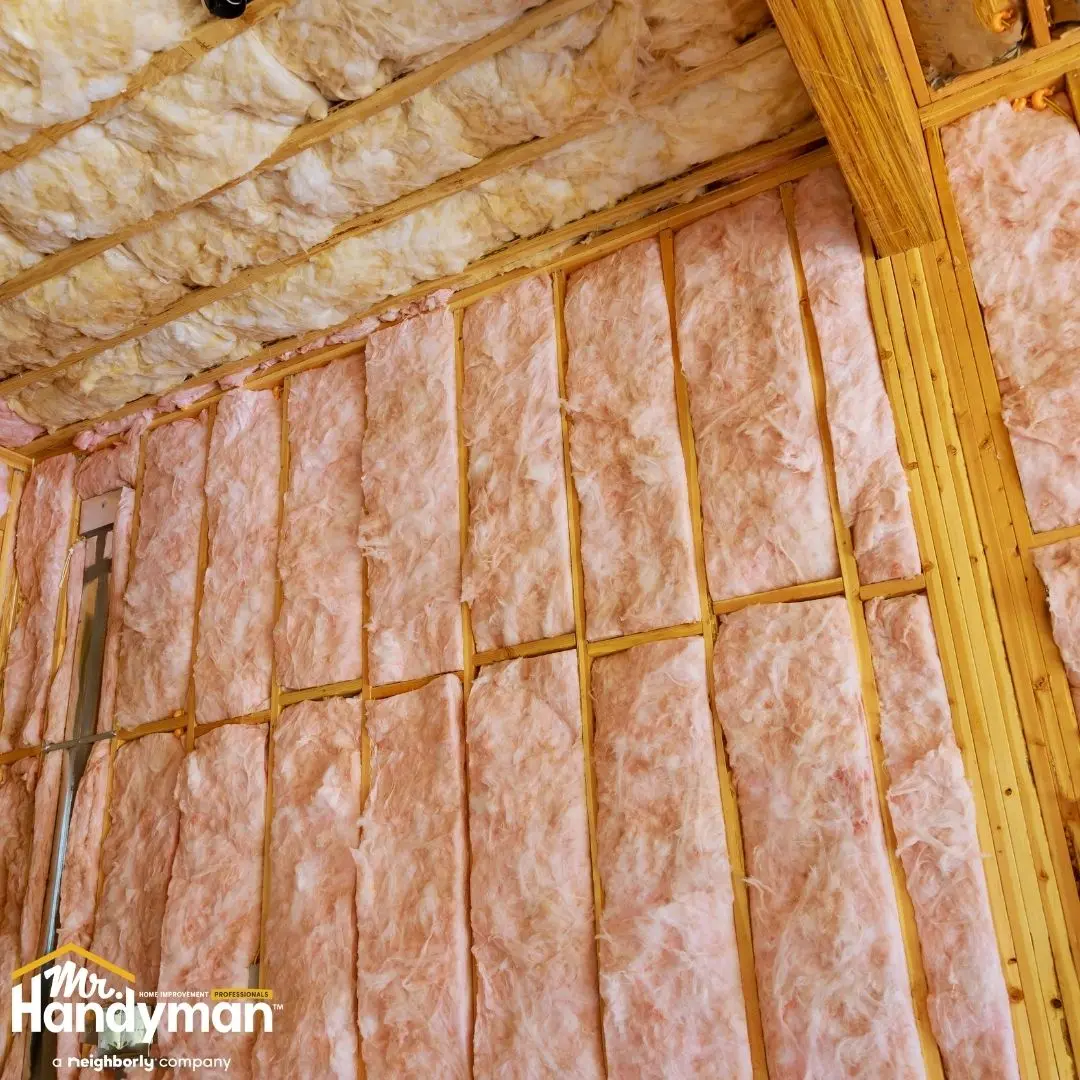
Adding insulation to walls, crawl spaces, and basement ceilings helps stabilize temperatures and protects more than just pipes. These upgrades also improve energy efficiency and indoor comfort.
Relocating Pipes Can Be a Permanent Solution
In some cases, rerouting pipes away from exterior walls is the best long term solution. While this involves more work, it eliminates the freezing risk entirely for that section of plumbing. This approach is especially effective during renovations or when repairing repeated freeze damage.
Install Smart Monitoring and Prevention Devices
Technology plays an increasing role in home maintenance. Smart devices help homeowners detect risks early and respond before damage occurs.
Helpful Devices for Winter Plumbing Protection
- Smart temperature sensors near pipes
- Leak detection systems
- Automatic water shutoff valves
- Smart thermostats with freeze protection
These tools provide alerts when temperatures drop too low or moisture is detected. Early warnings allow homeowners to take action before pipes freeze or burst.
Maintain Plumbing Systems Year Round
Winter problems often start months earlier. Regular plumbing maintenance reduces stress on pipes and helps systems handle temperature extremes more effectively.
Year Round Maintenance Tasks That Matter
- Inspect exposed pipes each season
- Replace aging supply lines and fittings
- Repair small leaks promptly
- Flush water heaters annually
- Test shutoff valves regularly
Consistent maintenance supports reliable performance and reduces the likelihood of sudden winter failures.
Understand the Role of Water Pressure
High water pressure increases the damage potential when pipes freeze. Excess pressure places additional stress on fittings and pipe walls, making cracks more likely during freeze and thaw cycles.
Why Pressure Regulation Matters
Homes with elevated water pressure experience:
- Faster pipe fatigue
- Increased risk of burst pipes
- Shorter fixture lifespan
- More severe water damage when failures occur
Installing or maintaining a pressure regulating valve helps protect plumbing year round and is an important component of preventative home repair.
Prepare Early for Extreme Weather Events
Harsh winters often bring unexpected cold snaps, power outages, and travel disruptions. Preparing ahead reduces risk when conditions change quickly.
Winter Preparedness Checklist
- Identify and label shutoff valves
- Keep insulation and faucet covers on hand
- Know which pipes are most vulnerable
- Set thermostat minimums before travel
- Arrange home checks during absences
Preparation minimizes panic during emergencies and allows faster response when temperatures drop suddenly.
Why Professional Help Makes a Difference
Some plumbing vulnerabilities are not obvious. Hidden pipe runs, structural gaps, and outdated materials often require professional assessment to identify and correct.
Handyman services play a key role in winter preparation by addressing:
- Insulation deficiencies
- Air sealing gaps
- Minor plumbing repairs
- Preventative upgrades
- System inspections
Professional support ensures fixes are completed correctly and reduces the risk of repeat winter damage.
Frozen Pipes Affect More Than Plumbing
When pipes freeze and burst, the damage extends far beyond water lines. Structural materials, electrical systems, flooring, and indoor air quality can all be affected. Preventing frozen pipes protects the entire home and avoids disruptions that last long after winter ends.
Understanding how to keep pipes from freezing during harsh winters allows homeowners and property managers to make informed decisions that protect property value and daily comfort.
Schedule Winter Plumbing Protection With a Trusted Professional
If you want help preventing frozen pipes, water damage, and winter plumbing emergencies, Mr. Handyman of Montgomery County and Martinsburg is ready to help. Our experienced team provides dependable handyman services focused on prevention, safety, and long term solutions.
Call us to schedule a winter plumbing inspection or preventative service and protect your home before harsh winter weather takes hold.
