Why the Kitchen Is Always the Center of Summer
There is a reason every gathering eventually ends up in the kitchen. It is where food is prepared, where conversations happen naturally, and where the flow of a home either supports or fights against the way people actually move through it during a party, a family dinner, or a casual weekend afternoon with neighbors. Summer entertaining in particular puts the kitchen under sustained pressure, and homes where the kitchen was not designed with that reality in mind show the strain quickly.
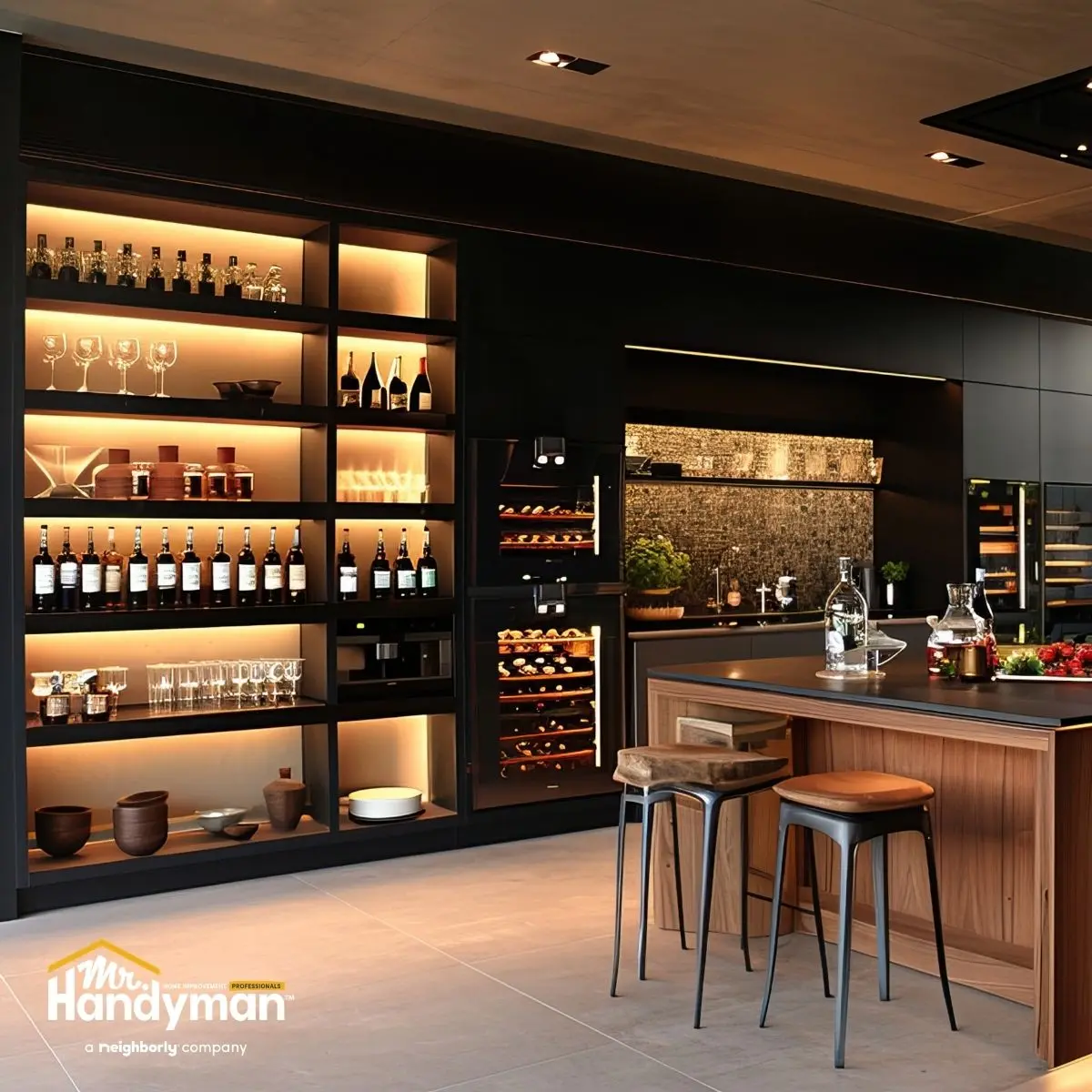
Planning a kitchen remodel before summer arrives is not about having a perfect showroom space. It is about ensuring the room functions the way you need it to when the people you care about are in your home. That means enough counter space to actually prepare food while guests are present, storage that keeps the room from feeling chaotic the moment a meal is underway, lighting that works for both cooking and atmosphere, and fixtures and surfaces that hold up under heavy use without requiring constant attention.
Across Martinsburg, Charles Town, and the communities of Montgomery County, homes range from modest ranch-style layouts to larger colonial and craftsman-style properties with kitchens that were designed for a different era of cooking and entertaining. Kitchens in homes built in the 1960s through the 1990s were often designed around a single cook working alone, with limited counter space, minimal storage, and layouts that do not accommodate the open, social style of cooking and entertaining that most households prefer today. Updating these spaces before summer arrives is a practical investment in how the home actually functions during the season when it is used most.
This guide covers how to plan a kitchen remodel realistically, what to prioritize when the timeline is limited, what older homes in this region specifically require, and how to approach the project in a way that delivers meaningful improvement without unnecessary disruption or expense.
Starting With Honest Assessment Before Any Planning Begins
The most common mistake homeowners make when planning a kitchen remodel is starting with the finish selections before they have honestly assessed what is actually wrong with the existing kitchen. Choosing cabinet hardware or countertop materials before understanding the functional problems in the space produces a kitchen that looks updated but still does not work well.
A useful pre-remodel assessment starts with observation during actual use. Spend a week paying close attention to the moments when the kitchen frustrates you. Where do you run out of counter space? Which cabinet is impossible to reach? Where does traffic through the kitchen interrupt food preparation? What does the lighting fail to illuminate? Which surfaces are damaged enough to affect daily function? These observations are more useful than any design trend because they reflect the actual behavioral patterns of the people using the space.
In older homes throughout the Eastern Panhandle and Montgomery County, common functional problems follow predictable patterns. Kitchens in homes built before 1980 typically have less counter space than modern cooking requires, upper cabinets that are too high for practical daily use, and lower cabinets that are configured with full-depth shelves rather than drawers, making stored items difficult to access. Lighting in these kitchens is almost always inadequate, with a single overhead fixture providing general illumination but leaving work surfaces shadowed. Ventilation is frequently insufficient, with range hoods that recirculate rather than exhaust, or no hood at all.
Understanding these patterns in your specific kitchen before planning begins ensures that the remodel addresses the real problems rather than simply refreshing the appearance of a space that still does not function the way it should.
What a Pre-Summer Kitchen Remodel Realistically Covers
A kitchen remodel planned for completion before summer entertaining begins operates under a time constraint that shapes what is realistic. Full gut renovations involving structural changes, new plumbing rough-in, or complete electrical panel upgrades require planning timelines and construction periods that make pre-summer completion difficult unless the project begins in January or February. Projects started in March or April need to be scoped accordingly.
.webp)
The good news is that the projects that deliver the most meaningful functional improvement in most kitchens do not require structural changes. Layout is usually the biggest limitation in older kitchens, but layout is often improved more effectively through better storage organization, targeted cabinet updates, and countertop expansion than through moving walls, which is expensive, disruptive, and rarely as transformative as homeowners expect.
Countertop Replacement
Replacing countertops is one of the highest-impact updates available within a reasonable pre-summer timeline. Damaged, stained, or outdated countertops affect both the function and the appearance of the kitchen simultaneously. Laminate countertops that are delaminating, chipped at the edges, or simply worn through decades of use are both a functional liability and a visual detractor that no amount of other updating can fully overcome.
Quartz countertops have become the practical standard in kitchen remodeling because they combine durability, low maintenance, and consistent appearance in a way that no natural stone surface fully matches. They do not require sealing, resist staining from the acidic foods and liquids that are common in kitchen environments, and hold up under the kind of heavy use that summer entertaining generates. For homeowners who prefer natural stone, granite remains a strong option, though it requires periodic sealing and is more vulnerable to staining without that maintenance.
The timeline from countertop selection to installation typically runs two to four weeks once the material is chosen and templated, making it a realistic component of a pre-summer remodel started in early spring.
Cabinet Updates Without Full Replacement
Full cabinet replacement is expensive, time-consuming, and often unnecessary when the existing cabinet boxes are structurally sound. In most kitchens built from the 1970s onward, the boxes are plywood or particleboard construction that remains solid even when the door faces and hardware are significantly dated. Refacing or repainting cabinet faces while keeping the existing boxes delivers most of the visual transformation of new cabinets at a fraction of the cost and time.
Cabinet painting requires proper surface preparation, the right primer for the specific cabinet material, and a finish coat that can withstand the humidity, grease, and repeated cleaning that kitchen environments demand. Done correctly, painted cabinets are durable and look clean and intentional. Done incorrectly, paint on cabinets peels and chips within months, creating a result that looks worse than the original finish. This is an area where professional execution matters significantly.
Replacing cabinet hardware is the most affordable and fastest update available in a kitchen. New pulls and knobs in a consistent modern finish transform the appearance of dated cabinets immediately and cost very little relative to the visual impact. Brushed nickel, matte black, and warm brass are the current finishes that read as contemporary and work across a range of cabinet colors and countertop materials.
Lighting Updates That Change How the Kitchen Functions
Kitchen lighting is one of the most underinvested areas in older homes, and it is one of the updates that most significantly changes both the function and the atmosphere of the space. A kitchen that is well lit for task work and transitions smoothly to ambient lighting for entertaining feels like a completely different room than one relying on a single overhead fixture.
Under-cabinet lighting installed above work surfaces eliminates the shadows that make food preparation more difficult and visually brightens the entire kitchen. LED strip lighting or puck lights installed under upper cabinets is a relatively straightforward project that delivers immediate functional improvement. Pendant lighting over an island or peninsula adds both task illumination and visual interest to a space that is often the social center of the kitchen during entertaining.
Fixtures, Appliances, and the Details That Guests Actually Notice
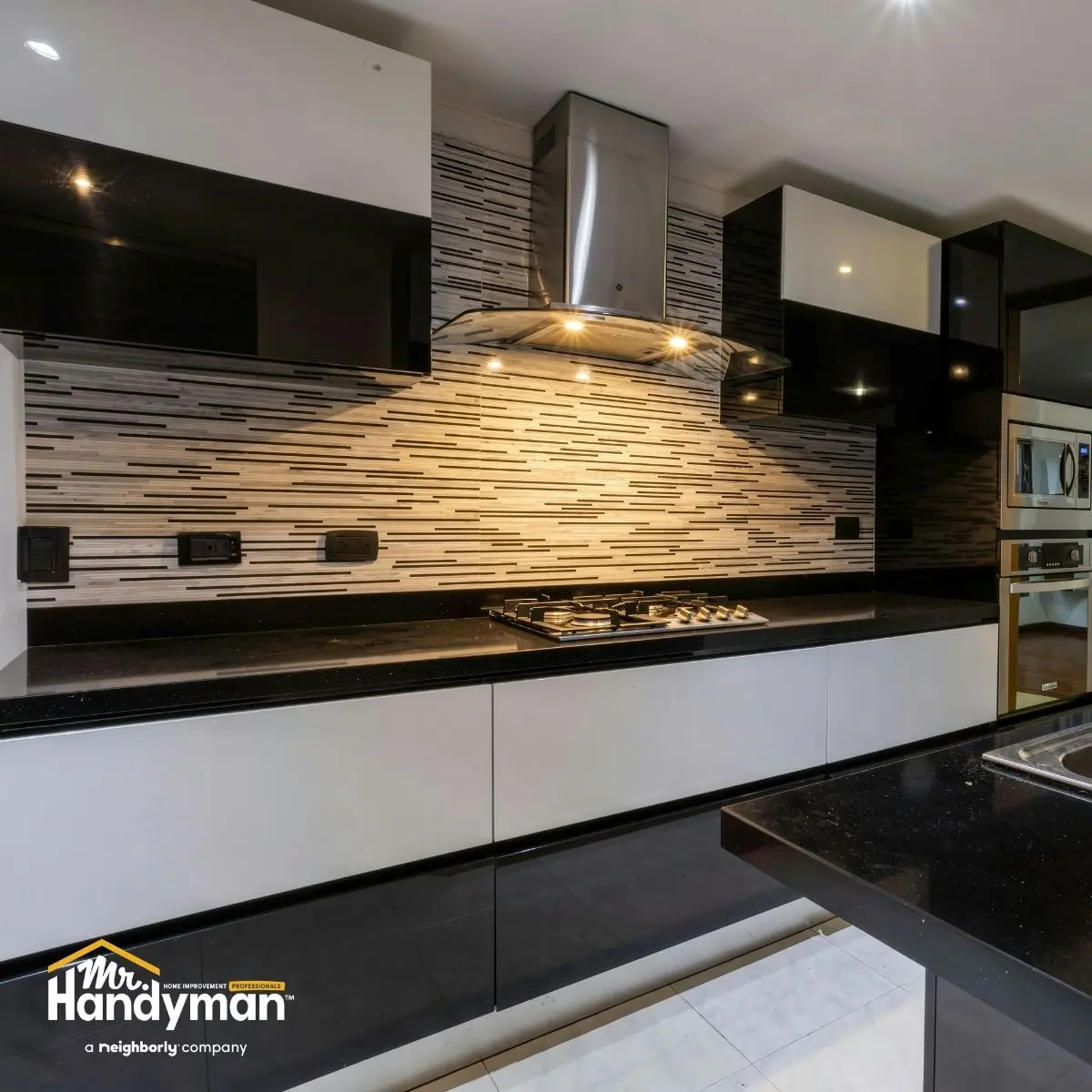
Once the larger structural decisions are made, the details of a kitchen remodel carry more weight than most homeowners expect. Guests do not consciously inventory the features of a kitchen during a dinner party, but they register the overall impression that every detail contributes to. A kitchen where the faucet operates smoothly, the sink is clean and properly sized, the hardware is consistent, and the lighting is warm and functional feels entirely different from one where those details are mismatched or worn, even when the layout and cabinets are identical.
Faucet and Sink Replacement
If the kitchen faucet and sink were not addressed as part of a previous update, a pre-summer remodel is the right time to evaluate both. A faucet that drips, loses pressure, or requires significant force to operate creates friction during food preparation and dishwashing that compounds over a full day of entertaining. Pull-down faucets with high-arc spouts make filling large pots and rinsing produce significantly easier and have become the practical standard in kitchen design for good reason.
Sink replacement at the same time as faucet installation avoids the cost and disruption of returning to the same space twice and ensures that all connections beneath the sink are fresh and properly seated. A deeper single-basin sink handles large pots and sheet pans more easily than the divided double-basin sinks that were standard in kitchens built before the 1990s. For homeowners who entertain regularly, this single change to the sink configuration makes food preparation and cleanup measurably easier during high-use periods.
Appliance Evaluation and Updates
Appliances do not need to be replaced simply because they are not new, but appliances that are genuinely failing, inefficient, or significantly dated in appearance deserve evaluation before summer entertaining season begins. A refrigerator that struggles to maintain temperature during a warm July gathering, a dishwasher that requires two cycles to clean effectively, or a range with burners that do not light reliably creates real problems during entertaining that no amount of cosmetic updating can offset.
If appliances are being updated, stainless steel remains the most universally appealing finish in the current market and works across cabinet colors and countertop materials without demanding a specific design direction. Fingerprint-resistant stainless finishes, which are now standard on most mid-range appliances, hold up significantly better under the heavy use that summer entertaining generates than traditional stainless, which shows every hand contact and requires constant wiping during active use.
Backsplash Installation
A tile backsplash is one of the most visually effective updates in a kitchen remodel and one that can be completed relatively quickly as part of a broader spring project. The area between the countertop and upper cabinets is one of the first places guests look in a kitchen, and a backsplash that is dated, damaged, or simply painted drywall communicates clearly that the kitchen has not been updated.
Subway tile remains the most versatile and consistently appealing option because it works with virtually every cabinet color and countertop material, reads as clean and intentional, and holds its value in resale situations. Larger format tiles and patterned options have grown in popularity and can add significant visual interest, but they require more careful planning to ensure they complement rather than compete with other elements in the space.
Planning the Project Timeline Realistically
A pre-summer kitchen remodel started in March or early April can realistically be completed before Memorial Day weekend with proper planning and sequencing. The key is understanding which elements have the longest lead times and scheduling those first.
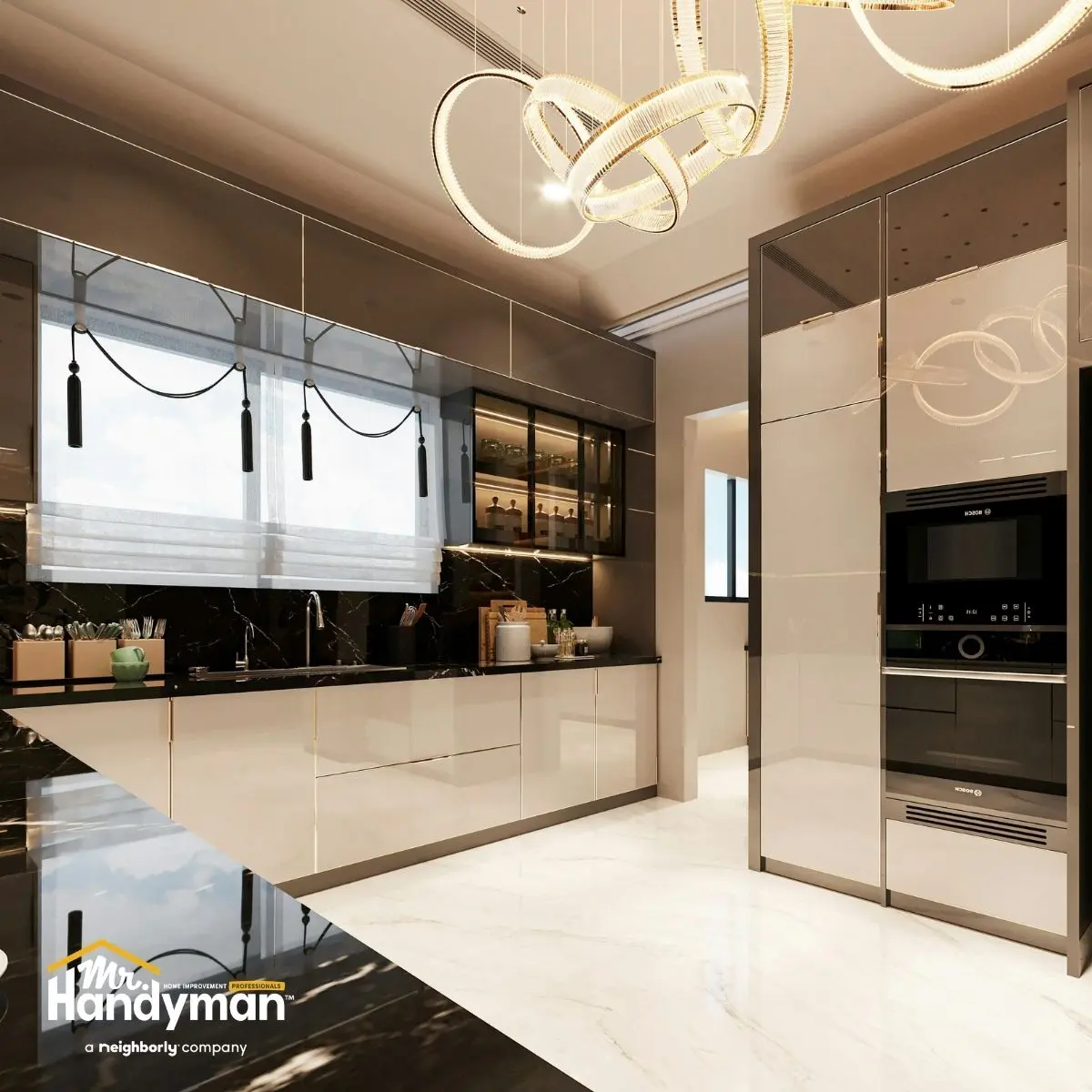
Countertops require templating after cabinets are finalized, fabrication, and installation scheduling, a process that typically runs two to four weeks from selection to completion. This makes countertop selection the first decision that needs to be locked in once the overall direction of the remodel is established. Cabinet painting or refacing typically runs one to two weeks depending on the scope and the number of doors involved. Lighting, fixture, and hardware updates can be completed in one to three days and are best scheduled after the larger work is done so they are not disrupted by ongoing construction activity.
Material selection and ordering should happen before any demolition or removal begins. Homeowners who select countertops, tiles, fixtures, and hardware before the project starts avoid the delays that occur when decisions are made mid-project and materials are not available immediately. In spring, when kitchen remodeling activity peaks regionally, material availability and contractor scheduling both tighten, making early planning and commitment meaningfully more important than at other times of year.
Living through a kitchen remodel requires realistic expectations about disruption. Even a project that stops well short of a full gut renovation involves periods when the kitchen is partially unusable, when dust and debris require protective measures in adjacent spaces, and when daily routines need to adjust. Planning meals around the construction schedule, setting up a temporary food preparation area, and establishing clear communication with whoever is completing the work about daily expectations keeps the disruption manageable.
Frequently Asked Questions
How far in advance should I start planning a kitchen remodel before summer?
For a project that involves countertops, cabinet updates, lighting, and fixture replacement, beginning the planning process in February or early March gives adequate time for material selection, ordering, scheduling, and completion before Memorial Day. Projects that involve any structural changes, new appliance installation requiring electrical work, or plumbing rough-in changes need to begin planning even earlier, ideally in January.
Can a kitchen remodel be completed while the family is still using the kitchen?
Yes, with realistic expectations. Most targeted kitchen remodels that stop short of full gut renovation allow the kitchen to remain partially functional throughout the project. There will be periods of one to three days where specific areas are inaccessible, but full kitchen shutdown for the duration of the project is typically only necessary during complete gut renovations. Clear communication with the project team about access and sequencing keeps disruption manageable.
Is it worth updating a kitchen in a home I plan to sell within the next two years?
Targeted kitchen updates consistently deliver positive returns in resale situations, particularly when they address visible wear, update dated details, and bring fixtures and surfaces to a condition that does not raise buyer concerns during showings or inspection. Full gut renovations in homes being sold within two years rarely return their full cost, but projects in the range of countertop replacement, cabinet painting, fixture updates, and lighting improvements typically do.
What kitchen updates have the biggest impact on resale value?
Countertop replacement, cabinet painting or refacing with new hardware, updated lighting, and new faucet and sink installation consistently rank among the highest-return kitchen updates. These projects address the elements buyers notice most during showings and that appraisers factor into assessments of kitchen condition and quality.
How do I keep a kitchen remodel on budget?
Define the scope precisely before any work begins and resist the tendency to expand it mid-project. Cost overruns in kitchen remodeling almost always come from decisions made after the project starts, whether discovering conditions that require additional work or choosing to add elements that were not in the original plan. Getting accurate estimates for a clearly defined scope, budgeting a contingency of ten to fifteen percent for unexpected conditions, and committing to the plan once work begins keeps most kitchen projects within a manageable range.
Do I need a general contractor, or can a handyman service handle a kitchen remodel?
For kitchen remodels that involve cabinet painting, countertop replacement, fixture installation, lighting updates, backsplash tile, and hardware replacement, an experienced handyman service can manage the full scope efficiently and cost-effectively. Projects that involve structural changes, significant electrical panel work, or plumbing rough-in modifications benefit from specialty contractor involvement for those specific elements. Many homeowners find that a handyman service handles the majority of the project while coordinating with specialists only where their specific expertise is required.
Get Your Kitchen Ready Before Summer Arrives
Summer entertaining does not wait for a kitchen that is not ready. The families and friends who gather in your home during the warmest months of the year deserve a space that functions well, looks cared for, and makes the experience of cooking and hosting genuinely enjoyable rather than a series of workarounds and frustrations.
Mr. Handyman brings the experience and range of skills that kitchen remodeling requires across the Eastern Panhandle and Montgomery County. From cabinet painting and countertop installation coordination to fixture replacement, lighting updates, backsplash tile, and the careful attention that older homes in this region specifically require, their technicians approach every kitchen project with the goal of delivering results that last.
Mr. Handyman of Martinsburg and Charles Town
mrhandyman.com/martinsburg-charles-town
Mr. Handyman of Northern Montgomery County
mrhandyman.com/northern-montgomery-county
Mr. Handyman of South Montgomery County
mrhandyman.com/south-montgomery-county
Call us to schedule a kitchen consultation this spring. The earlier the planning begins, the smoother the project runs, and the more likely your kitchen is ready before the first summer gathering arrives.