Locker room plumbing operates under extreme conditions that residential plumbing never experiences. Dozens or hundreds of people use facilities daily, creating continuous water demand, high humidity, and constant stress on fixtures and drainage systems. When locker room plumbing fails, it doesn't fail quietly. Overflowing toilets, clogged drains, foul odors, and standing water create unsanitary conditions that drive members away and generate the kind of negative reviews that take years to overcome.
Members judge gyms harshly on locker room condition because these spaces directly affect comfort, hygiene, and dignity. A broken machine in the workout area is frustrating. A malfunctioning toilet or shower creates embarrassment and disgust. Members expect locker rooms to be pristine, functional, and private. Plumbing failures undermine all three expectations and communicate that management doesn't maintain facilities adequately or respect member experience.
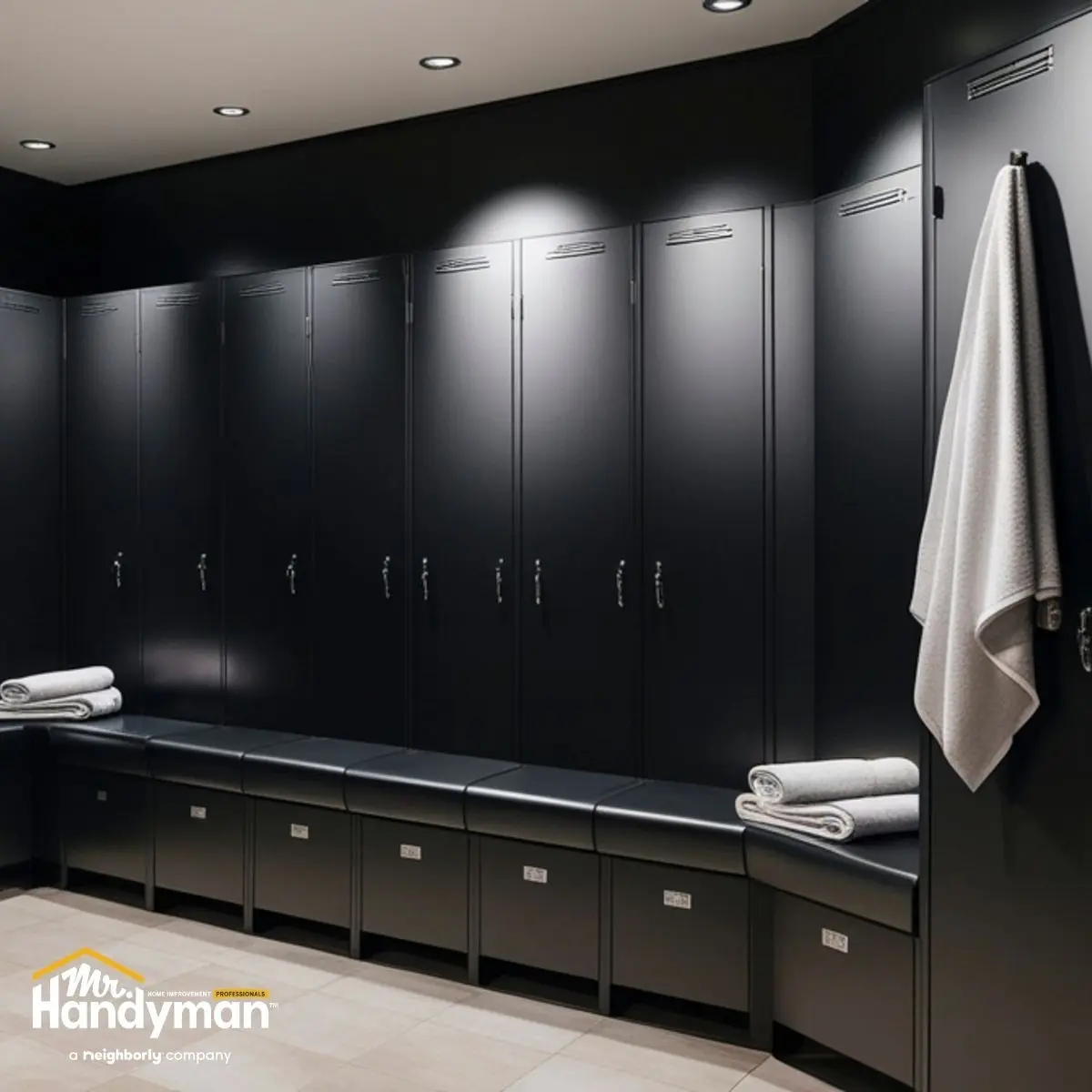
Fitness facilities throughout West Virginia and Maryland face specific locker room plumbing challenges. Older buildings converted to gym use often have undersized plumbing that can't handle current demand. Hard water in the region causes mineral buildup that clogs fixtures and reduces water pressure. Freeze-thaw cycles can damage pipes in poorly insulated spaces. High summer humidity accelerates corrosion and promotes mold growth that creates persistent odors even when plumbing functions properly.
The reputation damage from locker room plumbing problems extends far beyond current members. Prospective members touring facilities notice odors, visible issues, and out-of-order signs immediately. These observations override positive impressions from workout areas and end membership sales on the spot. Online reviews mentioning locker room plumbing problems reach thousands of potential members and damage reputations for years because negative reviews persist indefinitely.
Understanding common locker room plumbing failures, recognizing early warning signs, and implementing preventive maintenance protects facility reputation and prevents the cascading problems that begin with minor plumbing issues and end with membership cancellations and permanently damaged brand perception.
Drain Clogs That Create Unsanitary Conditions
Shower and floor drains in locker rooms handle enormous debris loads. Hair, soap residue, body oils, shampoo, and dirt all wash down drains hundreds of times daily. This organic material accumulates in drain lines, creating clogs that cause backups, slow drainage, and eventually complete blockages that render facilities unusable.
Shower drain clogs cause water to pool on floors, creating slip hazards and flooding that spreads to adjacent areas. Standing water in showers looks filthy regardless of how clean the facility actually is. Members avoid using showers with standing water, which reduces facility value and drives complaints.
Floor drain backups in locker rooms are particularly problematic because these drains serve as overflow protection for multiple fixtures. When floor drains clog and backup, water from sinks, showers, and toilets can overflow onto locker room floors. These backups often contain sewage, creating health hazards that require professional remediation and temporary facility closure.
Hair is the primary culprit in shower drain clogs. Even facilities with drain covers accumulate hair that binds with soap and creates masses that block flow. Women's locker rooms face more severe hair clog problems because longer hair creates larger blockages, but men's facilities aren't immune.
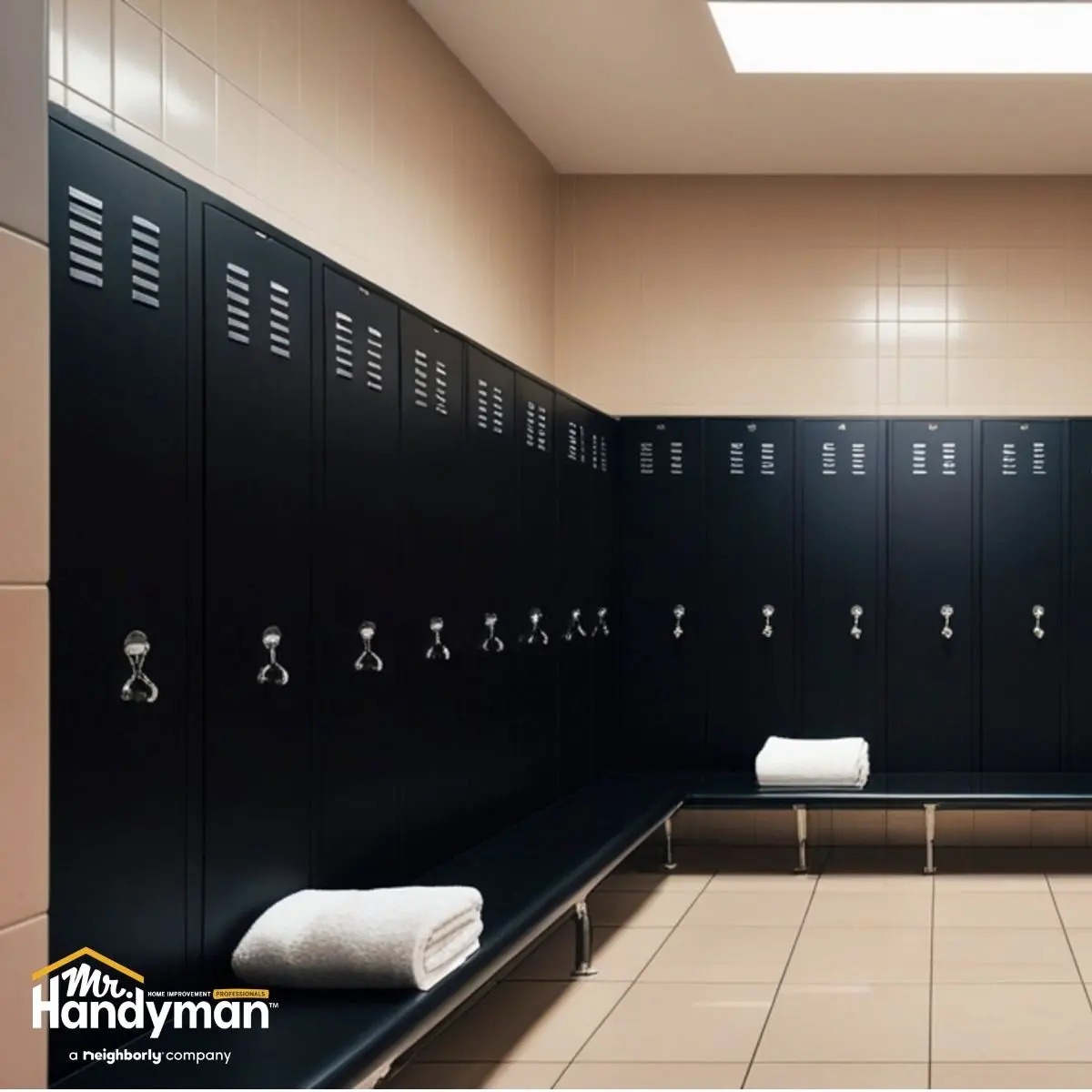
Soap scum combines with hair and minerals to create rock-hard deposits that simple snaking can't remove. These deposits narrow pipe diameters gradually until flow becomes restricted. Hot water from showers keeps soap liquid while draining, but it solidifies in cooler sections of drain lines, building up over months until pipes are partially or completely blocked.
Prevention requires regular professional drain cleaning before clogs develop. Monthly enzyme treatments help break down organic accumulation. Quarterly mechanical cleaning removes buildup before it causes problems. Waiting until drains are completely clogged costs more and requires emergency service when facilities are unusable.
Drain covers and strainers catch hair before it enters plumbing systems. These inexpensive devices need daily cleaning to remain effective. Strainers full of hair don't prevent additional hair from washing past, making regular cleaning essential.
Chemical drain cleaners provide temporary relief but damage pipes and create environmental hazards. Harsh chemicals corrode older pipes and can cause toxic fumes in enclosed spaces. Professional mechanical cleaning removes clogs permanently without the pipe damage chemicals cause.
Toilet Failures That Create Embarrassment and Frustration
Commercial toilets endure heavy use that tests durability and reveals any installation or maintenance deficiencies. Failed toilets create situations that embarrass members and drive negative facility perceptions.
Constantly running toilets waste thousands of gallons monthly, driving up water bills while creating constant noise that disturbs locker room tranquility. The sound of running water is impossible to ignore and makes facilities feel poorly maintained even when everything else is perfect.
Weak flush power that requires multiple flushes frustrates users and increases water waste. Low flush pressure stems from clogged rim holes, failed flush valves, or inadequate water supply. Members blame facilities for toilets that don't work properly, not plumbing design or maintenance lapses.
Toilet clogs from excessive toilet paper use or inappropriate items create backups that overflow. Overflowing toilets spread sewage across locker room floors, creating health hazards and requiring immediate professional cleanup. These incidents generate complaints, negative reviews, and sometimes health department investigations.
Loose or damaged toilet seats create discomfort and communicate neglect. Seats that shift, crack, or don't stay up properly are minor issues that create major annoyance. Members notice broken seats immediately and question what else isn't being maintained.
Leaking toilet base seals allow sewage odors and water to escape around toilet bottoms. These leaks often go unnoticed until they've caused subfloor damage and created persistent odors. Water pooling around toilet bases can result from leaks or condensation, but both require investigation and correction.
Auto-flush sensors in commercial toilets malfunction frequently, either failing to flush or flushing repeatedly while users are seated. Sensor failures frustrate members who must manually activate flushes or who experience unexpected flushes during use.
Preventive maintenance includes regular flush valve inspection, rim hole cleaning to maintain flush power, and wax ring replacement before leaks develop. These simple tasks prevent the failures that create unsanitary conditions and member complaints.
Sink and Faucet Problems That Reduce Functionality
Locker room sinks face constant use for handwashing, face washing, and personal grooming. Faucet and sink problems reduce functionality and create cleanliness concerns.
Dripping faucets waste water, create noise, and communicate poor maintenance. Even slow drips waste significant water over time and cost facilities money in higher utility bills. Drips also stain sinks and create mineral buildup that looks filthy even after cleaning.
Low water pressure from clogged aerators, failed pressure regulators, or supply line restrictions frustrates users and extends handwashing time. Strong water flow is expected, and weak pressure feels like something is broken.
Temperature control problems from mixing valve failures or hot water system issues create scalding or cold water situations. Excessively hot water creates burn risks, while inadequate hot water prevents proper handwashing and creates complaints.
Sensor faucets that don't activate reliably frustrate users who wave hands repeatedly trying to trigger water flow. Failed sensors force members to move between sinks searching for working faucets, which creates congestion during peak times.
Clogged or slow-draining sinks from debris in p-traps cause water to pool during use. Sinks that drain slowly appear dirty and create splash when water levels rise. Standing water in sinks allows bacteria growth and creates unpleasant appearance.
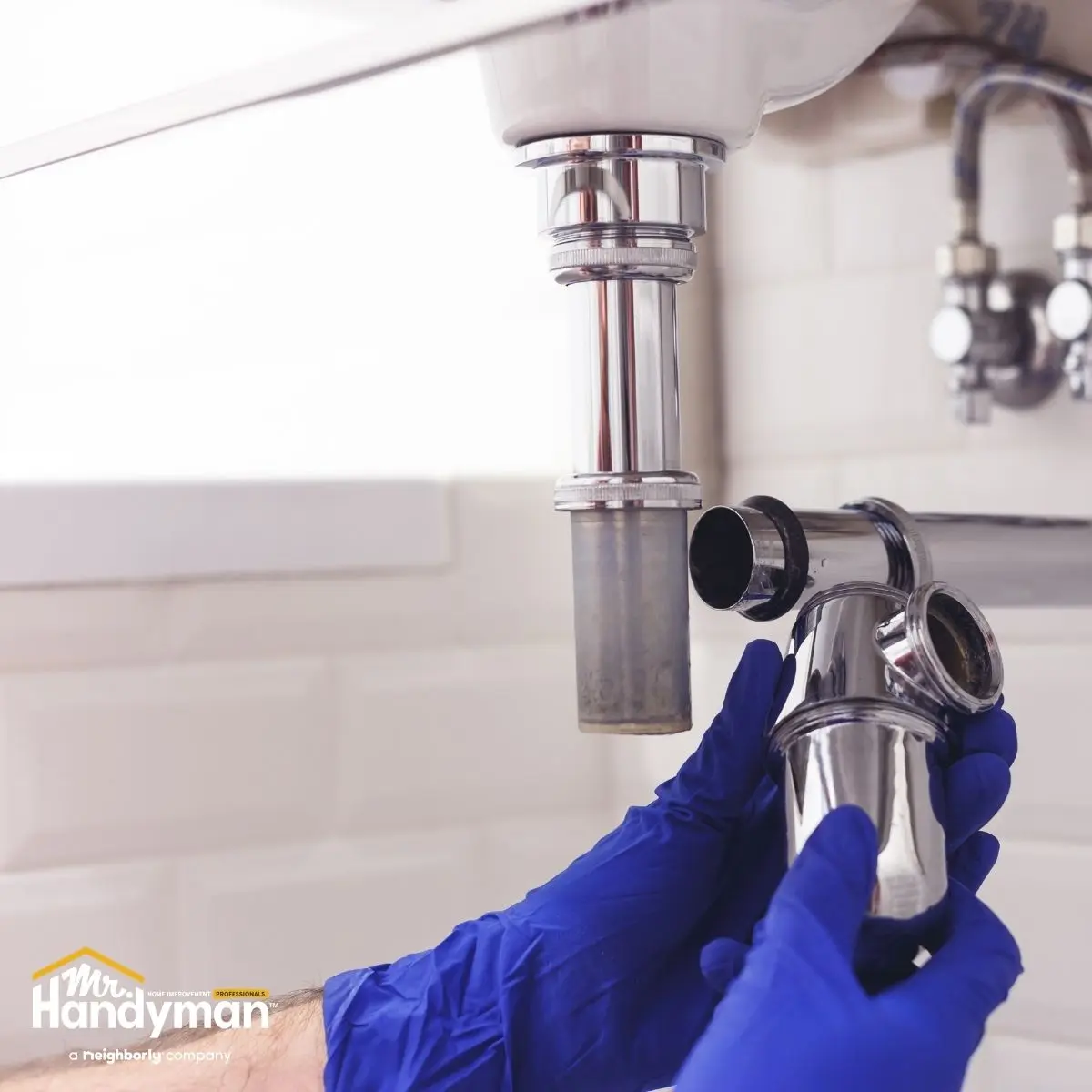
Leaking p-traps under sinks damage vanity cabinets and create moisture problems that promote mold. These leaks often go unnoticed because they occur in enclosed spaces, but water damage and odors eventually reveal problems.
Broken or missing pop-up drain stoppers eliminate sink functionality for members who need to fill sinks. While not critical, non-functional stoppers are noticed details that suggest incomplete maintenance.
Shower System Failures That Affect Member Comfort
Showers are primary locker room features, and shower problems dramatically impact member satisfaction and facility perception.
Inconsistent water temperature from failing mixing valves or hot water capacity issues creates dangerous and uncomfortable shower experiences. Temperature fluctuations that alternate between scalding and cold are particularly problematic and can cause burns.
Low water pressure in showers from clogged showerheads, pressure regulator problems, or undersized supply lines makes showers unsatisfying and extends shower time. Members expect strong spray, and weak pressure feels like the facility is cutting corners.
Dripping showerheads waste water and create constant sound that disturbs others. Drips also cause mineral staining on shower walls and floors that makes facilities look dirty regardless of cleaning frequency.
Malfunctioning shower valves that don't shut off completely waste enormous amounts of hot water and can flood shower areas. Valves that are difficult to operate or require excessive force frustrate users.

Mold and mildew around shower fixtures from inadequate ventilation and moisture control create health concerns and terrible aesthetics. Dark staining around caulked joints suggests facilities aren't clean even when regular cleaning occurs.
Broken or missing showerheads make stalls unusable until replacement. Even temporarily out-of-service showers reduce capacity during peak hours and frustrate members who wait for available stalls.
Inadequate hot water capacity during peak usage times forces members to take cold showers or wait extended periods. Undersized water heaters or recovery rates that can't meet demand create ongoing problems that require system upgrades.
Grout deterioration around shower walls allows water infiltration that damages wall structures and creates mold growth behind tiles. Water damage from failed grout is expensive to repair and often requires complete shower stall renovation.
Odor Problems That Drive Members Away
Persistent odors in locker rooms destroy facility reputation faster than almost any other problem. Smell is processed by the brain's limbic system, creating powerful emotional responses and lasting negative memories.
Sewer gas odors from dry p-traps indicate drains aren't being used regularly or venting problems exist. Floor drains that serve as overflow protection but don't receive regular water flow can allow sewer gas to enter locker rooms through dried-out traps.
Mold and mildew smells from excessive moisture and inadequate ventilation create musty environments that members associate with dirt and poor hygiene. These odors persist even after cleaning because they originate from hidden moisture accumulation.
Drainage system odors from accumulated organic matter in pipes create progressively worse smells as bacteria break down trapped material. These odors intensify during high-use periods when water flows disturb accumulated material.
Blocked or inadequate ventilation prevents moisture removal and allows odors to concentrate. Locker rooms need powerful ventilation that exchanges air multiple times hourly. Insufficient ventilation guarantees odor and moisture problems.
Old or damaged plumbing fixtures with cracks or failing seals leak sewer gas even when drains are working. Wax ring failures on toilets, damaged p-trap connections, and cracked drain lines all allow odors to escape.
Cross-contamination from sewage backups contaminates surfaces with bacteria that create persistent odors until proper disinfection and remediation occur. Facilities that experience backups and attempt cleanup without professional remediation often have lingering odor problems.
Prevention requires proper ventilation, regular drain usage to keep traps filled, enzymatic drain treatments to prevent organic buildup, and immediate investigation of any odor sources. Odors that are ignored compound and become progressively harder to eliminate.
Water Heater Capacity and Recovery Issues
Adequate hot water is essential for locker room functionality, and water heater problems create member dissatisfaction that drives complaints and cancellations.
Undersized water heater systems can't meet peak demand when many members shower simultaneously. Running out of hot water during morning rush creates uncomfortable situations and forces members to either take cold showers or wait extended periods.
Slow recovery rates mean even appropriately sized tanks can't reheat fast enough during sustained demand. Gas water heaters with inadequate burner capacity or electric units with insufficient heating elements struggle during peak use.
Temperature setting problems from failed thermostats or incorrect settings create water that's either too hot and dangerous or too cool and uncomfortable. Commercial settings require precise temperature control that protects users while providing comfort.
Sediment buildup in tank bottoms reduces heating efficiency and available hot water volume. Sediment acts as insulation between heating elements or burners and water, requiring more energy to heat and effectively reducing tank capacity.
Failed heating elements in electric water heaters or burner problems in gas units prevent adequate water heating. Partial failures where one element stops working may go unnoticed until demand increases and capacity problems become obvious.
Tankless water heater systems solve some capacity problems but introduce different challenges. Insufficient capacity or simultaneous use beyond system limits causes temperature drops. Installation in series may be required for adequate flow.
Regular water heater maintenance including flushing sediment, testing pressure relief valves, inspecting heating elements, and verifying proper operation prevents failures during peak seasons when usage increases.
Preventing Plumbing Emergencies Through Routine Maintenance
Systematic maintenance programs prevent the plumbing failures that damage facility reputation and create operational crises.
Daily visual inspections by staff identify obvious problems like leaks, clogs, or malfunctioning fixtures. Staff should check that all fixtures work properly, drains flow freely, and no water accumulates where it shouldn't.
Weekly deep cleaning includes drain treatment with enzymatic cleaners that break down organic accumulation before clogs form. These biological treatments work continuously to prevent buildup without damaging pipes.
Monthly professional inspections verify system operation, identify developing problems, and perform minor adjustments before failures occur. Professionals spot subtle signs of impending problems that untrained staff miss.
Quarterly drain cleaning removes accumulation before complete clogs develop. Professional mechanical cleaning with appropriate equipment clears buildup that enzyme treatments can't eliminate.
Annual comprehensive plumbing assessment includes pressure testing, drain line inspection with cameras if problems are suspected, water heater evaluation, and verification that all components meet current building codes.
Documentation of maintenance activities creates records that demonstrate due diligence and help identify patterns. Fixtures or systems requiring frequent attention may need replacement rather than continued repair.
Member feedback provides early warning of developing problems. Encouraging members to report issues and taking reports seriously helps identify problems before they become emergencies or generate complaints.
Frequently Asked Questions
How often should locker room drains be professionally cleaned?
High-traffic facilities benefit from quarterly professional drain cleaning. Lower-traffic facilities can extend to semi-annual cleaning. However, any slow drainage requires immediate attention regardless of schedule. Preventive cleaning costs far less than emergency service for completely blocked drains.
What causes persistent locker room odors even after cleaning?
Most persistent odors stem from dry p-traps allowing sewer gas entry, mold growth from moisture problems, or organic matter accumulating in drain lines. Identifying and addressing the specific source is essential. Surface cleaning can't eliminate odors from plumbing system problems.
Should facilities use chemical drain cleaners for maintenance?
No. Chemical drain cleaners damage pipes, create environmental hazards, and provide only temporary relief. Professional mechanical cleaning or enzymatic biological treatments are safer and more effective for preventing and clearing clogs without damaging plumbing systems.
How can facilities prevent running out of hot water during peak times?
Options include upgrading to larger water heater capacity, installing tankless systems that provide unlimited hot water, adding storage tanks for peak demand, or implementing peak demand management through scheduling. Professional assessment determines the best solution for specific facility needs.
What should staff do when locker room plumbing emergencies occur?
Immediate actions include shutting off water supply to prevent continued flooding, blocking affected areas to prevent member access, placing wet floor signs, and calling emergency plumbing service. Document the incident with photos and timeline for insurance and liability protection.
How much should gyms budget annually for locker room plumbing maintenance?
Budget 3-5% of facility operating costs for plumbing maintenance. Facilities with older plumbing or deferred maintenance need higher allocations initially. Regular maintenance costs less than emergency repairs and prevents the reputation damage from plumbing failures.
Protecting Reputation Through Proactive Plumbing Management
Locker room plumbing directly affects facility reputation, member satisfaction, and business viability. Problems in these spaces create immediate negative member experiences that override positive aspects of facility operation.
Professional maintenance, rapid problem response, and systematic inspection prevent the plumbing failures that generate complaints, negative reviews, and membership cancellations. The cost of proactive maintenance is minimal compared to reputation damage from plumbing problems.
Facilities that treat locker room plumbing as critical operational infrastructure rather than afterthought maintenance maintain member satisfaction and competitive advantages. Those that defer maintenance or respond reactively to problems face ongoing issues that compound and eventually require expensive emergency interventions.
If your fitness facility needs locker room plumbing inspection, maintenance, or repairs to ensure member satisfaction and prevent reputation-damaging failures, professional plumbing services provide the expertise and responsiveness your facility requires.
Mr. Handyman of Martinsburg and Charles Town
Mr. Handyman of Northern Montgomery County
Mr. Handyman of South Montgomery County
Your locker rooms speak louder than your marketing. Ensure they communicate quality and care through properly maintained plumbing. Schedule your plumbing inspection today.
