Summer in West Virginia and Maryland brings heat, humidity, and increased water usage. Sprinkler systems run daily. Kids fill pools and run through hoses. Air conditioners drain condensate around the clock. Dishwashers and washing machines work overtime with guests visiting and outdoor activities creating extra laundry. Your plumbing system, which may have coasted through the quieter months, suddenly faces peak demand.
The problem is that plumbing doesn't fail conveniently. A leak that was minor in March becomes a flood in July when you're hosting a barbecue. A slow drain that you ignored all winter backs up completely when the house is full. Outdoor faucets that seemed fine crack internally during freezing temperatures and don't reveal the damage until you turn them on for the first time in spring.
Tackling plumbing repairs before summer arrives isn't about paranoia. It's about preventing disruption, avoiding water damage, and making sure your home can handle the seasonal increase in demand. The difference between a smooth summer and a miserable one often comes down to addressing small issues in April and May before they become emergencies in June and July.
Why Spring is the Right Time to Address Plumbing
Spring gives you a window. The weather is mild enough to work on outdoor plumbing comfortably. You're not yet in the middle of peak water usage. Plumbers and handymen have better availability before the summer rush hits. Most importantly, you can catch problems while they're still manageable.
Winter takes a toll on plumbing systems in this region. Freeze-thaw cycles stress pipes, especially outdoor faucets, hose bibs, and any plumbing in unheated spaces like crawl spaces and garages. Foundations shift slightly as the ground freezes and thaws, which can crack pipes or loosen connections. Ice dams on roofs can push water into vent stacks or cause backups in drainage systems.
Even if nothing froze or burst, months of cold weather mean your plumbing has been contracting and expanding repeatedly. Metal pipes flex. Solder joints weaken. Rubber washers and gaskets lose elasticity. These changes don't cause instant failure, but they create weak points that give out under increased summer use.
Homes built in the 1960s, 70s, and 80s, which are common throughout Martinsburg, Charles Town, and Montgomery County, often have original plumbing that's reaching or past its expected lifespan. Galvanized steel pipes corrode from the inside. Polybutylene pipes become brittle. Cast iron drain lines develop pinhole leaks. Spring inspections catch these aging systems before they fail during peak season.
Outdoor Faucets and Hose Bibs That Survived Winter
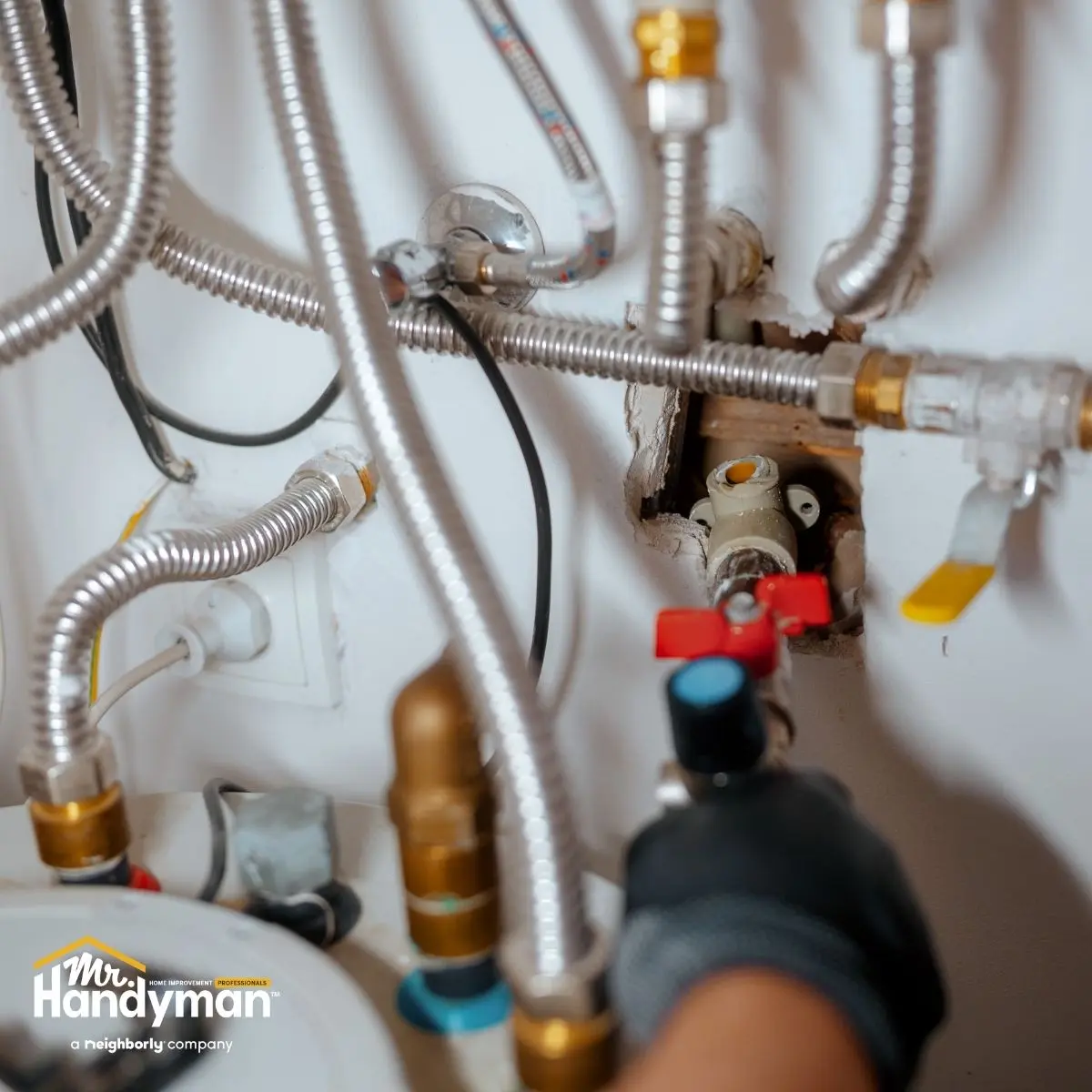
Outdoor faucets look deceptively simple, but they're one of the most common sources of plumbing problems in spring and summer. The issue is that damage often occurs inside the wall where you can't see it.
Frost-free hose bibs are designed with a long stem that shuts off water inside the heated part of your home, but they only work if installed correctly and if the hose is disconnected before freezing temperatures hit. If a hose was left attached, water can't drain from the line. That water freezes, expands, and cracks the pipe or valve body. You won't see the damage until you turn the faucet on in spring and water starts spraying inside your wall.
Non-frost-free faucets are even more vulnerable. If the shutoff valve inside wasn't closed or the outdoor faucet wasn't drained, freezing can crack the valve body, stem, or the pipe immediately behind it. The crack might be hairline thin, so the faucet appears to work when you first turn it on. But as water pressure increases and temperature fluctuates, the crack widens. What starts as a small drip becomes a steady leak, soaking insulation and framing inside your wall.
Check each outdoor faucet before you need it for summer watering. Turn it on fully and watch for leaks around the handle, spout, and where the faucet enters the wall. If water seeps from anywhere other than the spout, the faucet needs repair or replacement. Feel the wall inside the house near the outdoor faucet. Dampness, discoloration, or a musty smell all indicate a leak behind the wall.
Replace worn washers and packing nuts while you're checking. If the faucet drips even when fully closed, the washer inside is worn out. This is an inexpensive fix now but wastes hundreds of gallons over a summer and can cause the valve seat to corrode, requiring full replacement later.
Sump Pumps That Haven't Been Tested Since Last Year
Sump pumps are easy to forget until you need them. They sit in basement corners, silent most of the year, then suddenly become critical during spring storms and summer downpours. The worst time to discover your sump pump doesn't work is when water is already rising in the pit.
Test your sump pump before heavy rain season arrives. Pour a bucket of water into the sump pit until the float rises and triggers the pump. The pump should activate immediately, run smoothly, and discharge water through the outlet pipe. If it hesitates, makes grinding noises, or doesn't turn on at all, it needs service or replacement.
Check the discharge line while you're at it. The pipe that carries water away from your foundation should extend at least ten feet from the house and drain onto a slope or into a proper drainage area. If the discharge dumps right next to your foundation, you're just recycling the same water back into your basement.
Look for a check valve in the discharge line. This one-way valve prevents water from flowing backward into the pit after the pump shuts off. Without a check valve, the pump has to re-pump the same water repeatedly, which shortens its lifespan and can cause it to fail during extended rain events.
Sump pits themselves need cleaning. Sediment, gravel, and debris accumulate at the bottom and can interfere with the float switch or get sucked into the pump impeller. Scoop out debris and rinse the pit while the pump is unplugged. This five-minute task prevents jams and extends pump life.
Water Heaters Showing Their Age
Water heaters don't last forever. Traditional tank-style units have a typical lifespan of eight to twelve years. If yours is approaching or past that age, spring is the time to evaluate whether it will survive another summer of heavy use.
Check the manufacture date on the label. It's usually encoded in the serial number. If your water heater is over ten years old and showing any signs of problems, replacement is smarter than repair. Old tanks develop sediment buildup, corroded anodes, and weakened tank walls. They become inefficient, unpredictable, and prone to catastrophic failure.
Look for rust or corrosion around the tank base, pressure relief valve, or inlet and outlet connections. Water stains on the floor near the tank indicate a slow leak. Even minor leaks suggest the tank is corroding through. Tanks don't heal themselves. Once corrosion starts, it accelerates.
Test the temperature and pressure relief valve. This safety valve prevents the tank from over-pressurizing or overheating. Lift the test lever and let it snap back. Water should discharge briefly from the overflow pipe. If nothing happens, the valve is stuck and needs replacement. If water continues to drip after testing, the valve seat is damaged and also needs replacement.
Inconsistent water temperature, reduced hot water capacity, or water that takes longer to heat all suggest the unit is struggling. These aren't emergencies yet, but they indicate declining performance. Addressing them in spring gives you time to plan and budget for replacement rather than facing an emergency replacement in the middle of summer.
Slow Drains That Will Only Get Worse
A slow drain is never just an inconvenience. It's a warning that something is restricting flow, and that restriction will worsen under heavy use. Summer means more showers, more dishes, more laundry, and more strain on your drainage system.
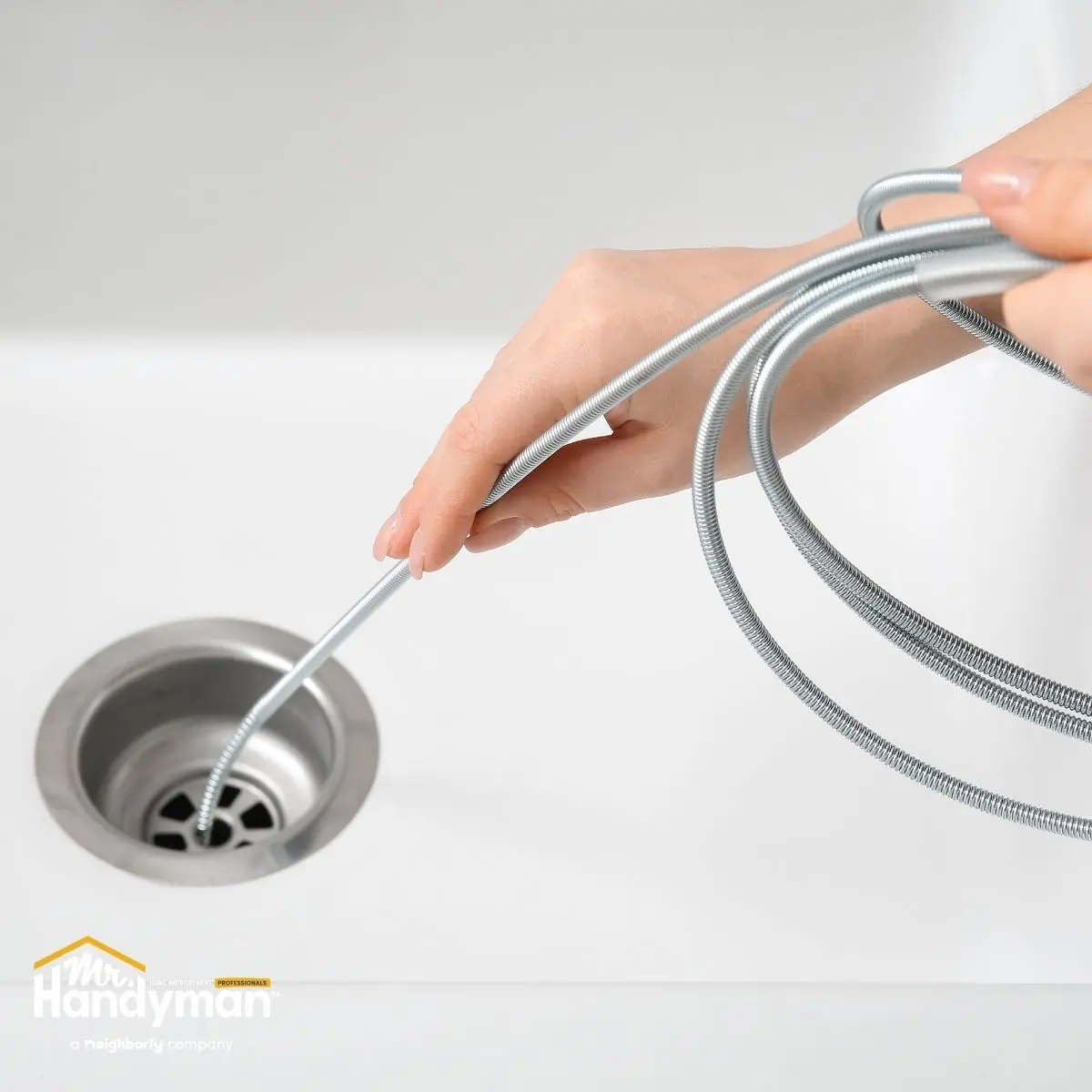
Kitchen sinks drain slowly when grease, food particles, and soap residue coat the inside of the pipes. The buildup narrows the pipe diameter gradually. You might not notice the problem until the sink takes several minutes to empty or backs up completely when the dishwasher drains.
Bathroom sinks and tubs slow down from hair, soap scum, and personal care products. Hair binds with soap and forms clumps that catch on pipe joints, corroded areas, or the p-trap. These clogs grow slowly, trapping more debris with each use.
If multiple drains in your home are slow, the problem is in your main drain line or sewer line, not individual fixtures. Tree roots infiltrate sewer lines through tiny cracks and joints, especially in older clay or cast iron pipes. The roots grow into thick mats that catch toilet paper and waste. This creates chronic slow drainage that worsens over time and eventually causes complete backups.
Addressing slow drains in spring prevents summer backups. Professional drain cleaning removes buildup thoroughly and can identify underlying problems like corroded pipes or root intrusion. Don't wait until drains stop completely. A backed-up sewer line during a family gathering isn't just inconvenient. It's unsanitary, damaging, and expensive to fix on an emergency basis.
Leaking Toilets That Waste Water Silently
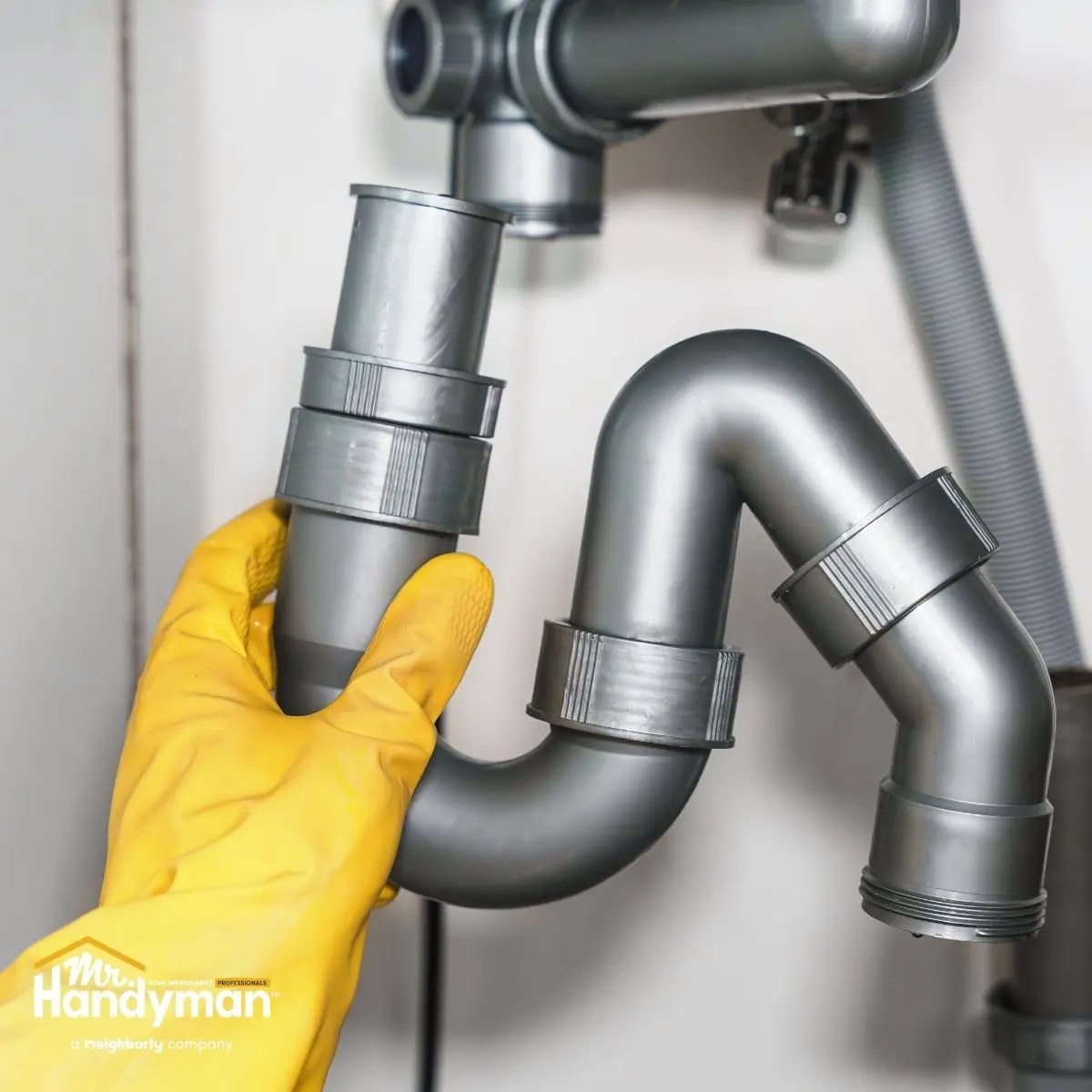
Toilets that leak internally waste astonishing amounts of water without making much noise. A toilet with a worn flapper valve can waste 200 gallons per day. That's 6,000 gallons per month, which shows up on your water bill and puts unnecessary strain on septic systems or municipal treatment.
The most common leak is from the tank into the bowl. Remove the tank lid and add a few drops of food coloring to the tank water. Wait fifteen minutes without flushing. If colored water appears in the bowl, the flapper valve or flush valve seat is leaking. This is an easy fix that takes ten minutes and costs a few dollars in parts, but it can save hundreds on water bills over a summer.
Check the fill valve as well. After flushing, the tank should refill and then stop completely. If you hear water running continuously or the fill valve cycles on and off randomly, it's malfunctioning. Fill valves wear out over time, and replacement is straightforward.
Look for water on the floor around the toilet base. This can indicate a failed wax ring, loose toilet bolts, or cracks in the toilet base. Wax rings compress over time and lose their seal, especially if the toilet has been loose or rocking. Water seeping from under the toilet soaks into the subfloor, causing rot, odors, and structural damage that's far more expensive than replacing a wax ring.
If the toilet rocks when you sit on it, the flange bolts have loosened or the subfloor has deteriorated. Either way, the toilet needs to be reset with a new wax ring and properly secured. Ignoring a rocking toilet guarantees subfloor damage and an eventual emergency repair.
Why Professional Inspections Catch What You Miss
Homeowners can handle basic plumbing checks, but professional inspections find problems that aren't obvious. Plumbers and experienced handymen have tools, training, and experience that allow them to identify issues before they cause failures.
Camera inspections of sewer and drain lines show exactly what's happening inside pipes. Tree roots, cracks, corrosion, and blockages are all visible on camera footage, allowing targeted repairs rather than guesswork. Knowing the condition of your main sewer line before summer prevents backups during peak usage.
Pressure testing finds leaks in supply lines that are too small to notice but waste water and cause hidden damage. Homes with older plumbing often have multiple small leaks that add up to significant water loss and expensive utility bills. Pressure tests identify these leaks so they can be repaired systematically.
Thermal imaging cameras detect moisture inside walls, ceilings, and floors that isn't visible to the naked eye. This technology finds active leaks before they cause staining or structural damage, allowing early intervention that saves money and prevents extensive repairs.
Professional inspections also evaluate system capacity and efficiency. A plumber can tell you if your water heater is appropriately sized for your household, whether your water pressure is too high and stressing pipes, or if your fixtures are wasting water unnecessarily. These insights help you make informed decisions about upgrades and replacements.
Frequently Asked Questions
How do I know if my outdoor faucet has freeze damage?
Turn the faucet on fully and watch where it connects to the house. If water leaks from the wall connection, handle, or anywhere other than the spout, there's internal damage. Also check inside your home near the outdoor faucet location for dampness, staining, or musty odors indicating a hidden leak.
What's the lifespan of a typical sump pump?
Most sump pumps last seven to ten years with regular use. Pumps in areas with high water tables that run frequently may wear out sooner. If your pump is over seven years old, consider replacing it proactively rather than waiting for failure during a storm.
Can I use chemical drain cleaners for slow drains?
Chemical cleaners provide temporary relief but don't solve underlying problems and can damage older pipes. They're particularly harsh on metal pipes and can corrode joints. Professional mechanical cleaning removes buildup completely without damaging your plumbing.
How often should washing machine hoses be replaced?
Replace rubber hoses every five years regardless of appearance. Upgrade to stainless steel braided hoses for longer life and better burst protection. Even braided hoses should be inspected annually and replaced if you notice wear or corrosion at connection points.
What temperature should I set my water heater to?
120°F is the recommended setting for most homes. This temperature is hot enough for household needs, prevents scalding, and improves energy efficiency. Higher temperatures increase energy costs and accelerate tank corrosion without providing meaningful benefits.
How can I tell if my main sewer line has tree roots?
Multiple drains running slowly, gurgling sounds when drains are used, or sewage backing up in lower-level drains all suggest main line problems. Tree roots are common in homes with mature trees near sewer lines, especially if the line is older clay or cast iron pipe. Camera inspection confirms root intrusion.
Get Your Plumbing Ready for Summer Now
Spring plumbing maintenance isn't exciting, but it prevents summer disasters. Small repairs handled in April and May avoid emergency calls in July and August when parts are harder to get, professionals are busier, and your home is full of family and guests.
Walk through your home with this checklist. Test outdoor faucets, check your sump pump, inspect your water heater, and address slow drains. These tasks take a few hours but protect you from thousands in water damage and the stress of plumbing failures during peak season.
When you find issues you can't handle yourself or want professional confirmation that your plumbing is ready for summer, call early. Waiting until problems become emergencies means limited availability, higher costs, and disrupted plans.
Mr. Handyman of Martinsburg and Charles Town
Mr. Handyman of Northern Montgomery County
Mr. Handyman of South Montgomery County
Don't wait for a plumbing failure to ruin your summer. Schedule your pre-summer inspection and repairs today.