Small Fixes That Prevent Big Problems During Freezing Weather are often the difference between a comfortable winter and costly emergency repairs. When temperatures drop, homes are pushed to their limits. Materials contract, moisture finds weak points, and everyday systems work harder than usual. Many winter disasters do not start with major failures. They begin with small, overlooked issues that worsen under freezing conditions.
At Mr. Handyman of Montgomery County and Martinsburg, winter service calls frequently trace back to minor problems that could have been addressed early. Homeowners in Rockville, Silver Spring, Bethesda, Gaithersburg, and Martinsburg often discover that simple preventative fixes save significant time, stress, and expense once freezing weather sets in.
Why Freezing Weather Turns Small Issues Into Major Damage
Cold temperatures amplify existing weaknesses in a home. Small gaps, loose components, and minor wear that seem harmless in warmer months become serious risks when exposed to freezing conditions.
Freezing weather causes:
- Expansion and contraction of building materials
- Increased indoor moisture from heating systems
- Water freezing and expanding inside vulnerable areas
- Higher strain on doors, floors, and fixtures
- Reduced visibility that hides developing problems
Addressing small fixes before or during early winter prevents these conditions from triggering major failures.
Sealing Small Air Leaks Protects Against Bigger Problems
Tiny air leaks are one of the most underestimated winter risks. Gaps around doors, windows, and trim allow cold air in and warm air out, creating more than just discomfort.
Why Small Air Leaks Matter
- Increased heating costs
- Cold spots that encourage condensation
- Moisture buildup inside walls
- Greater strain on heating systems
Simple fixes like replacing worn weatherstripping, sealing visible gaps, and securing loose trim help stabilize indoor temperatures and reduce moisture related damage.
Loose Doors and Hardware Create More Than Annoyance
Doors behave differently in freezing weather. Materials contract, causing doors to stick, sag, or fail to close properly.
Small Door Fixes That Prevent Big Issues
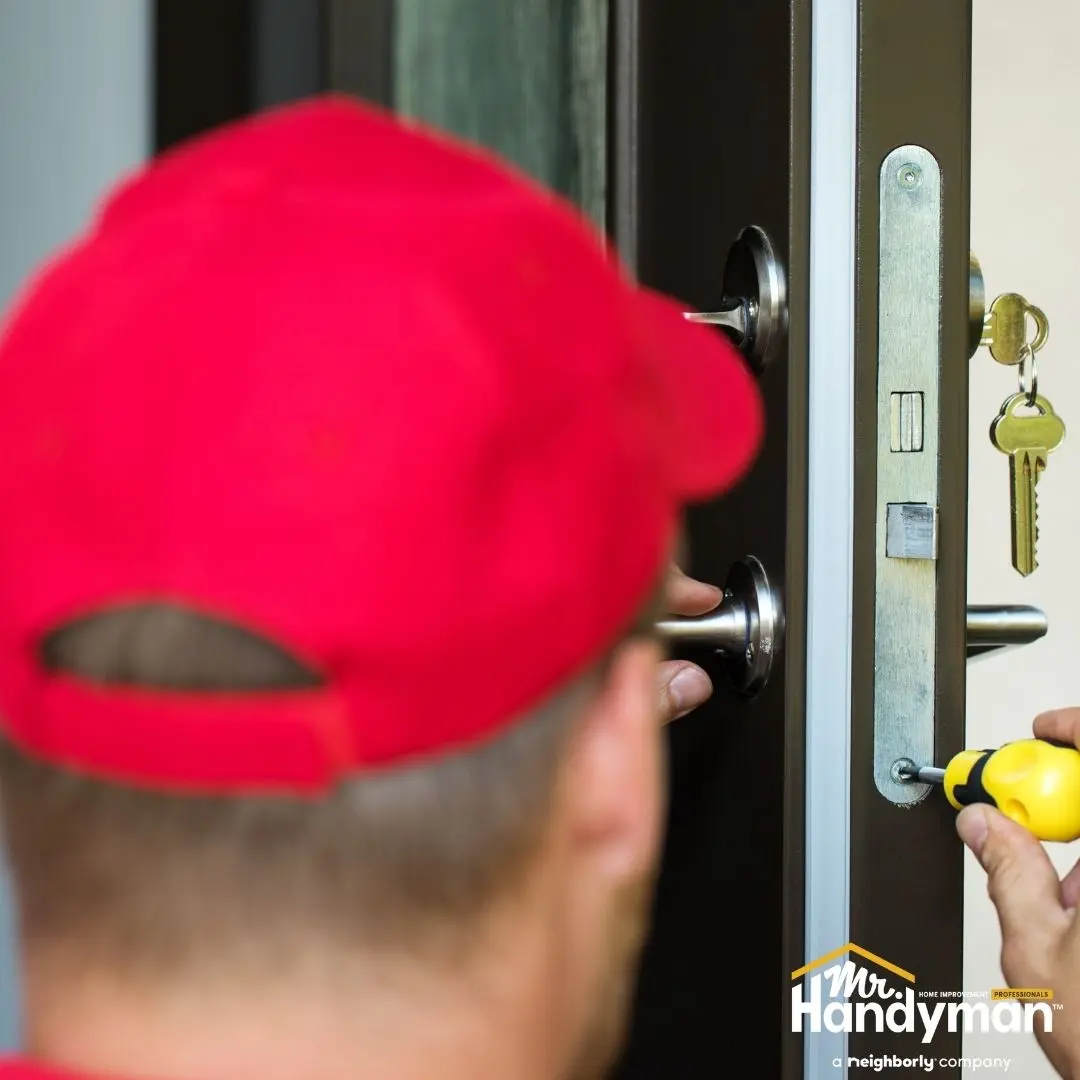
- Tightening loose hinges
- Adjusting misaligned doors
- Securing handles and latches
- Repairing failing closers
Ignoring these small problems can lead to damaged frames, compromised security, and increased moisture entering the home.
Minor Flooring Issues Become Safety Hazards in Winter
Loose flooring or damaged transitions may not seem urgent, but winter conditions turn them into serious risks.

Why Flooring Fixes Matter During Freezing Weather
- Moisture from snow and ice increases slip risk
- Cold temperatures stiffen materials, worsening cracks
- Heavy winter footwear increases impact stress
Securing loose tiles, repairing curled carpet edges, and fixing uneven transitions are small fixes that prevent injuries and more extensive flooring damage.
Small Plumbing Issues Escalate Quickly in Freezing Temperatures
Water expands when it freezes. Even minor plumbing issues can lead to burst pipes or hidden leaks once temperatures drop.
Small Plumbing Fixes That Matter
- Repairing slow drips or loose connections
- Securing exposed pipes
- Replacing worn caulk around fixtures
- Addressing minor leaks promptly
Taking care of these small fixes reduces the risk of frozen pipes, water damage, and emergency repairs.
Cracks and Gaps Allow Moisture to Spread
Small cracks in drywall, trim, or foundation areas often go unnoticed until winter.
Why Small Cracks Are a Big Winter Problem
- Moisture enters and freezes, expanding damage
- Cold air infiltration worsens condensation
- Damage spreads behind finished surfaces
Filling cracks, repairing damaged drywall, and sealing exposed areas help stop moisture and cold air before they cause structural issues.
Lighting Fixes Improve Safety During Short Winter Days
Poor lighting is more than an inconvenience during winter. Shorter days and longer nights increase accident risk.
Simple Lighting Fixes With Big Impact
- Replacing flickering fixtures
- Securing loose switches or covers
- Improving lighting in stairways and entryways
- Addressing dark hallways
These small fixes improve visibility and reduce fall risk when natural light is limited.
Handrails and Stairs Need Early Attention
Small issues with stairs or handrails often worsen in winter due to heavier indoor use and bulkier clothing.
Small Stair Fixes That Prevent Serious Injuries
- Tightening loose handrails
- Securing worn stair treads
- Improving lighting at landings
- Addressing squeaks or movement
Early attention prevents falls and protects one of the most critical areas of the home.
Entryway Repairs Stop Winter Problems at the Door
Entryways are where freezing weather enters the home first.
Small Entryway Fixes That Matter
- Securing thresholds
- Repairing flooring near doors
- Improving lighting for visibility
- Sealing gaps around frames
Controlling moisture and cold air at entry points prevents problems from spreading throughout the house.
Why Small Fixes Are the Smartest Winter Strategy
Large winter repairs often start as minor issues. Freezing weather simply accelerates the damage.
Small fixes that prevent big problems during freezing weather focus on early intervention. These repairs are typically faster, less expensive, and far less disruptive than emergency fixes once damage occurs.
Winter rewards homeowners who address problems while they are still manageable.
Where Small Winter Fixes Make the Biggest Impact
Understanding small fixes that prevent big problems during freezing weather becomes easier when homeowners know where to focus first. Winter does not damage homes evenly. Certain areas absorb far more stress from cold temperatures, moisture, and daily use. Addressing small issues in these high impact zones prevents a chain reaction of damage that often leads to expensive repairs.
Exterior to Interior Transition Points Are High Risk Zones
The areas where the outside meets the inside of the home experience the most stress during freezing weather. Small weaknesses here allow cold air and moisture to move freely.
Critical Transition Point Fixes
- Sealing gaps around door frames
- Securing loose thresholds
- Repairing damaged trim near entrances
- Tightening door hardware
Even small gaps at these locations allow freezing air to penetrate, increasing condensation and putting pressure on nearby materials.
Basements and Lower Levels Reveal Problems First
Basements and lower levels are often the first areas to show signs of winter related issues. Cold air, ground moisture, and reduced airflow create ideal conditions for damage to spread quietly.
Small Basement Fixes With Big Payoff
- Sealing visible foundation cracks
- Repairing damaged drywall promptly
- Securing loose insulation
- Fixing minor water seepage
These fixes prevent moisture buildup, mold growth, and structural deterioration that become harder to address once spring arrives.
Windows Create Hidden Winter Vulnerabilities
Windows may look intact while still allowing significant air and moisture intrusion.
Simple Window Fixes That Matter
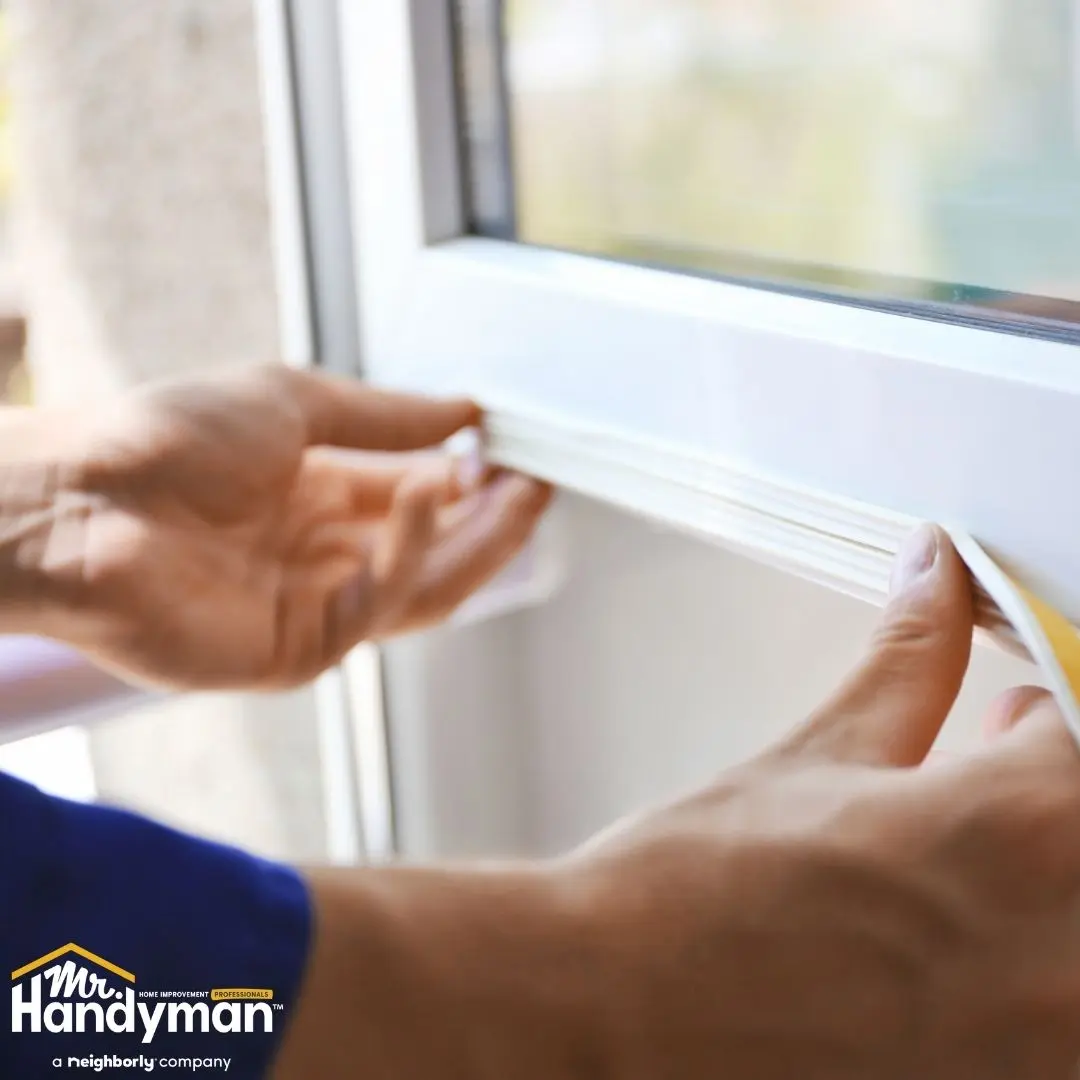
- Replacing cracked or brittle caulk
- Securing loose interior trim
- Repairing damaged window locks
- Sealing visible gaps
Small window repairs improve indoor comfort and prevent condensation that can damage walls, sills, and surrounding finishes.
Attic Access Points Often Go Overlooked
Attic hatches and pull-down stairs are common sources of heat loss and moisture movement.
High Value Attic Area Fixes
- Sealing gaps around attic openings
- Securing loose access panels
- Repairing damaged trim or seals
- Improving lighting near attic access
These small fixes help stabilize indoor temperatures and reduce moisture migration into attic spaces.
Plumbing Areas Need Extra Attention in Freezing Weather
Plumbing problems often begin as minor leaks or loose fittings. Freezing temperatures magnify these risks quickly.
Small Plumbing Fixes That Prevent Emergencies
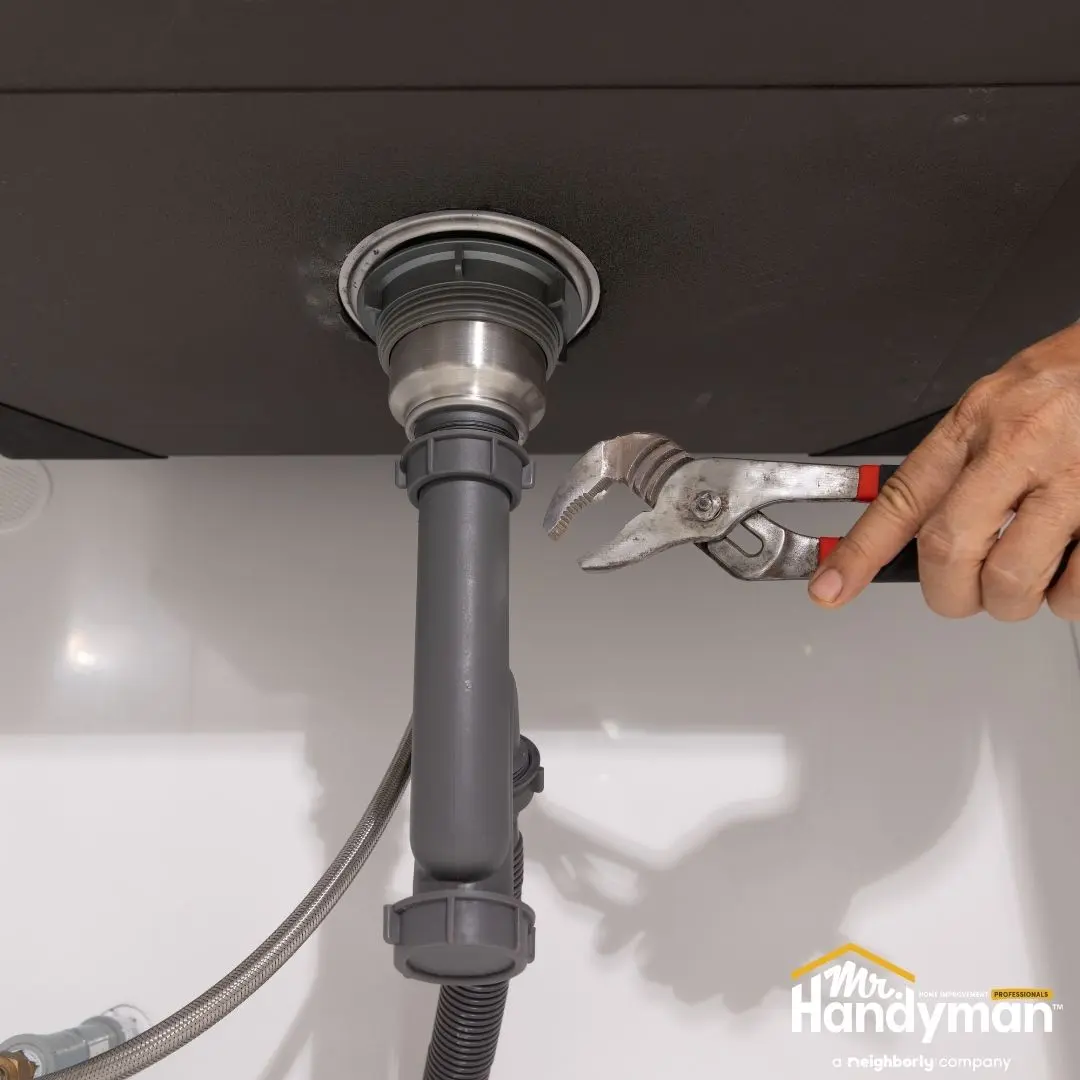
- Tightening loose supply lines
- Repairing dripping faucets
- Securing exposed pipes
- Replacing failing seals
These small repairs reduce the risk of frozen pipes and water damage that can spread behind walls and floors.
Cabinets and Built-Ins Can Hide Moisture Damage
Cabinet bases and built-in units often conceal leaks or condensation issues during winter.
Small Cabinet Area Fixes
- Checking for moisture damage under sinks
- Securing loose panels or backs
- Resealing gaps near plumbing penetrations
- Repairing damaged toe kicks
Addressing these issues early prevents rot and structural damage that may otherwise go unnoticed for months.
Staircases Absorb More Stress During Winter
Stairs see increased use during winter when families spend more time indoors.
Small Stair Fixes With Safety Impact
- Tightening loose handrails
- Securing stair treads
- Repairing minor movement or squeaks
- Improving lighting at stair landings
These small fixes reduce fall risk and prevent long term structural wear on stair systems.
Flooring Transitions Are Frequent Failure Points
Transitions between rooms and flooring types often loosen or crack during freezing weather.
Simple Transition Fixes That Prevent Damage
- Securing loose transition strips
- Repairing small cracks or gaps
- Fixing lifted edges
- Addressing uneven surfaces
Ignoring these small issues allows moisture and movement to damage surrounding flooring materials.
Drywall Cracks Signal Seasonal Stress
Winter drywall cracks often appear small but can indicate ongoing movement or moisture intrusion.
Small Drywall Fixes That Matter
- Filling new cracks promptly
- Repairing nail pops
- Addressing minor ceiling stains
- Sealing gaps near vents or fixtures
Early drywall repairs prevent cracks from spreading and reduce the chance of moisture reaching framing components.
Lighting Fixtures Reveal Structural and Electrical Issues
Flickering or loose fixtures are not just lighting problems in winter.
Lighting Related Fixes With Bigger Benefits
- Securing loose fixtures
- Replacing failing bulbs or housings
- Tightening switch plates
- Improving lighting in high traffic areas
These fixes improve safety and can reveal wiring or mounting issues before they become serious.
Why Focusing on Small Fixes Works
Winter damage rarely happens all at once. It spreads quietly from small weaknesses.
Small fixes that prevent big problems during freezing weather work because they stop damage at its source. Addressing these issues early reduces repair costs, improves safety, and keeps homes stable during the most demanding season.
Why Addressing Small Winter Fixes Early Saves Time, Money, and Stress
Completing small fixes that prevent big problems during freezing weather means understanding the long term impact of early action. Winter does not create most home problems. It exposes and accelerates them. When small issues are handled promptly, homeowners avoid the domino effect that often turns minor repairs into major disruptions once temperatures drop further.
Winter rewards preparation far more than reaction.
Small Winter Fixes Prevent Emergency Repairs
Emergency repairs are rarely caused by sudden failures. They usually result from small issues that were ignored until freezing conditions pushed them past a breaking point.
Common Emergencies That Start as Small Issues
- Burst pipes from minor leaks or exposed sections
- Water damage from slow, hidden drips
- Door failures caused by loose hardware
- Flooring accidents from unrepaired transitions
- Electrical issues from loose fixtures
Addressing small fixes early dramatically reduces the likelihood of emergency calls during extreme cold.
Early Fixes Reduce Hidden Damage Behind Surfaces
One of the biggest risks in winter is damage that spreads out of sight. Moisture and cold air often travel behind walls, under floors, or inside cabinets before problems become visible.
How Small Fixes Stop Hidden Damage
- Sealing gaps prevents condensation inside walls
- Fixing minor leaks protects framing and subfloors
- Securing trim and drywall blocks moisture pathways
- Repairing small cracks prevents freeze expansion
Stopping damage at the surface level protects the structure underneath.
Preventative Repairs Improve Home Efficiency All Season
Many small winter fixes directly improve how efficiently a home operates.
Efficiency Benefits of Small Fixes
- More consistent indoor temperatures
- Reduced heating system strain
- Lower energy bills
- Less condensation and humidity imbalance
These improvements continue to benefit the home well beyond winter.
Safety Improvements Pay Off Immediately
Winter conditions increase fall and injury risk. Small fixes often deliver immediate safety benefits.
Safety Gains From Early Repairs
- Reduced slip hazards on flooring
- More secure stairs and handrails
- Better visibility from improved lighting
- Smoother door operation
These improvements protect everyone in the home during the most hazardous season.
Small Fixes Preserve the Life of Home Components
Home components last longer when they are maintained rather than pushed to failure.
Components Protected by Small Winter Fixes
- Doors and frames
- Flooring systems
- Plumbing fixtures
- Drywall and finishes
- Lighting and hardware
Extending component life delays costly replacements and improves overall home value.
Winter Repairs Reduce Spring Repair Backlogs
Homeowners who address issues during winter often face fewer urgent repairs in spring.
Benefits of Handling Fixes in Winter
- Less competition for service appointments later
- Ability to plan upgrades instead of repairs
- More balanced home maintenance spending
- Reduced seasonal stress
Winter repairs create breathing room for future projects.
Small Fixes Are Easier to Schedule and Complete
Smaller repairs are typically faster, less disruptive, and easier to schedule than major projects. Winter is an ideal time to address them while they are still manageable.
Completing multiple small fixes together often saves time and cost compared to addressing issues individually after failures occur.
Winter Is the Best Time to Be Proactive
Cold weather makes problems obvious. Drafts are easier to feel, leaks are easier to spot, and safety hazards are more noticeable.
Small fixes that prevent big problems during freezing weather focus on acting while warning signs are clear. This approach leads to better outcomes and fewer surprises.
Prepared Homes Handle Winter With Fewer Issues
Homes that enter freezing weather with small issues resolved are more resilient. They maintain comfort, safety, and performance even during severe conditions.
Waiting for spring often means waiting for damage to worsen.
Take Care of Small Winter Fixes Before They Become Big Problems
If you want to address small winter issues before they turn into costly repairs, Mr. Handyman of Montgomery County and Martinsburg is ready to help. Our experienced team provides reliable handyman services for winter repairs, home maintenance, and preventative fixes that protect your home when it matters most.
Call to schedule service and keep small winter problems from becoming big ones.