Common areas in commercial properties make first impressions, influence tenant satisfaction, and affect property values. Lobbies, hallways, break rooms, restrooms, and outdoor shared spaces all communicate the quality and professionalism of the building. After months of winter weather, tracked-in salt, reduced maintenance, and seasonal wear, these spaces need spring refreshment to restore appearance and functionality.
For property managers and building owners in West Virginia and Maryland, spring is the critical window to address accumulated winter damage and prepare common areas for increased activity. Tenants notice when common spaces look tired or neglected. Prospective tenants form opinions within minutes of walking through a lobby. Current tenants become dissatisfied when shared amenities feel run-down.
Commercial buildings throughout Martinsburg, Charles Town, and Montgomery County face specific seasonal challenges. Winter salt corrodes floors and damages entry areas. Freeze-thaw cycles create cracks in walkways and parking areas. Reduced daylight means lighting inadequacies become more apparent. HVAC systems that ran continuously through cold months need maintenance before switching to cooling mode.
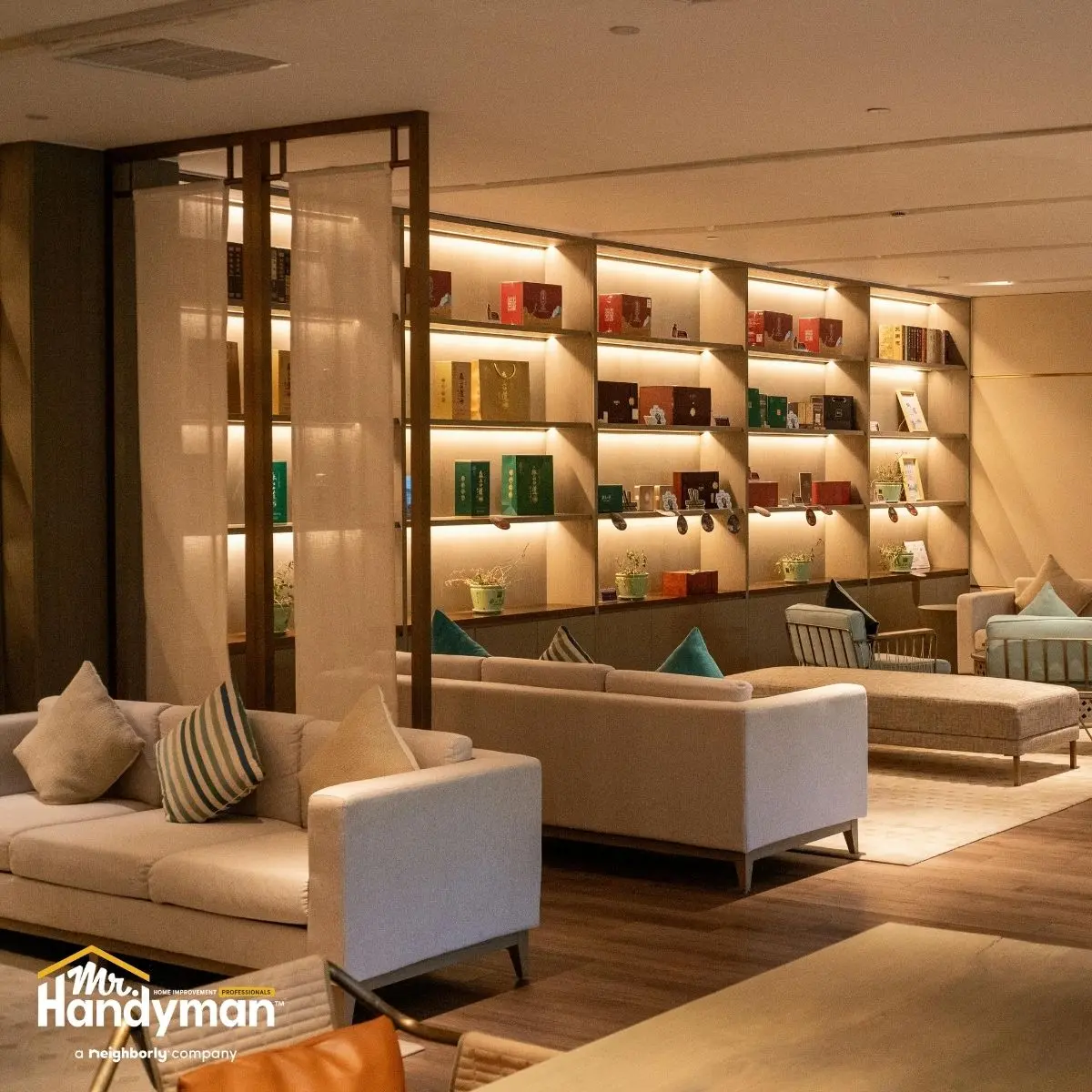
Spring refreshment isn't about major capital improvements. It's about systematic cleaning, repairs, updates, and maintenance that reverse winter wear and create welcoming environments. The work needs to happen before spring leasing season begins and before increased foot traffic makes problems more visible.
Older commercial buildings require particular attention because deferred maintenance shows more prominently in common areas. Worn carpet, dated fixtures, dim lighting, and peeling paint all signal age and neglect. Small refreshment projects address these visual cues without requiring comprehensive renovations.
Why Common Area Condition Affects Tenant Retention and Leasing
Common areas directly influence tenant decisions about renewing leases or vacating. Tenants who pay rent for office or retail space expect shared areas to be clean, functional, and professional. When common areas decline, tenants question whether their rent delivers appropriate value.
Lobbies create daily impressions for everyone entering the building. Tenants bringing clients or customers into buildings with shabby lobbies face embarrassment. The condition of shared space reflects on their businesses even though they don't control it. This frustration drives lease non-renewals and complaints.
Prospective tenants touring available spaces judge the entire property by common areas. A worn lobby, dingy hallways, or poor lighting suggests management doesn't invest in the property. Even excellent individual suites don't overcome negative common area impressions. Properties lose leasing opportunities because common areas undermined otherwise competitive spaces.
Tenant amenities like break rooms, conference rooms, or fitness areas add value only if they're maintained. Outdated or poorly kept amenities become liabilities rather than attractions. Tenants stop using them, which reduces perceived building value and justifies requests for rent concessions.
Common area bathrooms receive scrutiny from tenants and visitors. Dated fixtures, poor lighting, or cleanliness issues create lasting negative impressions. Bathrooms that exceed basic expectations demonstrate property quality and attention to tenant experience.
Property values directly correlate with common area condition. Buildings with well-maintained common spaces command higher rents, retain tenants longer, and attract quality prospects. Deferred common area maintenance reduces property income and market value over time.
Entry Areas and Lobbies That Set Professional Tone
Entries and lobbies experience the heaviest traffic and show winter damage most visibly. Salt residue, tracked debris, and constant use take significant tolls that need addressing in spring.
Flooring in entry areas bears extreme abuse from weather, foot traffic, and outdoor debris. Carpet shows matting, staining, and wear patterns. Tile develops dulled grout and surface scratches. Hard surfaces show salt damage and water staining. Deep cleaning, professional carpet cleaning, or tile refinishing restores appearance. In severe cases, replacing entry flooring creates dramatic improvement.
Entry door glass needs thorough cleaning inside and out. Fingerprints, smudges, and winter grime make entries look neglected. Clean glass creates immediate positive impression and allows more natural light into lobbies.
Door hardware including handles, locks, and closers requires maintenance after heavy winter use. Sticking locks, slow closers, or damaged handles frustrate everyone entering the building. Lubricating, adjusting, or replacing hardware ensures smooth operation.
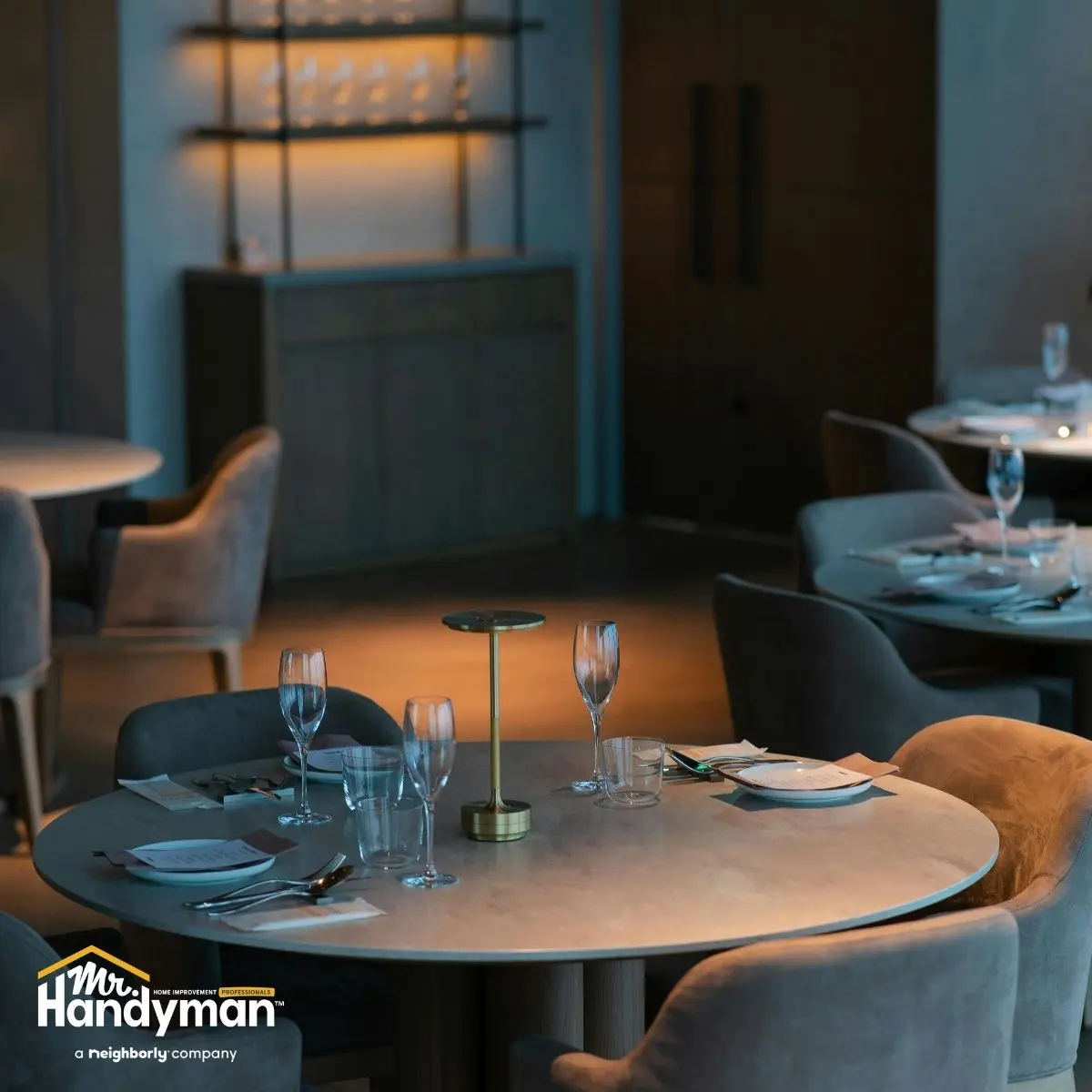
Lobby furniture shows wear from constant use. Worn upholstery, wobbly tables, or damaged seating undermines otherwise updated lobbies. Reupholstering or replacing furniture refreshes spaces without major investment.
Lighting in lobbies needs evaluation after winter months of maximum use. Burned-out bulbs, yellowed fixtures, or dim lighting make spaces feel unwelcoming. Replacing bulbs, cleaning fixtures, or upgrading to LED lighting brightens spaces and reduces energy costs.
Paint touch-ups on walls, trim, and doors remove scuffs, marks, and damage from winter. Fresh paint in high-traffic areas makes spaces feel cared for. Accent walls in updated colors can modernize lobbies without repainting entirely.
Directory boards and building signage should be current and professional. Outdated tenant lists, missing letters, or handwritten additions look unprofessional. Updating signage shows attention to detail and helps visitors navigate buildings.
Plants or floral arrangements add life to lobbies and signal seasonal change. Fresh greenery or seasonal flowers create welcoming atmosphere that distinguishes spring from winter months.
Hallways and Corridors That Connect Spaces
Hallways receive less attention than lobbies but still influence daily tenant experience. Clean, well-lit, properly maintained hallways signal professional property management. Neglected hallways frustrate tenants who pass through them multiple times daily.
Hallway lighting often consists of outdated fluorescent fixtures that create harsh, institutional atmosphere. These fixtures also fail frequently, leaving dark spots that feel unsafe. Upgrading to LED fixtures improves light quality, reduces energy costs, and minimizes maintenance.
Wall scuffs, marks, and damage accumulate in hallways from moving furniture, equipment carts, and daily use. Touch-up painting or applying fresh paint makes hallways look maintained. Corner guards prevent future damage in high-traffic areas.
Carpet or flooring in hallways shows traffic patterns and wear. Professional cleaning removes embedded dirt and restores appearance. Replacing worn carpet in heavy traffic areas prevents deterioration from spreading.
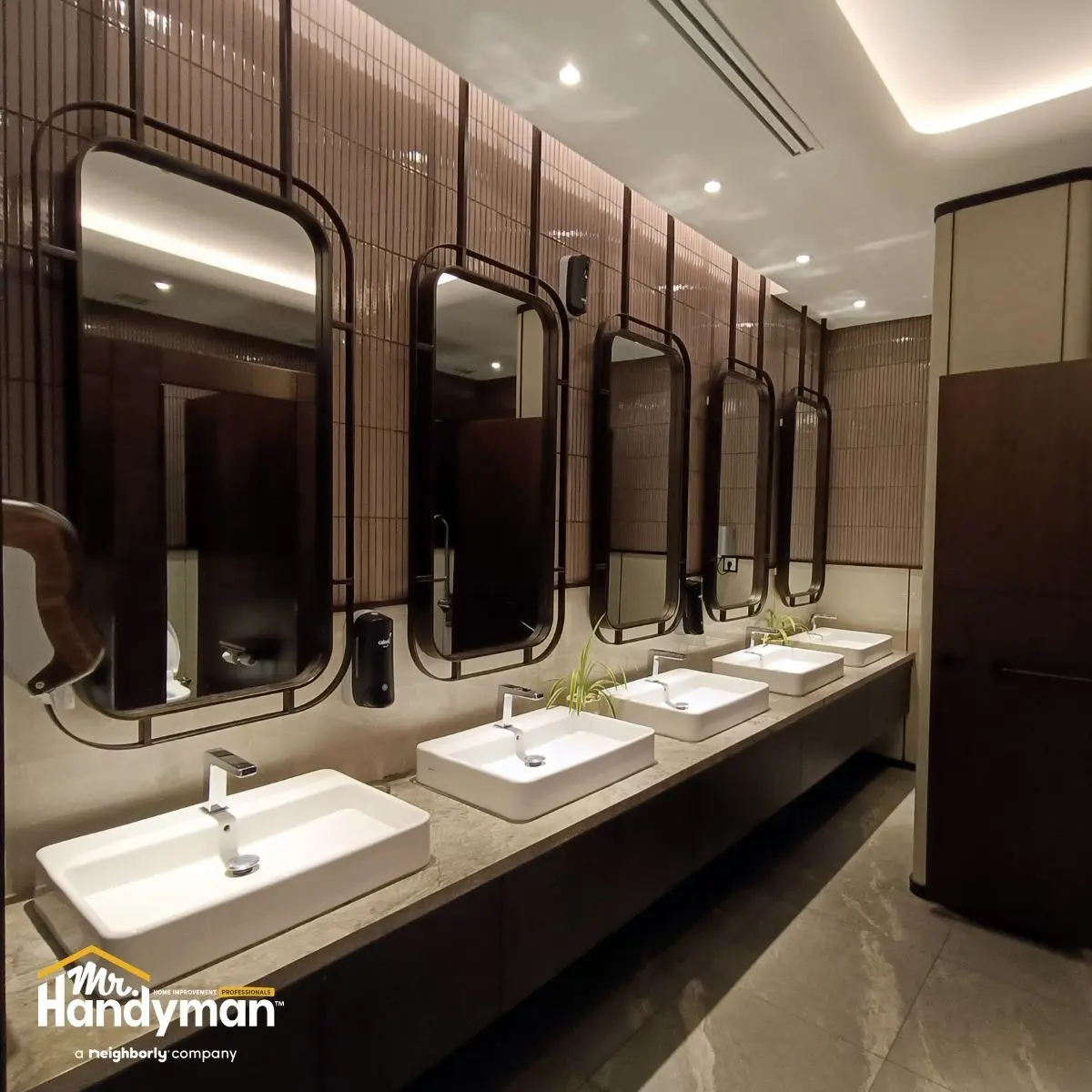
Exit signage and emergency lighting require testing to ensure functionality. Non-functional emergency lights or missing exit signs create code violations and safety hazards. Testing and repairing these systems protects occupants and avoids violations.
Thermostat controls in hallways need calibration after winter heating season. Comfortable hallway temperatures contribute to overall building comfort. Testing and adjusting thermostats before cooling season prevents tenant complaints.
Bulletin boards or tenant communication boards should be organized and current. Cluttered boards with outdated notices look unprofessional. Clearing old information and organizing remaining content improves appearance.
Common Restrooms That Reflect Building Standards
Shared restrooms in commercial buildings receive heavy use and face heightened cleanliness expectations. Spring refreshment brings restrooms to standards that satisfy tenants and visitors.
Deep cleaning beyond daily janitorial service removes buildup that accumulates over months. Grout, fixtures, partitions, and floors all benefit from intensive spring cleaning that restores original condition.
Fixture updates modernize restrooms and improve functionality. Replacing dated faucets, soap dispensers, or paper towel holders creates immediate improvement. Touchless fixtures reduce maintenance and improve hygiene perceptions.
Lighting in restrooms affects cleanliness perception. Dim or harsh lighting makes restrooms feel less sanitary even when clean. Upgrading to bright LED lighting improves visibility and atmosphere.
Paint refresh on walls and stalls covers stains, marks, and years of wear. Restroom paint should be mold-resistant and in colors that feel clean. Light neutrals or whites create sanitary appearance.
Mirror condition matters more than many property managers realize. Damaged, spotted, or dirty mirrors make restrooms feel neglected. Replacing or professionally cleaning mirrors improves appearance significantly.
Flooring in restrooms must be waterproof and easy to clean. Worn vinyl, damaged tile, or grout that never looks clean all undermine cleanliness efforts. Replacing flooring eliminates chronic appearance problems.
Stall partition hardware including locks, hinges, and coat hooks loosens over time. Non-functional locks frustrate users and create privacy concerns. Tightening or replacing hardware improves functionality.
Odor control through proper ventilation and regular deep cleaning maintains pleasant environment. Persistent odors suggest ventilation problems or cleaning inadequacies that need professional attention.
Break Rooms and Tenant Amenity Spaces
Shared break rooms, conference rooms, or amenity spaces add value when maintained but become liabilities when neglected. Spring refreshment ensures these spaces serve their intended purposes.
Appliances including refrigerators, microwaves, and coffee makers need deep cleaning and maintenance. Appliances that look or smell dirty discourage use. Professional cleaning or replacement creates spaces tenants actually want to use.
Countertops and sinks accumulate stains, damage, and wear. Refinishing or replacing worn surfaces creates fresh, functional workspace. Ensuring proper caulking prevents water damage.
Seating and tables should be clean, stable, and sufficient for building occupancy. Wobbly tables, stained chairs, or inadequate seating reduces amenity value. Replacing or repairing furniture restores functionality.
Lighting in break rooms should create comfortable atmosphere rather than harsh institutional feel. Replacing fluorescent fixtures with LED panels or adding supplemental lighting makes spaces more inviting.
Paint and wall treatments refresh spaces that show heavy use. Break rooms develop stains, marks, and wear faster than most spaces. Fresh paint and touch-ups create clean environment.
Storage and organization systems help keep break rooms tidy. Shelving for personal items, designated spaces for supplies, and clear labeling all reduce clutter that makes spaces feel chaotic.
Trash and recycling facilities need adequate capacity and regular emptying. Overflowing bins or inadequate recycling options frustrate tenants and create mess.
Outdoor Common Areas and Building Perimeters
Outdoor spaces surrounding commercial buildings create first impressions before visitors even enter. Spring cleanup addresses winter damage and prepares exterior areas for increased use.
Parking lots need sweeping to remove winter sand, salt, and debris. Accumulated material looks neglected and clogs drains. Professional power sweeping removes buildup thoroughly.
Landscaping beds require spring cleanup including removing dead plants, refreshing mulch, and trimming overgrown vegetation. Fresh mulch dramatically improves curb appeal and signals property care.
Walkways and sidewalks may have cracks, uneven sections, or trip hazards from winter freeze-thaw cycles. Repairing these prevents liability issues and improves accessibility.
Exterior lighting including parking lot lights, building-mounted fixtures, and landscape lighting needs bulb replacement and fixture cleaning. Dark areas create security concerns and make properties feel unwelcoming.
Building exterior surfaces benefit from power washing to remove winter grime, mold, and staining. Clean siding, brick, and concrete improve appearance dramatically.
Signage including monument signs, building directories, and wayfinding signs should be clean, legible, and properly illuminated. Damaged or faded signage undermines professional image.
Outdoor furniture in seating areas or patios needs cleaning and repair after winter storage or exposure. Providing functional outdoor spaces adds amenity value during pleasant weather.
HVAC and Air Quality Improvements for Seasonal Transition
Spring marks the transition from heating to cooling season, making it critical timing for HVAC maintenance that affects common area comfort and air quality.
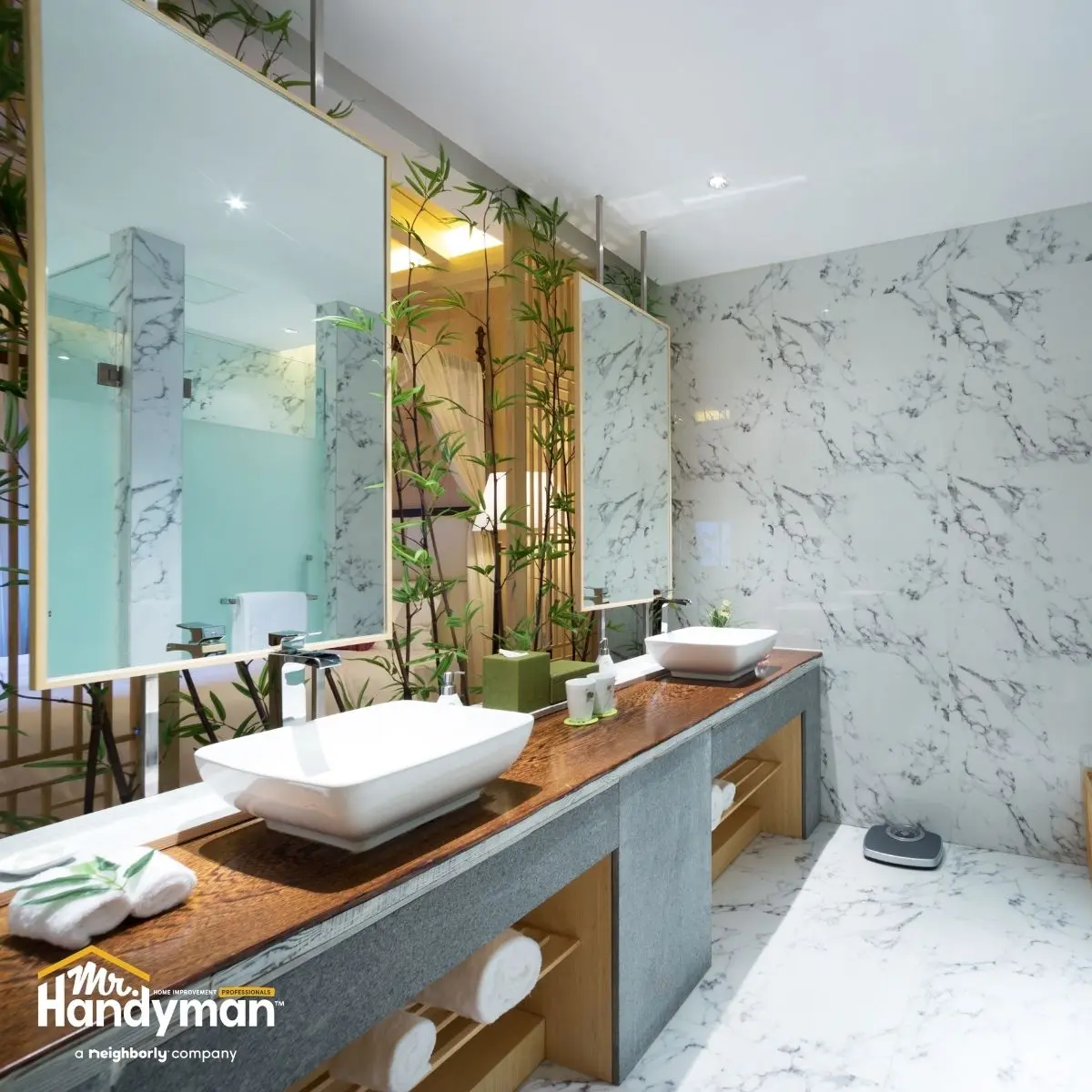
Filter replacement in HVAC systems serving common areas improves air quality and system efficiency. Filters that ran through heating season are saturated with dust and debris.
Ductwork cleaning removes accumulated dust, debris, and potential mold that built up over winter. Clean ducts improve air quality and prevent musty odors.
Thermostat calibration ensures systems respond appropriately as weather warms. Improperly calibrated thermostats waste energy and create comfort complaints.
Ventilation system inspection verifies that fresh air intake and exhaust systems function properly. Inadequate ventilation creates stuffy atmosphere and poor air quality.
Condensate drain cleaning prevents clogs that cause water damage when cooling season begins. Clogged drains overflow and damage ceilings, walls, and flooring.
Systematic Inspection and Maintenance Checklist
Spring refreshment works best when approached systematically rather than reactively. Creating inspection checklists ensures nothing gets overlooked.
Walk the property with attention to details tenants notice. Look at spaces from their perspective rather than management familiarity that overlooks problems.
Document issues with photos and notes. This creates accountability and helps prioritize repairs based on visibility and urgency.
Categorize repairs into immediate, short-term, and long-term needs. Some issues require immediate attention for safety or functionality. Others can be scheduled during slower periods.
Schedule repairs to minimize tenant disruption. Work in common areas often happens after business hours or on weekends to avoid interfering with tenant operations.
Communicate with tenants about improvement plans. Advance notice of maintenance or improvements demonstrates responsiveness and reduces complaints about disruption.
Budget for ongoing maintenance rather than deferring until problems become emergencies. Regular refreshment costs less than major repairs from neglect.
Frequently Asked Questions
How much should property owners budget for spring common area refreshment?
Budget 2-5% of gross rental income annually for common area maintenance and refreshment. This covers regular cleaning, repairs, updates, and preventive maintenance. Properties that deferred maintenance may need higher initial investment to catch up.
Can common area improvements justify rent increases?
Yes, significant common area improvements that add value or amenities can support rent increases at lease renewal. Tenants generally accept increases when they see corresponding property improvements.
What common area improvements provide the best tenant satisfaction?
Clean, well-lit, safe spaces provide the most consistent tenant satisfaction. Restroom improvements, lobby updates, and reliable HVAC generate positive response. Functional amenities like updated break rooms also rank highly.
How often should common areas be deep cleaned versus daily maintenance?
Daily janitorial service handles routine cleaning. Deep cleaning should happen quarterly at minimum, with spring and fall being critical times for intensive cleaning that goes beyond daily maintenance.
Should property managers hire professionals or use in-house maintenance staff?
Use in-house staff for routine maintenance and daily issues. Hire professionals for specialized work like carpet cleaning, HVAC service, electrical repairs, or projects requiring expertise or equipment in-house staff don't have.
What spring improvements have the fastest impact on property appearance?
Deep cleaning, fresh paint, updated lighting, and landscaping refresh create immediate visible improvement. These projects complete quickly and dramatically change how properties look and feel.
Preparing Common Areas for Productive Leasing Season
Spring common area refreshment sets the stage for successful leasing and satisfied long-term tenants. Properties that look and function well command premium rents and retain quality tenants.
Systematic spring maintenance prevents small issues from becoming expensive problems while keeping properties competitive in local markets. Regular investment in common areas protects property values and generates returns through higher occupancy and rent rates.
The transition from winter to spring offers ideal conditions for projects that improve appearance and functionality. Mild weather, contractor availability, and timing before peak leasing season all make spring the smart time to refresh common areas.
If your commercial property needs spring common area refreshment including cleaning, repairs, updates, or improvements, professional handyman services handle projects efficiently while minimizing tenant disruption.
Mr. Handyman of Martinsburg and Charles Town
Mr. Handyman of Northern Montgomery County
Mr. Handyman of South Montgomery County
Fresh common areas attract and retain quality tenants. Schedule your spring refreshment projects today and position your property for a successful year.
