Commercial spaces compete for customer attention every day. Whether you run a retail shop, restaurant, office, or service business, the physical environment shapes customer perceptions within seconds of walking through the door. The difference between a space that feels fresh, professional, and inviting versus one that feels dated, tired, or neglected often comes down to small renovations that don't require gut rehabs or months of construction.
Business owners in West Virginia and Maryland face a common challenge. Buildings age, trends change, and spaces that looked current five years ago now feel outdated. But complete renovations aren't realistic when you're operating an active business. Closing for weeks costs revenue. Major construction disrupts operations. Budgets don't always support comprehensive overhauls.
The solution is strategic small renovations that create disproportionate impact. These are projects that take days or weeks, not months. They happen while you're open or during minimal downtime. They cost thousands rather than tens of thousands. But they fundamentally change how customers experience your space.
Older commercial buildings throughout Martinsburg, Charles Town, and Montgomery County have good bones but often show their age through outdated fixtures, worn finishes, or layouts that don't match modern customer expectations. Small renovations update these spaces without erasing their character or requiring complete reconstruction.
The key is identifying which changes create the biggest perception shifts. Not all renovations generate equal customer impact. A fresh coat of paint transforms atmosphere. Updated lighting changes how products and spaces look. New flooring eliminates dated aesthetics. Better entry experiences set positive first impressions. These targeted improvements refresh spaces without the disruption and expense of major construction.
Why First Impressions Happen in the First Five Seconds
Customers form judgments about businesses almost instantly. Research shows people make decisions about whether to engage with a space within five seconds of entering. Those decisions are based on cleanliness, lighting, organization, and overall atmosphere, not rational evaluation of your products or services.
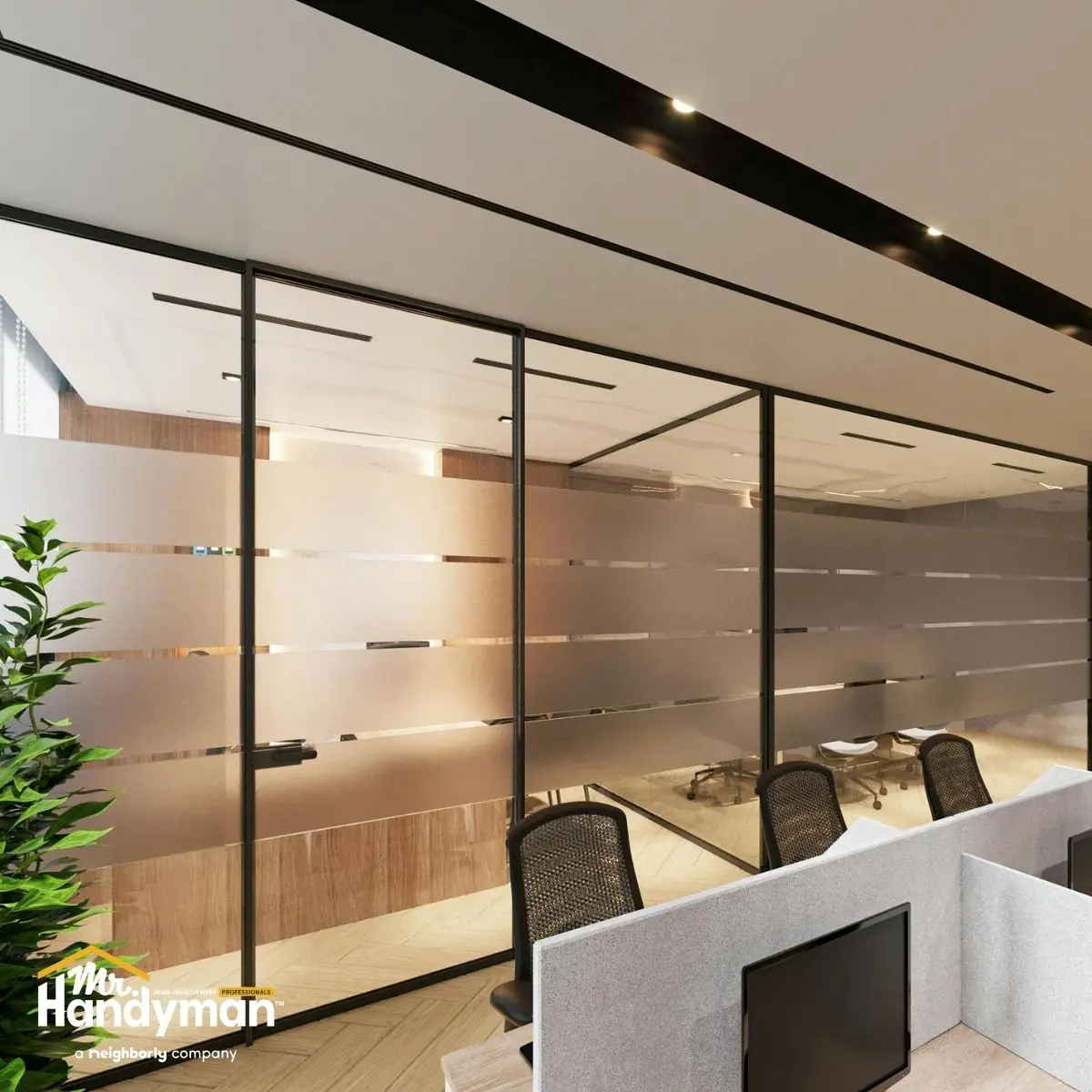
An outdated or poorly maintained interior suggests the business itself operates with similar lack of attention. Customers don't consciously think this, but subconscious associations between physical environment and business quality drive behavior. A restaurant with worn flooring and dim lighting raises questions about kitchen cleanliness. A retail shop with cluttered displays and peeling paint suggests low-quality merchandise. An office with dated furniture and poor lighting feels unprofessional.
The inverse is also true. Spaces that feel clean, current, and well-maintained create positive associations. Customers assume businesses that invest in their physical environment also invest in product quality, customer service, and operational excellence. This assumption isn't always accurate, but perception drives customer decisions more than reality.
For businesses in older buildings, fighting this perception challenge is constant. Buildings from the 1970s, 80s, and 90s were built to different aesthetic standards. Wood paneling, drop ceilings, fluorescent lighting, and laminate everything were standard commercial finishes. These materials signal age and neglect to modern customers even when they're clean and functional.
Small renovations bridge the gap between your building's age and customer expectations. You can't change when the building was constructed, but you can update finishes, fixtures, and layout to feel current. The goal isn't erasing history or character. It's removing visual cues that make customers question whether they're in the right place.
Lighting That Transforms Atmosphere Immediately
Lighting is the single most impactful small renovation for commercial spaces. It affects visibility, atmosphere, color perception, and energy consumption. Bad lighting makes everything else in your space look worse. Good lighting makes average finishes look premium.
Most older commercial spaces rely on fluorescent lighting, often in outdated fixtures with yellowed diffusers. This lighting is harsh, unflattering, and creates institutional atmosphere. Customers don't consciously notice fluorescent lighting, but they respond to how it makes spaces feel.
Replacing fluorescent fixtures with LED lighting changes everything. Modern LED fixtures produce better color rendering, meaning products, food, and finishes look more appealing. They're dimmable, allowing you to adjust brightness for different times of day or purposes. They use significantly less energy and last years longer, reducing operating costs and maintenance.
Track lighting or adjustable fixtures highlight specific areas like product displays, artwork, or architectural features. This creates visual interest and guides customer attention to what you want them to see. Uniform overhead lighting flattens spaces and makes everything look the same. Layered lighting with varying intensities creates depth and atmosphere.
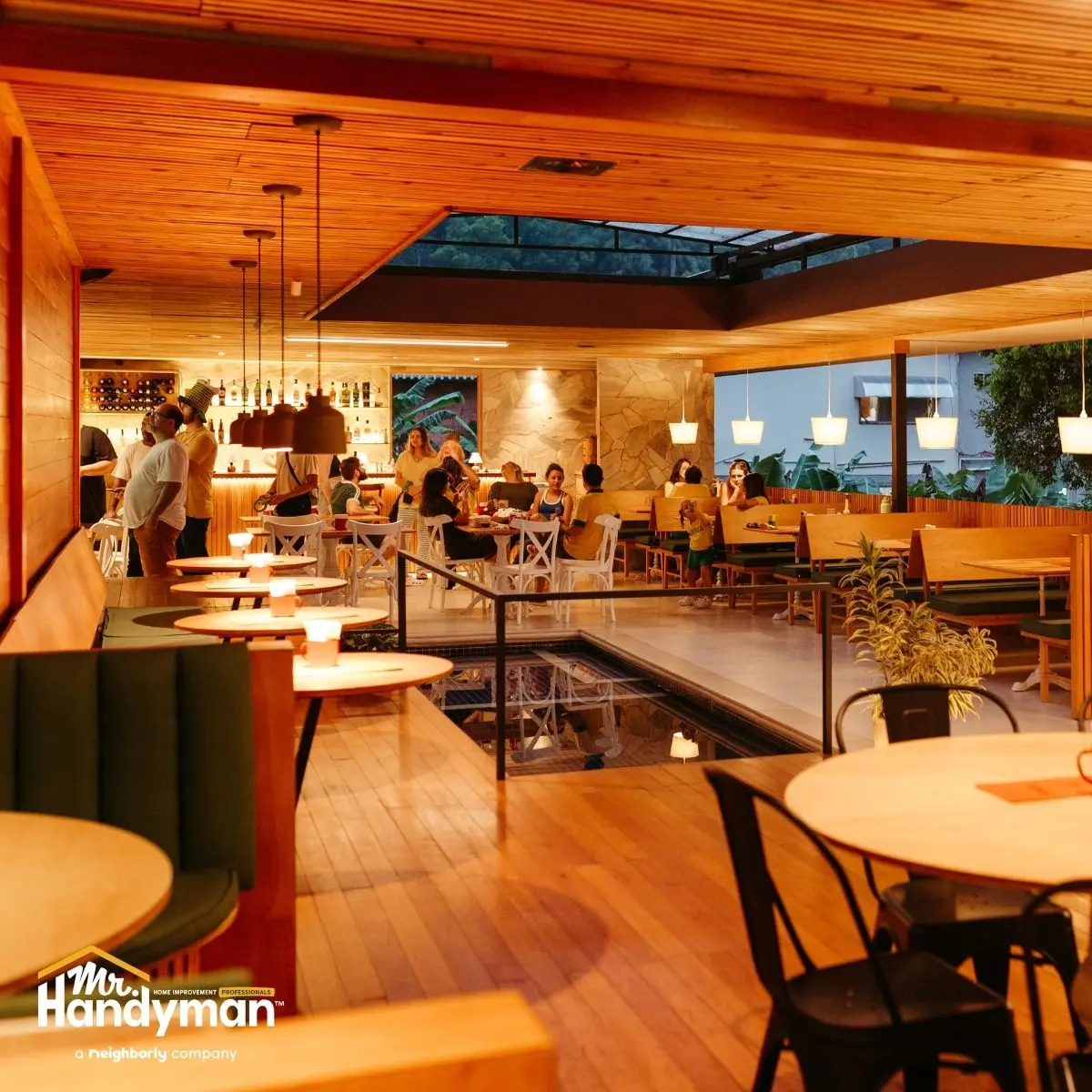
Pendant lights over counters, tables, or bars add design interest while providing task lighting where needed. They come in endless styles, from industrial to traditional, allowing you to match your brand aesthetic. Swapping generic fixtures for intentional pendant choices personalizes spaces and makes them feel designed rather than generic.
Natural light maximization through window treatments also matters. Heavy curtains or blinds that block daylight make spaces feel closed and dim. Replacing them with light-filtering shades or removing treatments entirely brings in natural light that makes spaces feel larger, cleaner, and more inviting.
Exterior lighting affects first impressions before customers even enter. Illuminated signage, entrance lighting, and parking lot lights create visibility and safety perceptions. Upgrading exterior lighting makes buildings more noticeable and welcoming, particularly during evening hours when many businesses see peak traffic.
Entry Experiences That Set Positive Tone
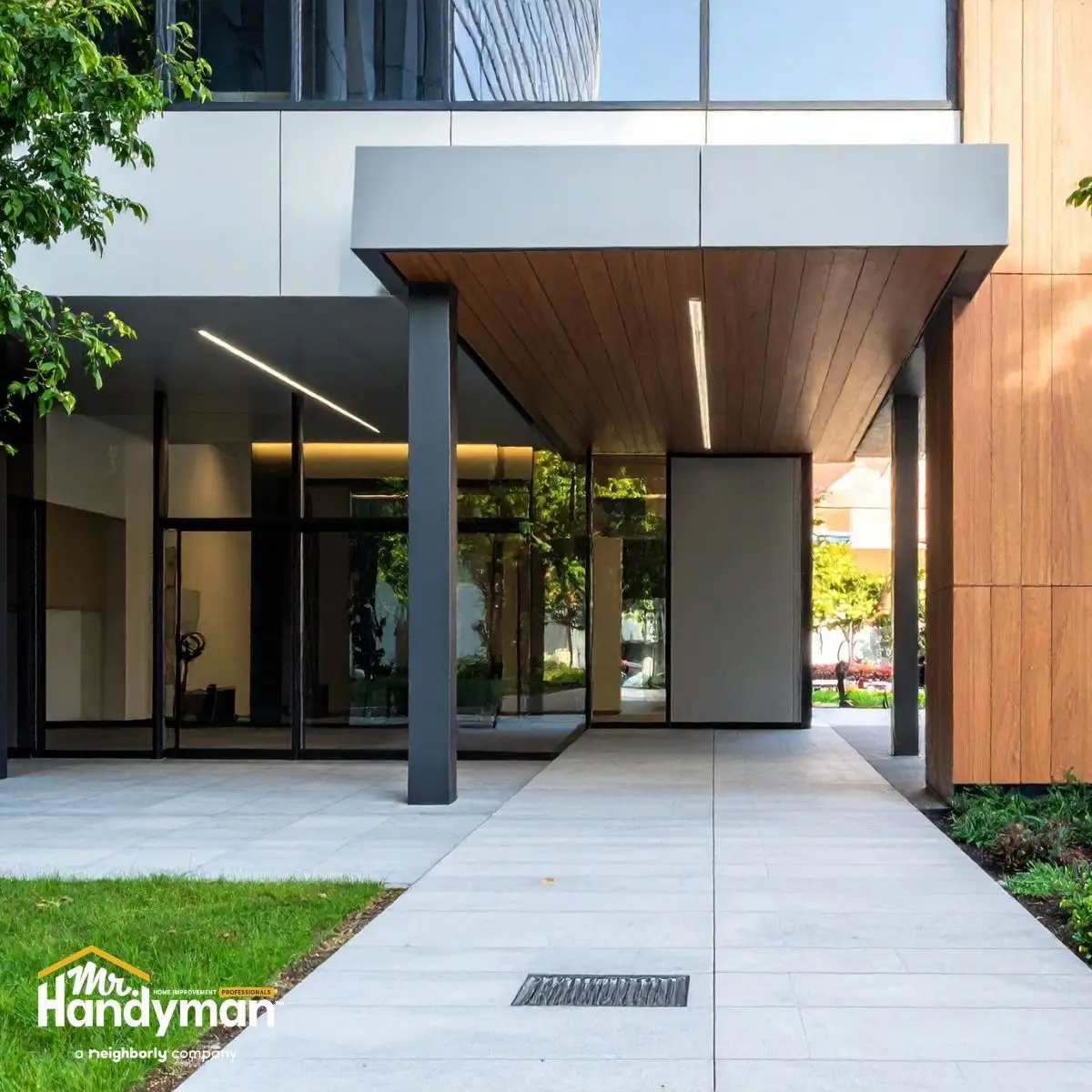
The entrance is where first impressions form. Doors, flooring, signage, and the immediate entry area communicate whether customers should feel excited, comfortable, or skeptical about what's inside.
Entry doors show heavy use and wear faster than most building components. Commercial doors with failing closers, damaged weather stripping, or scratched finishes signal neglect. Replacing or refinishing entry doors, installing new hardware, and ensuring smooth operation creates immediate improvement.
Glass doors and windows in entry areas need cleaning and maintenance. Smudges, scratches, or damaged framing make entrances look shabby. Clean glass, polished frames, and working locks present professionalism.
Entry flooring takes tremendous abuse from foot traffic, weather, and debris tracked in from outside. Worn carpet, cracked tile, or damaged mats create trip hazards and look terrible. Replacing entry flooring with durable materials like commercial-grade luxury vinyl, tile, or polished concrete creates clean, modern appearance that holds up to traffic.
Walk-off mats prevent dirt and moisture from spreading into the building. Commercial-quality mats in appropriate sizes keep floors clean and reduce slip hazards. They're inexpensive but make spaces noticeably cleaner.
Signage at entrances needs to be clear, visible, and current. Hours of operation, accessibility information, and welcome messaging should be professional and easy to read. Hand-written signs or outdated printed notices look unprofessional.
Paint or wall treatments in entry areas create first visual impressions. Accent walls in brand colors, updated paint in modern neutrals, or wallpaper that reflects your business style all personalize entries and make them feel intentional.
Furniture or displays in entry areas should be clean, current, and purposeful. Cluttered bulletin boards, worn seating, or dusty displays make poor first impressions. Keeping entries clean and uncluttered communicates organization and professionalism.
Flooring Changes That Update Everything Above Them
Flooring is foundational to how spaces feel. Dated or worn flooring makes everything else in the space look worse, even if walls, furniture, and fixtures are current. Updated flooring creates a fresh backdrop that elevates the entire environment.
Commercial carpet from the 1980s or 90s, often in outdated patterns and colors, instantly ages spaces. Replacing it with modern carpet in neutral colors or patterns creates dramatic transformation. Commercial-grade carpet designed for high traffic lasts longer and looks better than residential carpet.
Luxury vinyl plank flooring has become popular in commercial spaces because it looks like hardwood, handles heavy traffic, resists water and stains, and costs significantly less than real wood. It works in almost any commercial application and updates spaces immediately.
Tile flooring in dated colors or patterns can be replaced or, in some cases, updated with new grout and sealing. Fresh white or light gray grout makes old tile look cleaner and more current. For floors beyond saving, modern large-format tiles create contemporary look with minimal grout lines.
Polished concrete has become a popular commercial flooring choice. It's durable, easy to clean, works with modern aesthetics, and can be colored or patterned. Converting old carpet or vinyl to polished concrete creates industrial-modern vibe many customers associate with current businesses.
Area rugs in specific zones define spaces and add warmth to hard flooring. They're easy to clean or replace and allow you to introduce color and pattern without committing entire floors to specific aesthetics.
Paint and Wall Treatments That Refresh Without Reconstruction
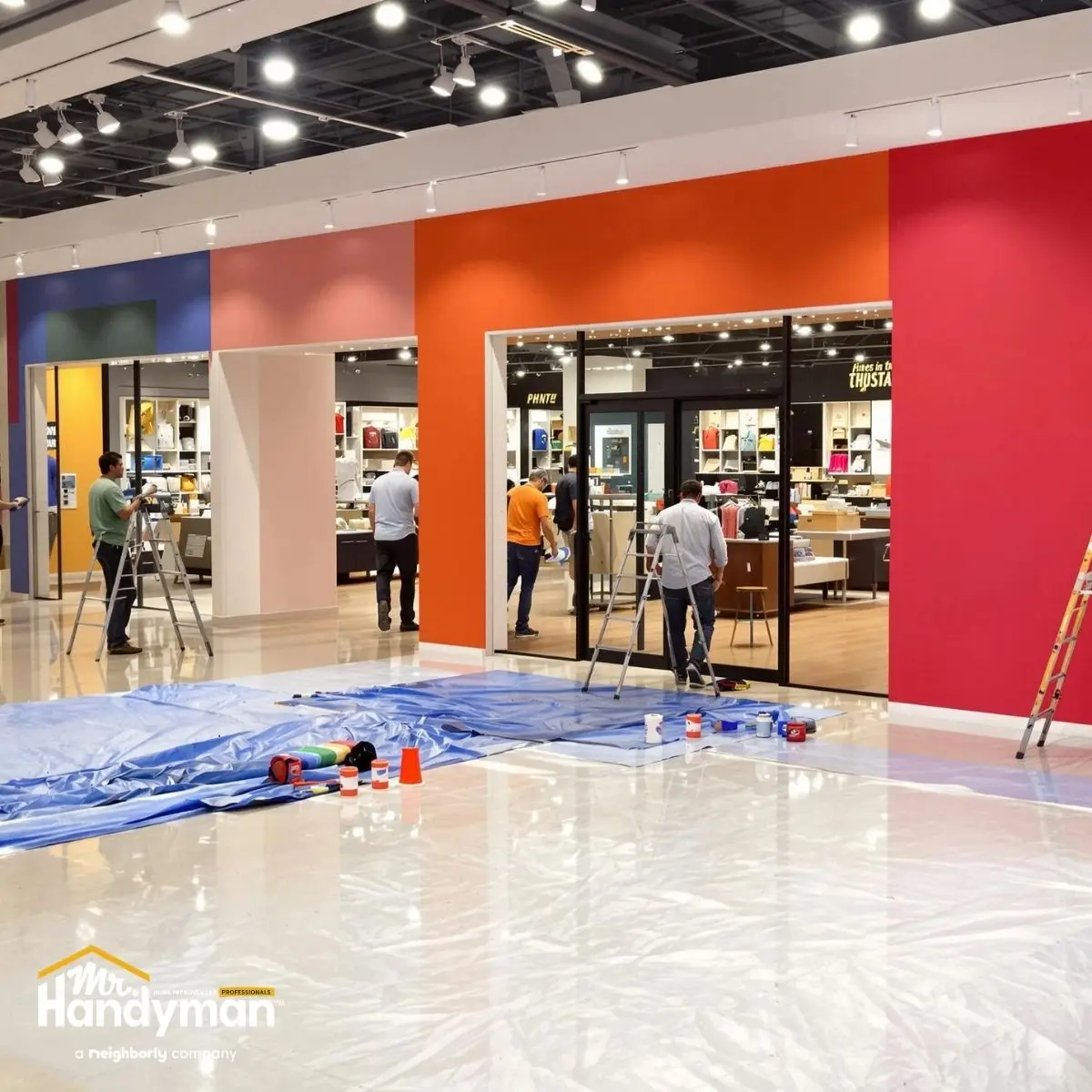
Paint is the most cost-effective renovation for commercial spaces. It transforms atmosphere, updates aesthetics, and covers years of wear in days. The right paint colors make spaces feel larger, brighter, more professional, or more inviting depending on your goals.
Neutral wall colors in modern tones create clean backdrops that don't compete with merchandise, products, or branding. Grays, taupes, and warm whites work in almost any commercial space and appeal to broad customer bases. They're safe choices that won't alienate customers or feel dated quickly.
Accent walls in brand colors create visual interest and reinforce identity. One wall in a bold color draws attention and creates focal points without overwhelming spaces. This works particularly well behind counters, in seating areas, or on walls customers see when entering.
Removing wood paneling or covering it with drywall eliminates one of the strongest visual signals of age in commercial buildings. Wood paneling screams 1970s and immediately dates spaces. Covering or removing it and painting with modern colors creates instant transformation.
Ceiling paint matters more than most business owners realize. Dingy, yellowed, or stained ceilings make entire spaces feel dirty even when floors and walls are clean. Fresh white paint on ceilings brightens spaces and makes them feel taller.
Wallpaper or wall coverings add texture and personality that paint alone can't achieve. Modern removable wallpapers install easily and come in thousands of patterns, allowing you to create custom looks without permanent commitment.
Painted or refinished trim, doors, and baseboards complete the transformation. These details often show wear that undermines fresh wall paint. Painting trim in crisp white or modern colors ties the room together and creates a finished appearance.
Part B
Updated Fixtures and Hardware That Modernize Spaces
Small fixture and hardware changes create surprisingly large visual impact. These elements are touchpoints customers interact with constantly, and dated versions undermine otherwise updated spaces.
Door hardware, cabinet pulls, and drawer handles show heavy use and wear. Replacing outdated brass or chrome fixtures with modern finishes like matte black, brushed nickel, or oil-rubbed bronze updates spaces immediately. This is a low-cost change with high visual return.
Bathroom fixtures deserve special attention because bathrooms strongly influence customer perceptions of cleanliness and quality. Replacing old faucets, toilet handles, soap dispensers, and paper towel holders with modern versions transforms bathrooms from liability to asset.
Light switch plates and outlet covers are often overlooked but contribute to dated appearance. Replacing beige or almond plates with white or matching wall colors creates clean, current look. Screwless plates look more finished than standard versions.
Window treatments like blinds, shades, or curtains frame views and control light. Replacing broken or yellowed blinds, updating to modern roller shades, or removing heavy curtains brightens spaces and looks intentional.
Ceiling fans in older commercial spaces often feature outdated designs or aren't functional. Replacing them with modern low-profile fans improves air circulation while updating appearance.
Strategic Layout Changes That Improve Flow and Function
Small layout modifications improve how customers move through and experience your space without requiring major construction or permits.
Removing unnecessary barriers or partitions opens spaces and improves sightlines. Half-walls, outdated room dividers, or excess furniture that blocks natural flow makes spaces feel cramped. Opening these areas creates better customer circulation.
Repositioning checkout counters or service desks improves efficiency and customer experience. Counters placed in corners or poorly lit areas frustrate customers. Moving them to visible, accessible locations with better lighting improves service delivery.
Creating defined zones within open spaces helps customers understand how to use your business. Furniture arrangement, area rugs, or low shelving can separate waiting areas from service areas, dining from ordering, or browsing from checkout without building walls.
Adding display elements like shelving, pegboard walls, or floating shelves creates merchandise opportunities and visual interest. Modern shelving systems install without major construction and can be reconfigured as needs change.
Improving accessibility through wider aisles, relocated displays, or better counter heights accommodates all customers and meets ADA requirements. These changes aren't just legal requirements—they're good business practice that welcomes everyone.
Restrooms That Exceed Basic Expectations
Customer bathrooms reflect business standards more than almost any other space. Dated, dirty, or poorly maintained bathrooms create lasting negative impressions that override positive experiences elsewhere.
Deep cleaning and repairs should happen before any cosmetic updates. Functioning plumbing, clean fixtures, and fresh caulking around toilets and sinks are baseline requirements. Anything less undermines renovation efforts.
Paint in bathrooms should be mold-resistant and in colors that feel clean. White or very light colors make spaces feel sanitary. Darker colors hide dirt but can make small bathrooms feel cramped.
Upgrading to touchless fixtures like automatic faucets, soap dispensers, and paper towel dispensers improves hygiene perceptions and reduces maintenance. These fixtures signal current standards and attention to customer comfort.
Better mirrors, particularly with good lighting, make bathrooms feel larger and more functional. Large, frameless mirrors or mirrors with integrated lighting create modern appearance.
Adding details like fresh flowers, quality hand soap, or background music makes bathrooms feel like designed spaces rather than afterthoughts. These small touches demonstrate attention to customer experience.
Signage and Wayfinding That Guide Customer Experience
Interior signage helps customers navigate your space efficiently while reinforcing brand identity. Poor signage frustrates customers and creates operational inefficiencies.
Directional signs to restrooms, exits, and different departments or services should be clear, consistent, and professional. Hand-written signs or outdated printed notices look unprofessional and confuse customers.
Menu boards in restaurants or service businesses need to be readable, current, and well-lit. Digital menu boards allow easy updates and create modern impression. Traditional boards need regular updating and maintenance to stay relevant.
Product category signs in retail spaces help customers find what they need without assistance. Clear, professional signage reduces customer frustration and allows staff to focus on service rather than directing traffic.
Brand elements like logos, mission statements, or company values displayed on walls reinforce identity and create talking points. These should be professionally produced, not home-printed, to maintain credibility.
Window graphics and decals communicate hours, services, and promotions while adding privacy or design interest. Professional vinyl graphics look polished and can be updated seasonally or as needs change.
Technology Integration That Meets Modern Expectations
Modern customers expect certain technology conveniences. Businesses that don't provide them feel outdated regardless of physical appearance.
WiFi availability is baseline expectation in many businesses. Providing guest WiFi with easy connection improves customer experience and encourages longer visits. Network name and password should be clearly posted.
Phone charging stations or accessible outlets show attention to customer needs. Customers appreciate being able to charge devices while waiting, dining, or shopping.
Digital payment options including contactless readers and mobile payment acceptance are expected, not optional. Visible, modern payment terminals signal current business practices.
Display screens for promotions, wayfinding, or entertainment create dynamic visual elements that static signage can't match. Even a single well-placed screen adds modernity.
Frequently Asked Questions
How long do small renovations typically take?
Most small renovations complete in days to a few weeks depending on scope. Painting takes a few days. Flooring replacement might need a week. Lighting updates can happen in a day or two. Many projects can be staged to minimize business disruption.
Can we stay open during renovations?
Yes, most small renovations can happen while you're open by working after hours, in sections, or during slow periods. Discuss scheduling with contractors to minimize customer impact while completing work efficiently.
What's the best return on investment for small commercial renovations?
Lighting, paint, and flooring typically provide the highest visual impact per dollar spent. Entry improvements and bathroom updates also generate strong customer response relative to cost.
How often should commercial spaces be refreshed?
Most commercial spaces benefit from cosmetic updates every 3-5 years to stay current. High-traffic areas like entries and bathrooms may need attention more frequently. Regular maintenance prevents spaces from looking dated.
Do customers actually notice small changes?
Customers may not consciously identify specific improvements, but they respond to overall atmosphere and cleanliness. Small changes compound to create significantly different customer experiences and perceptions.
Creating Customer Experiences Through Strategic Updates
Commercial spaces don't need complete overhauls to feel fresh and professional. Small renovations targeting high-impact areas create dramatic improvements in customer perception and experience.
The key is identifying which changes matter most for your specific business and customer base. A restaurant prioritizes different improvements than a retail shop or professional office. Understanding your customers' expectations and your space's weaknesses guides renovation decisions.
Budget renovations strategically over time rather than waiting until spaces need complete overhauls. Annual improvements keep spaces current and spread costs across multiple budget cycles.
If you're ready to update your commercial space with renovations that impress customers without major construction, professional handyman services handle everything from lighting and paint to flooring and fixture updates.
Mr. Handyman of Martinsburg and Charles Town
https://www.mrhandyman.com/martinsburg-charles-town/
Mr. Handyman of Northern Montgomery County
https://www.mrhandyman.com/northern-montgomery-county/
Mr. Handyman of South Montgomery County
https://www.mrhandyman.com/south-montgomery-county/
Small changes create big impressions. Update your space and watch customer perceptions improve. Schedule your consultation today.
