Curb appeal determines how visitors, neighbors, and potential buyers perceive your home within seconds of arrival. The visual impact your property creates from the street reflects more than aesthetics. It signals maintenance levels, care for detail, and pride of ownership. Homes throughout Martinsburg, Charles Town, and Montgomery County vary dramatically in curb appeal despite similar age, size, and original construction quality. The difference comes down to small, targeted improvements that create disproportionate visual impact relative to their cost and effort.
Most homeowners overestimate what's required to transform curb appeal. They imagine expensive landscaping overhauls, complete exterior repaints, or major architectural changes. Reality proves different. Strategic small projects completed over a few weekends often deliver better results than unfocused large expenditures. Understanding which improvements matter most and executing them properly creates homes that stand out positively in their neighborhoods rather than blending into mediocrity or standing out for neglect.
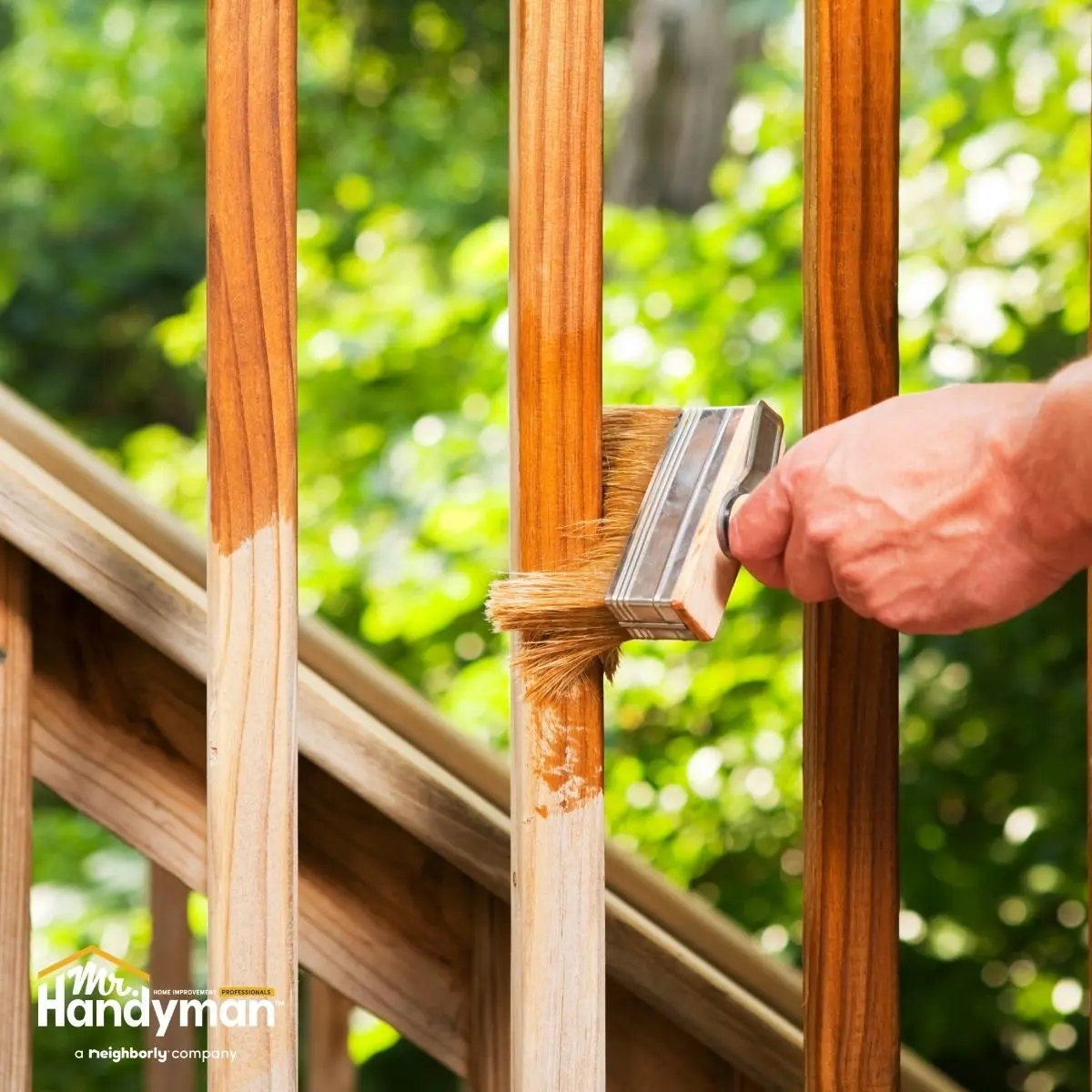
Refresh Exterior Paint on Front Door and Trim
Your front door serves as the focal point of your home's facade. Visitors naturally look toward the entry, making door condition and color critical to overall impression. A faded, peeling, or outdated door color diminishes the entire exterior regardless of how well the rest of the house presents. Repainting the front door takes a single day and costs under one hundred dollars in materials, yet transforms curb appeal more effectively than almost any other single project.
Choose door colors strategically rather than defaulting to safe neutrals. Deep colors create visual interest and anchor the facade. Consider how the door color relates to siding, shutters, and trim. Traditional combinations like red doors on white houses or black doors on brick homes work reliably, but contemporary colors like navy, deep green, or charcoal gray update dated exteriors. Test colors using sample pots before committing. Paint looks different on vertical surfaces in natural light than it does on color chips under store lighting.
Proper surface preparation determines how long your paint job lasts. Remove the door from its hinges and work horizontally for best results. Sand away glossy surfaces so new paint adheres properly. Fill any dents or damage with wood filler on wood doors or appropriate filler for fiberglass or steel doors. Prime bare wood and any repaired areas before applying finish coats. Two thin finish coats provide better coverage and durability than one thick coat. Allow proper drying time between coats. Rushing the process creates paint that chips and peels prematurely.
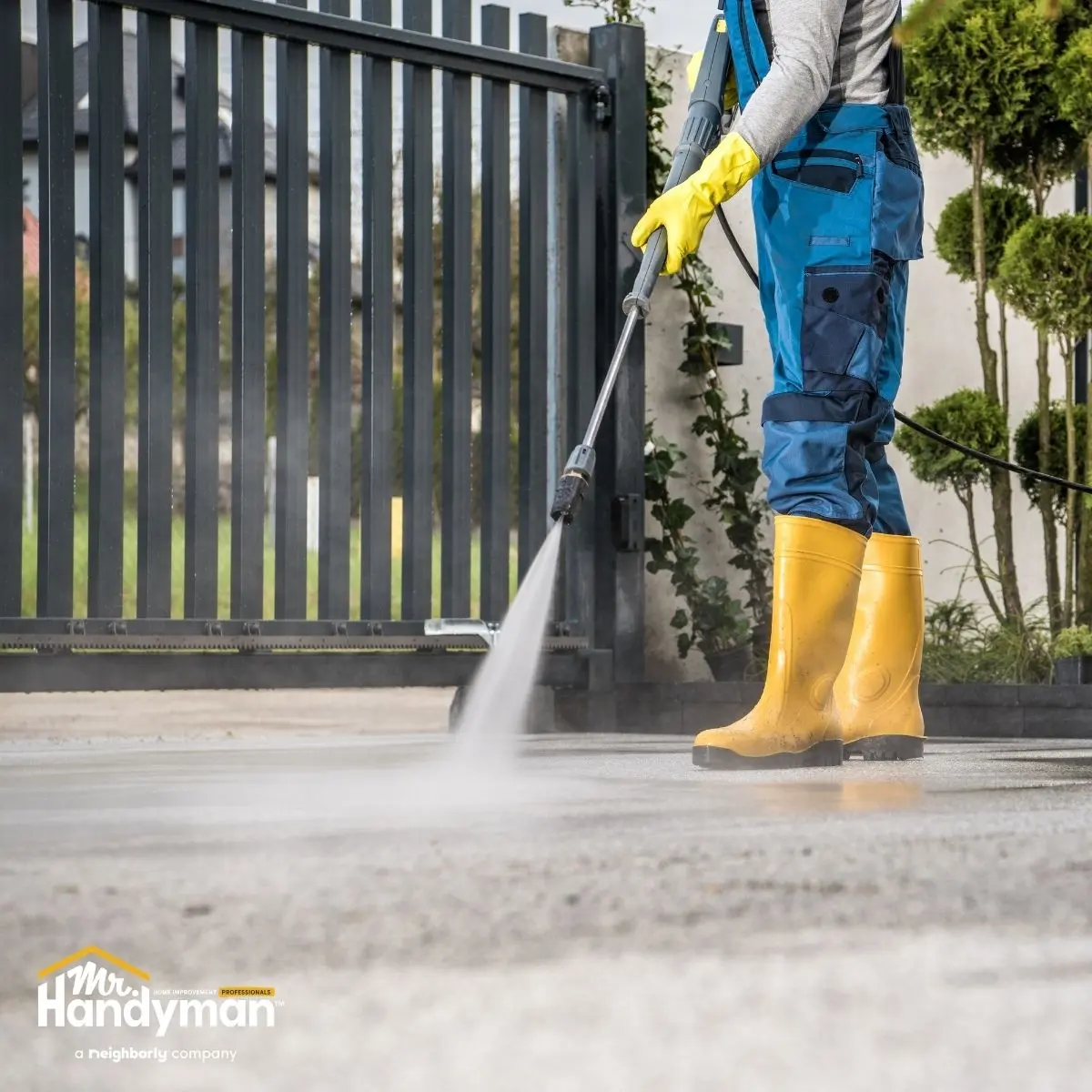
Extend the refresh to door trim, including the frame, threshold, and any decorative molding around the entry. Crisp, clean trim frames the door and enhances its impact. Many older homes have trim that's been painted numerous times without proper preparation, creating buildup that obscures detail. Consider stripping and repainting trim to restore sharp edges and architectural character. Contrasting trim color makes doors pop. White or cream trim against a bold door creates classic appeal. Dark trim against light doors offers contemporary sophistication.
Update House Numbers and Mailbox
House numbers and mailboxes exist primarily for function, but their appearance affects curb appeal significantly. Faded plastic numbers, rusted mailboxes, or crooked installations signal neglect. Replacing these elements costs little but delivers immediate visual improvement. Modern house numbers in finishes like brushed nickel, oil-rubbed bronze, or matte black attach easily to siding, brick, or trim and provide clear identification with contemporary style.
Size matters for house numbers. Numbers should be readable from the street, typically requiring four to six inch height for most residential properties. Larger numbers suit homes set back from streets or properties with long driveways. Install numbers at eye level near the front door or on posts at street level if the house sits far back. Ensure adequate contrast between numbers and background. Dark numbers disappear against dark siding. Light numbers fade against light surfaces. Backlit or illuminated numbers solve visibility problems for homes difficult to identify after dark.
Mailboxes deteriorate from constant weather exposure and daily use. Rust, fading, dented doors, and loose posts create eyesores at street level where they're prominently visible. Replacement mailboxes range from basic utility models to decorative options that coordinate with home style. Traditional homes suit classic designs in black or white. Contemporary homes pair well with modern mailbox styles in metallic finishes. Ensure the mailbox meets postal service requirements for size and positioning while choosing styles that enhance curb appeal.
Install mailboxes on sturdy posts set in concrete for stability. Many existing mailbox posts lean or wobble from age and vehicle impacts. A properly installed post remains vertical and steady despite weather and use. Consider coordinating the mailbox post with other exterior elements. Wrapping posts with materials matching home siding, painting posts to coordinate with trim colors, or using stone or brick to build mailbox supports creates cohesive appearance that elevates basic functional elements.
Install or Repair Shutters
Shutters frame windows and add architectural interest, but only when they're properly sized, correctly installed, and well maintained. Many homes have shutters that are purely decorative, installed by builders or previous owners without regard for proportion or authenticity. Shutters should appear capable of closing over windows even if they're fixed in place. Each shutter should equal half the window width. Shutters wider or narrower than this proportion look wrong even to observers who can't articulate why.
Inspect existing shutters for damage, fading, or improper installation. Vinyl shutters become brittle over time and crack easily. Wood shutters rot when paint fails and moisture penetrates. Faded shutters in sun-bleached colors detract from curb appeal. Shutters mounted with short screws driven into siding rather than into framing wobble in wind and eventually pull loose. Address these problems by repairing, repainting, or replacing shutters as condition dictates.
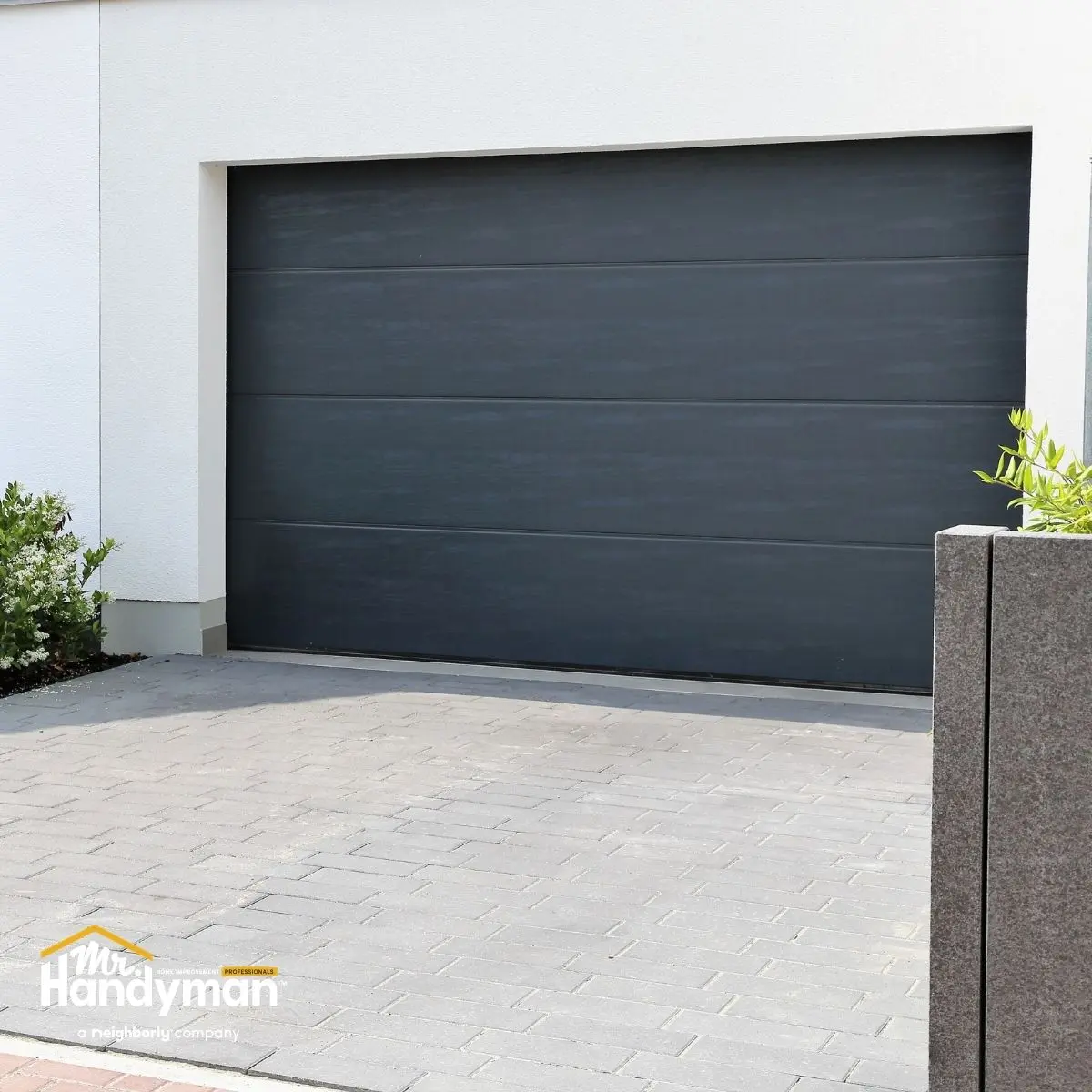
Painting shutters refreshes their appearance at minimal cost. Remove shutters from the house and paint them lying flat for best results. This allows proper coverage of all surfaces including edges and backs. Choose shutter colors that complement siding and trim. Traditional homes often use shutters matching trim color. Contemporary approaches employ shutters as accent colors contrasting with both siding and trim. Dark shutters on light houses create classic appeal. Bold accent colors provide modern flair. Avoid matching shutters exactly to siding color as this eliminates their architectural purpose of creating depth and visual interest.
Installing new shutters transforms plain facades. Homes built without shutters or homes where shutters have been removed appear flat and lack architectural character. Adding properly proportioned shutters in appropriate styles brings dimension and traditional appeal. Board and batten shutters suit farmhouse and colonial styles. Louvered shutters work on most traditional homes. Raised panel shutters enhance formal architecture. Consider your home's style and existing architectural details when selecting shutter design. Consistency across the facade matters more than elaborate individual shutter selection.
Enhance Landscaping at Entry
Entry landscaping creates immediate impressions as visitors approach your door. Overgrown shrubs, bare soil, weedy beds, or dead plants communicate neglect regardless of how well the house itself is maintained. Small landscaping improvements focused on the entry area deliver substantial curb appeal gains without requiring yard-wide renovation.
Start by removing anything dead, diseased, or severely overgrown. Foundation shrubs planted decades ago often grow far larger than intended, blocking windows and creating dark, unwelcoming entries. Prune aggressively or remove and replace with appropriately sized plants. The goal is to frame your entry and foundation, not hide it. Lower-growing shrubs near the foundation with taller specimens at corners create pleasing proportion. Maintain clear sight lines to windows and ensure nothing blocks the front door.
Add fresh mulch to existing beds for instant improvement. Mulch provides a clean, finished appearance and suppresses weeds. Choose mulch colors that complement your home. Natural brown mulch suits most homes. Dark brown or black mulch creates bold contrast against light-colored houses. Red or orange-toned mulches work with brick homes but clash with many siding colors. Apply mulch to a depth of two to three inches, keeping it pulled back from siding and foundation to prevent moisture problems.
Install simple lighting to highlight the entry and improve evening curb appeal. Low-voltage landscape lights along walkways guide visitors safely while creating welcoming ambiance. Uplights aimed at entry plantings or architectural features add drama. Wall-mounted fixtures flanking the front door provide functional lighting with decorative impact. Solar lights offer quick installation without wiring but provide less reliable illumination than wired systems. Choose light fixtures that match your home's style and finish. Traditional homes suit classic lantern styles while contemporary homes pair well with modern fixture designs.
Upgrade Outdoor Light Fixtures
Exterior light fixtures contribute significantly to curb appeal, especially at entry points. Outdated fixtures in builder-grade brass, rusted metal, or plastic housings date your home and reduce visual appeal. Replacing these fixtures takes minimal time but creates noticeable improvement. Modern options in oil-rubbed bronze, matte black, brushed nickel, or painted finishes coordinate with current design trends and complement various architectural styles.
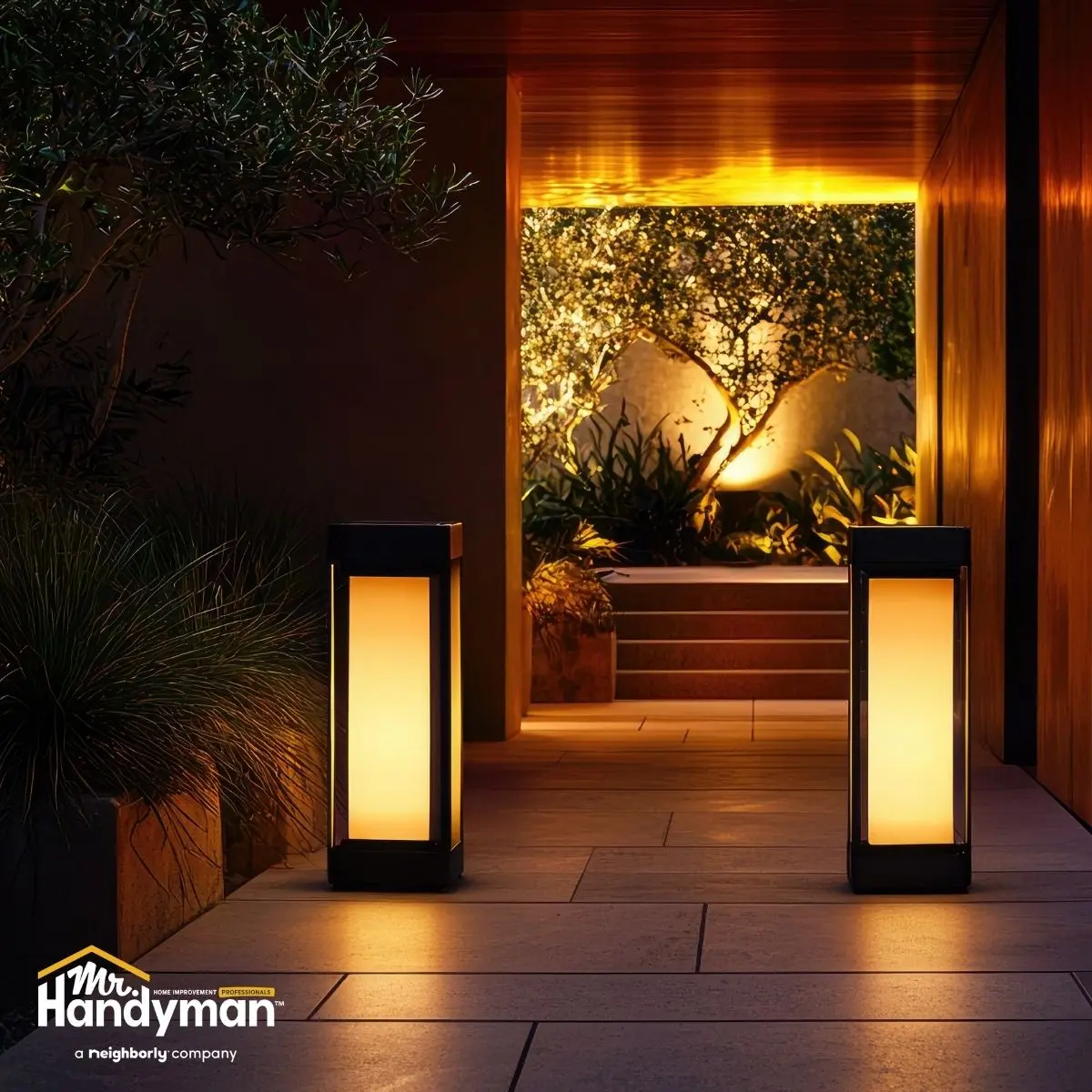
Focus replacement efforts on the most visible fixtures first. Porch lights flanking the front door receive the most attention and deserve priority. Choose fixtures scaled appropriately to your door and porch size. Oversized fixtures overwhelm small entries while undersized fixtures appear inadequate on large porches. Traditional homes benefit from classic lantern styles with clear or seeded glass. Contemporary homes suit geometric designs with clean lines. Craftsman and farmhouse styles pair well with fixtures featuring metal cages or industrial elements.
Install fixtures at proper heights for both function and appearance. Wall-mounted porch lights typically install at sixty to seventy inches above the porch floor, positioning them at roughly eye level and providing adequate illumination without glare. Pendant fixtures hanging from porch ceilings should clear head height by at least twelve inches, typically placing them seven feet or higher above the floor. Ensure adequate clearance for tall visitors and delivery personnel.
Consider upgrading to fixtures with LED bulbs or integrated LED elements. These provide better light quality, last longer, and use less energy than traditional incandescent or compact fluorescent bulbs. Warm white LED bulbs create inviting illumination that enhances curb appeal at night. Avoid cool white or daylight color temperatures for entry lighting as these create harsh, unwelcoming appearance. Dimmable fixtures offer flexibility to adjust lighting levels for different occasions and times of year.
Garage lights and other secondary fixtures also affect curb appeal. Replacing these doesn't carry the urgency of entry fixture upgrades but contributes to overall cohesive appearance. Coordinate finishes and styles across all visible exterior fixtures. Mixing too many different styles or finishes creates visual confusion. A unified approach using the same finish family across all fixtures provides polished, intentional appearance rather than accumulated randomness from replacing fixtures piecemeal over years.
Frequently Asked Questions
Which curb appeal project provides the best return on investment?
Front door painting consistently delivers the highest return relative to cost and effort. The project costs under one hundred dollars and takes one day but creates focal point improvement visible to everyone who approaches your home. Fresh mulch in entry beds and professional exterior window cleaning tie for second place, both providing dramatic visual improvement at minimal cost.
How much time should I expect to spend on these small curb appeal projects?
Most individual projects require four to eight hours of work. Door painting takes a full day including prep, priming, and finish coats. Landscaping refresh at the entry typically requires one weekend day. Driveway cleaning and sealing spans two days for cleaning, drying, and sealer application. Plan to tackle one or two projects per weekend over several weeks rather than attempting everything at once.
Should I hire professionals or complete these projects myself?
Most projects described are manageable for homeowners comfortable with basic tools and willing to invest time. Door painting, mulching, edging, and container planting require minimal skill. Driveway sealing demands more attention to detail but remains accessible for DIY completion. Window cleaning on tall homes, shutter installation, and light fixture replacement involving electrical connections may warrant professional service depending on your comfort level and available equipment.
Do these improvements make sense if I'm not selling my home soon?
Absolutely. Curb appeal improvements enhance your daily experience arriving home, increase neighborhood property values, and provide enjoyment throughout ownership. Projects using quality materials last years, delivering ongoing benefits. The pride of maintaining an attractive property and the compliments from neighbors provide value beyond financial return. Address curb appeal because you live there, not just when preparing to sell.
How do I choose which projects to prioritize with limited time and budget?
Start with the entry area since it receives the most attention. Focus on removing negatives before adding positives. Address peeling paint, dead plants, and obvious damage before undertaking enhancements. Clean and repair existing elements thoroughly, then add fresh touches through updated fixtures, container plantings, or renewed finishes. This approach provides maximum improvement from available resources.
What mistakes should I avoid when improving curb appeal?
Avoid mismatched styles and finishes that create visual confusion. Don't skip surface preparation when painting or sealing. Resist the urge to overplant entry areas or choose plants based solely on immediate appearance without considering mature size. Never neglect basic maintenance like lawn mowing and edging while pursuing decorative improvements. Foundation matters more than flourishes.
Small, strategic projects transform curb appeal quickly without requiring extensive time or substantial budgets. Focusing effort on high-impact areas and executing projects properly creates properties that stand out positively in any neighborhood.
Mr. Handyman of Martinsburg and Charles Town
