The One Device That Stands Between Your Basement and a Flooding Disaster
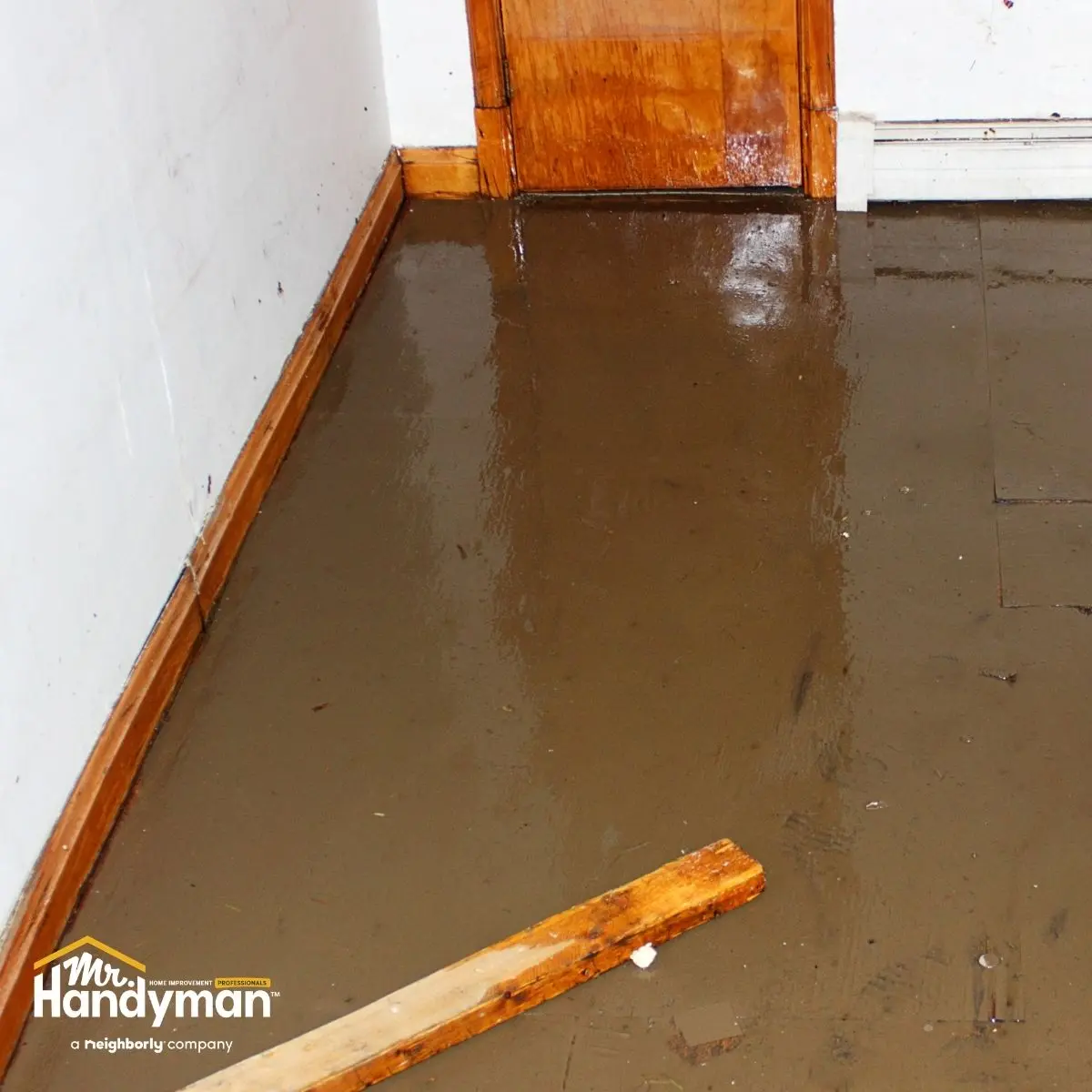
There is a piece of equipment sitting in a pit in your basement that most homeowners never think about until the moment it matters most. The sump pump is not glamorous. It does not improve the appearance of your home or add to a conversation at dinner. But when spring rains arrive and groundwater begins rising beneath your foundation, it is the only thing standing between a dry basement and thousands of dollars in water damage.
The problem is that sump pumps are easy to ignore precisely because they work quietly and out of sight. A pump that was installed eight years ago and has never caused a problem feels like a reliable one. In reality, sump pumps have a service life of seven to ten years under normal conditions, and a pump that has never been tested or inspected outside of the times it has actually run may be one heavy rain away from failing when you need it most.
Spring in the Eastern Panhandle of West Virginia and across Montgomery County, Maryland brings sustained rainfall, rapid snowmelt, and saturated soil conditions that put maximum demand on residential drainage systems. This is not the time to discover your sump pump has a mechanical problem. That discovery should happen in February or early March, before the first significant rain event of the season, when there is still time to repair or replace the unit without any pressure.
This guide explains how sump pumps work, what causes them to fail, what a proper inspection involves, and why homeowners in this region specifically cannot afford to skip this step.
How a Sump Pump Actually Works and Why It Matters
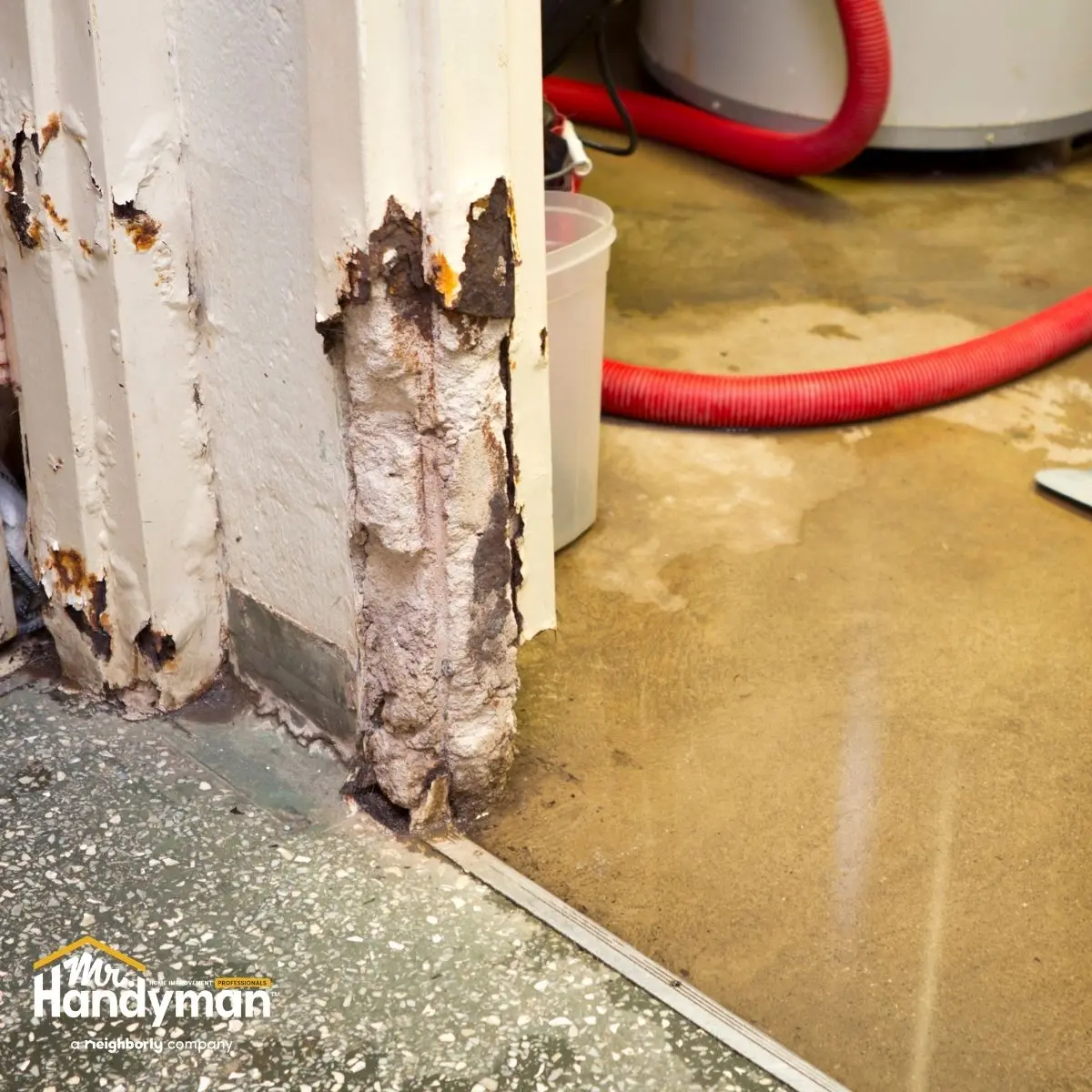
Understanding what a sump pump does makes it easier to understand what can go wrong and why regular inspection is not optional maintenance but essential protection.
A sump pump sits inside a pit, called a sump basin, that is dug into the lowest point of your basement floor or crawl space. As groundwater rises around the foundation, it flows into the basin through gravel, perforated pipes, or simply through the soil. When the water in the basin reaches a set level, a float switch triggers the pump motor, which draws the water up through a discharge pipe and moves it away from the home, typically to a dry well, storm drain, or a point in the yard far enough from the foundation that it will not re-enter the soil immediately.
The system is simple in concept but depends on every component functioning correctly at the same time. The float switch must trigger at the right water level. The motor must start without hesitation. The impeller inside the pump must move water efficiently. The discharge line must be clear and properly directed. The check valve on the discharge line must prevent water from flowing back into the pit after the pump shuts off. If any one of these components fails, the pump either does not start, does not move water fast enough, or cycles on and off repeatedly without making progress against a rising water level.
In homes throughout Martinsburg, Charles Town, Inwood, Rockville, Bethesda, and Silver Spring, basements are common and foundational drainage is a genuine seasonal concern. Many of these homes sit in areas with clay-heavy soil that does not absorb rainfall quickly, meaning surface water and groundwater both rise faster during heavy rain events than they would in sandier conditions. A functioning sump pump in these conditions is not a luxury feature. It is a structural necessity.
What Causes Sump Pumps to Fail
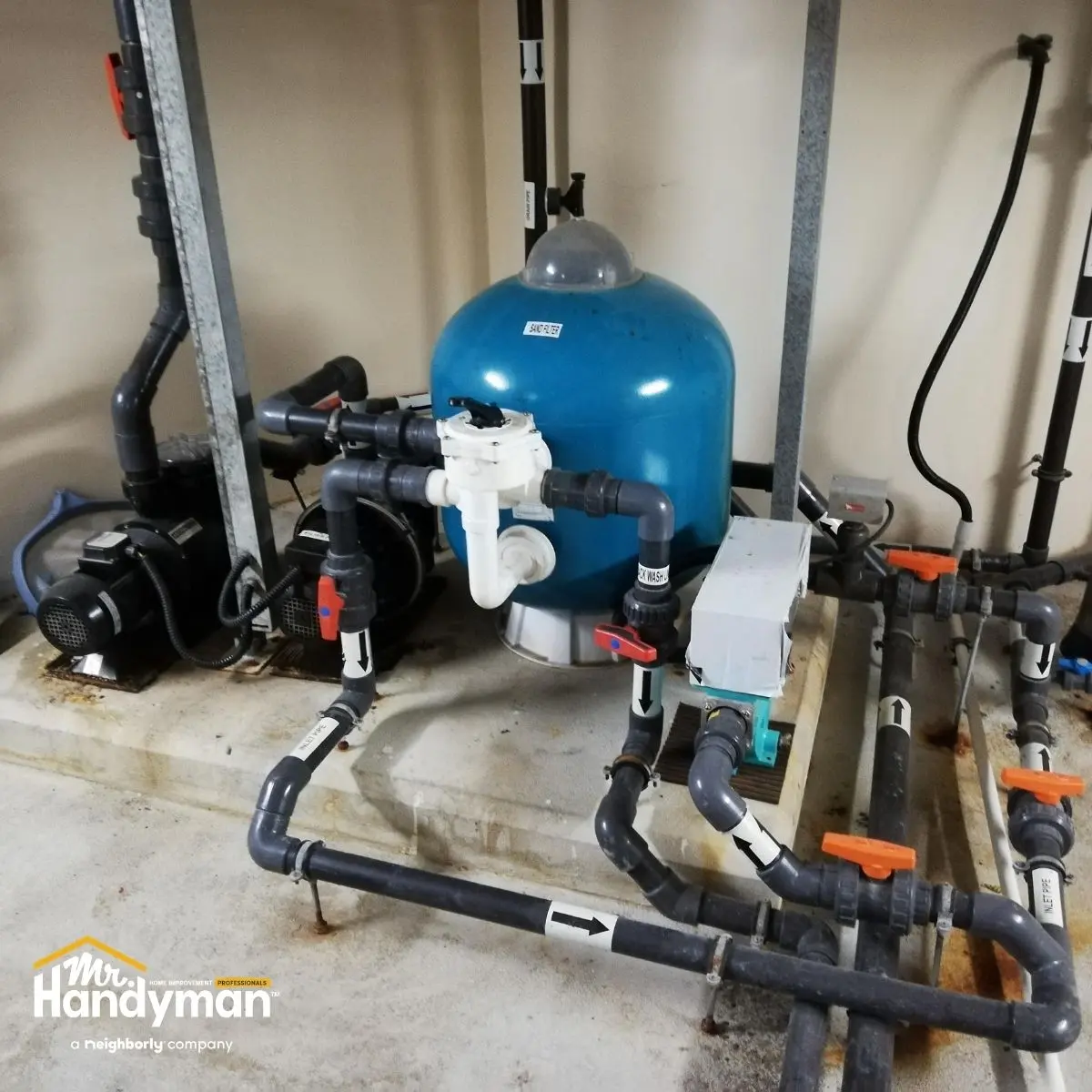
Sump pump failures follow predictable patterns, and most of them are preventable with inspection and maintenance. Knowing the failure modes helps homeowners understand exactly what they are looking for and why each check matters.
Age and Mechanical Wear
The average residential sump pump is rated for seven to ten years of service life. That estimate assumes normal usage, meaning the pump runs during rain events and sits dormant between them. In areas with high water tables or homes where the pump runs frequently even in dry conditions, the service life is shorter. A pump that is approaching or past this threshold should be considered a replacement candidate regardless of whether it has shown obvious symptoms, because the internal components, particularly the motor bearings and impeller, degrade with use and age in ways that are not visible from the outside.
Float Switch Problems
The float switch is the trigger mechanism that tells the pump to turn on. It is the single most common point of failure in residential sump pumps. Float switches can become tangled against the side of the pit, stuck in debris that has accumulated at the bottom of the basin, or simply fail mechanically over time. A float switch that is stuck in the off position means the pump never activates regardless of how high the water rises. A float switch stuck in the on position means the pump runs continuously, burning out the motor long before any rain event arrives.
Clogged or Frozen Discharge Lines
The discharge line carries water from the pump to its exit point outside the home. In winter, this line can freeze, particularly where it exits the foundation and runs along an exterior wall or across a yard. A frozen discharge line leaves the pump with nowhere to send water, and the pump either runs against a closed line until it overheats or the circuit breaker trips. In spring, debris carried by melting snow and early rain can also partially block the discharge line, reducing the pump's effective capacity exactly when full capacity is needed most.
Power Failure During Storm Events
Sump pumps run on household electricity, and the storms that produce the heaviest rainfall are also the storms most likely to cause power outages. A pump that has no battery backup or water-powered backup system goes completely offline the moment power is lost, leaving the basin to fill uncontrolled. This is one of the most common causes of basement flooding during spring storm events, and it is entirely preventable with a backup system installed before the season begins.
Improper Sizing
A sump pump that was correctly sized for conditions ten years ago may no longer be adequate if the drainage situation around the home has changed. Landscaping additions, changes to neighboring properties, new paved surfaces nearby, or simply the natural settling and changes in soil composition over time can all increase the volume of water that reaches the sump basin during a heavy rain event. A pump that struggles to keep up is not failing in the traditional sense, but it is not providing adequate protection either.
What a Proper Sump Pump Inspection Actually Involves
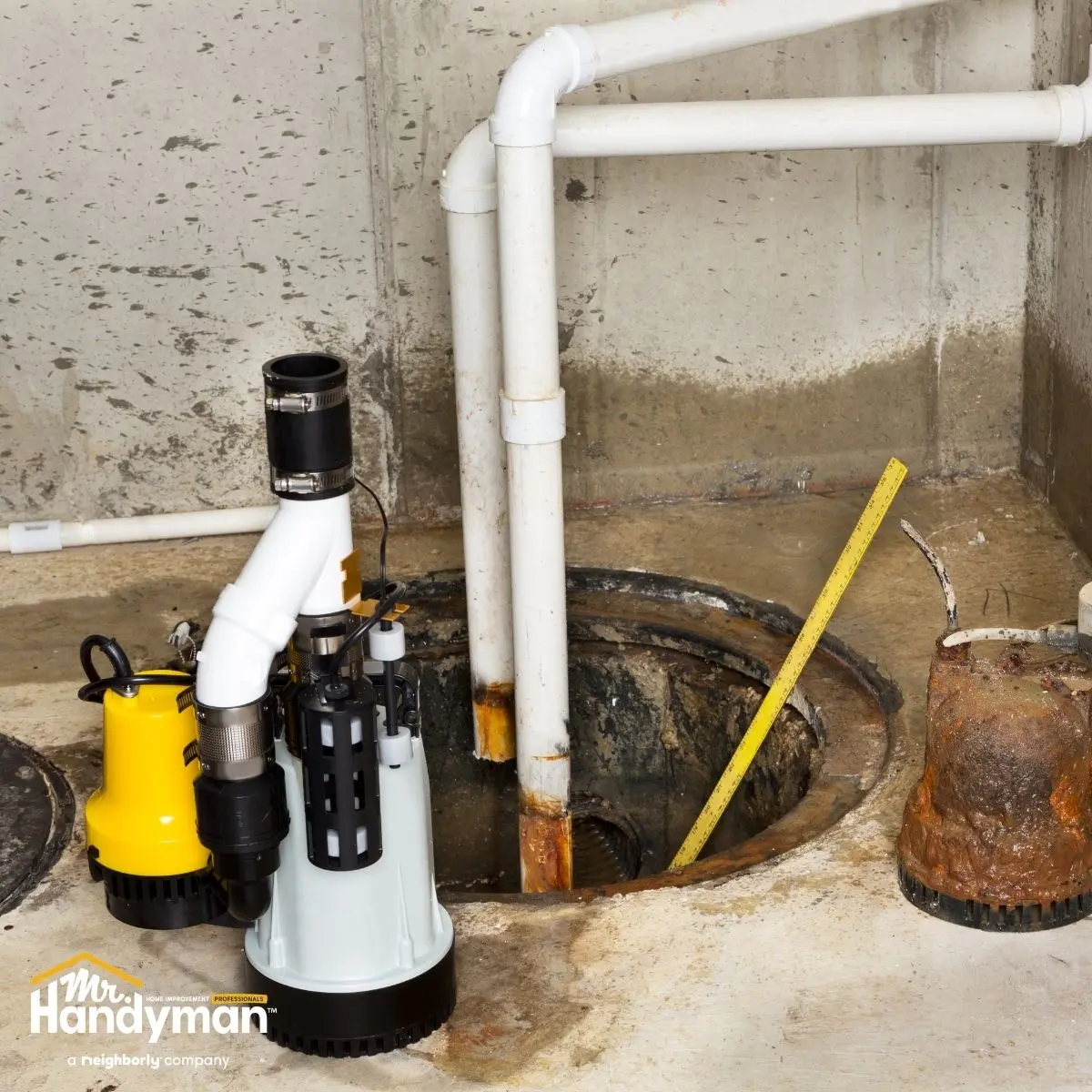
Knowing that your sump pump needs to be inspected before spring and knowing what that inspection actually covers are two different things. A genuine pre-season inspection goes beyond glancing into the pit and confirming the pump is still there. It tests each component under realistic conditions and evaluates the full system from the basin to the discharge point outside the home.
Testing the Float Switch and Pump Activation
The most direct way to test a sump pump is to pour water into the basin slowly until the float rises and the pump activates on its own. Do not simply lift the float by hand and listen for the motor. That confirms the motor runs but does not confirm the float switch is positioned correctly, triggering at the right water level, or moving freely within the basin. Filling the pit with water replicates actual operating conditions and reveals float switches that are tangled, positioned too high, or triggering too late to be effective.
Watch the pump cycle completely. It should activate cleanly, move the water down efficiently, and shut off without hesitation once the basin is clear. A pump that hums before starting, hesitates, or takes significantly longer than previous years to clear the same volume of water is showing early signs of motor or impeller wear.
Inspecting the Discharge Line
Once the pump has cycled, go outside and confirm water is exiting the discharge point actively and with reasonable force. A discharge line that produces a weak trickle when the pump is running at full capacity either has a partial blockage somewhere along its length or a check valve that is not opening fully. Confirm that the discharge point directs water at least ten feet from the foundation and that the exit point has not been buried by soil settlement, mulch, or debris over winter.
Check where the discharge line exits the foundation for any cracks in the wall around the penetration point, and confirm the line itself shows no visible cracking or separation. Lines that run along unheated exterior walls are particularly vulnerable to freeze damage and should be checked carefully at every joint and fitting.
Checking the Check Valve
The check valve on the discharge line prevents water from flowing back into the basin after the pump shuts off. A failed check valve allows water to drain back into the pit immediately after each pump cycle, causing the pump to run far more frequently than necessary and accelerating motor wear. If you notice the pump activating repeatedly within minutes of shutting off during a test cycle, a failed check valve is the most likely cause.
Evaluating the Basin Itself
Look into the sump basin and check for debris accumulation at the bottom. Gravel, silt, and sediment collect in the basin over time and can interfere with the float switch and the pump intake. A basin that has significant debris buildup should be cleaned before the pump is relied upon for the season. Also confirm that the basin cover, if present, is intact and seated properly. An uncovered or poorly sealed basin allows humidity to escape into the basement and can allow small animals or debris to enter and cause problems.
Battery Backup Systems: The Protection Most Homeowners Skip
A sump pump that functions perfectly under normal conditions provides no protection the moment power goes out. In this region, the storms that produce the most significant rainfall are also the storms most likely to knock out power for hours or even days. Without a backup system, a flooded basement during a spring storm is not a question of if but when.
Battery backup sump pumps install alongside the primary pump and activate automatically when the primary pump loses power or is overwhelmed by water volume. Modern battery backup systems use sealed lead-acid or lithium batteries that maintain a charge for extended periods and provide enough pumping capacity to handle typical storm events even through a prolonged outage. The battery should be tested as part of the pre-season inspection, and any battery that is more than three years old should be evaluated for replacement, as backup batteries lose capacity gradually and may not deliver full runtime when the situation demands it.
Water-powered backup systems are an alternative for homes with sufficient municipal water pressure. These systems use the Venturi effect to draw water out of the basin using the pressure of the household water supply, requiring no electricity at all. They are less common but highly reliable and worth considering in homes where power outages during storms are a recurring issue.
Homes in This Region Face Specific Drainage Challenges
The combination of geography, soil composition, and housing age across the Eastern Panhandle of West Virginia and Montgomery County, Maryland creates drainage conditions that make sump pump reliability more critical here than in many other parts of the country.
Much of the soil in and around Martinsburg, Charles Town, and the Montgomery County communities sits over clay-heavy substrates that drain slowly. When spring rain falls on already saturated ground, water has nowhere to go quickly. It pools at the surface, migrates laterally through the soil, and builds pressure against foundation walls and beneath basement floors. Homes with active waterproofing systems depend on their sump pumps to manage that pressure continuously during extended rain events, not just in short bursts.
Older homes in Shepherdstown, Harpers Ferry, Rockville, and Chevy Chase were often built before modern drainage standards required positive grading away from foundations or proper sump systems at all. Many of these homes had sump pits added later as a response to observed water intrusion rather than as part of original construction. The installations vary in quality, and the pumps in these retrofitted systems are often older, undersized, or connected to discharge lines that were routed for convenience rather than optimal drainage.
If your home has a finished basement, the stakes are even higher. Water intrusion into a finished basement does not just mean a wet concrete floor. It means damaged drywall, ruined flooring, compromised insulation, and potential mold development behind finished surfaces that can go undetected for weeks. The cost of restoring a finished basement after a flooding event can easily reach five figures, a number that makes the cost of a sump pump inspection and any necessary repairs look very modest in comparison.
Frequently Asked Questions
How often should a sump pump be inspected?
A sump pump should be tested at minimum twice per year, once before spring rain season and once before winter. The pre-spring inspection is the most critical because it precedes the period of highest demand. Beyond these scheduled checks, the pump should be tested after any extended period of dry weather during which it has not run naturally, as motors that sit idle for months can develop issues that only become apparent when they are needed.
What are the signs that a sump pump is failing before it stops working entirely?
The most common early warning signs are unusual noise during operation, such as grinding, rattling, or a labored motor sound. A pump that runs longer than usual to clear the same volume of water, one that cycles on and off rapidly, or one that vibrates more than it used to are all showing signs of wear. Visible rust on the pump body or discoloration of the water in the basin can also indicate internal corrosion.
Should I replace my sump pump even if it still seems to be working?
If the pump is approaching or past ten years old, replacement before failure is strongly worth considering. A pump that fails during a storm cannot be replaced until the storm passes and a technician is available, which may be hours or days into an active flooding situation. Proactive replacement on a schedule eliminates that risk entirely.
How far should the discharge line extend from the foundation?
The discharge point should direct water at least ten feet from the foundation, and ideally further if the yard grade allows it. The goal is to ensure that discharged water does not immediately re-enter the soil near the foundation and find its way back into the basin. Discharge lines that terminate too close to the house simply recirculate the same water repeatedly, keeping the pump running constantly without actually reducing the water level around the foundation.
Do I need a backup sump pump if my primary pump is new?
Yes. The reason for a backup system is not the age or condition of the primary pump. It is the reality that power outages occur during the same storms that demand the most from the pump. A new primary pump provides no protection during a power outage without a backup system in place.
Can a handyman service a sump pump, or does it require a specialized plumber?
Sump pump testing, inspection, discharge line checks, basin cleaning, and pump replacement are all within the scope of experienced handyman services. For issues involving the perimeter drainage system, interior waterproofing channels, or foundation wall repairs, a specialist may be needed, but the pump itself and all connected components are standard handyman work.
Do Not Wait for the Rain to Find Out If Your Pump Works
The only test that truly matters for a sump pump is whether it works when groundwater is rising and rain is still falling. By that point, testing it is no longer an option. The inspection has to happen before the season arrives, while there is still time to address anything that needs attention without urgency driving the decision.
Mr. Handyman technicians inspect, test, and service sump pumps throughout the Eastern Panhandle and Montgomery County, addressing float switch issues, discharge line problems, basin cleaning, backup system evaluation, and full pump replacement when the unit has reached the end of its reliable service life.
Mr. Handyman of Martinsburg and Charles Town
Mr. Handyman of Northern Montgomery County
Mr. Handyman of South Montgomery County
Call before spring rains arrive. A sump pump inspection is a small investment of time that protects everything you have stored, finished, and built in your basement from the one season that tests it hardest.