Winter in the Eastern Panhandle brings cold mornings, frost-covered rooftops, biting winds off the mountains, and temperatures that often dip below freezing. Homeowners in Martinsburg, Charles Town, Ranson, Inwood, Falling Waters, Shepherdstown, and surrounding communities experience a very different winter climate compared to the South or coastal states. Here, winter preparation is not optional—it’s essential for comfort, safety, and efficient heating throughout the coldest months of the year.
When temperatures fall into the low 20s and teens, furnaces work harder, fireplaces become daily sources of warmth, and older homes—common in Jefferson and Berkeley Counties—struggle with drafts, insufficient insulation, aging chimneys, and historical construction features that make heating more challenging. Preparing the furnace and fireplace before the season hits ensures reliability, energy efficiency, and peace of mind for every homeowner.
This section explains why winter preparation is critical in Martinsburg and Charles Town, which areas of the home require seasonal attention, how freezing temperatures affect heating systems, and what homeowners gain by preparing early.
Why Winter Preparation Matters in Martinsburg & Charles Town
The Eastern Panhandle experiences true winter conditions, including:
- Freezing temperatures
- Snowfall
- Ice accumulation
- Strong winds
- Dry air
- Extended heater usage
These conditions place continuous demand on furnaces, heat pumps, chimneys, and fireplaces.
1. Heating Systems Run Hard for Months
Unlike mild climates, heating systems in West Virginia work daily from late fall through early spring. Furnaces and heat pumps endure:
- Long run times
- Increased energy usage
- Greater mechanical strain
- More frequent cycling
- Long periods of high heat output
Without proper preparation, systems become prone to breakdowns during their heaviest usage period.
2. Freezing Temperatures Create High-Stakes Heating Needs
When temperatures reach freezing levels, unprepared systems can experience:
- Difficulty starting
- Weak airflow
- Short-cycling
- Overheating caused by dirty burners
- Stress on blower motors
- Heat pump performance drops
In these conditions, a reliable furnace becomes essential—not just for comfort, but for safety.
3. Snow, Ice & Moisture Affect Home Heating Components
Snow and ice contribute to:
- Moisture buildup around outdoor heat pumps
- Blocked furnace exhaust pipes
- Frozen exterior vents
- Chimney moisture that leads to cracking or spalling
- Ice accumulation around intake and exhaust lines
Winter preparation resolves many of these risks before they escalate.
4. Fireplaces Become Daily Comfort Sources Many Eastern Panhandle homes include:
- Wood-burning fireplaces
- Gas log inserts
- Pellet stoves
- Historic brick fireplaces
- Wood stoves used for primary heating
These systems require detailed seasonal checks to avoid chimney fires, smoke issues, and carbon monoxide hazards.
5. Older Homes Are Especially Vulnerable
Historic and older homes in Charles Town, Shepherdstown, and Martinsburg often feature:
- Aging chimneys
- Outdated flue systems
- Drafty windows
- Thin insulation
- Older furnaces
- Brickwork prone to winter damage
These properties require more thorough preparation to stay safe and energy-efficient.
Areas of the Home That Require Winter Preparation
Because West Virginia winters are severe, homeowners must prepare multiple systems throughout the home.
1. Furnaces (Gas, Oil, & Electric)
Furnaces are the primary heating source in the region. Winter preparation for furnaces includes:
- Burner inspection and cleaning
- Heat exchanger evaluation
- Flame sensor checks
- Blower motor lubrication
- Airflow assessment
- Safety switch testing
- Filter replacement
- Gas line inspection
These steps prevent mid-winter breakdowns and ensure consistent heat output.
2. Heat Pumps
In colder climates, heat pumps require additional preparation because they become less efficient below certain temperatures.
Winter prep includes:
- Clearing outdoor coils
- Checking refrigerant levels
- Testing defrost cycles
- Ensuring emergency heat mode works
- Removing debris around units
- Inspecting wiring exposed to cold
A well-prepared heat pump remains dependable even in freezing weather.
3. Wood-Burning Fireplaces & Stoves
Many homeowners rely on wood heat throughout winter.
Seasonal preparation includes:
- Chimney inspection
- Creosote removal
- Firebox cleaning
- Damper evaluation
- Checking for cracks in masonry
- Ensuring proper draft
Wood fireplaces pose the highest risk of winter home fires without preparation.
4. Gas Fireplaces & Inserts
Gas fireplaces provide convenience but still need careful inspection. Preparation includes:
- Pilot light checks
- Cleaning burners
- Testing ignition systems
- Verifying venting pathways
- Inspecting gas lines
- Checking flame height and color
Gas fireplaces must be inspected annually to ensure safe operation.
5. Insulation & Draft Control
Proper insulation is essential in colder climates.
Winter preparation includes:
- Sealing drafts around windows
- Adding weatherstripping to exterior doors
- Insulating attic entrances
- Checking basement-to-main-floor air leakage
- Fixing gaps around chimney structures
These upgrades significantly improve heating efficiency.
6. Exhaust & Intake Vent Checks
Freezing conditions can block vents, leading to dangerous fumes entering the home. Preparation ensures all vents are:
- Clear of debris
- Snow-free
- Unblocked by vegetation
- Properly sealed
This is essential for both furnaces and gas fireplaces.
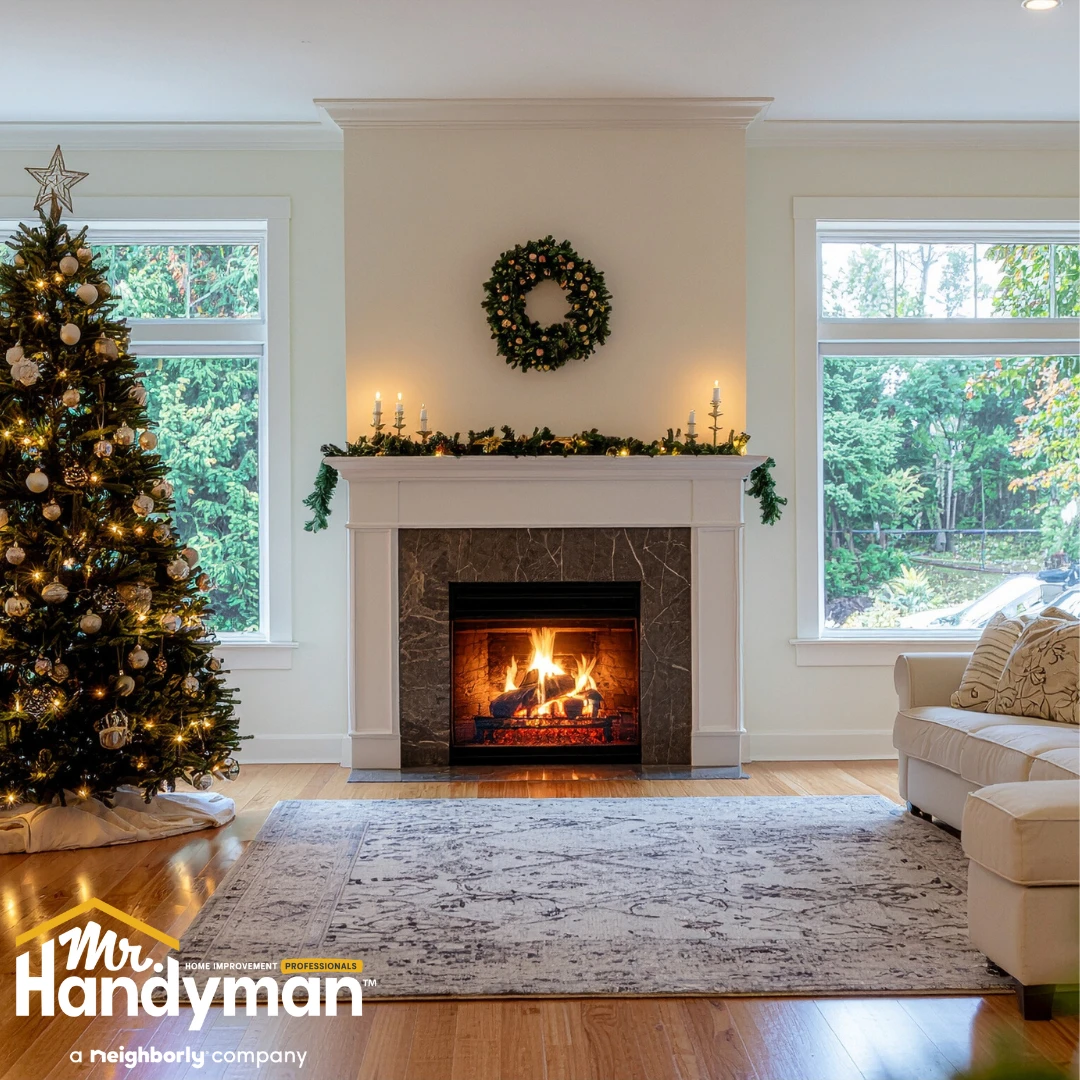
Fireplace Preparation for Martinsburg & Charles Town Homes
Fireplaces here are true workhorses—not just decorative.
1. Chimney Cleaning & Creosote Removal
Creosote is highly flammable. Winter preparation removes buildup to reduce chimney fire risk.
2. Masonry & Flue Inspection
Low temperatures and moisture can deteriorate chimney structures. Preparation catches:
- Cracks
- Spalling
- Mortar damage
- Brick loosening
These structural issues must be addressed before heavy winter use.
3. Draft Control & Smoke Prevention
Cold air can settle inside chimneys and cause smoke to re-enter the home. Seasonal checks include:
- Testing airflow
- Ensuring dampers seal properly
- Checking for obstructions
This prevents smoke damage and improves fire performance.
Comfort Improvements After Winter Preparation
Homes feel warmer, cleaner, and more energy-efficient when prepared properly.
1. More Even Heating Throughout the Home
Older homes often lose heat quickly. Preparation helps maintain consistent temperatures.
2. Lower Utility Bills
Efficient furnaces and sealed drafts reduce monthly heating costs.
3. Stronger, Cleaner Airflow
Clean filters, blowers, and ducts produce healthier indoor air.
4. Improved Safety Throughout Winter
Prepared systems reduce risks of:
- Carbon monoxide leaks
- Chimney fires
- Furnace overheating
- Gas leaks
Safety is one of the biggest benefits of winter preparation.
Why Professional Winter Preparation Matters in West Virginia
Harsh winters demand professional care. DIY checks cannot match:
- System diagnostics
- Safety testing
- Chimney inspection
- Burner calibration
- Structural fireplace evaluation
Professionals ensure the home is fully ready for months of heavy usage.
Once a home in Martinsburg, Charles Town, Ranson, Inwood, Shepherdstown, Falling Waters, and the broader Eastern Panhandle has been professionally prepared for winter, the benefits extend far beyond comfort alone. Proper furnace and fireplace preparation creates safer living conditions, greater energy efficiency, reduced repair risks, improved heat distribution, and a more dependable home environment during the months when weather becomes the most unpredictable.
Section 2 explains the real-world improvements homeowners experience after winter preparation is complete, how the season-ready approach helps homes withstand the harsh winters of West Virginia, why preparation reduces long-term repair costs, and how well-maintained heating systems create a safer and more reliable home throughout the cold season.
What Homeowners Experience After Their Home Is Fully Winter-Ready
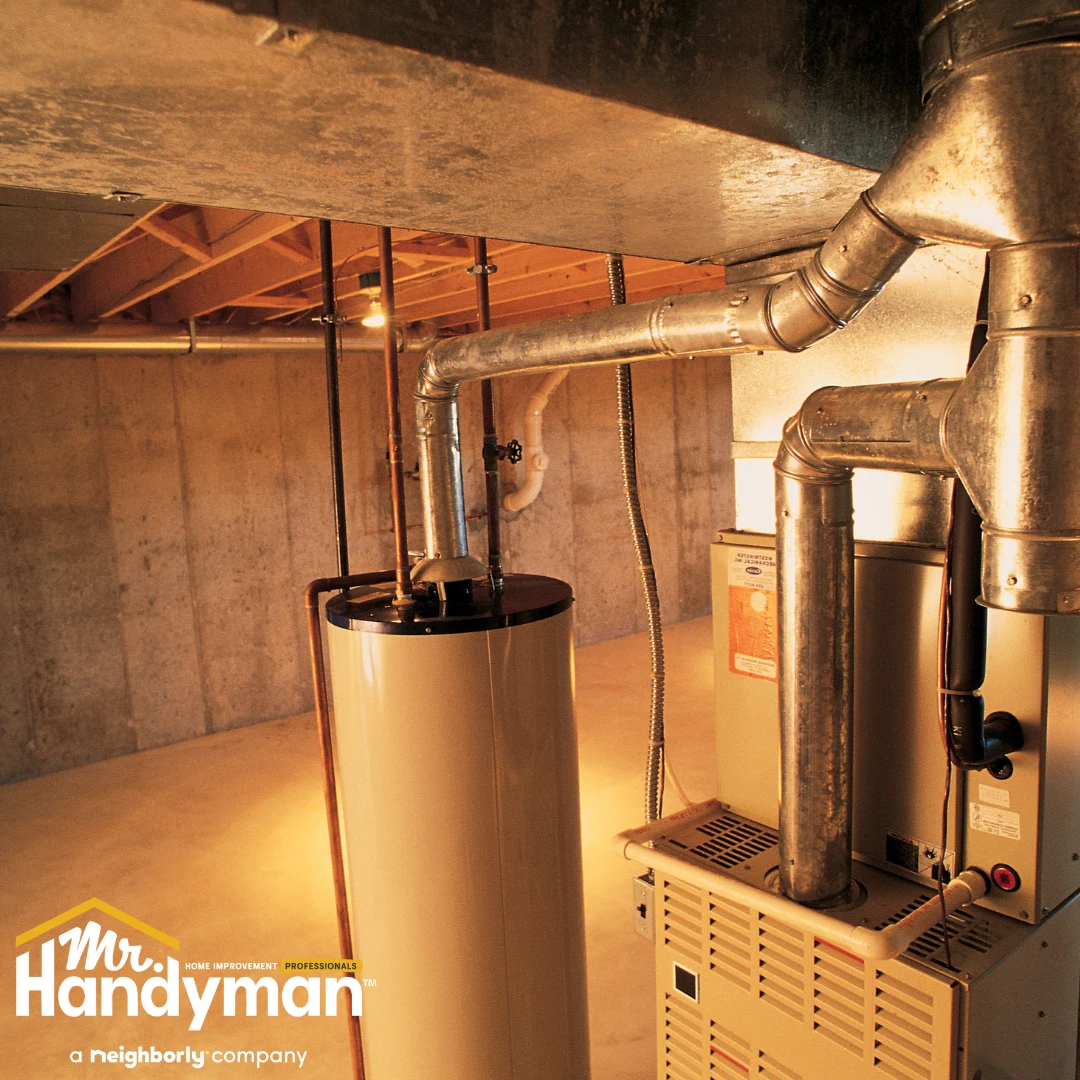
Homeowners notice immediate improvements the moment the furnace or fireplace is prepared for winter. Unlike milder climates, West Virginia heating systems must perform consistently under freezing conditions. Winter preparation ensures they do.
1. Faster, More Reliable Heat Output During Freezing Temperatures
When the Eastern Panhandle experiences its frequent cold spells, prepared systems respond quickly, because:
- Furnaces ignite efficiently and smoothly
- Burners burn cleanly without hesitation
- Thermostat communication improves
- Blower motors start up faster
- Heat pumps, if used, switch modes without strain
- Heating elements activate at full strength
Unprepared systems often require several minutes—or longer—to generate enough warm airflow. Clean, calibrated, and serviced systems make the difference between walking into a chilly morning or stepping into a reliably warm home.
2. More Even Heat Distribution Throughout the Entire Home
Homes in Martinsburg and Charles Town often vary widely in age and construction style. Some have older duct layouts, while others include newer additions or remodeled rooms with inconsistent insulation. Winter preparation helps resolve temperature imbalances, resulting in:
- Fewer cold zones
- Better airflow to rooms far from the furnace
- Stronger air delivery to upper floors
- Consistent temperature between rooms
- Reduced drafts, especially in older structures
- Improved circulation through larger floorplans
This matters especially for multi-story homes in Ranson, split-level homes in Inwood, and historic properties in Shepherdstown, which often struggle with cold spots.
3. Lower Monthly Heating Costs During Peak Winter Months
Heating bills can rise significantly when:
- Burners are dirty
- Filters are clogged
- Heat exchangers are obstructed
- Furnaces short-cycle
- Blowers struggle to move air
- Gas valves underperform
- Heat pumps fail to defrost properly
Winter preparation eliminates these inefficiencies by ensuring every component is clean, lubricated, calibrated, properly connected, and functioning within its correct range.
Prepared systems run more efficiently, meaning they use less energy to maintain the same temperature—critical during long periods of freezing temperatures.
4. Improved Indoor Air Quality Throughout Winter
Indoor air quality often worsens during colder months because homes are sealed tightly to retain heat. When the furnace is winter-ready:
- Air filters are clean
- Blower motors circulate less dust
- Duct airflow improves
- Moisture intrusion is reduced
- Odors from furnace ignition are minimized
- Smoke and soot from fireplaces stay properly vented
Homes feel fresher, and residents breathe easier—especially important for older adults, children, and those with allergies or asthma.
5. No Burning Smells, Soot Odors, or Smoke Problems
Unprepared systems commonly create unpleasant odors the first time they turn on. Winter readiness prevents:
- Dust-burning smells
- Soot intrusion
- Gas odor from weak pilot systems
- Smoke backing up into the home
- Musty air from moisture buildup
- Odors caused by clogged burners
These issues are especially common in older homes or homes with aging chimneys. Winter preparation eliminates them before peak usage begins.
Fireplace Improvements After Winter Preparation
Fireplaces are heavily relied upon in the Eastern Panhandle, especially during freezing nights. Winter preparation makes them safer, cleaner, and more efficient.
1. Cleaner, More Efficient Burns in Wood-Burning Fireplaces
After professional preparation, homeowners enjoy:
- Easier fire ignition
- Better flame stability
- Reduced smoke output
- Stronger draft up the chimney
- More complete wood combustion
- Less creosote accumulation during use
This results in fires that produce better warmth with fewer risks.
2. Improved Safety for Daily Fireplace Use
A winter-ready fireplace minimizes major hazards, including:
- Chimney fires
- Carbon monoxide intrusion
- Smoke entering the home
- Airflow blockage
- Flue malfunction
- Gas leaks in log-set systems
Because many Eastern Panhandle homes rely heavily on fireplaces, ensuring safe performance is essential.
3. Enhanced Aesthetic and Functional Performance for Gas Fireplaces
Gas fireplaces require annual preparation to maintain:
- Strong, even flame height
- Quick pilot ignition
- Stable flame appearance
- Clean-burning performance
- Proper ventilation
This ensures reliable comfort throughout the season—especially on nights when temperatures plummet into the teens.
4. Reduced Risk of Structural Chimney Damage Winter preparation identifies early signs of:
- Masonry cracking
- Mortar deterioration
- Water damage
- Flue obstruction
- Brick spalling caused by temperature changes
Fixing these issues early prevents expensive chimney repairs later.
Energy & Efficiency Improvements After Winter Preparation
A properly prepared home maintains comfortable heat levels using far less energy.
1. Reduced Furnace Strain During Constant Operation
When temperatures stay below freezing for days at a time, furnaces run continuously. Winter preparation prevents:
- Overheating
- Premature motor failure
- High energy consumption
- Stress on heat exchangers
- Gas pressure problems
This helps extend the furnace’s lifespan significantly.
2. Avoidance of Emergency Repairs During Peak Winter
Unprepared systems are far more likely to fail on the coldest nights—when repair demand is at its highest.
Winter-ready systems experience fewer:
- Ignition failures
- Blower breakdowns
- Flame sensor issues
- Overheating shutdowns
- Heat pump defrost malfunctions
This saves homeowners from expensive emergency service calls.
3. Better Performance Across Freezing Temperature Swings
The Eastern Panhandle often experiences rapid weather changes. Winter readiness ensures heating remains stable through:
- Cold snaps
- Snowstorms
- Ice events
- Overnight temperature dips
- Wind chill conditions
A prepared system handles these changes smoothly.
Safety Benefits of a Winter-Ready Home
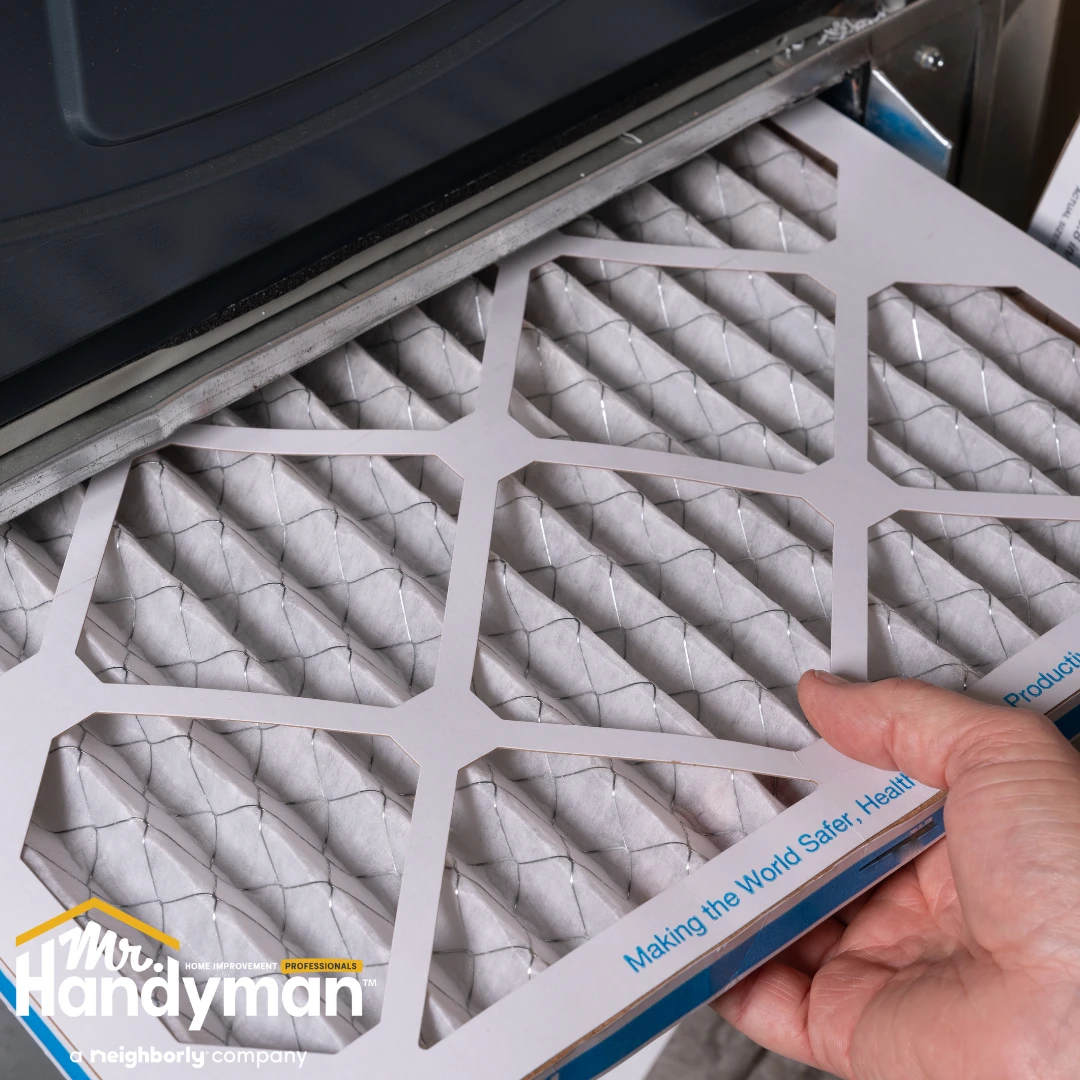
In Martinsburg and Charles Town, safety is a major concern during winter—especially in homes that rely on fireplaces or older heating systems.
1. Lower Risk of Carbon Monoxide Exposure Winter preparation includes:
- Exhaust checks
- Venting inspections
- Burner evaluation
- Sensor calibration
- Fireplace flue testing
Carbon monoxide risks drop significantly when systems are clean and properly ventilated.
2. Reduced Risk of Chimney Fires in Wood-Burning Fireplaces
Removing creosote and soot reduces the chance of chimney ignition—a major cause of winter home fires in the region.
3. Protection Against Gas Leaks in Gas Fireplaces Professional preparation includes:
- Gas line testing
- Pilot assessment
- Ignition system inspection
- Valve evaluation
This prevents dangerous leaks or malfunctioning flames.
4. Reduced Risk of Frozen or Burst Pipes Connected to Heating Components
Cold spells can freeze:
- Exterior HVAC lines
- Condensate drains
- Pipes near chimneys
- Lines surrounding crawlspaces
Winter preparation identifies vulnerable areas and ensures proper insulation.
Long-Term Protection of Heating Systems
Winter preparation is not just about surviving the current season—it also protects equipment for years to come.
1. Reduced Wear on Furnace Components
Clean burners, lubrication, tightened electrical connections, and calibrated sensors ensure the system ages more slowly.
2. Increased Heat Pump Longevity
Heat pumps in cold climates require regular winter service to avoid:
- Defrost failure
- Coil freezing
- Weak air output
- Reversing valve malfunction
Prepared systems last significantly longer.
3. Chimney Preservation in Historic & Older Homes
Older homes in Shepherdstown, downtown Martinsburg, and Charles Town often feature original fireplaces that require protection from winter conditions.
Winter preparation helps protect:
- Chimney liners
- Firebox structures
- Exterior masonry
- Historic brickwork
This avoids costly restoration later.
Why Professional Winter Preparation Matters in West Virginia
The Eastern Panhandle’s winter demands specialized knowledge of:
- Furnace mechanics
- Chimney structure
- Draft behavior
- Gas systems
- Heat pump winter performance
- Long-term cold-weather wear
Professionals ensure heating systems are safe, efficient, and dependable all season long.
Trusted Winter Preparation for Martinsburg & Charles Town Homeowners
Residents throughout Martinsburg, Charles Town, Shepherdstown, Inwood, Falling Waters, Ranson, and the greater Eastern Panhandle trust Mr. Handyman of Martinsburg and Charles Town for thorough, reliable winter readiness. From furnace tune-ups to fireplace preparation, we help homeowners stay safe, warm, and fully prepared for the coldest part of the year.
Schedule your winter preparation service today with Mr. Handyman of Martinsburg and Charles Town. Be ready for freezing temperatures with a safe, efficient home you can trust all winter long.
