Winter Safety Improvements Every Commercial Property Needs become critical as colder weather introduces new risks for businesses, employees, tenants, and customers. Snow, ice, reduced daylight, and heavier building use combine to increase the likelihood of accidents, property damage, and liability claims. Commercial properties that fail to address winter specific safety concerns often face higher repair costs, operational disruptions, and avoidable legal exposure.
At Mr. Handyman of Montgomery County and Martinsburg, winter related safety issues are one of the most common reasons for commercial service calls. Businesses throughout Rockville, Silver Spring, Bethesda, Gaithersburg, and Martinsburg experience similar challenges each winter. Proactively addressing safety improvements before problems arise helps protect people, reduce liability, and maintain uninterrupted operations.
Why Winter Creates Higher Safety Risks for Commercial Properties
Winter introduces hazards that are not present or are far less severe during other seasons. These risks affect both exterior and interior areas of commercial buildings.
Key winter related risk factors include:
- Wet and icy walking surfaces
- Increased foot traffic indoors
- Limited daylight and poor visibility
- Temperature related material stress
- Moisture intrusion from snow and ice
Commercial properties that do not adapt to these conditions quickly become unsafe environments.
Entryways and Walkways Require Immediate Attention
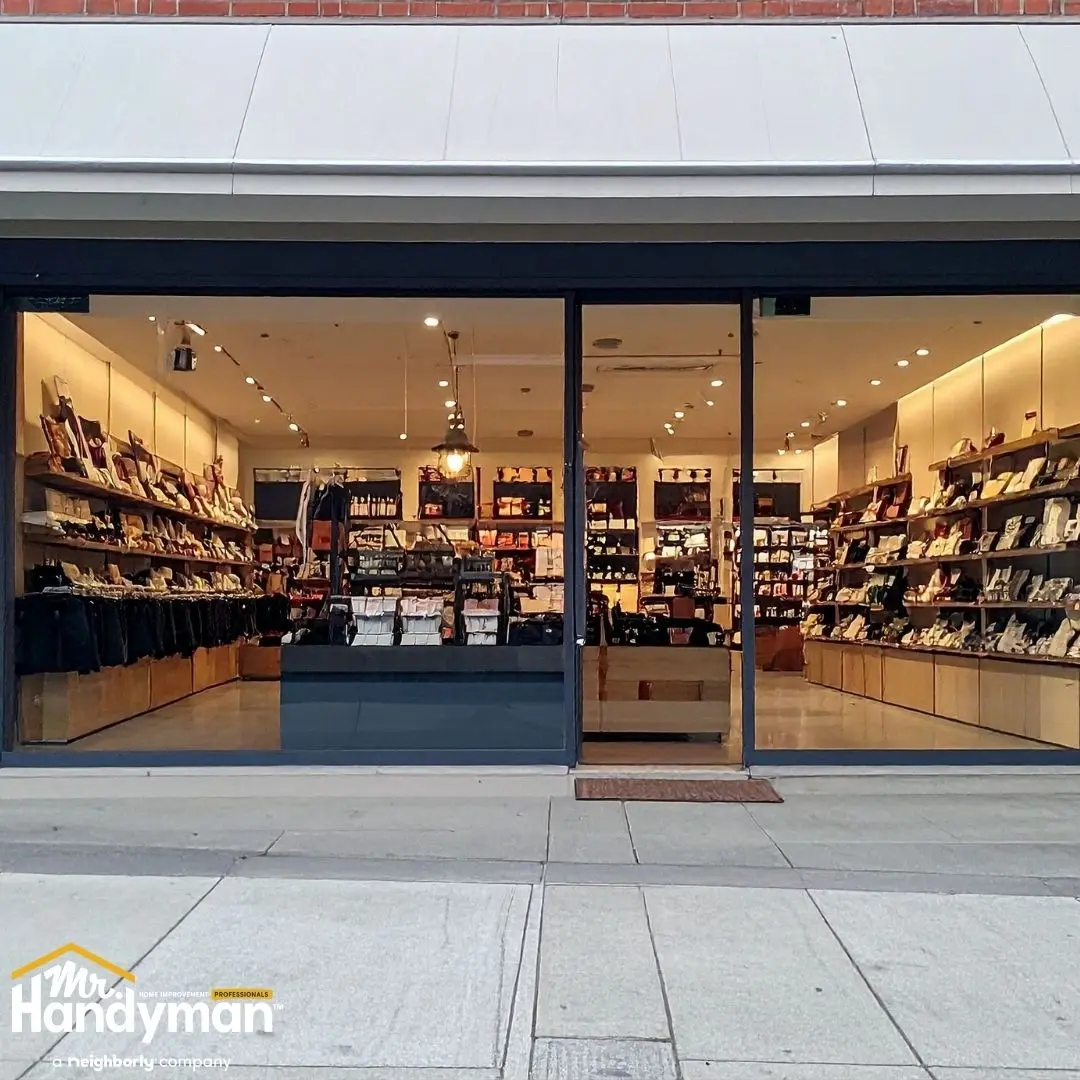
Entry points are the first and most critical areas to address when planning winter safety improvements. They experience constant traffic and direct exposure to winter conditions.
High Priority Entryway Safety Improvements
- Securing loose or damaged flooring
- Repairing uneven thresholds
- Installing or maintaining non slip mats
- Ensuring doors open and close properly
- Sealing drafts that allow moisture intrusion
Wet floors near entrances are one of the leading causes of slip and fall incidents. Proper maintenance here significantly reduces risk.
Flooring Safety Is a Major Liability Concern in Winter
Interior flooring becomes more hazardous in winter due to moisture tracked in from outside. Snow, slush, and salt accelerate wear and create slippery conditions.
Winter Flooring Safety Improvements
- Repairing cracked or lifting tiles
- Replacing worn carpet transitions
- Installing slip resistant flooring in high traffic areas
- Securing loose mats and runners
Even small flooring defects can become serious hazards when combined with winter moisture.
Stairwells and Handrails Must Be Secure and Visible
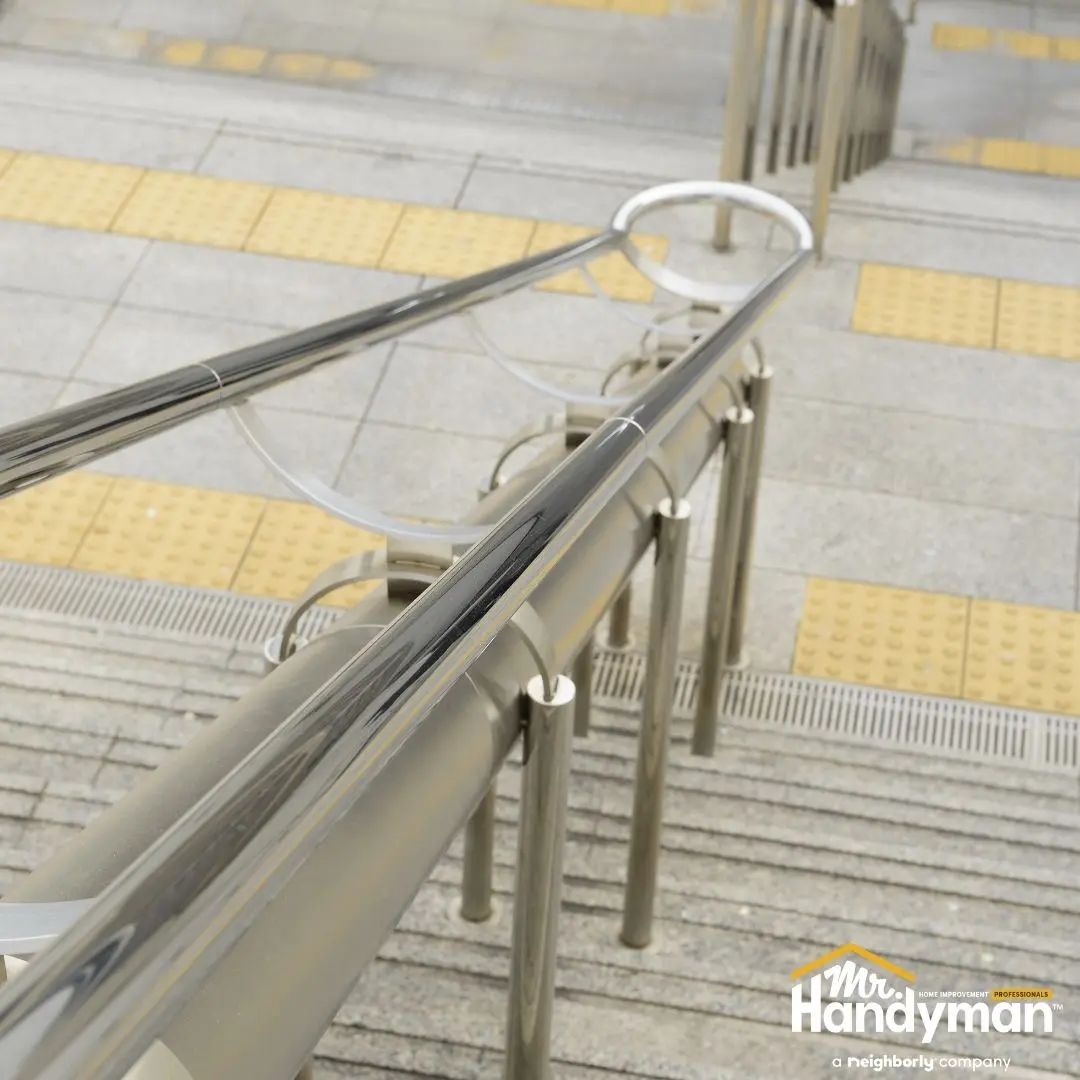
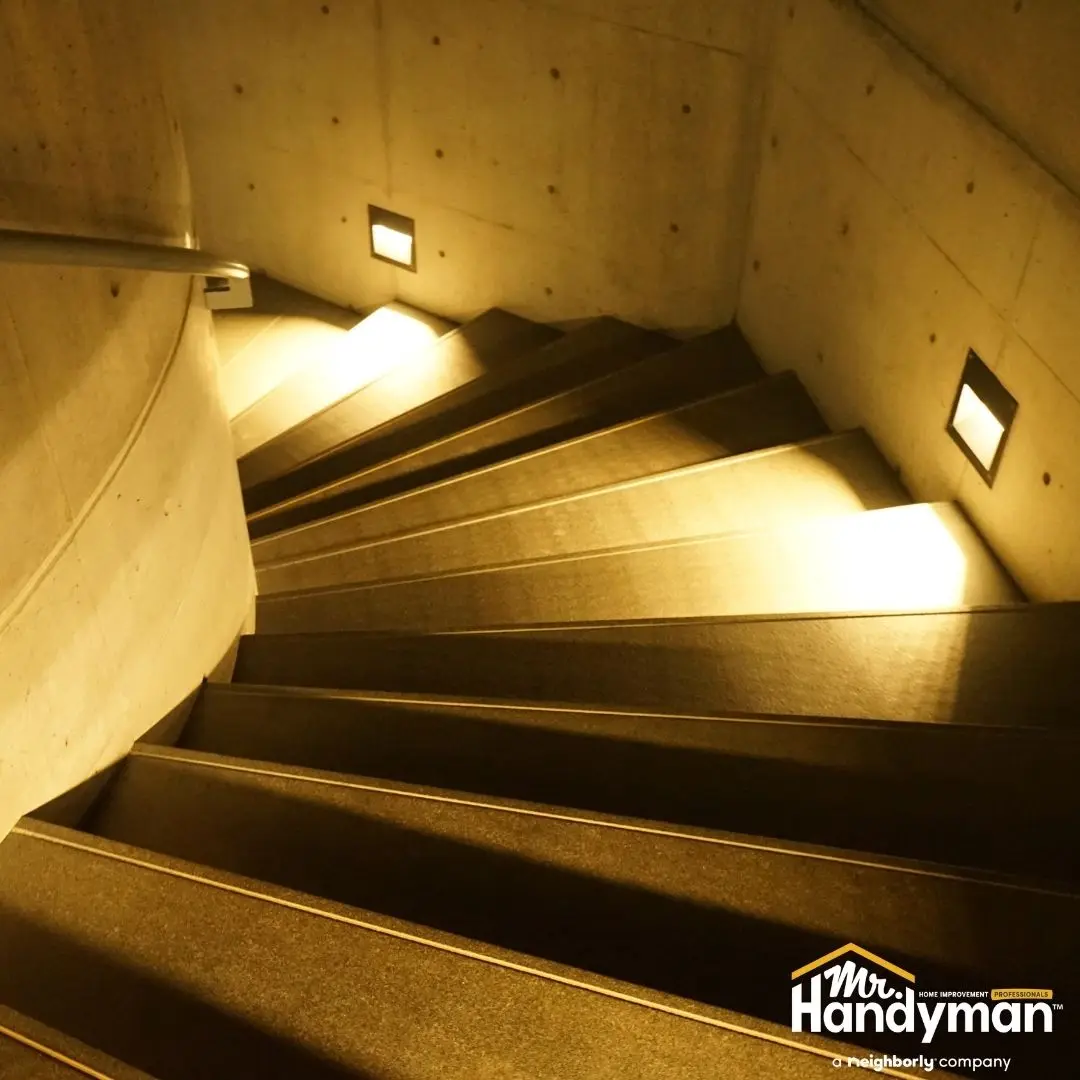
Stairways see increased use during winter as people move indoors more frequently. Poor lighting, loose handrails, or worn treads significantly increase accident risk.
Critical Stairway Safety Improvements
- Securing handrails and guardrails
- Repairing worn or damaged steps
- Improving lighting in stairwells
- Adding high visibility edge markings
Stair related incidents are among the most costly and dangerous winter accidents in commercial environments.
Lighting Improvements Are Essential During Shorter Days
Reduced daylight hours make lighting a major safety priority during winter. Poor visibility increases the risk of accidents, especially in transitional spaces.
Areas That Need Enhanced Winter Lighting
- Entryways and vestibules
- Stairwells and corridors
- Restrooms
- Storage and utility areas
- Parking garage access points
Replacing flickering fixtures and upgrading to brighter, energy efficient lighting improves safety and employee comfort.
Door and Hardware Function Directly Affect Safety
Commercial doors must function reliably year round, but winter conditions expose weaknesses quickly. Misaligned doors, failing closers, and malfunctioning hardware create safety and security risks.
Door Related Winter Safety Improvements
- Repairing doors that stick or drag
- Replacing failing closers
- Ensuring panic hardware operates smoothly
- Securing hinges and frames
Doors that do not close properly allow cold air and moisture inside, increasing interior hazards.
Restroom Safety Cannot Be Overlooked in Winter
Restrooms are high traffic, moisture heavy environments. Winter conditions make them even more hazardous due to wet clothing and footwear.
Restroom Safety Improvements for Winter
- Repairing leaking fixtures promptly
- Securing grab bars and accessories
- Improving ventilation to reduce condensation
- Addressing slippery flooring surfaces
Well maintained restrooms reduce slip hazards and support hygiene and comfort.
Back-of-House and Utility Areas Present Hidden Risks
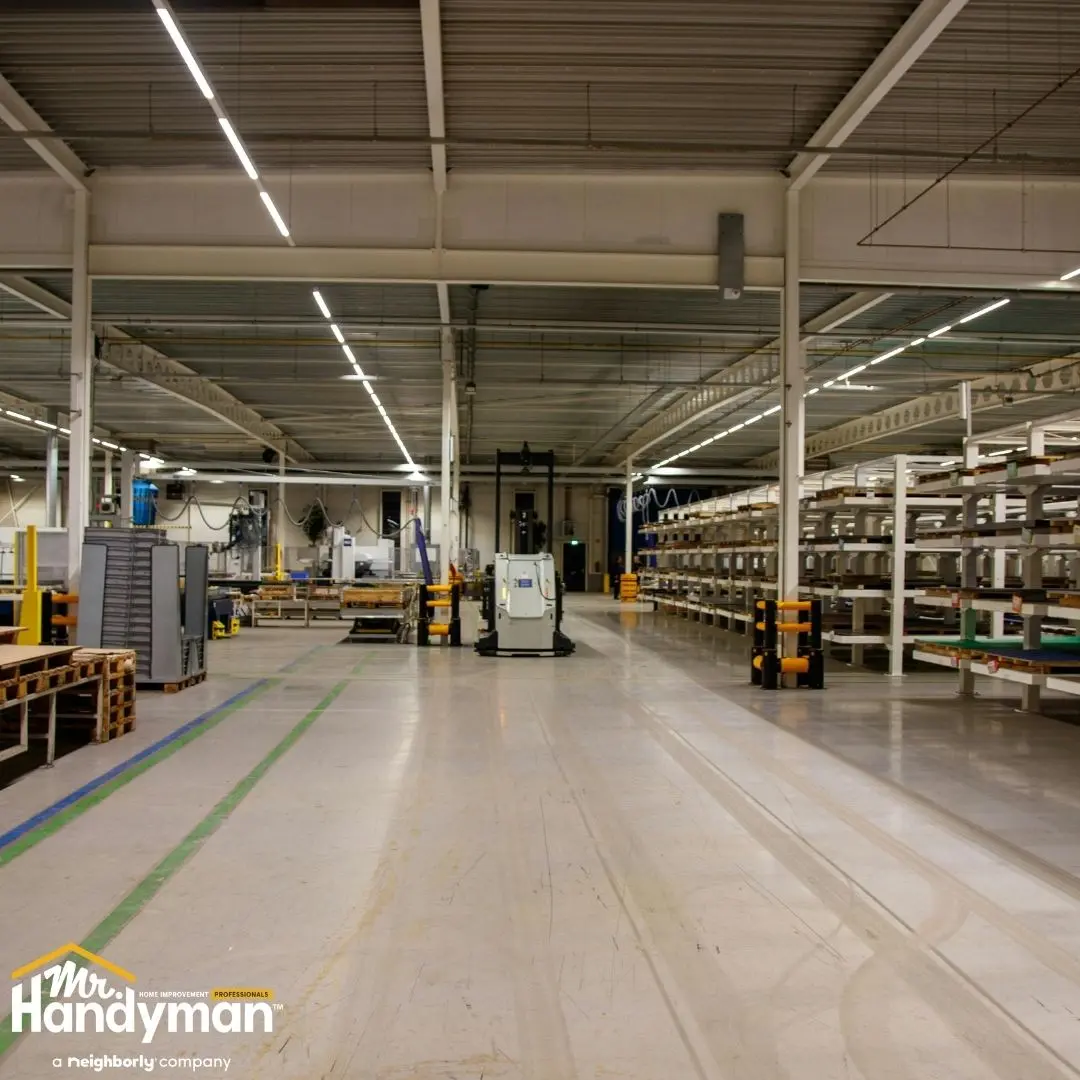
Many winter accidents occur outside of customer facing areas. Storage rooms, break rooms, and utility spaces often receive less attention but pose significant safety risks.
Safety Improvements for Support Areas
- Improving lighting in storage rooms
- Securing shelving and stored materials
- Clearing access to electrical panels and shutoffs
- Addressing moisture or leaks near equipment
Keeping these areas safe protects employees and reduces operational disruptions.
Moisture Control Is a Winter Safety Priority
Moisture is one of the most dangerous winter hazards. It contributes to slippery floors, mold growth, and structural deterioration.
Moisture Related Safety Improvements
- Sealing gaps around doors and windows
- Repairing damaged drywall or trim
- Addressing condensation issues
- Improving ventilation in problem areas
Controlling moisture improves safety and prevents long term damage.
Winter Safety Improvements Protect More Than People
Investing in winter safety improvements protects property, reputation, and financial stability. Accidents lead to claims, inspections, and increased insurance costs.
Winter safety improvements every commercial property needs are about prevention. Addressing hazards before they cause incidents is always more cost effective than reacting afterward.
Interior Safety Improvements That Reduce Winter Accidents
Once exterior risks are controlled, interior spaces become the next priority for winter safety. Cold weather drives more people indoors, increases moisture exposure, and places additional stress on building systems. Many winter related incidents occur inside commercial properties, often in areas that seem low risk during warmer months.
Winter safety improvements every commercial property needs must address how interior environments change during this season.
Managing Moisture Tracked Indoors
Snow, ice, and slush brought inside are among the most common causes of winter accidents. Moisture spreads quickly across flooring and often goes unnoticed until an incident occurs.
Interior Moisture Control Priorities
- Installing high quality absorbent entry mats
- Ensuring mats lay flat and remain secured
- Extending mat coverage beyond door swings
- Replacing saturated or worn mats promptly
Moisture control is not a one time fix. Mats must be monitored and maintained throughout winter weather events.
Floor Surface Transitions Require Extra Attention
Transitions between different flooring materials become more hazardous in winter. Changes from tile to carpet or from hard flooring to mats create uneven surfaces that are amplified by wet conditions.
Transition Safety Improvements
- Securing loose transition strips
- Repairing uneven floor edges
- Eliminating curled carpet seams
- Ensuring transitions are flush and visible
These small adjustments significantly reduce trip and slip incidents during winter months.
Lighting Inside the Building Matters More in Winter
Shorter days mean artificial lighting plays a larger role in visibility. Areas that were adequately lit in summer may be insufficient during winter.
Interior Areas Often Underlit in Winter
- Corridors and hallways
- Restroom entrances
- Break rooms and kitchens
- Storage and copy rooms
- Stair landings
Improving lighting consistency reduces eye strain, improves visibility of hazards, and enhances overall safety.
Stairway Safety Requires Seasonal Review
Stairways deserve special attention during winter because they combine increased traffic, moisture exposure, and limited visibility.
Winter Stair Safety Improvements
- Ensuring handrails are secure and continuous
- Repairing worn or slick stair treads
- Improving contrast on step edges
- Enhancing lighting at top and bottom landings
Even minor stair defects become serious hazards when winter conditions are present.
Door Operation Directly Impacts Interior Safety
Doors that malfunction during winter create more than convenience issues. They contribute to drafts, moisture intrusion, and sudden movements that can cause injury.
Interior Door Safety Concerns
- Doors that slam due to failing closers
- Doors that stick and require force
- Hardware that loosens under temperature changes
- Poorly aligned doors that catch or scrape
Maintaining smooth, controlled door operation reduces risk for employees and visitors alike.
Restroom Interiors Demand Winter-Specific Safety Checks
Restrooms combine water use, tile flooring, and high traffic, making them one of the most accident prone areas in winter.
Restroom Safety Improvements to Prioritize
- Repairing leaks immediately
- Improving floor traction
- Securing partitions and accessories
- Enhancing ventilation to reduce condensation
Preventative attention here reduces both slip risk and long term water damage.
Break Rooms and Kitchenettes Are Often Overlooked
Employee areas receive heavy winter use and frequently involve water, food, and foot traffic.
Safety Improvements for Break Areas
- Securing loose flooring or mats
- Repairing leaking appliances
- Improving lighting near sinks and counters
- Ensuring clear walk paths
These spaces are common sites for preventable accidents when maintenance is deferred.
Storage and Utility Spaces Create Hidden Winter Risks
Back-of-house areas often experience temperature swings, moisture, and clutter during winter.
Safety Improvements for Support Areas
- Improving lighting for visibility
- Securing shelving and stored materials
- Maintaining clear access to panels and exits
- Addressing condensation or leaks
Winter safety improvements must include these areas to fully protect staff.
Winter Increases the Importance of Clear Walk Paths
Winter clothing, boxes, and temporary storage often narrow walkways inside commercial spaces.
Interior Walkway Safety Priorities
- Removing obstructions promptly
- Maintaining required clearances
- Securing cords and cables
- Adjusting layouts for seasonal needs
Clear walk paths reduce trip hazards and support emergency egress.
Interior Safety Is an Ongoing Winter Process
Winter safety improvements every commercial property needs are not limited to a single inspection. Conditions change daily based on weather, traffic, and building use.
Regular monitoring, prompt repairs, and consistent maintenance are essential to keeping interior spaces safe throughout the season.
Creating a Winter Safety Plan That Protects Your Property All Season
Completing winter safety improvements every commercial property needs requires more than fixing isolated hazards. The most effective approach is creating a seasonal safety plan that anticipates winter risks, assigns responsibility, and ensures problems are addressed before they lead to injuries or liability issues. Winter conditions are unpredictable, but safety outcomes do not have to be.
A structured winter safety plan helps businesses stay proactive instead of reactive, even during severe weather or high traffic periods.
Why One-Time Fixes Are Not Enough in Winter
Many commercial properties address winter hazards only after an incident occurs. While repairs are necessary, this approach leaves gaps that increase risk throughout the season.
Limitations of One-Time Safety Fixes
- Conditions change daily with weather
- Moisture returns repeatedly
- High traffic accelerates wear
- Temporary solutions degrade quickly
Winter safety requires ongoing attention, not a single checklist completed once.
Establishing Clear Winter Safety Responsibilities
A winter safety plan works best when responsibility is clearly defined. Someone must be accountable for monitoring conditions and initiating corrective action.
Key Responsibilities to Assign
- Daily walkthroughs of high risk areas
- Monitoring entryway conditions during storms
- Reporting new hazards immediately
- Coordinating repairs or maintenance
Clear responsibility ensures issues are addressed quickly rather than overlooked.
Routine Inspections Reduce Winter Incident Risk
Regular inspections are one of the most effective ways to prevent winter accidents. These inspections do not need to be complex, but they must be consistent.
Areas to Include in Winter Safety Inspections
- Entryways and vestibules
- Interior flooring and transitions
- Stairwells and handrails
- Restrooms and break rooms
- Storage and utility spaces
Documenting findings helps track recurring problem areas and prioritize improvements.
Planning for High Traffic Winter Periods
Winter often brings changes in traffic patterns. Holiday schedules, weather delays, and indoor congregation increase strain on certain areas.
High Traffic Planning Considerations
- Reinforcing flooring and mats in busy zones
- Increasing inspection frequency during storms
- Adjusting layouts to maintain clear walkways
- Adding temporary safety measures when needed
Anticipating peak usage prevents accidents caused by overcrowding or neglected maintenance.
Training Staff to Identify and Report Hazards
Employees are often the first to notice developing hazards. Training them to recognize and report issues strengthens the overall safety strategy.
What Staff Should Be Trained to Notice
- Wet or slippery floors
- Loose mats or flooring
- Poor lighting
- Doors that malfunction
- Obstructed walkways
Encouraging early reporting reduces response time and prevents small issues from escalating.
Using Data to Improve Winter Safety Year Over Year
Winter safety planning improves when businesses learn from past seasons. Tracking incidents, near misses, and recurring issues allows for smarter planning.
Useful Safety Data to Track
- Locations of repeated hazards
- Frequency of slip or trip incidents
- Areas requiring repeated repairs
- Weather conditions linked to incidents
Using this data helps businesses invest in permanent improvements instead of repeated temporary fixes.
Balancing Temporary and Permanent Safety Improvements
Some winter safety solutions are temporary by nature, but others should be permanent upgrades.
When Temporary Solutions Make Sense
- Severe weather events
- Short term traffic increases
- Emergency moisture control
When Permanent Improvements Are Needed
- Repeated flooring failures
- Chronic moisture intrusion
- Poor lighting conditions
- Inadequate door performance
Identifying which issues require permanent correction reduces long term risk and maintenance costs.
Winter Safety Improvements Support Compliance and Liability Protection
Commercial property owners have a duty to provide reasonably safe environments. Winter hazards are well known and expected, which increases liability when they are ignored.
Proactive winter safety improvements help demonstrate:
- Reasonable care and diligence
- Consistent maintenance practices
- Commitment to occupant safety
- Reduced exposure during claims or inspections
This protection extends beyond physical safety into legal and financial security.
Winter Safety Is Part of Professional Property Management
Well maintained properties stand out. Tenants, employees, and customers notice when safety is taken seriously.
Winter safety improvements every commercial property needs are not just about preventing accidents. They reflect professionalism, preparedness, and respect for the people using the space.
Preparing Now Prevents Winter Emergencies Later
The most effective winter safety plans are implemented early and maintained consistently. Businesses that wait until an accident occurs often face higher costs, reputational damage, and operational disruption.
Addressing winter safety proactively creates safer spaces, smoother operations, and greater peace of mind throughout the season. Strengthen Your Commercial Property’s Winter Safety Strategy
If you want to address winter safety hazards proactively and protect your property, staff, and customers, Mr. Handyman of Montgomery County and Martinsburg can help. Our experienced team provides dependable commercial maintenance and safety improvement services focused on prevention, compliance, and long-term protection.
Call to schedule a winter safety assessment and keep your commercial property safe, functional, and prepared all season long.