
Middle Tennessee's Peak Season Creates Specific Staff Facility Demands
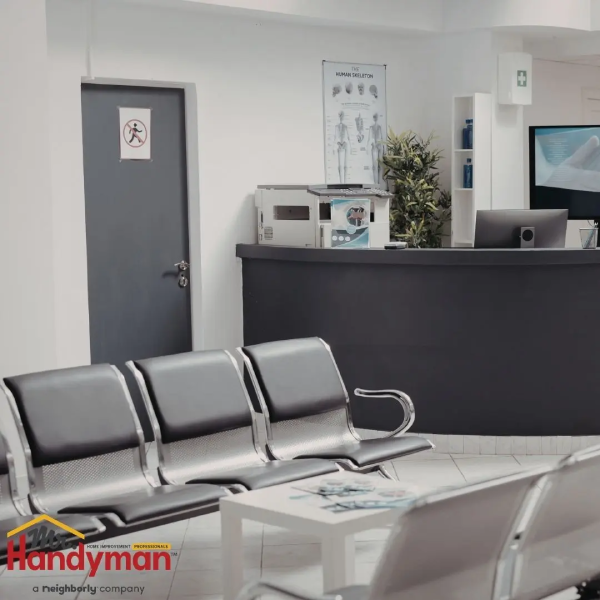
The summer peak season that businesses across Murfreesboro, Franklin, Brentwood, and the surrounding Middle Tennessee communities experience creates the staff facility demands that the Nashville Basin's warm, humid conditions, the regional business community's seasonal activity concentration, and the diverse workforce that Rutherford and Williamson Counties sustain together create as the specific breakroom and common space maintenance context that peak season staff use specifically tests. The Cool Springs corridor's technology and financial sector operations whose summer project cycles and corporate calendar create peak staffing periods, the Middle Tennessee Medical Center and the regional healthcare network whose patient volume the warm months sustain, the MTSU-adjacent commercial community whose summer academic programming activates the campus support business environment, and the diverse retail and hospitality operations whose summer customer activity drives the staffing levels that Murfreesboro and the broader service area's peak season commercial operations require all together create the concentrated staff facility use that breakroom and common space preparation specifically addresses before that demand tests whatever conditions those spaces currently carry.
The Nashville Basin's warm, humid summer creates the most consequential regional factor in Middle Tennessee breakroom and common space preparation because the ambient temperatures and humidity that the regional warm season sustains activate biological growth on breakroom surfaces, advance mineral accumulation from the limestone water chemistry in breakroom plumbing fixtures and appliances, and create the HVAC performance demands in occupied staff common areas that the summer's cooling concentration specifically tests before adequate pre-season service has confirmed those systems are ready for the staff density that peak season creates in those enclosed common spaces.
The Williamson County professional employment culture that the Franklin and Brentwood corporate corridor sustains creates the specific staff facility expectations that the Nashville metropolitan area's professional workforce carries from the institutional environments that established their workplace quality standards. The healthcare professionals, the technology sector employees, and the financial services workforce that the Williamson County corporate community employs bring the facility quality references that their professional training and the institutional environments their careers developed within established as the standard they evaluate their current employer's common space investment against. A breakroom and common space that communicates active management investment and functional quality preparation positions the Middle Tennessee employer favorably in the Nashville metropolitan area's competitive professional employment market whose workforce retention challenges the active commercial community across the service area manages continuously.
The limestone water chemistry that Middle Tennessee's geology delivers to breakroom plumbing creates the mineral accumulation in breakroom sink fixtures, coffee station equipment, and the water filtration systems that peak season staff use concentrates demand through at the rates that the regional hard water advances in those components between the maintenance intervals that pre-peak preparation specifically motivates. That regional water chemistry dimension distinguishes the Middle Tennessee breakroom preparation context from softer water markets whose breakroom plumbing components do not require the same mineral accumulation management that the limestone-influenced regional water supply creates as an ongoing breakroom maintenance priority.
Breakroom Plumbing and Appliance Preparation
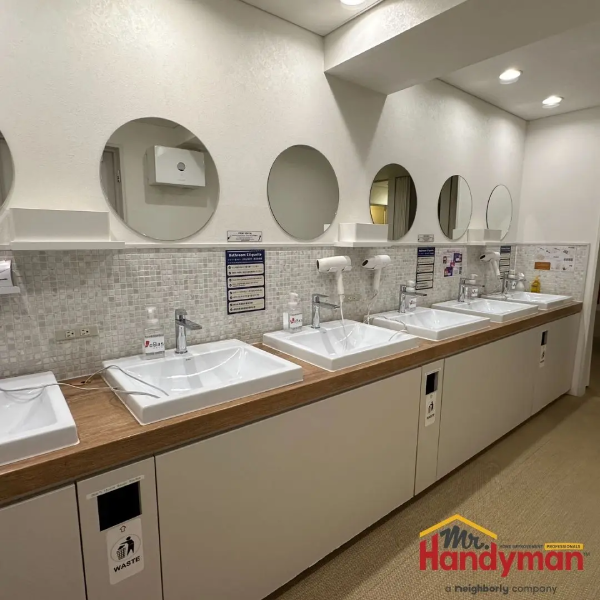
Breakroom sink faucet aerator cleaning addresses the limestone mineral restriction that the regional water chemistry creates in breakroom faucet aerator screens between maintenance intervals at the rates the Middle Tennessee geology's calcium and magnesium content advances in those flow-restricting components. The peak season staff use that concentrates hand washing, food rinsing, and continuous water demand at breakroom sink positions should be served by faucets delivering their full rated flow through clean aerator screens rather than the mineral-restricted flow that the regional limestone water chemistry progressively creates in those components between the cleaning intervals that pre-peak preparation specifically motivates.
Coffee station and water system descaling addresses the limestone scale accumulation that Middle Tennessee's hard water creates in commercial coffee equipment heating elements, the water filtration cartridges, and the supply connections that breakroom beverage stations depend on for the staff hydration and beverage service that peak season operations require through the extended hours and the concentrated break schedules that summer activity creates. The regional water chemistry's scale accumulation in coffee equipment heating elements reduces beverage quality and equipment efficiency simultaneously, and the pre-peak descaling that removes those deposits before peak season concentrates demand on those appliances provides the beverage performance that peak season staff specifically evaluates as the quality indicator that employer facility investment communicates through breakroom appliance condition.
Refrigerator seal and compressor assessment evaluates whether the breakroom refrigeration serving peak season staff food storage is operating efficiently and maintaining the food safety temperatures that concentrated staff use requires through the Nashville Basin's warm summer months. The ambient temperatures that Middle Tennessee's summer creates in commercial breakroom environments load refrigeration equipment against the thermal conditions the regional warm season sustains, and the efficiency confirmation that pre-peak assessment provides ensures that peak season staff food storage receives the reliable refrigeration performance that food safety and the employer's facility investment standard both require.
Common Space Surface and Environmental Preparation
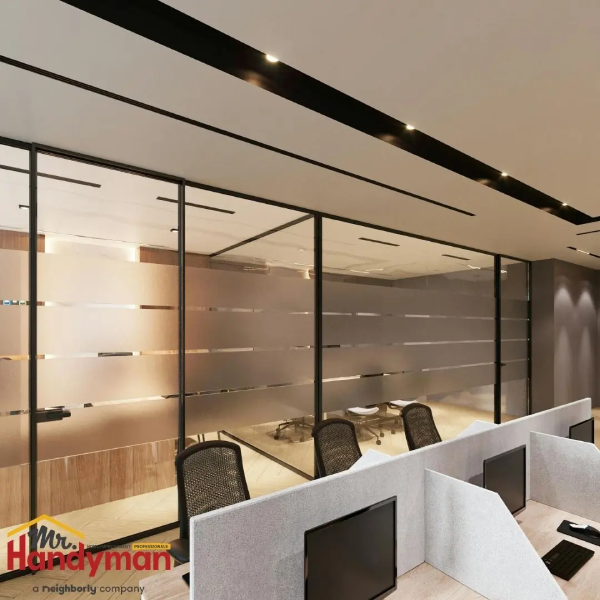
Breakroom and common space biological treatment at the moisture-adjacent wall surfaces, the ceiling tile positions above HVAC condensate sources, and the restroom and utility positions where the Nashville Basin's warm, humid summer activates biological growth between maintenance intervals specifically addresses the organic establishment that the regional ambient conditions advance in those spaces before peak season staff density concentrates observation on those conditions. Professional biological treatment that removes organic establishment before surface restoration proceeds over clean substrate provides the lasting results that the warm, humid Middle Tennessee climate makes specifically important in breakroom and common space applications rather than the cosmetic correction that restoration over untreated biological establishment delivers before the regional warm season advances through those restoration materials.
Wall and ceiling surface restoration following biological treatment addresses the joint cracking that the Nashville Basin's seasonal humidity variation creates in common space wall assemblies, the HVAC transitional condensation staining that the spring warming activated in ceiling tile systems above breakroom and common spaces, and the general surface conditions that the previous peak season's concentrated staff use and the variable winter's thermal cycling together advanced in the common space surfaces that returning peak season staff will evaluate against the facility quality standard the Nashville metropolitan employment market creates as the expectation those employees bring.
Restroom Preparation for Peak Season Staff Volumes
The restroom conditions that peak season staff use concentrates demand through in Murfreesboro, Franklin, and Brentwood commercial facilities reflect the biological growth that the Nashville Basin's warm, humid summer advances in commercial restroom surfaces, the limestone mineral accumulation that the regional water chemistry creates on restroom fixtures and tile grout, and the surface deterioration that the previous peak season's concentrated use and the variable winter's thermal cycling together advanced in the restroom assemblies that summer's returning workforce will evaluate against the facility standard the Nashville metropolitan professional employment market creates.
Biological treatment before restroom restoration removes the mold and mildew establishment that the warm, humid Middle Tennessee summer activates on commercial restroom tile, grout, and the moisture-adjacent wall surfaces before restoration proceeds over clean substrate. The Nashville Basin's ambient temperatures create the biological growth conditions in commercial restrooms that make treatment before restoration specifically non-negotiable for lasting results in the regional climate context, and the peak season staff density that summer operations concentrate in commercial restroom facilities across the service area makes the pre-treatment discipline that lasting results require specifically consequential for the facility quality that summer staff use evaluates continuously.
Epoxy grout restoration in commercial restroom tile applications addresses the limestone mineral discoloration and biological staining that the regional hard water and warm, humid climate together embed in standard cementitious grout between professional maintenance intervals. The peak season staff volume that concentrates restroom use through the extended hours and shift changes that Middle Tennessee's summer commercial activity creates across the Williamson County corporate corridor and the Murfreesboro commercial community motivates the grout restoration that provides the clean appearance baseline before that concentrated use advances the mineral and biological accumulation that the next maintenance interval will need to address.
Fixture descaling at restroom sinks, flush hardware, and the visible fixture surfaces that peak season staff observation evaluates continuously addresses the calcium and magnesium deposits that Middle Tennessee's limestone water supply creates on those surfaces between professional cleaning intervals. The mineral film that the regional water chemistry creates on restroom fixture surfaces communicates the maintenance standard at the close-range observation that restroom use creates for every peak season employee using those facilities through the daily break schedules and shift change activity that summer operations concentrate in commercial restroom facilities throughout the Nashville Basin's active business season.
Storage and Organization for Peak Season Staff

Breakroom storage organization before peak season staffing concentrations arrive addresses the cabinet, shelf, and common storage conditions that returning summer staff and additional seasonal employees will simultaneously depend on for the food storage, personal item management, and breakroom supply organization that concentrated peak season use requires. The Williamson County professional workforce's facility expectations motivate the organized storage quality that the Nashville metropolitan employment market creates as the standard those professionals evaluate their employer's common space investment against through the daily breakroom use that peak season operations concentrate across the service area's commercial facilities.
Breakroom furniture assessment evaluates the table and seating conditions that previous peak season use and the storage demands the variable winter months created in breakroom furniture between the assessments that pre-peak preparation motivates. Seating that communicates the employer's active facility investment through maintained condition and adequate capacity for the summer workforce that peak season creates positions Middle Tennessee employers favorably in the Nashville metropolitan professional employment market whose workforce retention and recruitment both reflect the daily experience those common spaces provide to the professional employees those businesses depend on through the summer's most demanding operational periods.
HVAC and Environmental Quality
Commercial HVAC capacity confirmation in breakroom and common space zones before peak season staff use evaluates whether the cooling capacity those zones provide is adequate for the occupancy levels and the appliance heat generation that concentrated breakroom use creates during the Nashville Basin's warm, humid months. The regional summer's ambient temperatures combined with the cooking appliance heat, the refrigeration operation, and the staff body heat that peak season occupancy concentrates in commercial breakroom spaces creates the thermal demand that commercial HVAC systems must manage through the extended operating hours and the staff density that Middle Tennessee's peak season commercial activity creates across the service area.
Air quality confirmation through filter assessment and ventilation adequacy evaluation in commercial breakroom and common spaces addresses the air quality standard that peak season staff concentrations create as the occupancy demand that summer operations load onto commercial common space ventilation systems. The Nashville Basin's warm, humid summer and the biological activity the regional ambient conditions activate create the air quality management demands that adequate filtration and ventilation specifically provides in the enclosed common spaces that peak season staff density tests through the extended operating hours that summer commercial activity sustains.
Frequently Asked Questions
What breakroom preparation delivers the strongest staff experience return for Middle Tennessee employers?
Restroom biological treatment combined with breakroom limestone descaling and appliance service delivers the strongest combined staff experience return because those two categories address the conditions that peak season staff observation evaluates most continuously through the daily break schedules and restroom use that summer operations concentrate in those specific facilities. The Nashville Basin's warm, humid summer advances biological growth in commercial restroom surfaces and the regional limestone water chemistry accumulates in breakroom appliances simultaneously, and the pre-peak preparation that addresses both conditions specifically protects the facility quality that the Nashville metropolitan employment market's professional workforce retention demands through the summer months.
How does the Williamson County corporate culture specifically affect breakroom preparation priorities?
The technology, healthcare, and financial services professionals that the Cool Springs and Maryland Farms corporate corridor employs carry the workplace quality standards that their professional training and the institutional environments their careers developed within established as the expectation they evaluate their current employer's breakroom and common space investment against. Those quality references make the breakroom preparation that communicates active employer investment in staff facilities specifically consequential for the workforce retention and professional satisfaction that the competitive Nashville metropolitan employment market creates as the ongoing human resources challenge that Middle Tennessee's most active commercial employers manage through peak season operational demands.
Should HVAC performance be confirmed before or after breakroom surface restoration?
HVAC condensate drain confirmation and cooling system performance verification should precede surface restoration because the condensate overflow conditions that inadequate HVAC maintenance creates in commercial ceiling assemblies above breakroom spaces would compromise restored ceiling tile and wall surfaces beneath those overflow positions before the restoration investment delivered its intended service life. The Nashville Basin's warm, humid summer creates the biological growth in HVAC condensate drain pathways that makes pre-restoration drainage confirmation specifically important for Middle Tennessee breakroom restoration investments.
What is the most commonly overlooked breakroom preparation item in Middle Tennessee commercial facilities?
Coffee station and water system descaling is the most consistently overlooked peak season preparation item across the Murfreesboro and Williamson County commercial market. The regional limestone water chemistry's scale accumulation in commercial coffee equipment heating elements and water filtration systems advances the beverage quality reduction and the equipment efficiency deterioration that scale management specifically prevents, and the peak season staff concentration that summer operations creates in commercial breakrooms motivates the descaling maintenance that Middle Tennessee's limestone water chemistry makes specifically important before summer's concentrated workforce depends on those breakroom appliances through the extended shifts and frequent breaks that peak season commercial activity creates throughout the Nashville metropolitan service area.
How does breakroom preparation affect workforce retention in the Middle Tennessee employment market?
The Nashville metropolitan area's competitive professional employment market creates the workforce retention context that commercial employer facility investment directly affects through the daily staff experience that breakroom and common space quality communicates. Middle Tennessee employers whose breakroom and common space preparation communicates active investment in the staff facilities those workers depend on position themselves favorably in the Nashville metropolitan employment market's workforce retention evaluation that the competitive professional employment environment the Cool Springs corridor, the healthcare campus community, and the MTSU-adjacent commercial operations all create as the competitive context that peak season staffing specifically tests through the summer months when workforce retention and operational performance intersect most directly.
Middle Tennessee Commercial Staff Facilities Ready for Peak Season
The breakrooms and common spaces across Murfreesboro, Franklin, Brentwood, and the surrounding communities whose operators complete the pre-peak preparation that restroom biological treatment and surface restoration, breakroom limestone descaling and appliance service, ceiling tile replacement at condensation-stained positions, storage organization adequate for peak season workforce density, and HVAC capacity confirmation before summer's concentrated occupancy tests those conditions all together provide are positioned to deliver the staff experience that the Nashville metropolitan employment market and the Williamson County professional workforce's facility expectations both reward through the workforce retention and peak season productivity that well-prepared Middle Tennessee commercial staff facilities specifically sustain through the summer months.
The team at Mr. Handyman of Murfreesboro, Franklin and Brentwood has the commercial facility experience to help employers prepare their breakrooms and common spaces for the peak season staff demands that Middle Tennessee's summer business calendar creates.
Website: https://www.mrhandyman.com/murfreesboro-smyrna/
Serving businesses throughout Murfreesboro, Franklin, Brentwood, Smyrna, Spring Hill, La Vergne, Nolensville, and the surrounding Middle Tennessee communities with dependable commercial maintenance and the expertise your property deserves.