
Why Commercial Kitchens Demand a Specific Maintenance Approach
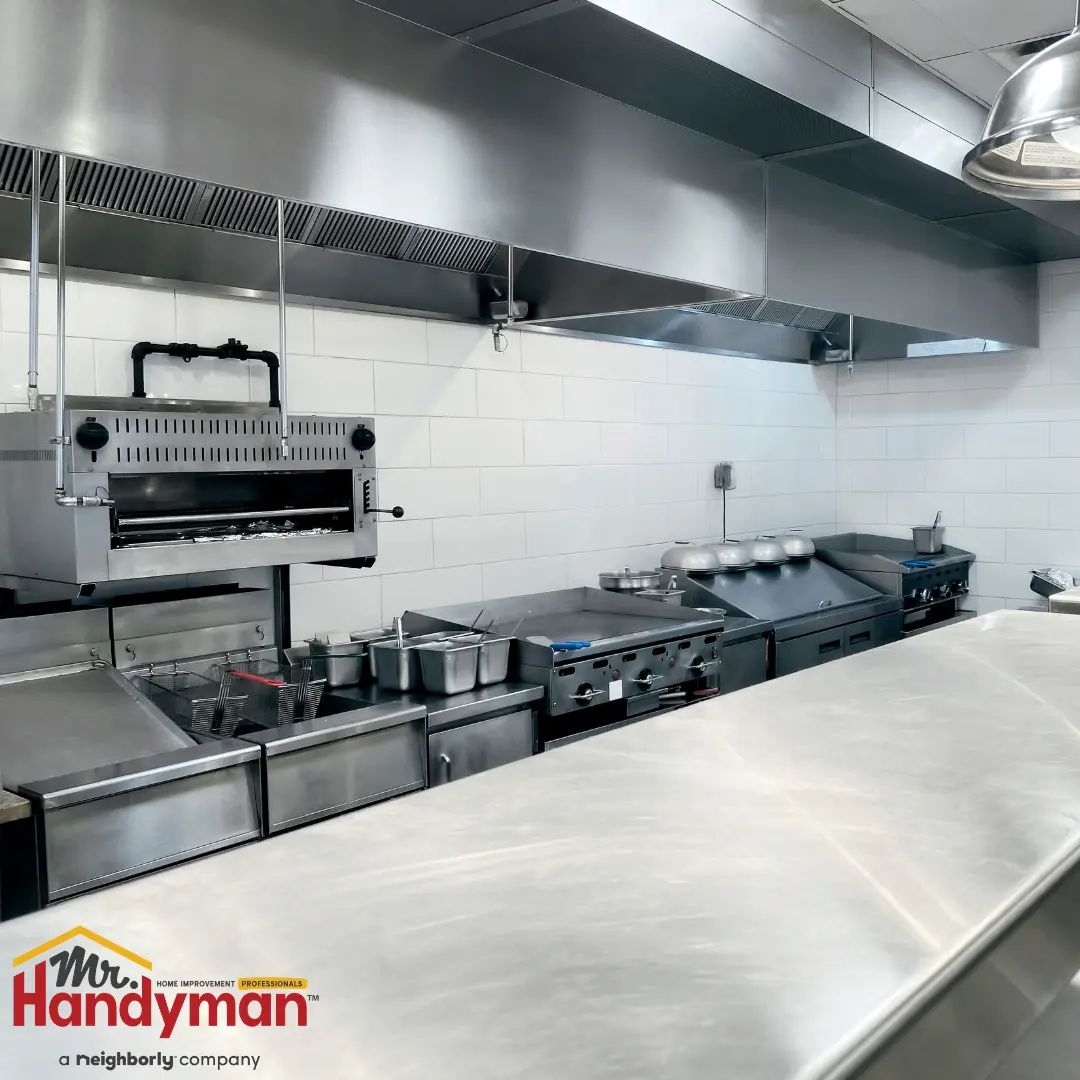
Commercial kitchens throughout Murfreesboro, Franklin, and Brentwood operate under a combination of conditions that few other commercial spaces experience simultaneously: sustained high heat from cooking equipment, constant moisture from food preparation and cleaning, heavy daily foot traffic in a confined working space, and the strict health code standards that govern every surface and fixture in the room. This combination creates a repair and maintenance profile that is genuinely distinct from general commercial property maintenance, and restaurant owners and operators throughout this service area benefit from understanding which repairs recur most consistently so they can plan for them rather than discovering them during a health inspection or, worse, during a busy service period.
Middle Tennessee's specific conditions add particular dimensions to commercial kitchen maintenance. Tennessee's limestone-influenced hard water accelerates mineral deposit accumulation on every surface and piece of equipment where water contacts and evaporates, a condition that commercial kitchens experience more intensely than almost any other commercial space given the sheer volume of water use that food preparation and cleaning require throughout a full service day. The region's genuine summer humidity adds to the moisture management challenge that kitchens already face from cooking steam and cleaning activity. And the dining and restaurant culture throughout Murfreesboro, Franklin, and Brentwood, which includes everything from established local institutions to the steady stream of new concepts opening throughout the area's growth corridors, means there is a consistently large population of commercial kitchens throughout this service area facing these same maintenance realities.
The financial stakes of commercial kitchen maintenance are higher than in most other commercial contexts because deferred maintenance here does not just create an unpleasant condition, it creates health code violations, potential closures, and the kind of customer-facing failures that directly damage a restaurant's reputation in ways that are difficult to recover from in a community where word-of-mouth and online reviews carry significant weight.
Plumbing Repairs in Commercial Kitchens
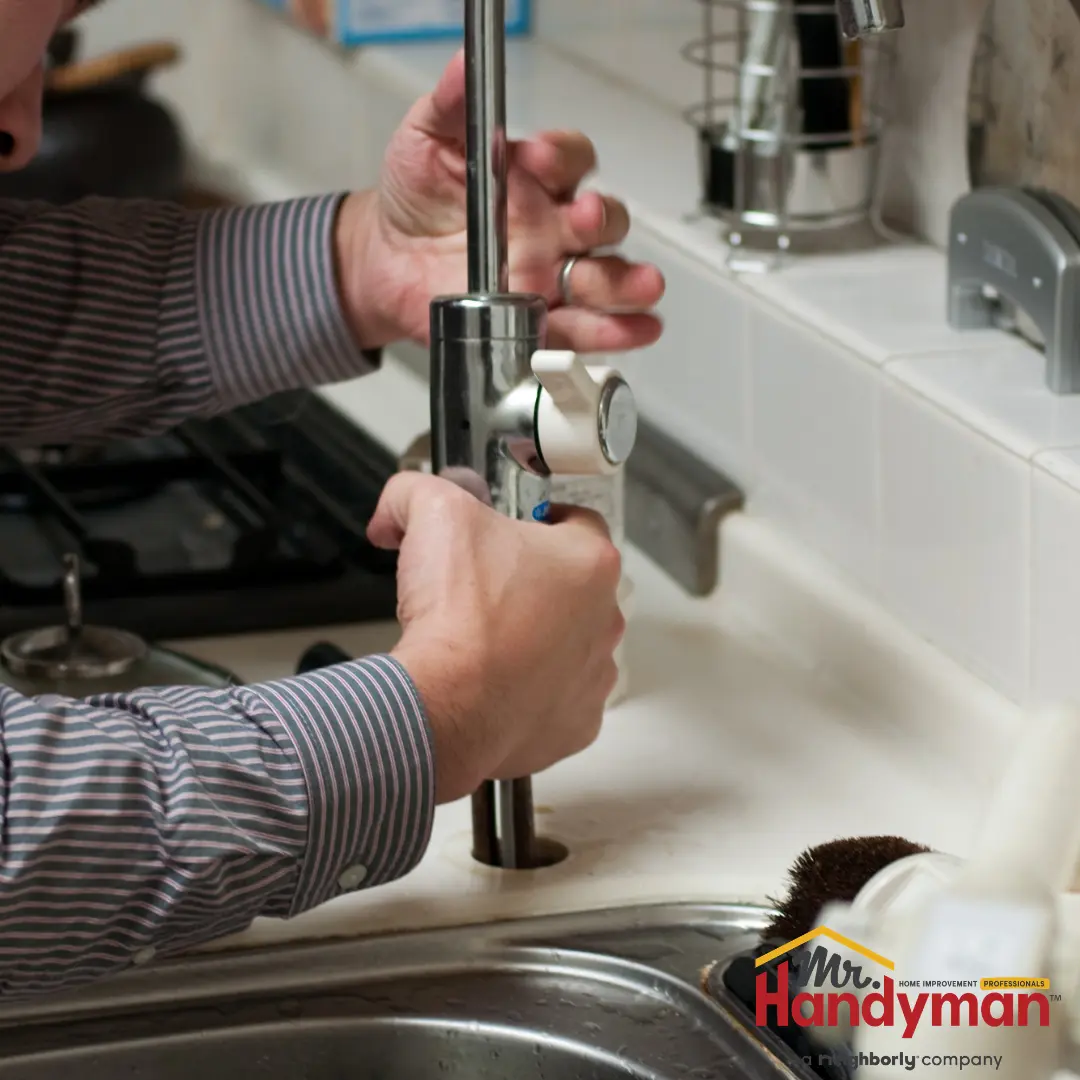
Plumbing throughout a commercial kitchen experiences a volume and intensity of use that residential plumbing never approaches, and this creates predictable repair needs that benefit from proactive attention.
Faucet and fixture repair at hand sinks, prep sinks, and the various water sources throughout a commercial kitchen deteriorates faster here than almost anywhere else in a commercial property. Tennessee's hard water deposits minerals at every faucet aerator and valve seat throughout the kitchen, and the constant cycling of these fixtures throughout a busy service accelerates the wear that eventually produces the dripping faucet, the handle that requires excessive force, or the sprayer that no longer functions properly. Commercial-grade fixtures designed for restaurant use generally have a longer service life than residential equivalents, but they are not immune to the combination of hard water and heavy use that Middle Tennessee kitchens create.
Drain line maintenance and clearing is among the most consistently needed plumbing repairs in commercial kitchens throughout this service area. The grease, food particle material, and the general byproducts of commercial cooking that enter kitchen drains, even with proper grease trap function and staff training on proper disposal, accumulate in drain lines at a rate that residential kitchens never approach. Regular drain cleaning, rather than waiting for a complete blockage during service, is the proactive practice that prevents the kitchen-stopping emergency of a backed-up drain during a busy dinner service.
Grease trap and interceptor maintenance, while often handled by specialized service providers, requires the kind of monitoring and minor repair attention that ensures the system is functioning as designed between major service intervals. A grease trap that is not properly maintained creates the downstream drain line problems described above at an accelerated rate, making this system's proper function foundational to overall kitchen plumbing health.
Floor drain conditions throughout commercial kitchens deserve specific attention given the health code requirements around proper drainage and the safety concern that a malfunctioning or clogged floor drain creates in a kitchen environment where standing water on the floor is both a slip hazard and a sanitation concern. Floor drain covers that have cracked or corroded, and the drain lines themselves when they show signs of slow drainage, require prompt repair rather than the kind of deferred attention that might be acceptable in a lower-stakes commercial environment.
Hot water supply and water heater function matters intensely in commercial kitchens where proper dishwashing and sanitation depend on water reaching and maintaining specific temperature standards. Tennessee's hard water accelerates the sediment accumulation in commercial water heaters that reduces heating efficiency over time, making regular flushing and maintenance a genuine operational necessity rather than an optional best practice in this region's commercial kitchen context.
Equipment-Adjacent Repairs and Maintenance
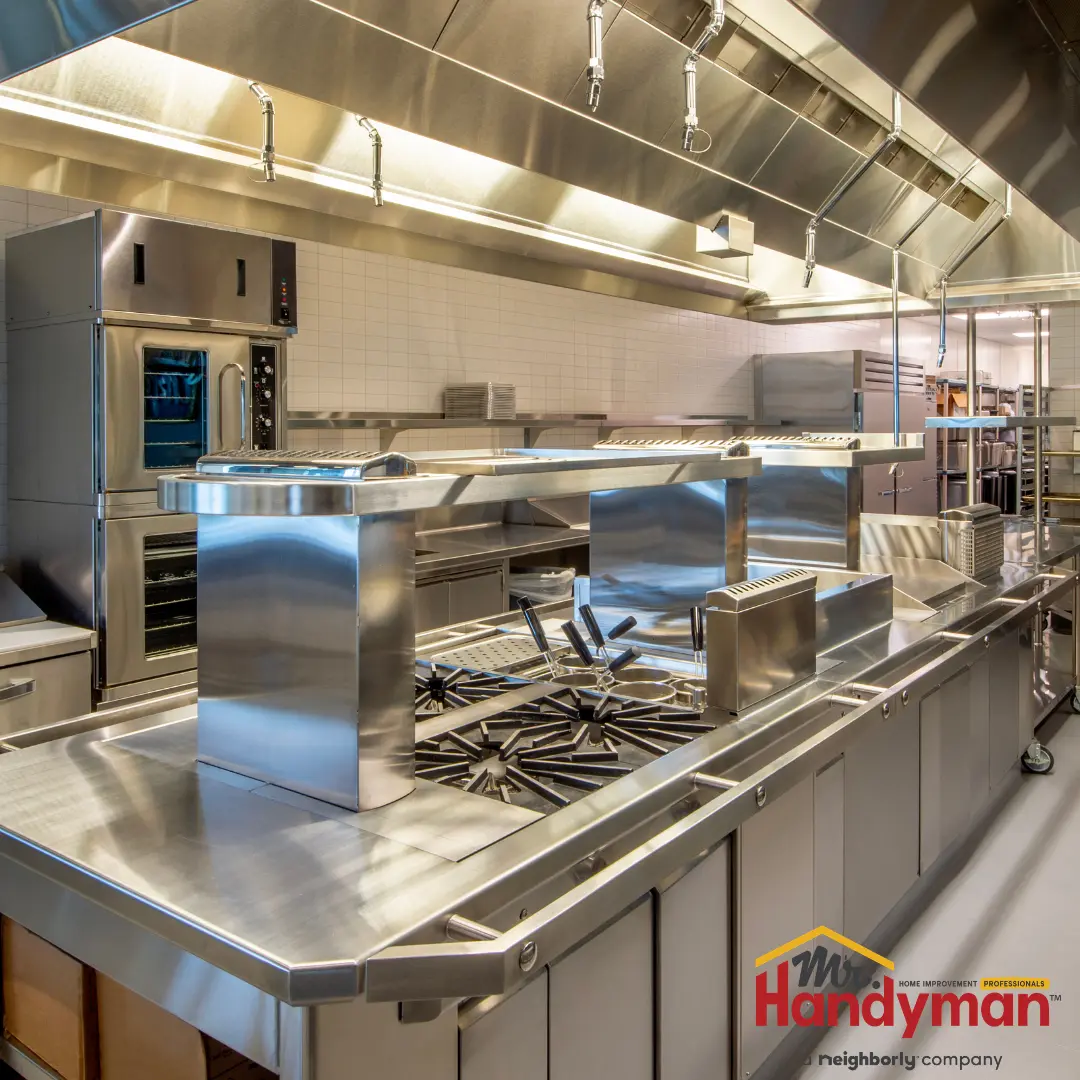
While the internal mechanical function of major kitchen equipment typically falls to specialized equipment service technicians, a significant range of equipment-adjacent repairs falls within general handyman scope and deserves regular attention.
Equipment mounting and stability for shelving units, prep tables, and the various fixed equipment throughout a commercial kitchen requires periodic inspection given the vibration and physical stress that daily commercial kitchen operation creates. Loose mounting hardware, wobbling equipment, and the general structural stability of fixed kitchen infrastructure are safety concerns that deserve prompt correction.
Caulking and sealant maintenance around equipment bases, at countertop-to-wall transitions, and at any junction where moisture management matters is one of the most consistently necessary repairs in commercial kitchens throughout this service area. The combination of constant moisture exposure, frequent cleaning chemical contact, and the thermal cycling that occurs near cooking equipment degrades caulking and sealant materials faster in commercial kitchens than in almost any other application. Health code standards require these joints to be maintained without gaps or deterioration that could harbor pests or bacteria, making this a compliance issue as much as a maintenance one.
Wall and surface repair near cooking equipment addresses the wear that heat exposure, grease accumulation, and the general intensity of cooking activity creates on walls and surfaces adjacent to ranges, fryers, and grills. Damaged or deteriorating wall surfaces in these zones need prompt repair both for appearance and for the practical sanitation concern that compromised surfaces create when they can no longer be properly cleaned.
Ventilation hood and exhaust system surrounding structure maintenance, distinct from the internal cleaning that specialized hood cleaning services provide, includes the mounting hardware, surrounding wall and ceiling conditions, and the general structural integrity of the hood system's installation. A hood system that has developed loose mounting or surrounding structural issues creates both a safety concern and a potential fire code compliance issue that demands prompt attention.
Flooring Repairs Specific to Commercial Kitchens
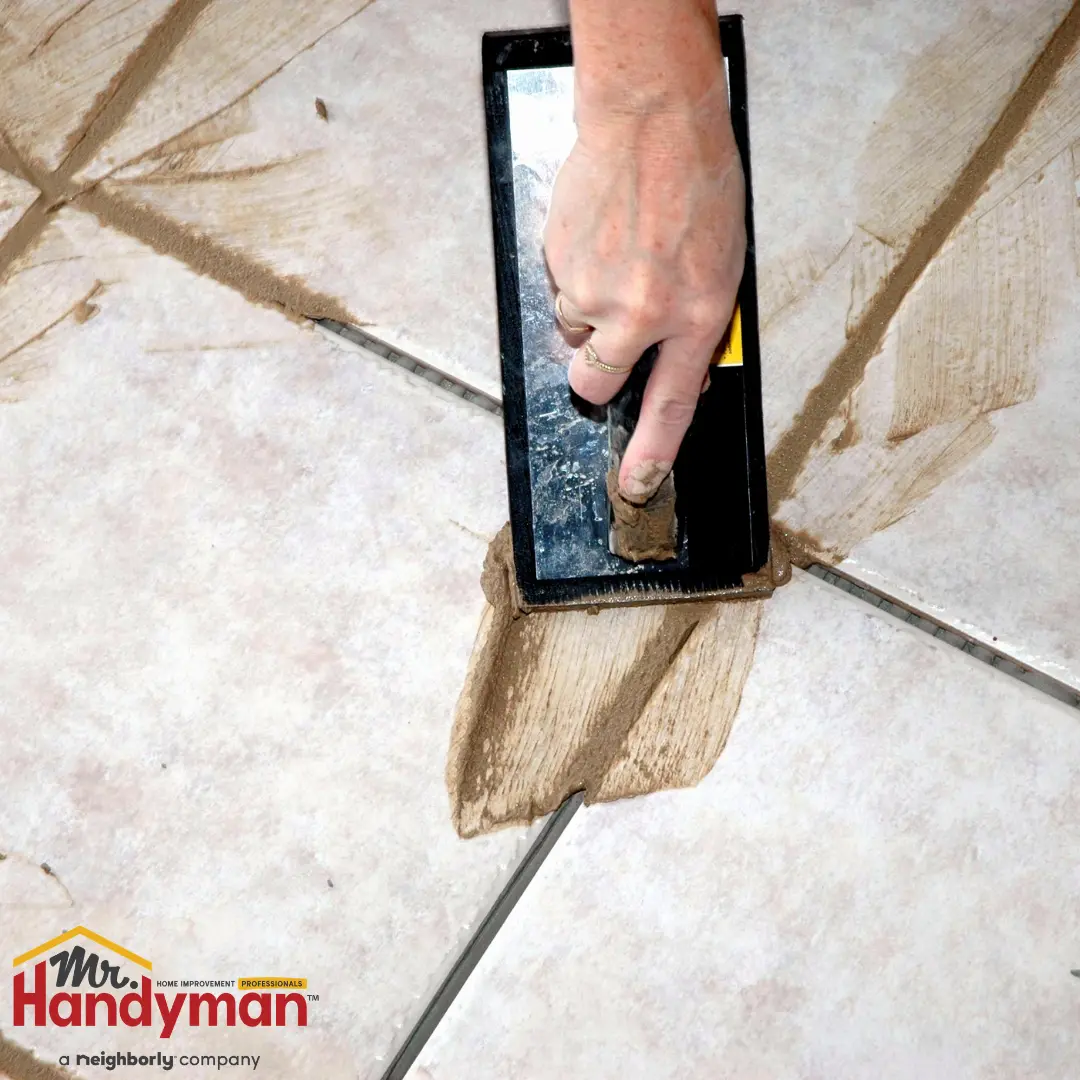
Kitchen flooring experiences a combination of stresses that few other commercial flooring applications face, and the repair needs that result are predictable and consistent across the commercial kitchens throughout this service area.
Tile and grout repair is among the most frequently needed flooring maintenance items in commercial kitchens. The combination of constant moisture, grease exposure, heavy foot traffic, and frequent aggressive cleaning chemical use degrades grout faster in a commercial kitchen than in nearly any other application, including most commercial bathrooms. Cracked, missing, or deteriorated grout creates both a slip hazard from the uneven surface it produces and a sanitation concern from the bacteria harborage that compromised grout creates.
Floor surface repair for the various commercial-grade flooring materials used in kitchens, including quarry tile, epoxy coatings, and specialized commercial kitchen flooring products, addresses the wear, cracking, and surface degradation that heavy daily use creates over time. Prompt repair of damaged sections prevents the spread of the underlying condition and maintains the slip-resistant surface quality that kitchen safety depends on.
Transition strip and threshold maintenance at the points where kitchen flooring meets dining room flooring or other adjacent areas addresses both a trip hazard concern and the practical wear that this high-traffic transition zone experiences as staff move constantly between front-of-house and back-of-house areas throughout service.
Door and Access Point Repairs
The doors throughout a commercial kitchen, from the pass-through to the dining room to the back entrance used for deliveries and staff access, experience cycling frequencies that residential and even most other commercial doors never approach.
Pass-through and swinging door maintenance addresses the hardware wear that occurs when a door cycles hundreds of times during a single busy service. Hinges, closers, and the kick plates that protect door surfaces from the carts and trays that staff push through these openings all require more frequent attention in a commercial kitchen context than in lower-cycle commercial applications.
Walk-in cooler and freezer door repair is a specific and important category given the food safety implications of a door that does not seal properly. Gasket wear, hinge misalignment, and the general mechanical condition of walk-in unit doors directly affect the unit's ability to maintain proper temperature, making prompt repair of any sealing or operational issue a food safety priority rather than simply a maintenance convenience.
Back-of-house entry door condition including weatherstripping, threshold seals, and general operational function matters for both energy efficiency, given the temperature differential between Middle Tennessee's outdoor conditions and the kitchen's climate-controlled interior, and for pest exclusion, since a poorly sealed back door creates the access point that Middle Tennessee's active insect population throughout the warm season can exploit.
Lighting and Electrical Repairs
Lighting throughout commercial kitchens requires specific attention given both the food safety standards around adequate illumination and the demanding environment that heat, moisture, and grease create for electrical fixtures.
Light fixture maintenance and replacement in cooking and prep areas must account for the grease accumulation that settles on fixture surfaces over time, reducing light output and creating the kind of buildup that health inspectors specifically look for during inspections. Fixtures rated for commercial kitchen use, designed to be easily cleaned and resistant to the grease and moisture environment, hold up better than standard fixtures and reduce the frequency of replacement needed.
Outlet and switch condition throughout the kitchen, particularly near sinks and food preparation areas where moisture exposure is highest, requires periodic inspection for the wear and potential safety hazards that this demanding environment creates in electrical components over time.
Frequently Asked Questions
What is the most common repair needed in Middle Tennessee commercial kitchens?
Caulking and sealant maintenance around equipment bases, countertops, and wall transitions is consistently the most frequently needed repair, given the combination of constant moisture, heat, and aggressive cleaning chemical exposure that degrades these materials faster in a commercial kitchen than in almost any other application throughout Murfreesboro, Franklin, and Brentwood.
How does Tennessee's hard water specifically affect commercial kitchen maintenance?
Tennessee's limestone-influenced water accelerates mineral deposit accumulation on faucets, valve components, water heater interiors, and any surface where water contacts and evaporates throughout the kitchen. This creates more frequent fixture maintenance needs and makes regular water heater flushing a genuine operational necessity rather than an optional best practice.
Should grout and tile repair in a kitchen be addressed immediately or can it wait for a slower period?
Grout and tile repair, particularly when it creates a slip hazard or a sanitation concern that could affect health inspection results, should be addressed promptly rather than deferred. The combination of safety risk and compliance risk makes this a category where waiting for a convenient slow period genuinely increases the business's exposure to both liability and regulatory consequences.
What kitchen repairs require licensed specialty contractors rather than a handyman?
Internal repair of major cooking equipment, gas line work, significant electrical panel or circuit work, and the internal mechanical components of refrigeration and ventilation systems require licensed specialty contractors. Caulking, drain cleaning, fixture repair, flooring repair, door hardware maintenance, and the surrounding structural and surface maintenance described throughout this article fall within commercial handyman scope.
How often should commercial kitchen plumbing fixtures be inspected in this region?
Monthly inspection of kitchen faucets, sinks, and drain function is a reasonable baseline given Middle Tennessee's hard water conditions and the heavy daily use these fixtures experience. This frequency allows mineral accumulation and developing wear to be addressed before they progress to complete fixture failure or drain blockage during service.
Can scheduled handyman service reduce the risk of health inspection violations related to physical maintenance?
Yes. Many of the physical conditions that health inspectors assess, including caulking integrity at food contact surfaces, floor drain function, grout condition, and general surface maintenance, are precisely the conditions that regular scheduled handyman maintenance addresses proactively, reducing the likelihood that these conditions are discovered as violations during an inspection rather than corrected in advance.
Keep Your Middle Tennessee Commercial Kitchen Running Smoothly
The repairs that commercial kitchens throughout Murfreesboro, Franklin, and Brentwood need most consistently are far more manageable and far less costly when addressed proactively than when discovered during a health inspection or a busy service period. The team at Mr. Handyman of Murfreesboro, Franklin and Brentwood handles plumbing fixture repair, caulking and sealant maintenance, flooring repair, door hardware service, and the full range of commercial kitchen maintenance throughout Arrington, Brentwood, Christiana, Eagleville, Fairview, Franklin, La Vergne, Murfreesboro, Nolensville, Smyrna, Spring Hill, and the full service area.
Call us or visit www.mrhandyman.com/murfreesboro-smyrna to schedule your commercial kitchen maintenance service. We work around your service schedule, arrive on time, and back everything we do with the Neighborly Done Right Promise.
