
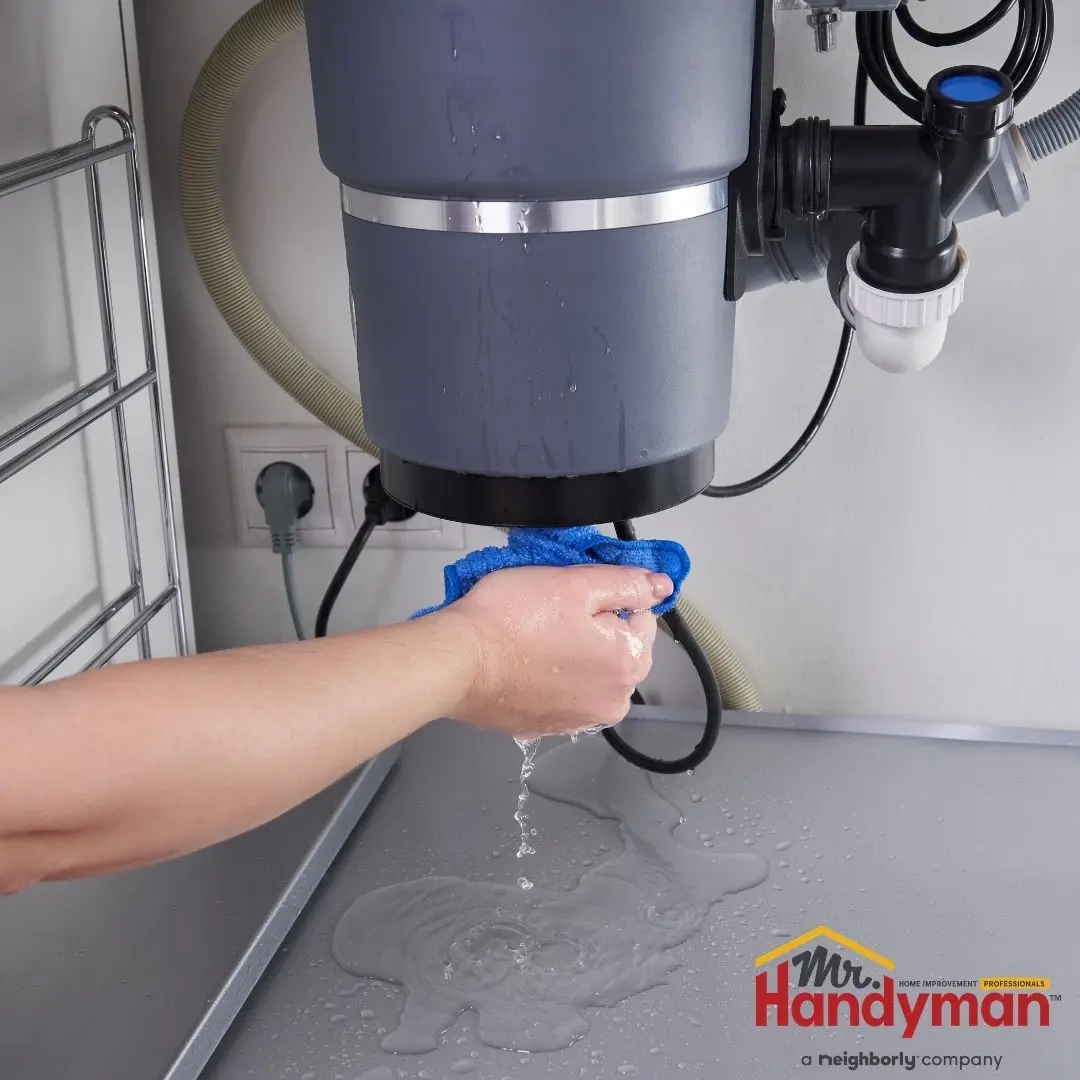
Middle Tennessee Homes and Garbage Disposals Have a Regional Relationship
The garbage disposal problems that homeowners in Murfreesboro, Franklin, Brentwood, and the surrounding Middle Tennessee communities encounter most consistently reflect the specific combination of conditions that the regional hard water, the warm and humid climate that the Nashville Basin creates, the diverse housing stock across the service area's varied construction eras, and the food culture of a region whose Southern culinary traditions and the corporate relocation community's sophisticated kitchen use together create as the specific disposal operating environment in Middle Tennessee residential kitchens.
The limestone-influenced hard water that Middle Tennessee's geology delivers to household plumbing creates the most distinctively regional garbage disposal maintenance consideration in the service area. The calcium and magnesium that the regional water supply contributes to every water-using fixture and appliance accumulates in disposal internal components, the splash guard's rubber surfaces, and the drain connection where the disposal discharges to the household system between the maintenance intervals that most homeowners do not specifically associate with their garbage disposal until a problem develops. Middle Tennessee's hard water advances those mineral deposits at rates that the regional limestone geology creates more aggressively than softer water supply environments produce between comparable maintenance intervals.
The warm and humid Middle Tennessee summer that the Nashville Basin creates as the dominant warm season character for the service area advances the biological growth conditions in garbage disposal cavities, splash guard surfaces, and the drain connections that food particle accumulation supports in the ambient temperature and moisture environment that the regional summer creates in under-sink cabinet spaces. The biological establishment that warm, humid conditions accelerate on food-contact disposal surfaces between cleaning intervals communicates most directly as the odor that Middle Tennessee homeowners most consistently report as the first disposal problem they notice before other functional symptoms develop.
The diverse housing stock across Murfreesboro, Franklin, and Brentwood creates the disposal age and condition context that the varied construction eras of the regional residential inventory produce. The established Murfreesboro and Smyrna neighborhoods whose older homes carry the original or aging disposal installations that the regional hard water and the warm, humid climate have been advancing toward functional deterioration across years of service present the repair and replacement considerations that the regional water chemistry and climate make more consequential than moderate markets without those combined deterioration mechanisms. The newer Williamson County developments in Franklin and Brentwood carry the more recently installed disposals that the regional hard water begins accumulating in from the first day of operation regardless of installation age.
The Most Common Disposal Problems in Middle Tennessee Homes
Persistent odors despite regular use is the most consistently reported garbage disposal problem in the Murfreesboro, Franklin, and Brentwood service area, and the warm, humid Middle Tennessee climate creates the specific biological growth conditions that advance odor-producing organic establishment in disposal cavities and on splash guard surfaces at the rates the regional summer's ambient temperature and moisture creates more aggressively than cooler or drier climates produce between comparable cleaning intervals. The under-sink cabinet environment that Middle Tennessee's summer heats to the ambient conditions that biological activity thrives in provides the incubation environment that inadequately cleaned disposal surfaces develop odor-producing establishment within on the compressed timeline the regional warm season creates.
Humming without grinding reflects the jammed or seized grinding plate condition that the mineral scale Middle Tennessee's hard water deposits on internal disposal grinding components contributes to alongside the food debris that standard jam discussions address. The disposal that hums without the plate rotating has power reaching the motor but cannot overcome the resistance that the jam or the mineral accumulation creates at the grinding mechanism, and the regional limestone water chemistry's contribution to that resistance distinguishes the Middle Tennessee disposal jam scenario from the purely debris-driven jams that softer water market guidance addresses without the mineral scale component the regional water chemistry creates.
Leaking at multiple positions reflects the hard water mineral accumulation in the putty and gasket seals at the mounting flange, the dishwasher drain connection, and the drain outlet where the disposal connects to the household system. The calcium and magnesium deposits that the regional water chemistry creates at those seal positions advance the deterioration that leaking communicates when mineral-compromised seals no longer maintain the water-tight condition that installation created before the regional water chemistry began accumulating at those interfaces.
Slow kitchen sink drainage following disposal operation indicates the drain line accumulation that the combination of food-borne grease from Middle Tennessee's Southern cooking culture and the mineral content the regional water supply contributes to drain line deposits creates between professional drain maintenance intervals. The grease from the fried foods, the rendered fats, and the Southern cooking traditions that characterize the regional food culture combines with the limestone mineral deposits that the regional water chemistry contributes to kitchen drain accumulation in ways that advance partial drain restriction faster than either mechanism alone would produce in markets without that specific combination.
Regional Hard Water and Disposal Maintenance
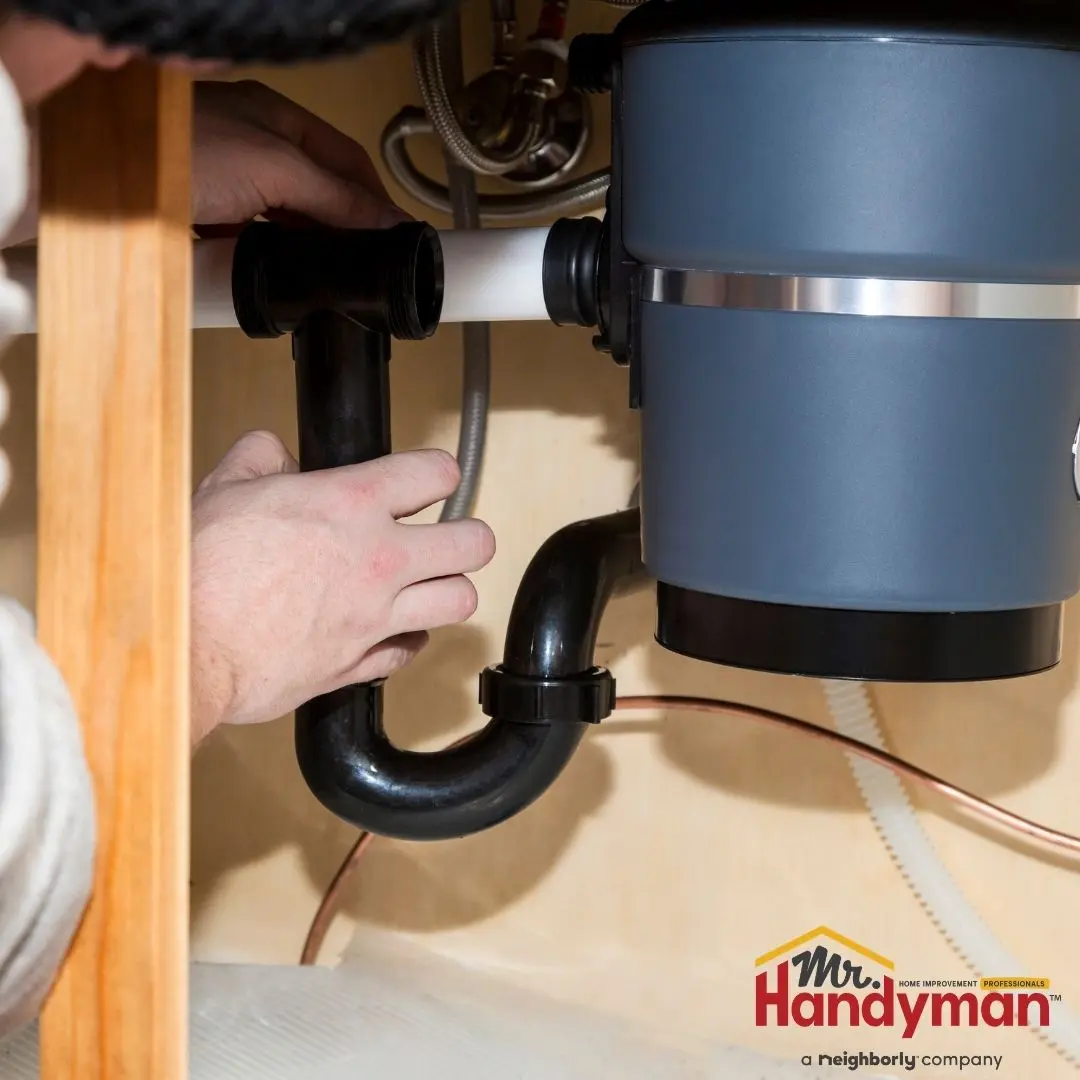
The Middle Tennessee limestone scale in disposal internal components requires the cleaning discipline that the regional water chemistry makes more frequent than generic disposal maintenance guidance suggests for average water chemistry conditions. The calcium and magnesium that the regional supply continuously delivers to disposal grinding surfaces, the splash guard, and the drain connection creates the scale buildup that contributes to grinding resistance, seal deterioration, and the drain outlet restriction that regional hard water advances more aggressively than moderate water chemistry markets experience between comparable maintenance intervals.
The warm season biological acceleration that Middle Tennessee's summer creates in under-sink disposal environments makes the summer cleaning frequency specifically important for the odor management that the regional warm season advances in inadequately maintained disposal surfaces. The ambient temperatures that the regional summer creates in under-sink cabinet environments provide the biological growth conditions that food contact surfaces in those spaces develop organic establishment on more rapidly in Middle Tennessee's summer than in cooler climates between comparable cleaning intervals.
DIY Fixes for Common Middle Tennessee Disposal Problems
Unjamming a seized disposal begins with switching the unit off and unplugging it before inserting the hex wrench that most disposals include into the center port on the disposal's underside. Working the grinding plate back and forth manually with that wrench frees the jam that the humming without grinding symptom communicates. In Middle Tennessee disposals where the regional limestone water chemistry's scale accumulation on grinding surfaces contributes to plate resistance alongside food debris, the manual rotation may require more effort than the purely debris-driven jams that softer water market guidance addresses without the mineral scale component. After clearing the jam and waiting five minutes for the motor to cool, pressing the reset button on the disposal base restores motor function.
Leak position diagnosis determines the repair approach each specific leak location warrants. Leaking at the mounting flange where the disposal meets the sink drain basket indicates the plumber's putty seal has failed and requires the disposal removal and remounting with fresh putty that the regional hard water accelerates in putty seal degradation compared to softer water environments. Leaking at the dishwasher drain connection indicates either a loose connection or the unplugged drain port that improperly configured dishwasher-connected disposals carry. Leaking at the drain outlet where the disposal connects to the household drain line indicates the gasket at that connection requires replacement.
Odor elimination in Middle Tennessee disposals specifically addresses the warm, humid summer conditions that the regional climate advances biological growth in disposal cavities and on splash guard surfaces more aggressively than cooler climates produce between cleaning intervals. Grinding citrus peels refreshes internal surfaces with natural antimicrobial properties. Cleaning the splash guard's underside with a brush and dish soap addresses the biological accumulation that disposal operation alone does not reach on those rubber surfaces and that the regional warm season specifically advances between cleaning intervals. For persistent odors, grinding ice with a cup of baking soda flushes and deodorizes the internal surfaces that the regional hard water's scale accumulation and the warm climate's biological growth conditions affect between thorough cleaning events.
White vinegar ice cube cleaning provides the Middle Tennessee-specific maintenance step that combines the acetic acid's mineral-dissolving properties with the mechanical cleaning that ice grinding provides against the limestone scale the regional water chemistry deposits on grinding surfaces. Monthly white vinegar ice cube cleaning specifically addresses the calcium and magnesium accumulation that the regional supply creates on disposal internal surfaces at the rates Middle Tennessee's limestone geology advances in those components between cleaning intervals.
Slow drain improvement addresses the grease and mineral combination that Middle Tennessee's Southern cooking culture and the regional hard water together create in kitchen drain lines. Hot water flushing for thirty to sixty seconds after each disposal use prevents loose accumulation from consolidating. Baking soda and white vinegar treatment releases the fizzing action that addresses drain line accumulation without the pipe material risks that aggressive chemical cleaners create in older Middle Tennessee drain systems. For established partial blockages that home treatment does not resolve, professional drain cleaning addresses the accumulated combination of Southern cooking grease and limestone mineral deposits that the regional environment creates more rapidly than either mechanism alone produces in markets without that specific pairing.
When to Call a Professional in the Middle Tennessee Service Area
Electrical concerns including disposals that do not respond after jam clearing and reset, circuit breaker tripping, or the burning odor that motor winding failure creates warrant professional assessment rather than continued DIY troubleshooting.
The Williamson County replacement assessment for Franklin and Brentwood homes reflects the kitchen quality standards that the premium residential market in those communities creates for the disposal condition that sophisticated homeowners and the active Middle Tennessee real estate market evaluate in kitchen environments. A disposal whose cumulative limestone scale accumulation, multiple seal failures, and advancing motor conditions communicate the service life threshold that the regional hard water accelerates warrants the replacement evaluation that the Williamson County kitchen quality context specifically motivates before functional deterioration becomes the customer-facing condition those markets evaluate.
Drain camera assessment when slow drainage persists following home treatment provides the professional condition documentation that the limestone mineral and Southern cooking grease combination in Middle Tennessee drain systems warrants for the drain line conditions that professional cleaning then addresses from the accurate assessment that camera inspection provides.
Frequently Asked Questions
Why do Middle Tennessee disposals develop odors more quickly than expected? The warm, humid Nashville Basin climate creates the under-sink cabinet temperatures that biological growth thrives in on food-contact disposal surfaces during the summer months. That regional warm season temperature and moisture environment advances organic establishment on disposal cavities and splash guard surfaces faster than cooler or drier climates produce between comparable cleaning intervals, making the summer cleaning frequency that Middle Tennessee's ambient conditions warrant more consequential than standard disposal maintenance guidance addresses for average climate conditions.
How often should Murfreesboro and Williamson County homeowners clean their disposals? Weekly citrus and ice cleaning with monthly splash guard scrubbing and white vinegar ice cube treatment provides the appropriate frequency for Middle Tennessee's combined limestone hard water and warm, humid climate. The summer months specifically warrant the more attentive cleaning schedule that the regional warm season's biological growth acceleration creates in under-sink disposal environments between cleaning events.
What foods specifically challenge Middle Tennessee disposals given the regional cooking culture? Rendered fats and cooking grease from the Southern food traditions that characterize the regional culinary culture create the drain line accumulation that the limestone mineral deposits the regional water chemistry contributes compounds into the partial restriction that Middle Tennessee kitchen drains develop faster than markets without that specific grease and mineral combination. Fibrous vegetables add the grinding surface wrapping that the limestone scale deposits in those components compounds against smooth surfaces.
Should Middle Tennessee homeowners use commercial disposal cleaners? White vinegar ice cubes that combine acetic acid's limestone-dissolving properties with the mechanical cleaning ice grinding provides deliver the regional hard water scale management that the Middle Tennessee water chemistry specifically warrants without the chemical drain cleaner risks that aggressive commercial products create in older service area drain pipe materials.
When does a Middle Tennessee disposal need replacement rather than repair? Age beyond eight to ten years in the regional limestone hard water environment, simultaneous leaking at multiple seal positions, motor conditions requiring repeated reset intervention, and the metal-on-metal grinding that bearing wear creates all indicate the replacement threshold that the regional water chemistry's accelerated component deterioration advances in Middle Tennessee disposals ahead of the service life that softer water market guidance suggests for comparable units.
Middle Tennessee Disposals That Work the Way They Should
The garbage disposals serving Murfreesboro, Franklin, Brentwood, and surrounding Middle Tennessee kitchens operate in the limestone hard water environment that the regional geology creates, the warm and humid summer that the Nashville Basin produces in under-sink cabinet spaces, and the Southern cooking culture that the regional food tradition and the Williamson County culinary community together create as the specific disposal operating demands that routine maintenance addresses and regional awareness informs. The weekly cleaning discipline that addresses warm season biological growth, the monthly white vinegar ice cube treatment that manages limestone scale accumulation, and the annual drain assessment that the Southern grease and mineral combination Middle Tennessee drain systems develop between professional maintenance intervals all deliver the disposal performance that regional conditions specifically require.
The team at Mr. Handyman of Murfreesboro, Franklin and Brentwood has the regional experience to help homeowners address the disposal problems that Middle Tennessee's specific conditions create throughout the service area.
Website: https://www.mrhandyman.com/murfreesboro-smyrna/
Serving homeowners throughout Murfreesboro, Franklin, Brentwood, Smyrna, Spring Hill, La Vergne, Nolensville, and the surrounding Middle Tennessee communities with dependable service and the expertise your home deserves.