Mr. Handyman of Murfreesboro, Franklin, and Brentwood
The Safety Conditions That Summer Makes Most Consequential
Home safety is a topic that most Murfreesboro, Franklin, and Brentwood homeowners approach reactively rather than proactively, addressing the specific hazard after it has produced the incident that revealed it rather than before the incident that adequate assessment would have prevented. This reactive pattern is understandable because home safety hazards accumulate gradually and silently, advancing through the same deterioration mechanisms that produce every other maintenance condition in residential homes without producing the obvious visual signal that other maintenance conditions announce more clearly. The deck railing that has been losing its structural resistance through hardware corrosion and wood shrinkage through successive winter and spring seasons looks virtually the same from casual observation as the railing that maintains its full structural resistance, until the lateral force that a stumbling household member or a leaning guest applies reveals the difference in the most consequential possible way.
Summer amplifies the consequence of home safety hazards in specific ways that Middle Tennessee's warm weather lifestyle creates through the seasonal patterns of outdoor activity, increased household occupancy, guest visits, and the concentrated social occasions that summer generates in Murfreesboro, Franklin, and Brentwood homes. More people are on the deck through summer's entertaining season than through winter's inward months, meaning more people are in contact with the railing whose structural adequacy winter's sparse use never tested. More children are in the yard through summer's extended outdoor play hours, meaning more barefoot contact with the deck surface whose protruding fasteners winter's boots never encountered at skin level. More guests are navigating the outdoor stairs and walkways that summer gatherings create as primary pedestrian paths, meaning more unfamiliar feet are encountering the trip hazards that family members have unconsciously memorized and automatically avoid through daily familiarity.
The summer safety assessment and repair program that this guide covers addresses the specific safety conditions that Middle Tennessee's seasonal pattern makes most consequential through the warm months, explains what each condition communicates about the underlying deterioration creating the hazard, and helps Murfreesboro, Franklin, and Brentwood homeowners understand which safety fixes Mr. Handyman of Murfreesboro, Franklin, and Brentwood delivers within its permitted scope.
Outdoor Safety: Decks, Porches, and Walkways
Railing Structural Assessment and Repair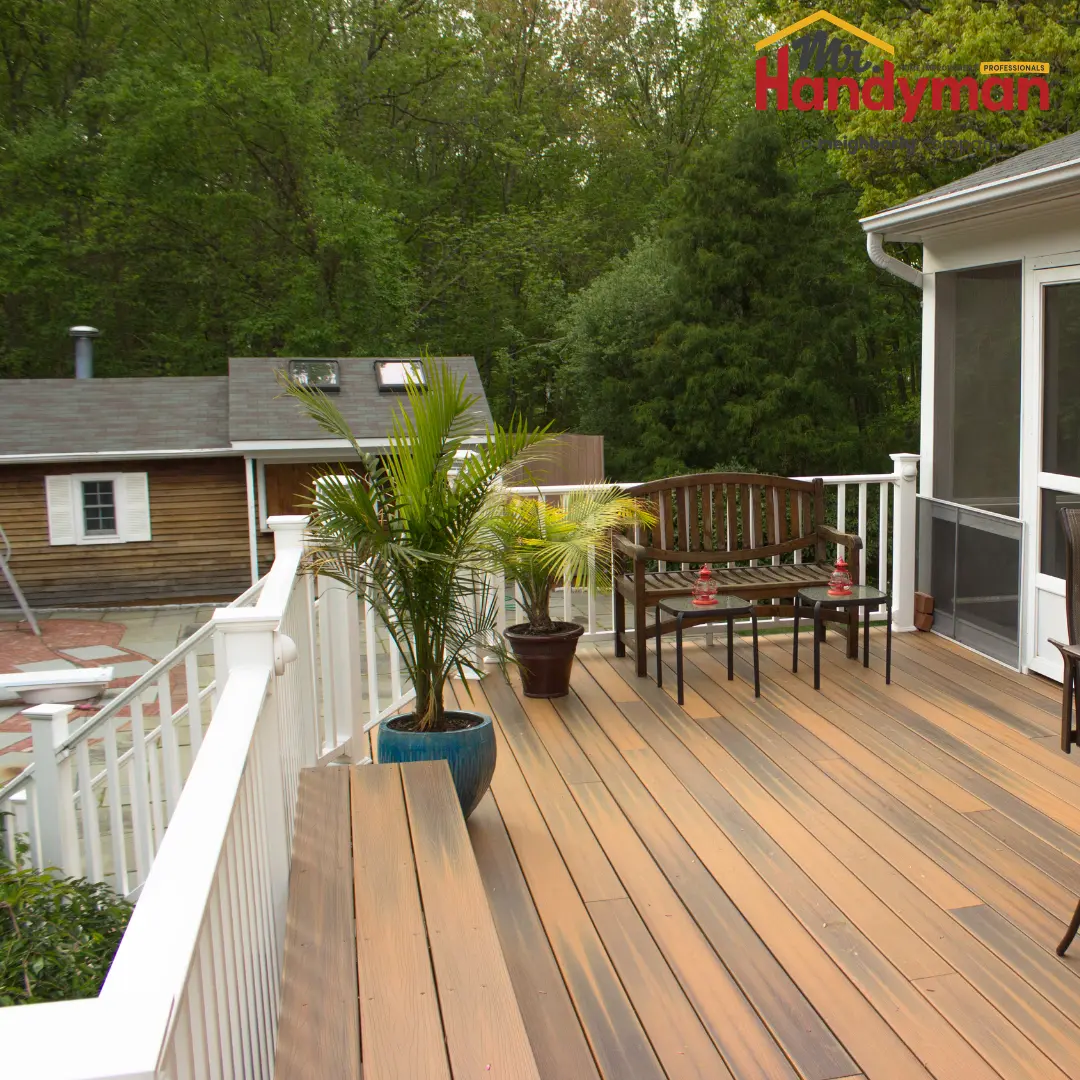
The structural adequacy of deck and porch railings in Murfreesboro, Franklin, and Brentwood homes is the outdoor safety condition whose consequence of failure most directly and most seriously affects the household members and guests who contact those railings during the summer entertaining season. A railing that fails under the lateral force that a falling or leaning person applies results in a fall from the deck or porch elevation whose injury potential the height above grade and the surface below both determine, and the severity of that potential is what makes railing assessment the non-negotiable starting point of every summer outdoor safety program rather than one item among many to address when scheduling allows.
The force test that professional railing assessment applies at multiple points along every railing section, at every post connection to the deck structure, and at the top rail through its full span between posts provides the structural resistance information that visual inspection cannot reveal. Middle Tennessee's climate creates the specific deterioration mechanisms that railing structural resistance experiences through each annual cycle, including the hardware corrosion that humidity advances in outdoor metal connections, the wood shrinkage that seasonal moisture cycling creates in the post and frame members whose dimensional change loosens connections that adequate moisture content maintained, and the fastener pull-through that accumulated wood fiber deterioration creates at the specific connection points that railing loading stresses most actively.
Post connection reinforcement through additional fastening at compromised connections, hardware replacement at corroded joist hangers and post bases, and rail section replacement where deterioration has advanced structural members beyond the condition that connection reinforcement restores to adequate resistance are the specific railing repair categories within Mr. Handyman of Murfreesboro, Franklin, and Brentwood's permitted scope that summer railing assessment identifies as warranted before the entertaining season places full occupant loading against the structures whose resistance those repairs restore.
Deck Surface Fastener Correction
The protruding fastener condition that thermal cycling creates in deck surfaces throughout Murfreesboro, Franklin, and Brentwood is the outdoor safety condition whose barefoot season consequence is most immediately uncomfortable and whose correction is among the most straightforward summer safety fixes available within the handyman service scope. Deck screws and nails that have worked above the board surface through the expansion and contraction cycles that Middle Tennessee's seasonal temperature and moisture range creates in the wood surrounding fixed fasteners present the specific puncture and laceration hazard that summer's barefoot deck use creates at every protruding fastener location across the complete deck surface.
Walking the complete deck surface systematically, identifying every fastener whose head protrudes above the board surface, and correcting each through counter-sinking the screw below the board surface or through driving the nail flush and adding a screw fastener in the corrected position that maintains the board's connection to the framing below eliminates the barefoot hazard across the complete surface before summer's first significant barefoot occasion creates the foot contact with protruding fasteners that adequate correction prevents.
Walkway Trip Hazard Assessment and Correction
The concrete walkways, stepping stone paths, and paved approaches that connect Murfreesboro, Franklin, and Brentwood homes' entries, outdoor living areas, and landscape features accumulate the surface conditions that Middle Tennessee's clay soil seasonal movement and freeze-thaw cycling creates in paved surfaces over the years of service that established residential properties have accumulated since original installation. Lifted concrete panel edges, settled stepping stones that have developed the height differential that nighttime navigation of unfamiliar paths creates as specific trip hazard conditions, and the cracked or heaved asphalt in driveway approaches that vehicle and pedestrian traffic encounters are all the walkway surface conditions that summer's increased guest foot traffic makes most consequential for the unfamiliar visitors who haven't developed the automatic avoidance habits that daily-use familiarity creates for household members.
Grinding lifted concrete edges to eliminate the height differential that the lifting has created without removing or replacing the panel, resetting settled stepping stones to the level surface that correct installation creates and clay soil movement has disrupted, and filling surface cracks with appropriate crack filler products before summer's foot traffic concentrates the wear that open crack edges advance through each contact event are the walkway safety corrections within Mr. Handyman of Murfreesboro, Franklin, and Brentwood's scope that summer assessment identifies as warranted before the guest traffic that summer entertaining creates begins testing the hazard conditions that correction addresses.
Outdoor Step Condition and Lighting
Exterior steps at entry doors, at deck and porch level transitions, and at the grade changes that residential landscapes create throughout Murfreesboro, Franklin, and Brentwood properties are the specific pedestrian locations whose safety conditions summer's increased foot traffic and evening use most directly tests. Step tread condition, specifically the surface integrity that provides adequate traction under the foot loading that each step use creates, deteriorates through the weathering and biological growth that Middle Tennessee's outdoor conditions advance on inadequately maintained step surfaces, creating the slippery conditions that wet or algae-covered step treads produce for every foot that contacts them during summer's afternoon rain events and in the hours following those events when treads remain wet before drying.
Step lighting is the safety dimension that summer's evening outdoor activity makes most consequential for Murfreesboro, Franklin, and Brentwood homeowners whose outdoor entertaining extends into the evening hours that Middle Tennessee's warm summer nights create as the most socially active outdoor living period. Steps navigated in darkness by guests unfamiliar with each step's specific location, height, and tread depth create the trip and fall risk that adequate step lighting eliminates by making each step's geometry visible to every person navigating the path. Low-voltage step lighting installation, in the riser-mounted or adjacent ground-mounted configurations that step illumination employs, provides the safety lighting that nighttime step navigation requires at the installation cost that low-voltage landscape lighting represents within Mr. Handyman of Murfreesboro, Franklin, and Brentwood's permitted scope.
Interior Safety: The Conditions Summer Reveals
Carbon Monoxide and Smoke Detector Assessment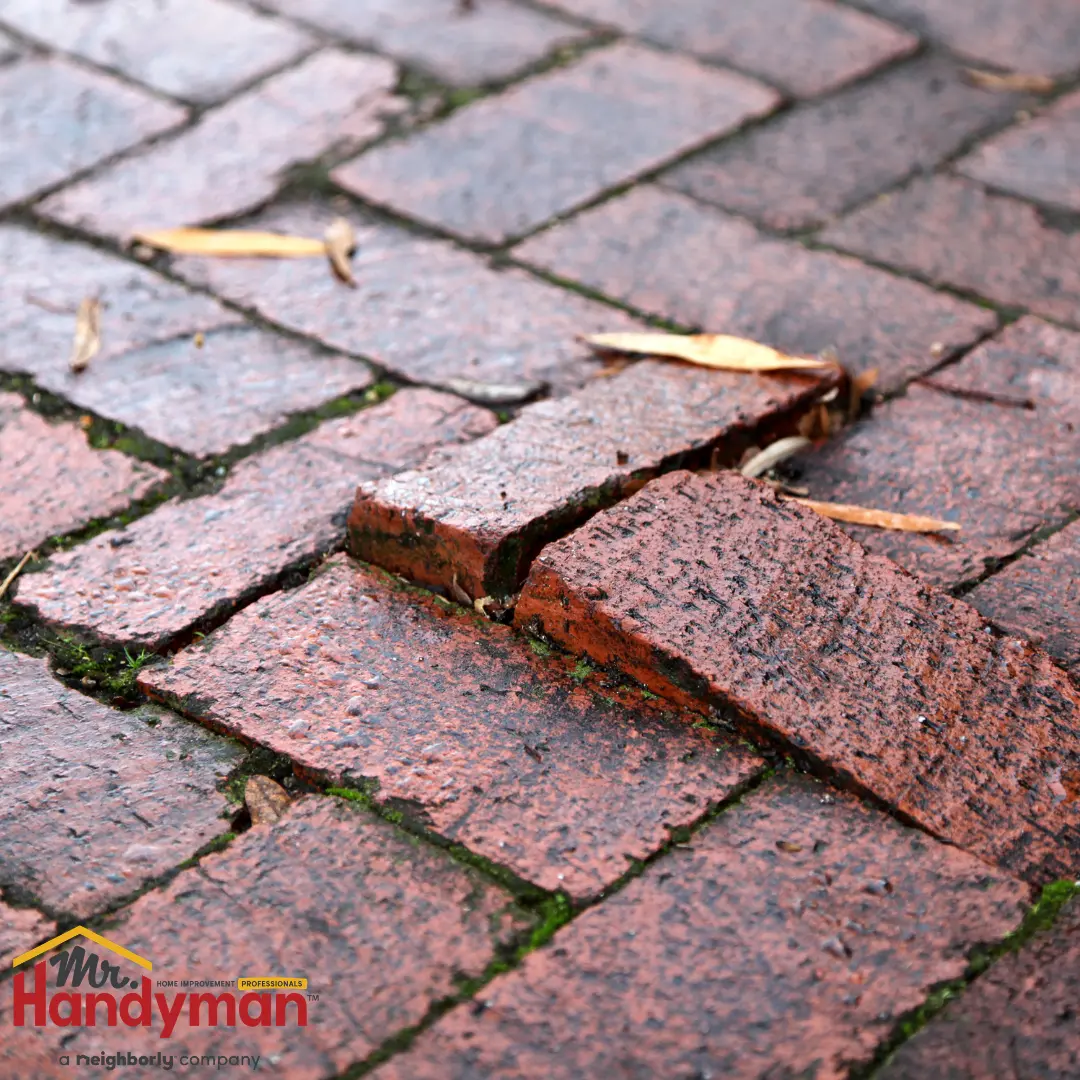
The carbon monoxide and smoke detectors throughout Murfreesboro, Franklin, and Brentwood homes have manufacturer-recommended testing and replacement intervals that summer's safety assessment program should confirm are being maintained rather than deferred through the complacency that functional daily household routine creates about safety device maintenance. Smoke detectors should be tested monthly by pressing the test button and confirming the alarm sounds at adequate volume to wake sleeping household members from the bedrooms nearest the detector's location, and detectors that fail the test or that produce the chirping pattern that low battery condition creates require immediate battery replacement or detector replacement when battery replacement doesn't restore correct operation.
Carbon monoxide detectors whose display shows end-of-life indication or whose age exceeds the manufacturer's recommended replacement interval, typically five to seven years for most residential CO detector products, require replacement regardless of whether the existing detector continues passing the button test, because CO detector electrochemical sensing elements lose calibration accuracy through their service life in ways that the button test doesn't evaluate and that only replacement with a fresh sensing element corrects.
Within Mr. Handyman of Murfreesboro, Franklin, and Brentwood's permitted scope, detector installation in the locations that Tennessee fire code and the detector manufacturer's installation requirements specify, and battery replacement in hard-wired detectors with battery backup whose backup batteries have reached the replacement interval, are summer safety services whose completion confirms the detection coverage that household safety requires.
Handrail Installation and Security Assessment
Interior stairway handrails in Murfreesboro, Franklin, and Brentwood homes carry the Tennessee Residential Code requirements that specify handrail installation on at least one side of every stairway with four or more risers, and handrail mounting security that provides the graspable support that stair users apply body weight against during ascent and descent without the mounting failure that inadequate anchoring allows when that weight is applied. Handrails that are present but loose at the wall mounting, handrails that are present but at heights outside the required range of thirty-four to thirty-eight inches above the stair nosing, and stairways that lack handrails entirely despite having four or more risers are the specific stairway safety conditions that Tennessee code addresses and that summer safety assessment identifies for correction.
Handrail bracket tightening and replacement at loose mounting locations, handrail height adjustment where existing installation falls outside the code-required range, and complete handrail installation at stairways lacking required handrails are the specific stairway safety improvements within Mr. Handyman of Murfreesboro, Franklin, and Brentwood's carpentry and installation scope that summer safety assessment identifies and that correction before summer's guest season brings additional household members to the stairs most productively delivers.
Childproofing and Summer Guest Safety
Summer's guest season in Murfreesboro, Franklin, and Brentwood homes frequently brings children whose regular presence in the home may be limited to summer visits, creating the childproofing assessment that household safety for young children requires when the home's normal configuration doesn't account for the specific hazards that young children encounter in residential environments not designed with their developmental capabilities and impulse patterns in mind. Cabinet safety latches on lower cabinets containing cleaning products, sharp items, or other household materials that child access creates safety risk from, stair gate installation at the top and bottom of stairs that unsupervised child access to stair transitions creates fall risk from, and outlet cover installation in the rooms that child occupancy creates electrical contact risk from are the specific childproofing measures within Mr. Handyman of Murfreesboro, Franklin, and Brentwood's installation scope that summer guest season preparation appropriately includes for households expecting young visitor presence.
Garage Door Safety Assessment
Garage doors in Murfreesboro, Franklin, and Brentwood homes are the residential mechanical systems whose safety feature maintenance is most consistently overlooked in the annual safety assessment that homeowners conduct informally through their own observation, because the automatic reversal and obstruction detection systems that modern garage door openers incorporate are the features whose correct function requires deliberate testing rather than casual observation of normal operation to confirm. Testing the automatic reversal by placing a solid object such as a two-by-four flat on the garage floor at the door's path and operating the door to close, confirming that the door reverses when it contacts the object rather than continuing to close against it, and testing the photo eye obstruction sensors by interrupting the sensor beam during closing and confirming reversal, are the specific tests that garage door safety feature confirmation requires and that summer safety assessment should include for every garage door in the household.
Garage door spring, cable, and hardware service beyond the safety feature testing that homeowners conduct is the specific garage door service that requires professional service rather than homeowner DIY due to the stored energy that torsion and extension spring systems contain and the injury risk that spring service without appropriate tools and technique creates. Mr. Handyman of Murfreesboro, Franklin, and Brentwood identifies garage door spring and cable conditions that professional garage door service should address as part of summer safety assessment observation without performing the spring service itself, directing homeowners to the appropriate specialized service for those specific components while completing the installation and adjustment service within the permitted handyman scope.
Bathroom Safety for Summer Household Occupancy
Grab Bar Installation and Assessment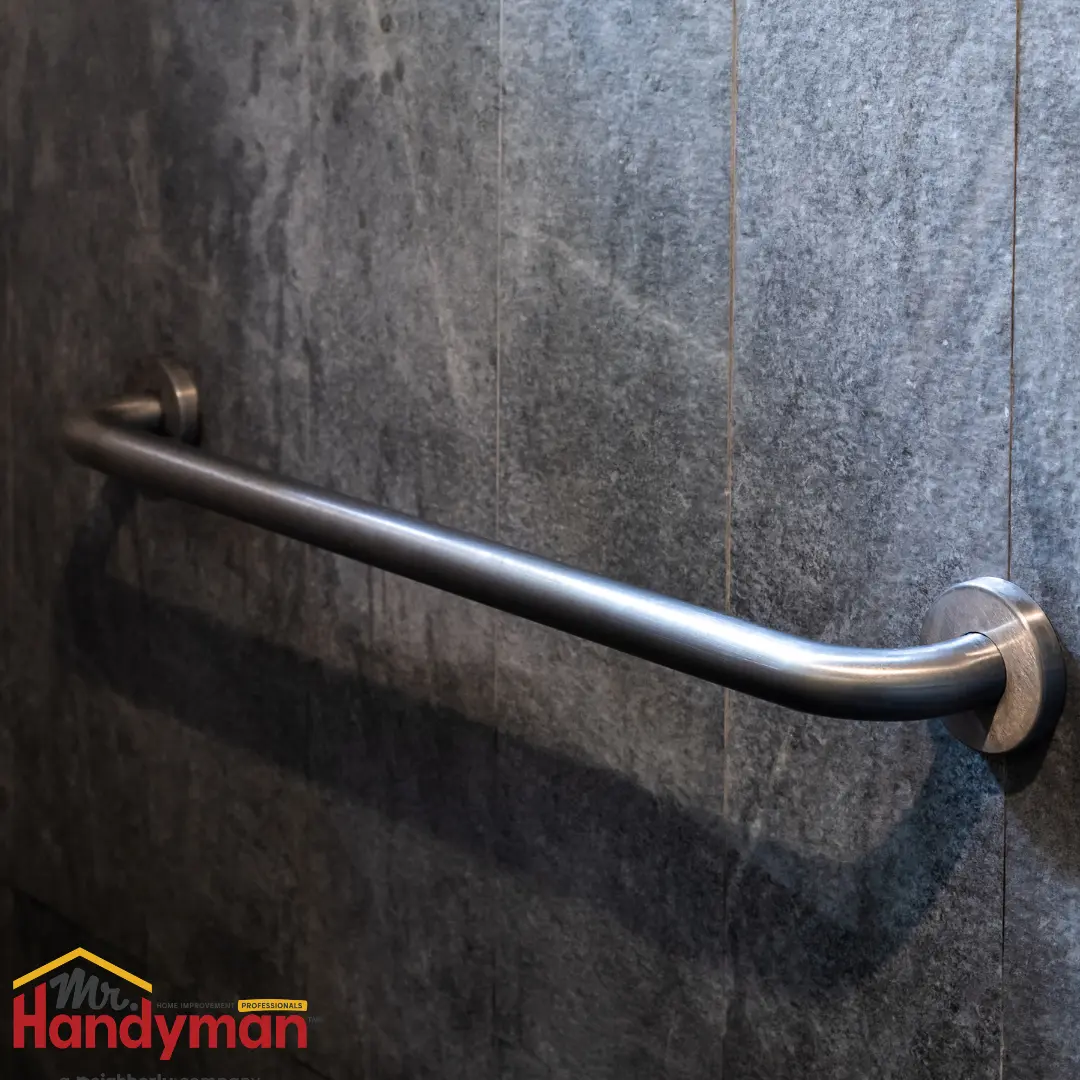
Grab bars in Murfreesboro, Franklin, and Brentwood home bathrooms are among the most consistently underinstalled safety features in the residential housing stock despite their documented effectiveness in preventing the slip and fall injuries that bathroom wet surfaces create for household members of all ages during the daily routine activities that bathroom use involves. The aging household member, the recent surgery recovery patient, the summer visitor whose balance and mobility are different from the resident household members who have adapted their bathroom use patterns to the specific conditions each bathroom creates, and the child whose bathroom independence is developing alongside the coordination that wet surfaces test are all the bathroom users whose safety grab bars specifically serve.
Grab bar installation requires the structural backing that the forces applied to grab bars during use, specifically the body weight that transfer and balance applications deliver to the grab bar and its mounting, demands from the wall assembly at the mounting locations. Installation into stud framing or into blocking installed between studs behind the finished wall surface provides the pullout resistance that grab bar use requires, and installation into drywall alone without structural backing creates the anchor failure risk that grab bar use during an actual fall creates in inadequately backed installations.
Within Mr. Handyman of Murfreesboro, Franklin, and Brentwood's permitted scope, grab bar installation into stud locations or into blocking that Mr. Handyman installs to provide backing at the required mounting locations delivers the structural security that grab bar use safety requires in Murfreesboro, Franklin, and Brentwood homes whose bathroom safety assessment identifies grab bar installation as warranted for the household's specific occupant and guest profile.
Non-Slip Surface Addition in Wet Areas
Bathroom floor surfaces and tub and shower floor surfaces in Murfreesboro, Franklin, and Brentwood homes present the slip hazard that wet smooth surfaces create for every person who navigates them during and after bathing activity. Non-slip bath mat installation at the tub and shower exit, non-slip tub and shower floor appliques or textured inserts that increase traction at the wet floor surfaces that bathing creates, and non-slip treatment application to smooth bathroom tile floors that summer's guest use brings additional barefoot contact to are the surface traction improvements that summer bathroom safety assessment warrants for bathrooms whose current floor surface condition presents slip risk to the full range of household members and guests whose summer presence the bathroom serves.
Frequently Asked Questions
What is the most important summer safety assessment step for Murfreesboro and Franklin homeowners with decks?
The railing force test is the non-negotiable first step of every summer deck safety assessment, because railing structural adequacy cannot be confirmed through visual inspection alone and because the consequence of railing failure during summer's entertaining season creates the most serious safety risk of any outdoor structure condition that assessment might identify. Pressing deliberately against every railing section, at every post connection, and at the top rail between posts with the lateral force that a stumbling person would apply reveals the structural resistance that the railing currently provides and identifies inadequate resistance before summer's guest loading tests it under real conditions. This test should be completed before any summer outdoor gathering brings guests onto the deck whose railing structural adequacy has not been confirmed through deliberate force testing.
How does Mr. Handyman of Murfreesboro, Franklin, and Brentwood approach the summer safety assessment for a complete home?
Mr. Handyman of Murfreesboro, Franklin, and Brentwood conducts summer safety assessment as a systematic walk-through of the home's exterior and interior safety conditions, covering the outdoor structural conditions including railing and deck surface, walkway trip hazards, step condition and lighting, and the outdoor safety conditions this guide covers alongside the interior safety conditions including detector assessment, handrail security, and bathroom safety features. The assessment identifies each condition's specific current state, distinguishes between conditions requiring immediate correction and those that routine maintenance addresses adequately, and produces the specific correction scope that each home's safety assessment reveals as warranted before summer's occupancy and activity creates the maximum exposure to each identified condition.
Are smoke and carbon monoxide detector replacements within Mr. Handyman's permitted scope in Murfreesboro and Franklin?
Yes. Battery-powered and plug-in smoke and carbon monoxide detector replacement and installation are within Mr. Handyman of Murfreesboro, Franklin, and Brentwood's permitted scope. Hard-wired detector replacement that involves disconnecting and reconnecting the detector's wiring to the home's electrical system requires licensed electrical contractor involvement under Tennessee's licensing requirements for electrical work.
How does summer guest presence change the safety priorities that Murfreesboro and Franklin homeowners should address?
Summer guest presence changes the safety priority framework in two specific ways. First, guests encounter the home's safety hazards without the automatic avoidance habits that daily familiarity creates for household members who have unconsciously adapted their movement patterns around known conditions, making guest exposure to the specific hazards that household members automatically avoid more likely to produce the incident that household familiarity prevents. Second, summer guests often include population groups whose safety vulnerability differs from the resident household members, specifically young children whose childproofing needs may not be addressed in a childless household, elderly visitors whose balance and mobility make trip hazards and absent grab bars more consequential, and overnight guests who navigate the home in darkness without the spatial familiarity that resident nighttime navigation employs.
The Summer That Proceeds Without the Incident That Assessment Prevents
The safety conditions this guide covers share the characteristic that makes proactive assessment and correction most valuable: none of them announce their inadequacy until the incident that their failure creates reveals what assessment would have identified and correction would have prevented. The railing that provides inadequate structural resistance has been providing that inadequate resistance through every prior summer season without producing the fall that reveals it, until the specific combination of loading and user contact that summer's gathering creates tests it in the way that finally produces the failure. The trip hazard on the walkway has been present through every prior season without producing the fall that reveals it, until the guest whose unfamiliar path navigation doesn't include the automatic avoidance that household familiarity has created for every resident encounters it at the specific angle and speed that produces the fall.
Summer safety assessment and correction before the season's occupancy and activity creates the maximum exposure to these conditions is the proactive approach that prevents the incidents that reactive response addresses after they have already occurred. Mr. Handyman of Murfreesboro, Franklin, and Brentwood is ready to help homeowners throughout the service area complete the summer safety assessment and correction program that each specific home's conditions and each household's specific summer occupancy profile require.
Website: https://www.mrhandyman.com/murfreesboro-smyrna/ Serving Murfreesboro, Franklin, and Brentwood with dependable service and the expertise your home deserves.