
The Question Most Middle Tennessee Homeowners Don't Ask Until Something Goes Wrong
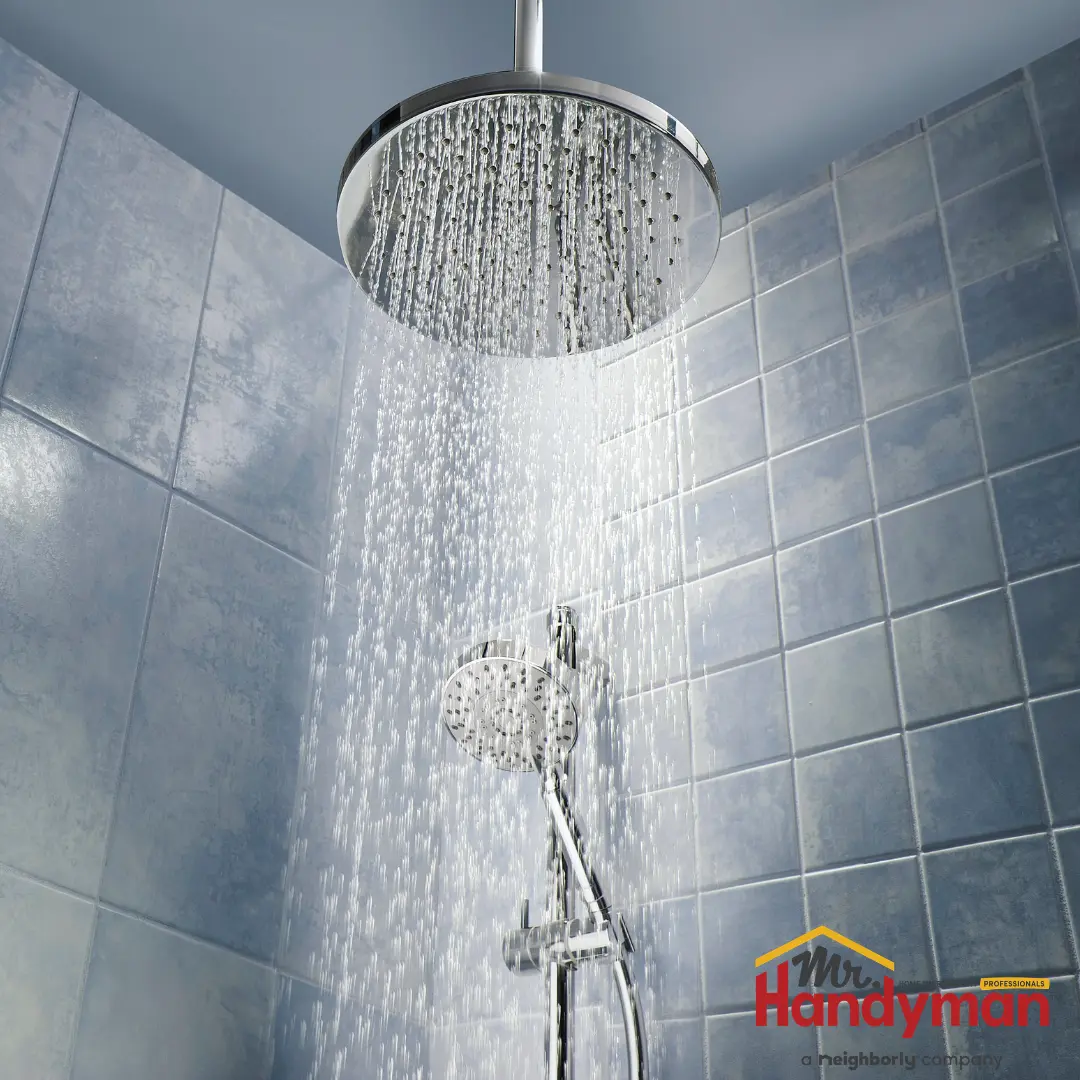
Summer arrives in Murfreesboro, Franklin, and Brentwood with a specific and predictable pattern that plays out in households across the service area every year. School ends, schedules loosen, guests arrive, outdoor living begins in earnest, and the home's plumbing system quietly absorbs the demand increase that all of that activity generates without anyone noticing the transition from moderate winter use to the concentrated summer load that the season creates. More people showering more frequently. More laundry cycles from outdoor activity and guest linens. More dishwasher loads from summer entertaining. More outdoor water use from irrigation, car washing, garden watering, and the various outdoor cleaning tasks that summer's active lifestyle generates.
The plumbing system that handled winter's conservative demand without incident may handle summer's peak demand equally well, or it may reveal the developing conditions that adequate winter use concealed but summer's load amplifies into visible and disruptive problems. The water heater that recovered adequately between the household's two morning showers in January may not recover between the four or five showers that summer occupancy creates before the last person gets cold water. The water pressure that seemed fine through winter may seem noticeably reduced when the irrigation system, a garden hose, and a dishwasher are all drawing simultaneously on a summer afternoon. And the slow drain that managed adequately through winter's light use may back up completely under summer's concentrated kitchen and bathroom activity.
The productive question to ask before summer's peak demand rather than after its first problem surfaces is whether the home is ready for the increased water use the season brings. This guide provides the specific assessment framework that answers that question for Murfreesboro, Franklin, and Brentwood homeowners, covering the plumbing system components whose summer readiness most directly determines whether the season proceeds comfortably or produces the reactive service calls that adequate preparation prevents.
Mr. Handyman of Murfreesboro, Franklin, and Brentwood serves homeowners throughout the area with the assessment, maintenance, and repair services that summer plumbing readiness requires, and this guide covers both the homeowner assessment steps and the professional service indicators that summer readiness evaluation identifies.
Water Heater Readiness for Summer's Peak Demand
Recovery Rate and Summer Household Demand
The water heater's recovery rate, meaning how quickly it returns to full temperature after a draw-down event, is the performance characteristic that summer's increased hot water demand tests most directly. A water heater whose recovery rate was adequate for winter's two-person, two-shower morning demand may not recover quickly enough for summer's four or five consecutive showers, the back-to-back dishwasher cycles that summer entertaining creates, and the laundry volume that guest occupancy generates, all competing for hot water through the same morning hours.
Understanding your water heater's first-hour rating, which is the amount of hot water the unit can deliver in the first hour of operation, helps set realistic expectations for summer's demand profile. A standard forty-gallon gas water heater typically delivers sixty to seventy gallons in the first hour, which accommodates two to three showers, a dishwasher cycle, and some laundry with careful scheduling. A household that summer occupancy expands to five or six people with overlapping morning routines may find that first-hour rating limiting in ways that winter's conservative demand never revealed.
For households whose summer occupancy genuinely exceeds the water heater's first-hour capacity, scheduling adjustment that staggers morning shower demand is the household management approach that works within the existing equipment's capability. For households where scheduling adjustment isn't practical and where cold water at the third shower has been an annual summer complaint, the water heater capacity assessment that precedes an upgrade conversation begins with understanding the existing unit's first-hour rating against the household's actual peak demand.
Sediment and Efficiency in Middle Tennessee Conditions
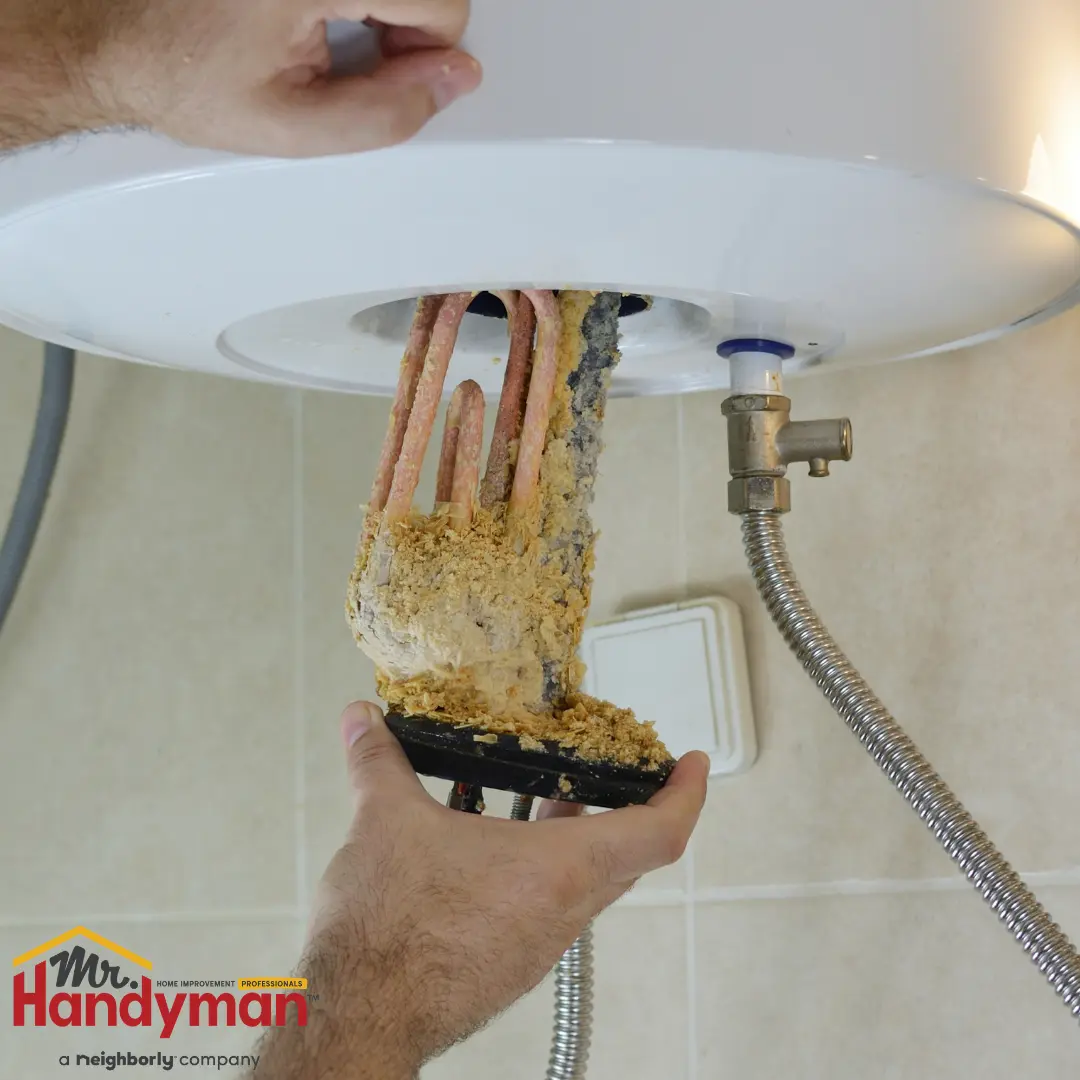
Middle Tennessee's water supply characteristics create sediment accumulation in water heater tanks that reduces heating efficiency and hot water capacity over years of service. The mineral content that Murfreesboro, Franklin, and Brentwood water supplies carry precipitates onto the tank bottom through each heating cycle, building the sediment layer that insulates the heating element or burner from the water above it and requires more energy to heat the same volume of water as the sediment layer grows.
The symptom that sediment accumulation produces is the popping, rumbling, or kettling sound that Middle Tennessee homeowners sometimes notice from their water heaters, created by water boiling against the sediment layer before escaping through it. This sound indicates that the sediment accumulation has reached the level that efficiency impact is measurable and that capacity may be reduced from the sediment's displacement of water volume in the tank.
Water heater flushing that partially removes accumulated sediment is a maintenance procedure that professional service performs more completely than homeowner flushing typically achieves, and early summer scheduling of water heater maintenance positions the unit to deliver its best available performance through the peak demand season rather than operating at the reduced efficiency that accumulated sediment creates through the months when hot water demand is highest.
Temperature Setting Confirmation
The water heater temperature setting is the adjustment whose summer relevance is specifically the safety dimension that guest occupancy and children's summer presence create at household fixtures. A water heater set above one hundred twenty degrees Fahrenheit delivers hot water at temperatures that create scalding risk at shower and faucet fixtures for children and elderly household members whose skin is more sensitive to hot water temperature than typical adult users. Confirming that the water heater temperature is set at one hundred twenty degrees before summer's guest season begins is a simple adjustment whose safety benefit is immediate.
Water Pressure Assessment for Summer's Simultaneous Demands
What Simultaneous Summer Water Use Creates
The pressure drop that simultaneous water use creates throughout a home is the performance condition that summer's active household most directly reveals, because summer's outdoor activities, increased occupancy, and outdoor entertainment concentrate multiple simultaneous water uses in ways that winter's conservative use patterns don't replicate. The pressure reduction that simultaneous indoor and outdoor water use creates, specifically the shower pressure drop that occurs when an outdoor irrigation zone opens while someone is showering, the reduced flow at the kitchen faucet when the dishwasher is filling simultaneously, and the irrigation coverage reduction during peak afternoon demand hours when municipal pressure is lower than morning baseline, are all summer pressure performance conditions whose underlying causes merit assessment rather than simple acceptance.
A simple pressure gauge that threads onto any hose bib provides the static pressure measurement that establishes the home's baseline pressure at the point of outdoor connection. Normal residential water pressure ranges from forty-five to eighty pounds per square inch, with sixty to seventy-five PSI being the typical comfortable range for Murfreesboro, Franklin, and Brentwood residential service. Pressure consistently below forty-five PSI creates the supply limitation that manifests as the inadequate pressure and simultaneous-use sensitivity that summer demand reveals, and understanding whether the home's pressure is at the lower end of the acceptable range or genuinely below it helps determine whether the pressure performance during summer peak use is a system characteristic or an addressable condition.
Pressure Regulator Assessment
Homes throughout Murfreesboro, Franklin, and Brentwood with water pressure at the higher end of the municipal supply range have pressure reducing valves installed on the main supply line that limit household pressure to a set point protective of fixture and appliance design ratings. These regulators have service lives that eventual failure or drift from the set point terminates, and a regulator that has been in service for ten or more years may be delivering pressure noticeably different from its intended setting without having produced a dramatic failure event that makes the condition obvious.
The pressure regulator whose output has drifted below its intended set point creates the low-pressure condition throughout the home that summer's simultaneous demand amplifies into the pressure sensitivity that feels like a plumbing problem when it is actually a regulator calibration issue. Conversely, a regulator that has failed open, delivering full municipal pressure rather than the regulated set point, creates the overpressure condition that accelerates fixture and valve wear throughout the home. Testing static pressure at the hose bib and comparing it against the pressure regulator's intended set point, if the setting is accessible, identifies the regulator performance drift that professional adjustment or replacement addresses.
Supply Line Assessment in Established Murfreesboro Homes
Murfreesboro's substantial housing stock from the 1970s through the 1990s includes homes whose original plumbing supply lines are galvanized steel, a material whose interior corrosion and mineral accumulation over decades of service progressively reduces the effective flow area of the pipe and creates the pressure and flow conditions that galvanized supply line deterioration produces in its later service years. Galvanized supply lines approaching or exceeding forty years of service may be limiting household water pressure and flow in ways that become most apparent under summer's simultaneous demand conditions, and professional assessment of the supply line material and condition in homes of this construction era is the step that accurately identifies whether supply line condition is a contributing factor to the summer pressure sensitivity the household experiences.
Fixture and Valve Readiness for Summer Load
Shutoff Valve Assessment Throughout the Home
The shutoff valves under every sink, behind every toilet, and at the supply connections for dishwashers, washing machines, and water heaters are among the most overlooked components in residential plumbing readiness, and they are the components whose condition matters most when an emergency requires closing the water supply quickly at a specific fixture location. A shutoff valve that hasn't been operated in years may have developed the mineral deposit accumulation that makes it difficult or impossible to close when an urgent situation requires it, and the toilet supply line that fails while the household is away for a summer weekend is the scenario that functional shutoff valves prevent from becoming a water damage event.
Exercising every shutoff valve in the home, meaning turning it fully off and fully back on, is the early summer maintenance step that confirms each valve's operability and dislodges the mineral buildup that valve inactivity allows to develop at the valve seat. A shutoff valve that turns stiffly or doesn't close fully when exercised has identified itself as a replacement candidate before the situation requiring its function creates urgency, and replacement during a planned maintenance visit is straightforwardly simpler than replacement during a supply line failure event.
Supply Line Inspection Under Sinks and at Appliances
The flexible supply lines connecting shutoff valves to faucets, toilets, and appliances are consumable plumbing components with finite service lives whose condition homeowners rarely examine until a failure creates the water release that damages cabinets, flooring, and adjacent structure. Braided stainless steel supply lines in good condition show no discoloration, corrosion at the fittings, or deformation in the braided cover. Lines showing rust staining at the fittings, bulging in the hose body, or visible corrosion at any connection point are lines that have advanced toward the failure that proactive replacement prevents.
Summer is specifically the season when supply line failure creates the most consequential outcomes in Murfreesboro, Franklin, and Brentwood homes because summer's active outdoor activity means household members may be outside for extended periods during which an interior supply line failure runs undetected. A supply line that fails while the household is in the backyard for a summer afternoon can release significant water volume into the cabinet below before anyone returns inside to discover it. Replacing supply lines showing deterioration before summer's outdoor activity season begins is the preventive step whose cost is a small fraction of the water damage remediation that supply line failure requires when it occurs undetected.
Washing Machine Supply Hose Assessment
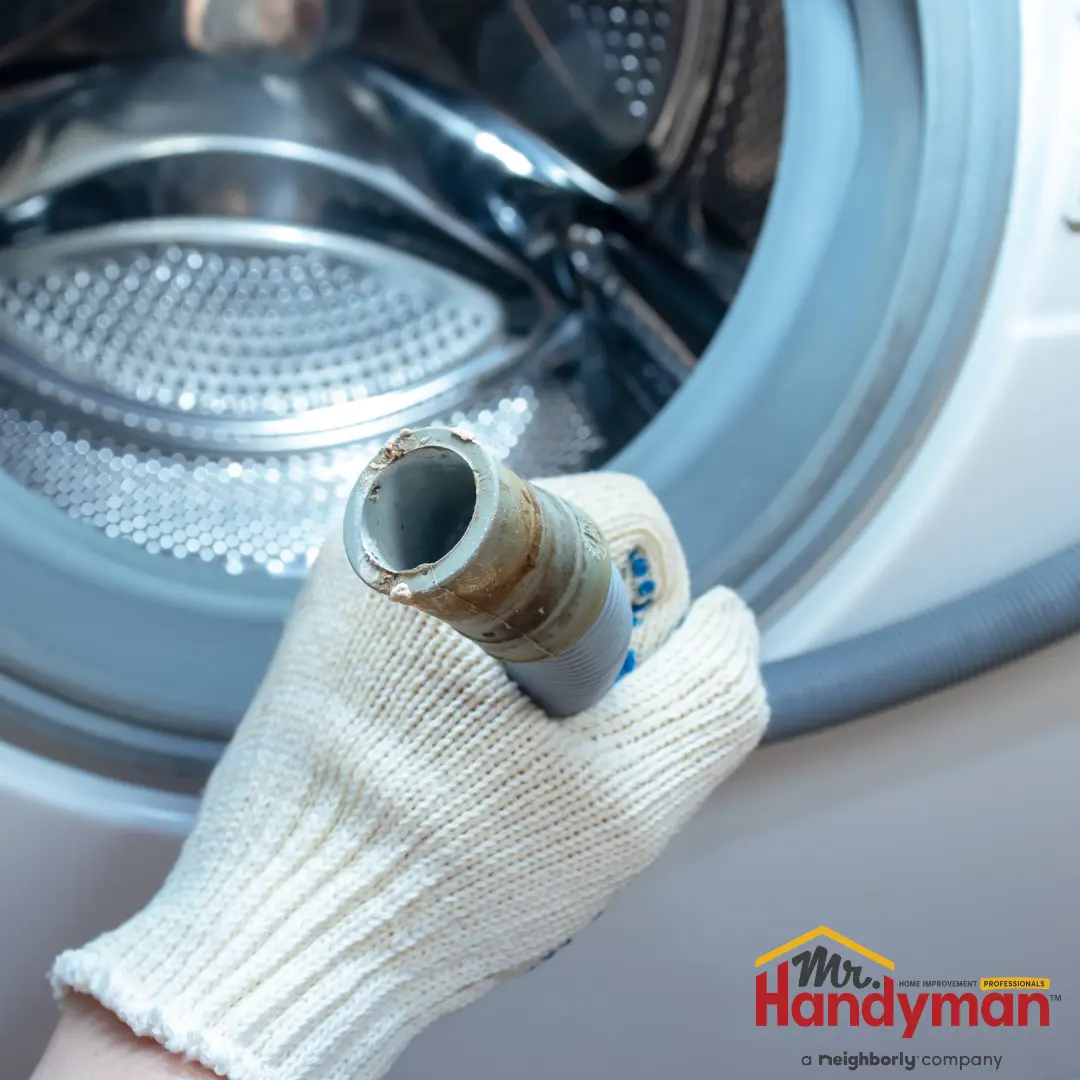
Washing machine supply hoses are the supply lines most frequently associated with significant residential water damage events, because their larger diameter delivers higher water volume per minute than sink supply lines when failure occurs, and because washing machines are commonly located in spaces whose proximity to structural materials makes water intrusion particularly damaging. Standard rubber washing machine supply hoses have recommended replacement intervals of five years, and many Murfreesboro, Franklin, and Brentwood homeowners who have never replaced their washing machine hoses are operating beyond that interval without awareness of the risk their aging hoses represent.
Inspecting washing machine supply hoses for the bulging, blistering, cracking, or fitting corrosion that indicates approaching failure, and replacing rubber hoses beyond five years of service or showing any deterioration with stainless steel braided alternatives whose service life significantly exceeds standard rubber hose longevity, is the specific summer readiness step whose water damage prevention return most substantially exceeds its modest replacement cost.
Outdoor Water Use Readiness
Garden and Landscape Irrigation Efficiency
Middle Tennessee's summer rainfall is sufficient through June in most years but becomes increasingly unreliable through July and August when extended dry periods make landscape irrigation essential for maintaining the plantings and lawn areas that Murfreesboro, Franklin, and Brentwood homeowners have invested in. An irrigation system that hasn't been assessed since last summer may have developed the coverage gaps, misaligned heads, and inefficient spray patterns that water waste without adequate landscape coverage creates through the dry weeks that peak summer always eventually delivers.
The homeowner irrigation assessment that early summer warrants includes walking every zone through a manual cycle and observing each head's operation, coverage pattern, and spray direction against the landscape it is intended to serve. Heads that are no longer flush with the grade due to winter soil movement create the above-grade protrusion that lawn equipment strikes and the coverage gaps that settled heads produce. Heads spraying onto hardscape rather than landscape waste water without contributing to the irrigation coverage the zone is designed to deliver. And zones that seem to run correctly but whose coverage leaves dry spots in the landscape between heads may have developed the flow reduction that partially clogged nozzles create without completely stopping spray.
Hose Management and Connection Readiness
The outdoor hose connections, hose storage, and hose condition that summer's active outdoor water use requires deserve the early summer assessment that identifies the deteriorated hoses, worn connectors, and inadequate storage that summer use consistently reveals. A garden hose that leaks at the spigot connection needs a new hose washer, which is a thirty-second replacement that costs almost nothing. A hose with cracks or brittleness in its body from the UV exposure of outdoor storage through winter and spring needs replacement before summer's active use creates the split that releases water unexpectedly during use.
When Summer Readiness Assessment Identifies Professional Service Needs
The summer readiness assessment that this guide covers will confirm adequate condition in most plumbing system components for most Murfreesboro, Franklin, and Brentwood homes whose maintenance has been reasonably consistent. It will also identify specific conditions in some homes that professional service appropriately addresses, and recognizing those conditions clearly helps homeowners act on them before summer's peak demand rather than after.
Water pressure consistently below forty-five PSI throughout the home warrants professional assessment of the pressure regulator and supply system. Water heater recovery that consistently fails to meet the household's morning demand despite temperature setting confirmation and adequate first-hour rating warrants a professional evaluation of heating element performance and sediment condition. Shutoff valves that don't close completely when exercised warrant professional replacement before summer's active use season. Supply lines showing any deterioration indicators warrant professional replacement at the earliest scheduling opportunity. And any visible water staining, moisture, or mold evidence discovered during the under-sink and appliance supply line inspection warrants professional assessment before the source advances further.
Frequently Asked Questions
How does increased summer water use affect water bills in Murfreesboro and Franklin?
Summer water use increases are typically reflected in billing that Middle Tennessee homeowners notice as a meaningful seasonal increase from winter's baseline. The specific increase depends on outdoor irrigation volume, household occupancy changes, and the specific utility rate structure each community applies. A running toilet, dripping outdoor faucet, or irrigation system inefficiency that winter use made less apparent can significantly amplify the summer bill increase beyond what legitimate use volume alone creates, making summer readiness assessment that identifies these conditions before the billing cycle reflects their impact genuinely financially productive.
What is the first summer readiness check every Murfreesboro homeowner should complete?
Exercising every shutoff valve in the home is the single most universally important summer readiness step because it combines safety preparedness with maintenance in one action that takes less than thirty minutes for a complete home. Confirming that every shutoff valve closes when needed means that any summer supply line or fixture issue has a reliable isolation point that limits damage before professional service arrives. Every other summer readiness check is important, but none is as immediately safety-relevant as confirming shutoff valve operability.
Does Mr. Handyman of Murfreesboro, Franklin, and Brentwood provide comprehensive summer plumbing readiness assessments?
Yes. Mr. Handyman of Murfreesboro, Franklin, and Brentwood provides the professional assessment of plumbing system readiness for summer's increased demand across the service area, covering water heater condition and temperature setting, pressure assessment and regulator evaluation, supply line and shutoff valve inspection, and outdoor plumbing readiness. Scheduling a summer readiness assessment before peak demand arrives positions the household to address any identified conditions during planned service rather than reactive emergency response.
How old is too old for washing machine supply hoses in Middle Tennessee homes?
Standard rubber washing machine supply hoses should be replaced at five years regardless of visible condition, because the internal deterioration that rubber hose aging creates is not always visible at the exterior surface. Braided stainless steel replacement hoses carry longer service life expectations and provide meaningfully better failure resistance than standard rubber alternatives. Any rubber hose beyond five years in a Murfreesboro, Franklin, or Brentwood home warrants replacement as a summer readiness action whose water damage prevention value substantially exceeds the hose replacement cost.
The Summer That Proceeds Without Plumbing Surprises
The Murfreesboro, Franklin, and Brentwood home whose summer readiness assessment has been completed, whose shutoff valves operate, whose supply lines are in sound condition, whose water heater temperature is appropriately set, whose outdoor plumbing is drip-free and positioned to serve the season's needs, and whose pressure and flow performance has been confirmed against the household's summer demand is the home whose summer proceeds as summer should, with the outdoor living, the guest visits, and the concentrated household activity that Middle Tennessee summers create uninterrupted by the plumbing service calls that deferred readiness assessment eventually generates.
Mr. Handyman of Murfreesboro, Franklin, and Brentwood is ready to help homeowners throughout the service area complete the summer readiness steps that professional service addresses before the season's peak demand arrives.
Website: https://www.mrhandyman.com/murfreesboro-smyrna/ Serving Murfreesboro, Franklin, and Brentwood with dependable service and the expertise your home deserves.