
Why Summer Creates the Low Water Pressure Conversation
Low water pressure is a plumbing complaint that exists in homes year-round, but summer is the season that makes it impossible to ignore and that reveals the specific causes that moderate seasons mask. The combination of increased household water demand, elevated outdoor water use throughout the neighborhood, and the mineral accumulation that Tennessee's hard water has been building throughout the preceding months creates the conditions where water pressure drops from acceptable to genuinely inconvenient during exactly the season when a satisfying shower, a functioning irrigation system, and a garden hose delivering useful pressure matter most.
Middle Tennessee's specific context amplifies this pattern. The rapid residential growth of Murfreesboro, Spring Hill, Nolensville, and the southern Franklin corridor has added significant household density to municipal water supply systems that were not always designed for their current service population. On a summer Saturday afternoon when every household in a growing subdivision is running irrigation, filling pools, washing cars, and hosting gatherings simultaneously, the municipal supply pressure that reaches any individual home reflects the cumulative demand that the entire neighborhood is placing on the system at that moment.
Tennessee's limestone-influenced water supply creates the mineral accumulation dimension that compounds seasonal demand pressure drops. The calcium and magnesium content of Middle Tennessee water deposits progressively at every restriction point in the household plumbing system, from the aerators at faucets through the showerhead nozzles, the supply line connections, and the pressure regulator valve that manages the incoming pressure from the municipal supply. Summer's increased use accelerates the point at which accumulated restriction becomes the household-level pressure drop that residents notice and that targeted repair addresses directly.
Understanding which causes are at play in a specific home helps homeowners and service professionals address the right condition rather than treating symptoms while the actual cause continues.
Municipal Supply Pressure Drops During Peak Demand
The most common cause of summer low water pressure in homes throughout Murfreesboro, Franklin, Brentwood, and the surrounding communities is the municipal water supply pressure drop that peak neighborhood demand creates during the high-use hours of summer weekends and evenings.
Municipal water supply systems are designed to maintain a specific pressure range at service connections throughout their distribution area. This design pressure assumes a distribution of demand across the service population that reflects normal daily use patterns. Summer weekend afternoons represent the maximum deviation from this assumption, when the simultaneous outdoor water use of an entire neighborhood or subdivision creates the demand concentration that reduces distribution pressure across the entire area simultaneously.
The diagnostic test for municipal supply pressure involvement is straightforward. If low water pressure is noticed primarily during the afternoon hours of summer weekends, if neighbors report the same condition, and if pressure appears normal during early morning or late evening hours when neighborhood demand has dropped, the municipal supply is the primary contributor. This condition does not have a household-level plumbing repair because the cause is external to the home's system.
What homeowners can do in this context is schedule the high-demand water activities, including lawn irrigation, car washing, and pool filling, for early morning hours when municipal supply pressure is at its daily peak rather than competing with neighborhood-wide afternoon demand. And for homes experiencing municipal supply pressure drops that are more severe than neighbors report, the pressure regulator valve at the home's supply connection warrants assessment because this device may be limiting pressure below the municipal supply level rather than simply reflecting it.
Clogged Faucet Aerators and Showerheads
The most common household-level cause of summer low water pressure in Middle Tennessee homes is the mineral deposit accumulation that Tennessee's limestone water has been building at faucet aerators and showerhead nozzles through the months of use preceding summer.
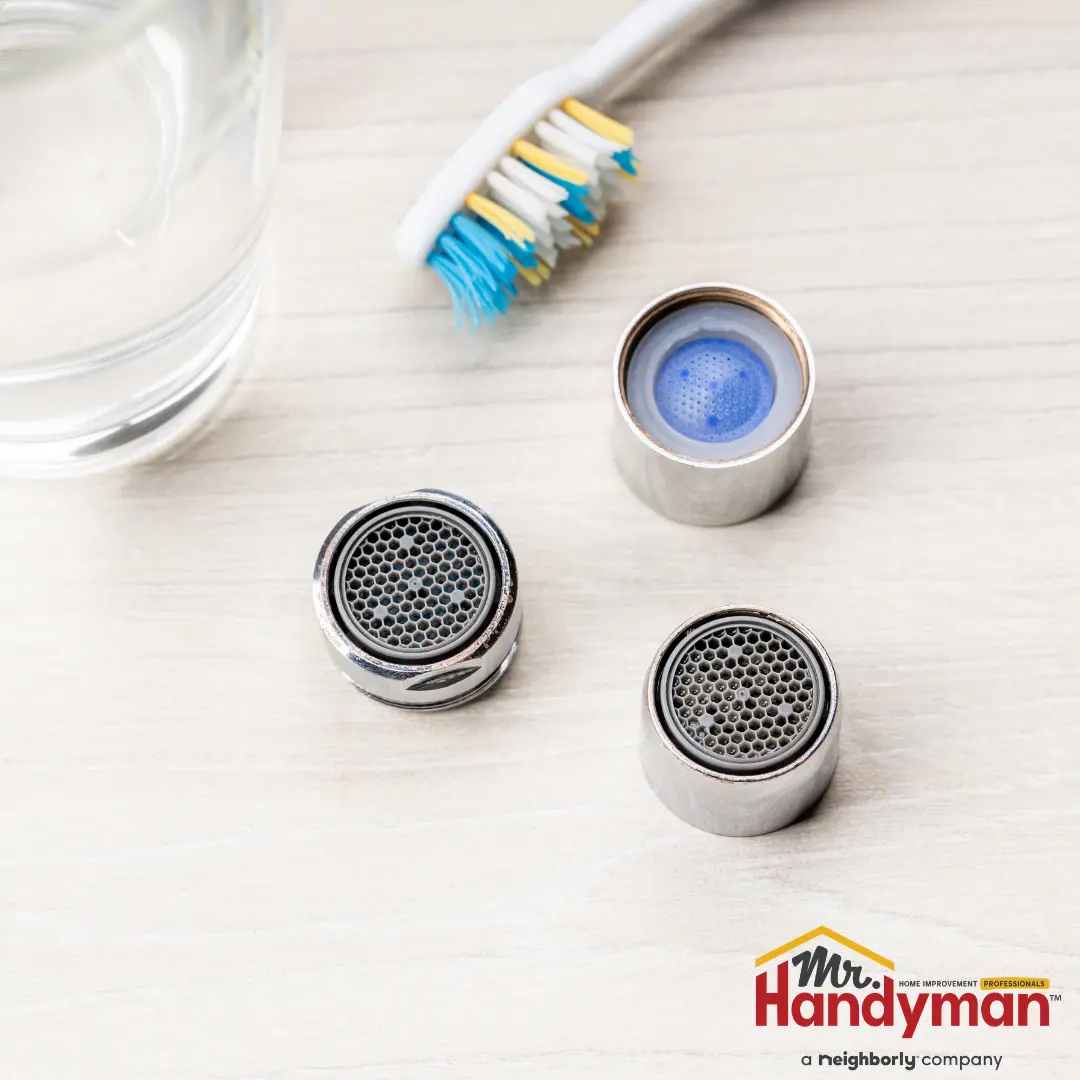
Faucet aerators are the small screen assemblies at the tip of every faucet spout. They mix air into the water stream to create the comfortable, non-splashing flow that household faucets deliver, and they do this through a fine mesh screen that provides the resistance that aerates the flow. This fine mesh is precisely the type of restriction that Tennessee's hard water mineral deposits fill progressively, reducing effective flow area and creating the low pressure at that specific fixture that homeowners notice as the faucet that used to deliver satisfying flow and now trickles.
Aerator cleaning is the most accessible DIY plumbing maintenance available to Middle Tennessee homeowners. Unscrewing the aerator from the faucet tip, disassembling its components, soaking them in white vinegar for thirty minutes to dissolve calcium deposits, scrubbing with a small brush, and reinstalling the cleaned assembly restores the full flow that the faucet delivered before accumulation reduced it. For aerators that have accumulated years of Tennessee limestone deposits, the mineral buildup may be too calcified for vinegar soaking to fully dissolve, and aerator replacement with a new unit is the practical solution that costs under five dollars per faucet.
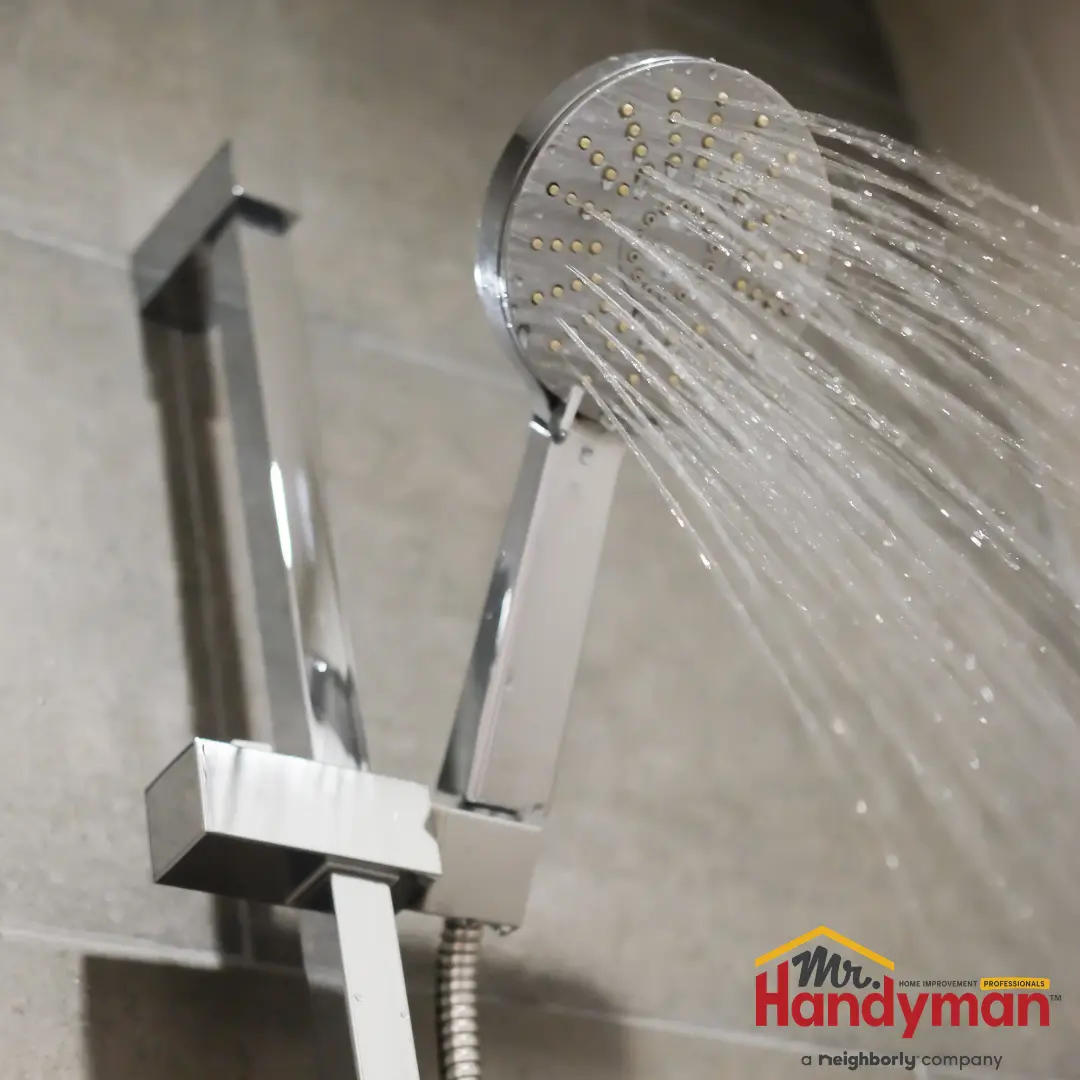
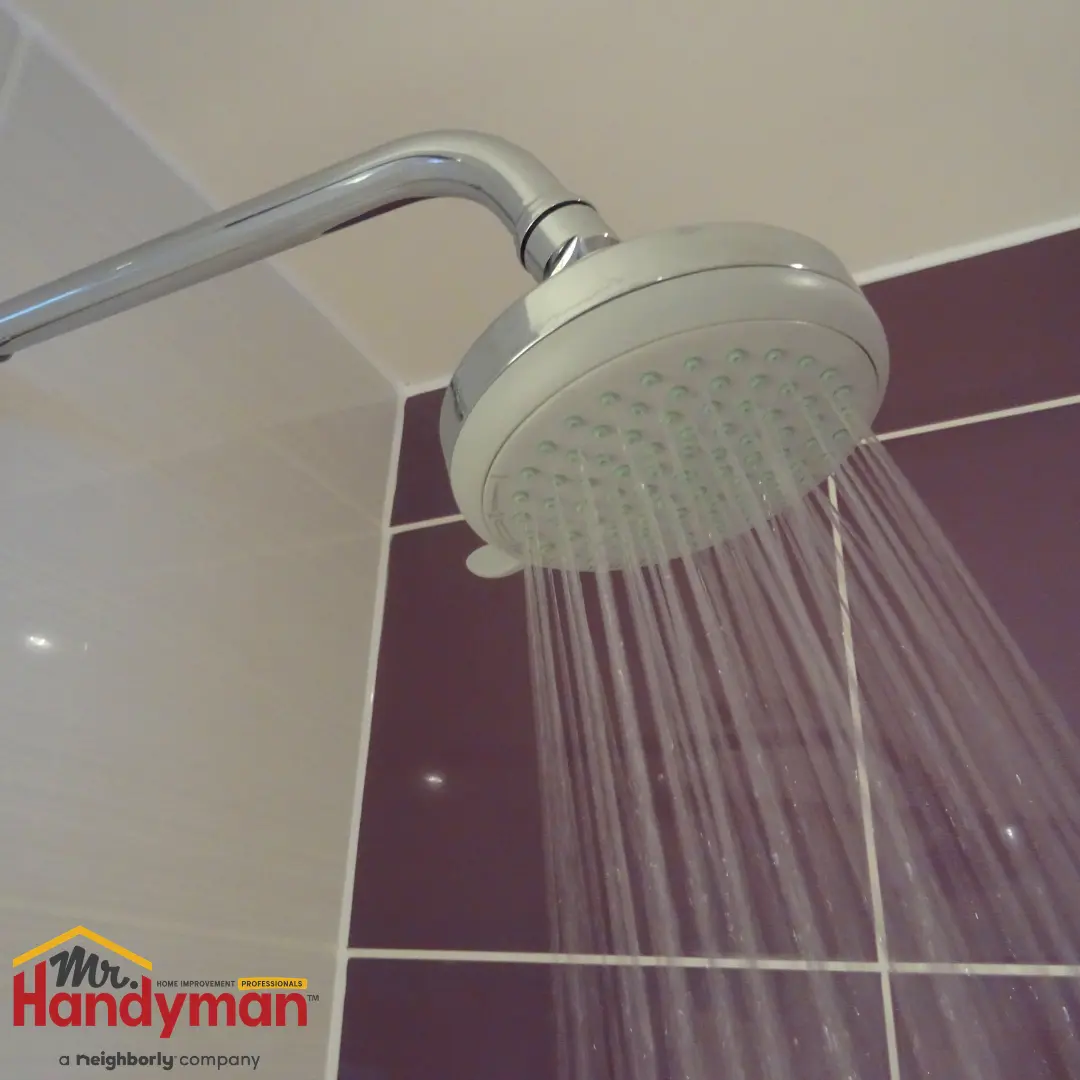
Showerhead nozzle blockage creates the low pressure at the shower that summer's daily use makes most immediately noticed. The small nozzle holes in a showerhead that has been in service in Middle Tennessee's hard water for several years without cleaning or replacement become progressively restricted by mineral deposits that reduce both the flow rate and the spray pattern quality. Soaking the showerhead in white vinegar, either by removing it and submerging it or by filling a plastic bag with vinegar and securing it over the showerhead with a rubber band, dissolves the calcium deposits that are reducing flow. For showerheads that have accumulated significant mineral buildup over many years of service, replacement is the more effective solution and creates the opportunity to upgrade to a current WaterSense-certified model that delivers improved performance in Middle Tennessee's hard water context.
Pressure Regulator Valve Failure
Most homes in Murfreesboro, Franklin, Brentwood, and the surrounding communities have a pressure regulator valve at the point where the municipal supply line enters the home. This device reduces the municipal supply pressure, which can be as high as 150 PSI in some distribution systems, to the 45 to 80 PSI range that household plumbing systems and fixtures are designed to receive.
Pressure regulator valves have a service life of ten to fifteen years under normal conditions, and in Middle Tennessee's mineral-rich water environment, the internal components of these valves accumulate the calcium and magnesium deposits that accelerate wear and affect performance. A pressure regulator valve that has reached the end of its service life or that has been affected by mineral accumulation may deliver pressure significantly below its set point, creating household-wide low water pressure that affects every fixture simultaneously rather than specific fixtures individually.
The distinguishing characteristic of pressure regulator failure as the cause of low water pressure is its whole-house nature. When every fixture in the home, including all faucets, showers, toilets, and the outdoor hose bibs, is delivering noticeably lower pressure than it did previously, and when this condition persists regardless of time of day or neighborhood demand level, the pressure regulator valve is the appropriate component to assess.
Testing the actual water pressure at a hose bib using an inexpensive pressure gauge that threads onto the hose bib confirms whether the incoming pressure is below the expected range. A reading below 40 PSI at the hose bib when the municipality is delivering adequate pressure to the neighborhood confirms that the pressure regulator is reducing pressure below the appropriate level and warrants professional assessment and replacement.
Partially Closed Shutoff Valves
A partially closed shutoff valve somewhere in the household supply system is a straightforward and frequently overlooked cause of low water pressure that summer's increased use reveals in homes where a valve was partially closed during a previous repair and not fully reopened, or where a valve has drifted partially closed through vibration or wear.
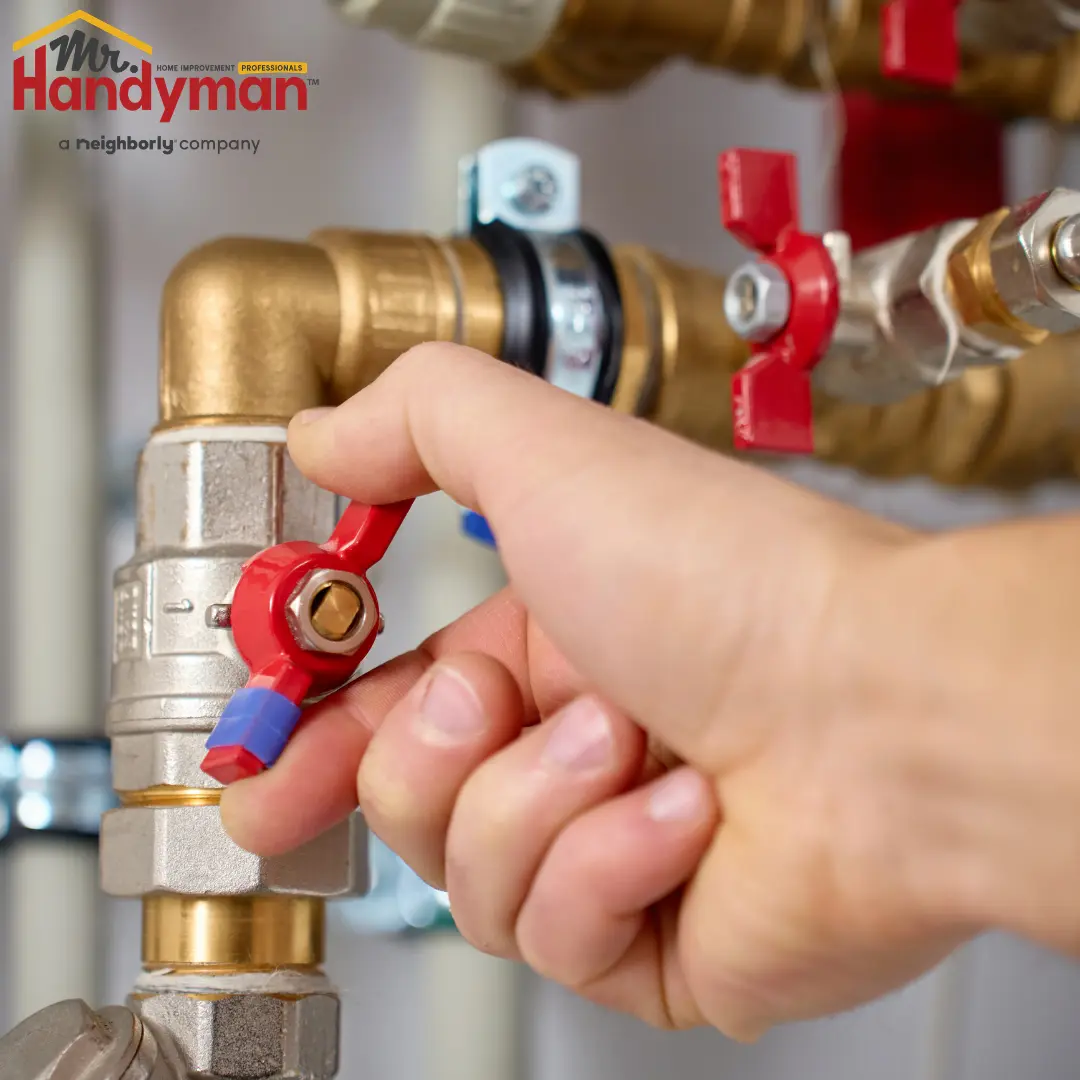
The main shutoff valve at the water meter and the secondary shutoff valve where the supply line enters the home are the two locations most likely to be in a partially closed state without the household's awareness. A gate valve that has been turned partially closed and left in that position, or a ball valve that has drifted from the fully open position, reduces the flow capacity of the entire supply system and creates the household-wide low pressure that mimics pressure regulator failure in its whole-house character.
Confirming that all main and secondary shutoff valves are fully open is a simple diagnostic step that takes minutes and that resolves the pressure condition immediately when a partially closed valve is the cause. Gate valves should be turned fully counterclockwise until they stop. Ball valves should have their handles aligned parallel to the supply pipe, indicating the fully open position.
Mineral Buildup Inside Supply Pipes
In older homes throughout Brentwood, Franklin's established neighborhoods, and the older residential sections of Murfreesboro, galvanized steel supply pipes that were standard in residential construction through the 1960s and 1970s are subject to the internal corrosion and mineral deposit accumulation that decades of Middle Tennessee's limestone water has created on their interior surfaces.
Galvanized pipe interior surfaces develop corrosion and mineral deposits that progressively reduce the effective interior diameter of the pipe, creating the flow restriction that manifests as low water pressure at every fixture served by the affected pipe sections. This condition develops gradually over many years, which means that homeowners in older homes often accommodate progressively worsening pressure without recognizing the change because it has occurred slowly enough to become the new normal.
Low water pressure caused by galvanized pipe interior restriction does not have a maintenance repair solution. The restriction is internal to the pipe and cannot be cleared without pipe replacement. The appropriate response is assessment of the supply system's pipe material and condition, and replacement of galvanized sections with current copper or PEX supply pipe. This scope is licensed plumbing contractor work, but the diagnostic assessment that confirms galvanized pipe restriction as the cause of low water pressure is within the handyman assessment scope that identifies the appropriate referral.
Frequently Asked Questions
How do I know if my low water pressure is a municipal supply issue or a household plumbing issue?
If pressure is low primarily during afternoon hours on summer weekends when neighborhood demand peaks, and if it returns to normal during early morning hours, the municipal supply is the primary contributor. If pressure is consistently low at all times of day regardless of neighborhood activity, the cause is within the household plumbing system and warrants internal assessment of aerators, the pressure regulator valve, and shutoff valve positions.
How often should faucet aerators be cleaned in Middle Tennessee homes?
Annual cleaning is the appropriate standard for Middle Tennessee's hard water environment. Aerators in homes with particularly high mineral content water may benefit from cleaning every six months. The test is simple: if unscrewing and inspecting the aerator reveals visible white or gray mineral deposit accumulation on the mesh, cleaning or replacement is warranted regardless of when the last cleaning occurred.
What water pressure range is appropriate for a Middle Tennessee home?
The appropriate household water pressure range is 45 to 80 PSI. Pressure below 40 PSI creates the flow conditions that residents notice as genuinely inadequate at showers, faucets, and outdoor connections. Pressure above 80 PSI stresses supply lines, fixture connections, and appliance supply connections at levels that accelerate wear and increase failure risk. A pressure gauge at the hose bib confirms where the household's actual pressure falls within or outside this range.
Can low water pressure damage household appliances?
Consistently low water pressure below the minimum operating pressure that washing machines, dishwashers, and refrigerator ice makers require can affect the fill cycles and performance of these appliances. Washing machines and dishwashers that do not receive adequate supply pressure may not fill completely within the cycle time their controls assume, leading to incomplete washing cycles and error codes. Confirming adequate supply pressure is part of the diagnostic process when these appliances show performance issues.
Is low water pressure at a single fixture different from low pressure throughout the house?
Yes, and the distinction is diagnostically important. Low pressure at a single fixture points to a condition at or near that fixture, most commonly aerator blockage at a faucet or nozzle blockage at a showerhead. Low pressure throughout the entire house simultaneously points to a whole-house cause such as a partially closed shutoff valve, a failing pressure regulator, high municipal demand, or internal pipe restriction in the main supply line serving the home.
When does low water pressure require a licensed plumber rather than a handyman?
Galvanized pipe replacement, municipal supply connection issues, and any supply pipe repair within the wall or under the slab require a licensed plumbing contractor. Aerator cleaning and replacement, showerhead cleaning and replacement, pressure regulator assessment and replacement, and shutoff valve assessment and adjustment are within the handyman plumbing scope that Mr. Handyman of Murfreesboro, Franklin and Brentwood provides throughout the service area.
Restore Your Home's Water Pressure Before Summer's Demands Peak
The low water pressure conditions that Middle Tennessee summers reveal are consistently more straightforward to address at the targeted repair and component replacement level than the whole-house replumbing that deferred attention to the pressure regulator, aerator, and shutoff valve conditions sometimes eventually requires. The team at Mr. Handyman of Murfreesboro, Franklin and Brentwood handles aerator cleaning and replacement, showerhead service, pressure regulator assessment, shutoff valve confirmation, and the full range of household plumbing pressure diagnostics throughout Arrington, Brentwood, Christiana, Eagleville, Fairview, Franklin, La Vergne, Murfreesboro, Nolensville, Smyrna, Spring Hill, and the full service area.
Call us at or visit www.mrhandyman.com/murfreesboro-smyrna to schedule your plumbing pressure assessment. We show up on time, work cleanly, and back everything we do with the Neighborly Done Right Promise.