
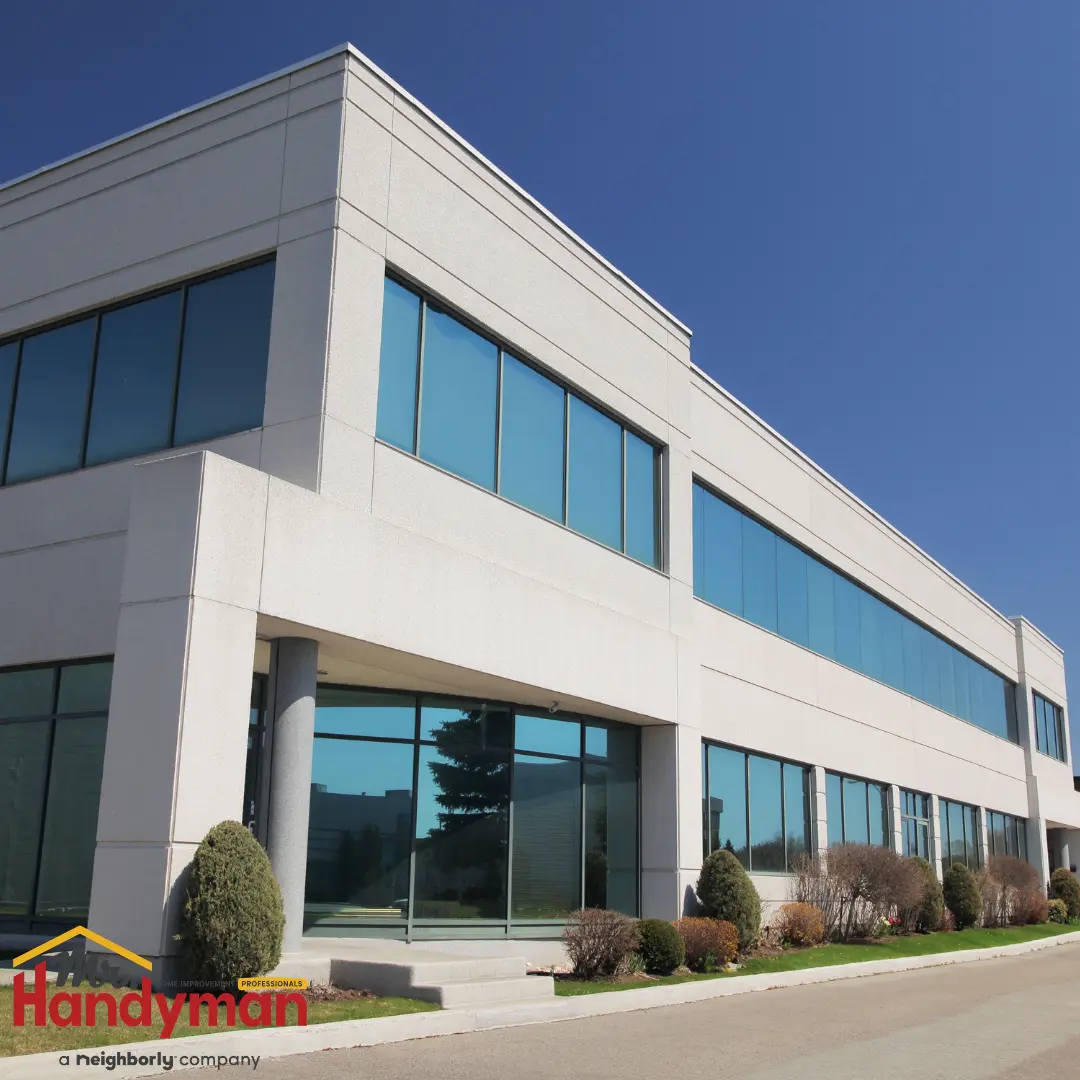
Why Mid-Summer Is a Critical Checkpoint for Middle Tennessee Commercial Properties
By the time mid-summer arrives in Murfreesboro, Franklin, and Brentwood, commercial properties throughout the region have already absorbed several months of the conditions that test building systems most aggressively. Spring's heavy rainfall and humidity have tested roofing and drainage. Early summer's rising temperatures have pushed HVAC systems into their heaviest operating period. And the accumulated wear of increased customer and employee traffic, combined with Middle Tennessee's specific combination of heat, humidity, and severe thunderstorm activity, has created the conditions that mid-summer assessment is specifically positioned to catch before they progress further.
This timing matters because mid-summer sits at a uniquely informative point in the annual cycle. Unlike a spring inspection, which assesses condition based on appearance and assumption, a mid-summer assessment reflects how the building has actually performed under real seasonal stress. A roof that held through spring's rain may be showing early signs of membrane stress after two months of intense UV exposure. An HVAC system that started the season running normally may now be showing the early signs of strain that continuous high-demand operation creates. And the building envelope, sealant joints, and exterior surfaces have all been tested by the actual conditions of the season rather than simply inspected for theoretical readiness.
Middle Tennessee's specific climate profile shapes what mid-summer commercial maintenance needs to prioritize. The region's genuine four-season climate means buildings experience real freeze-thaw cycling in winter and intense heat and humidity in summer, a combination that stresses building materials more than either extreme alone. The high humidity that defines a Tennessee summer creates condensation and moisture management challenges that drier climates do not produce to the same degree. And the frequent, sometimes severe, thunderstorm activity that moves through Murfreesboro, Franklin, and Brentwood from late spring through early fall tests roofing, drainage, and building envelope systems with a regularity that makes proactive maintenance considerably more cost-effective than reactive repair.
The commercial property owners and managers throughout this service area who treat mid-summer as a structured checkpoint, rather than simply continuing to operate reactively, consistently spend less on repairs over the full year and avoid the operational disruption that emergency conditions create during the business's often-busiest season.
Roofing and Building Envelope Assessment
The roof and building envelope absorb more environmental stress than any other system in a commercial building, and mid-summer is the point at which the accumulated effects of the season's heat, UV exposure, and storm activity become assessable in a way that earlier inspection cannot anticipate.
Roof membrane and seam inspection should specifically look for the early signs of UV degradation and thermal stress that Middle Tennessee's intense summer sun creates in roofing membrane, particularly at seams and laps where material transitions concentrate stress. A membrane that appeared sound in spring may show new brittleness, surface cracking, or seam separation after two months of summer heat, and identifying these conditions now, while repair remains straightforward, prevents the membrane failure that allows water infiltration during the season's remaining storm activity.
Roof drain and gutter clearing addresses the accumulation that spring's growing season and early summer storms have already deposited in drainage systems. Commercial roof drains and gutters that have not been cleared since spring are carrying the debris load that reduces their capacity precisely when Middle Tennessee's mid-summer thunderstorms are delivering their highest-intensity rainfall events. A blocked drain during a significant storm creates the ponding that stresses roofing membrane well beyond its design tolerance.
Flashing condition assessment at every roof penetration, parapet, and transition point deserves specific mid-summer attention because these are the locations where thermal cycling concentrates the most stress on sealant and flashing materials. A flashing detail that held through spring's moderate temperature swings may show separation or sealant failure after the more extreme thermal cycling of full summer heat.
Exterior wall and facade sealant inspection at window perimeters, expansion joints, and material transitions identifies the joints where UV degradation and thermal movement have consumed sealant service life since the beginning of the season. South and west-facing exposures, which receive the most intense direct sun through Middle Tennessee's long summer afternoons, typically show the most accelerated sealant deterioration and warrant priority attention.
HVAC System Performance Check
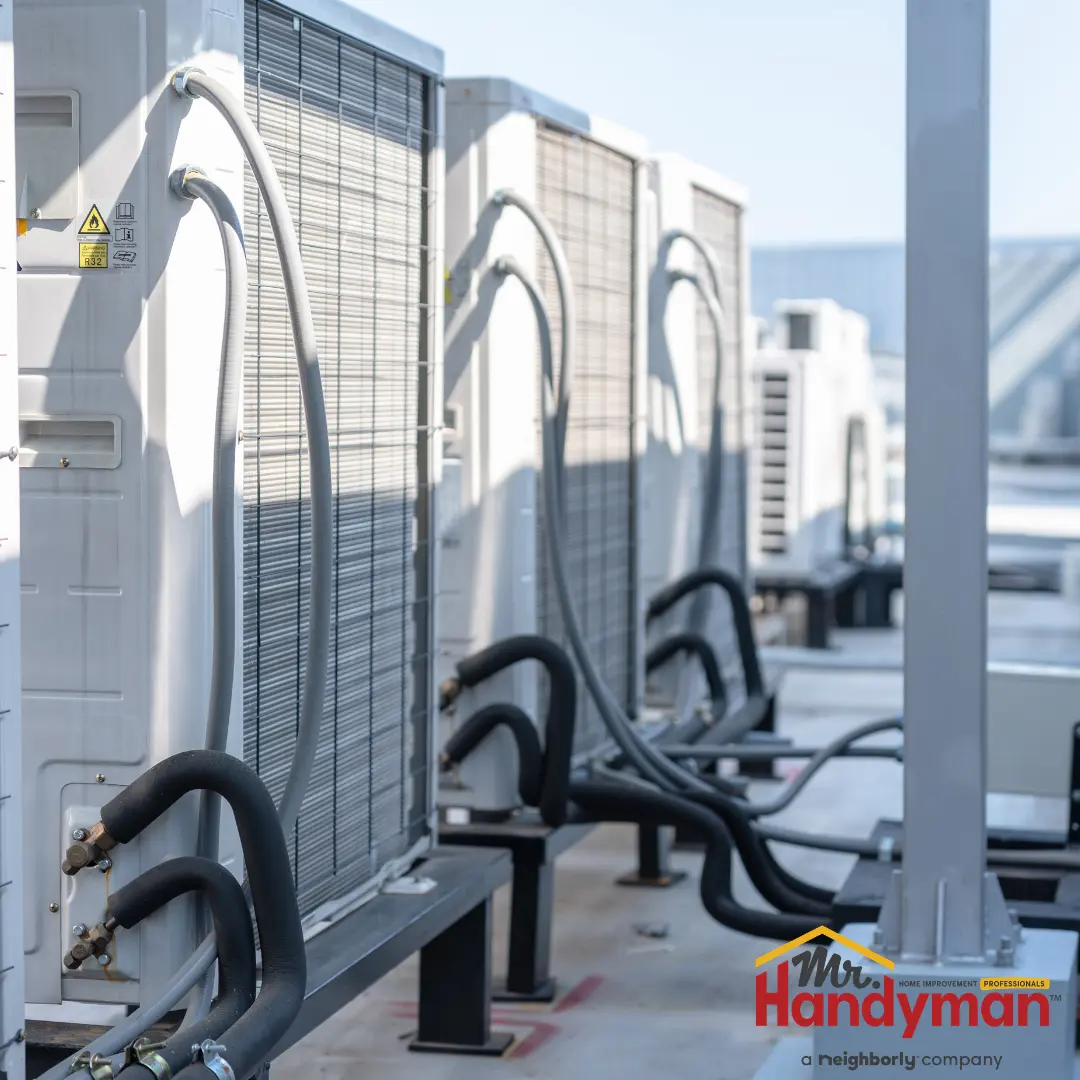
Commercial HVAC systems throughout Murfreesboro, Franklin, and Brentwood reach their heaviest annual operating demand during mid-summer, when Tennessee's combination of heat and humidity creates the highest cooling load of the year. A mid-summer check identifies whether the system is performing at the level this demand requires.
Filter replacement and inspection should be confirmed as current, since commercial HVAC systems running continuously through summer's peak demand accumulate filter loading faster than the rest of the year. A clogged filter forces the system to work harder to maintain airflow, increasing energy costs and accelerating wear on the system's mechanical components.
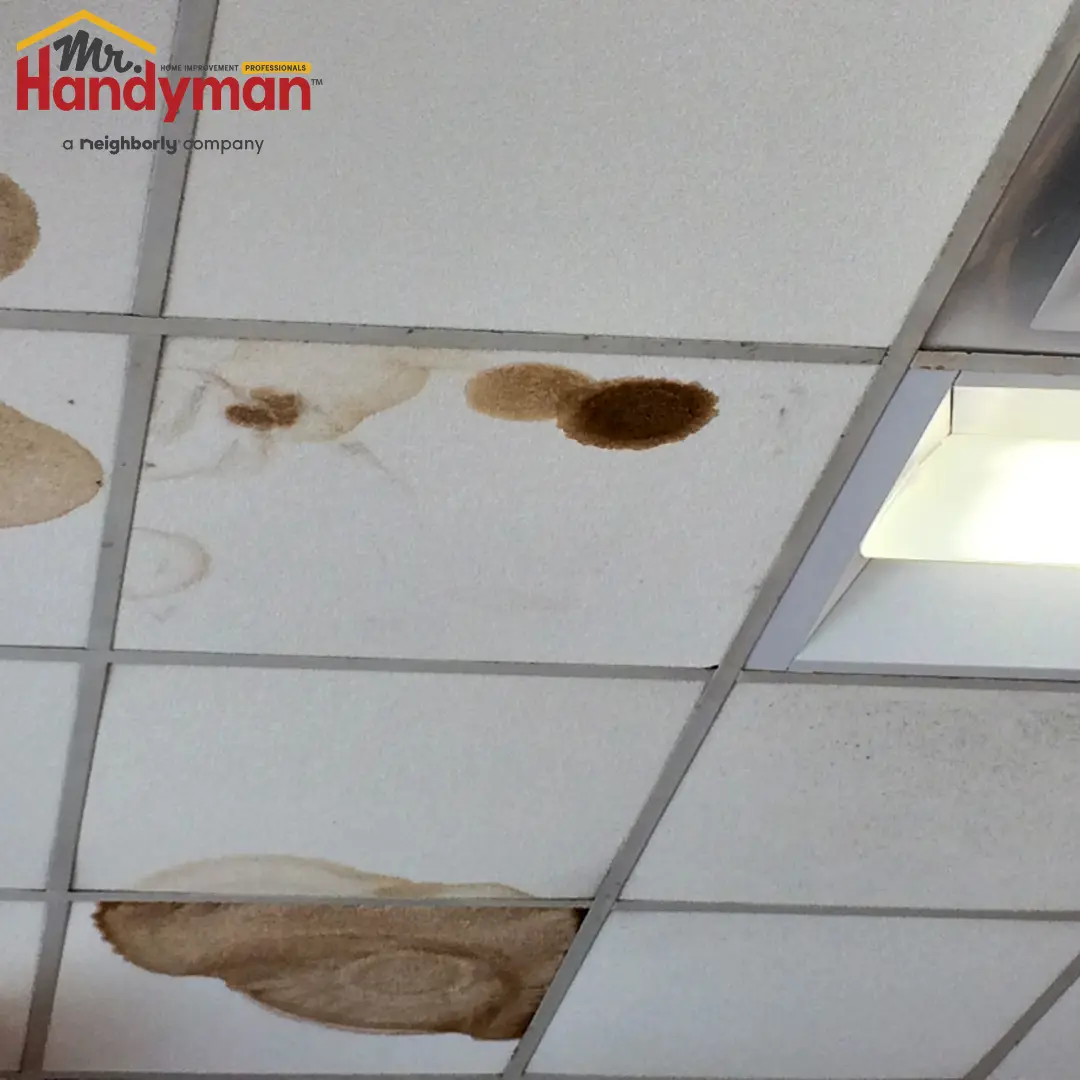
Condensate drain line clearing addresses one of the most common sources of interior water damage in commercial buildings during Middle Tennessee's high-humidity summer. The condensate that a properly functioning air conditioning system generates in large volumes during peak humidity conditions must drain freely, and a partially blocked condensate line that backs up creates the ceiling staining and interior water damage that property managers throughout the service area encounter consistently during the most humid months.
Refrigerant level and system efficiency assessment identifies whether the system is operating at its designed efficiency or whether declining refrigerant levels or other performance issues are forcing the system to run longer and harder than necessary to maintain set temperatures. A system that has been compensating for a developing problem since early summer often shows clear signs of this strain by mid-summer that a professional assessment identifies before complete system failure during the season's hottest weeks.
Thermostat and control system function should be verified, particularly in commercial spaces with multiple zones or programmable scheduling, to confirm the system is actually operating according to its intended schedule and setpoints rather than running inefficiently due to a control malfunction that may have developed gradually enough to go unnoticed.
Exterior Surfaces and Parking Areas
The exterior approach to a commercial property creates the first impression every customer and visitor forms, and mid-summer conditions throughout Middle Tennessee create specific maintenance needs for these surfaces.
Parking lot and walkway crack assessment identifies the cracking and joint separation that Middle Tennessee's clay-influenced soil and seasonal moisture cycling creates in commercial pavement and concrete. Cracks that have developed or widened since spring need sealing before the remaining summer storm season drives water into them, since water infiltration at this stage accelerates the freeze-thaw damage that the following winter will create.
Trip hazard identification at sidewalks, entries, and parking areas addresses the safety and liability concern that uneven pavement, settled walkway sections, and similar conditions create. Mid-summer's typically high customer and visitor traffic makes this an especially important window for identifying and correcting hazards before an incident occurs.
Exterior signage and lighting inspection confirms that pole lights, building-mounted fixtures, and illuminated signage are functioning correctly, since Middle Tennessee's later summer sunset means lighting plays a smaller functional role during peak business hours but remains important for evening operations, security, and the building's professional appearance after dark.
Landscaping and vegetation management near the building envelope addresses the growth that spring and early summer rainfall has encouraged, particularly vegetation that has grown close enough to building walls or HVAC equipment to create moisture retention against the building or airflow restriction around mechanical equipment.
Interior Conditions and Customer-Facing Spaces
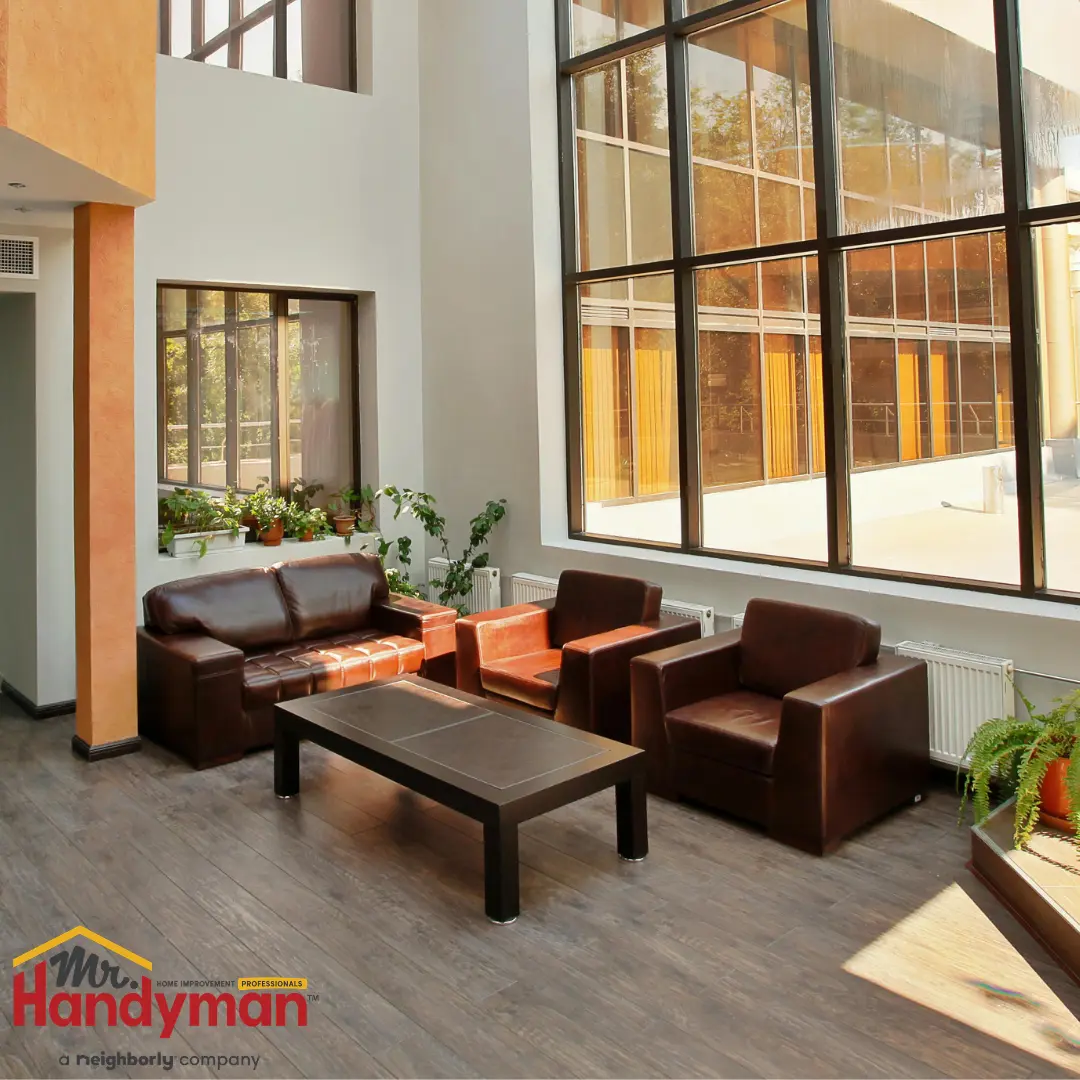
The interior conditions that customers and employees experience daily deserve mid-summer assessment specifically because the accumulated wear of several months of operation becomes most apparent at this point in the year.
Restroom fixture and ventilation assessment addresses the conditions that Middle Tennessee's humidity makes especially relevant. Adequate exhaust ventilation matters more during high-humidity summer months than at any other point in the year, and a fan that has been underperforming since spring creates the persistent moisture conditions that promote mold growth and the unpleasant odor conditions that affect customer experience directly.
Flooring and entry surface condition throughout customer-facing areas reflects the accumulated wear of summer's typically higher foot traffic, combined with the moisture and debris that frequent thunderstorm activity tracks into entry areas. Mid-summer assessment identifies flooring conditions, including worn entry mats, damaged transition strips, and slip hazards at entries, before they create the safety concern or visual impression problem that deferred attention allows to develop.
Interior lighting function throughout the building should be confirmed, with particular attention to any fixtures that have shown flickering or inconsistent operation, since these conditions often indicate developing electrical issues that are easier and less costly to address proactively than after complete fixture failure.
Ceiling tile and surface condition in commercial interiors should be checked for the staining or sagging that indicates moisture intrusion from roof or HVAC condensate issues, conditions that mid-summer's combination of heat and humidity makes more likely to develop and more important to catch early.
Door and Window Function
Commercial entry systems experience concentrated stress through summer's typically higher customer traffic, combined with the thermal cycling that Middle Tennessee's heat creates in door and window assemblies.
Door closer and hardware adjustment addresses the performance changes that temperature affects in hydraulic door closer mechanisms. A closer that was functioning normally in spring may close too quickly or too slowly in summer's heat, a condition that affects both customer experience and the energy efficiency of maintaining interior temperature against frequently opening doors.
Weatherstripping and seal condition at entry doors directly affects the energy efficiency of a commercial building during the season when cooling costs are highest. Worn or damaged weatherstripping allows conditioned air to escape and outside heat and humidity to enter, working directly against the HVAC system's effort to maintain comfortable interior conditions.
Window and storefront glazing seal inspection identifies the sealant conditions at window perimeters that summer's thermal cycling tests most directly. A compromised seal at this stage of summer not only allows energy loss but also creates the water infiltration risk that the season's remaining storm activity threatens.
Plumbing and Water System Check
Commercial plumbing systems throughout Murfreesboro, Franklin, and Brentwood experience specific summer stresses related to increased water use and the region's hard water mineral content.
Restroom fixture function should be confirmed throughout the building, with particular attention to any running toilets or weak flush conditions that waste water continuously and that summer's typically higher building occupancy makes more financially significant.
Water heater performance in commercial buildings with tank water heaters serving restrooms or break areas deserves a mid-summer check for sediment accumulation and overall function, since Middle Tennessee's hard water accelerates the mineral buildup that reduces heating efficiency over time.
Outdoor hose bib and irrigation system function for properties with landscaping or exterior wash-down needs should be confirmed, addressing any leaks or component wear that affects water use efficiency during the season when outdoor water demand is highest.
Building Frequently Asked Questions
What is the single most important mid-summer maintenance item for Middle Tennessee commercial properties?
Roof and drainage system assessment is consistently the highest priority, because the consequences of a roofing or drainage failure during the remaining summer storm season are typically the most expensive and disruptive of any building system failure, while the cost of proactive identification and repair at this stage remains modest.
How does Middle Tennessee's humidity specifically affect mid-summer commercial maintenance priorities?
The region's high summer humidity elevates the importance of HVAC condensate drain function, restroom ventilation adequacy, and interior moisture monitoring beyond what drier climates require, since the moisture management failures that humidity creates can develop into mold and interior damage conditions more readily than in lower-humidity environments.
Should commercial HVAC systems be serviced again in mid-summer if they were serviced in spring?
Yes. A mid-summer check specifically assesses how the system has performed under the season's actual peak demand, which spring servicing cannot anticipate. This is particularly important for systems that have been running continuously at high capacity, since developing issues often become apparent only after sustained heavy operation.
What exterior conditions should commercial property owners prioritize before the rest of summer's storm season?
Roof membrane and seam condition, gutter and drain clearing, and exterior sealant inspection at windows and expansion joints are the highest-priority exterior items, since these directly affect the building's ability to manage the storm activity that continues through the remainder of the Middle Tennessee summer.
How often should this kind of mid-summer assessment be repeated?
An annual mid-summer assessment, conducted as a checkpoint distinct from spring and fall inspections, is the appropriate baseline for most commercial properties throughout this service area. Properties experiencing rapid growth in customer or employee traffic, or those with aging building systems, may benefit from more frequent assessment.
Can a handyman service handle the full scope of mid-summer commercial maintenance?
Many of the items described here, including exterior sealant repair, door and window adjustment, interior surface and fixture maintenance, plumbing fixture repair, and general building condition assessment, fall within commercial handyman scope. HVAC system internal repair, electrical system work beyond fixture-level repair, and roofing membrane replacement typically require licensed specialty contractors, though identifying these conditions and coordinating the appropriate referral is part of a thorough mid-summer assessment.
Keep Your Middle Tennessee Commercial Property Performing Through the Rest of Summer
A structured mid-summer maintenance checkpoint helps commercial properties throughout Murfreesboro, Franklin, and Brentwood avoid the costly, disruptive failures that deferred attention creates during the season's remaining months. The team at Mr. Handyman of Murfreesboro, Franklin and Brentwood handles exterior sealant repair, door and window maintenance, interior fixture and surface repair, plumbing maintenance, and the full range of commercial building maintenance throughout Arrington, Brentwood, Christiana, Eagleville, Fairview, Franklin, La Vergne, Murfreesboro, Nolensville, Smyrna, Spring Hill, and the full service area.
Call us or visit www.mrhandyman.com/murfreesboro-smyrna to schedule your commercial maintenance assessment. We work around your business schedule, arrive on time, and back everything we do with the Neighborly Done Right Promise.
