
Why Cookout Season Creates Specific Plumbing Stress in Middle Tennessee
The cookout culture of Middle Tennessee is genuine and sustained. From the established neighborhoods of Brentwood and Franklin through the growing residential communities of Murfreesboro, Smyrna, Nolensville, and Spring Hill, summer gatherings are a real feature of how families and neighbors live through the warm season here. The Southern hospitality tradition that Middle Tennessee expresses so naturally means that summer weekends bring extended family visits, neighborhood cookouts, and the informal gatherings that the region's outdoor living culture creates as a natural extension of daily life.
What this hosting culture creates for residential plumbing systems is a concentrated stress pattern that the household's normal daily use never replicates. A home plumbed and designed for the water use patterns of its resident household members suddenly absorbs the kitchen drain loading of a large cookout, the bathroom cycling of twenty guests, the garbage disposal demands of post-meal cleanup, and the outdoor hose and water use of an active summer afternoon. This concentrated demand, repeated across multiple cookout weekends through the season, tests plumbing components at levels that accelerate wear and reveal the conditions that routine daily use would not expose for additional seasons.
Tennessee's limestone-influenced hard water adds a specific dimension to cookout season plumbing stress that homeowners in this service area manage more actively than households in softer-water markets. The mineral content of Middle Tennessee's water supply creates the accumulation at drain components, garbage disposals, and outdoor connections that cookout season's concentrated use drives toward failure faster than the accumulation rate that normal daily use creates. Understanding which plumbing conditions cookout season specifically creates, and which protective practices most directly reduce the risk of mid-gathering plumbing failures, helps homeowners throughout Murfreesboro, Franklin, and Brentwood host with confidence through the summer season.
Kitchen Drain Protection During Heavy Cookout Use

The kitchen drain system is the plumbing component most directly stressed by cookout season activity, and the specific conditions that heavy cookout cooking creates in residential drain systems are distinct from the normal daily load that these systems manage without difficulty.
Grease is the primary concern. Cookout cooking generates cooking oils, meat fats, and grease in volumes that a summer gathering creates in a single afternoon that might not accumulate in a normal week of household cooking. Grease poured down the kitchen drain in any volume is a drain health problem, but the concentrated volumes that large cookout cleanup creates are the condition most likely to create the immediate slow drain or blockage that interrupts cleanup and creates the post-party plumbing repair that proper handling prevents entirely.
The critical practice is simple and non-negotiable: grease goes in the trash, never down the drain. Allow grease from pans, grills, and any cooking vessel to cool in the pan or in a dedicated container, then dispose of it in the trash. A coffee can or other metal container kept near the cooking area for grease collection is the practical infrastructure that makes correct disposal easy rather than inconvenient when the cooking is winding down and multiple people are managing cleanup simultaneously.
Dish soap and hot water flushed down the kitchen drain after any incidental grease contact helps emulsify minor residue before it solidifies in the trap or drain pipe. Running hot water for thirty seconds before and after any dish washing at the kitchen sink during and after the cookout reduces the residue accumulation that grease leaves in the drain pipe walls.
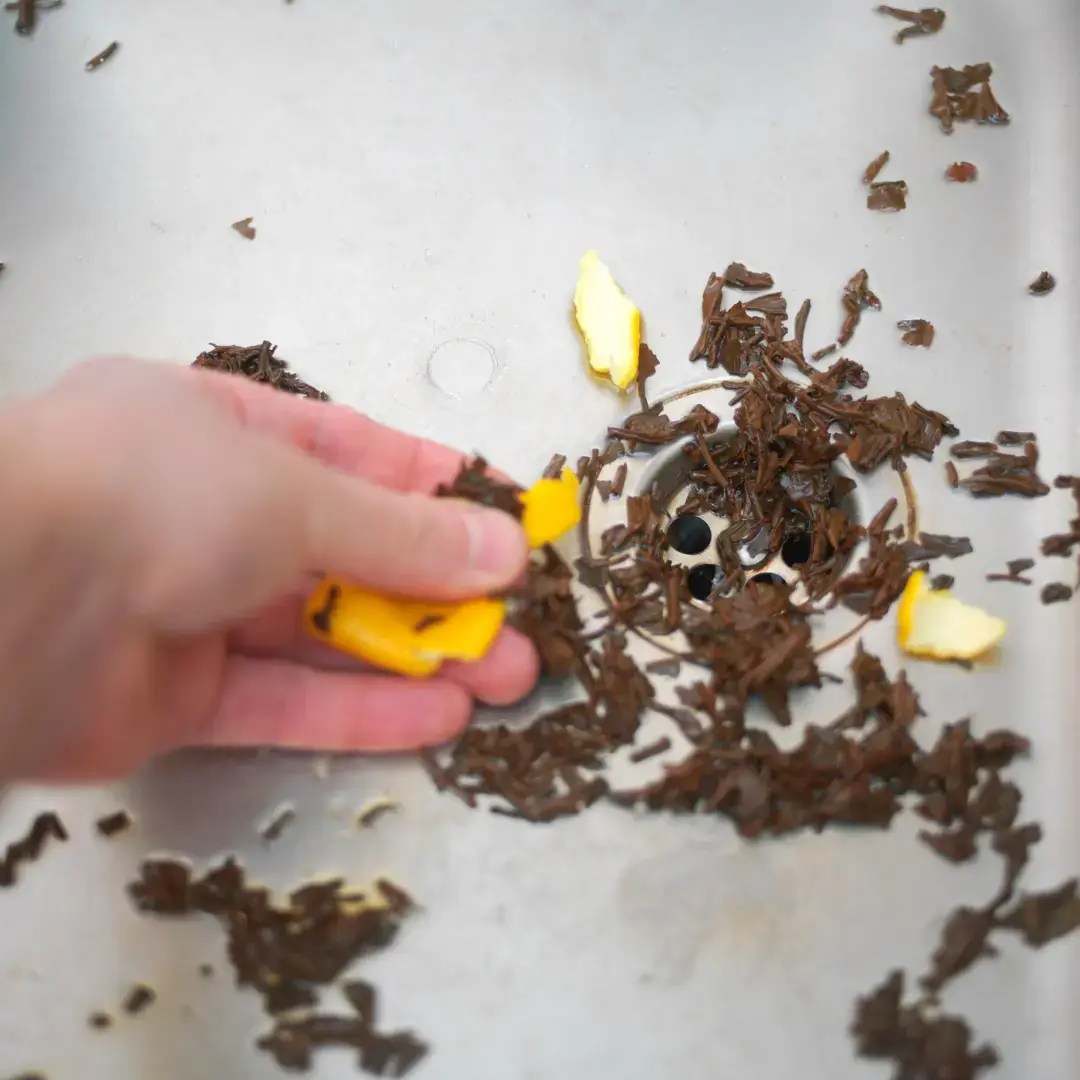
Food particle management at the kitchen drain is the companion concern to grease during heavy cookout cleanup. The scraping of plates, disposal of salad remnants, and the general cleanup of a large gathering creates solid material in volumes that the kitchen drain system manages better with a drain strainer capturing the bulk of solid material before it enters the drain. A simple mesh drain strainer at the kitchen sink during cookout cleanup captures the food particles that, if allowed to enter the drain, accumulate at bends in the drain pipe and contribute to the blockage conditions that cookout season reveals in drain systems already compromised by preceding months of normal use accumulation.
Garbage Disposal Care During Cookout Cleanup
The garbage disposal is the kitchen plumbing component that cookout season tests most abruptly, and the concentrated post-cookout cleanup load is responsible for the garbage disposal jams and motor burnouts that are among the most consistent mid-summer plumbing service calls throughout the Murfreesboro, Franklin, and Brentwood service area.
Several specific food materials that cookout gatherings generate should never enter the garbage disposal, and the concentration of these materials in a post-cookout kitchen makes this guidance specifically relevant to the gathering context. Corn cobs and corn husks from grilled corn create the fibrous material that wraps around the disposal's impellers and creates the jam that motor shutdown follows. Fruit pits from the watermelon, peaches, and stone fruits that Middle Tennessee summer gatherings feature are hard enough to damage impeller components. Onion layers and artichoke leaves create the thin, papery material that bypasses the impellers and accumulates in the drain pipe below the disposal where it forms the mesh that subsequent food particles adhere to and build the blockage upon.
Bones from grilled chicken, ribs, and other cookout staples absolutely should not enter the disposal. A single small bone can jam the impeller and require professional reset and potentially impeller replacement if the motor has burned out attempting to process the obstruction.
The operational practice that protects the garbage disposal during heavy cookout cleanup is running cold water before, during, and for thirty seconds after any disposal use. Cold water solidifies any grease that has entered the disposal, allowing the impellers to process it as solid material that exits the drain rather than as liquid grease that coats the drain pipe below. This is specifically important during cookout cleanup when both food particles and grease are entering the disposal simultaneously.
If the disposal jams during cookout cleanup, the correct response is to switch it off immediately, allow it to cool for several minutes, and then use the hex wrench at the disposal base to manually rotate the impeller and clear the jam before attempting to restart. Continuing to run a jammed disposal trips the thermal overload protection and may burn the motor if the jam is not cleared before restarting.
Bathroom Plumbing During Guest-Heavy Gatherings
The bathroom plumbing system of a residential home is designed for the cycling patterns of its resident household members. A summer cookout bringing twenty or more guests into a home that normally serves four creates the concentrated bathroom cycling that reveals the slow drain, running toilet, and weak flush conditions that daily use has not yet made sufficiently inconvenient to address.
Pre-cookout bathroom assessment is the straightforward preparation practice that prevents the mid-gathering bathroom plumbing failure that hosts find most disruptive. Testing each toilet for running or weak flush before the gathering begins identifies the flapper or fill valve condition that the first guest's flush would otherwise reveal. Confirming that shower and sink drains are flowing freely before guests arrive identifies the partial blockage that accumulated use would complete to full blockage during the gathering. And confirming that toilet paper availability is adequate and that waste bins are accessible for the non-flushable materials that guests may otherwise dispose of incorrectly prevents the toilet clog conditions that paper towels, facial tissues, and similar materials create when flushed.
Flushable wipes are specifically worth addressing in a pre-cookout bathroom communication. Despite their labeling, flushable wipes do not break down in residential drain systems the way toilet tissue does, and a single gathering where multiple guests flush wipes can create the accumulation in the drain line that the next flush converts to a clog requiring professional drain clearing. A small sign or verbal communication to guests that only toilet tissue should be flushed is the low-friction prevention that the specific Middle Tennessee drain conditions make worthwhile.
Outdoor Water Use and Hose Management
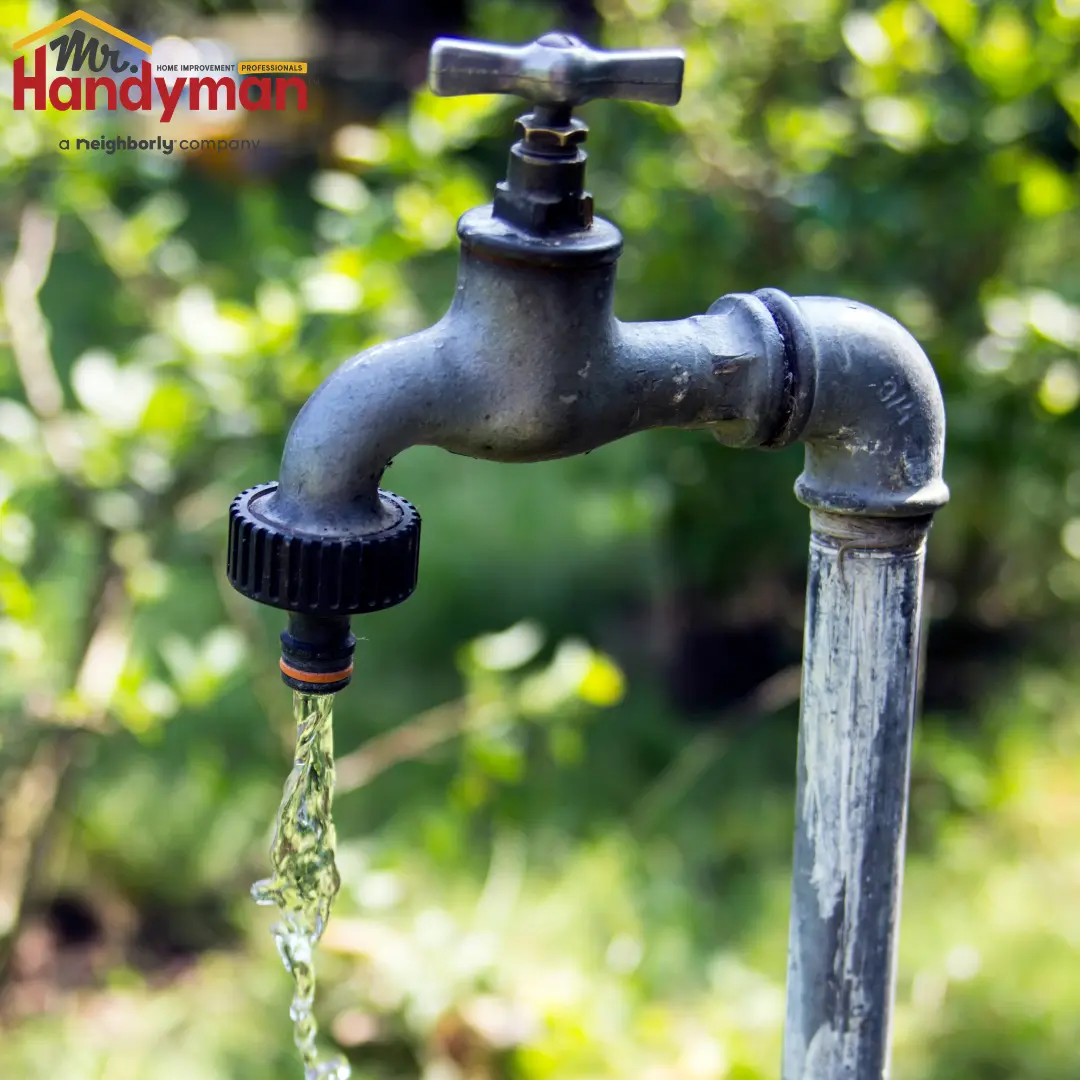
The outdoor water demands of a summer cookout, including filling coolers, rinsing food, running a sprinkler for children, and the general outdoor cleaning that large gatherings create, concentrates hose bib and outdoor supply use at rates that the connection conditions of these fixtures are tested under.
A hose bib that has been dripping at the packing nut or at the hose connection through the spring and early summer without repair will progress to a more significant leak under the extended outdoor water use that a full cookout day creates. The pressure cycling of repeatedly connecting and disconnecting hoses, turning the bib on and off multiple times through the gathering, and the extended run periods that outdoor water use during a gathering creates all accelerate the condition of a compromised hose bib toward the active leak that then requires management during the gathering itself.
Pre-cookout hose bib inspection involves checking for drips at the handle packing nut when the bib is open, checking for leaks at the hose connection thread, and confirming that the bib shuts off completely without requiring excessive force or leaving a residual drip. Any of these conditions warrants repair before the gathering rather than accommodation during it.
Hose storage and management during the cookout itself is the operational practice that prevents the tripping hazard and water waste that an unattended running hose creates. A hose reel or organized storage location for the hose between uses keeps the outdoor area safe and prevents the extended water waste that a partially open hose bib with an unattended hose creates through hours of gathering activity.
Preparing for Post-Cookout Cleanup

The post-cookout cleanup period is the plumbing stress concentration that proper preparation makes efficient rather than problematic. A kitchen that receives the concentrated cleanup of a large gathering without preparation for that load will reveal the conditions that the gathering's cooking activity has created in the drain system and will require the workarounds that proper preparation makes unnecessary.
Running a full sink of hot soapy water before beginning dish cleanup and allowing the disposal to run with cold water between loads keeps the kitchen drain system moving through the cleanup process rather than slowing progressively as residue accumulates. Staggering the disposal use rather than running continuous loads with long batches of food material gives the drain system the processing time that prevents the accumulation that overwhelms the drain capacity.
Outdoor cleanup water management directs the washing water from grills, coolers, and outdoor cooking equipment away from the home's foundation perimeter. Middle Tennessee's clay-rich soil retains moisture in ways that concentrated water release at the foundation perimeter creates the soil saturation that foundation movement and interior moisture conditions reflect over time. A hose directed to drain well away from the foundation during outdoor equipment cleanup is the simple operational practice that protects foundation conditions through a summer of regular cookout activity.
Frequently Asked Questions
What is the single most important plumbing protection during a Middle Tennessee cookout?
Keeping grease out of the kitchen drain is the most impactful single practice. The concentrated volumes of cooking grease that a summer gathering generates in a single afternoon can create the drain blockage that normal daily cooking would not produce in weeks. A dedicated grease disposal container near the cooking area makes correct disposal easy during the active cleanup period when the temptation to take shortcuts is highest.
How should a garbage disposal be protected during heavy cookout cleanup?
Running cold water before, during, and for thirty seconds after every disposal use, avoiding bones, corn cobs, fruit pits, and fibrous vegetable material, and not overloading the disposal with large batches of food material are the three practices that protect the disposal during the concentrated cleanup load that a large cookout creates. If the disposal jams, turn it off immediately, allow it to cool, use the hex key reset at the base, then restart.
Should any pre-cookout plumbing checks be completed before guests arrive?
Yes. Testing each toilet for running or weak flush, confirming that bathroom and kitchen drains flow freely, checking hose bibs for drips at the packing nut and hose connection, and confirming garbage disposal function before the gathering begins identifies the conditions that mid-gathering failures would reveal to guests rather than to the host in advance.
What common cookout materials should never be flushed in Middle Tennessee homes?
Flushable wipes despite their labeling, paper towels, facial tissues, and any non-toilet-tissue material should not be flushed in Middle Tennessee residential drain systems. These materials do not break down the way toilet tissue does and create the drain line accumulation that the concentrated bathroom use of a large gathering converts to the active blockage that requires professional clearing.
How does Middle Tennessee hard water affect cookout season plumbing specifically?
Tennessee's limestone-influenced water accelerates mineral accumulation at drain components, disposal impellers, and outdoor faucet connections at rates that cookout season's concentrated use drives toward failure faster than normal daily use. Pre-cookout inspection of these components identifies the conditions that accumulated mineral wear has brought toward failure before the gathering's concentrated demand tests them.
When should a homeowner call a professional rather than attempting plumbing repair during a cookout?
A drain that does not respond to plunging, a disposal that does not reset and restart after the hex key procedure, a toilet that is overflowing, and any supply line showing visible swelling or moisture at connections are all conditions requiring professional response rather than DIY management during a gathering. Having the Mr. Handyman contact number available during summer gatherings is the practical preparation that converts a plumbing event from a hosting crisis to a managed service call.
Host With Confidence Throughout Cookout Season
The plumbing conditions that cookout season creates in Murfreesboro, Franklin, and Brentwood homes are consistently more manageable when addressed through the preventive practices and pre-gathering preparation described here than when discovered mid-gathering as the failures that deferred attention creates. The team at Mr. Handyman of Murfreesboro, Franklin and Brentwood handles the pre-cookout plumbing assessment, faucet and toilet repair, drain cleaning, hose bib repair, and disposal service that keeps your plumbing system performing through a full summer of Middle Tennessee hosting.
Call us or visit www.mrhandyman.com/murfreesboro-smyrna to schedule your service. We show up on time, work cleanly, and back everything we do with the Neighborly Done Right Promise.
