Mr. Handyman of Murfreesboro, Franklin, and Brentwood
The Maintenance Reality That Every Murfreesboro and Franklin Restaurant Faces
Running a restaurant in Murfreesboro, Franklin, or Brentwood means operating in one of the most physically demanding commercial environments that any building type creates. The concentrated foot traffic of a busy dinner service, the heat and humidity that kitchen operations sustain throughout every operating shift, the grease that food preparation distributes across kitchen surfaces and into ventilation systems, the continuous water use that commercial kitchen operations require, and the sheer volume of door operations, chair movements, and customer contact that a busy restaurant generates through each service period all act on the restaurant's physical environment at rates that general commercial office or retail properties don't approach.
The result is a maintenance demand profile that is more active, more varied, and more time-sensitive than most restaurant owners anticipate when they open, and that the daily operational focus of running a busy restaurant consistently pushes toward deferral when the choice is between scheduling a maintenance call and managing the next service. A loose chair that wobbles creates a customer experience problem. A dining room door that doesn't close completely after customer entry lets in the summer heat that Middle Tennessee July creates. A bathroom door handle that has loosened admits uncomfortable physical contact at every customer use. A dining room light fixture with a burned-out lamp creates a dim spot that the table beneath it makes unwelcoming. And the accumulated effect of multiple deferred small conditions creates the overall impression that careful restaurant operators work hard to prevent in every other dimension of the customer experience.
The solution that experienced Murfreesboro, Franklin, and Brentwood restaurant operators have discovered is not reactive repair management that addresses each condition when it becomes critical but the regular handyman service relationship that catches conditions early, addresses multiple items efficiently during each service visit, and prevents the critical failures that deferred maintenance creates in the specific and demanding physical environment that restaurant operations produce.
Mr. Handyman of Murfreesboro, Franklin, and Brentwood serves restaurants throughout the service area with the regular commercial maintenance relationship that restaurant physical environments specifically require, working around restaurant operating schedules to deliver the maintenance scope that keeps restaurant facilities performing at the standard their customers deserve.
Why Restaurants Generate More Maintenance Demand Than Other Commercial Properties
The Physical Intensity of Restaurant Operations
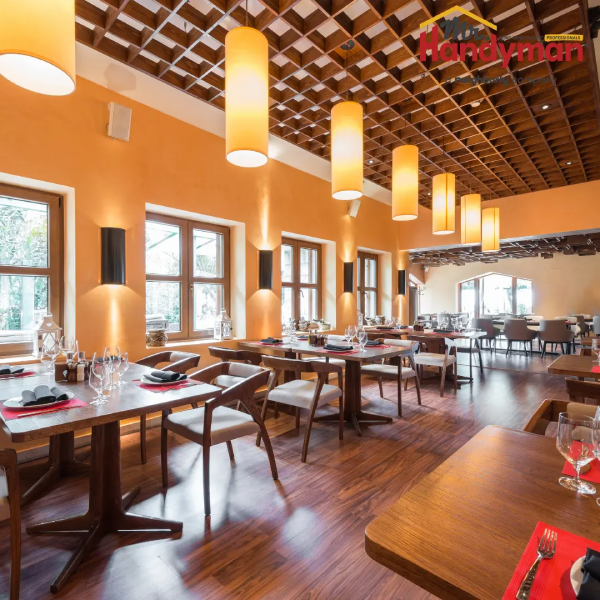
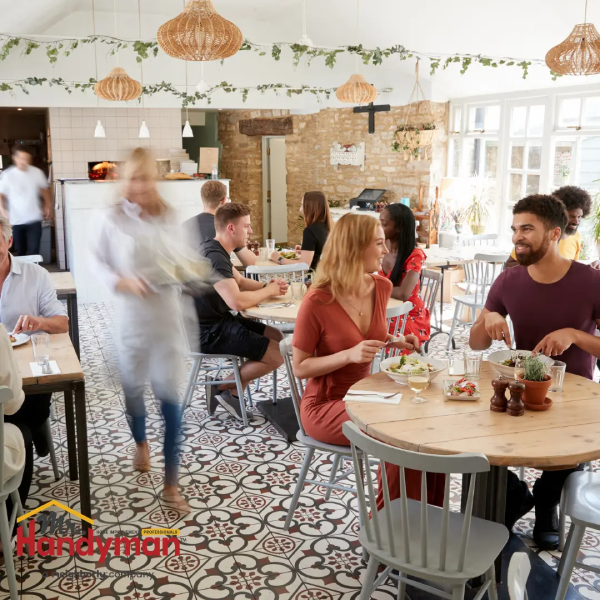
Restaurant operations create physical demands on the building environment that distinguish them from every other commercial property type in the Murfreesboro, Franklin, and Brentwood commercial landscape. The front of house presents the concentrated customer traffic, the furniture movement, the door operation volume, and the customer contact with surfaces, hardware, and fixtures that daily restaurant service generates at the specific intensity that popular local restaurants create through lunch and dinner service cycles. The back of house creates the heat, humidity, grease accumulation, and the physical demands of commercial kitchen operation that the front of house conditions don't replicate but that act simultaneously on the restaurant's back of house environment throughout every operating shift.
Together these environments create a maintenance demand profile that compounds through each operating day and accumulates through each operating week in ways that restaurant owners who have managed properties through multiple seasons recognize clearly. The chair that develops the loose joint through the daily stacking and unstacking cycle becomes the wobble that customers notice within weeks of the joint loosening. The door closer that begins operating too fast in summer's heat creates the slamming that dining room ambiance requires eliminating. The caulking at the kitchen equipment base that has failed creates the cleaning difficulty and potential food safety concern that the health department inspection notices. And the interior paint that accumulates the scuffs and marks that daily kitchen and dining room activity creates communicates maintenance status that the restaurant's customer-facing quality should not allow.
The Regulatory Dimension That Restaurant Maintenance Creates
Murfreesboro, Franklin, and Brentwood restaurants operate under the Tennessee Department of Health's food service establishment inspection requirements that create the regulatory maintenance dimension that other commercial property types without food service operations don't face. Health department inspections evaluate the physical condition of the restaurant's kitchen and service areas alongside food handling practices, and physical plant deficiencies that a health inspector documents create the compliance follow-up that the restaurant must address before the next inspection reveals continued non-compliance.
The specific physical plant conditions that health inspections most consistently identify in Middle Tennessee restaurants include equipment base caulking that has failed and created the joint between equipment and floor surface that food debris accumulates in and cleaning cannot adequately address, wall surface damage adjacent to food preparation areas that has advanced to the condition where the wall surface is no longer smooth and cleanable as the food code requires, ceiling tile damage or staining above food preparation areas that the health code addresses through cleanable ceiling surface requirements, and the plumbing fixture and drainage conditions that the food code's specific equipment requirements govern.
Regular handyman service that maintains these specific physical plant conditions before the health inspection documents them as deficiencies is the proactive maintenance approach that keeps restaurant operators ahead of the compliance conversation rather than responding to inspection findings with the urgency that health department follow-up creates.
The Specific Maintenance Categories That Regular Restaurant Service Addresses
Furniture and Fixture Tightening and Repair
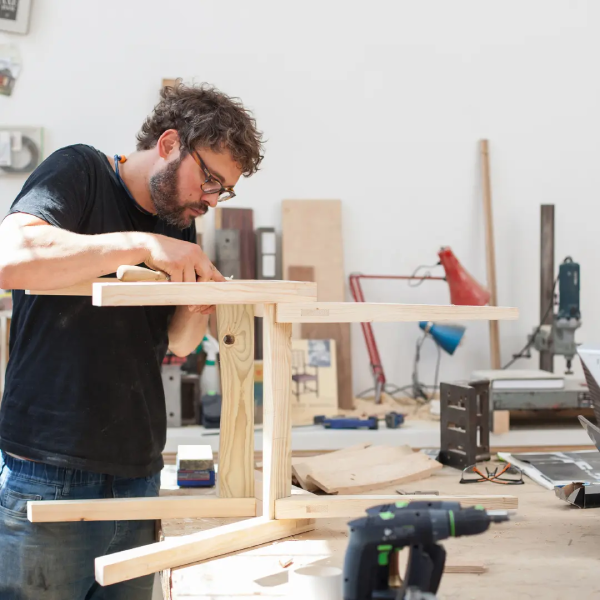
Restaurant furniture in Murfreesboro, Franklin, and Brentwood dining rooms experiences the physical demands of daily service that stacking, unstacking, movement across dining room floors, and continuous customer use creates in chair and table joints, connections, and structural elements. The daily cycle of stacking chairs at the end of service and unstacking them before the next service is the specific mechanical cycle that chair joint adhesion and fastening systems experience at the rate that each service cycle represents, and that rate in a busy restaurant produces the joint loosening that customer-perceptible wobble results from within months of a new chair installation without the periodic joint tightening that the use cycle demands.
Regular handyman service that includes furniture joint inspection and tightening as a standard component of each service visit identifies loose joints before they advance to the structural failure that wobbling chairs eventually reach, and addresses them with the wood glue injection, screw replacement, and joint reinforcement that chair joint service requires to restore the stable, wobble-free condition that restaurant seating quality demands. Table base tightening at the column and base connection, booth seat and back inspection at the wall attachment and seat frame connections, and bar stool structural inspection at the footrest and seat connections are the furniture elements that regular restaurant handyman service systematically maintains through each service visit.
Door and Hardware Service Through High-Traffic Restaurant Cycles
Restaurant doors experience the operation volumes that the combined traffic of customers, staff, and delivery personnel creates through each operating day, and those volumes advance door hardware wear, closer adjustment drift, and frame and threshold conditions at the rates that restaurant traffic intensity specifically creates. Front of house entry doors that are operated hundreds of times daily through the combined customer, staff, and delivery traffic of a busy Murfreesboro or Franklin restaurant develop the hardware wear, closer drift, and weatherstripping compression that the same door in a lower-traffic commercial space accumulates through years of less intensive operation.
Kitchen pass-through doors, walk-in cooler and freezer doors, and the various interior commercial doors that back of house operations cycle through each shift present their own maintenance demands shaped by the kitchen environment's heat, humidity, and grease conditions. Walk-in cooler and freezer door gaskets that have lost their compression seal allow the temperature differential between the cold interior and the ambient kitchen environment to advance ice formation at the door perimeter that gasket failure in cold storage applications consistently creates. Replacing walk-in door gaskets before the seal failure has advanced to the ice formation stage that food safety and energy efficiency both reflect is the preventive maintenance that regular restaurant handyman service addresses before the condition creates the food safety and energy cost consequences that failed gasket service life eventually produces.
Wall and Ceiling Surface Maintenance
Restaurant wall and ceiling surfaces in both front of house and back of house environments accumulate the damage that Middle Tennessee restaurant operations create through each operating period. Front of house dining room walls accumulate the scuffs and chair back contact marks at the specific height that chair backs create against dining room walls in typical table spacing, and the server station areas where staff activity concentrates through each service period develop the surface damage that concentrated contact creates in those specific locations. Back of house kitchen walls accumulate the grease splash, moisture, and physical impact from equipment and supply movement that commercial kitchen operations create in the areas adjacent to cooking equipment, prep surfaces, and the traffic paths that kitchen staff and deliveries use through each shift.
Regular surface repair and paint touch-up that addresses accumulated dining room wall damage before it advances to the condition that requires full wall repainting, and maintenance of kitchen wall surfaces in the areas that health code cleanability requirements govern, is the surface maintenance program that regular restaurant handyman service sustains through the ongoing operation rather than addressing in the comprehensive repainting projects that deferred surface maintenance eventually requires.
Restroom Fixture and Hardware Maintenance
Restaurant restrooms receive the customer traffic volume that dining room occupancy creates through each service period, and the fixture, hardware, and surface conditions that restroom use generates at those volumes advance faster than the same conditions in comparable commercial restrooms with lower traffic intensity. Customer-facing restroom condition is among the most direct reflections of a restaurant's overall maintenance standards, because customers who use the restroom during their dining experience form impressions of the restaurant's attention to detail that the food and service quality alone doesn't convey.
Regular handyman service that inspects and services restroom hardware, including door closers, handle sets, and the various accessory hardware that commercial restrooms contain, and addresses the fixture and surface conditions that heavy use creates, maintains the restroom standard that restaurant customer impressions require without the deferred condition accumulation that irregular maintenance produces in high-traffic restaurant restroom environments.
The Scheduling Approach That Works for Restaurant Operations
Working Around Service Periods
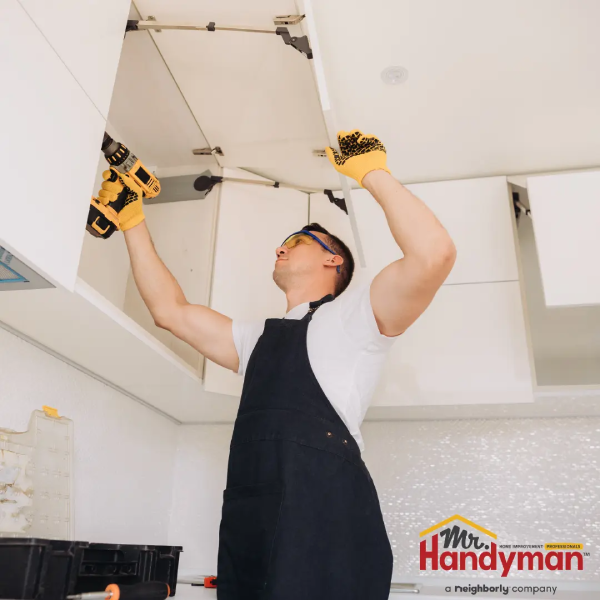
The specific challenge that restaurant maintenance scheduling creates is matching the maintenance access that each repair requires against the service periods that the restaurant cannot interrupt for maintenance work. Mr. Handyman of Murfreesboro, Franklin, and Brentwood's commercial scheduling for restaurant clients works within the pre-opening morning window, the post-service closing window, and the mid-week low-traffic periods that most Murfreesboro, Franklin, and Brentwood restaurants have available between service periods, delivering the maintenance scope that each service visit addresses without creating the operational disruption that maintenance during active service would require.
The pre-opening morning window is the most productive maintenance access period for front of house work, including furniture tightening, door and hardware service, dining room wall touch-up, and the interior surface work that active service makes impractical. The post-closing window provides access to both front of house and back of house environments after the cleanup that each service ends with, allowing kitchen area maintenance work including equipment base caulking, kitchen wall surface maintenance, and the various back of house repairs that kitchen operations require outside of operating hours. The mid-week period between service sessions, typically the mid-afternoon between lunch and dinner service in restaurants that operate both periods, provides the shorter access window that specific urgent repairs require when the pre-opening and post-closing windows don't accommodate the specific scope.
The Regular Service Visit Cadence
Monthly or quarterly regular service visits that address accumulated maintenance items across the restaurant's full facility, rather than individual reactive service calls that address single urgent conditions one at a time, produce the most efficient maintenance delivery and the most consistent facility condition for Murfreesboro, Franklin, and Brentwood restaurant clients. Each regular service visit generates a scope list from the inspection that begins the visit, addressing the accumulated items from the preceding service period alongside any specific items the restaurant operator has identified between visits.
This regular cadence approach provides the restaurant operator with the predictable maintenance cost and predictable facility condition that reactive repair management doesn't produce, because the accumulation between regular visits is bounded by the visit interval rather than by the urgency threshold that reactive management applies as the scheduling criterion. Conditions identified during a regular service visit inspection that are approaching but haven't yet reached the urgency threshold are addressed during that visit rather than deferred until the threshold is reached, preventing the escalation from developing condition to urgent failure that deferred reactive management consistently allows.
Specific Middle Tennessee Restaurant Maintenance Considerations
Summer Heat and Restaurant Interior Conditions
Middle Tennessee's summer heat creates specific restaurant maintenance considerations that the Murfreesboro, Franklin, and Brentwood restaurant environment amplifies through the combination of outdoor summer temperatures and the internal heat that commercial kitchen operations add to the restaurant building's thermal environment. Wood furniture joints that absorb the moisture that summer's humidity deposits in wood fiber and then dry through the air conditioning that dining room cooling creates may expand and contract through summer's humidity cycling at rates that accelerate the joint loosening that regular tightening service manages. Door closers whose hydraulic fluid viscosity changes through summer's temperature range drift from their adjusted settings at rates that the temperature differential between the outdoor summer conditions and the air-conditioned dining room interior creates.
Health Inspection Season Preparation
Tennessee's restaurant health inspection program conducts inspections throughout the year, and Murfreesboro, Franklin, and Brentwood restaurants whose regular handyman service maintains physical plant conditions continuously are better positioned for inspections that may occur at any point in the operating year than restaurants whose physical plant conditions have accumulated between less frequent maintenance attention. The specific physical plant items that health inspection documents as observations or violations when they are not maintained include equipment base caulking in food preparation areas, wall surface damage in areas adjacent to food contact surfaces, ceiling tile damage or staining above food preparation and storage areas, and the plumbing fixture and drainage conditions that the Tennessee food code addresses through specific equipment requirements.
Seasonal Exterior Conditions
Murfreesboro, Franklin, and Brentwood restaurant exterior conditions create seasonal maintenance considerations that the combination of customer-facing exterior presentation and Middle Tennessee's climate creates through each annual cycle. Restaurant exterior entry conditions including door hardware, entry mat anchoring, and the approach path conditions that customer first impressions begin with require the pre-summer assessment and service that positions the restaurant's exterior presentation for the high-visibility summer season. Outdoor dining area furniture, shade structures, and the exterior equipment that summer dining service requires receive the inspection and maintenance that winter storage and spring deployment create as seasonal maintenance requirements for restaurants whose summer outdoor dining is a meaningful component of their total service capacity.
The Financial Case for Regular Service Over Reactive Repair
Preventing the Failure That Costs More Than the Prevention
The financial argument for regular restaurant handyman service rather than reactive repair management rests on the consistent relationship between the cost of preventing a condition and the cost of addressing that condition after it has progressed to the failure or customer impact stage. The chair joint that receives tightening service during a regular visit at minimal cost as a component of the visit's broader scope becomes the chair that fails structurally during service, creating the customer incident and the emergency replacement that the preventive tightening service would have cost a fraction of. The walk-in cooler door gasket that receives replacement service during a regular visit before seal failure creates ice formation becomes the failed gasket whose ice accumulation requires defrost service and the energy cost of reduced cold storage efficiency through the period the failed gasket ran unaddressed.
The cumulative financial return of regular maintenance that prevents conditions from reaching the failure and customer impact stage consistently exceeds the cost of the regular service program across the typical restaurant's operating year, and the operational continuity benefit, specifically the service periods that don't get disrupted by urgent maintenance conditions requiring immediate address, adds the non-financial return that restaurant operators whose service has not been interrupted by urgent facility failure understand most directly from their own experience.
Frequently Asked Questions
How does Mr. Handyman of Murfreesboro, Franklin, and Brentwood structure regular service agreements for local restaurants?
Mr. Handyman of Murfreesboro, Franklin, and Brentwood structures regular restaurant service around each restaurant's specific maintenance needs, operating schedule, and service access windows, developing the visit cadence and scope that each restaurant's facility condition and operational pattern requires. Monthly service visits address the higher-demand maintenance accumulation that busy Murfreesboro and Franklin restaurant environments create between visits. Quarterly service visits serve restaurants whose maintenance accumulation rate and budget parameters make the longer interval appropriate. The specific scope of each visit is determined by the inspection that begins each service call alongside any items the operator has identified between visits.
What restaurant maintenance work falls within Mr. Handyman's permitted scope?
Mr. Handyman of Murfreesboro, Franklin, and Brentwood handles the full range of restaurant facility maintenance within the permitted commercial handyman scope including furniture joint tightening and repair, door hardware and closer service, walk-in door gasket replacement, wall and ceiling surface repair and painting, restroom fixture and hardware service, equipment base caulking, lighting fixture and lamp replacement, exterior condition maintenance, and the general facility repairs that restaurant operations generate through daily service. Work involving licensed plumbing, electrical, or mechanical scope requires the appropriate licensed trade contractor involvement that Tennessee's licensing requirements govern.
How does regular handyman service help Murfreesboro and Franklin restaurants with health inspections?
Regular handyman service maintains the specific physical plant conditions that Tennessee health inspections evaluate on a continuous basis rather than allowing those conditions to accumulate between less frequent maintenance attention. Equipment base caulking that is maintained in the intact, cleanable condition that the food code requires, wall surfaces in food preparation areas that are maintained in the smooth, cleanable condition that health code standards govern, and ceiling surfaces above food preparation areas that are maintained in the clean, damage-free condition that health inspection evaluates are all physical plant conditions that regular handyman service maintains proactively rather than addressing reactively following inspection findings.
What is the recommended service visit interval for a busy Murfreesboro or Franklin restaurant?
Monthly service visits are the recommended interval for high-volume restaurants in Murfreesboro, Franklin, and Brentwood whose daily traffic volume and operational intensity create maintenance accumulation rates that quarterly intervals allow to advance to customer-impacting conditions between visits. Smaller or lower-volume restaurants whose operational intensity creates a more moderate maintenance accumulation rate may be well-served by quarterly visits whose scope comprehensively addresses the accumulated items from the preceding three-month period. Mr. Handyman of Murfreesboro, Franklin, and Brentwood recommends the interval that each specific restaurant's operational profile and facility condition warrant rather than a uniform interval regardless of those specific factors.
The Murfreesboro and Franklin Restaurant That Maintenance Protects
The Murfreesboro, Franklin, and Brentwood restaurant whose regular handyman service relationship maintains furniture tightness through each operating season, whose door and hardware conditions serve customer traffic without the difficulty and discomfort that neglected commercial hardware creates, whose wall and ceiling surfaces present the maintained condition that customer dining environments require, whose restrooms reflect the maintenance standards that the dining room service works to establish, and whose physical plant conditions stay ahead of the health inspection findings that reactive maintenance allows to accumulate is the restaurant whose physical environment supports the food, service, and experience quality that the restaurant's reputation is built on.
Mr. Handyman of Murfreesboro, Franklin, and Brentwood is ready to develop the regular service relationship that each Murfreesboro, Franklin, and Brentwood restaurant's specific facility and operational needs require.
Website: https://www.mrhandyman.com/murfreesboro-smyrna/ Serving Murfreesboro, Franklin, and Brentwood with dependable service and the expertise your home deserves.